-
-
-
-
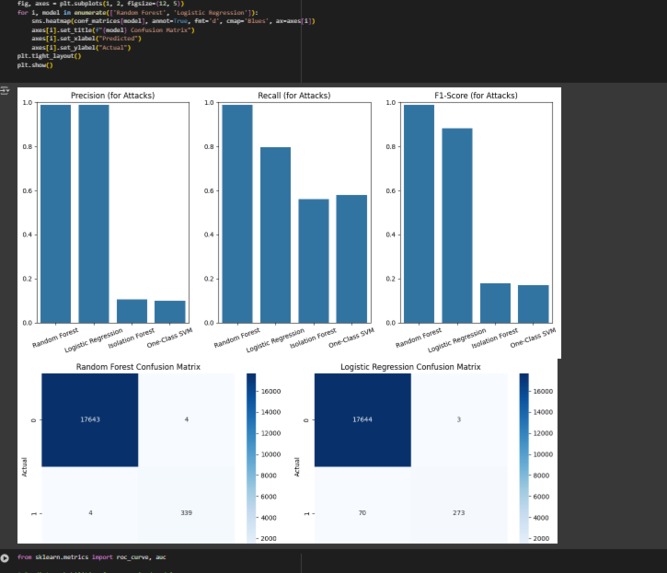
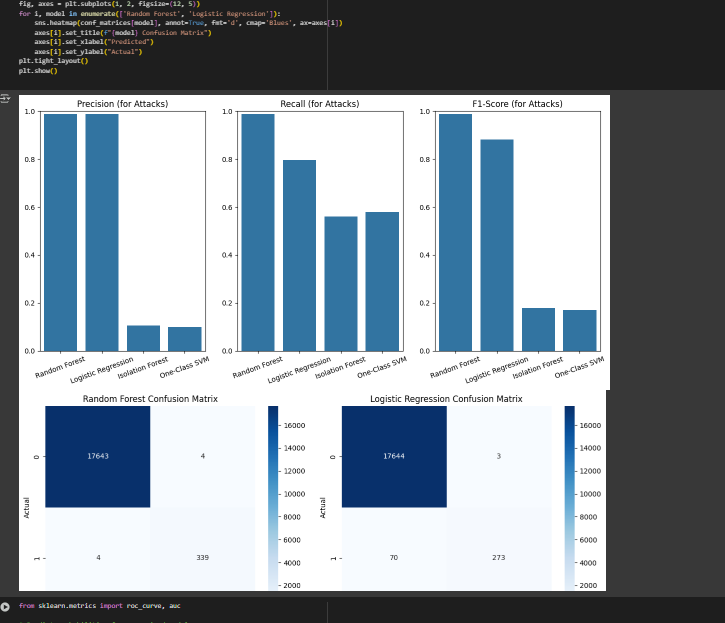
differnt model graphs for accuracy
-
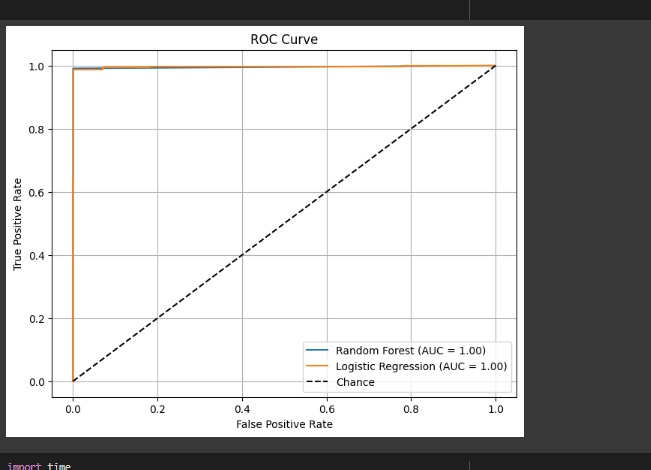
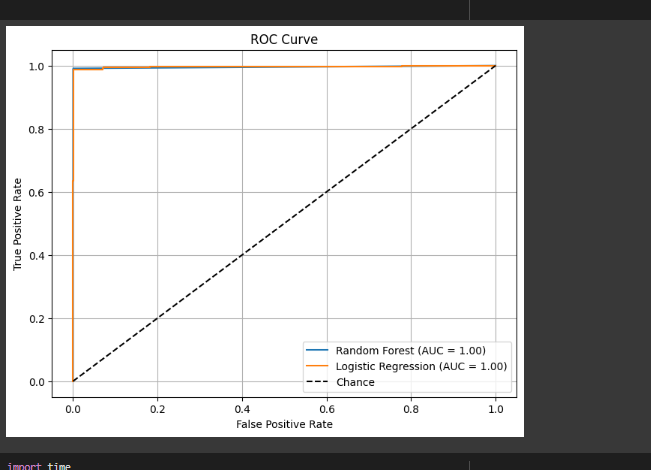
model graph
Inspiration
What it does
CyberSec Threat Detector - AI Hackfest 2025
Inspiration
The idea for the CyberSec Threat Detector came from my interest in AI and cybersecurity. I wanted to combine the power of machine learning and anomaly detection to create a tool that could detect unusual behavior in network traffic, potentially indicating a cybersecurity threat. This project is inspired by the growing need for automated systems to monitor and secure networks in real-time. As more businesses move online, the risks of cyberattacks continue to increase, and I wanted to contribute a solution that could help mitigate these risks.
What I Learned
Throughout this project, I deepened my understanding of anomaly detection algorithms and how they can be applied to network traffic analysis. I also learned about real-time data processing and visualization, which helped me create interactive dashboards for network monitoring. Additionally, integrating Gemini AI to enhance the user experience by providing chat-based threat analysis was an exciting challenge. This project was an excellent opportunity to apply my skills in Flask, machine learning, and cybersecurity.
How I Built the Project
I built the CyberSec Threat Detector as a fully deployable Flask web application. Here’s a breakdown of the key components:
- Machine Learning Model: The core of the project is a trained anomaly detection model that flags abnormal network traffic patterns.
- Real-Time Data Processing: I incorporated live network traffic analysis, which feeds data into the system for continuous monitoring.
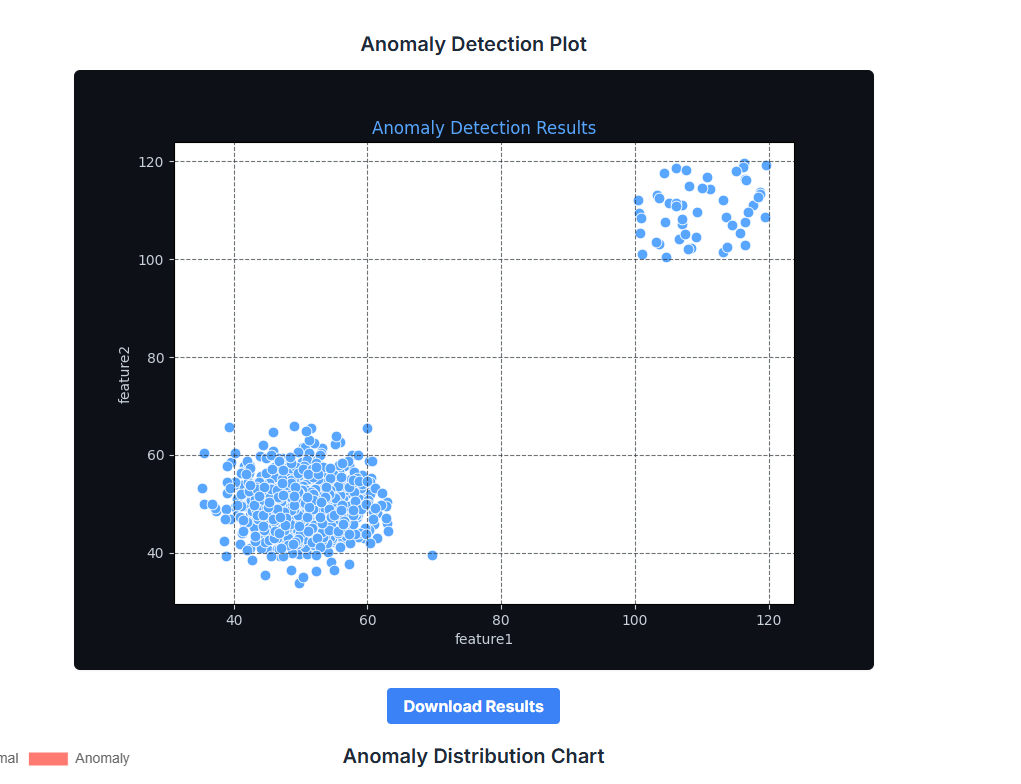
- Anomaly Detection: The system uses the machine learning model to classify data as either normal or anomalous, with live updates.
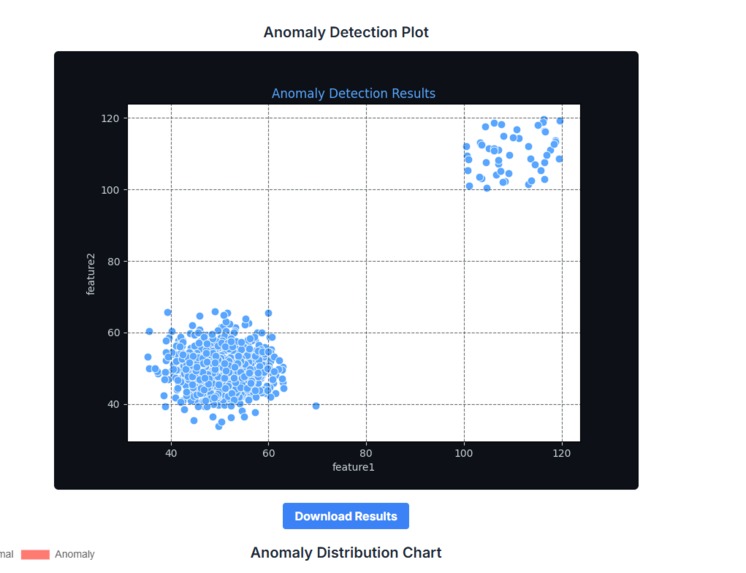
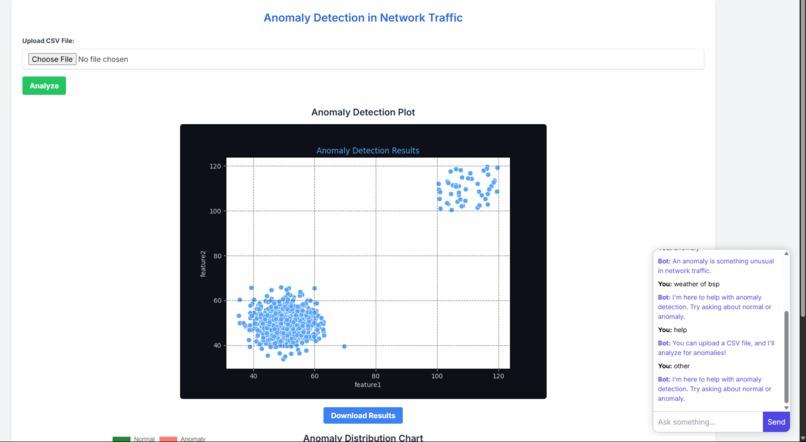
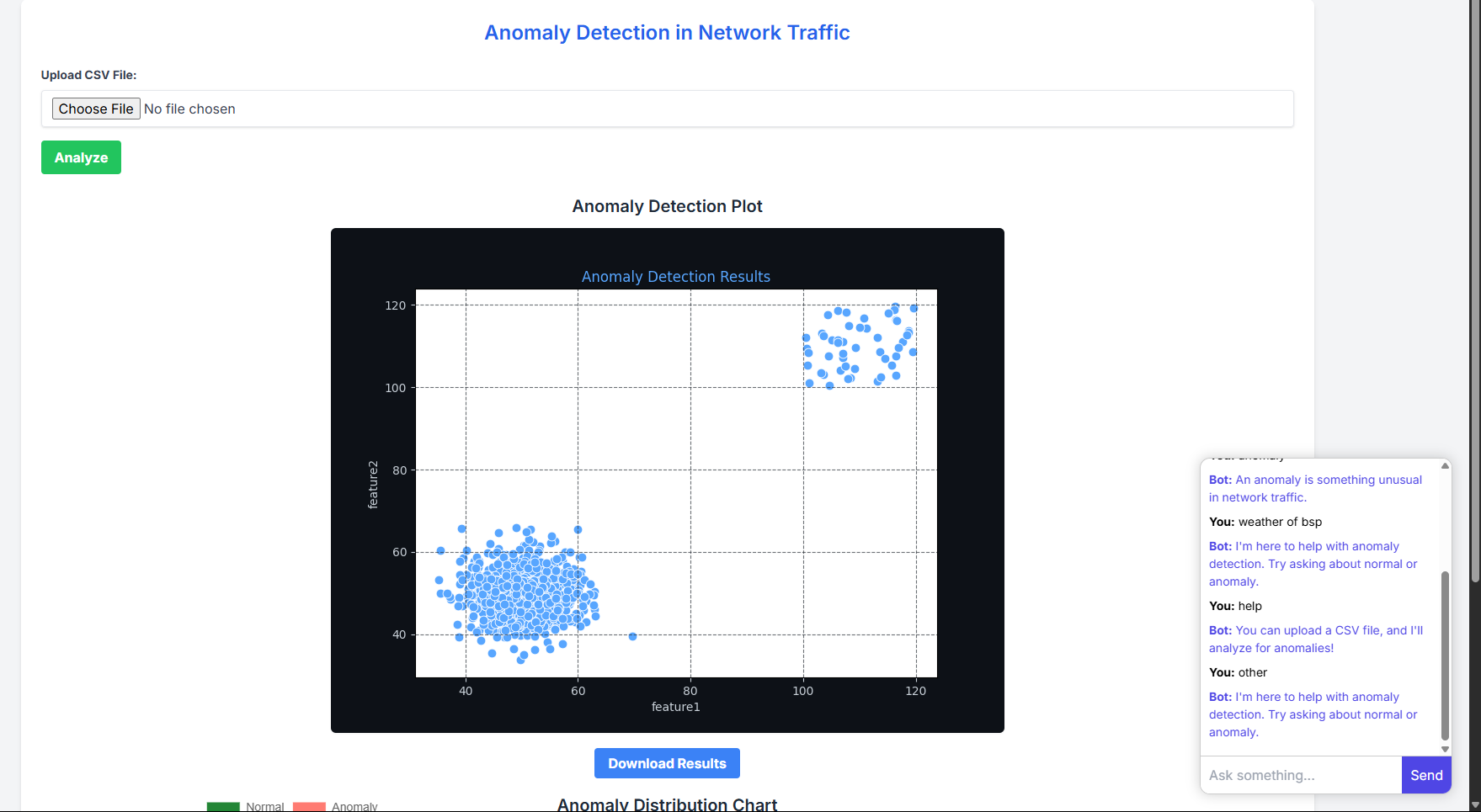
- Traffic Visualization: The app provides interactive charts, including ROC curves and anomaly counts, to visualize network activity and potential threats.
- Flask Backend: The application is built using Flask to serve as the backend, providing endpoints for anomaly detection, data upload, and visualization.
- Gemini AI Chatbot: To enhance user interaction, I integrated Gemini AI, which analyzes network traffic and provides real-time insights through a conversational interface.
Challenges Faced
One of the main challenges I encountered was handling large amounts of real-time network data. The detection model had to be optimized to process data quickly and efficiently. Additionally, visualizing network traffic in real time was a challenge, especially when trying to display anomalies as they were detected without overwhelming the user. I also faced some difficulties when pushing large files to GitHub, but I resolved this by using Git LFS for handling larger assets and increasing the HTTP buffer size during push operations.
Conclusion
This project has been a valuable learning experience, helping me improve my skills in both machine learning and cybersecurity. The integration of real-time anomaly detection and interactive visualization provides a powerful tool for network administrators and security analysts to monitor and defend against potential threats. I am excited to continue refining this tool and contribute to the growing field of AI-driven cybersecurity solutions.

Log in or sign up for Devpost to join the conversation.