-
-
-

Online banking login page
-

Member login page for a bank
-
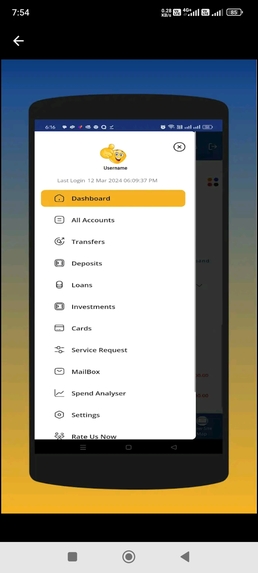
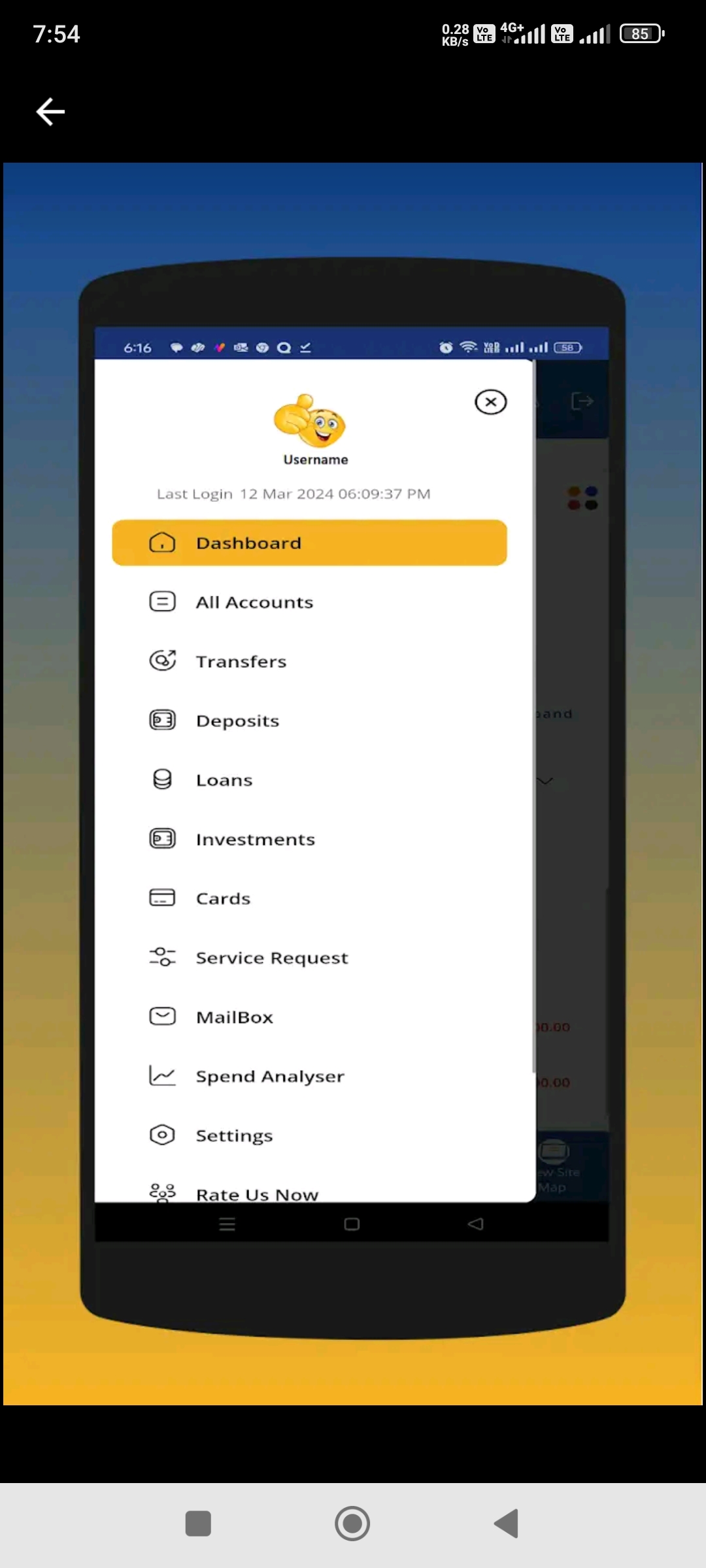
Menu for a member bank account
-
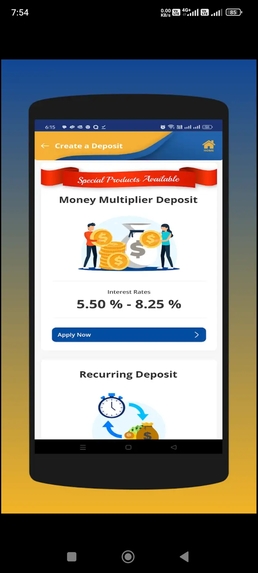
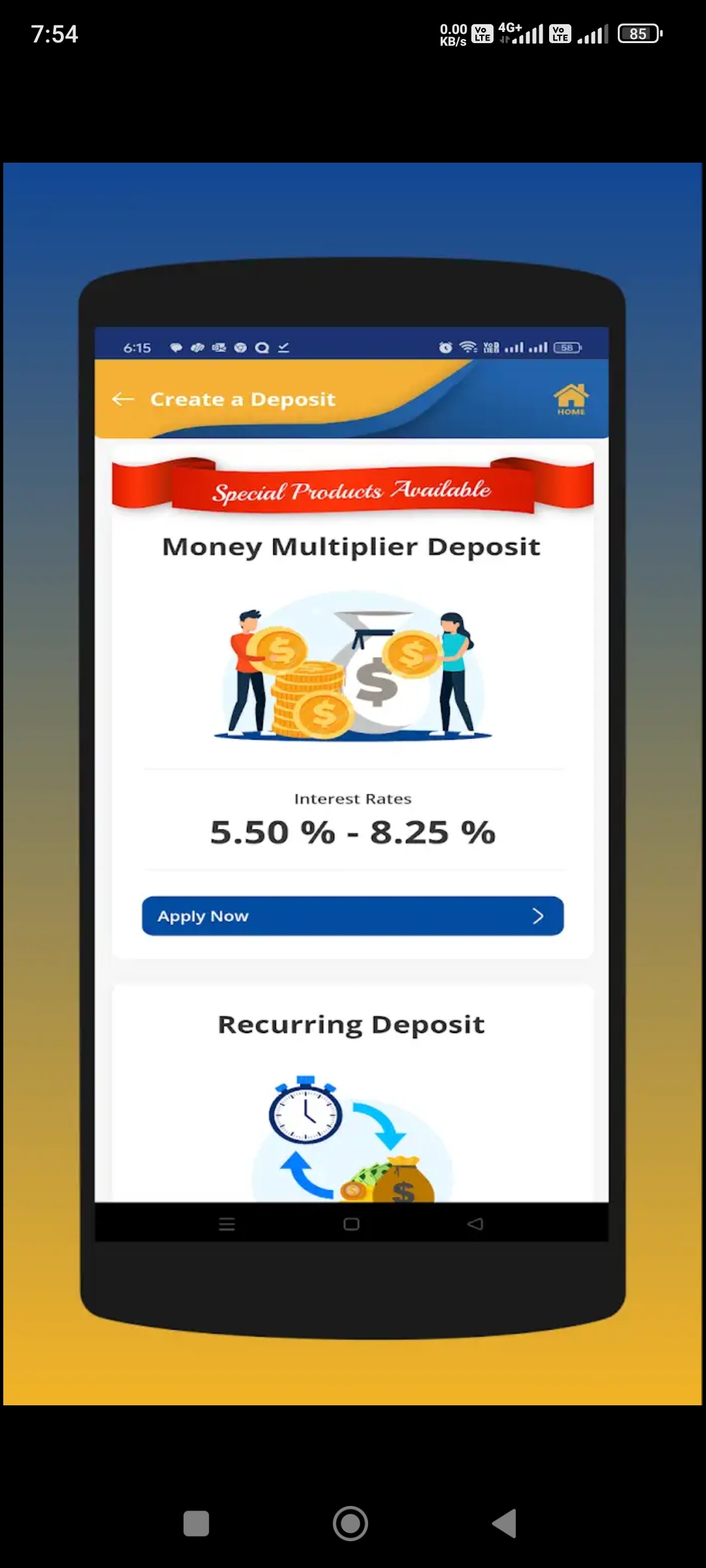
Money multiplier deposite
-
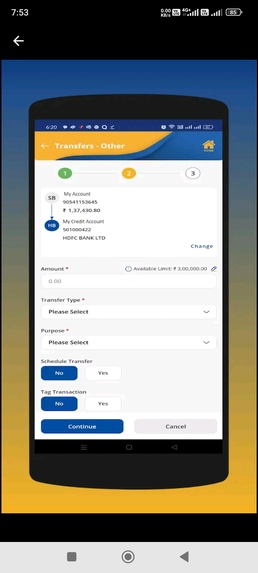
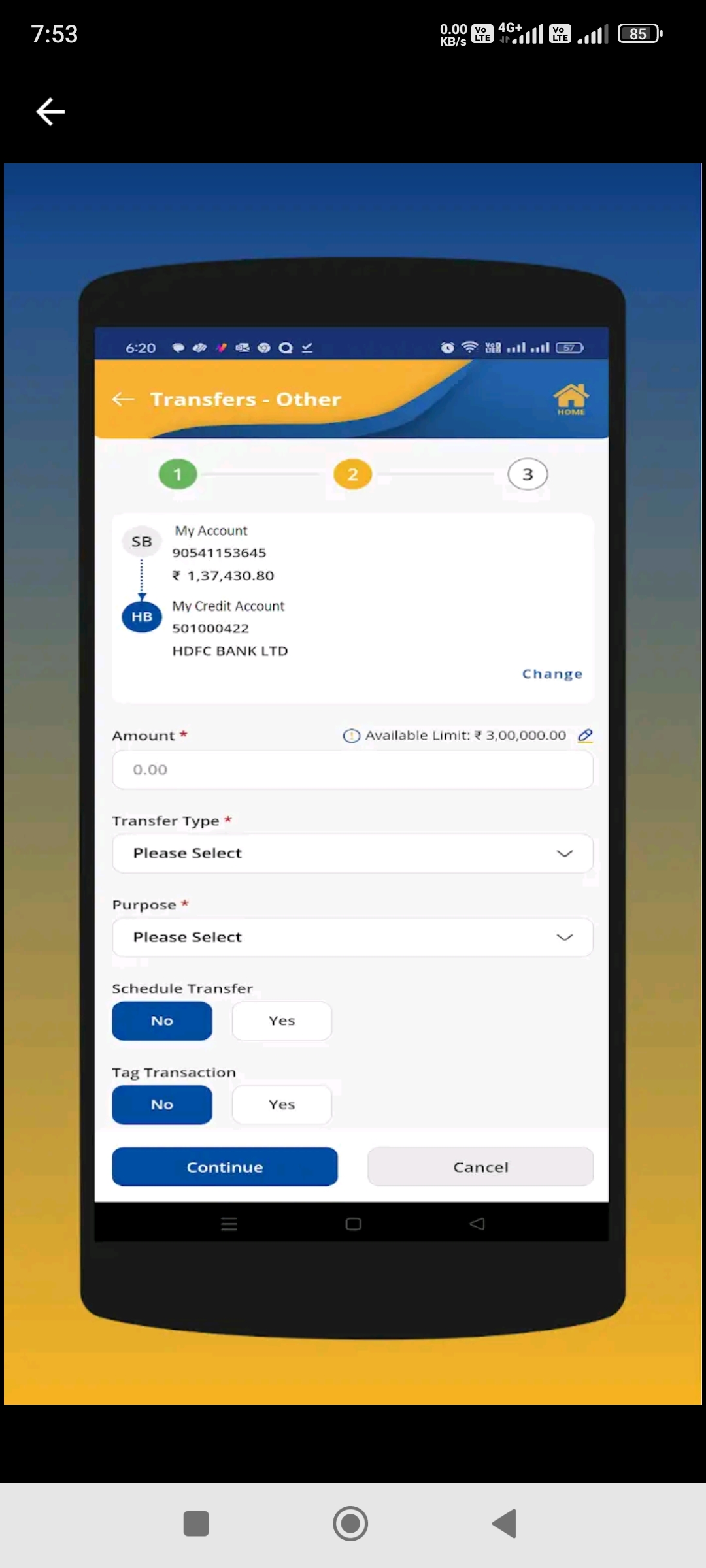
Money transfer to the another bank account
-

Budget planner of a bank account



Inspiration
ATM using blockchain which includes cybersecurity.
What it does
In cybersecurity auto teller machine uses blockchain which build transaction at ATM using blockchain method.
How we built it
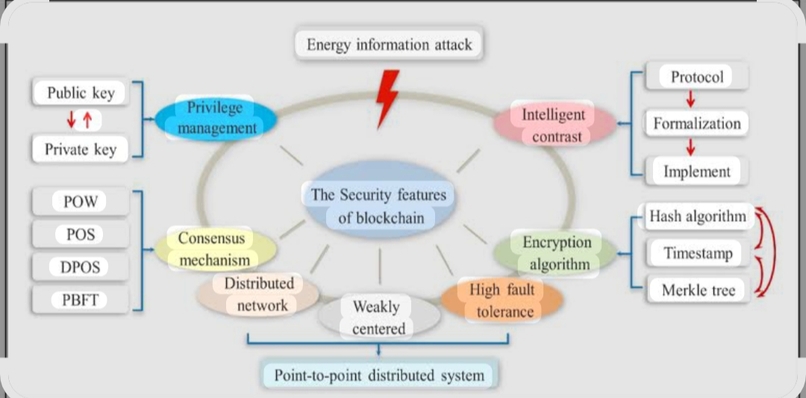
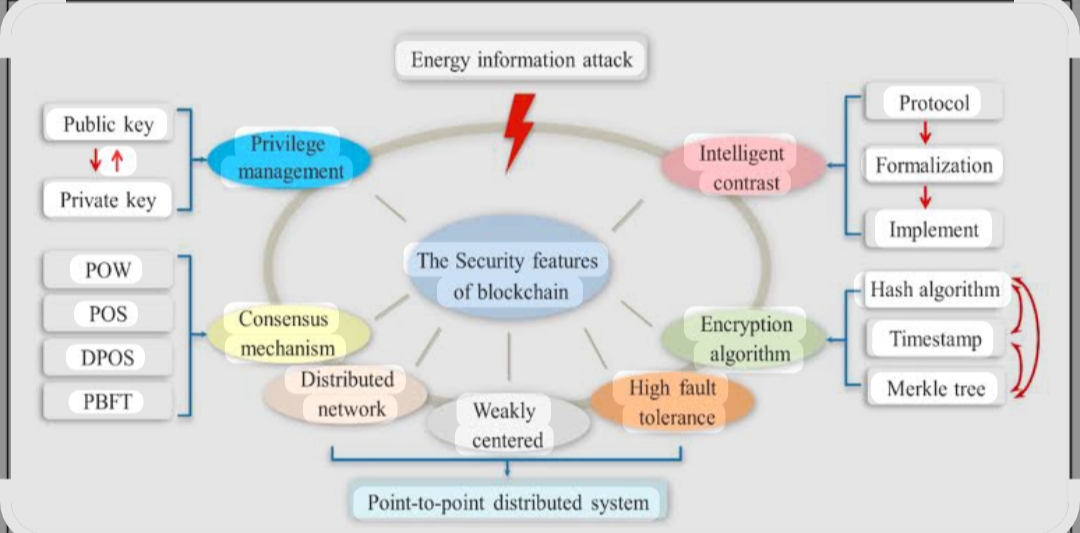
At its core is cryptographic security, tamper-proof transactions and data are possible via advanced mathematical algorithms and digital signatures. These cryptographic principles ensure not only the security of individual transactions but also the integrity of the entire chain. But blockchain uses the three principles of cryptography, decentralization, and consensus to create a highly secure underlying software system that is nearly impossible to tamper with. There is no single point of failure, and a single user cannot change the transaction records.
Challenges we ran into
Blockchain improves cybersecurity by ensuring data integrity, decentralization, encryption, and transparency. It prevents tampering with data and reduces the risk of fraud and cyberattacks.
Accomplishments that we're proud of
Blockchain technology has transformed the face of blockchain and data security due to its mitigation of weaknesses inherent in traditional systems. Blockchain's core philosophy is on decentralization, encryption, and immutability; hence, its high level of security regarding modern-day cybersecurity challenges.
What we learned
We learned about different algorithms used for Cybersecurity using blockchain like Blockchain can significantly enhance cybersecurity by leveraging features like cryptography, and consensus mechanisms. Algorithms are used to secure data, verify transactions, and maintain the integrity of the blockchain. Here's how blockchain algorithms are applied to cybersecurity:
- Hashing: Purpose: Hashing algorithms, like SHA256, are fundamental for creating unique fingerprints of data blocks, ensuring their integrity and preventing tampering. How it works: Each block's hash is linked to the previous block's hash, forming a chain. Any modification to a block changes its hash and breaks the chain, making it detectable.
- Consensus Algorithms: Purpose: Consensus algorithms determine how nodes in the network reach agreement on new transactions and blocks, ensuring network integrity and preventing double-spending. Examples: Proof-of-Work (PoW), Proof-of-Stake (PoS), and Practical Byzantine Fault Tolerance (PBFT) are common consensus algorithms. How it works: These algorithms involve various methods, like computational puzzles (PoW), staking tokens (PoS), or Byzantine fault tolerance (PBFT), to verify and agree on transactions.
- Cryptography: Purpose: Cryptography is used for secure data storage, digital signatures, and encryption. How it works: Cryptographic algorithms like RSA and ECC are used to encrypt sensitive data, ensuring confidentiality and integrity. Digital signatures verify the authenticity of transactions.
What's next for Cybersecurity
Blockchain technology, with its decentralized and secure features, holds significant promise for the future of cybersecurity, offering solutions for data integrity, identity verification, and more. It's becoming increasingly crucial for protecting digital assets, as traditional methods struggle against sophisticated cyberattacks.
Built With
- amazon-web-services
- consensus
- dijango
- jupyter
- mongodb
- python
- sha

Log in or sign up for Devpost to join the conversation.