-
-
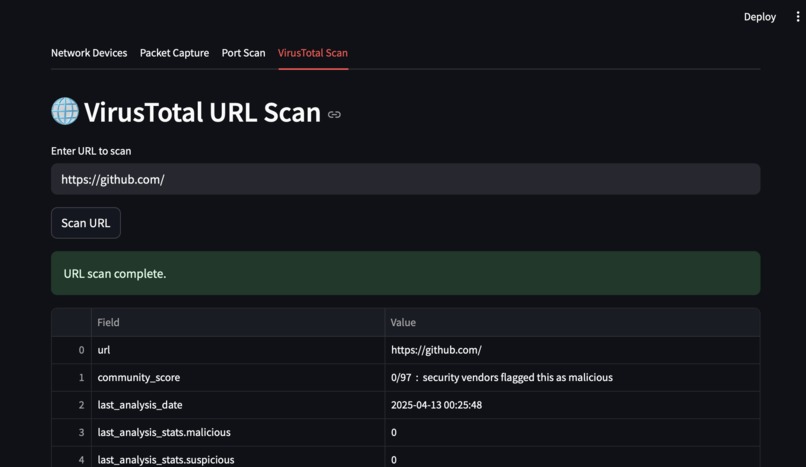
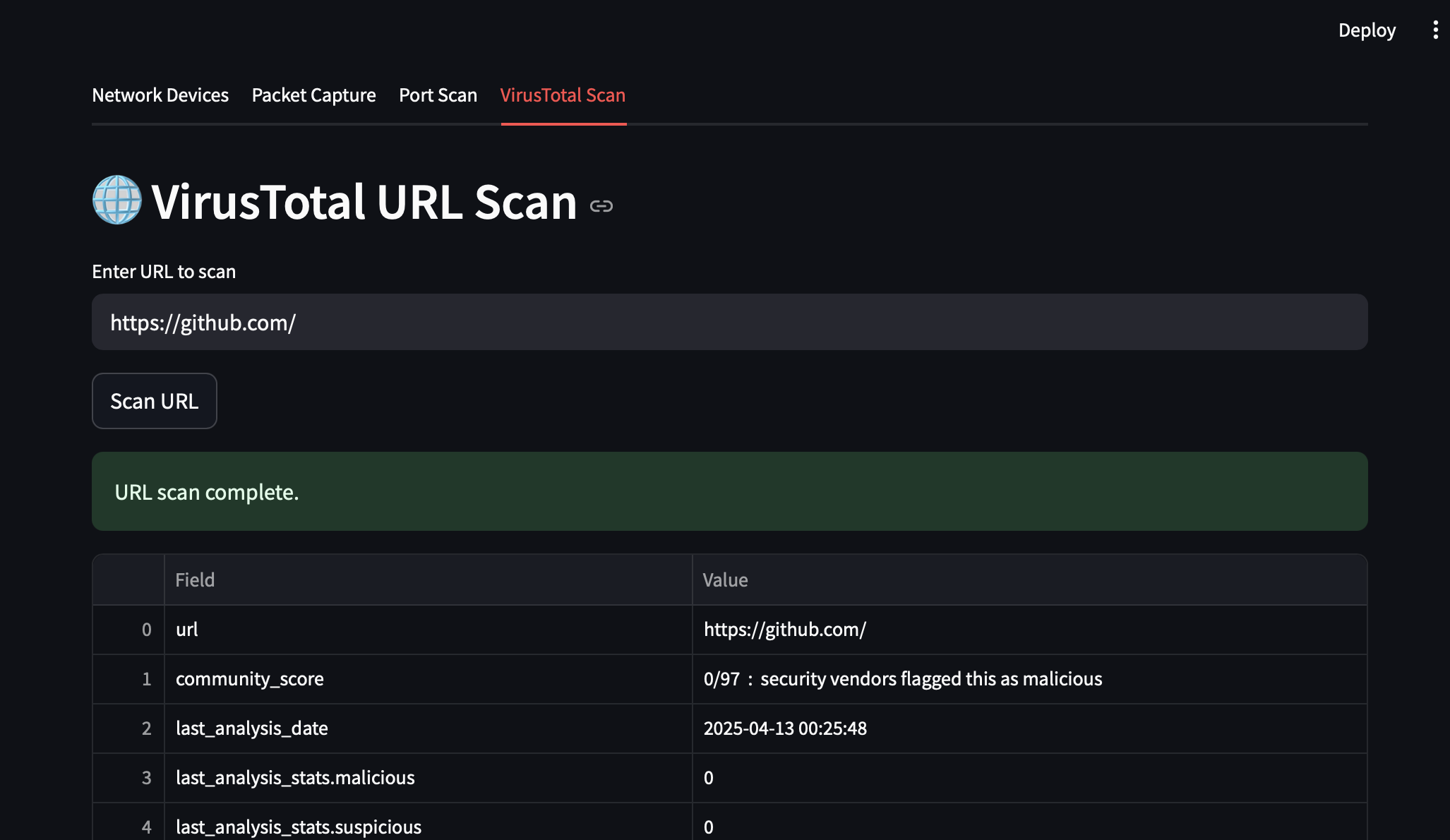
URL Safety Scan Demo Results
-
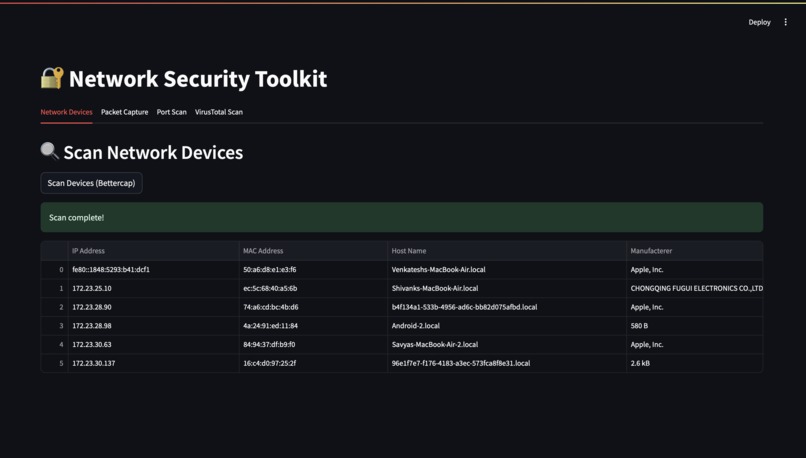
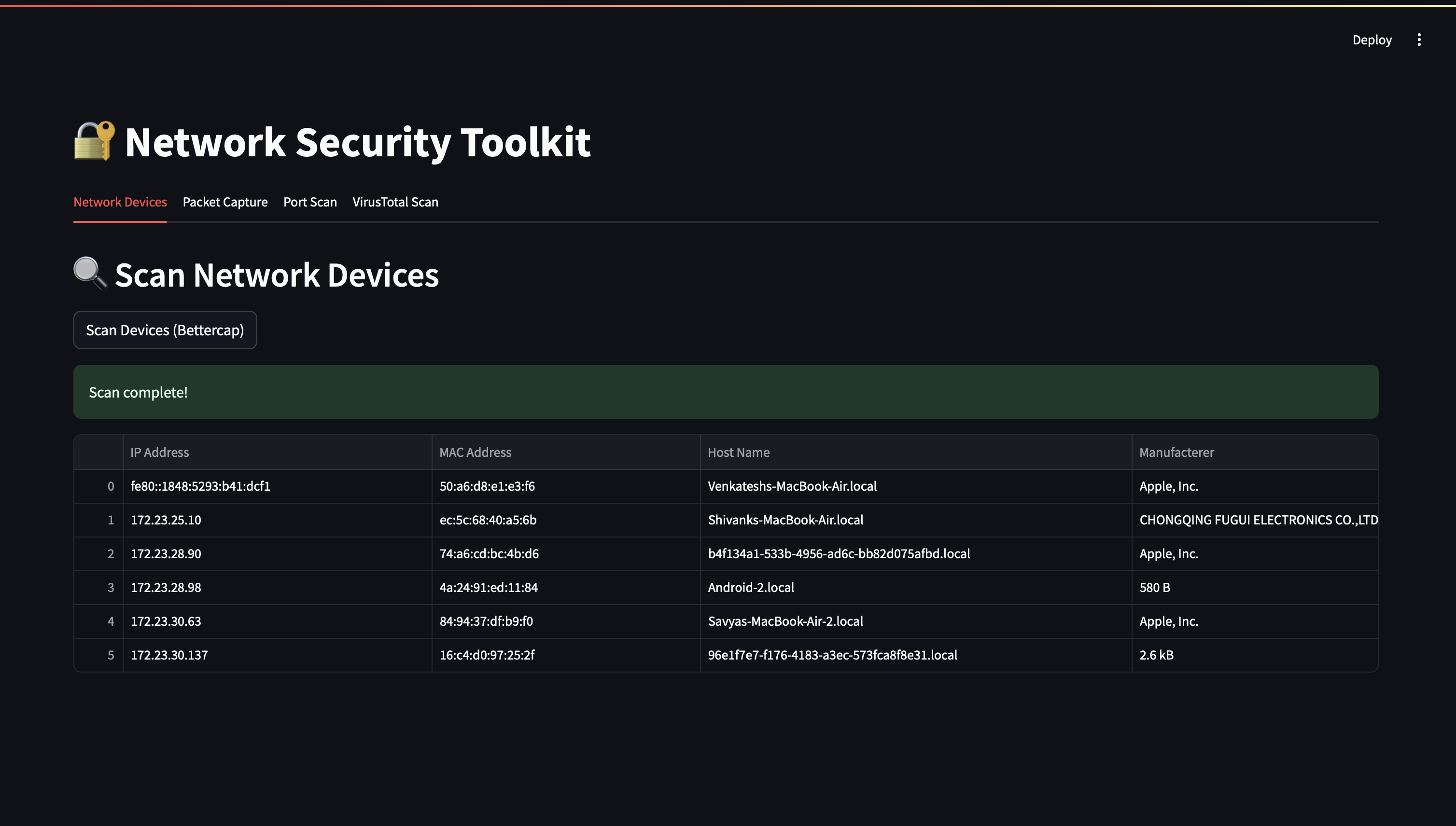
Network Device Scanner Demo Results
-
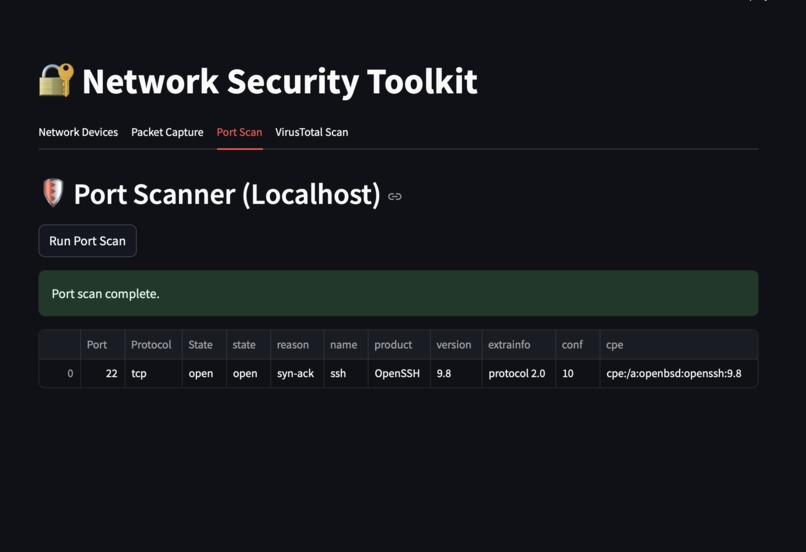
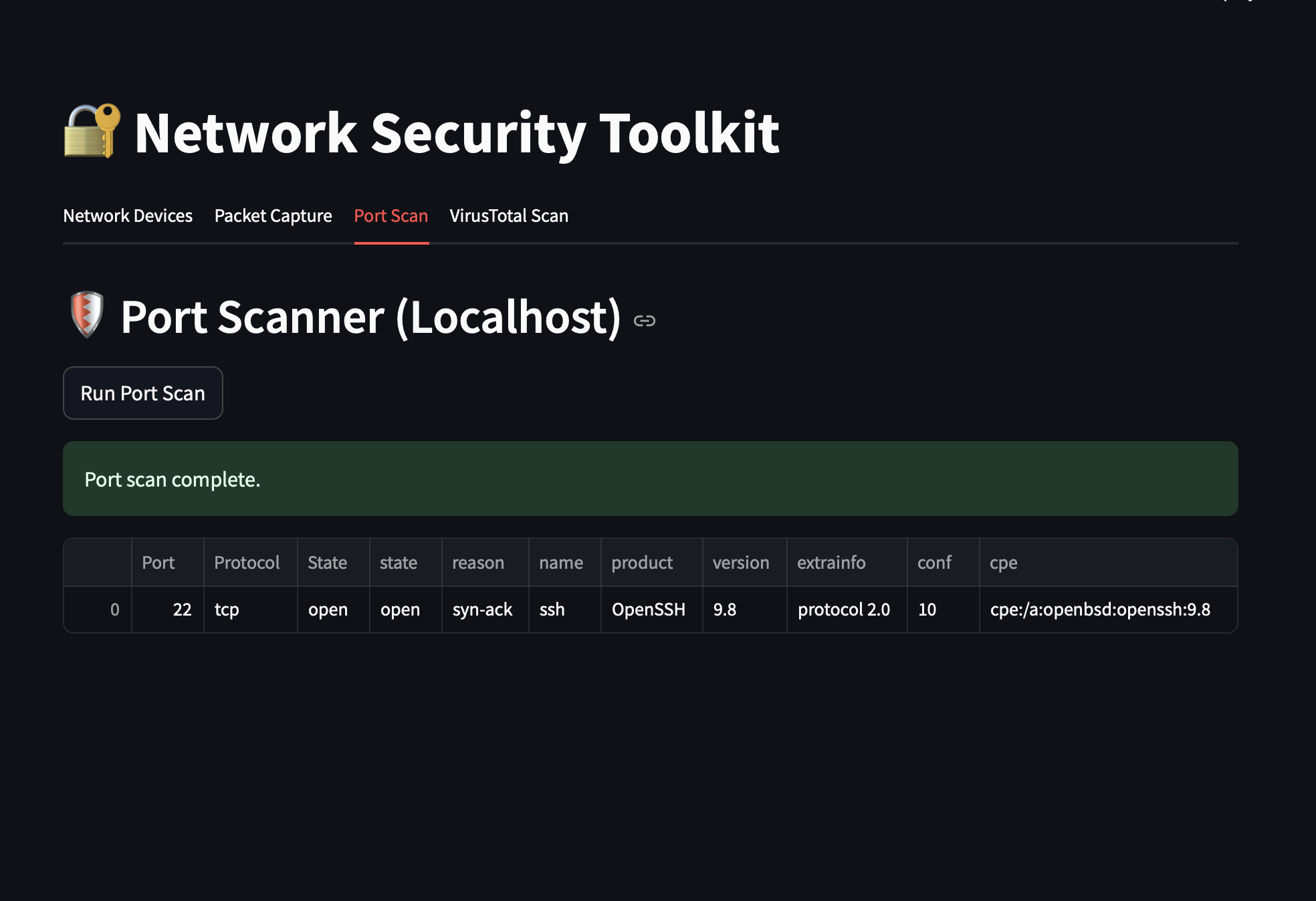
Computer Port Scan Demo Results
-
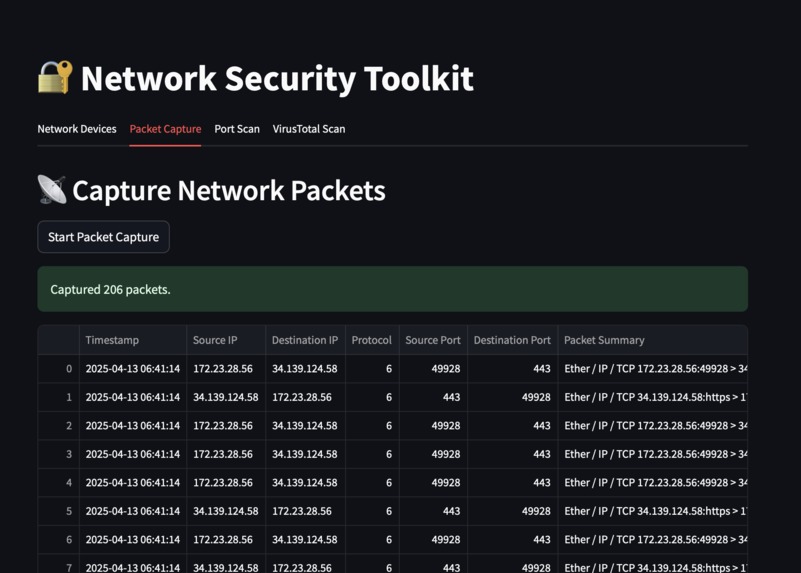
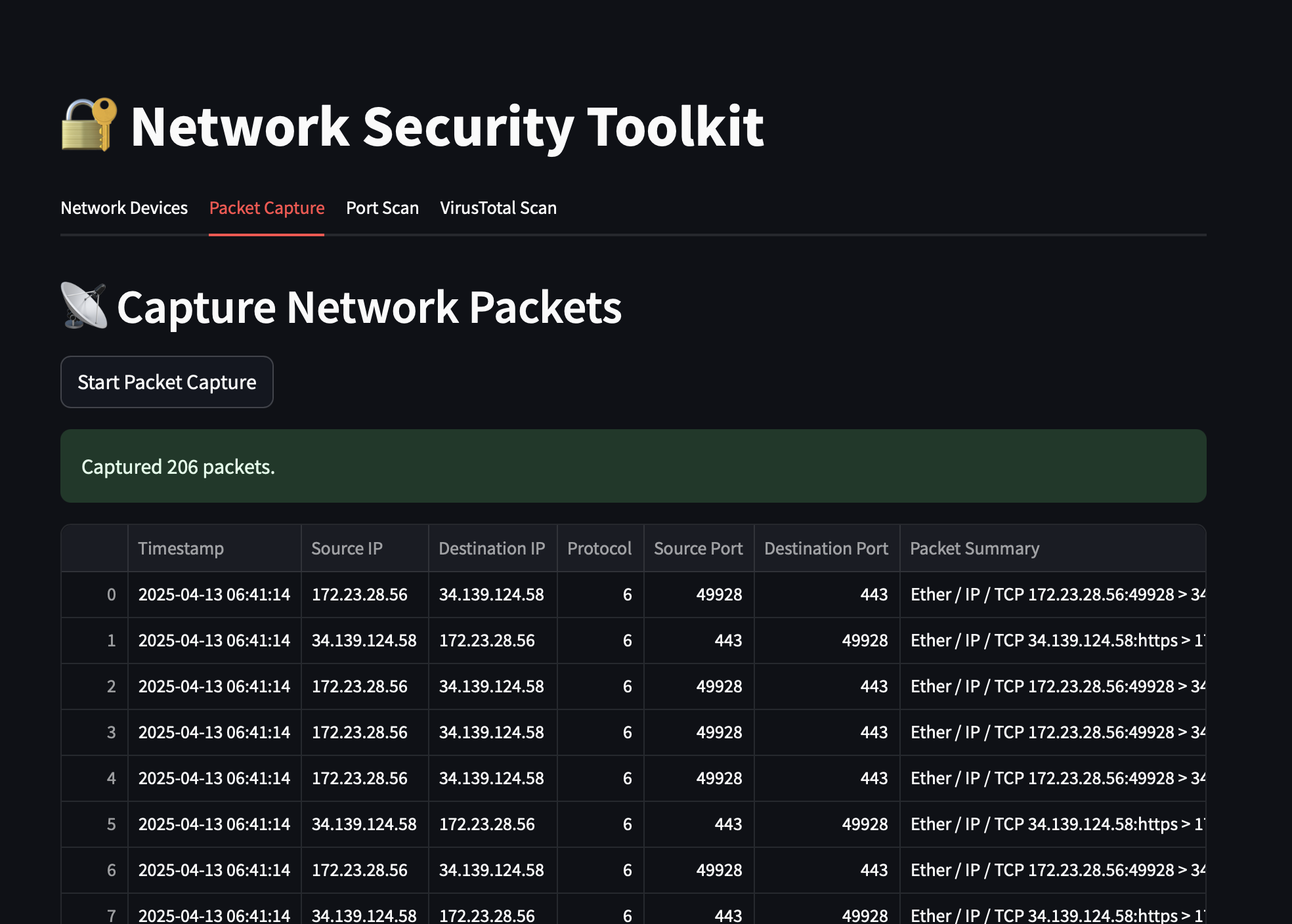
Network Packets Scan Demo Results
Inspiration
The inspiration for SafeHub came from the growing need to make cybersecurity accessible to everyone. People often underestimate the dangers lurking online until it's too late. We wanted to create a tool that not only educates users but also empowers them to take control of their digital safety. By providing practical tools for analyzing network security and website links, we aim to foster a cybersecurity mindset in everyday life.
What it does
SafeHub is a user-friendly web platform offering tools to enhance personal cybersecurity. It provides:
- Website Link Verification: Analyzes URLs for potential threats, such as phishing or malware.
- WiFi Security Analysis: Identifies vulnerabilities in nearby WiFi networks, helping users make safer choices.
- Download Verification: Validates downloaded files to prevent malicious software.
SafeHub brings cybersecurity awareness to users before they encounter threats.
How we built it
We built SafeHub using a Django backend to handle the core functionality, leveraging Python scripts for security checks and analysis. The front-end uses Django templates for a clean, intuitive UI, ensuring ease of use for non-technical users. We also integrated libraries and APIs for URL verification and network scanning. The development environment was set up to streamline collaboration and iteration.
Challenges we ran into
- CSRF Cookie Issues: Implementing secure forms while maintaining functionality was a significant challenge.
- Integrating Python Scripts: Embedding security analysis scripts into the Django framework required debugging and testing to ensure smooth integration.
- Balancing Scope and Time: Deciding which features to include in the MVP while ensuring a functional and polished product was a tough call.
Accomplishments that we're proud of
- Successfully implemented core security features in a user-friendly format.
- Built a functional prototype within a limited time frame.
- Addressed technical challenges like script integration and secure input handling.
- Made cybersecurity principles accessible to everyday users.
What we learned
This project reinforced the importance of:
- Designing with the user in mind, especially for non-technical audiences.
- Managing time and resources effectively during development.
- Debugging and integrating diverse tools into a cohesive system.
- Educating ourselves about advanced cybersecurity concepts while making them relatable.
What's next for SafeHub
We plan to:
- Refine and Expand Features: Enhance WiFi security analysis and add real-time threat detection.
- Modern Front-End: Transition to a React-based interface for improved interactivity and design.
- Mobile Accessibility: Develop a companion app for on-the-go security checks.
- Community Engagement: Incorporate educational resources and forums to promote cybersecurity awareness.
- Advanced Tools: Add deeper network diagnostics and proactive threat prevention measures.

Log in or sign up for Devpost to join the conversation.