-
-
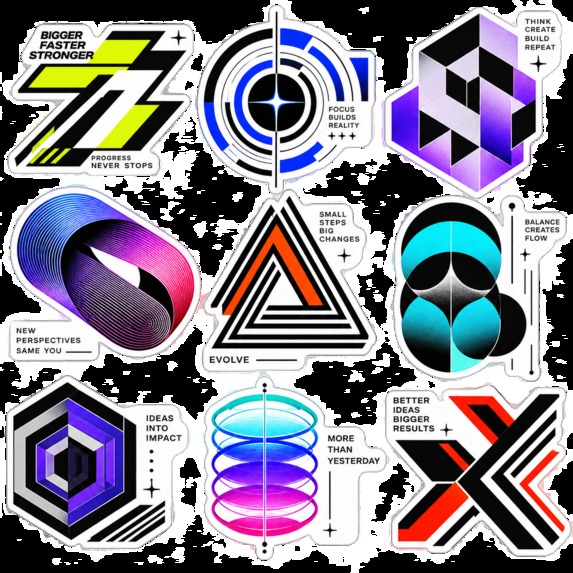
Stickers
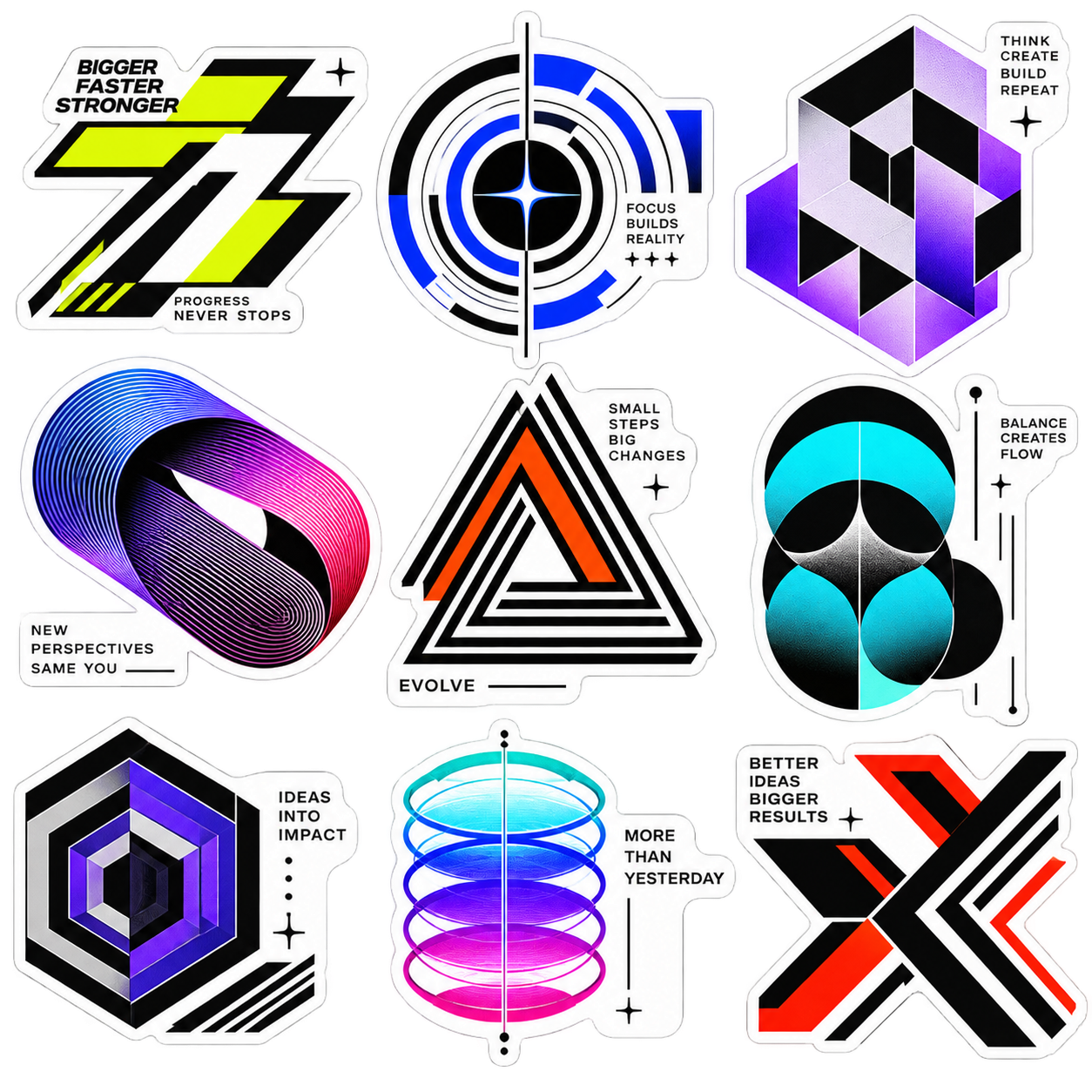
Inspiration
The main inspiration is that through interaction with stickers, people can see the possibilities of nfcweb and use creativity to create according to their needs and wishes. And for developers to explore what all the possibilities are.
Most generative AI interactions remain trapped behind flat screens and disposable chat bubbles. At the same time, physical subcultural identity—expressed through streetwear drops, vinyl stickers, and urban artifacts—often lacks dynamic digital life.
Cyber NFC Kit (NOT THE HUMAN) was born to merge these two worlds. We set out to turn high-parameter generative models into an on-demand hardware compiler: taking natural language intent, synthesizing structured data, and burning it directly into physical NFC stickers and wearables using commodity chips—no native apps, app store walled gardens, or specialized flashing rigs required.
What it does
Cyber NFC Kit functions as a zero-installation bridge between edge AI inference and real-world micro-hardware:
Free Physical Asset Ecosystem: Provides high-contrast, print-ready brutalist sticker artwork directly downloadable from the platform, ready to be paired with inexpensive NFC tags.
Instant Everyday Utilities: Pre-configured and customizable triggers for zero-friction actions—sharing vCard contact profiles, triggering instant guest Wi-Fi handshakes, routing live map directions, or dispatching web hooks.
AI-Driven Hardware Compilation: Users input natural language requests in any language. The engine parses the intent, queries live context if needed, and deterministically structures standards-compliant NDEF records.
Direct Browser-to-Chip Flashing: Uses the native W3C WebNFC standard (NDEFReader) over mobile Chromium. A single physical tap transfers the payload directly to the tag's memory.
Dynamic EEPROM Budgeting: Computes exact byte consumption before transmitting data to the antenna.
How we built it
Frontend Architecture: Built with Next.js (App Router), React, and styled via Tailwind CSS with Framer Motion primitives to mirror a tactile cyberpunk hardware terminal.
Model Inference Pipeline: Core intelligence runs on NVIDIA NIM (meta/llama3-70b-instruct) for rapid structural compilation, with Nebius AI Studio configured as an automated failover relay to maintain uninterrupted service.
Live Telemetry & Grounding: Integrated Tavily search APIs to pull live data when users request current information (e.g., location coordinates, updated URLs) before payload compilation.
Hardware Interfacing: Executed entirely via client-side WebNFC API implementations, handling antenna permissions, write locks, and multi-record payload compilation natively in mobile browsers.
Edge Deployment & Origin Security: Deployed on Vercel Edge Network mapped to link with automated TLS certificate handling to strictly satisfy the top-level HTTPS security boundaries demanded by browser hardware APIs.
Challenges we ran into
Strict JSON Determinism for Micro-Memory: Large language models tend to produce conversational filler. When writing to a tag with only 144 bytes of total memory, a single unintended word crashes the write operation. We enforced rigid structural outputs using schema prompts, system-level JSON mode, and client-side sanitization fallbacks.
Browser Security & Origin Gates: The W3C WebNFC specification enforces rigorous security restrictions: it functions exclusively within top-level, secure HTTPS origins and requires explicit user activation gestures. Configuring continuous integration, DNS propagation, and mobile remote debugging environments required tight coordination.
Dynamic Byte Management: Different physical tags exhibit varying usable capacities and memory paging rules. Implementing live byte calculation with per-record overhead safety offsets was essential to prevent partial write corruptions.
Accomplishments that we're proud of
True Zero-App Physical Writing: Successfully reading and writing physical NFC hardware directly from a web URL without prompting the user to download an external mobile utility.
Subcultural Tech Aesthetics: Creating a coherent design narrative that bridges streetwear lookbooks with developer-grade hardware tooling.
Fault-Tolerant AI Engine: Building dual-provider inference redundancy that keeps compilation latency under one second.
What we learned
Small-footprint hardware interfaces demand that AI models operate as micro-compilers rather than conversational assistants—precision and data density take priority over verbosity.
Web hardware standards like WebNFC open massive distribution opportunities for physical computing by removing the friction of app stores.
Physical design and street aesthetics significantly lower the barrier for non-technical users to engage with programmable hardware.
What's next for Cyber NFC Kit - Not The Human
Expanded Free Physical Drops: Rolling out continuous drops of 100% free, downloadable print-ready sticker sheets and vector templates on notthehuman.com—enabling creators and streetwear enthusiasts worldwide to print, pair with commodity tags, and deploy their own physical cyber-gear at zero cost.
Community Sticker Marketplace: Opening a submission portal where digital artists and designers can upload custom die-cut sticker graphics paired with pre-configured AI compilation presets.
Cryptographic Anti-Counterfeit Verification: Integrating asymmetric signature records to allow limited-run physical stickers, streetwear apparel, and accessories to verify origin and authenticity on-chain.
Offline-First PWA: Packaging the compilation interface into an offline progressive web app with cached local templates for field flashing off the grid.
Encrypted Ghost Payloads: Implementing client-side AES key generation for tap-to-decrypt notes, passkeys, and cold-storage triggers stored on physical wearable tags.
Built With
- ai
- api
- cloudinary
- cybersecurity
- datocms
- edge-computing
- framer-motion
- generative-ai
- hardware
- javascript
- json
- llama-3
- llm
- mobile-web
- ndef
- nebius-ai
- next.js
- nfc
- nvidia-nim
- react
- tailwindcss
- tavily
- vercel
- web-apis
- webnfc

Log in or sign up for Devpost to join the conversation.