Inspiration
Every day, Security Operations Centers (SOCs) burn out talented analysts with 10,000+ alerts — 90% false positives. The average breach takes 277 days to detect and costs $4.45 million. We were inspired by a simple question: What if security could think ahead instead of just reacting behind?
CyberAI-Expert was born from watching SOC teams drown in noise while attackers moved faster than any human could respond. We wanted to build a system that doesn't just detect — it predicts.
What It Does
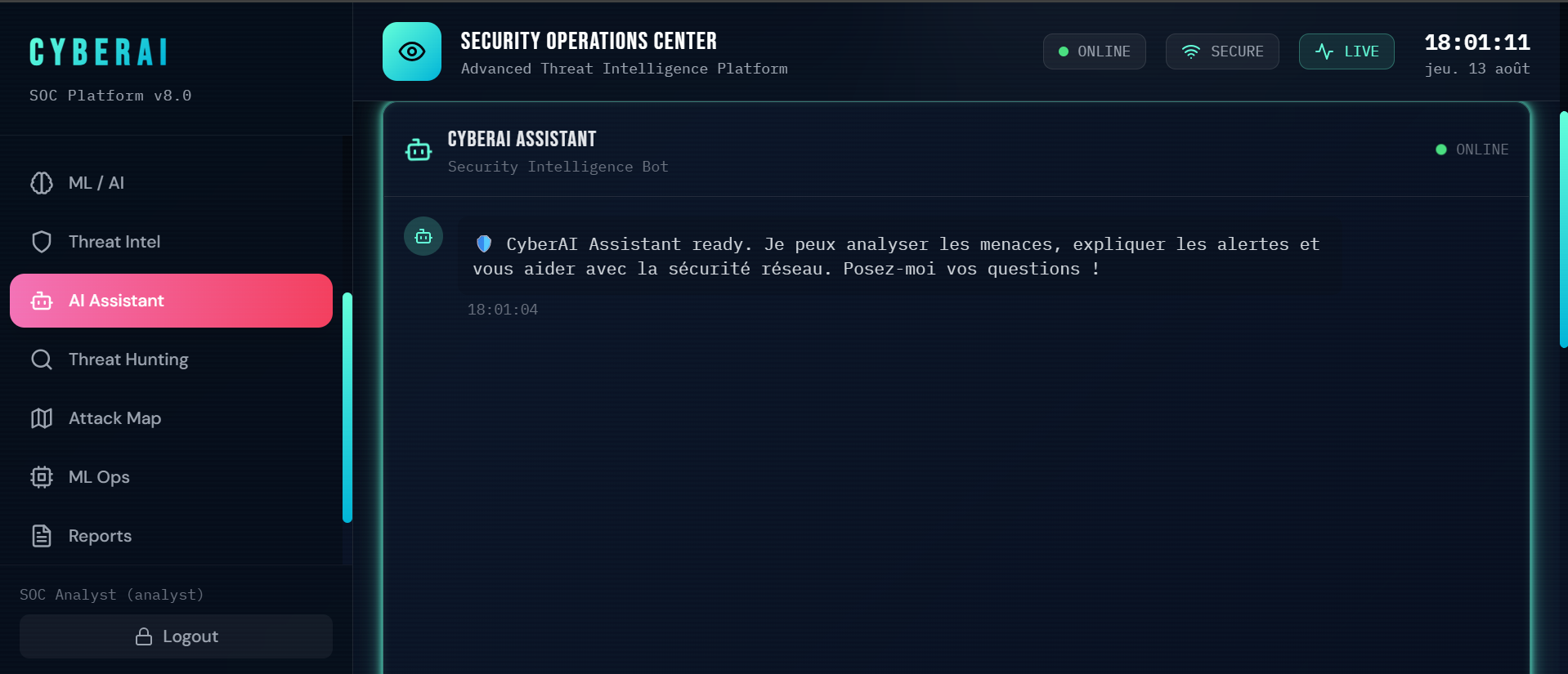
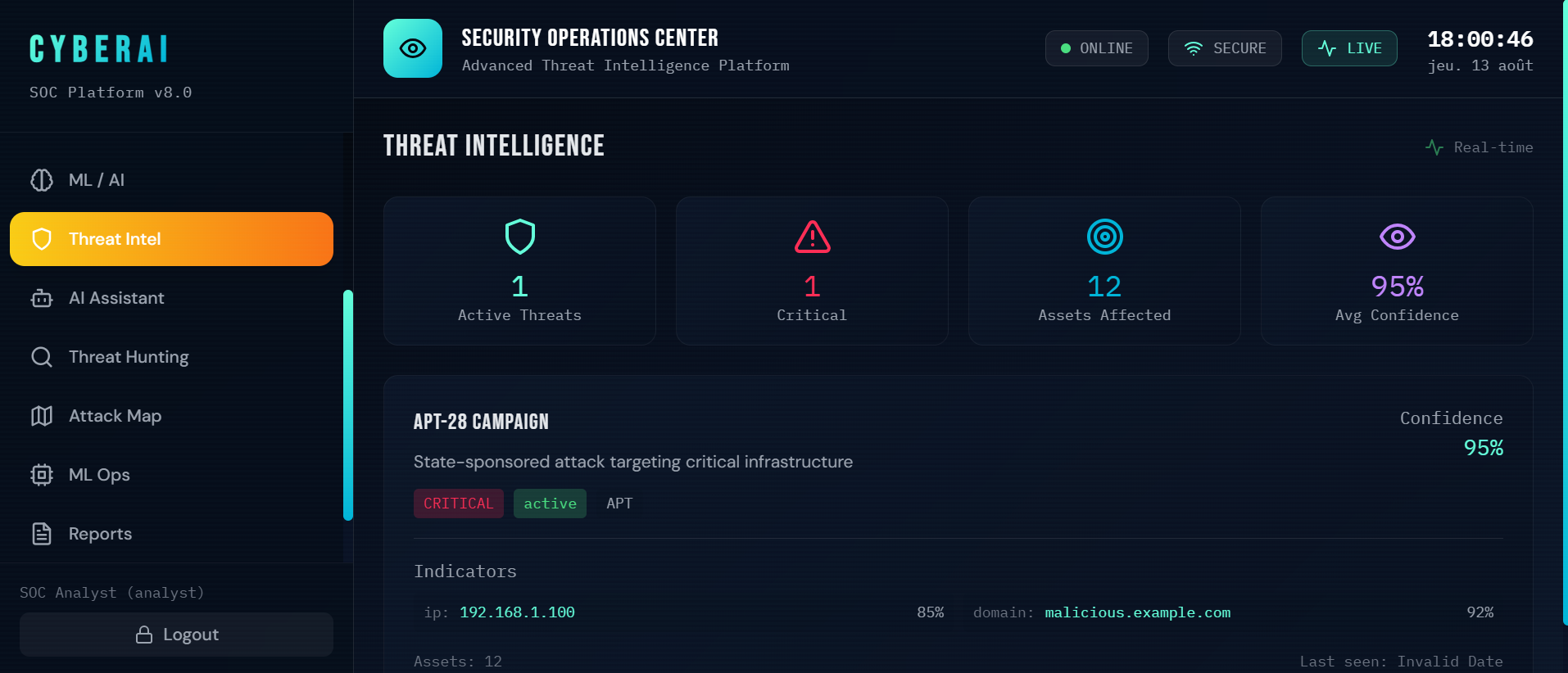
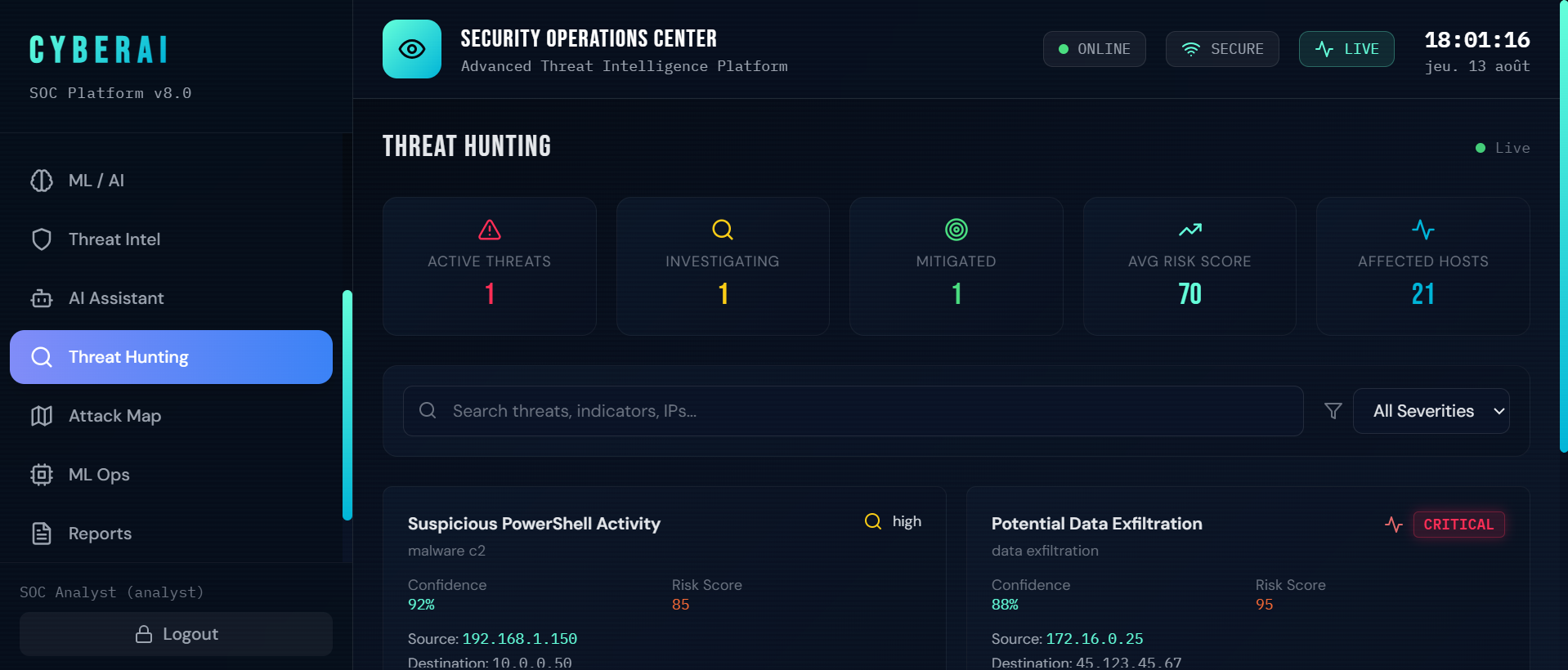
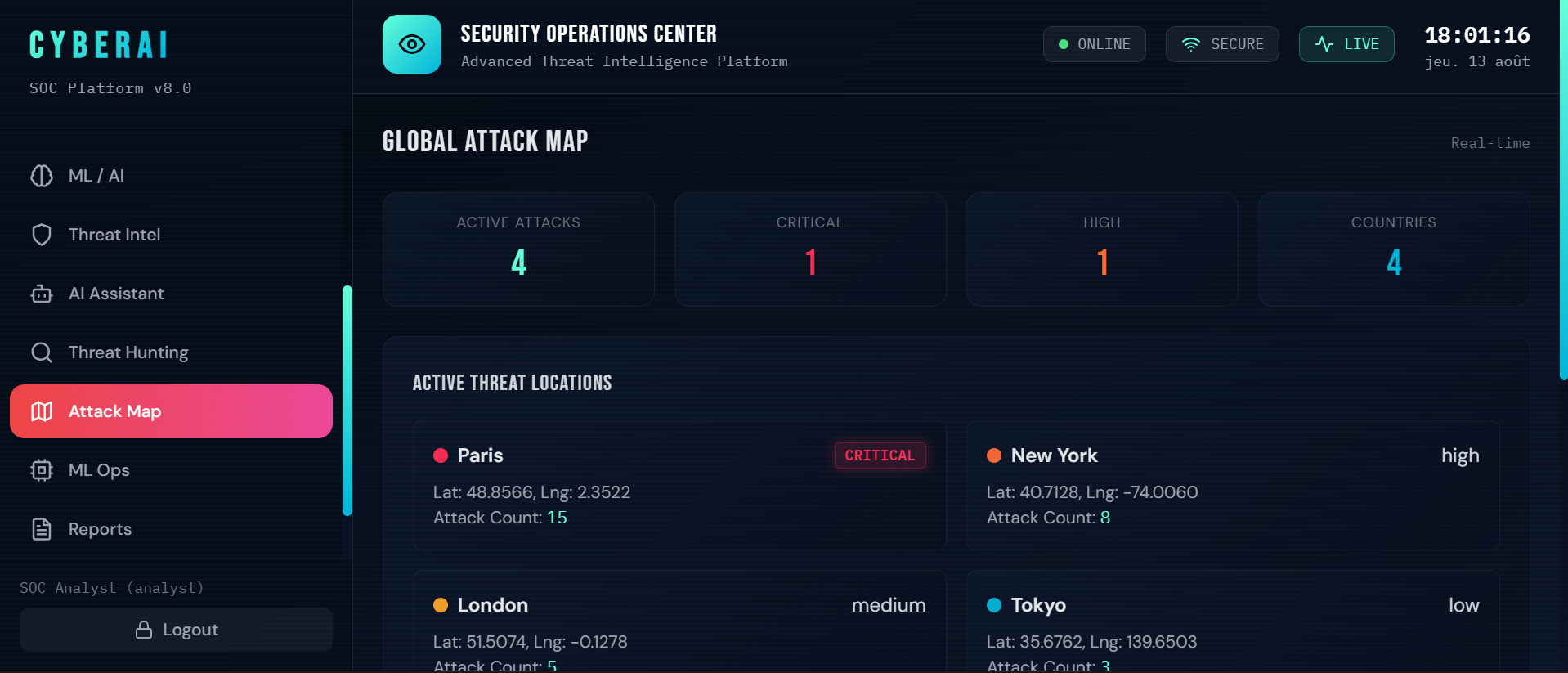
CyberAI-Expert v8.0 is an autonomous, predictive SOC platform:
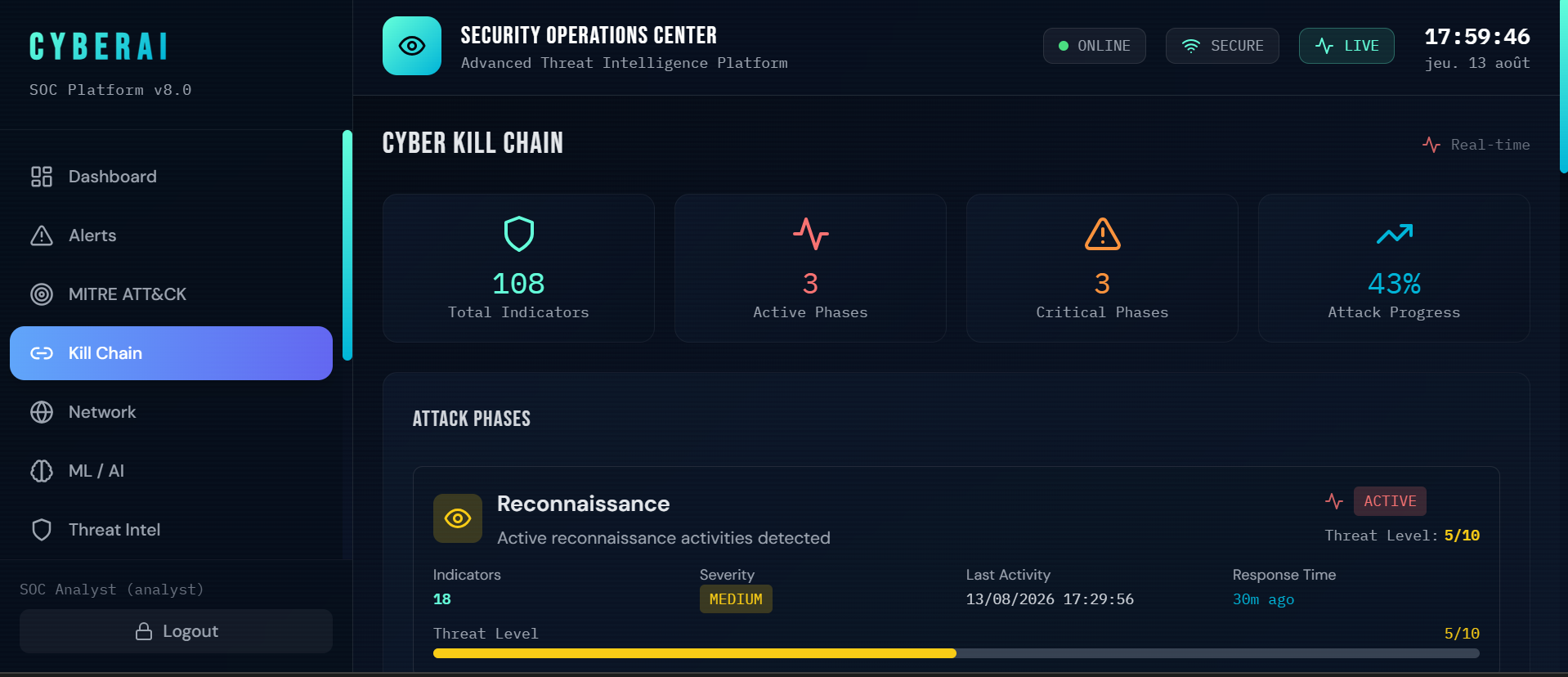
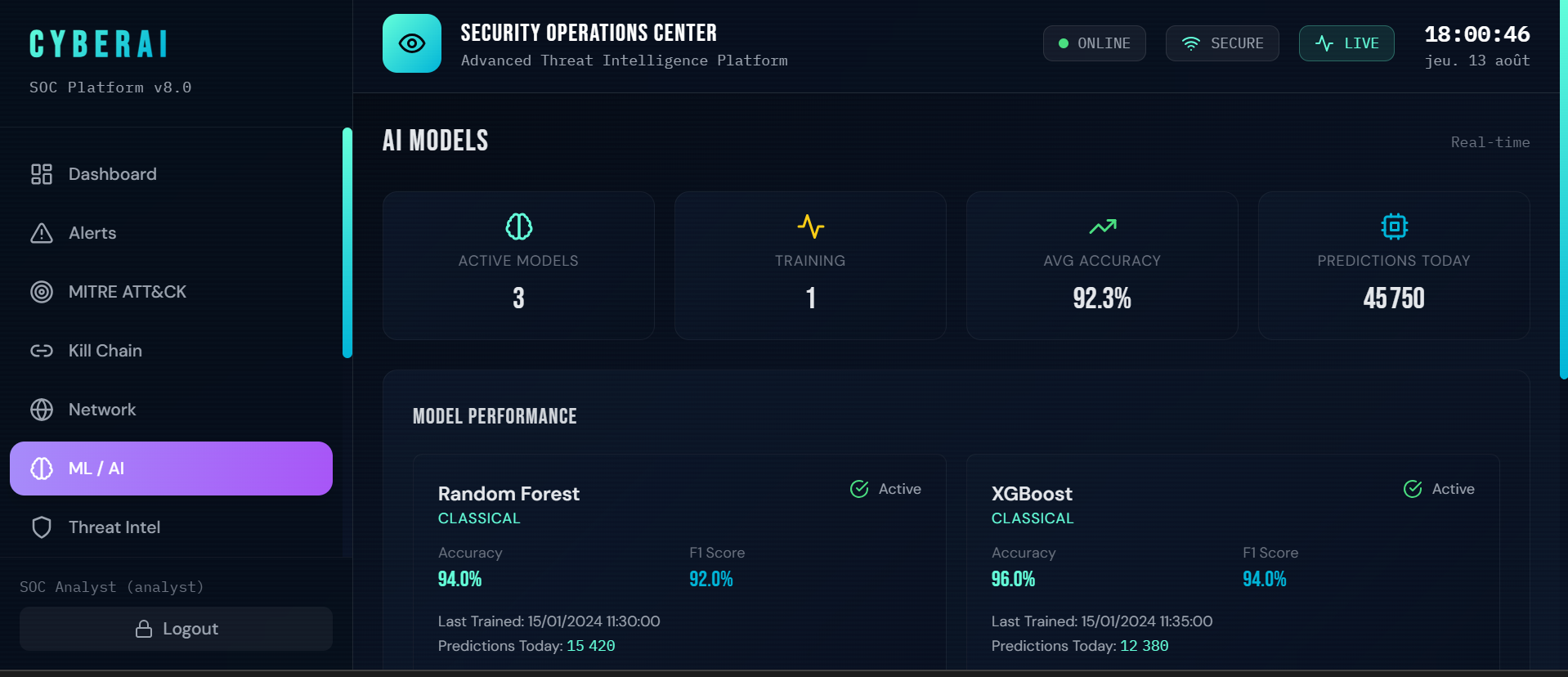
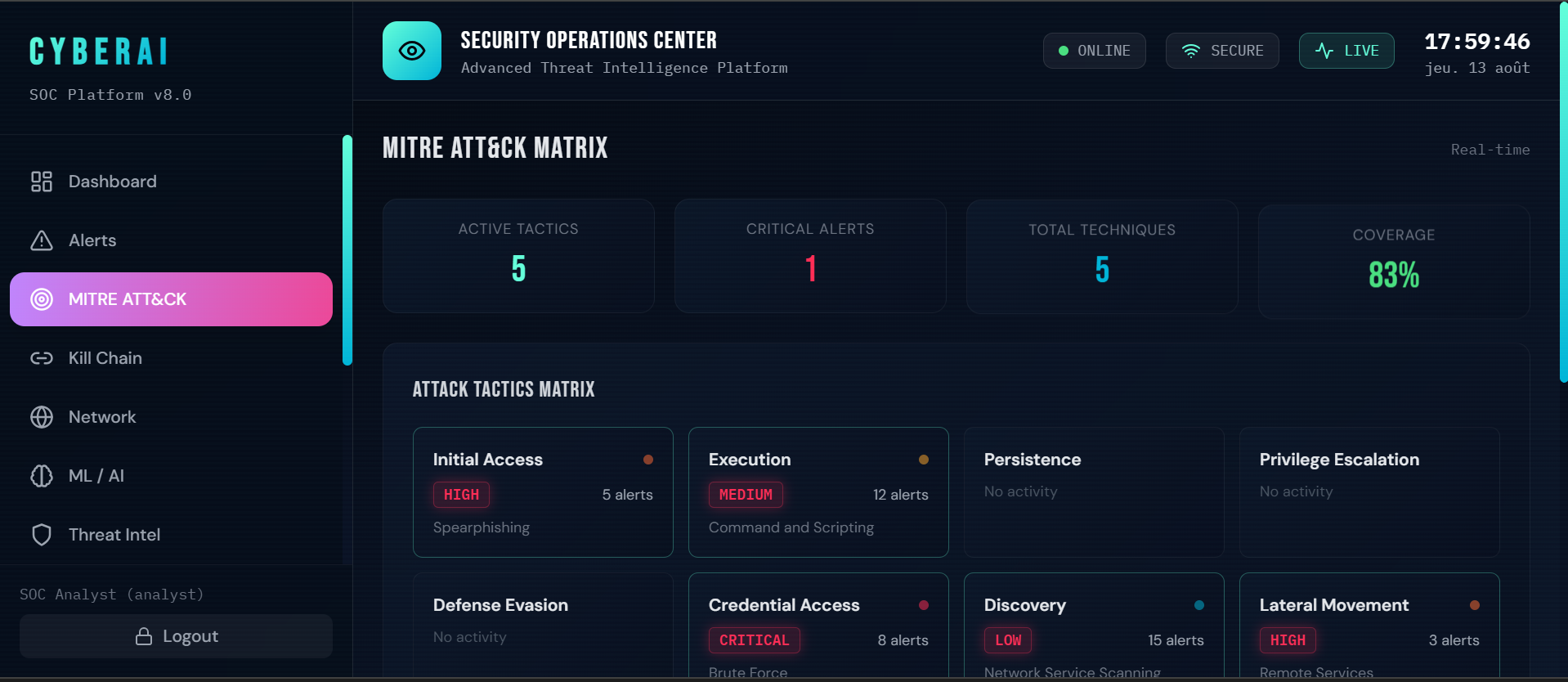
- 🔮 Predictive Threat Forecasting — Ensemble ML models forecast multi-stage attack sequences 3–5 steps before execution
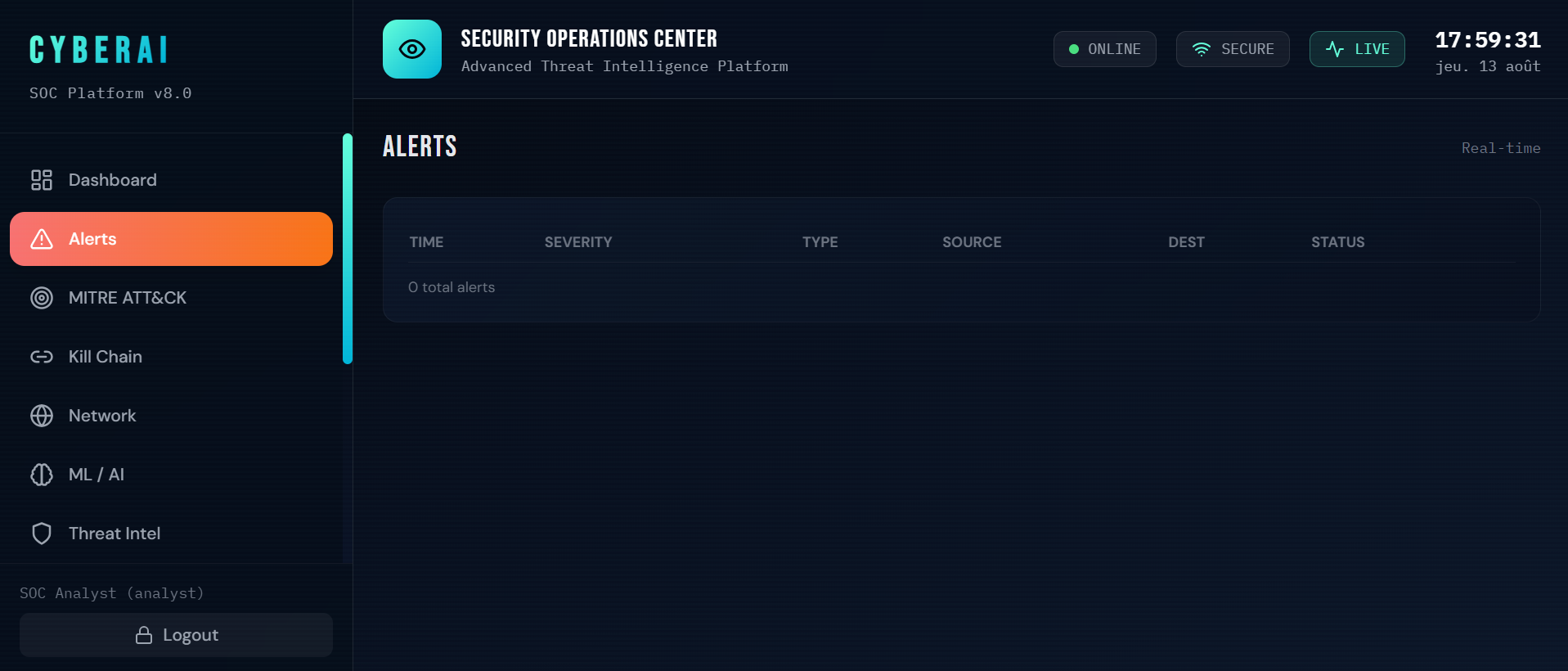
- 🧠 Intelligent Alert Triage — Reduces analyst cognitive load by 80% by filtering noise and surfacing only actionable threats
- ⚡ Sub-100ms Auto-Isolation — eBPF-based micro-segmentation triggers automatically when confidence exceeds 95%
- 🤖 Multi-Agent Architecture — Detection, analysis, and response agents collaborate in real-time
How We Built It
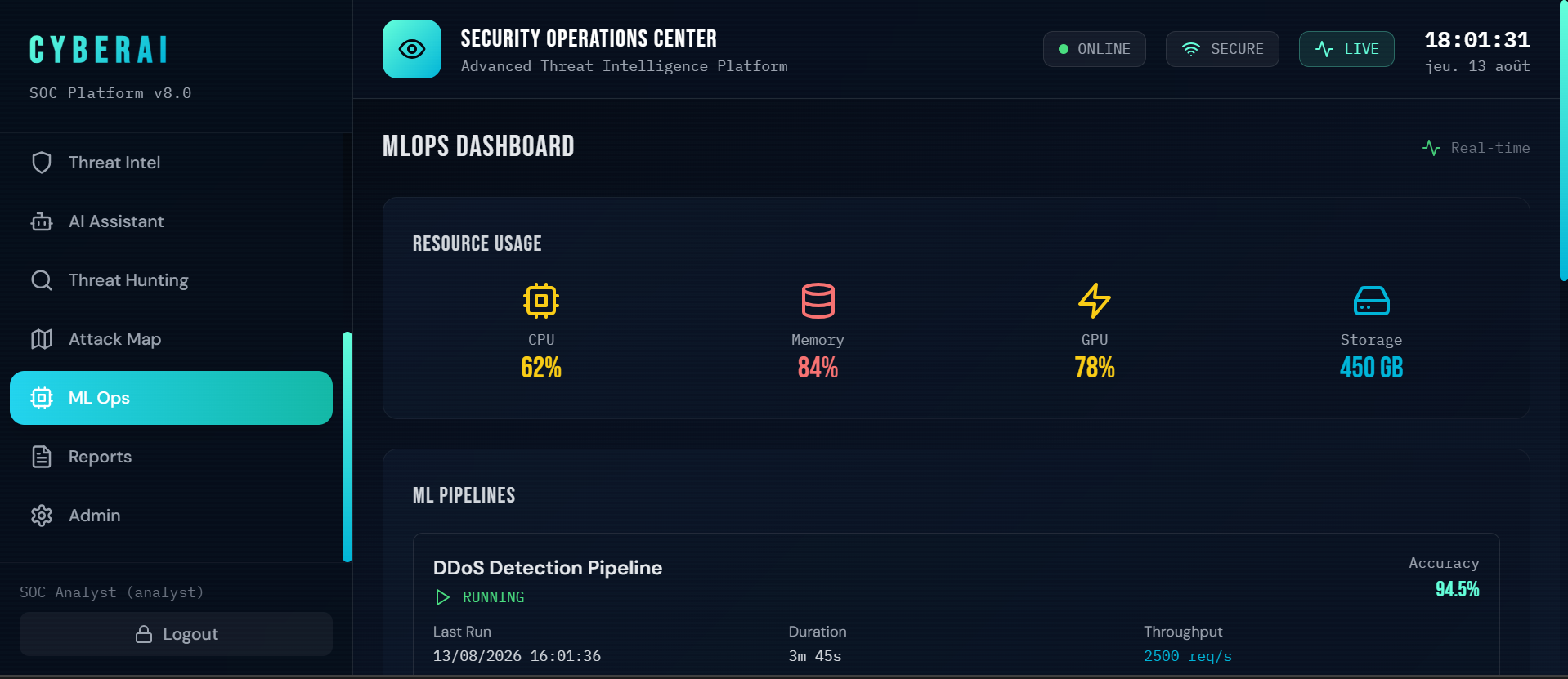
- Python 3.11 + scikit-learn, XGBoost, LightGBM for ensemble prediction
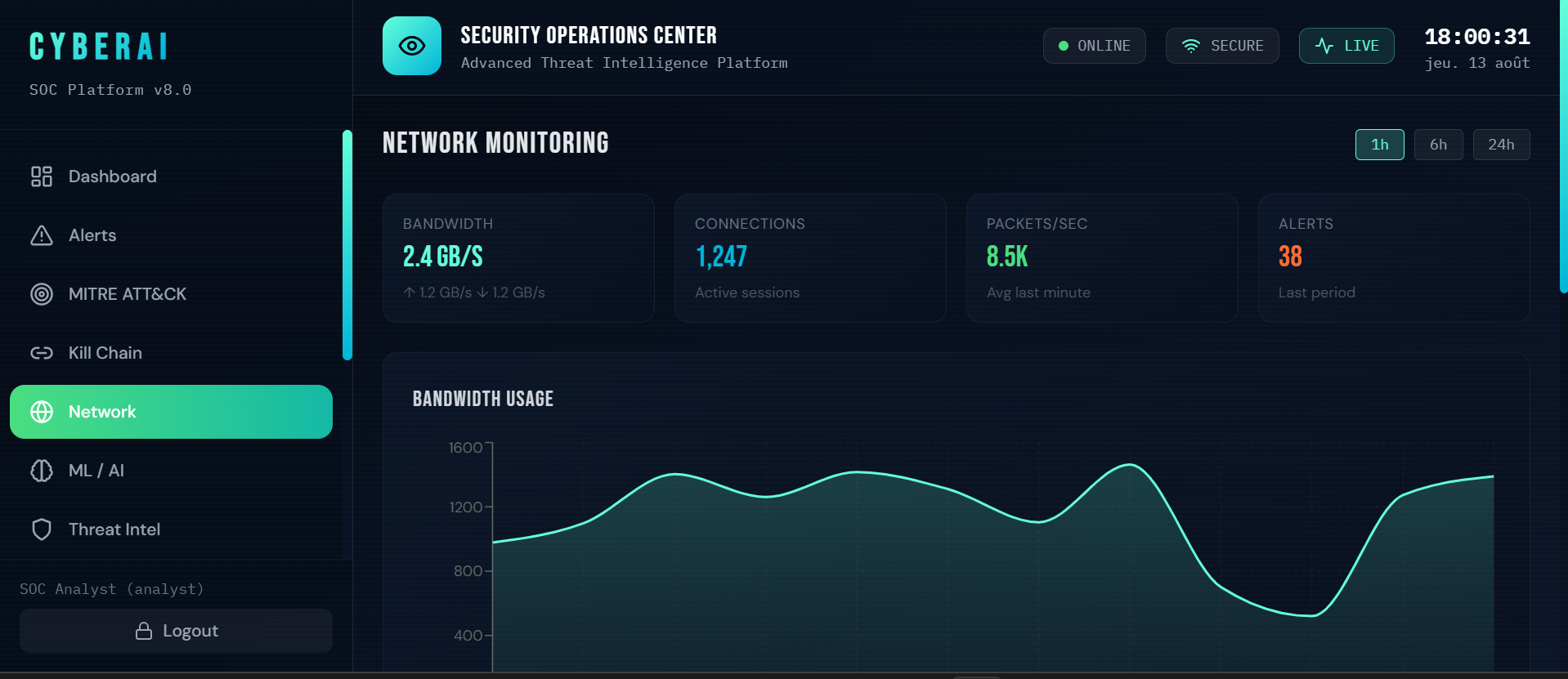
- Real-time network telemetry ingestion with 50+ engineered behavioral features
- eBPF kernel probes for zero-overhead traffic inspection and sub-millisecond isolation
- Microservices architecture with containerized agents for scalability
- 8 iterative versions refining model accuracy and false-positive reduction
Challenges We Faced
- Data imbalance: Attack sequences are rare vs. normal traffic. We solved this with SMOTE oversampling and cost-sensitive learning.
- Latency constraint: Isolation must happen under 100ms. We moved from Python-based packet inspection to eBPF kernel-space probes, cutting overhead by 90%.
- Alert fatigue modeling: Quantifying "cognitive load" required interviewing SOC analysts and building a custom scoring metric.
What We Learned
Predictive security is not just about better algorithms — it's about redefining the human-machine relationship. The best SOC isn't one with more analysts; it's one where AI handles the noise so humans handle the strategy.
What's Next
- Integrate LLM-powered natural language explanations for every prediction
- Expand to cloud-native environments (Kubernetes, AWS Lambda)
- Open-source the core prediction engine for community-driven threat intelligence
Built With
- analytics
- cybersecurity
- ebpf
- ensemble
- learning
- lightgbm
- machine
- predictive
- python
- real-time
- scikit-learn
- xgboost

Log in or sign up for Devpost to join the conversation.