Inspiration
Modern Security Operations Centers (SOCs) are failing due to extreme alert fatigue, suffering from up to 60% false-positive rates and delayed response times against sophisticated zero-day exploits. This operational gap causes catastrophic data breaches and millions in financial losses for enterprises. CyberAI-Expert v8.0 was inspired by the urgent need for a completely automated, next-generation SOC platform that not only detects threats with elite accuracy but dynamically orchestrates network defenses to isolate attacks before they scale.
What it does
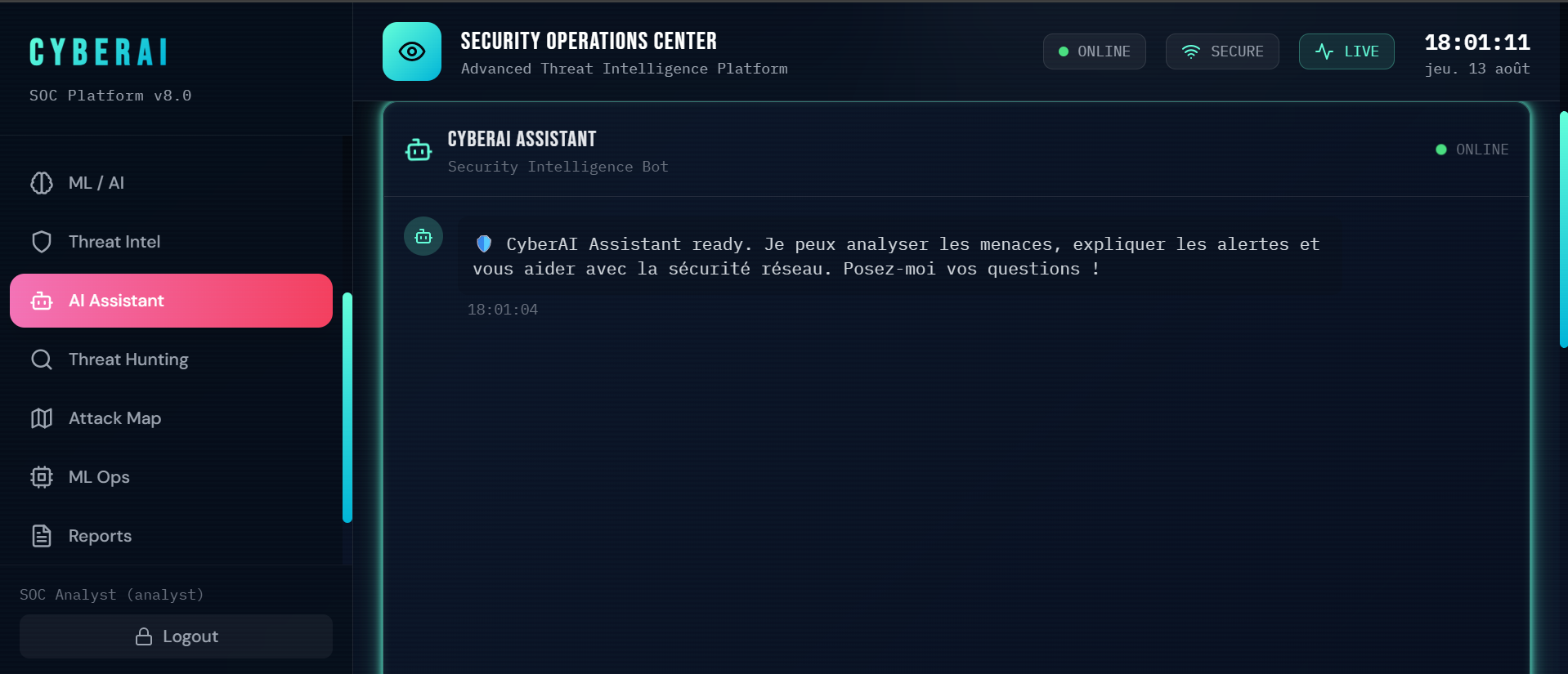
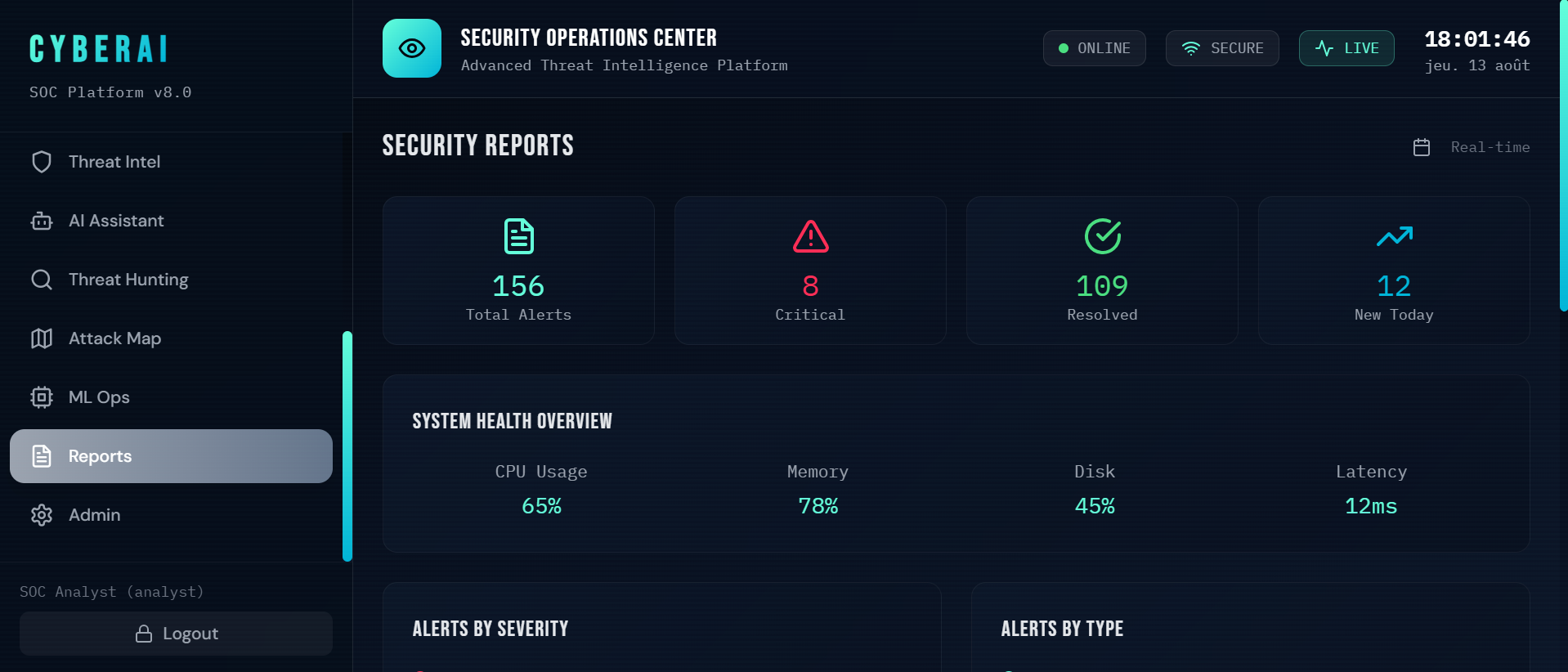
CyberAI-Expert v8.0 is a professional, enterprise-grade automated cybersecurity defense platform. It continuously intercepts massive live network traffic streams and system logs, processes them through a highly optimized real-time data pipeline, and applies a multi-layered AI architecture. When a threat is detected, the platform automatically triggers an immediate infrastructure response—revoking permissions, blocking traffic at the firewall gateway, and isolating compromised components without requiring human intervention.
How we built it
The platform is engineered as a robust, decoupled full-stack architecture:
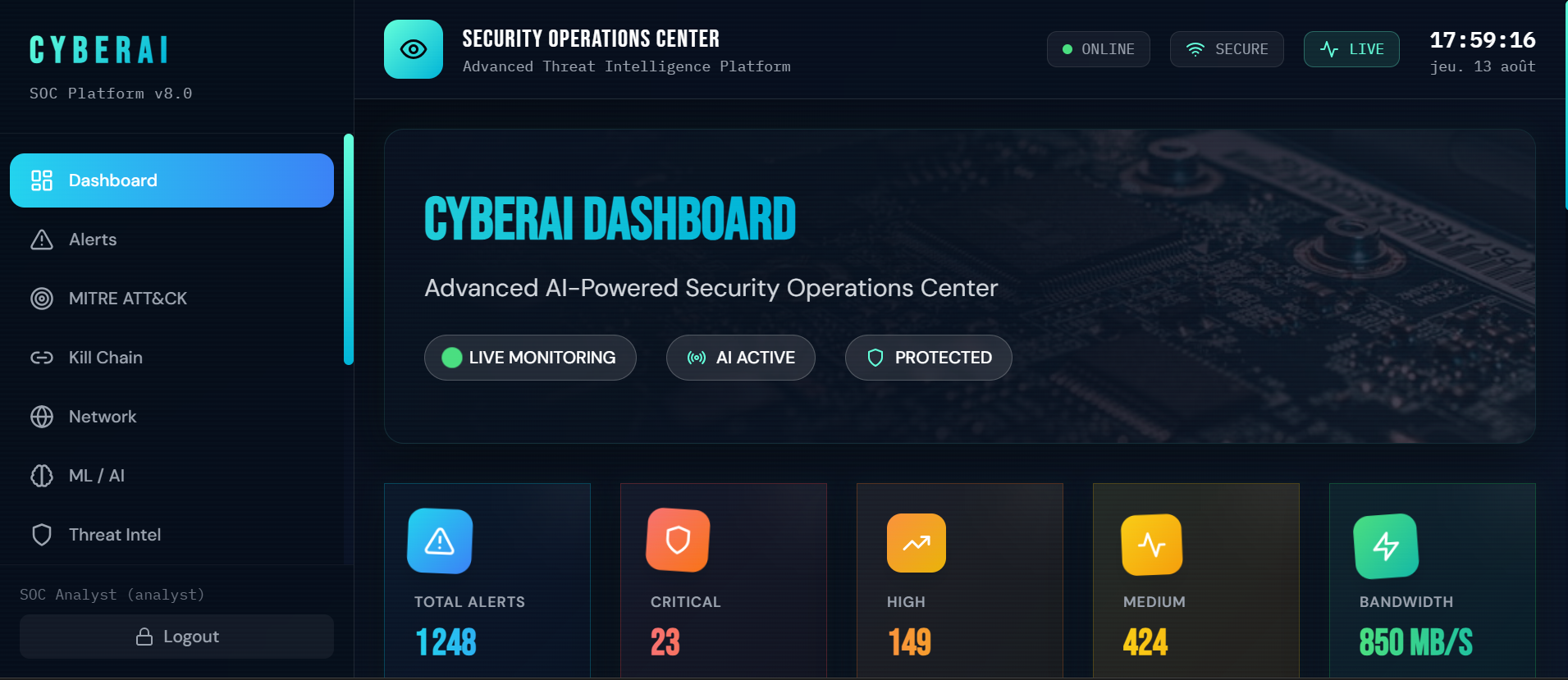
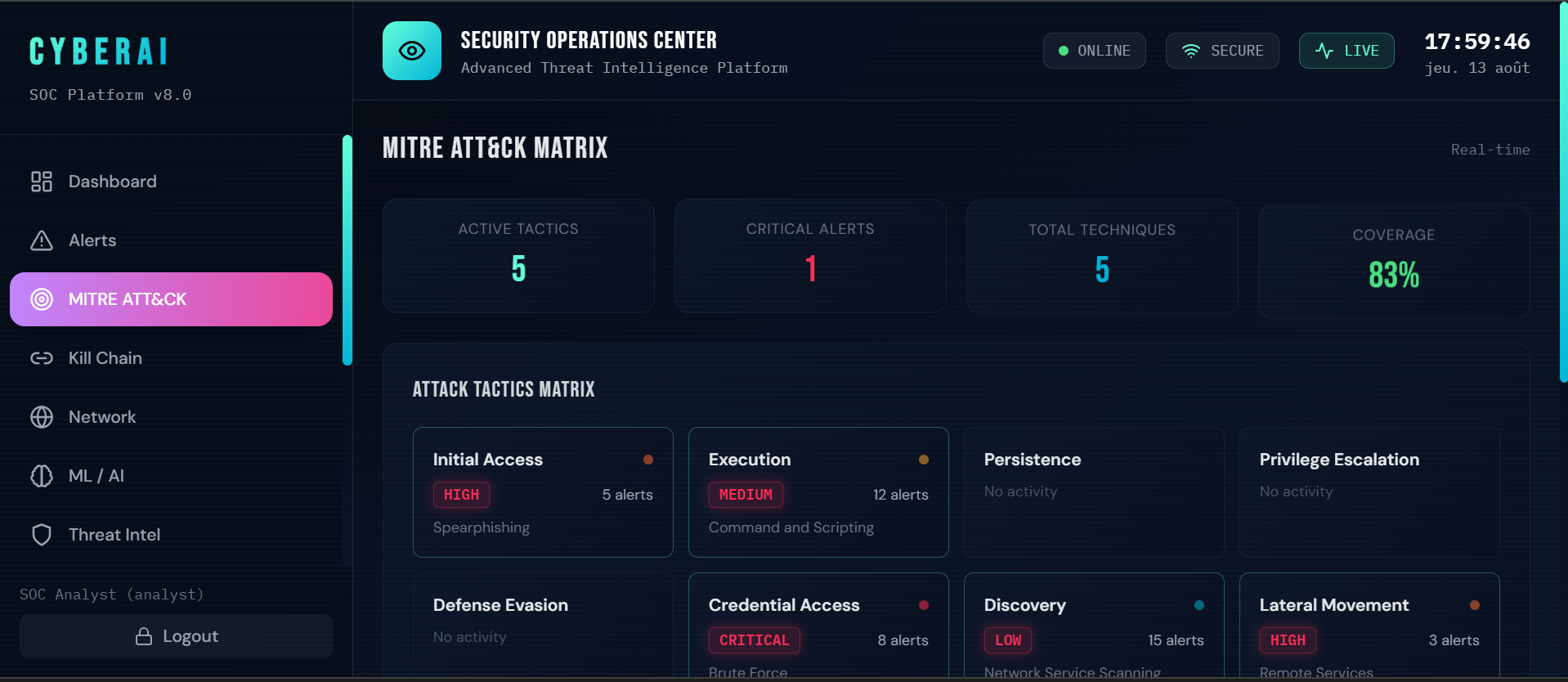
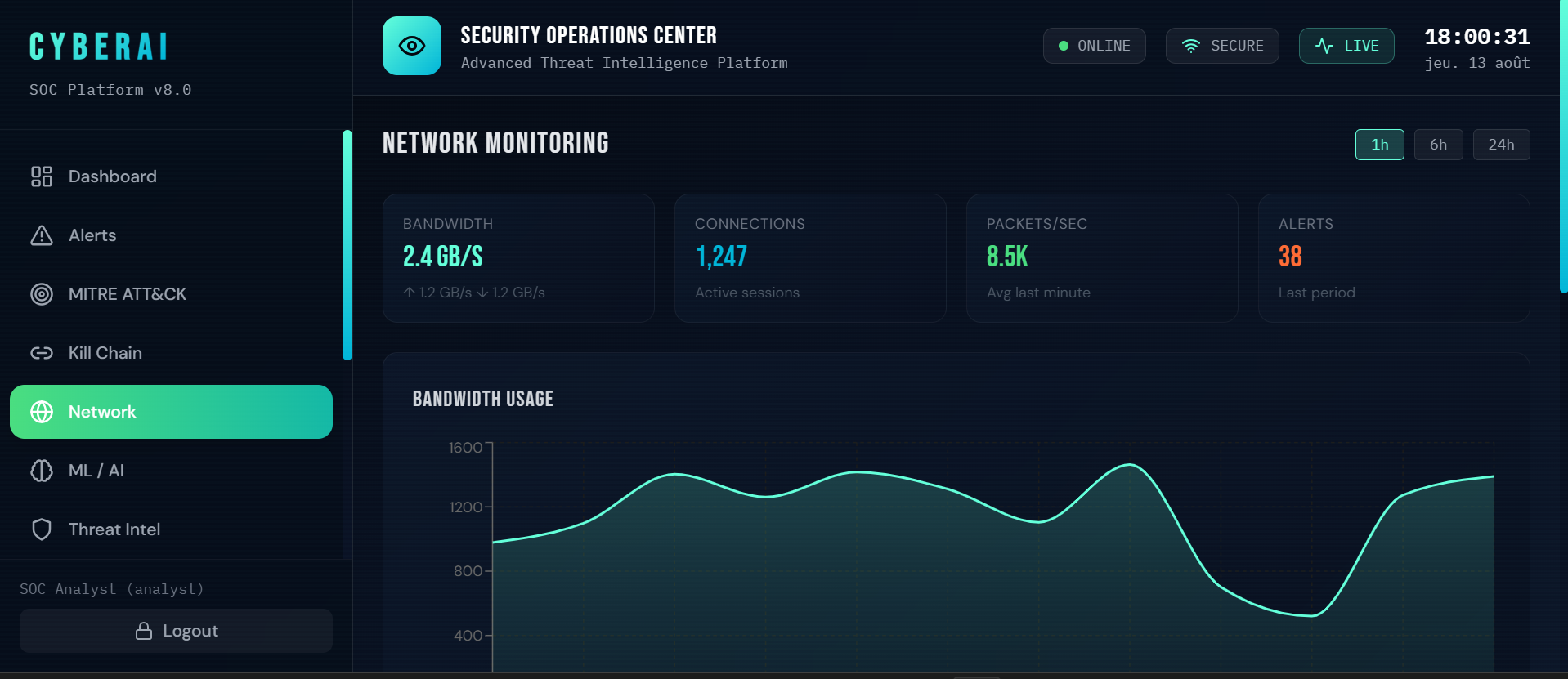
- Frontend: Built with React featuring 16 dynamic pages and immersive, interactive Three.js 3D node network visualizations powered by real-time WebSockets with sub-100ms latency.
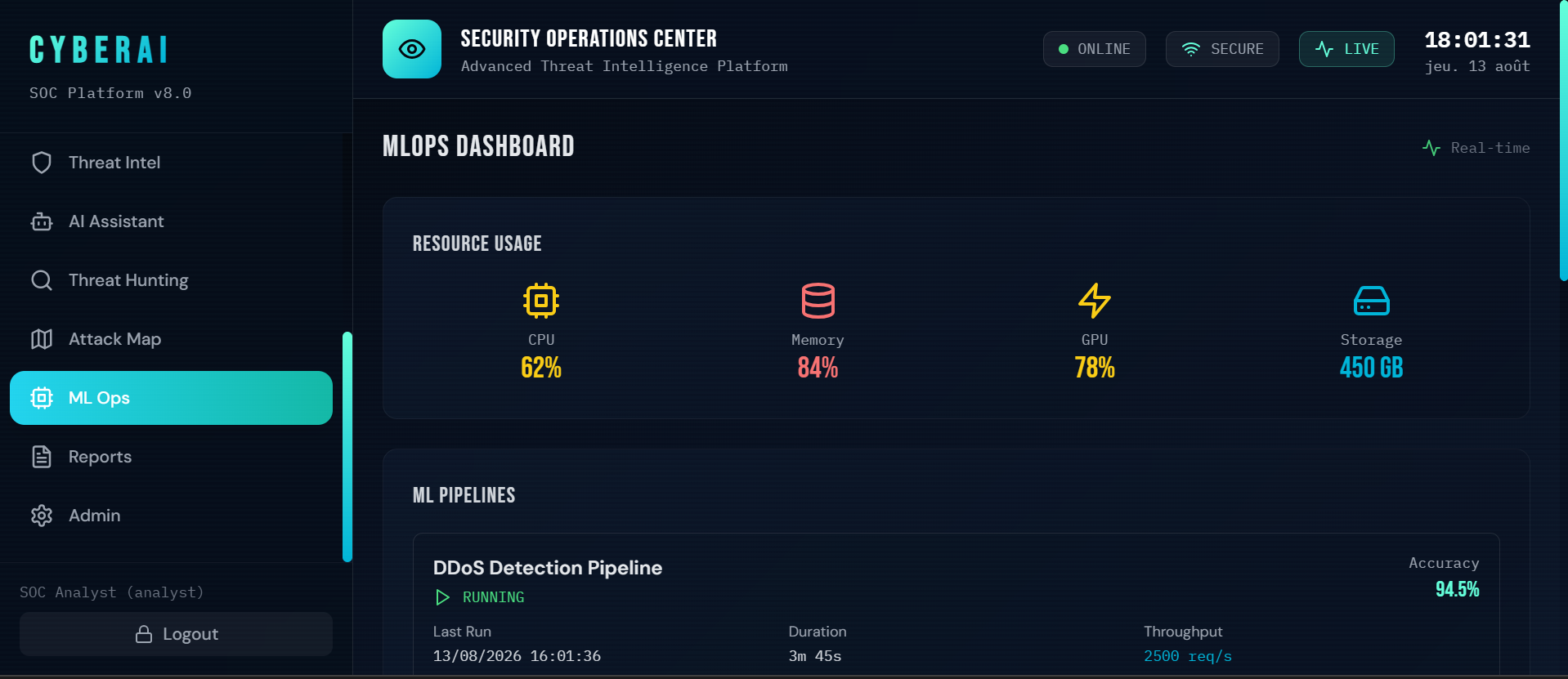
- Backend & MLOps: Powered by FastAPI, utilizing Celery task workers, MLflow for model registry, and Prometheus/Grafana for live performance tracking.
- Data Pipeline: Driven by inline Zeek Core and Suricata IDS sensors streaming raw EVE JSON network events directly into an Apache Kafka cluster optimized with Snappy compression.
- AI Core: Deployed a multi-tiered intelligent model approach:
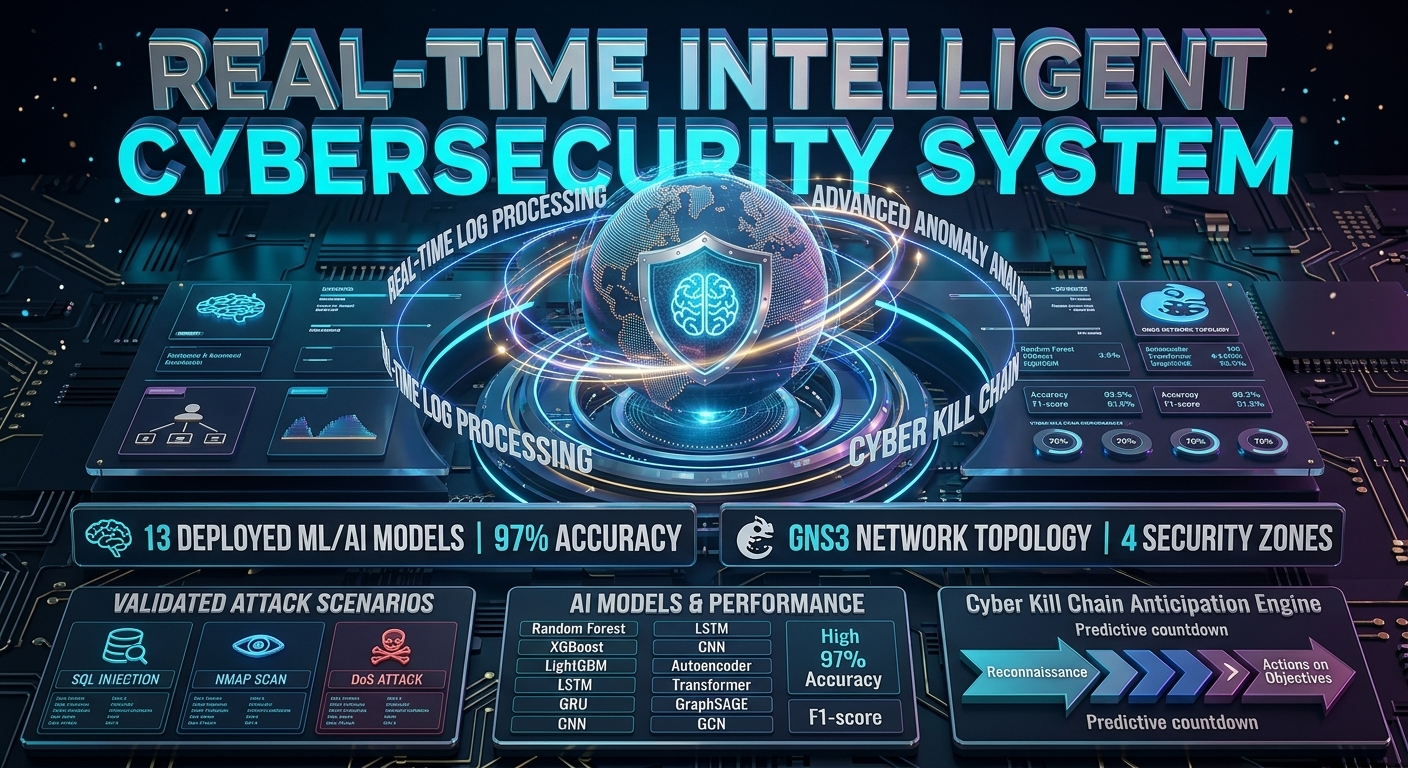
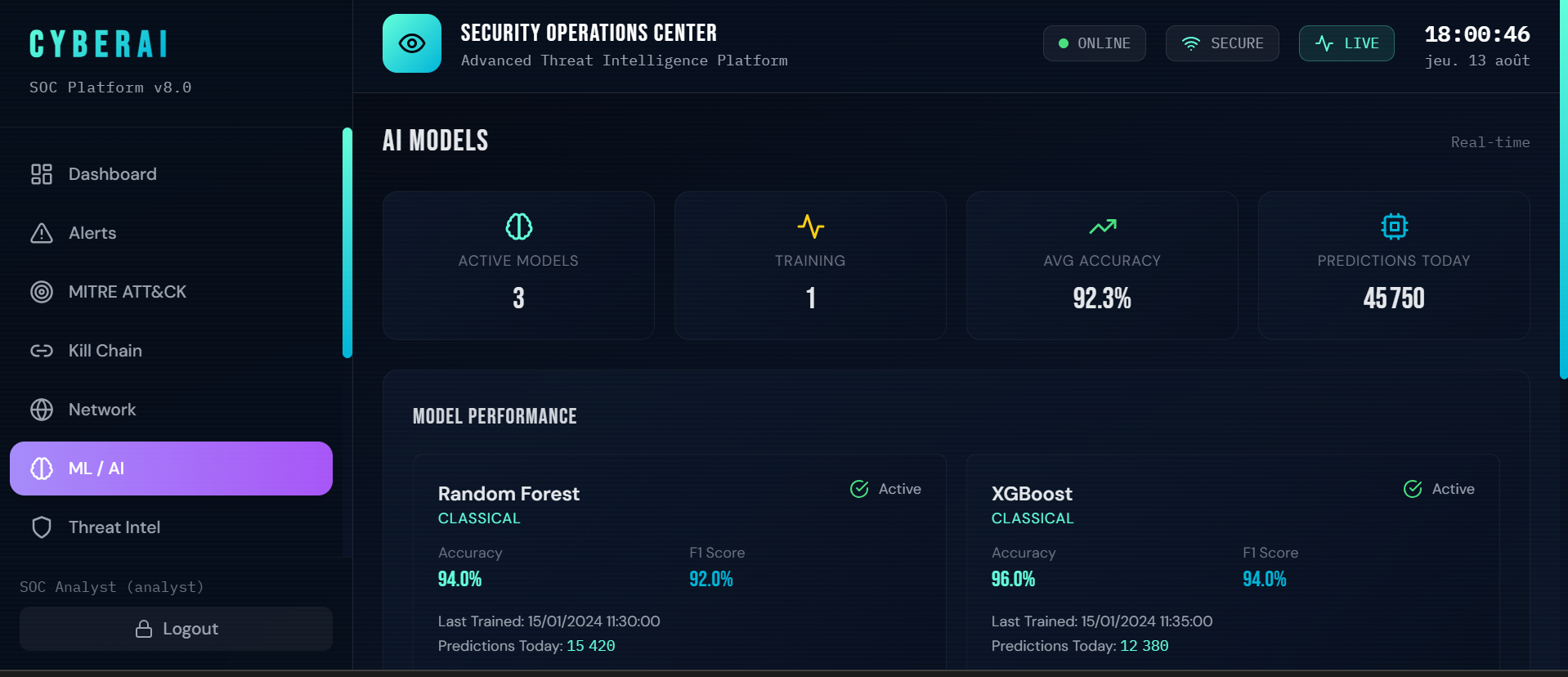
- An Ensemble Voting model (Random Forest + XGBoost + LightGBM) achieving 98.67% detection accuracy to slash false positives.
- Bidirectional LSTM & GRU neural networks to track complex temporal attack sequences.
- Deep learning Autoencoders for zero-day anomaly detection.
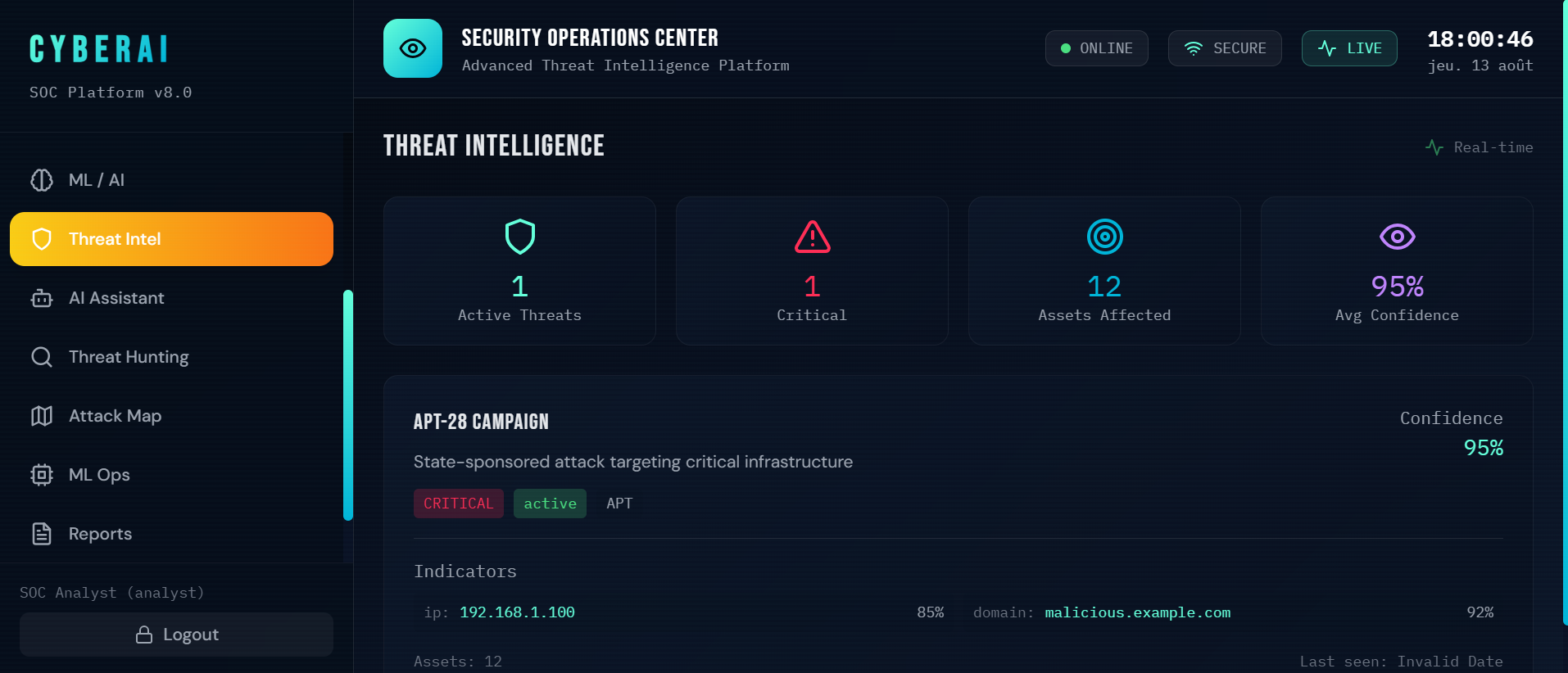
- GraphSAGE Graph Neural Networks running 2-hop neighborhood aggregation to uncover internal lateral movements across VLANs in under 8 seconds.
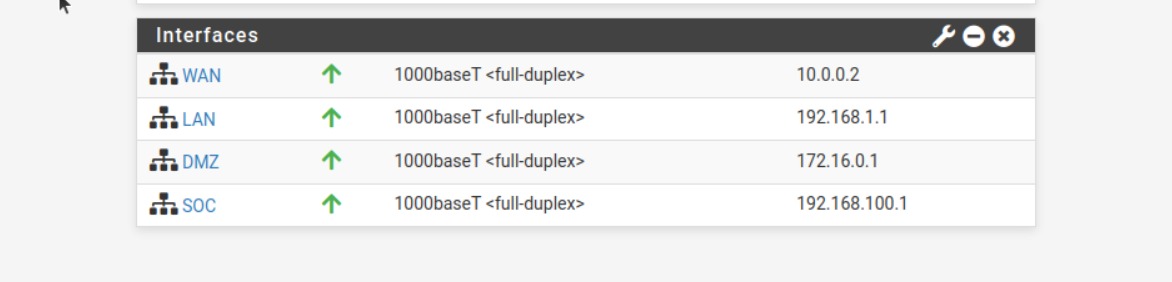
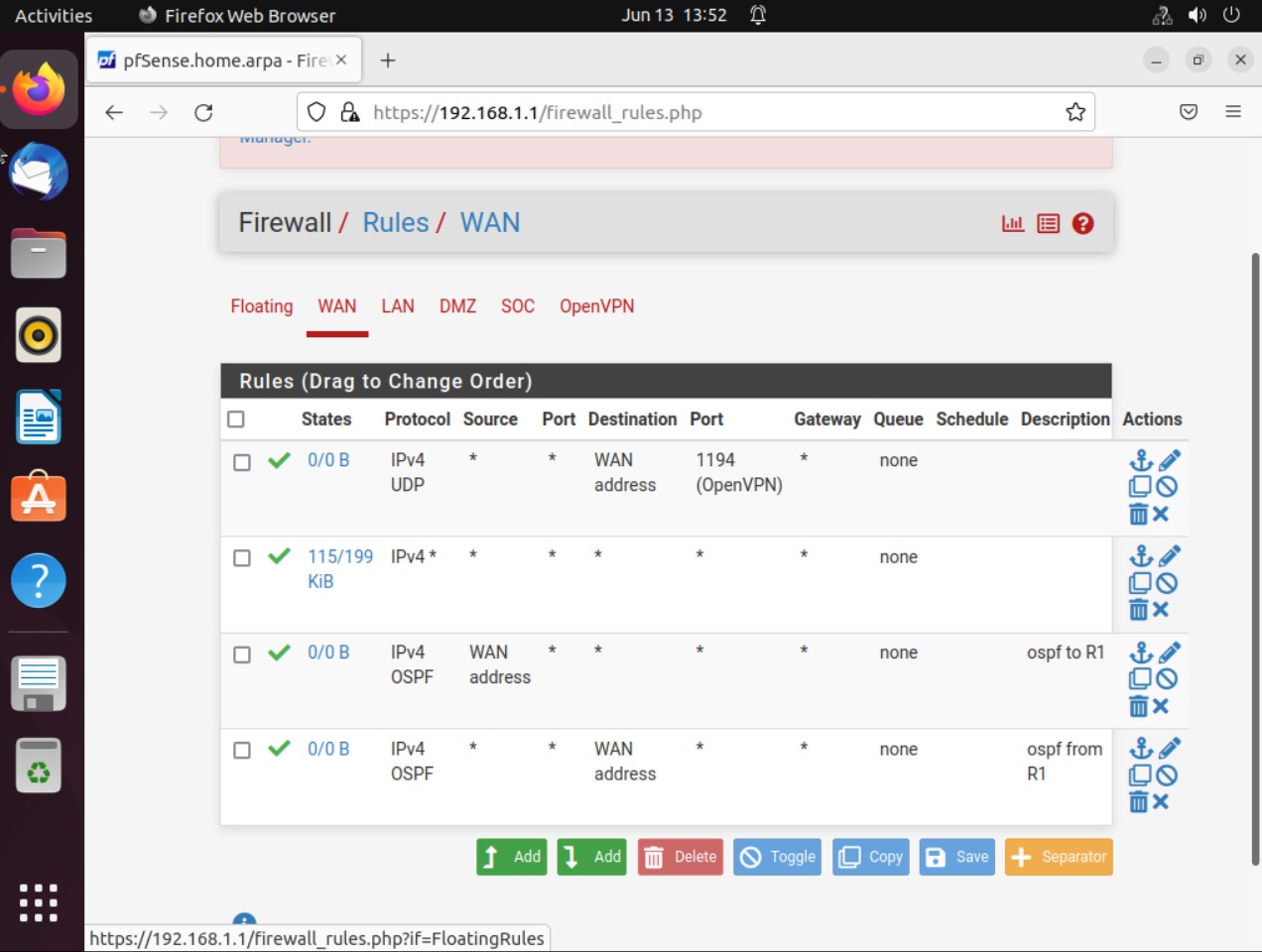
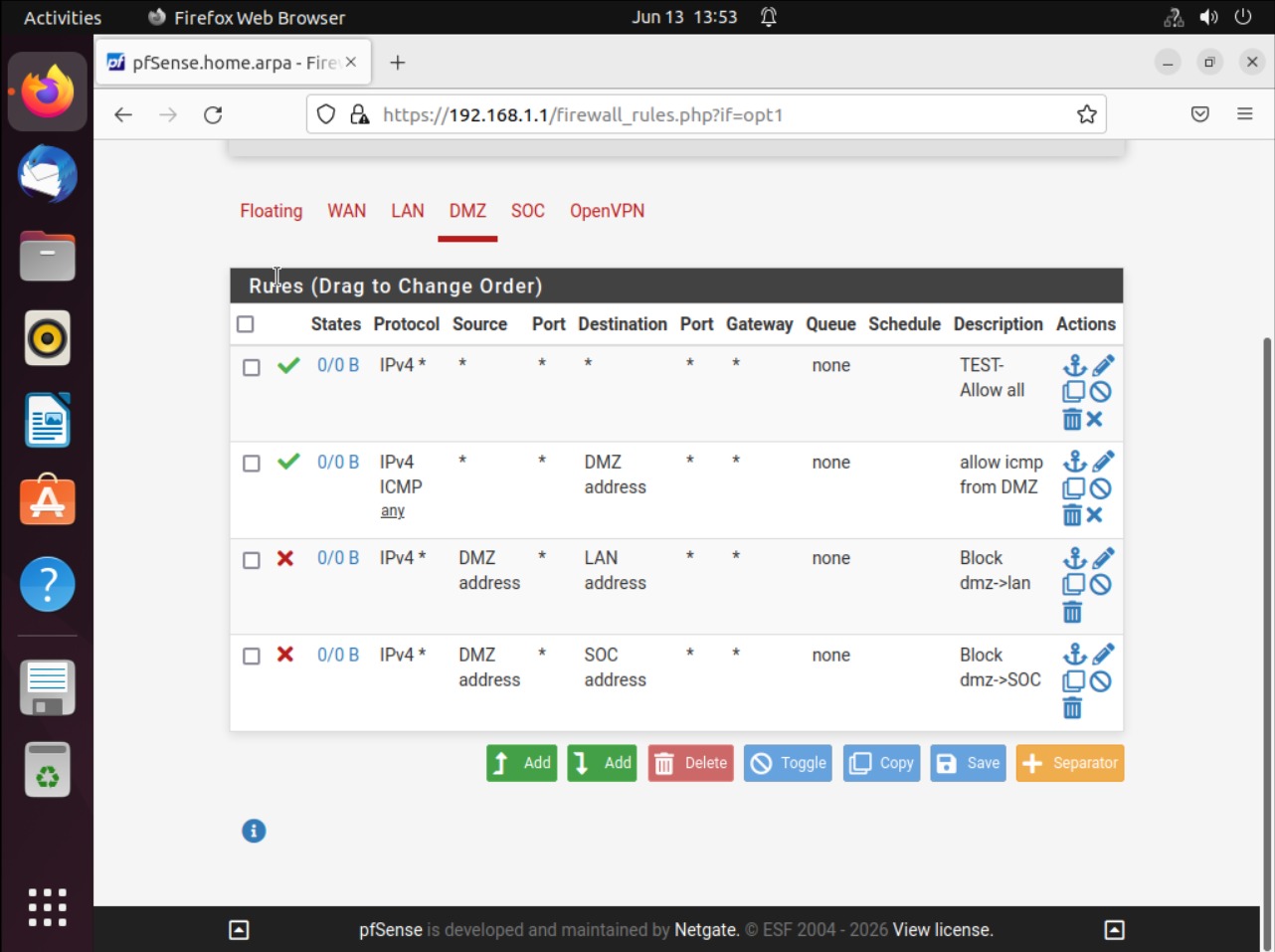
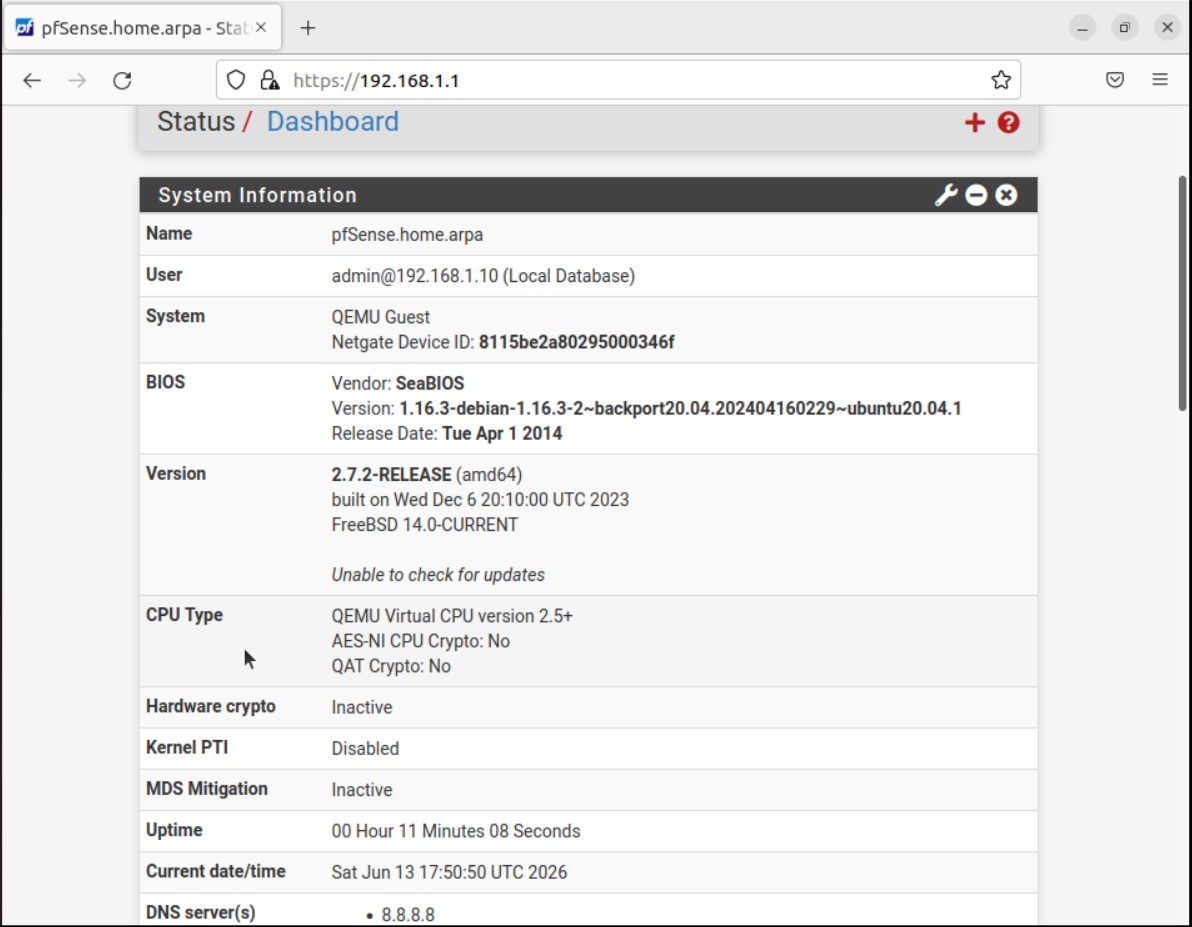
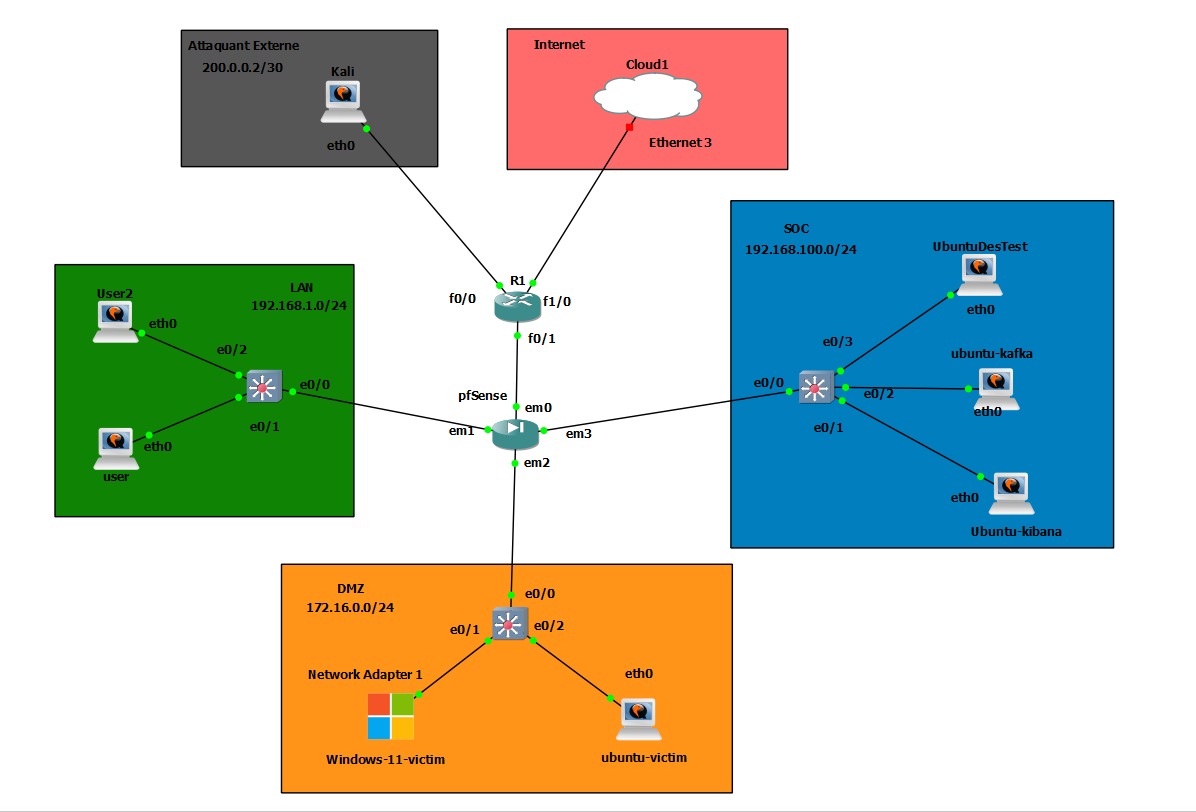
- Infrastructure: Fully simulated within a real-world enterprise GNS3 topology running active BGP autonomous systems and OSPF area 0 routing across 4 separate security zones protected by a hardened pfSense firewall. The entire ecosystem is containerized into 25 production-ready Docker microservices.
Challenges we faced
One of the most complex engineering hurdles was achieving a sub-100ms end-to-end latency while handling over 50,000 security events per second. Processing heavy deep learning models (like GraphSAGE and Autoencoders) on raw data packet captures threatened to bottle up the pipeline. We overcame this roadblock by implementing a highly asynchronous architecture in FastAPI, optimizing Kafka partition structures, and utilizing Snappy byte-level compression to maintain extreme network throughput without data loss.
Accomplishments that we're proud of
We are incredibly proud of building a fully functional, production-ready infrastructure rather than a superficial mock-up or a simple wrapper around a generic API. Integrating live network routing protocols (BGP/OSPF), dedicated hardware-level firewall filtering (pfSense), and complex deep learning structures into a seamlessly automated ecosystem proves that enterprise-grade security can be autonomously orchestrated.
What we learned
We gained extensive, deep insights into the challenges of maintaining MLOps scalability under severe infrastructure stress. We learned how to properly bind network topology states to graph database representations and optimized our skills in containerizing multi-tier networks using advanced Docker configurations and Role-Based Access Control (RBAC).
What's next for CyberAI-Expert v8.0
- Multi-Cloud Scalability: Expanding our data ingestion layers to natively support cloud enterprise environments like AWS CloudTrail, Google Cloud, and Microsoft Azure logs.
- Hardware API Integrations: Upgrading our FastAPI automation scripts to dynamically push real-time blacklists and micro-segmentation routing rules to physical, multi-vendor enterprise hardware firewalls.
- Pipeline Optimization: Shifting parts of our ingestion layer to Rust-based parsers to cross the threshold of 200,000 network security logs processed per second.
Built With
- ai
- apache-kafka
- automation
- celery
- cybersecurity
- deep-learning
- docker
- fastapi
- gns3
- machine-learning
- mlflow
- network-security
- pfsense
- prometheus
- python
- react
- suricata
- three.js
- websockets
- xgboost
- zeek

Log in or sign up for Devpost to join the conversation.