-
-
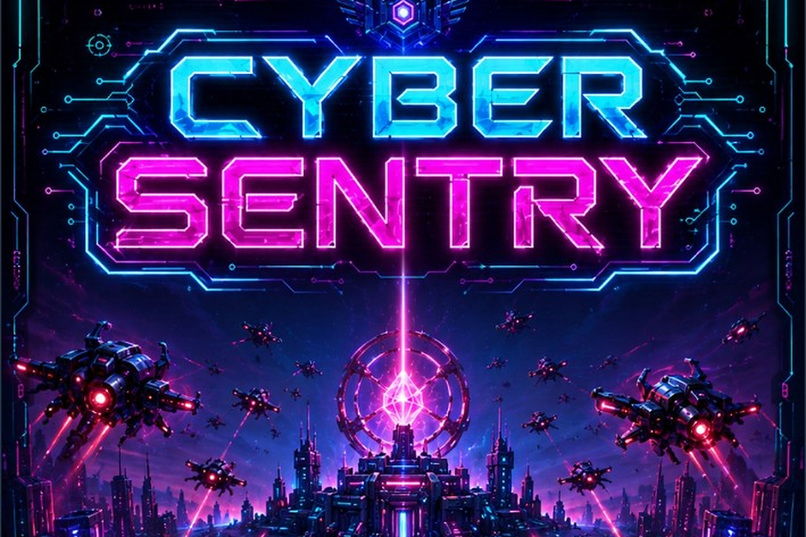
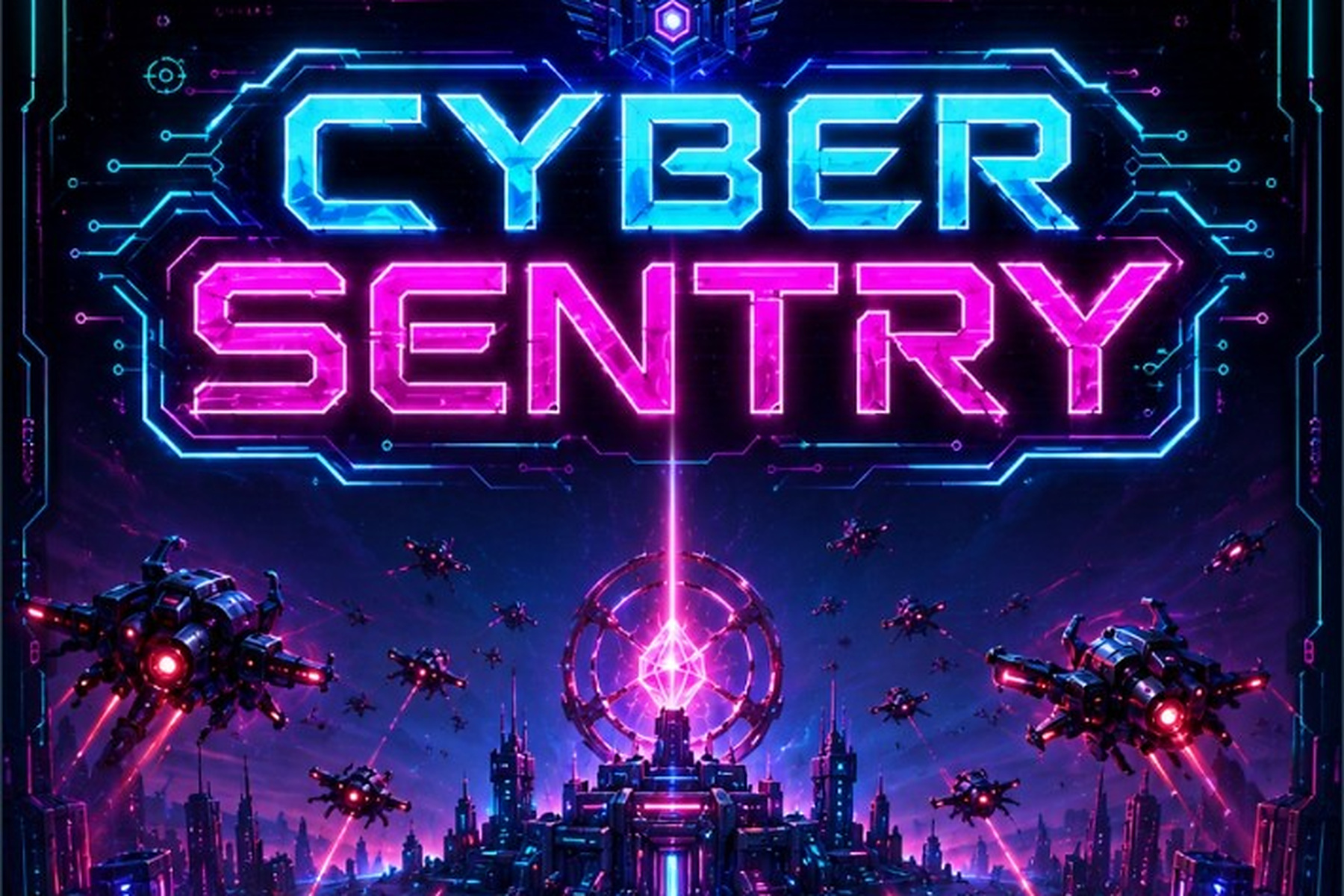
CYBER SENTRY title screen and mobile-first presentation.
-
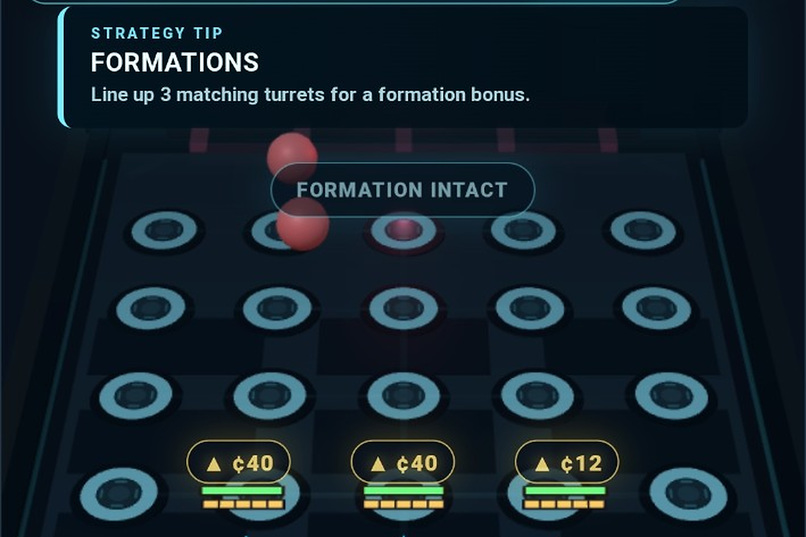
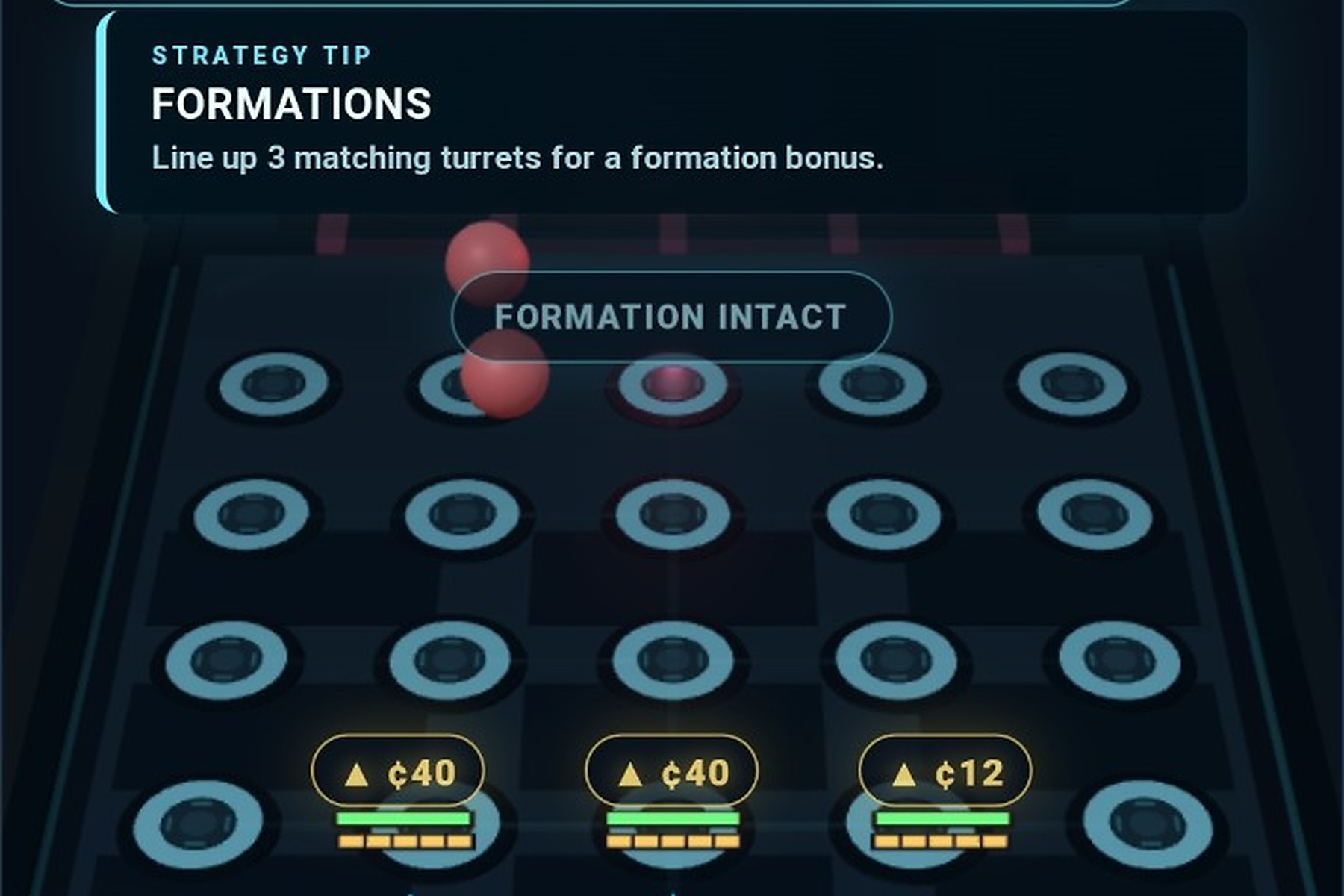
The formation system rewards placing three matching defenses in a straight line for a combat bonus.
-
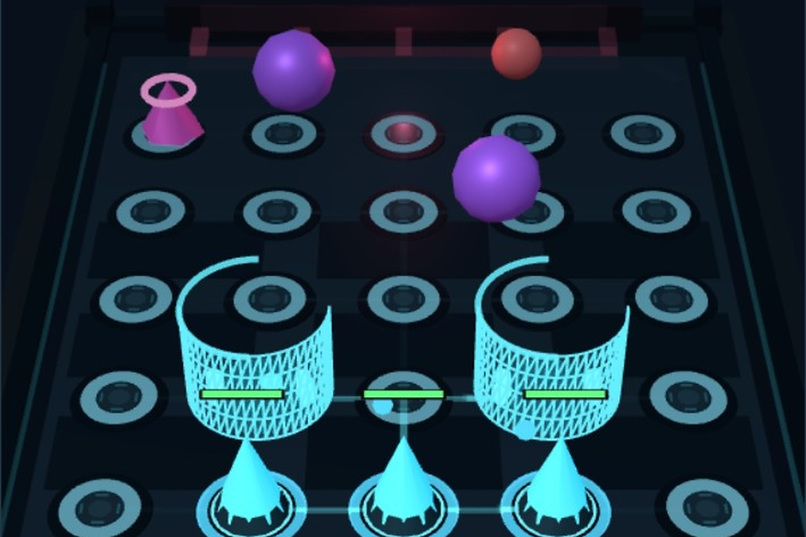
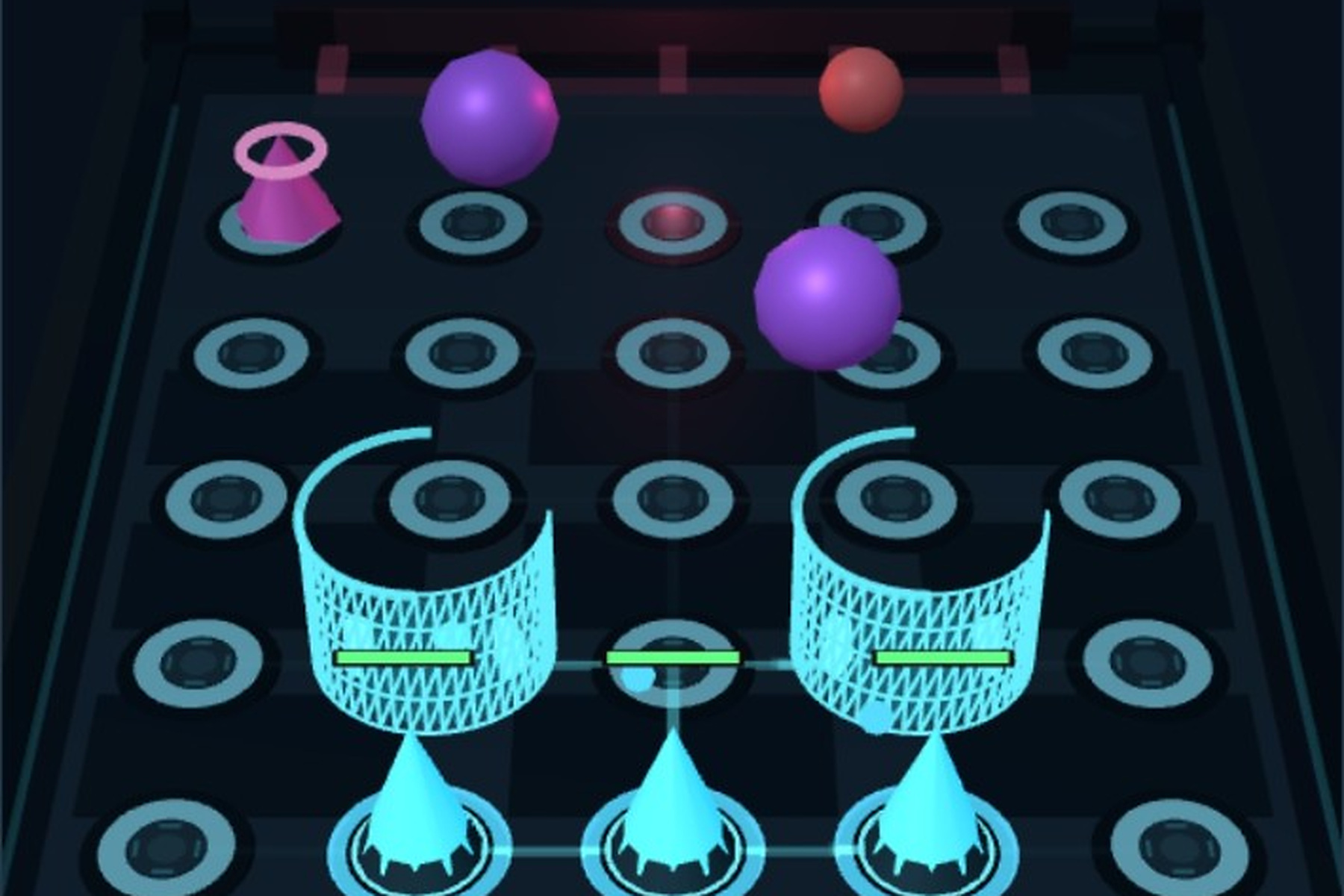
Active defense with upgraded turrets, stored Firewall deployments, and increasing enemy pressure.
-
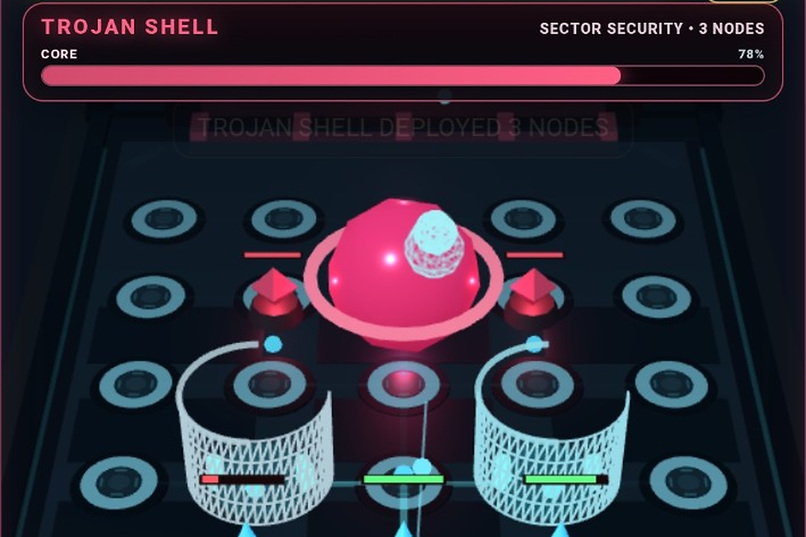
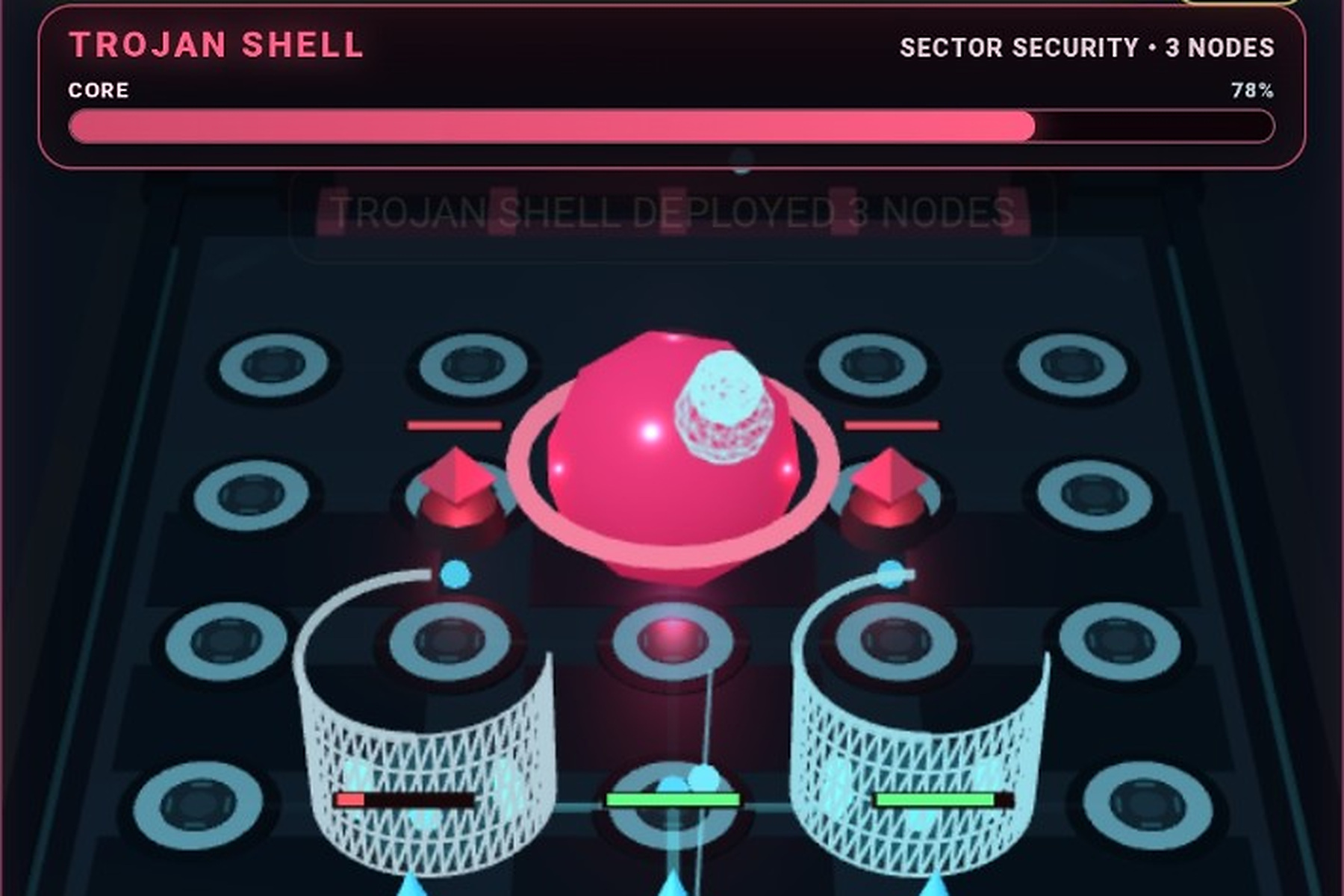
Wave 10 boss encounter against Trojan Shell while the player manually operates the Core Cannon.
-
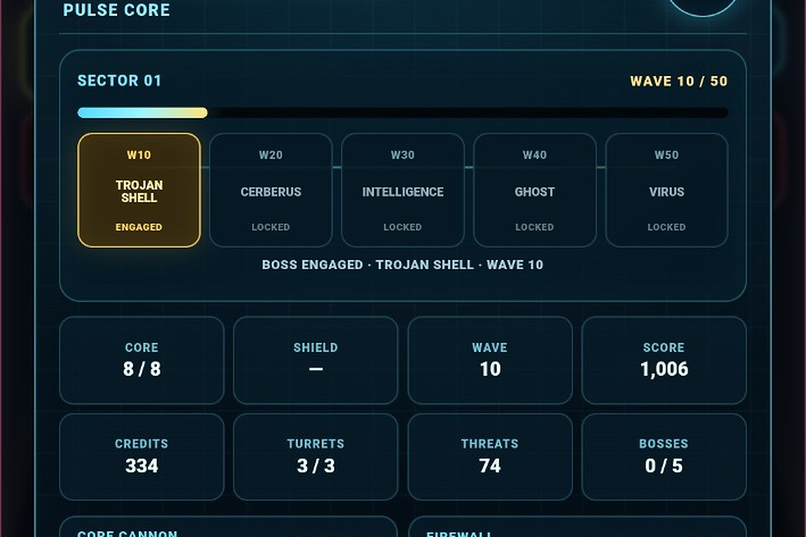
Run Command tracks boss progression, Core status, upgrades, Tech Tokens, and rewards during a session.
-
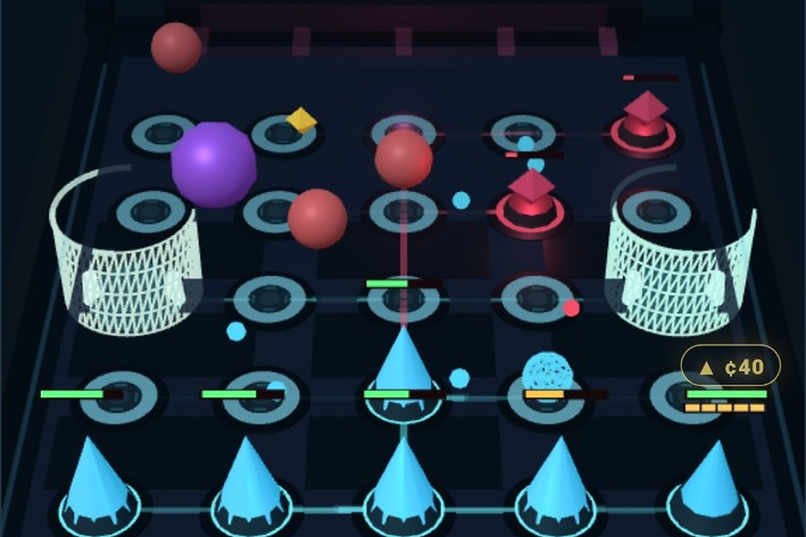
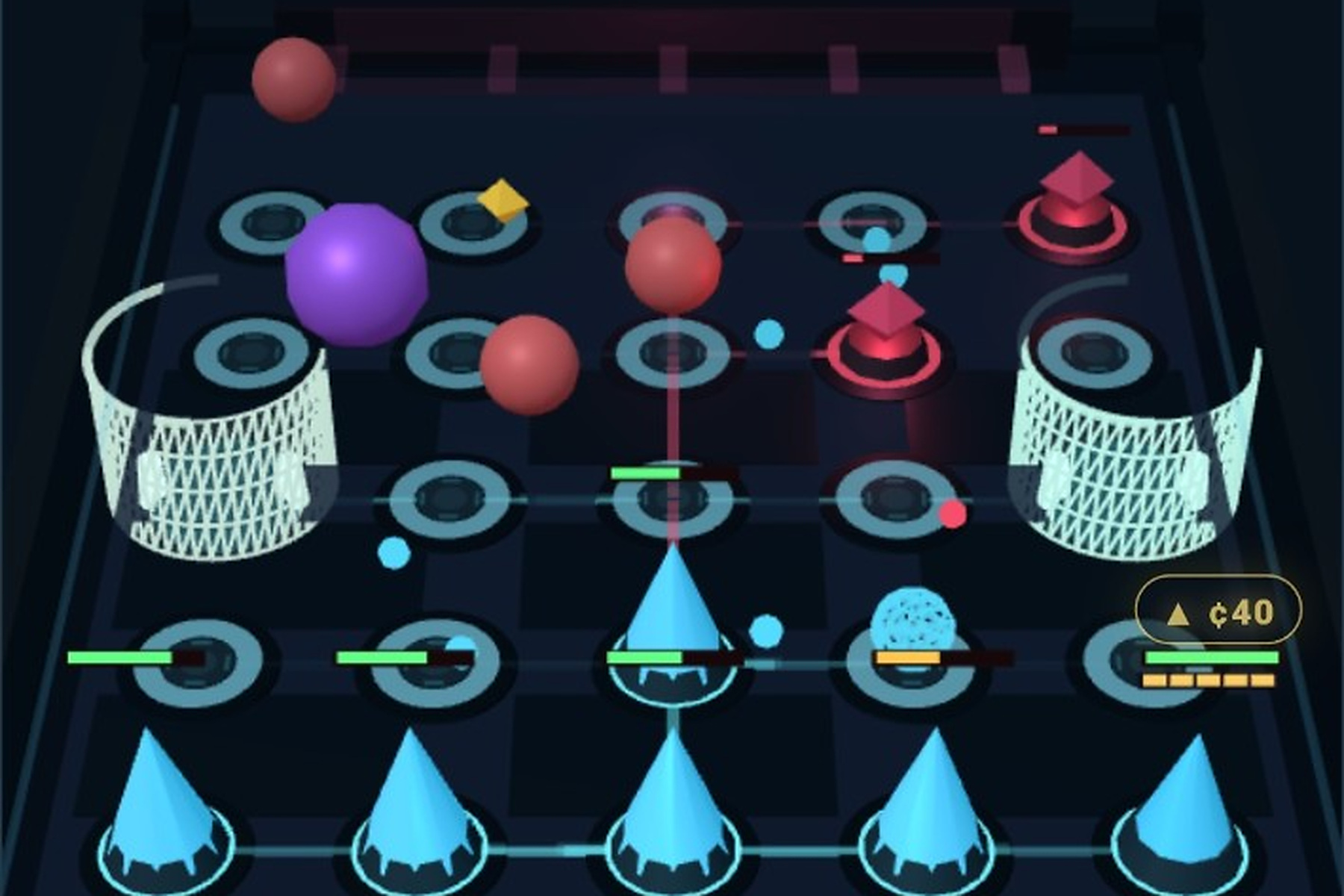
A developed late-run defense showing multiple enemy types, upgraded turrets, and a larger battlefield build.
-
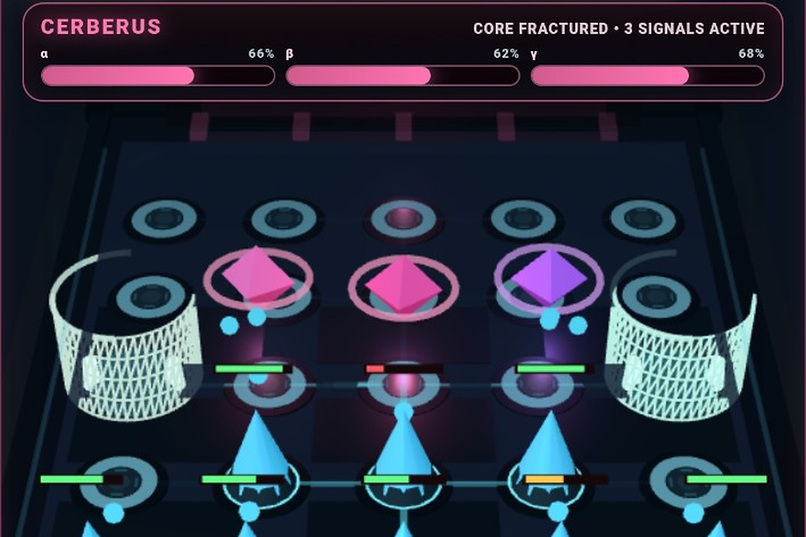
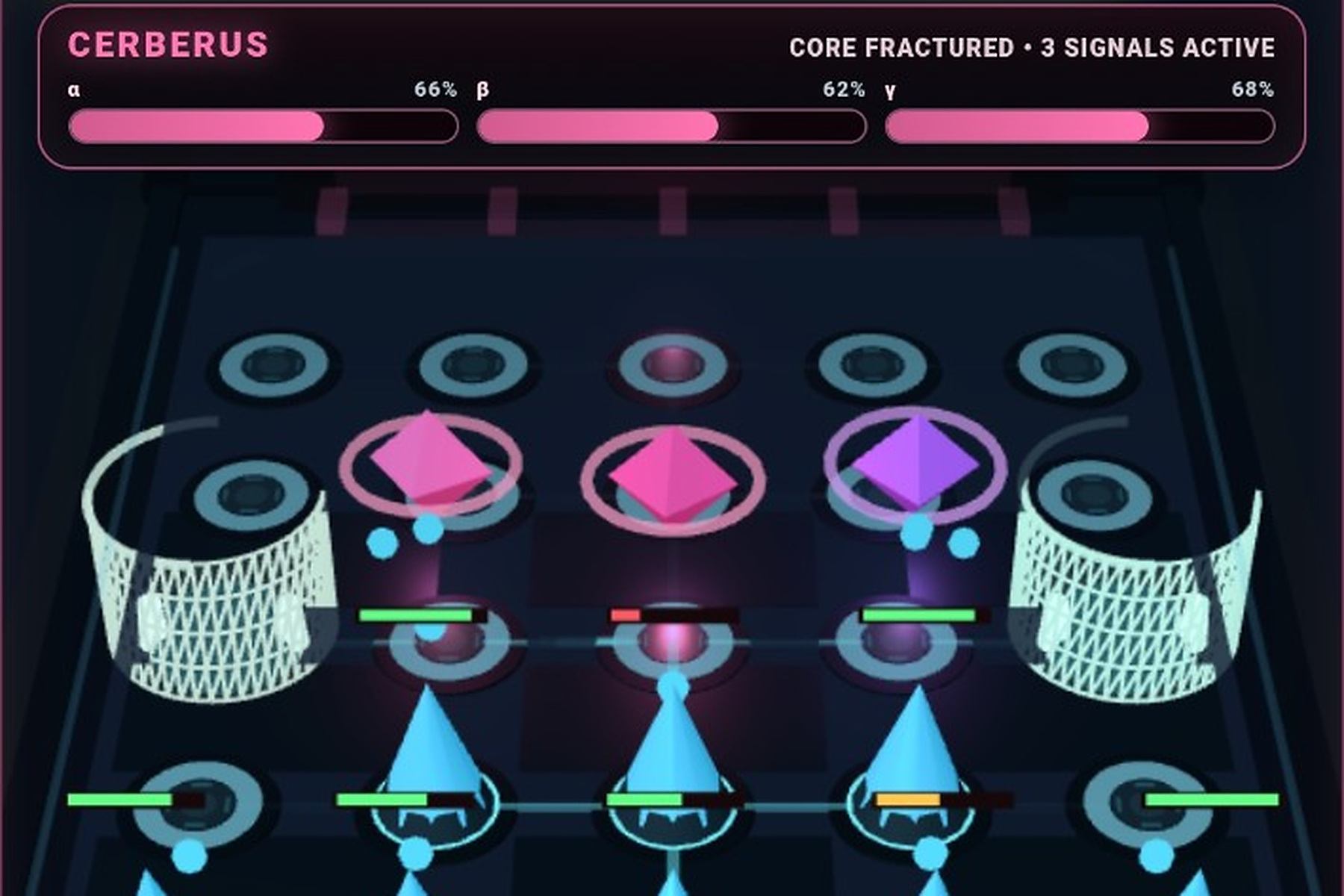
Wave 20 boss Cerberus splits the fight across three active signals, forcing the player to manage multiple targets.

Inspiration
CYBER SENTRY started from the idea of making a tower-defense game where the player does more than place defenses and watch them work.
We wanted the strategy of building and upgrading a defense grid, but also moments where the player has to actively react. That led to the Core Cannon, which lets the player manually aim and fire during high-pressure situations while automated defenses continue fighting.
The formation system grew from the same idea. Placing three matching defenses in a straight line activates a bonus, making the layout of the grid part of the strategy rather than just a collection of turret slots.
What it does
CYBER SENTRY is a portrait-format HTML5 tower-defense and strategy game designed for mobile browsers.
Players choose a Core Protocol, place and upgrade defenses, build formation bonuses, deploy Firewalls, manage resources, earn Tech Tokens, and manually operate the Core Cannon.
The current prototype contains 50 waves of escalating enemies and five boss encounters: Trojan Shell, Cerberus, Intelligence, Ghost, and Virus.
There are three defense types — Spark, Spread, and Firewall — along with temporary bonus drops, boss rewards, ammunition management, Core upgrades, and run-based progression.
Wave 50 is the current content cap of the prototype, not the intended end of the full game.
How we built it
CYBER SENTRY was built with HTML, CSS, JavaScript, Three.js, and an AI-assisted development workflow.
AI was used throughout production as a collaborative development tool rather than only for generating isolated pieces of content. We used it to help turn design ideas into implementation plans, write and revise gameplay code, troubleshoot bugs, analyze playtest feedback, refine onboarding, investigate mobile performance problems, and prepare the final submission build.
The process was highly iterative. A mechanic or UI change would be implemented, tested on desktop and mobile, evaluated in real gameplay, and then revised based on what actually happened. AI helped accelerate that loop by keeping track of the growing game systems and proposing targeted fixes without requiring the project to be rebuilt from scratch each time.
We also used AI during the final polish phase to identify technical bottlenecks, such as unnecessary dynamic lighting, projectile allocation, UI rebuilding, and mobile input conflicts. Those findings were then tested in the real build rather than accepted automatically.
The result was a workflow where AI handled a large amount of the implementation and analysis support, while the game design, creative direction, playtesting decisions, balance judgments, and final approval remained human-driven.
Challenges we ran into
Mobile controls were one of the biggest challenges.
Mouse input naturally separates aiming from clicking, but touchscreen controls do not. The Core Cannon originally caused accidental turret interactions while the player was trying to aim.
We solved this by distinguishing between taps and drags. A short stationary touch remains a normal board interaction, while moving beyond a small threshold locks that touch into cannon aiming until the finger is released.
Mobile performance was another major challenge. Later waves can contain many enemies, defenses, projectiles, effects, and simultaneous attacks.
We improved performance by reducing mobile render resolution, removing expensive dynamic lights and shadows on phones, reusing projectile resources, simplifying sector-transition effects, and removing unnecessary UI rebuilding during combat.
Final packaging also required making the game fully self-contained, including Three.js and all required audio locally instead of depending on external services.
Accomplishments that we're proud of
We are especially proud that the final prototype can be played from the opening tutorial through all 50 waves on a phone.
The formation system also became one of the strongest parts of the game because it turns turret placement into a larger strategic decision.
We are also proud of the interaction between automated tower defense and the manually controlled Core Cannon. The player can plan a defense and still directly intervene when the battlefield becomes overwhelming.
The final mobile build went through repeated full-run testing, including late-wave performance testing and all five boss encounters.
What we learned
One of the biggest lessons was how different a game can feel on the target device compared with a desktop development environment.
A feature can work technically and still be difficult to use because of touch input, screen size, performance, or unclear feedback.
We also learned the value of stopping feature development and focusing on refinement. Near the end of development, improvements to performance, controls, onboarding, and readability made a larger difference than adding more systems would have.
Repeated real-device testing became one of the most important parts of the development process.
What's next for CYBER SENTRY
The current prototype focuses primarily on progression within a single run, but the larger vision for CYBER SENTRY includes a much deeper persistent progression and reward system that connects one playthrough to the next.
Future versions could preserve scores, achievements, earned rewards, and other progression between sessions, giving players long-term goals in addition to surviving as many waves as possible during an individual run.
That progression could eventually unlock new upgradeable battlefields, additional Core Protocols, defense types, enemies, bosses, and entirely different play styles. Different battlefields could introduce their own layouts, mechanics, strategic challenges, and upgrade paths, giving players new ways to approach the core defense systems as they progress.
The goal is for each run to remain meaningful on its own while also contributing toward a larger progression journey. CYBER SENTRY could grow from the current 50-wave prototype into a replayable strategy game where players gradually expand their options, unlock new environments, develop different builds, and discover new ways to defend the Core.

Log in or sign up for Devpost to join the conversation.