Inspiration
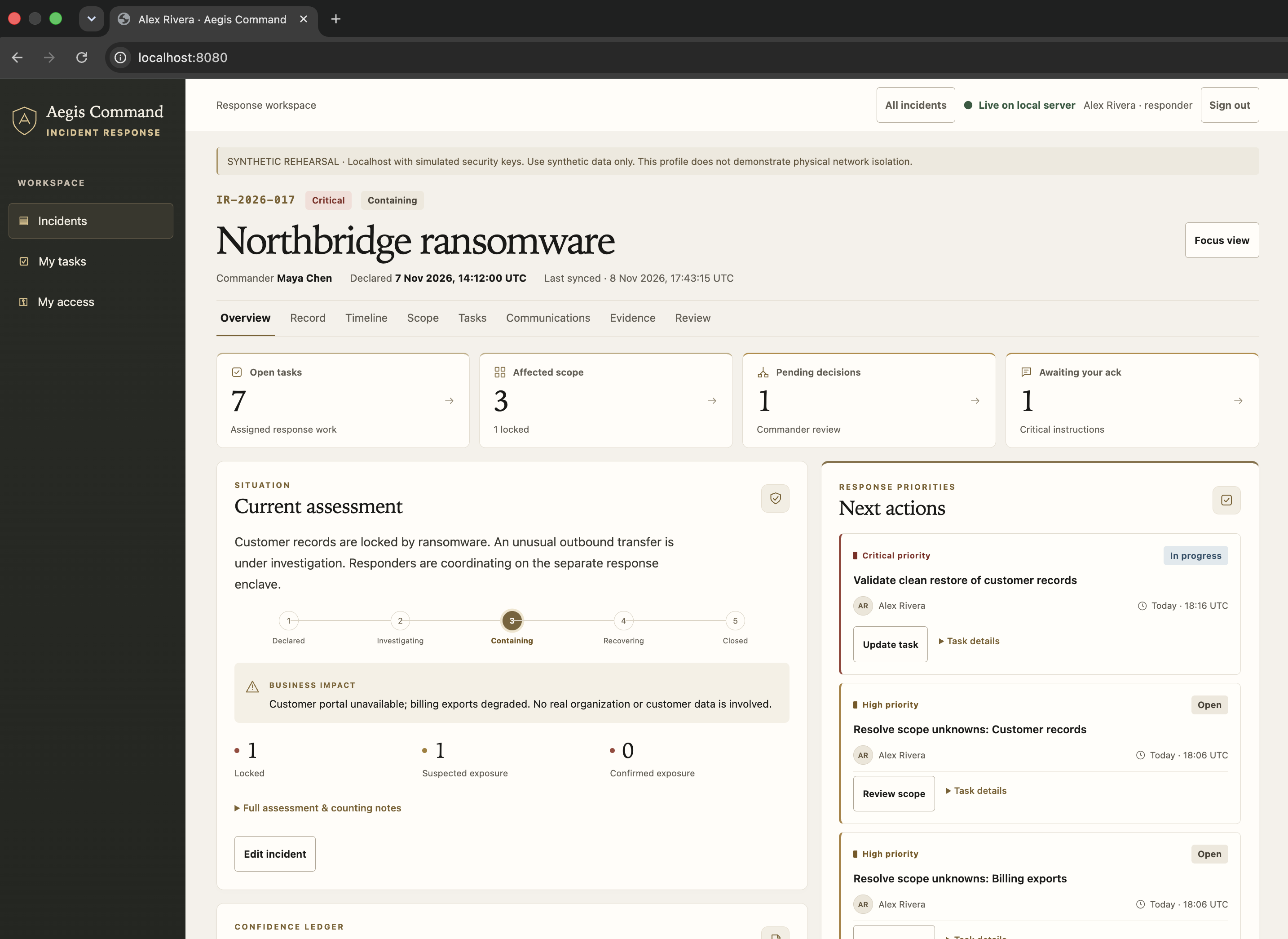
Cybersecurity incidents can become overwhelming when alerts, investigation details, and response updates are scattered across different tools. I wanted to explore how a clear, centralized dashboard could help security teams understand a situation and decide what needs attention first.
That idea inspired the Cyber Incident Response Dashboard: a project focused on making incident information easier to organize, understand, and act on.
What it does
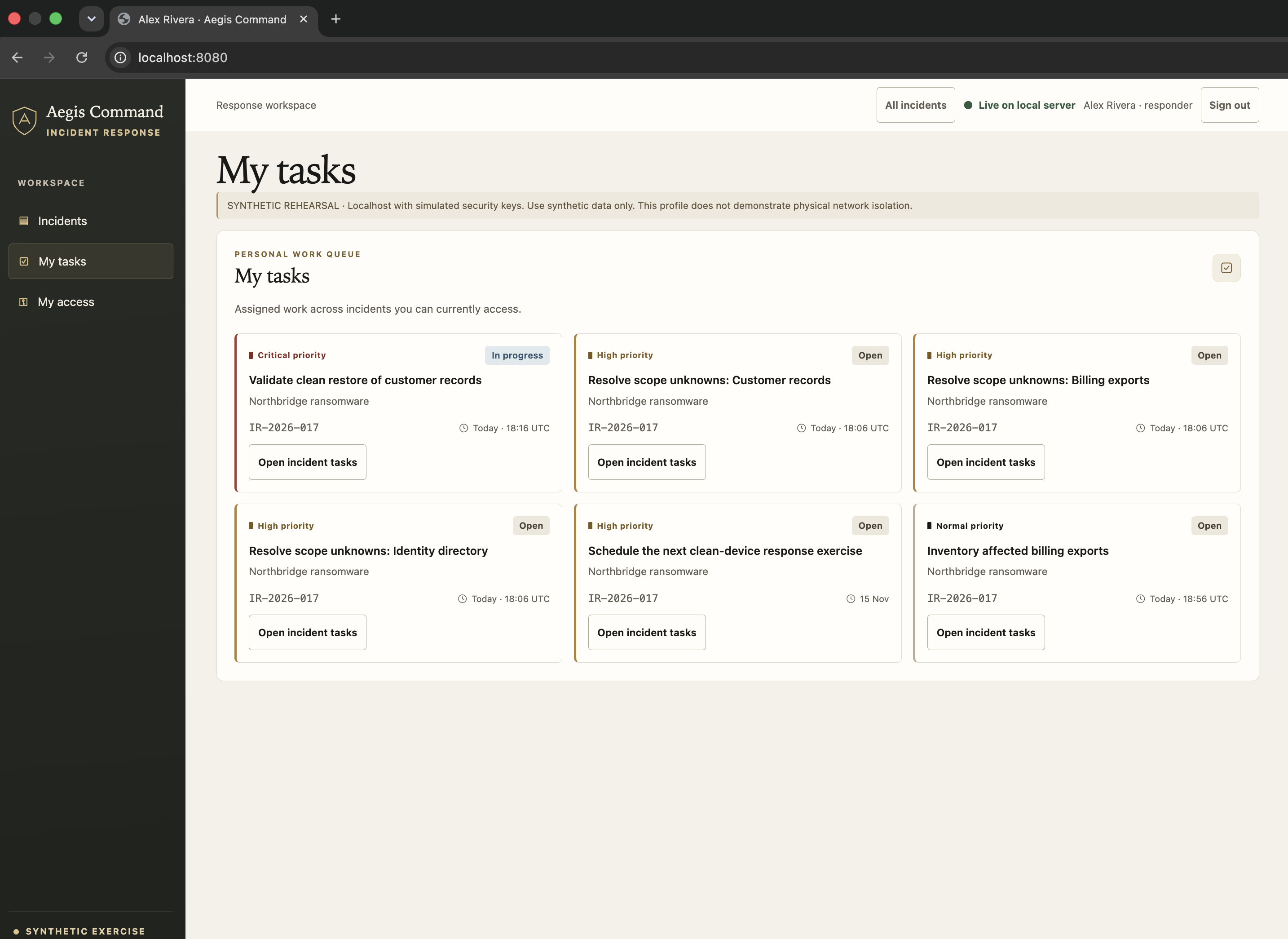
The dashboard is designed to bring cybersecurity incident information into one place, helping users track incidents, assess priorities, and follow response progress. The goal is to turn complex information into a practical overview that supports more organized incident response.
How I built it
I approached the project around the incident response workflow: understanding an incident, assessing its urgency, and tracking it toward resolution.
From there, I structured the dashboard around the information users would need to make decisions. I focused on clear organization, readable status indicators, and a layout that makes important details easy to find.
Challenges I faced
One challenge was balancing detail with simplicity. Incident responders need useful context, but too much information at once can make a dashboard harder to navigate.
Another challenge was deciding how to communicate urgency and progress consistently. This required thinking carefully about how incident information should be grouped and presented.
What I learned
This project helped me connect cybersecurity concepts with practical application design. I learned that an effective security dashboard depends on more than displaying data—it needs to help users understand what matters and what to do next.
I also developed a stronger appreciation for usability, consistent information structures, and designing around a real workflow.
Built With
- chatgpt
- claude
- gemini
- vscode
