-

-
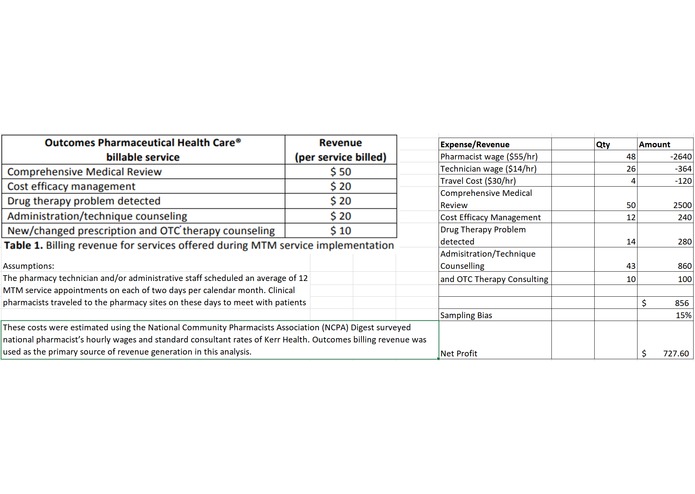
Cost/Pricing Analysis
-
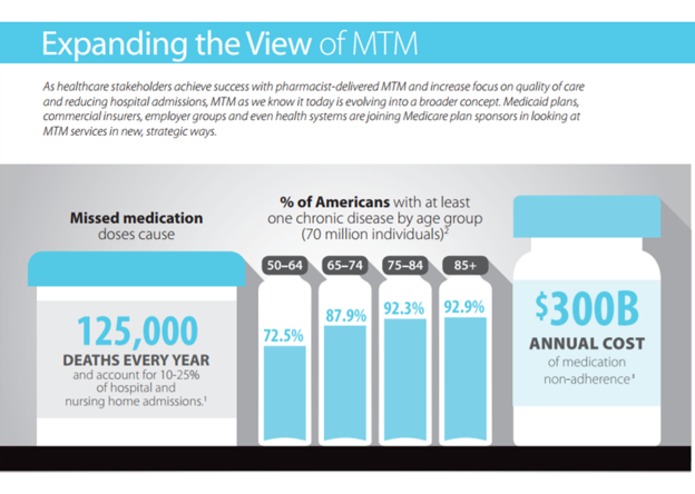
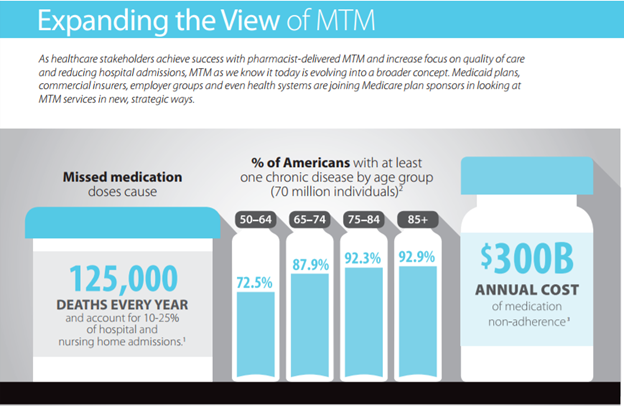
Non-Adherence Costs
-
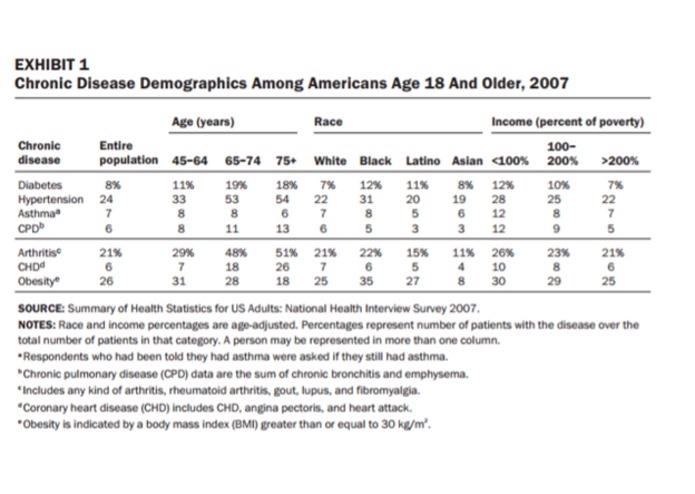
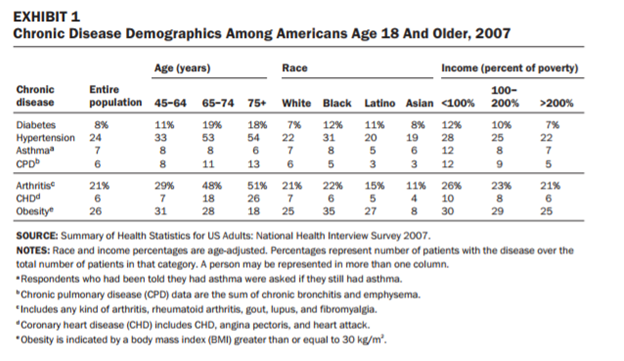
Exhibit 1
-
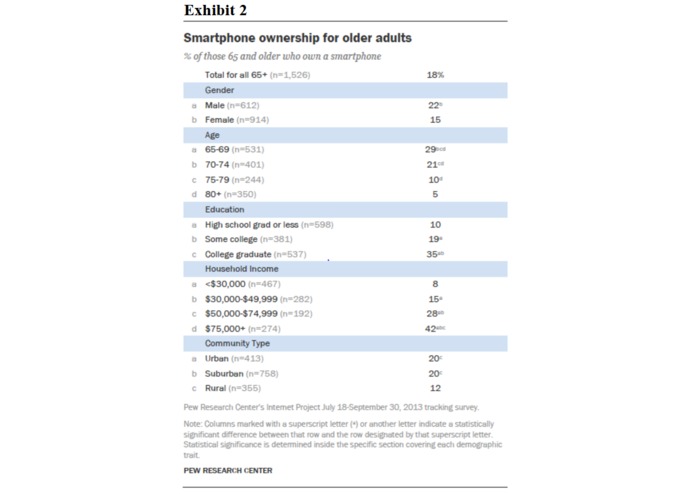
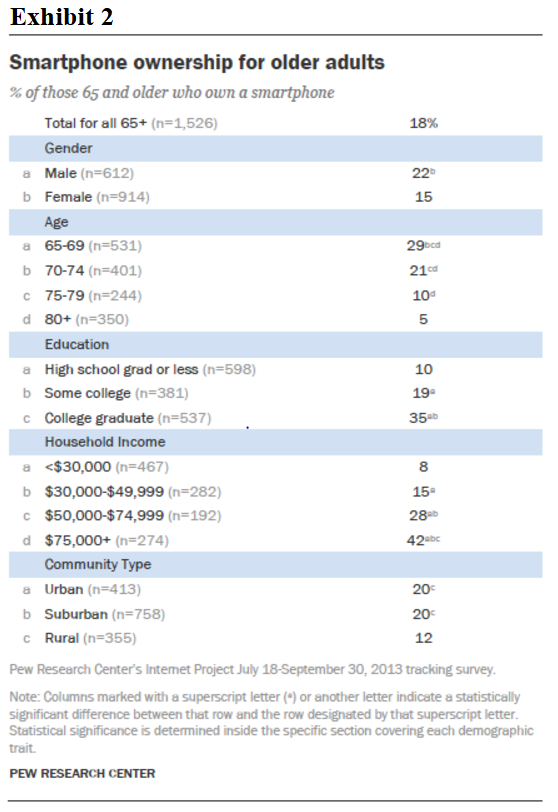
Exhibit 2

The medical community regularly faces tough challenges to combat non-adherence practices among chronic patients. Over the last decade, major pharmaceutical enterprises, hospitals and medical institutions conducted numerous studies and implemented measures to address the specific case on medication non adherence. However, these practices still fail to minimize rising rates of non adherence and costs associated with it. We believe that the crux of this subject lies within the intangible spirit of the human behavior.
Advancements in artificial intelligence and machine learning continuously contribute to the development of cutting-edge medical technology, but they never successfully quantify human behavior. But, can human behavior ever be quantified? Humans thrive on an impulse and their volatile whims determine the success of technologies that aim to improve their quality of life.
Medication non-adherence relates directly to people’s cultural and social inhibitions. In order to tackle non-adherence, our company identified that human-to-human interaction is far more effective than allowing just technology to assess the problem. Building a trust between a practitioner and a non-adherent patient enables the ability to increase survival rates and decrease medication non-adherence. A counselling session between a patient and their provider drives each other to understand one another’s motives, lifestyles and even find a purpose to their journey. A digital solution with a humane approach can heal many.
Executive Summary
Purpose:
Startup consulting group, hereafter named SCG, is focused on decreasing medication non-adherence by providing easy access to licensed pharmacists and professionals for our customer base. We wholly believe that patient trust is our paramount priority and we offer a hassle-free solution that engages patients without needing them to download any technical solutions. We believe that medication non-adherence must be addressed as a human behavioral issue, and have structured our response to address it several-fold:
- Provide convenient access to licensed pharmacists and professionals for patients
- Build a personal connection with patients
- Utilize data analysis to push additional solutions
Background:
Medication non-adherence is one of the biggest challenges facing the healthcare industry. 50% of Americans have chronic (long-term or recurring) conditions such as diabetes and need to maintain strict medication regimens. Despite this, 25% of patients fail to pick up their first prescription, and of those who do, 50% stop taking the medication within the first year. As a result, this leads to more hospital admissions, poor health, and adverse events. Lack of adherence contributes to approximately 125,000 deaths annually in the US, and also costs the US healthcare system $300 billion a year.
Problem:
First and foremost, medication non-adherence is a human behavioral issue, and cannot be solved with a singular approach. To fully this, it is important to consider the numerous problems associated with non-adherence:
- Patient non-adherence is not associated with any single reason, eg. forgetting/neglect, lack of understanding, cost concerns, etc.
- A high percentage of prescriptions are for chronic condition patients, and this demographic has been identified to be older, disenfranchised with technology, and slow to change (Exhibit 1 and 2)
- Estimated that more than 1/3rd of customers do not fill a prescription due to price
- Over 40,000 peer-reviewed papers have been written over the past few decades, yet non-adherence rate has remained at an unacceptable level
Product:
At SCG, we propose a bundled solution for companies, such as CVS Health, which is designed to impose very little, if at all, implementation costs for our clients. Our flagship product is the Ambassadors program, where we provide our network of licensed pharmacists and professionals to healthcare providers to address medication non-adherence. The service consists of sending local professionals to patients who have been identified by us, or by our client, to have a record of non-adherence. Studies have shown that active engagement by pharmacists with patients significantly improves adherence rate. Our Ambassadors are trained to be a support network for the patients’ well-being and health. We will also be incorporating data analytics into our solution to generate user reports which can be used to identify potential causes for non-adherence or additional areas of improvement. Beyond the Ambassadors program, we also offer a suite of other services including prescription delivery, mobile app review, insurance expertise, etc.
Service Idea
Ambassadors program:
Our Ambassadors are licensed pharmacists and healthcare professionals who we contract with, and are selected to be regionally catered to a client and their patient base. The Ambassadors are sent out to patients’ homes, where they personally work with patients on understanding their medication needs and educating them on adverse health effects of non-adherence, as well as providing consultation on side effects, drug facts, and other questions. Our Ambassadors are typically professionals who are currently practicing, but sign non-compete contracts to assist with patients outside of their work hours. We seek to establish a personal connection with patients and build their trust with local healthcare professionals, as well as offering practitioners the opportunity to connect with local patients on a deeper level.
Our service is designed with the non-adherence population in mind, thus we offer both non-tech and tech solutions. Patients will be able to schedule Ambassador visits via direct helpline calls, or via the client’s mobile app.
The Ambassadors program consists of the following features:
● Establish first personal point of contact with patients after prescription is written
● Follow-up visits are scheduled based on patient need, or if non-adherence re-occurs
● Variety of healthcare professionals (pharmacists, nurses, psychiatrists, psychologists) are available to cater to needs due to wide variety of circumstances contributing to medication non-adherence
● Professionals are trained to act as a support network for the patient and advocate for the patients’ improvement in health and well-being
● Access to peer-to-peer network for patients to seek support and create focus groups with other recovering patients
Data analytics:
Our client will provide us patient data (with consideration of HIPAA restrictions) to assess rates of non-adherence. Coupled with this data, the Ambassadors will be taking note of any patient issues during their consultation as well assessing any other concerns. Our end goal is to provide user reports to clients combining patient data with collected on-site information.
SCG will build around a client’s app offering, if available, and integrate existing infrastructure to facilitate data feedback and analysis. Internally, we will create an algorithm as a scheduling agent, where we will input data (eg. date/time) from a client’s different output channels (eg. client app, automated hotline calls (IVRS), in-store) to create schedules. Our Ambassadors will need to have company-developed app in order to access these schedules, as well as allow us to track GPS locations of on-the-road Ambassadors. The apps can also be used by the Ambassadors to input any patient reports or data gathered during their patient visits.
The data analytics program consists of the following features:
● Assess patient satisfaction and establish feedback pipeline with client on patient’s needs (eg. change in medication due to side effects)
● Determine geographic areas of high non-adherence and other potential risks
● Trending metrics on potential causes of non-adherence and other patient responses
● Identify new areas of innovation or areas of improvement (eg. how to medicate patients who have difficulty consuming medication)
Other services:
SCG also offers additional services alongside our Ambassador program offering.
● Prescription delivery: We handle the delivery of prescriptions via our Ambassador program. We can also seek reimbursement of costs from insurance companies since we would use our pharmacists to deliver medication.
● Health insurance consultation: Patients are known to run into issues with insurance, which can affect non-adherence (eg. insurance limits on prescription). Therefore, we would furnish experts who are familiar with insurance and can assist patients with navigating requirements to obtain medication for their needs.
● Mobile app review: We will review the UI of the apps created by the client and optimize them for the customer/patient experience in order to facilitate better adherence.
Market and Strategy
Market Size:
Our primary focus, in this case, is on CVS Health’s patient base, although our solution is structured to be scalable to any other pharmacy, hospital, or other healthcare institution. CVS currently fills more than 1.2 billion prescriptions annually, accounting for over 21% of all retail prescriptions in the US market. CVS also serves over 90 million plan members.
Distribution of Services:
To best address non-adherence, we have categorized patients into four categories, listed below:
- Willing and able to pay
- Willing but unable to pay
- Unwilling and able to pay
- Unwilling but unable to pay
Our initial targets will be addressing non-adherence with Group 1, the patients who are willing to take medication and are able to pay for medication. We anticipate very little to no barrier to introducing our Ambassador program to these patients. Our analysis of medication supply chains shows that saturation at this level in the market (meaning a high-level of adherence) to drive down costs of medication production due to economies of scale and we will gain greater access into the Group 2 market, which was previously inaccessible due to medication cost. We have included a feedback loop below to demonstrate the process:
Higher medical adherence → Higher medication consumption → Higher production rate of medicine →Lower costs of production → Lower medication cost → Higher medical adherence
We expect a significant barrier to entry towards Group 3, the patients who are unwilling to pick up or engage in medication regimens. Although our primary targets are Group 1 and 2, we plan to reach Group 3’s market by putting together a marketing strategy, propagated through the client’s media channels, towards promoting the Ambassador program. We also anticipate targeting the unwilling patients’ close relations and spur them to encourage the patient to try the Ambassador program.
Cost-Benefit Model:
See attached worksheet.
Competitive Advantages
Pilot Program:
SCG has designed a pilot program which we offer to clients during the first year of service. The pilot program offers a lower price rate for clients, and is intended to demonstrate the viability of our solution at addressing medication non-adherence. We will target geographic areas of high non-adherence, which can then be scaled to address areas of relatively lower non-adherence.
Unique Solution Offering:
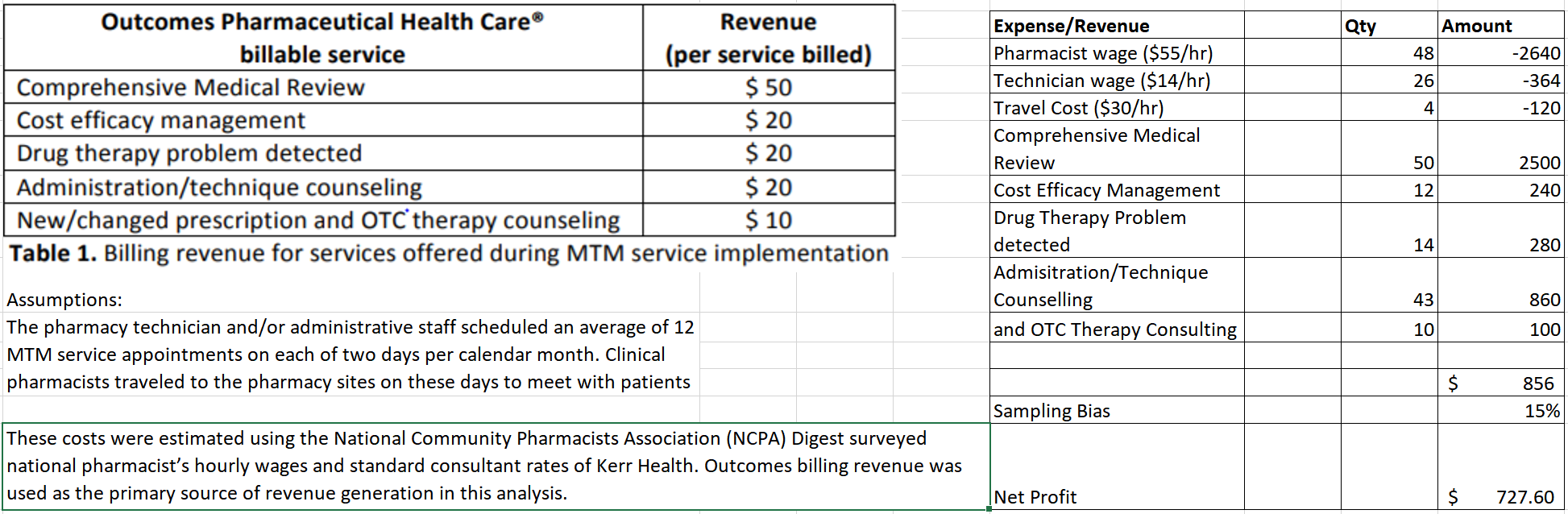
From our research conducted across current organizations in the medication non-adherence segment, we have not seen a similar strategy to our Ambassador program. Our closest competitors implement a MTM (Medical Therapy Management) model, which consists of utilizing pharmacists based in physical locations (eg. stores) in combination with therapy to counsel patients. Albeit an effective strategy, our model is competitive because we are not restricted to a single geographic location, nor do we incur any overhead costs since we do not house our contracted Ambassadors out of a physical location.
Non-Tech Business Structure:
Our review of mobile app markets reveals a glut of apps (400+) designed for mitigating medication non-adherence from developers ranging from pharmacies, healthcare providers, to 3rd-party developers. Research indicates that despite app successes, these solutions fail to account for the mass of chronic illness patients who are incapable of using apps, do not have smartphones, or are not familiar with technology. SCG is not reliant upon the use of apps to decrease medication non-adherence, even though they may be used as tools to assist. Multiple studies have revealed issues with use of just apps as a non-adherence mitigator. For example, one study indicates 25% of top-scoring apps were could not perform basic non-adherence functions or had other barriers to use (eg. incapable of installing).
In-House Technology:
SCG keeps all data analysis and other software in-house, which allows us to implement our solutions without needing patients to download mobile apps, or have clients install new software. We seek to maximize convenience with our clients and scalability across different patient segments.
Ease of Scalability:
Our licensed pharmacists and professionals are contracted, and geographically, can be located anywhere in the US. The model is similar in ideation to Uber, in that we are the software platform hosting the network of practitioners, which we then offer to clients to address local patient non-adherence issues. However, our software is not a consumer-facing app, but is instead directed towards enterprise applications. Since our model requires little to no initial actions by patients or clients, we can scale our solution to numerous clients, such as CVS, Walgreen’s, Costco, etc. Moreover, since our solutions are kept in-house, we can also easily build in additional services, such as prescription delivery, alongside the Ambassador program and offer them on a case-by-case basis to clients who choose to use them.
Sources
https://www.urac.org/wp-content/uploads/URAC-MedAdherence_White%20Paper.pdf
https://cvshealth.com/sites/default/files/2015-csr-report.pdf
https://cvshealth.com/thought-leadership/cvs-health-research-institute/cost-biggest-barrier-medication-adherence
https://medium.com/the-official-neura-blog/whats-wrong-with-mobile-apps-for-medication-adherence-b5e1944aa57b
https://www.ncbi.nlm.nih.gov/pubmed/27742604
http://www.outcomesmtm.com/documents/2016MTMTrendsReport.pdf
http://content.healthaffairs.org.proxy1.library.jhu.edu/content/28/1/64.full.pdf+html?sid=718c7ec2-20a8-4abf-88d3-e8ee1ec33e26
http://www.pewinternet.org/2014/04/03/appendix-detailed-demographic-tables/
http://communitypharmacyfoundation.org/resources/grant_docs/CPFGrantDoc_5527.pdf
https://cvshealth.com/about/facts-and-company-information
http://wpri.com/blog/2011/02/22/cvs-by-the-numbers-1-2-billion-prescriptions/
https://mprsannounce.mckesson.com/MPRS/microsite/welcome.htm
http://www.mckesson.com/blog/the-pharmacist-is-in/
https://blog.avella.com/case-study-significantly-improve-medication-non-adherence-with-behavioral-adherence-contracts


Log in or sign up for Devpost to join the conversation.