-
-
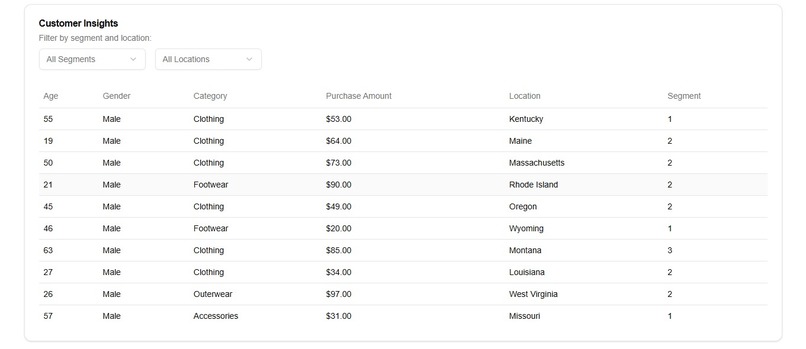
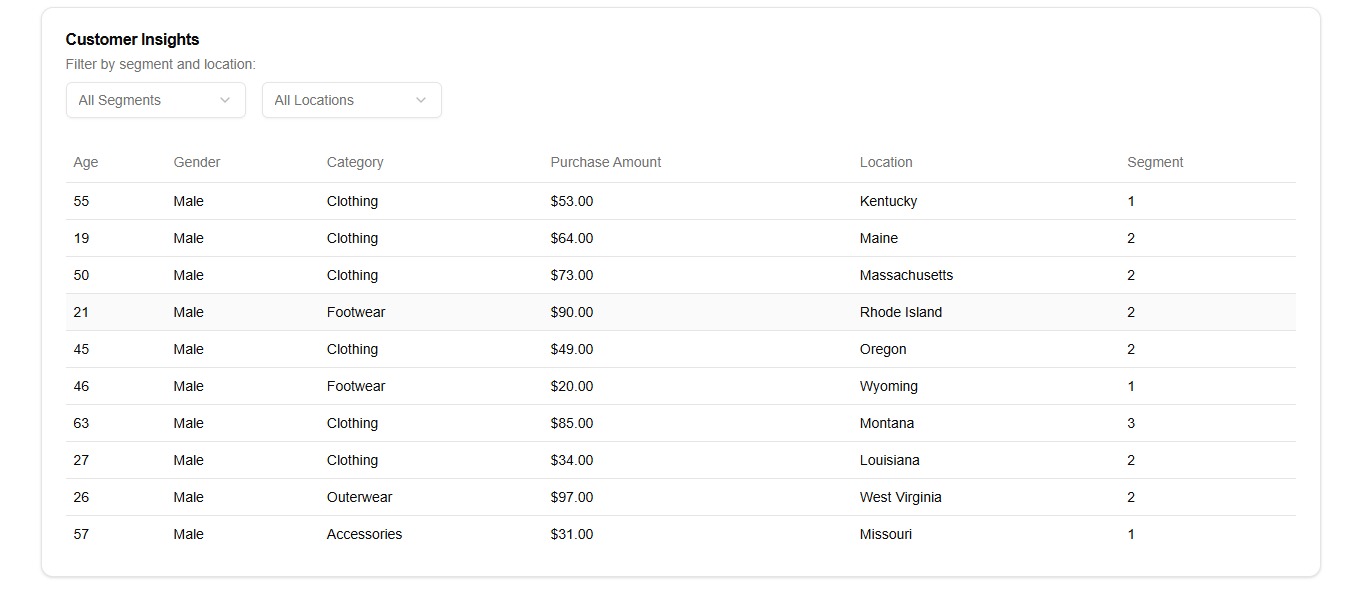
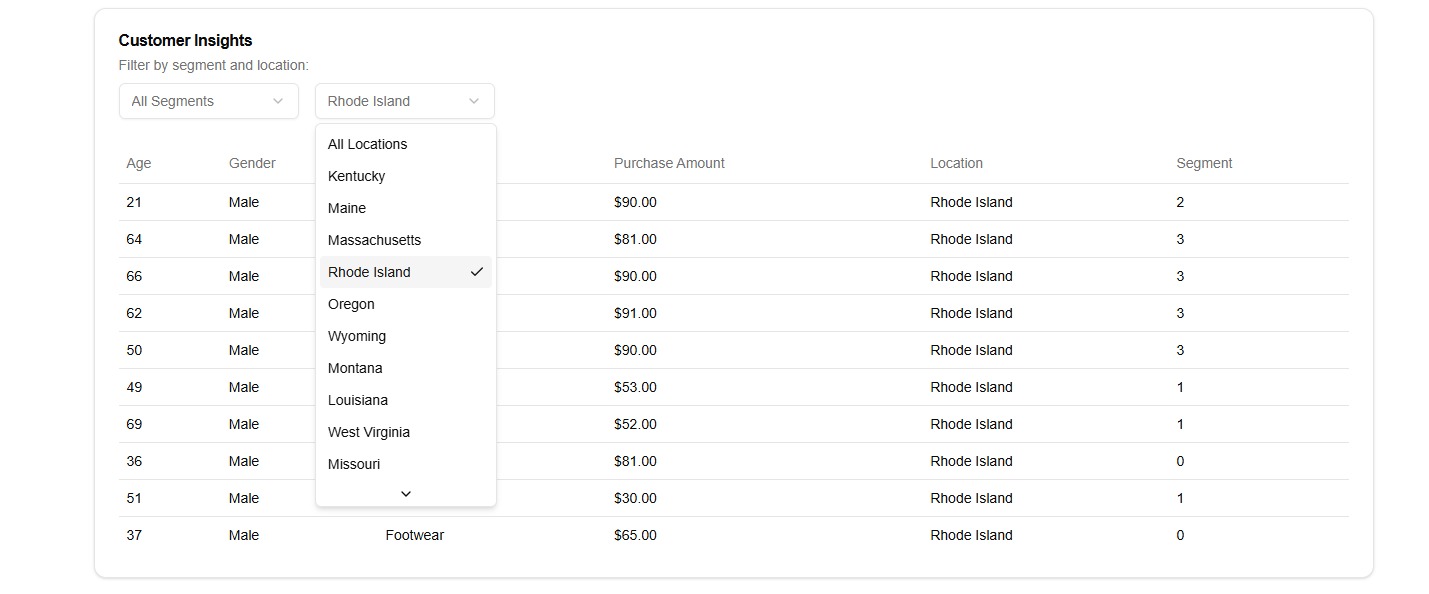
Normal Database view
-
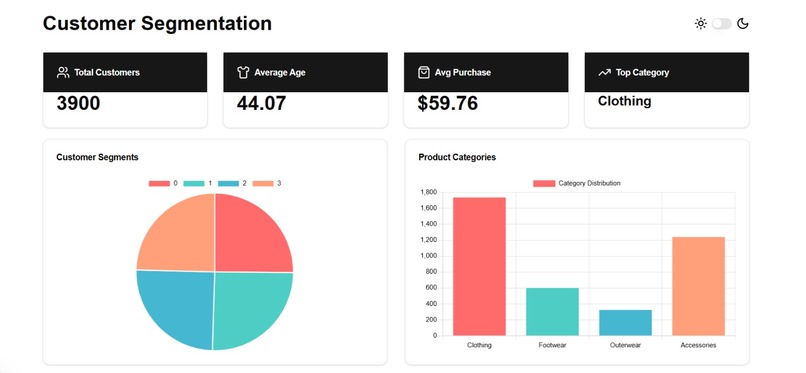
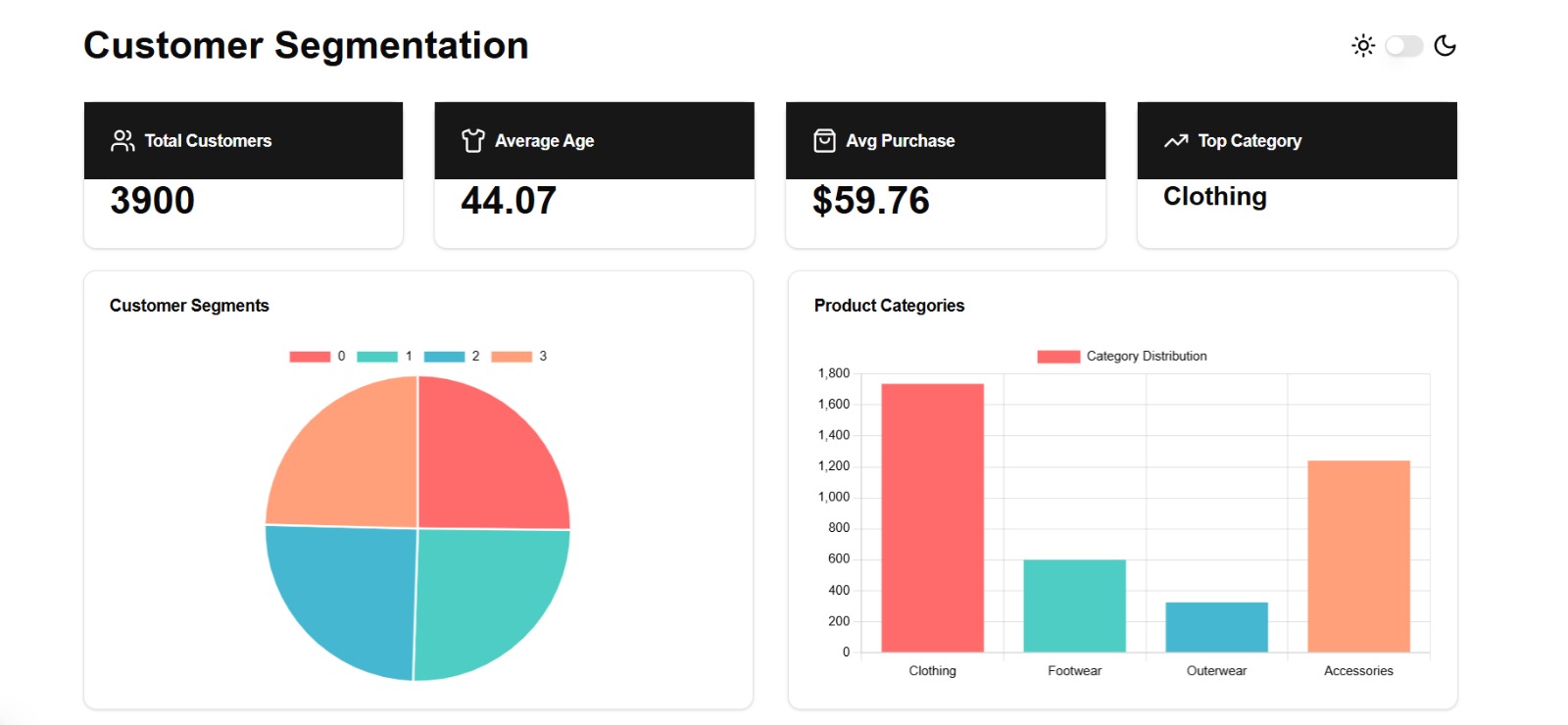
Product Categories Graph
-
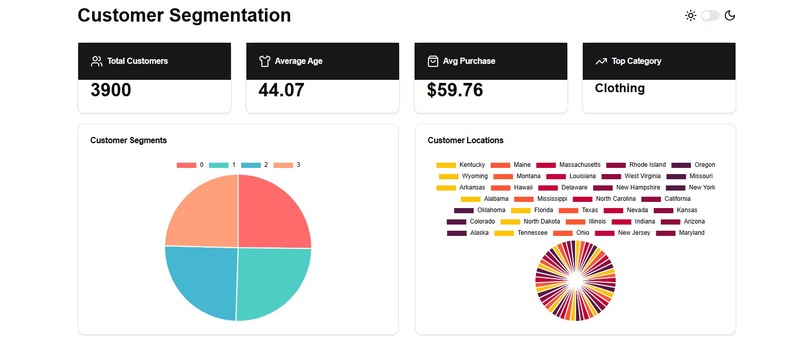
Main Dashboard
-
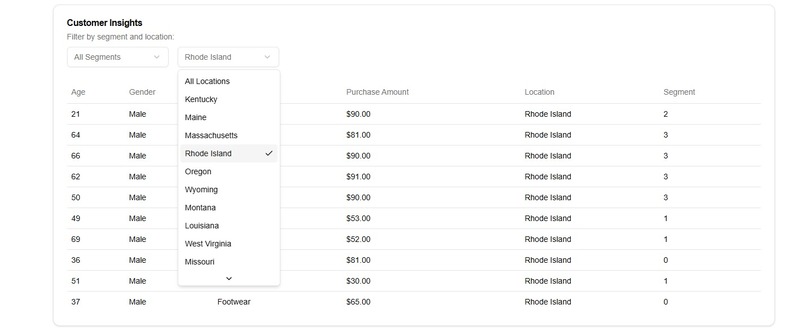
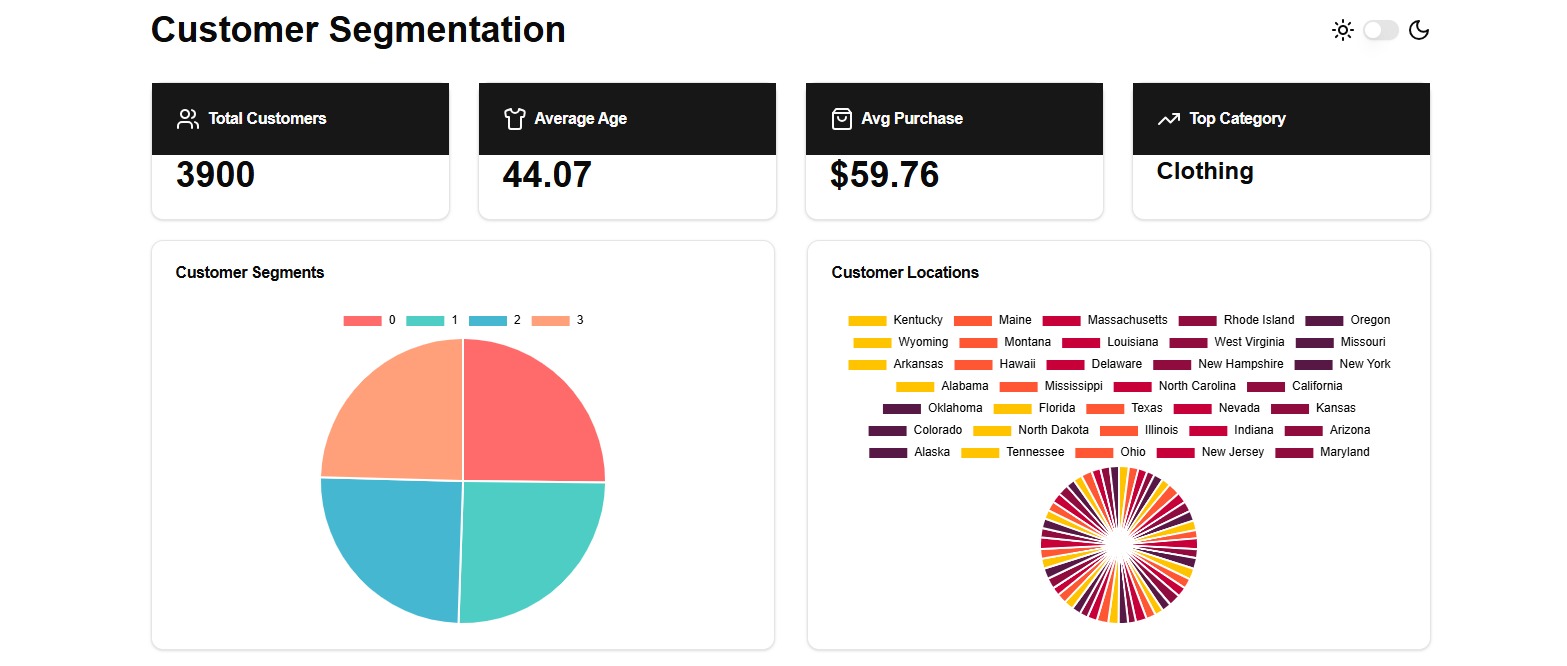
Location based Customer Segmentation
Inspiration
In an era where consumers are increasingly informed and selective, businesses are constantly faced with the challenge of catering to diverse customer needs. With a vast array of products and services available at their fingertips, customers expect personalized experiences that go beyond generic solutions. This shift in consumer expectations motivated us to explore the field of customer segmentation, which allows businesses to understand and address customer preferences in a more targeted and efficient manner. Observations in retail, e-commerce, and service industries highlight the limitations of traditional approaches that treat all customers alike. Many companies struggle to effectively engage and retain customers due to a lack of insight into distinct customer groups. We noted that without proper segmentation, marketing campaigns often miss the mark, leading to wasted resources and diminished customer satisfaction. A tailored approach that recognizes unique customer segments could not only improve marketing effectiveness but also increase brand loyalty and drive customer retention. Figure 1.1 shows the benefits of customer segmentation Additionally, the widespread availability of customer data presented a unique opportunity to apply data-driven methodologies. The use of machine learning, particularly clustering algorithms like K-means, enables us to uncover hidden patterns and create meaningful customer segments based on real data. This motivated us to leverage the K-means algorithm to develop a model that businesses can use to better understand and serve their diverse customer bases. Our aim was to contribute a practical solution that could be applied across various industries to help businesses optimize their marketing efforts, enhance customer experiences, and remain competitive. By undertaking this project, we hope to provide a tool that empowers businesses to meet individual customer needs in a rapidly evolving market.
What it does
This project addresses the problem of effectively segmenting a heterogeneous customer base into distinct, meaningful groups that reflect shared characteristics and behaviors. By leveraging the K-means clustering algorithm, we aim to create a data-driven segmentation model that identifies clear customer groups based on demographic, behavioral, and transactional data. Our objective is to develop a solution that not only highlights the unique needs of different customer segments but also enables businesses to apply these insights to design personalized marketing strategies and enhance customer engagement. The primary goal of this project is to provide businesses with a practical, scalable tool for customer segmentation that facilitates more efficient decision-making, increases customer satisfaction, and promotes customer loyalty. Through this targeted approach, we aim to bridge the gap between businesses and their customers, ultimately enabling companies to deliver more relevant and impactful customer experiences.
How we built it
The methodology incorporates K-Means clustering as the core segmentation technique, augmented with custom preprocessing and visualization to enhance interpretability and accuracy. Each step and modification is described in detail below. • Data Collection and Preprocessing To achieve meaningful customer segments, we gathered and cleaned various data points:
- Demographic Information: Age, gender, and location.
- Purchase Behavior: Purchase amount, frequency, and preferred product categories (e.g., clothing, footwear, accessories). • Segmentation using K-Means Clustering K-Means clustering was chosen due to its simplicity, interpretability, and suitability for large datasets. The algorithm clusters data into distinct groups by minimizing the distance between data points within each cluster and maximizing the distance between clusters. Here is a detailed explanation of our approach and modifications:
- Optimal Number of Clusters (k): Determining the optimal ’k’ is crucial. We tested different values of ’k’ using the Elbow Method and Silhouette Analysis. The Elbow Method showed the point where the rate of reduction in within-cluster variance slowed, and Silhouette Analysis measured the cohesion and separation of clusters, ensuring we chose an appropriate cluster count.
- Customized Centroid Initialization: We improved initial centroid selection by using K-Means++ initialization, which spreads initial centroids far apart. This step reduces the likelihood of poor clustering and speeds up convergence. • Dashboard Development for Interactive Analysis An interactive dashboard was developed to display segmentation insights in real time. Key metrics include:
- Total Customers, Average Age, and Average Purchase Amount for an overview.
- Customer Segmentation by Category using pie charts, which highlights the distribution across segments.
- Customer Locations displayed through a color-coded map to show concentration of customers in different states.
Accomplishments that we're proud of
The clustering model revealed meaningful customer segments that can guide business strategies in several ways:
- Segment-Specific Marketing: Each cluster represents a unique customer group with specific characteristics. Businesses can tailor their marketing messages to appeal to each group, increasing the likelihood of positive engagement and sales. For example, a segment with younger customers and lower spending power might respond well to discounts or budget-friendly product options.
- Product Recommendations: By identifying the top product categories for each segment, businesses can make personalized recommendations that align with customer preferences, thereby enhancing the customer experience and encouraging repeat purchases.
- Location-Based Campaigns: With insights into customer location, businesses can focus on high-density areas for local promotions, in-store events, or geo-targeted online ads. This approach maximizes the impact of marketing efforts and aligns resources with customer hotspots.
- Resource Allocation: Understanding the proportion of customers in each segment helps businesses allocate resources effectively. For instance, if a large segment consists of highspending customers, businesses might prioritize premium services or loyalty programs for this group to increase retention and revenue.
What's next for Customer Segmentation
Future work could involve integrating more advanced techniques, such as DBSCAN or Gaussian Mixture Models, to handle irregular data patterns. Additionally, real-time data integration and the application of deep learning could further refine segmentation and adapt to evolving customer behaviors. In conclusion, this project provides a valuable tool for businesses to personalize their offerings, with the potential for significant enhancements in future work to meet the growing demands of dynamic customer bases.

Log in or sign up for Devpost to join the conversation.