-
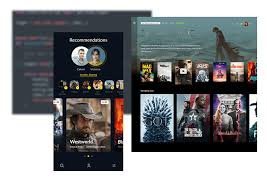
OTT App Development
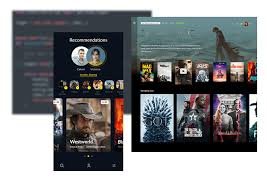
Launching or expanding a streaming service can quickly become complicated. A business may have strong video content but still face problems with platform performance, device compatibility, subscription management, or the ability to scale as its audience grows. For procurement managers and business owners, choosing the right technology partner therefore requires more than comparing feature lists.
A well-planned approach to custom OTT solutions can help businesses build a streaming platform around their operational requirements rather than forcing those requirements into a fixed product.
What Are Custom OTT Solutions?
Custom over-the-top (OTT) solutions are streaming platforms developed around a company's specific business model and technical requirements. Depending on the project, this can include web and mobile applications, connected TV support, video management, subscription or advertising models, user accounts, analytics, content protection, and payment integration.
The right solution depends on what the business needs to deliver and how it expects the service to grow. A niche content provider may require a relatively focused platform, while an event company may need live streaming, ticket-based access, replay functionality, and support for large traffic spikes.
Key Factors to Evaluate Before Buying
1. Quality and Performance
Video quality should be assessed alongside platform performance. Procurement teams should ask how the provider handles different resolutions, varying network conditions, concurrent viewers, and live events.
Testing should cover the devices and operating systems that matter to the intended audience. A platform that performs well in a controlled demonstration may require additional testing under realistic traffic conditions.
2. Customization Requirements
Businesses should define required features before requesting proposals. Useful questions include:
Which devices and platforms need support?
Is live streaming required?
Will the service use subscriptions, advertising, transactions, or a combination?
What analytics and reporting are needed?
Are third-party systems such as CRM, payment, or marketing platforms involved?
Clear requirements make supplier proposals easier to compare and reduce the risk of unexpected development work.
3. MOQ and Project Scope
MOQ, or minimum order quantity, is more common in physical procurement, but the same commercial principle applies to software projects through minimum engagement levels, licensing commitments, user volumes, or infrastructure requirements.
A buyer should clarify minimum commitments, recurring fees, development costs, and any usage-based charges before signing an agreement.
4. Lead Times
Lead time can vary significantly depending on integrations, applications, security requirements, and the number of supported platforms. Businesses should request a realistic implementation schedule covering discovery, development, testing, deployment, and post-launch support.
For event companies with fixed launch dates, contingency time is particularly important.
5. Supplier Reliability
The technology provider should be evaluated as carefully as the software itself. Procurement teams can review relevant project experience, support arrangements, security practices, communication processes, and contractual service commitments.
References or documented case studies can also help establish whether a provider has handled projects with comparable technical and operational requirements.
Making the Buying Decision
The strongest procurement process starts with a clear specification and compares suppliers against the same criteria. Cost matters, but it should be assessed alongside functionality, scalability, support, implementation time, integration requirements, and ongoing operating costs.
For streaming businesses, the goal is to select a platform that fits the current business model while leaving room for practical growth. A structured comparison of custom OTT solutions can help decision-makers avoid paying for unnecessary capabilities while identifying the technical requirements that genuinely matter.
Built With
- end

Log in or sign up for Devpost to join the conversation.