-
-
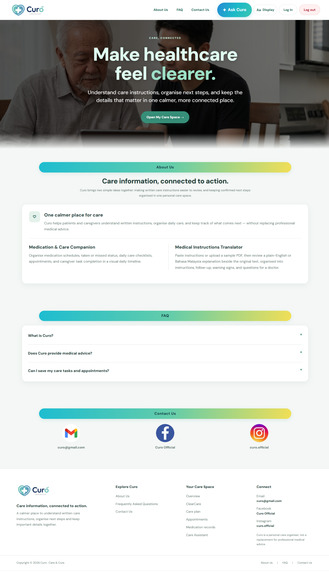
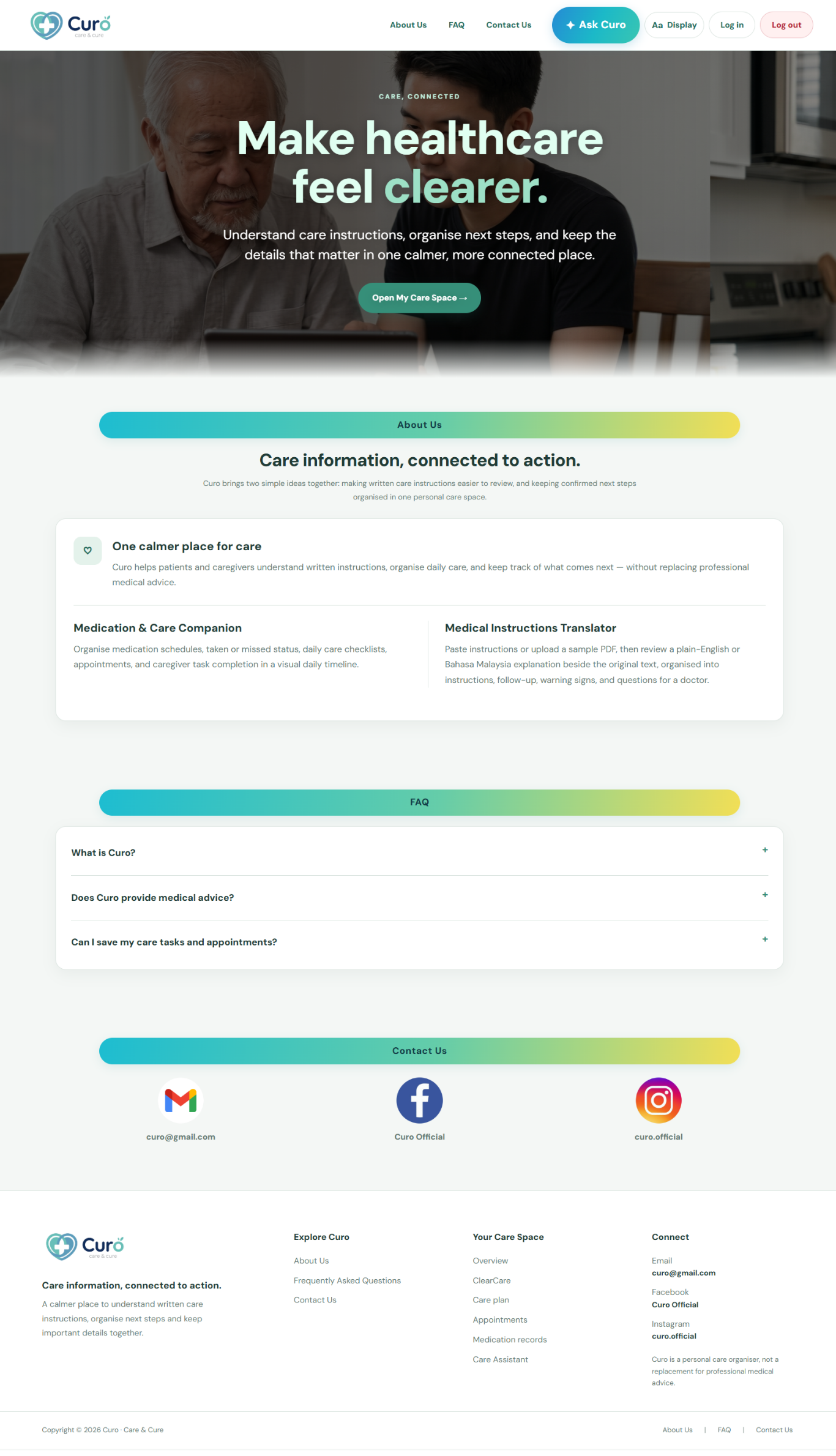
Curo's homepage introduces its healthcare platform with a hero banner, care features, FAQs, and contact links.
-
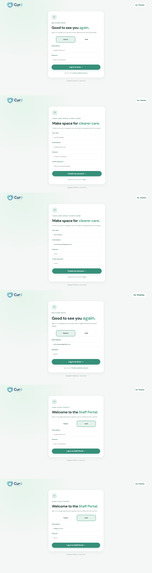
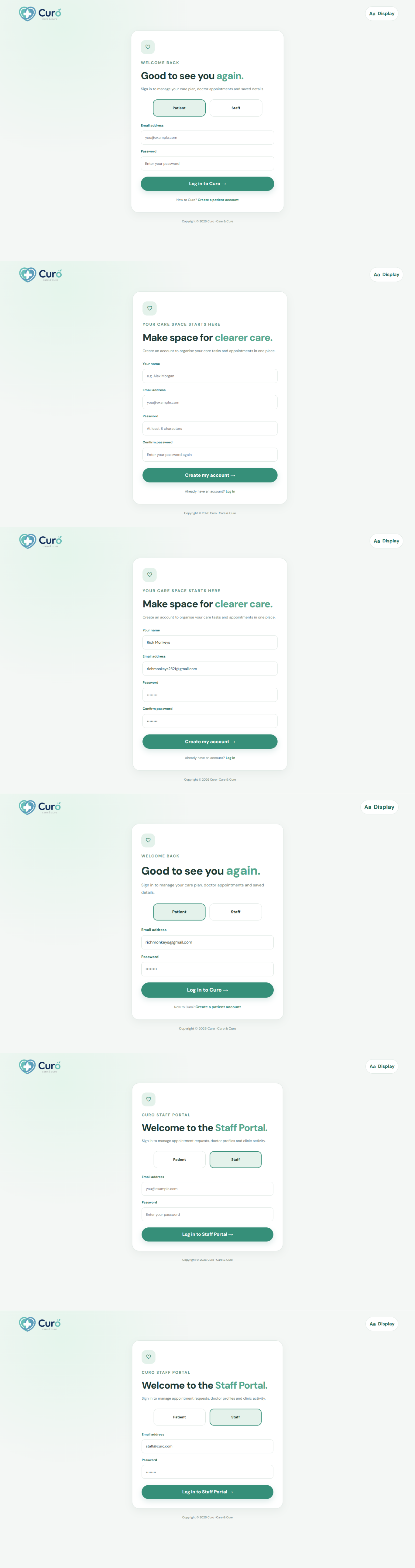
Patient registration and account forms enable users to create accounts and access Curo's healthcare services.
-
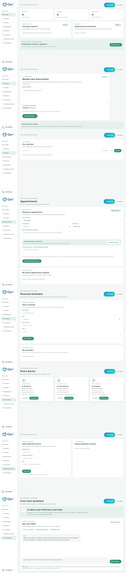
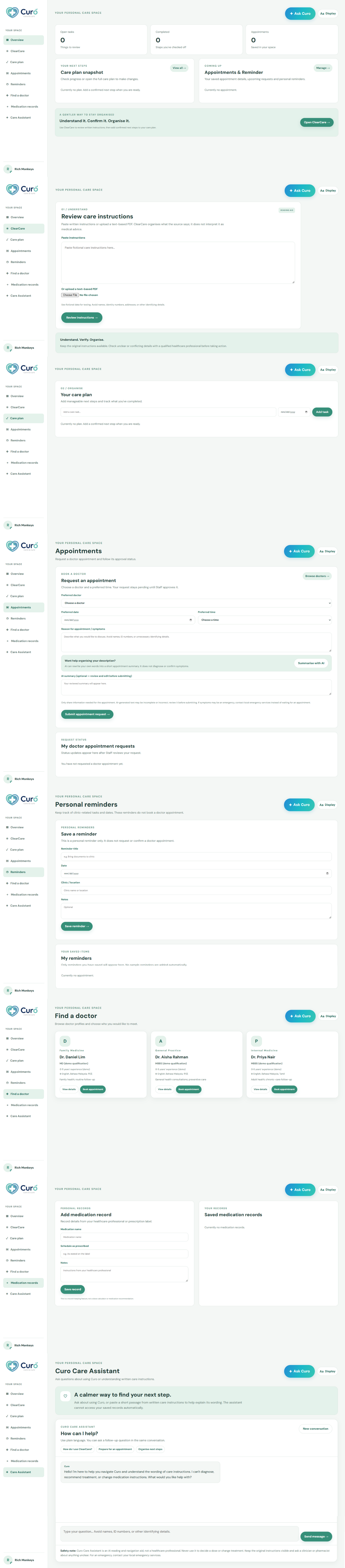
Patient dashboard provides access to healthcare tools, appointments, care plans, and personal medical information.
-
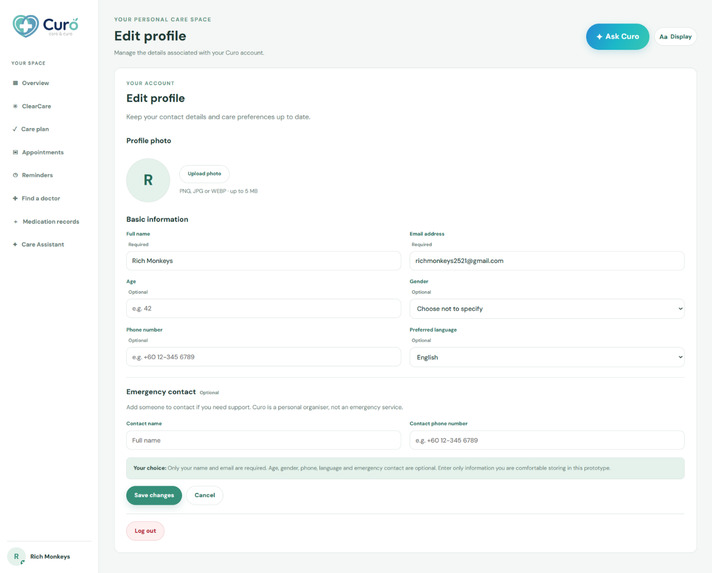
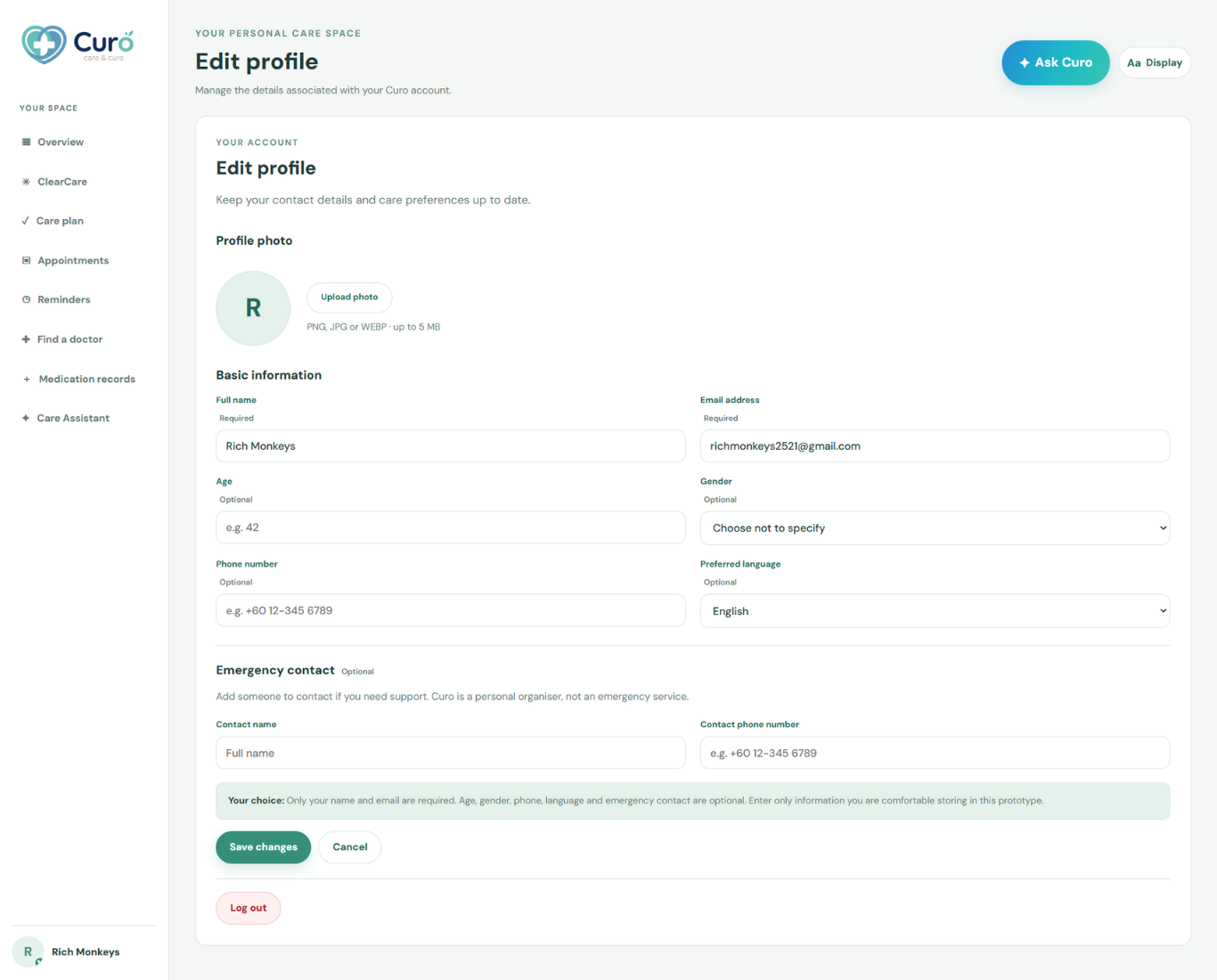
Edit profile page lets patients update personal details, contact information, and emergency contacts.
-
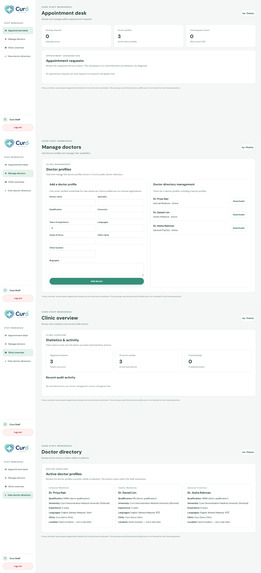
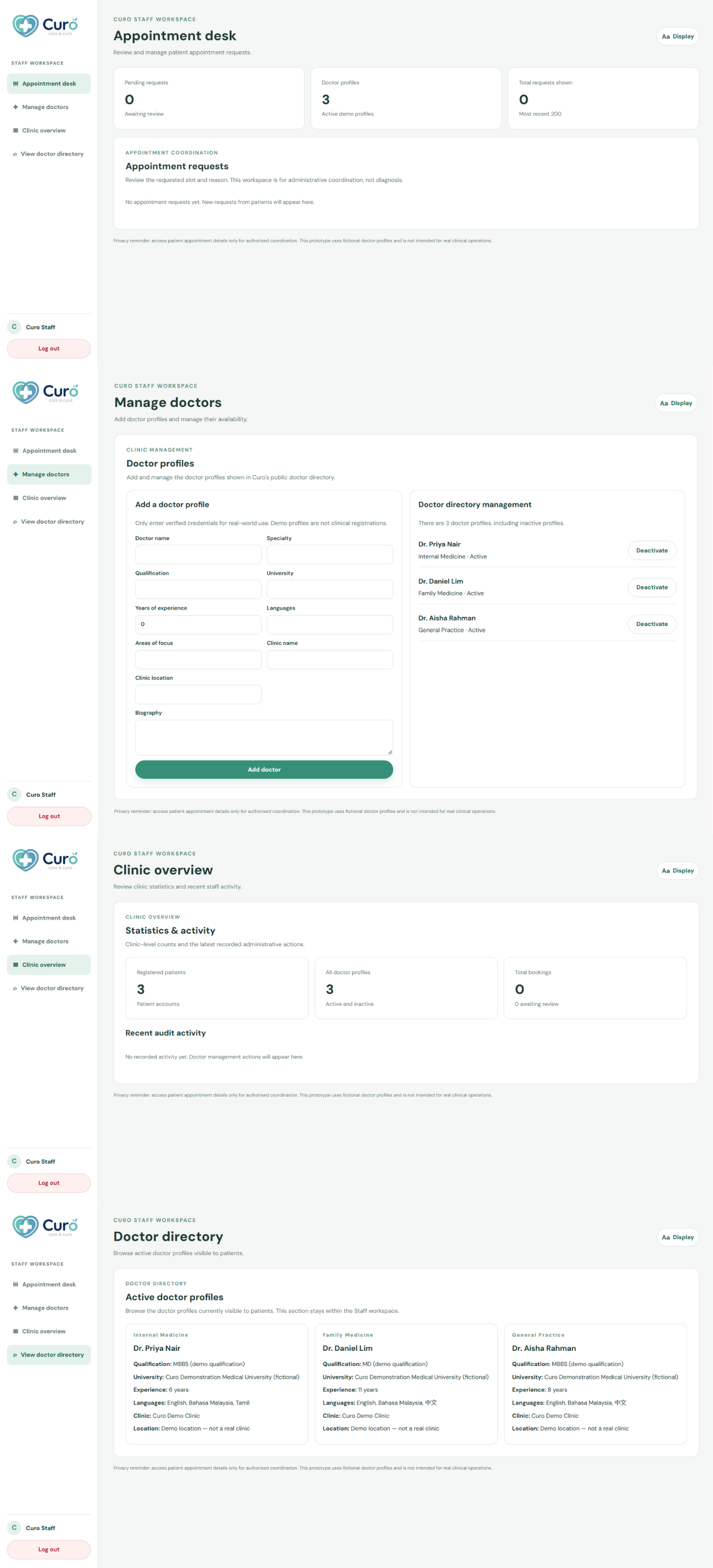
Staff dashboard supports appointment management, doctor administration, clinic monitoring, and doctor directory access.
-
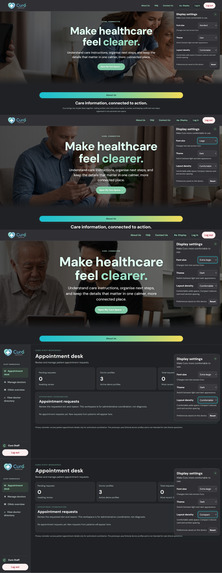
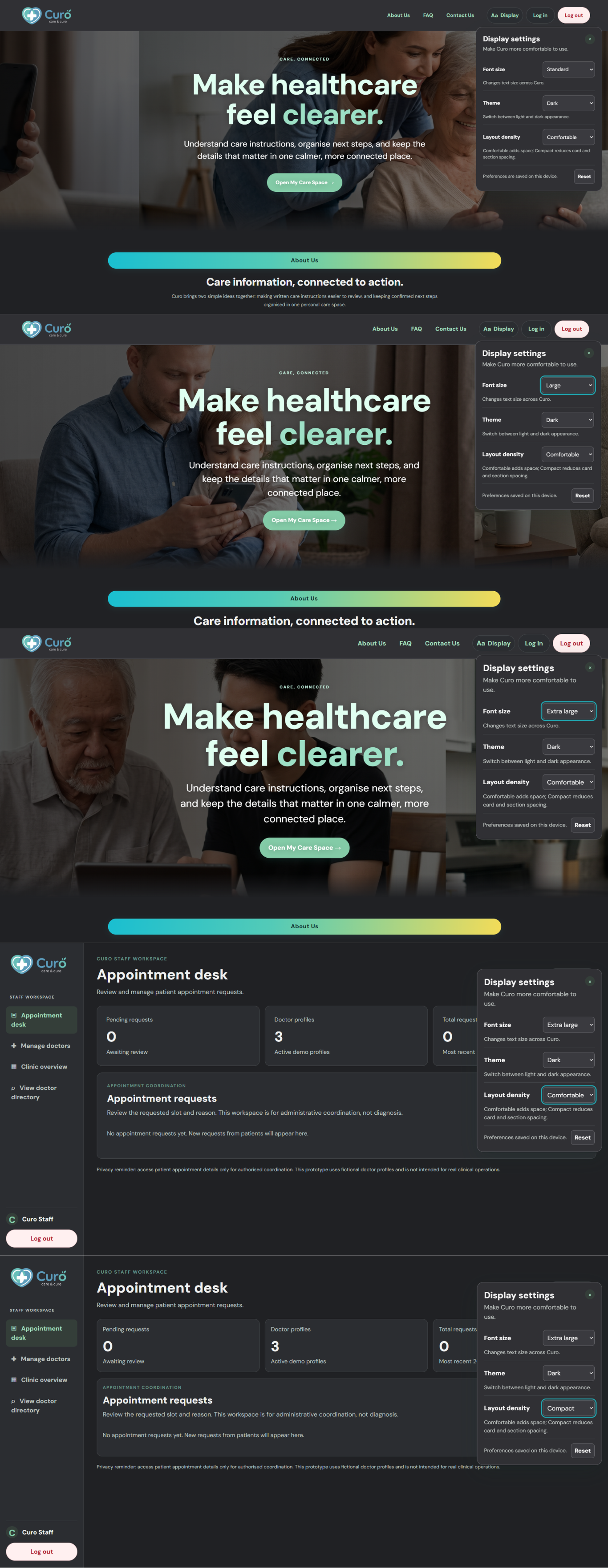
Curo supports light and dark themes across its homepage and staff dashboard for a personalized viewing experience.
-
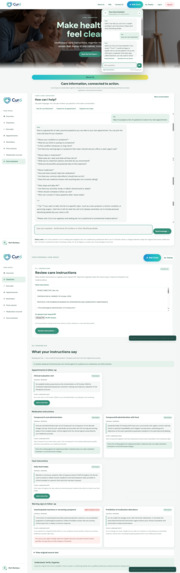
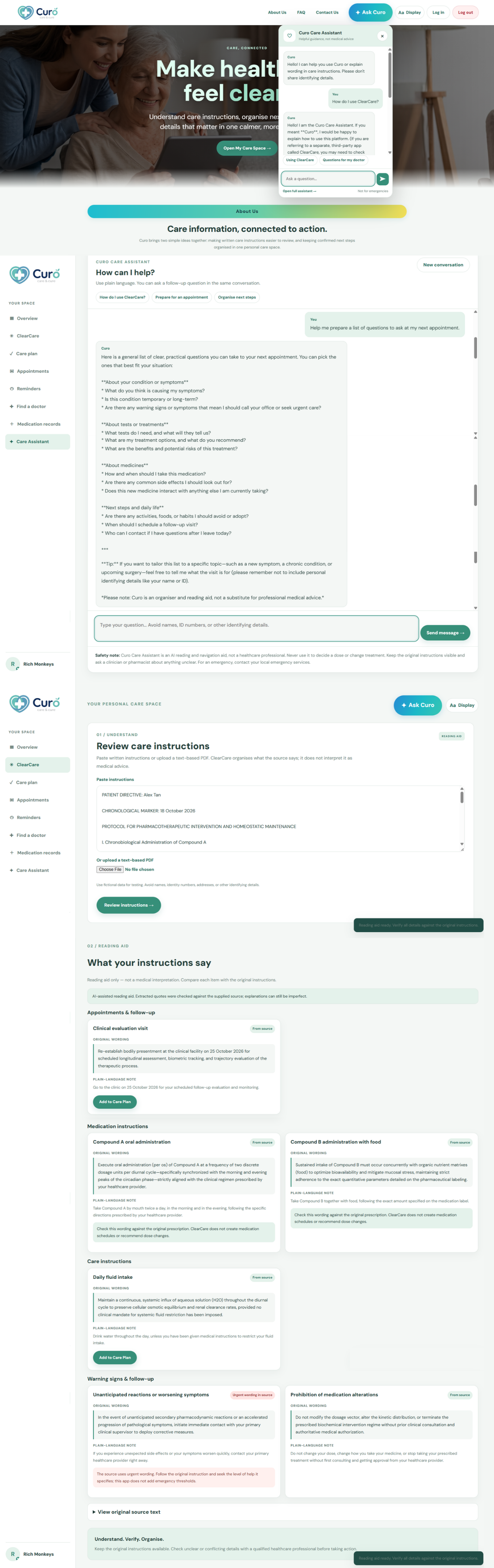
Curo's AI healthcare assistant provides conversational support alongside care plans and healthcare information.
## Inspiration
Healthcare can be difficult to manage outside a clinic or hospital. Patients may need to keep track of appointments, medication information, daily care tasks, and written healthcare instructions across different places. Important information can become confusing or easy to overlook, especially when managing several aspects of personal care.
We created Curo to bring these everyday healthcare tasks together in one accessible platform. Our goal is to make personal care organisation simpler, help users navigate written care information, and provide a more convenient way to manage their healthcare routines.
## What it does
Curo is a healthcare web application that combines personal care management, healthcare information support, and appointment organisation.
Personal Dashboard: Provides a central overview of the user's personal care activities.
ClearCare: Helps users work with written care instructions by extracting text from supported PDF documents and applying basic rule-based text simplification.
Care Plan: Allows users to create and manage personalised care tasks, including task details, due dates, categories, and completion status.
Medication Records: Helps users organise medication names, instructions, and schedules entered into the system.
Appointments and Reminders: Supports personal appointment reminders and doctor appointment requests with booking status tracking.
Doctor Booking Workflow: Allows patients to browse doctor profiles, submit appointment requests, and view their status. Staff can review requests and approve or reject them.
Curo Care Assistant: Provides an AI-powered conversational assistant using Google's Gemini API to answer general care-related questions while directing users to qualified healthcare professionals for medical decisions.
User Accounts and Profile Settings: Supports registration, login, logout, personal profile details, and individual user records.
Personalised Display Settings: Offers light and dark themes, font-size controls, and comfortable or compact layouts.
Curo is designed to help users organise healthcare information and daily care activities. It is a support tool, not a replacement for professional medical advice, diagnosis, or treatment.
## How we built it
We built Curo as a web application using Python and Flask for the backend, HTML and CSS for the user interface, and JavaScript for interactive features.
SQLite stores user accounts and application records, while Werkzeug provides password hashing. We used pypdf to extract text from PDF documents for the ClearCare feature. Google's Gemini API, accessed through the official Google Gen AI Python SDK, powers the Curo Care Assistant.
The application includes separate pages for the dashboard, ClearCare, care plans, appointments, medication records, reminders, doctor profiles, user profiles, and the care assistant. It also includes a staff dashboard for reviewing appointment requests.
We focused on making the interface accessible and easy to navigate, with responsive layouts, display customisation, and a consistent design across the public homepage and dashboard.
## Challenges we ran into
One of our main challenges was bringing several healthcare-related functions into one application while keeping the interface consistent and easy to use.
We also needed to ensure that user-specific records remained associated with the correct account, that appointment requests followed a clear review workflow, and that patient and staff permissions were handled separately.
Another challenge was integrating a hosted AI service while keeping its API key on the server side and setting appropriate boundaries for medical-related responses. We also had to distinguish between helping users organise or understand information and providing actual medical advice.
Finally, we worked on improving navigation, responsive layouts, and the interaction between individual features so that Curo would feel like one connected application rather than a collection of separate pages.
## Accomplishments that we're proud of
We are proud to have brought multiple everyday healthcare workflows together in a single web application.
Curo combines personal care plans, medication records, appointment management, PDF-based care-instruction support, and an AI-powered care assistant. We also implemented separate patient and staff access, account-specific records, and an appointment request review workflow.
Beyond functionality, we worked on making the application more comfortable to use through display settings, profile customisation, a consistent interface, and clear navigation.
Most importantly, we designed Curo around a practical problem: helping people manage the information and routines involved in everyday care.
## What we learned
Building Curo helped us understand how to connect frontend interfaces, backend routes, database operations, authentication, and external AI services into one working application.
We learned the importance of protecting user information, separating user roles, validating inputs, and handling errors when integrating external services.
We also learned that healthcare technology requires additional care. An application should communicate its limitations clearly, avoid presenting unverified information as medical fact, and direct users to qualified professionals when decisions about diagnosis or treatment are involved.
This project strengthened our understanding of full-stack development and the importance of designing technology around real user needs.
## What's next for Curo
Our next steps are to improve the usability and reliability of Curo's existing features, strengthen security and privacy protections, and make the application more suitable for real-world use.
Potential improvements include better extraction and presentation of information from care documents, more flexible care-plan scheduling, medication reminders and notifications, and a clearer appointment-management experience for patients and staff.
We would also like to improve accessibility and multilingual support, conduct user testing, and explore integrations with trusted healthcare information sources.
Before using Curo with real patient information, we would prioritise a thorough security and privacy review, appropriate consent and access controls, and validation of its healthcare-related functionality.


Log in or sign up for Devpost to join the conversation.