-
-
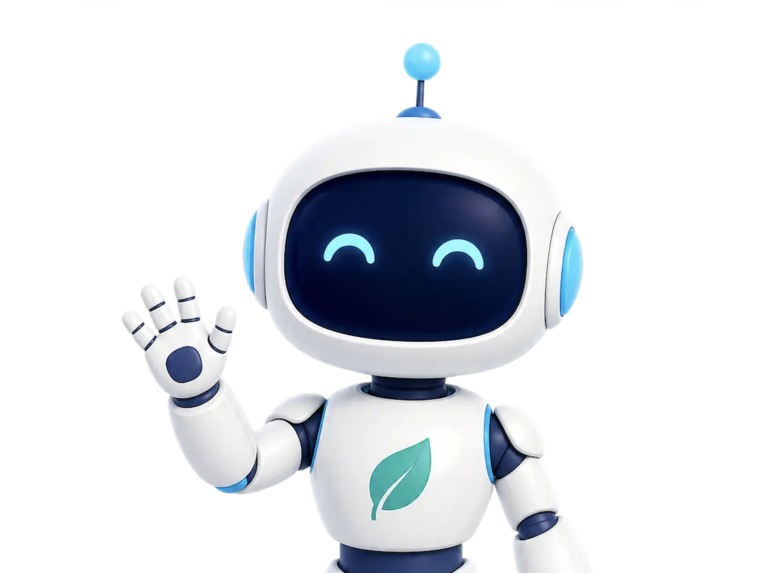
Curio
-
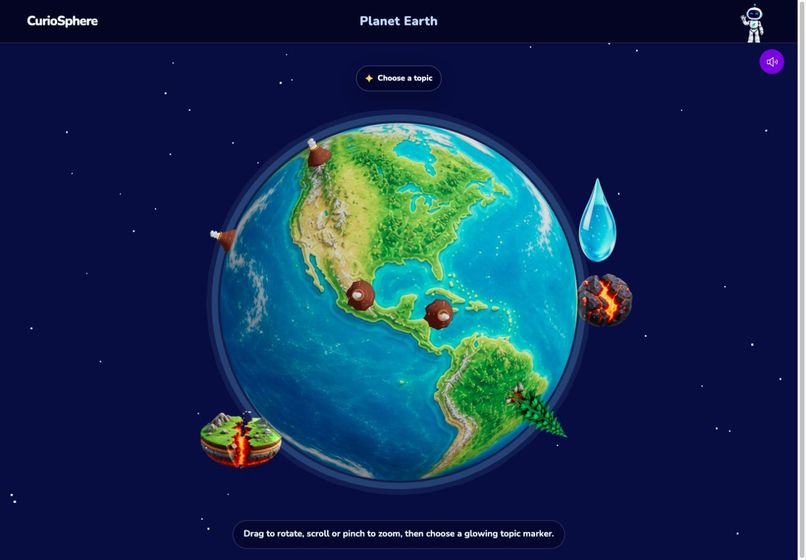
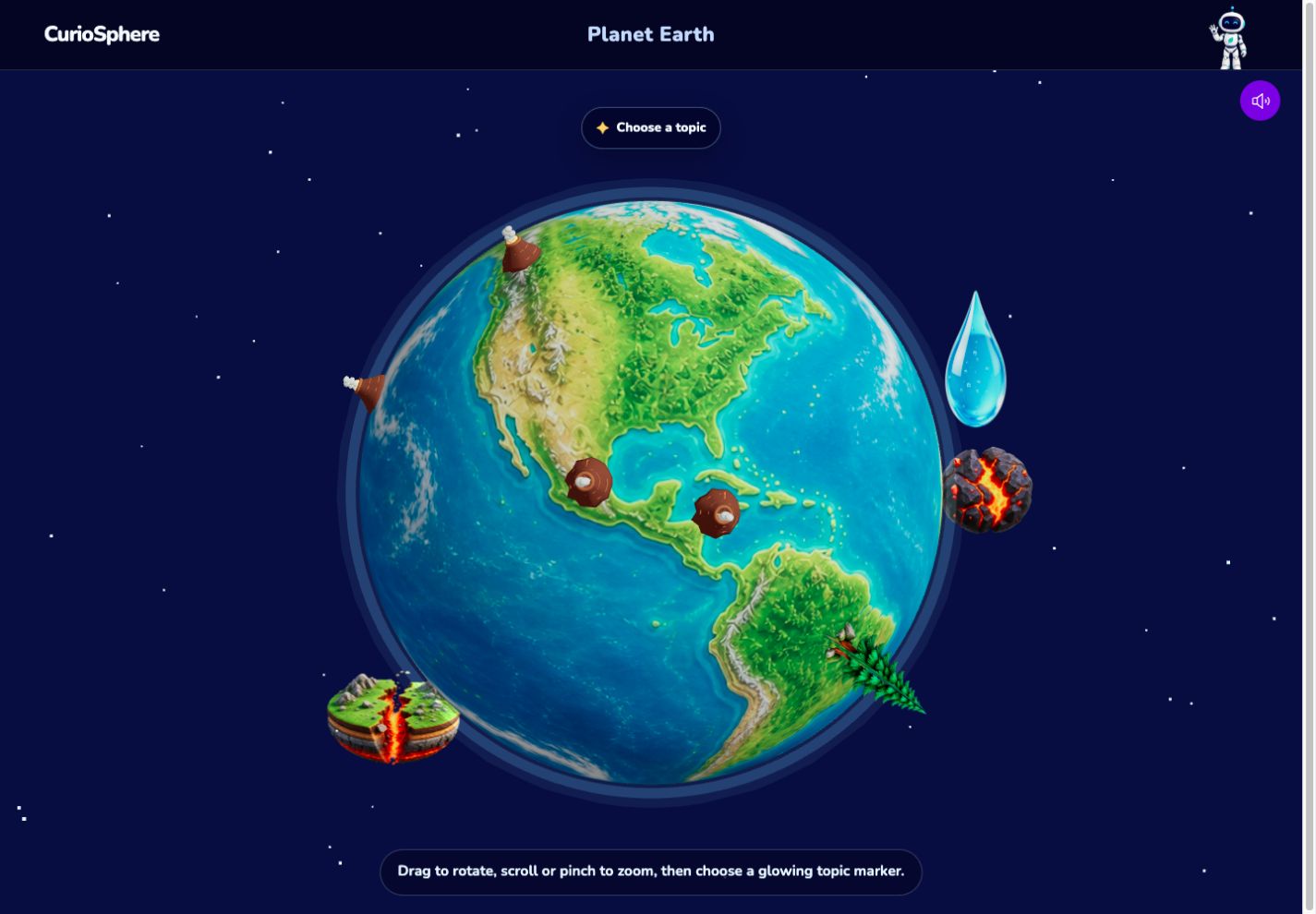
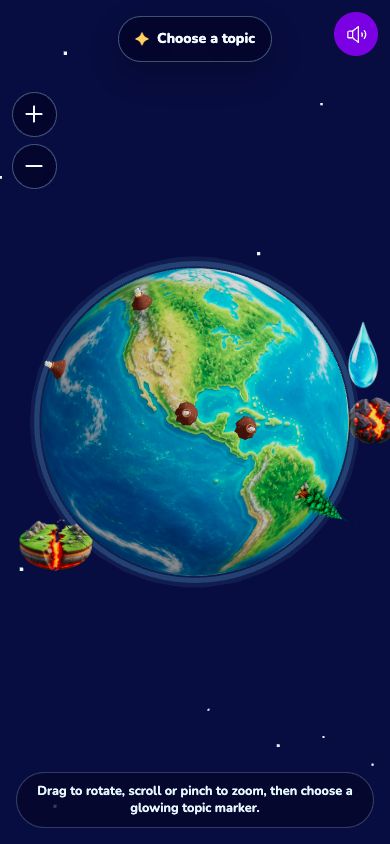
3D Earth
-
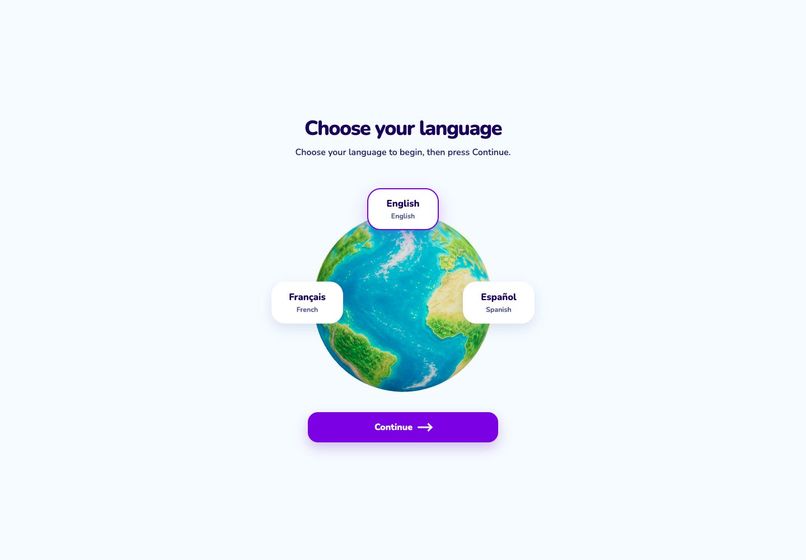
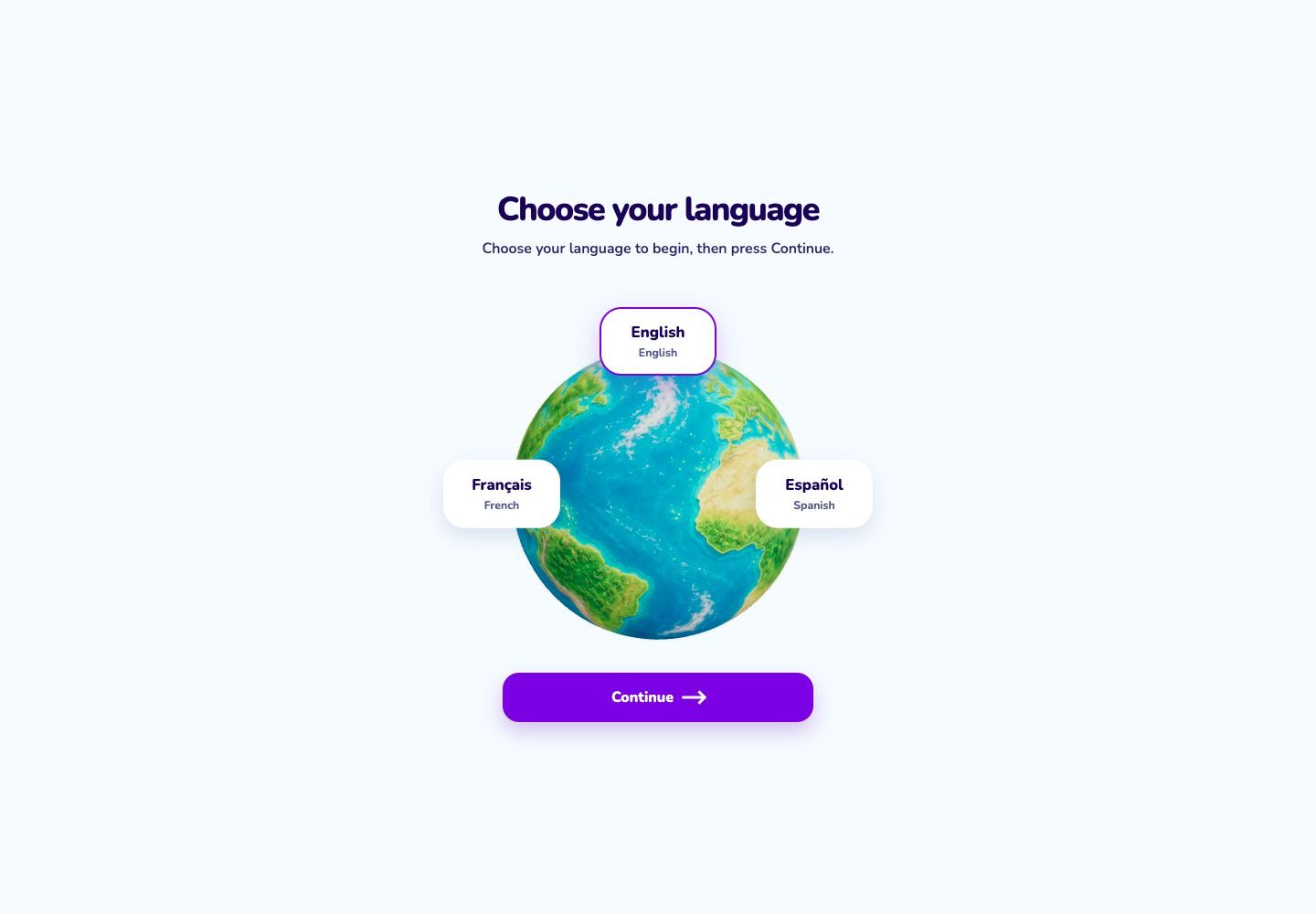
Language selection
-
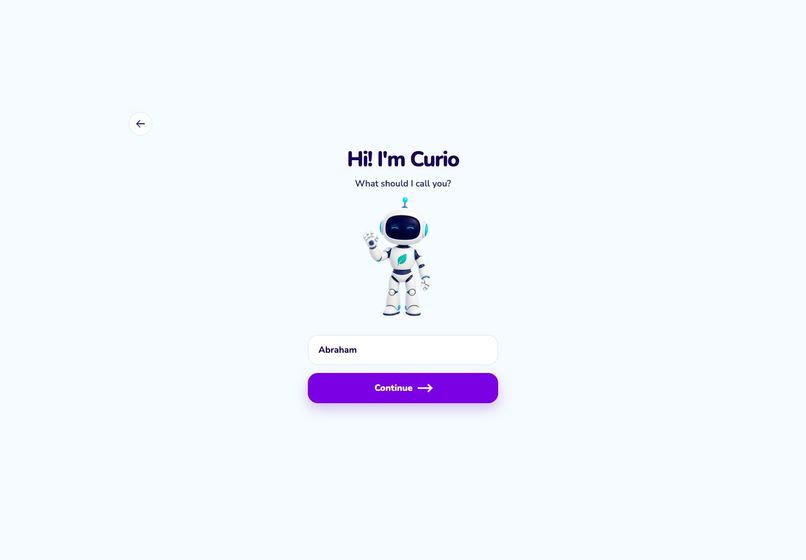
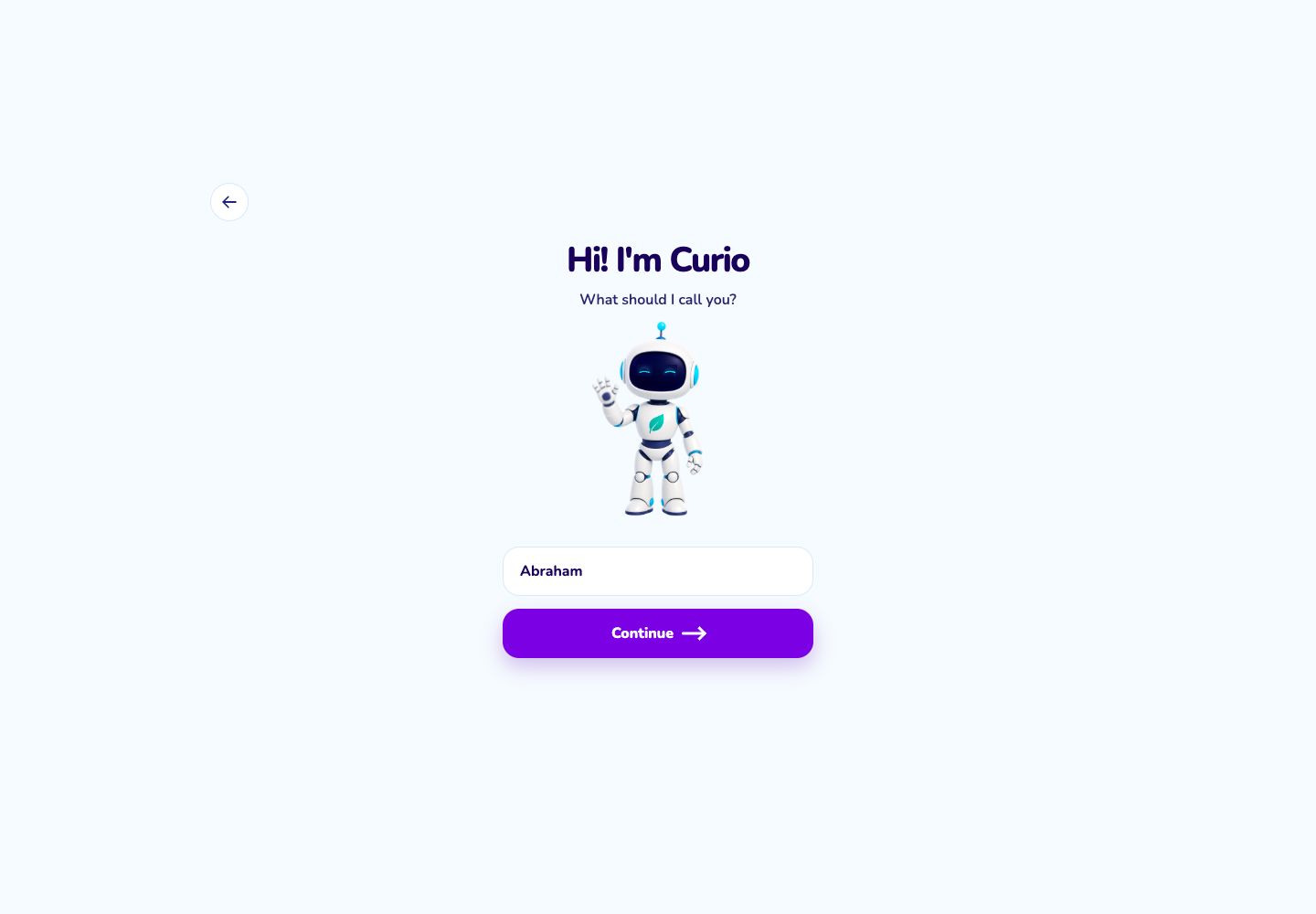
Personalizad Name Wizard
-
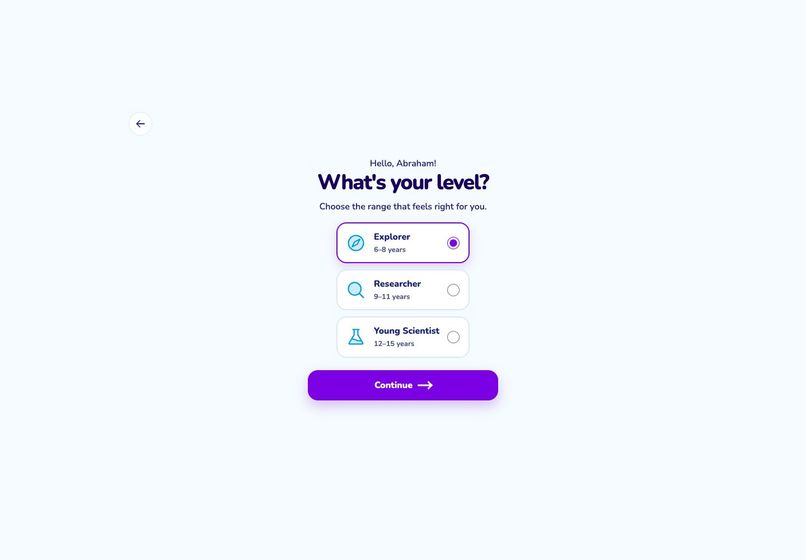
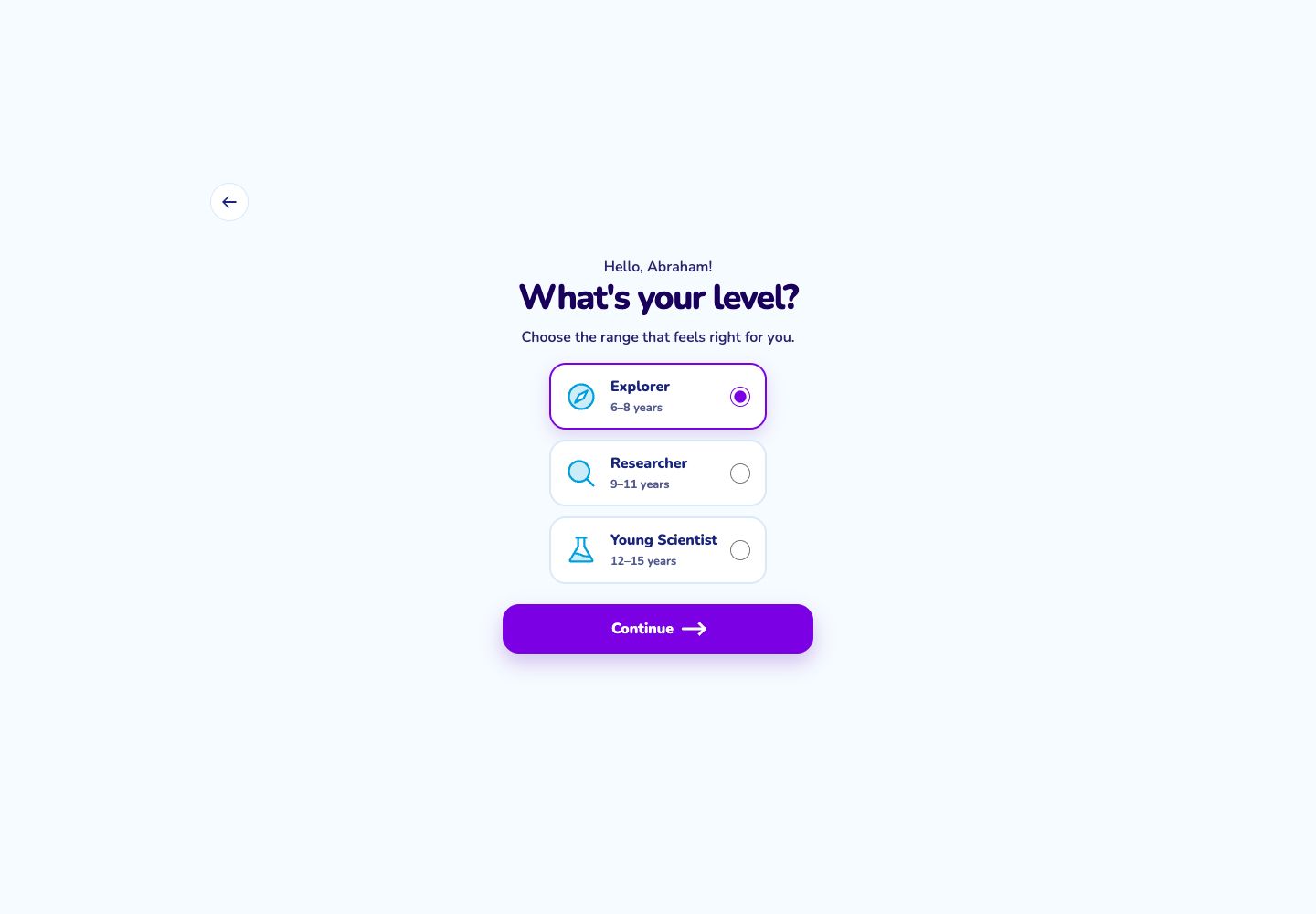
Level grade Selection
-
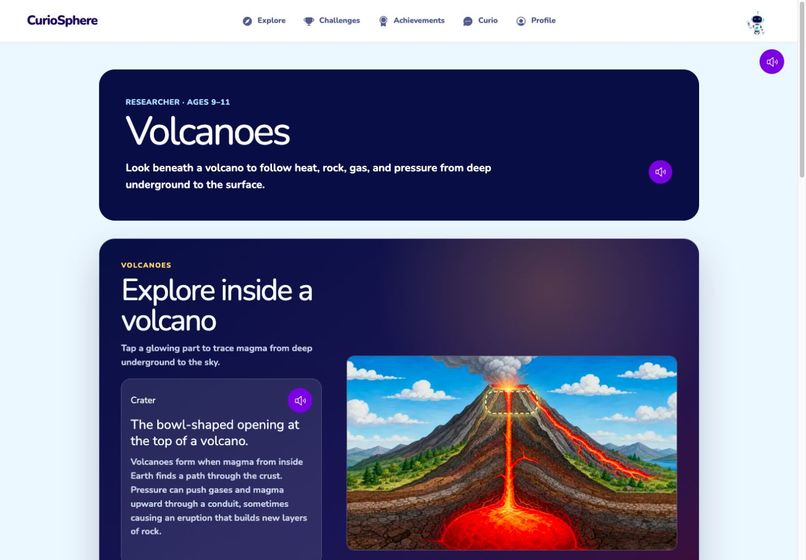
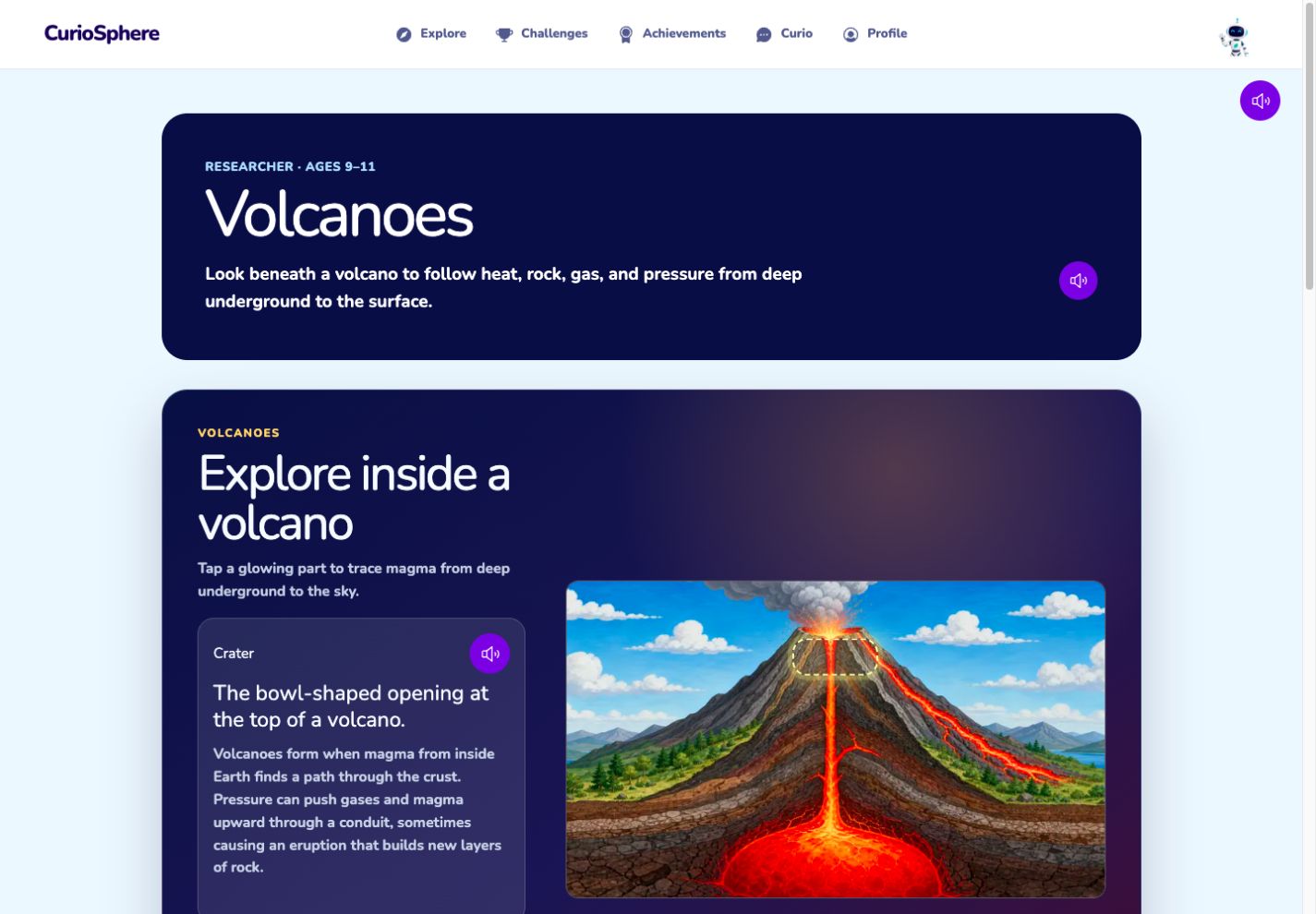
Volcanos Section
-
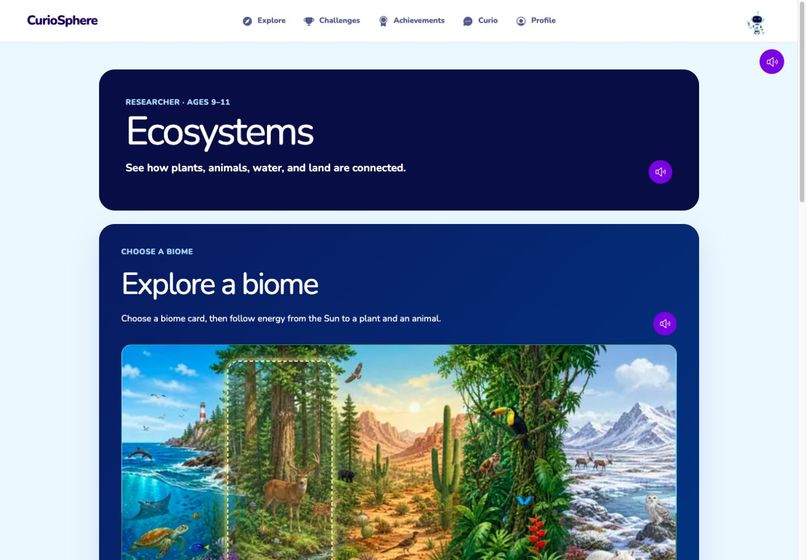
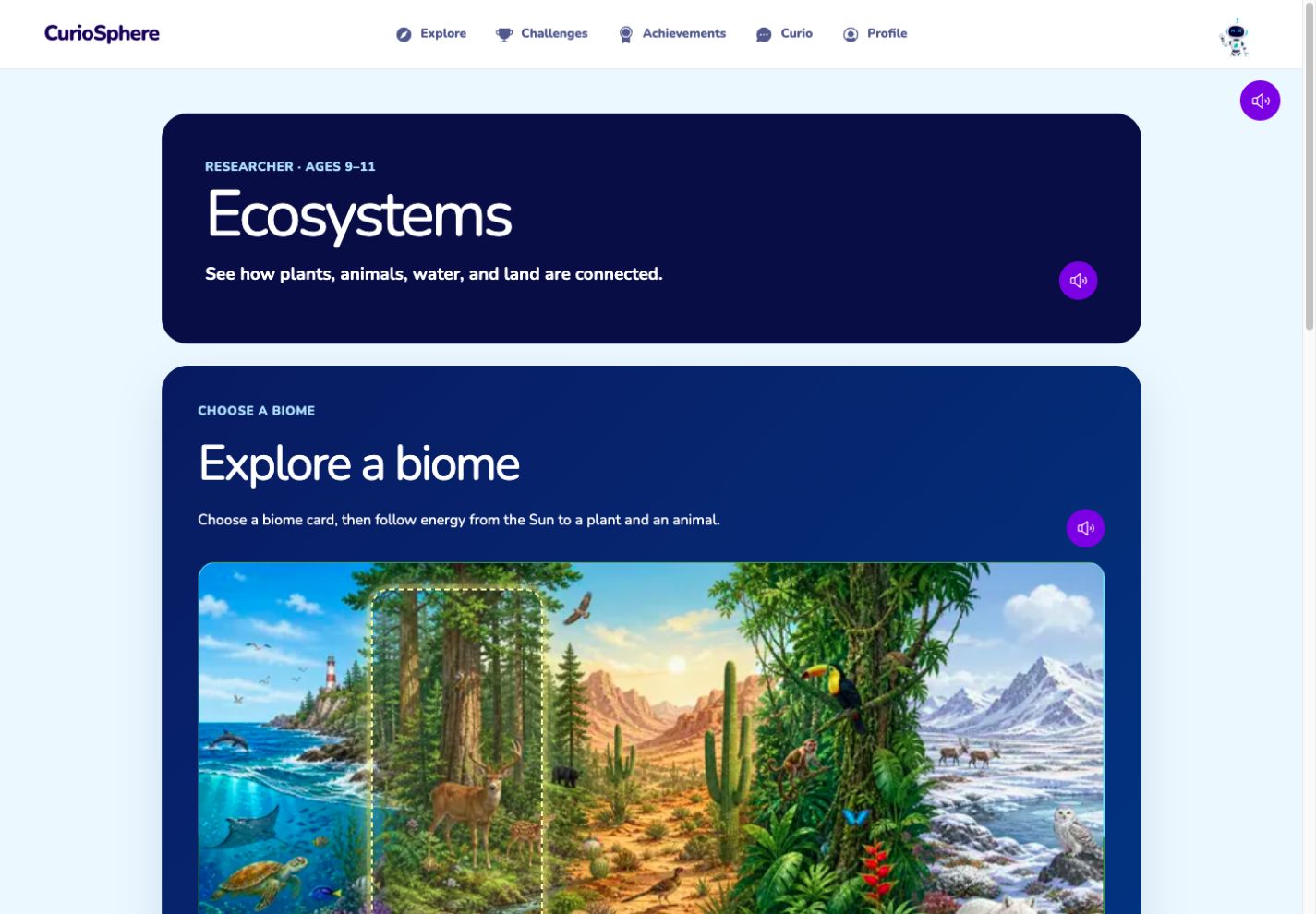
Ecosystems Section
-
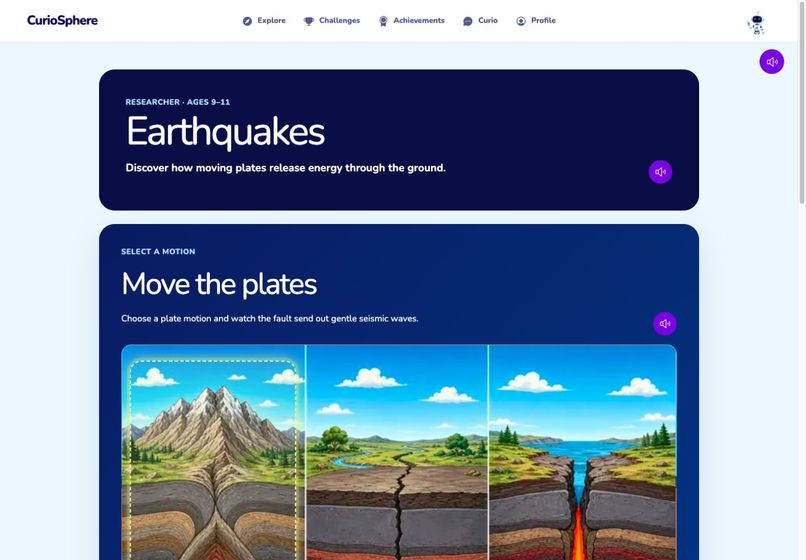
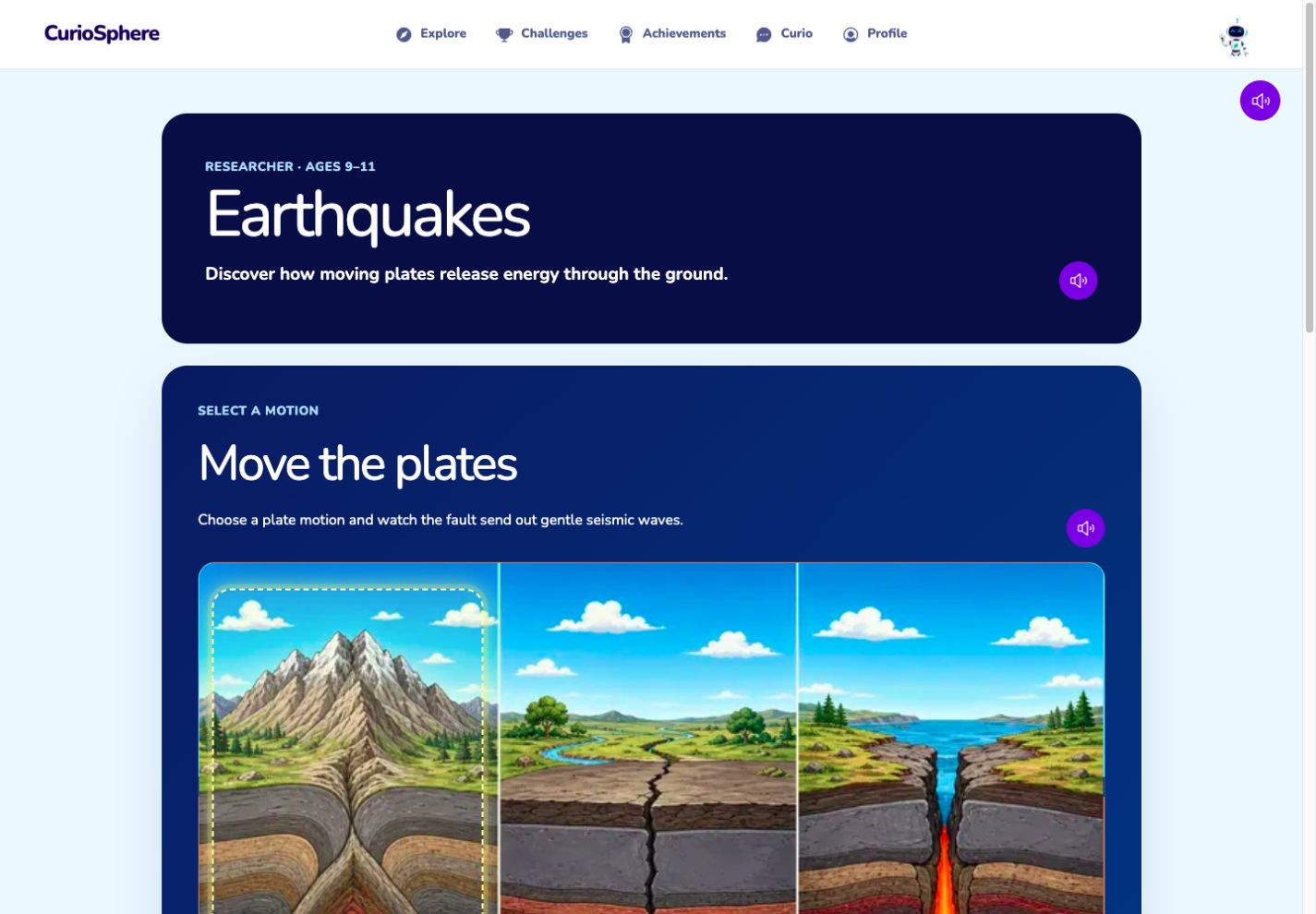
Earthquakes Section
-
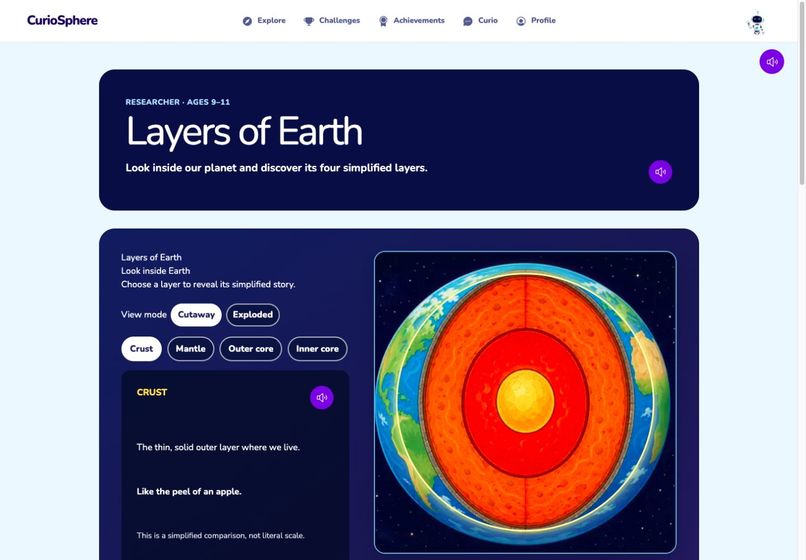
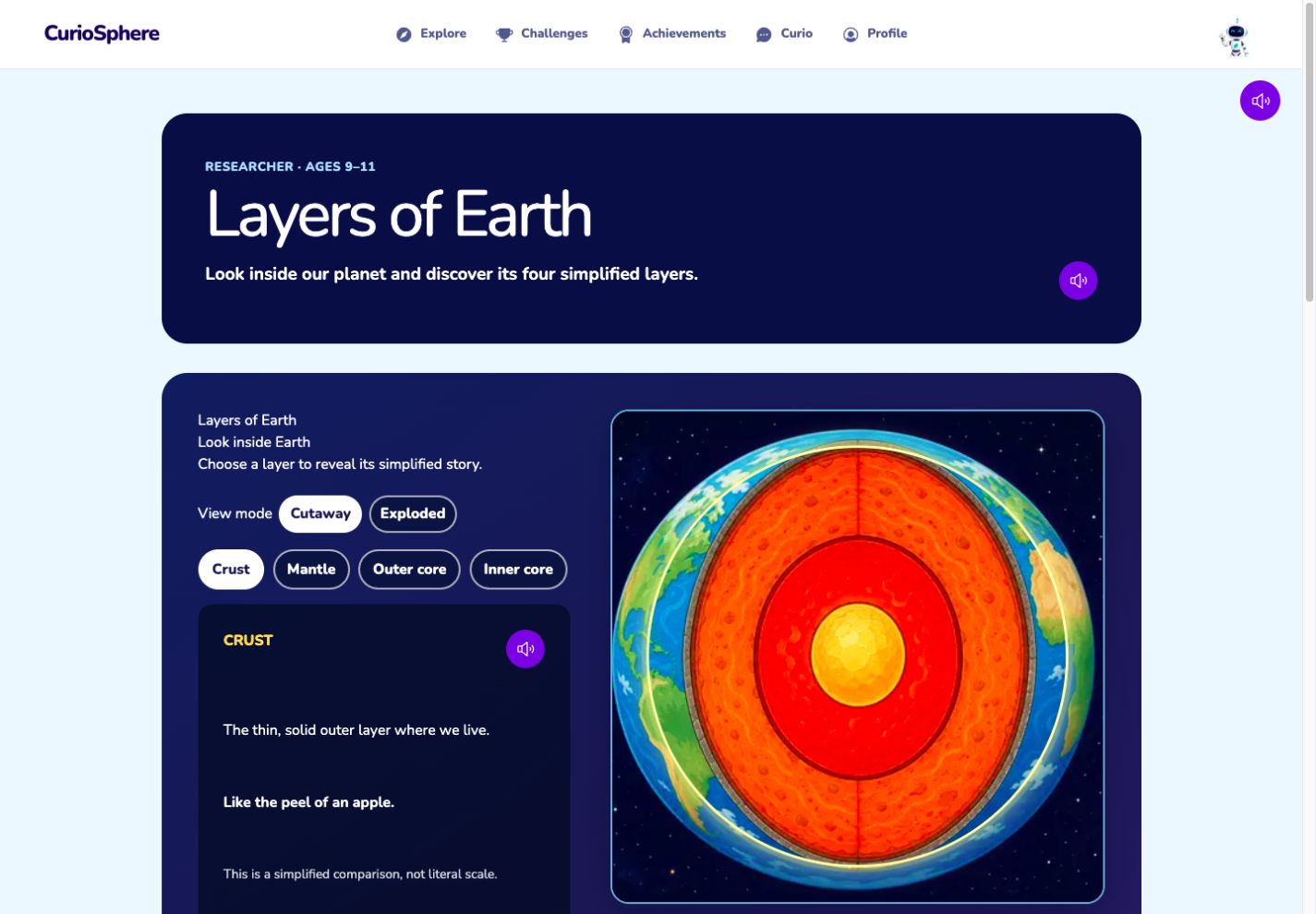
Layes of the Earth Section
-
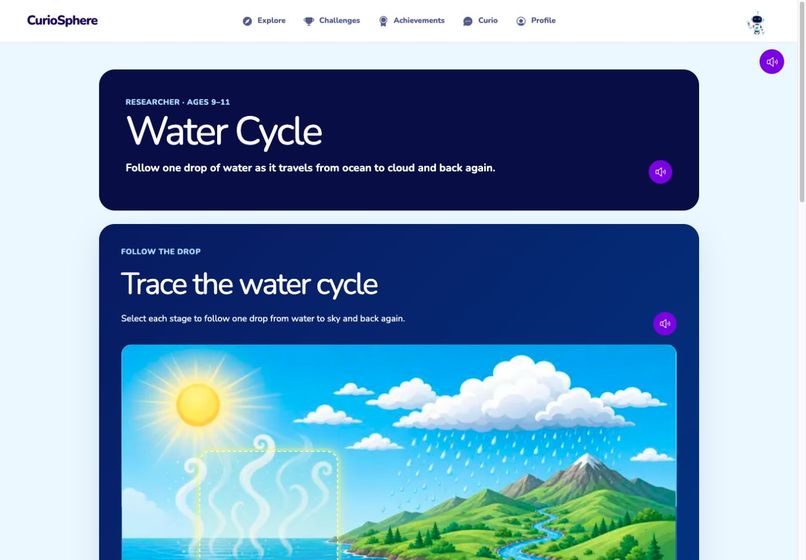
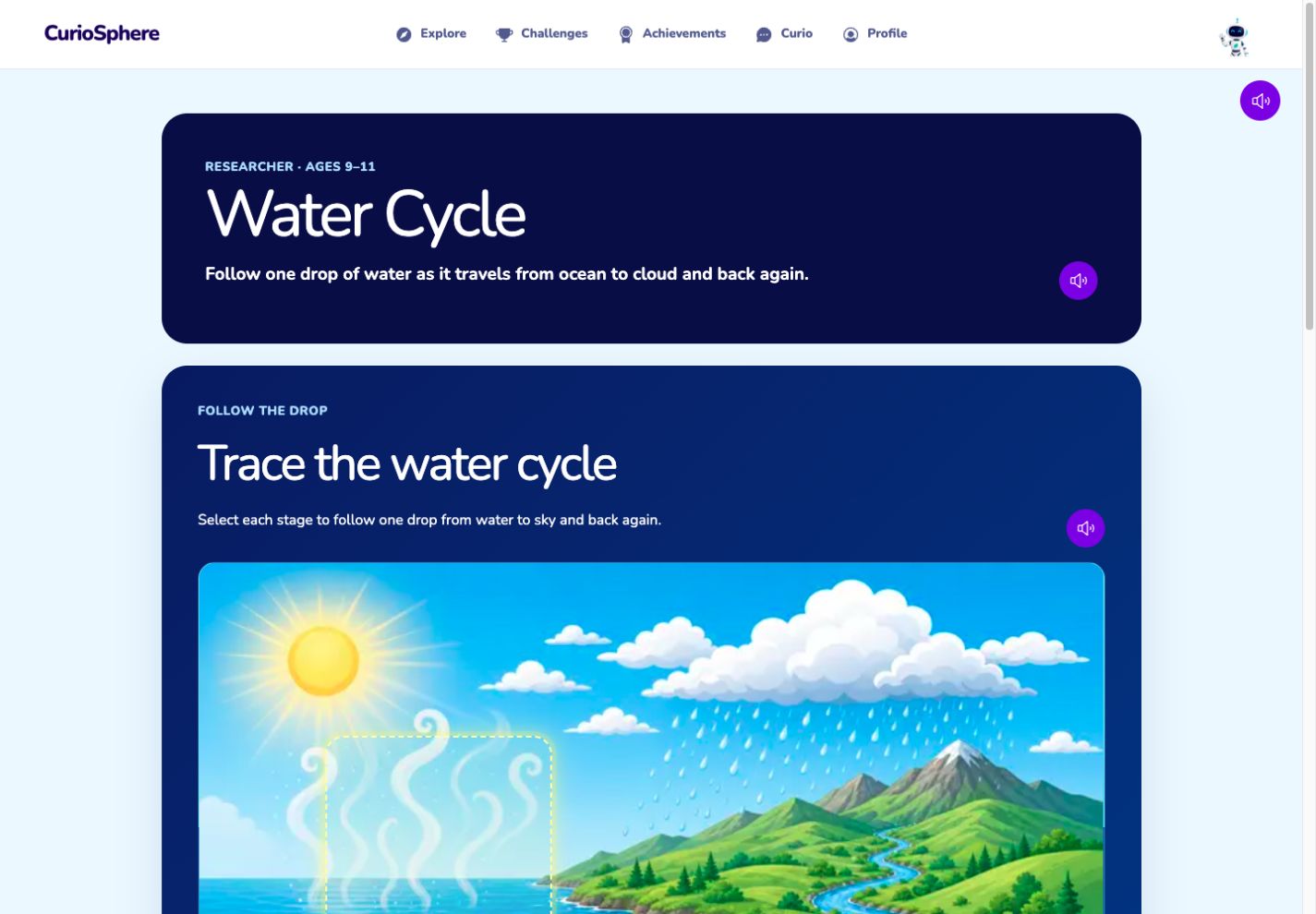
Water Cycle Section
-
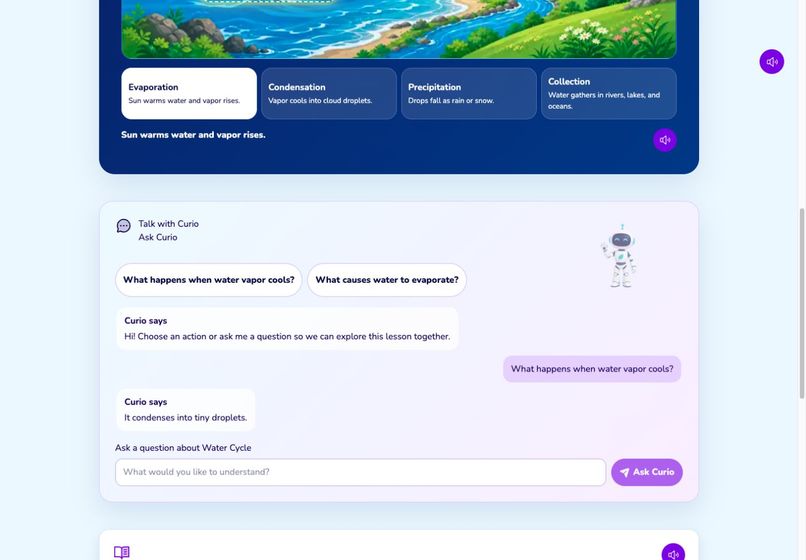
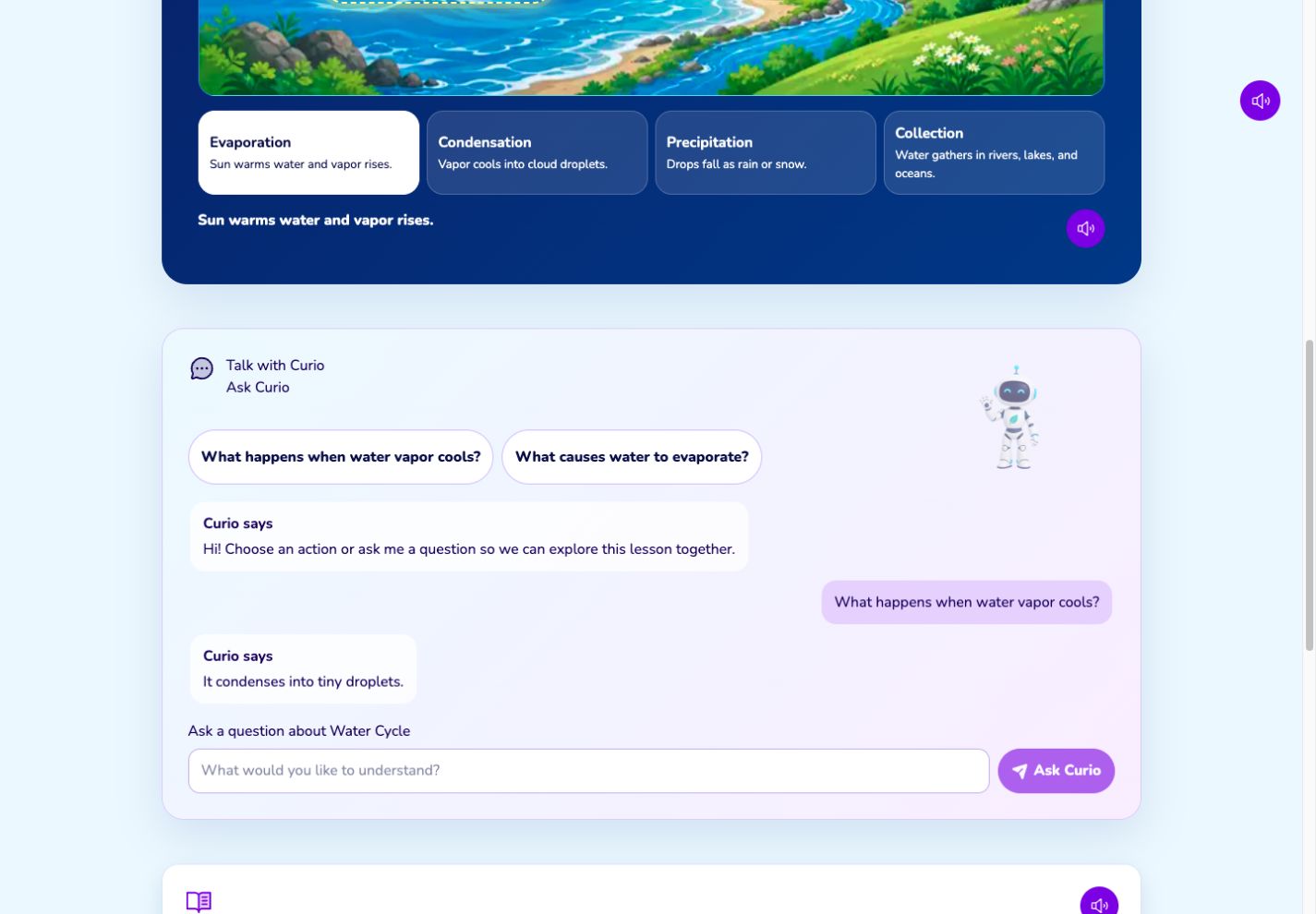
AI Tutor
-
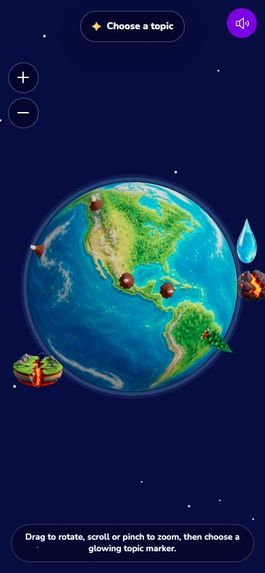
Mobile support
Inspiration
When I was child, I remember the encyclopedias CDs, as Encarta, Micromega, Incredible Animals and others, this was my inspiration to do this App for Kids, where through sounds, images and animations, the kids can learn.
So this is like an adaptation to the new era, where we can integrate the IA tutors to explain and answer the curiosity question that the kids can be have.
What it does
CurioSphere is a multilingual interactive learning platform for ages 6–15. Its first world, Planet Earth, is an explorable 3D globe with lessons on volcanoes, earthquakes, ecosystems, the water cycle, and Earth's layers.
The core experience is designed for a quick, safe learning loop:
- Choose between English, Spanish, or French language.
- They can write his name (and hear his personalized greeting) and choose the level that they can try.
- They can explore the 3D Earth, and choose between several topics that the app has.
- For example interact with volcano parts and receive level-aware explanations.
- Ask Curio, a contextual educational tutor, for a simpler explanation, example, comparison, or question.
- They can do short challenges and unlock an achievement.
No account is required, this APP is enabled for Demo Mode.
The App has a mix of pre-generated instruction sounds and accessibility voice browser.
Curio is intentionally not a general chatbot. It stays grounded in the active topic, locale, learning level, and approved educational content. The platform avoids unnecessary personal data and does not store full tutor conversations by default.
How we built it
CurioSphere uses Next.js, React, TypeScript, Tailwind CSS, React Three Fiber, Three.js, and Drei for the learning experience. Its server architecture uses Prisma with PostgreSQL, Redis for quotas and caching, Auth.js magic links, next-intl localization, Zod validation, and the official OpenAI JavaScript SDK. The tutor runs only from server-side routes; credentials never reach the browser.
The experience includes keyboard, touch, pointer, reduced-motion, and non-3D alternatives.
How we used Codex and GPT-5.6
Codex with GPT-5.6 was used as a development collaborator across the build: Planning process Assets creation, voice prerecorded, 3d Renders. Image generation, etc. Structuring the product architecture and data-driven content registry Implementing the interactive Earth, Topics flow, tutor safety boundaries, quotas, and fallbacks; Writing/refining unit, integration, and Playwright coverage for the Demo Mode journey. Deploy process
Within CurioSphere, prewritten and reviewed educational content remains the source of truth. The OpenAI-powered tutor receives only the learner's active topic, selected subsection, locale, learning level, and approved excerpts, then adapts concise explanations and questions rather than inventing the curriculum.
Try it
Open https://curiosphere.app and choose Demo Mode. No credentials are required. The recommended path is: choose a language and level, explore Planet Earth, open Volcanoes, ask Curio a question, complete the challenge, and unlock the Volcano Explorer achievement.
What's next
We plan to keep expanding the reusable content system with more worlds and topics while preserving the same safety, localization, accessibility, and age-adaptive learning principles.
Built With
- auth.js
- docker
- next-intl
- next.js
- openai-api
- playwright
- postgresql
- prisma
- react
- react-three-fiber
- redis
- tailwind-css
- three.js
- typescript
- vitest
- zod
