-
-

-
-
-
-
-
-
-
App icon 1024x1024


Inspiration
I had the idea for SnapSeries a while ago. I saw creators on Instagram putting tape on their iPhone screens and drawing guides on it to take aligned photos. I thought I could build an app for that.
My first tests let you draw the guide yourself, but it was awkward to use.
Then I saw the Shipaton announcement on X and, around the same time, an Expo post about native modules. That got me thinking about using Apple’s subject detection instead of asking people to draw. So I picked the project up again.
What it does
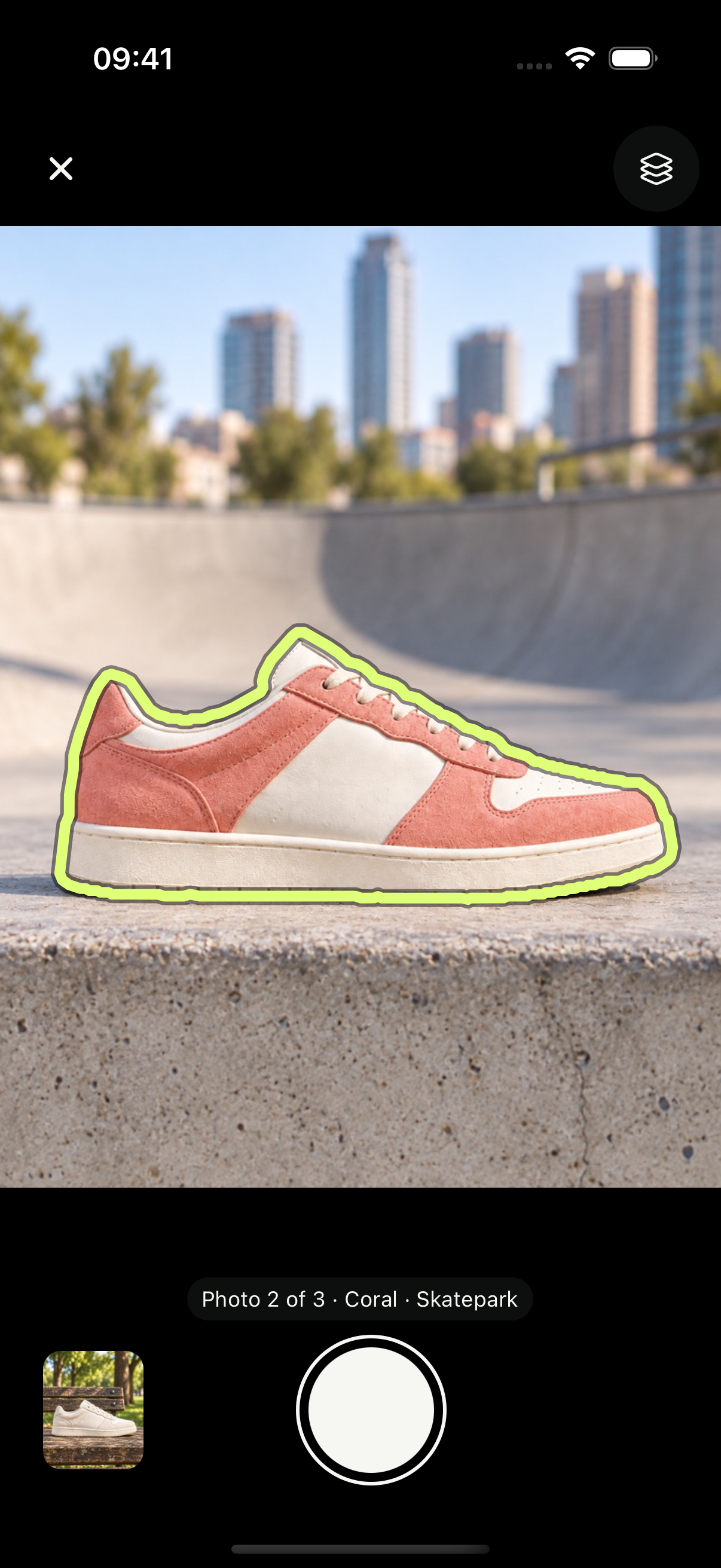
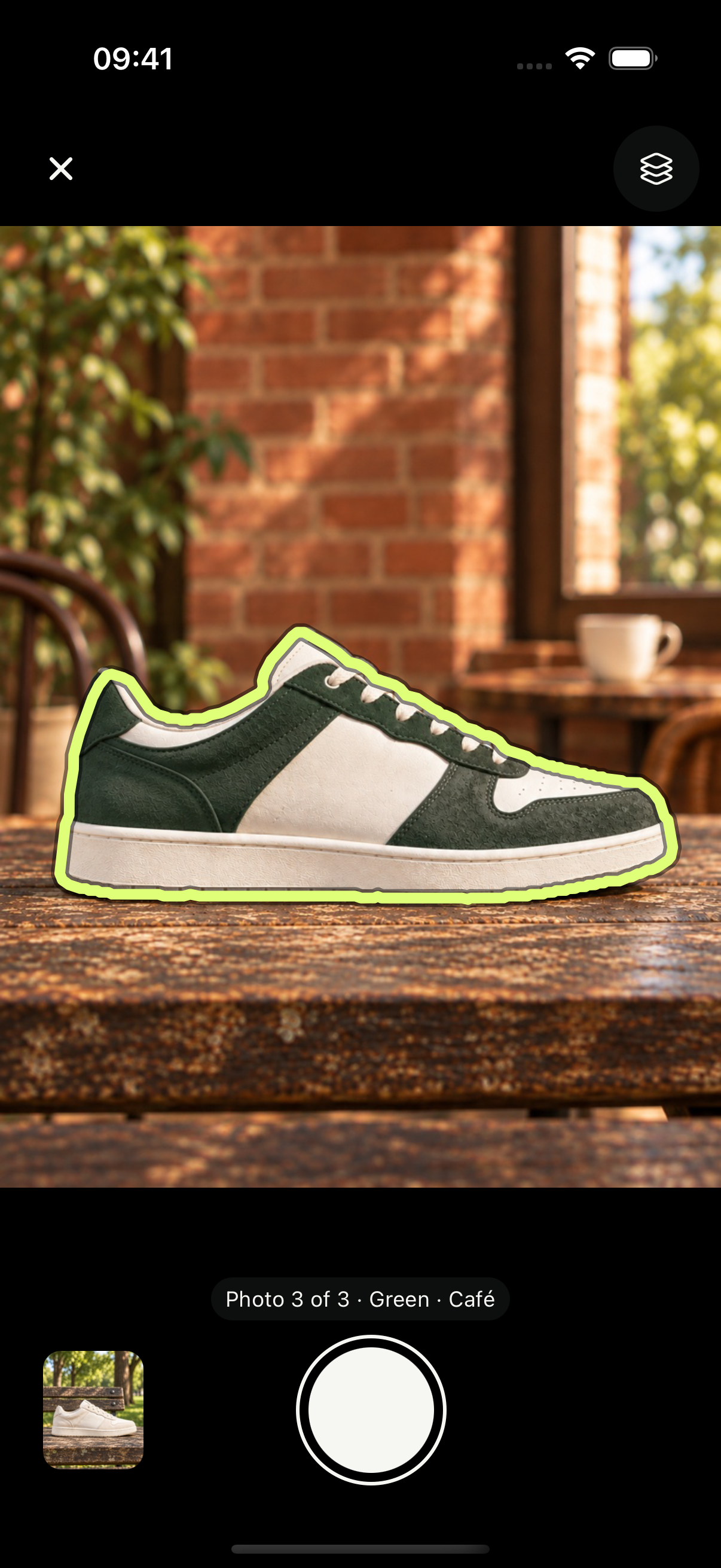
SnapSeries helps you take photos with the same framing.
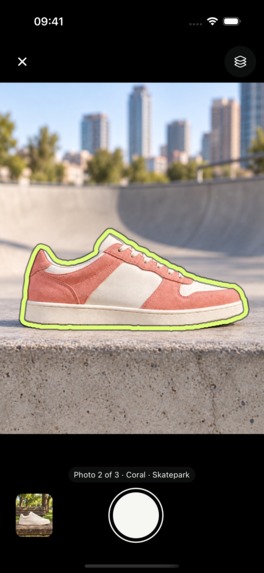
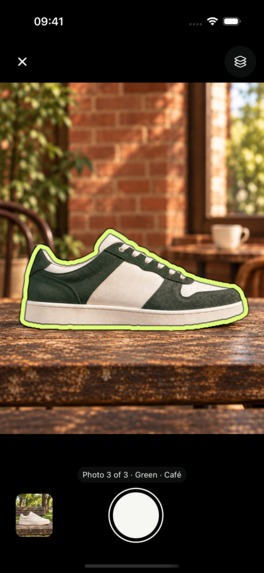
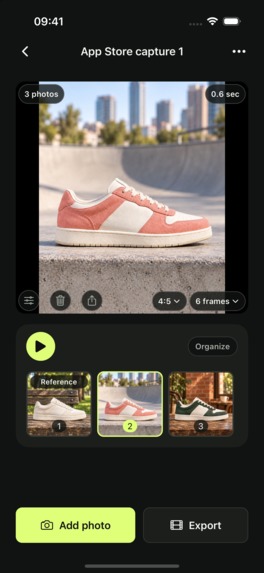
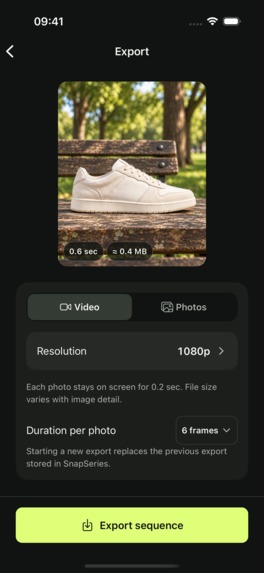
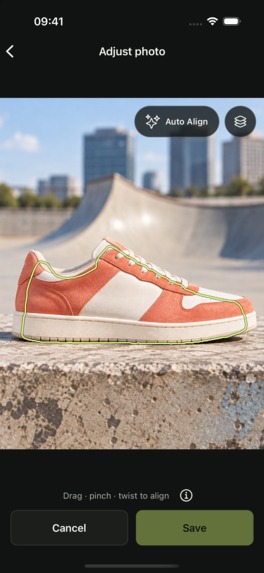
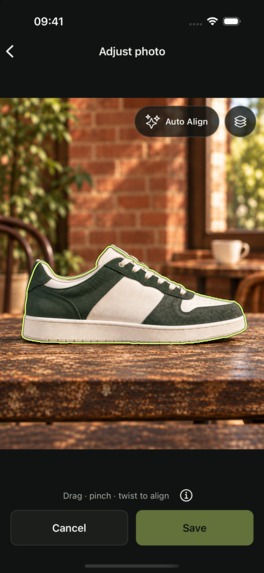
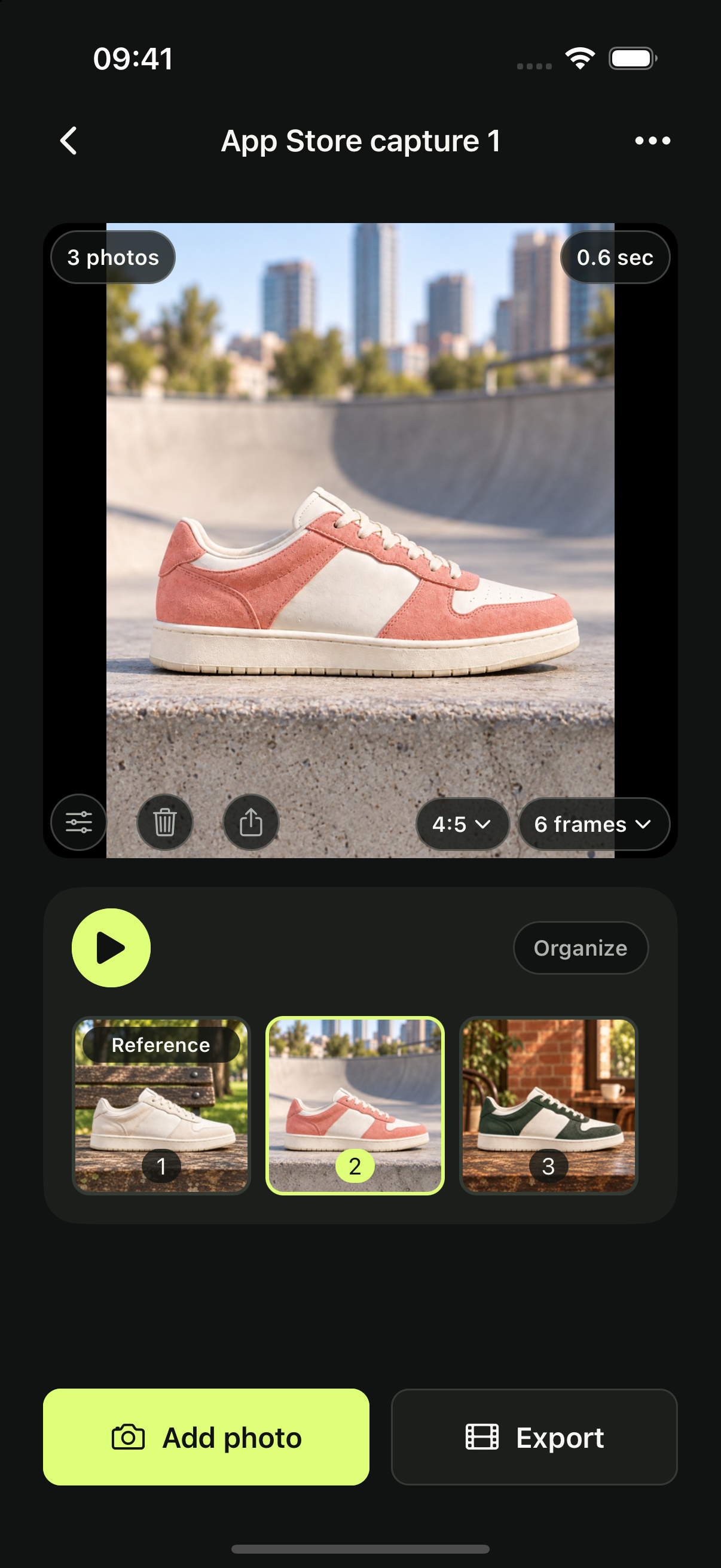
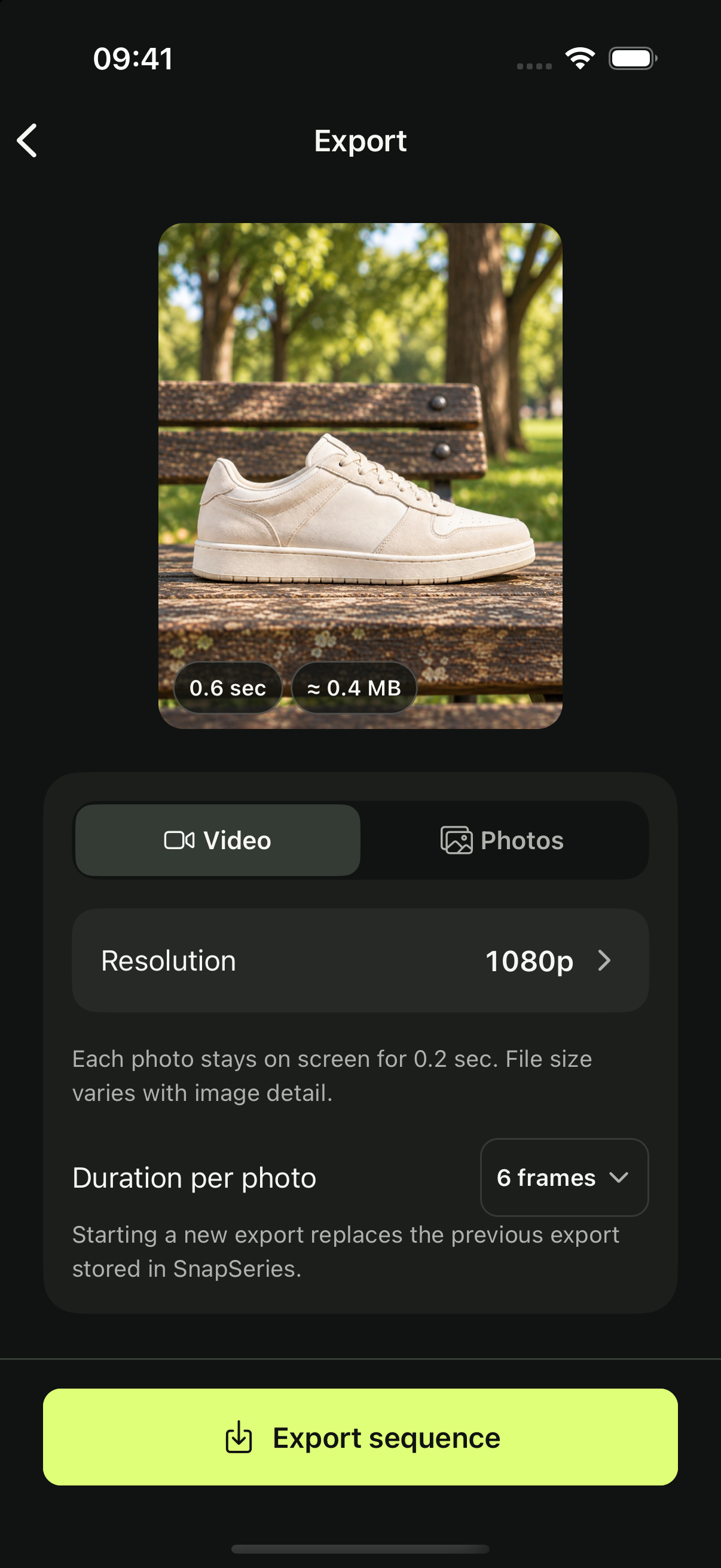
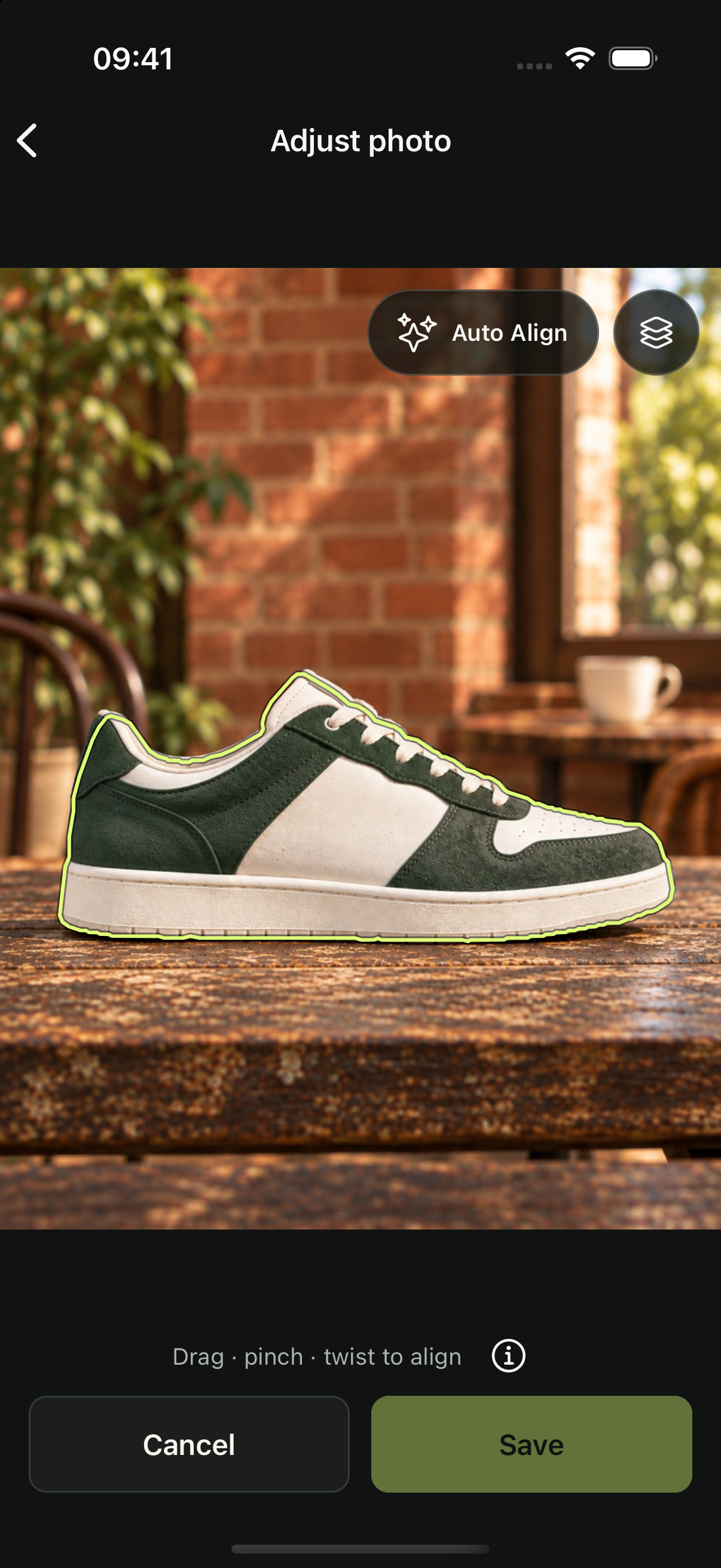
You take or import a reference photo, then use its outline or a transparent overlay to line up the next shot. You can organise the photos into a series, preview it, and export photos or a video.
My wife uses it to photograph the same bag in different environments for her marketing. I’ve also been using it myself, including to make the Shipaton demo.
The first series is free. Pro unlocks unlimited series and video export. RevenueCat handles the subscriptions.
How I built it
I built SnapSeries in the evenings after work and on weekends.
The app uses Expo and React Native, with some native iOS code for image processing and video export. Photos and processing stay on the phone.
I’d already released apps for clients and a few small personal projects. With this one, I wanted to see how far I could go on my own, including marketing it and trying to make a small income.
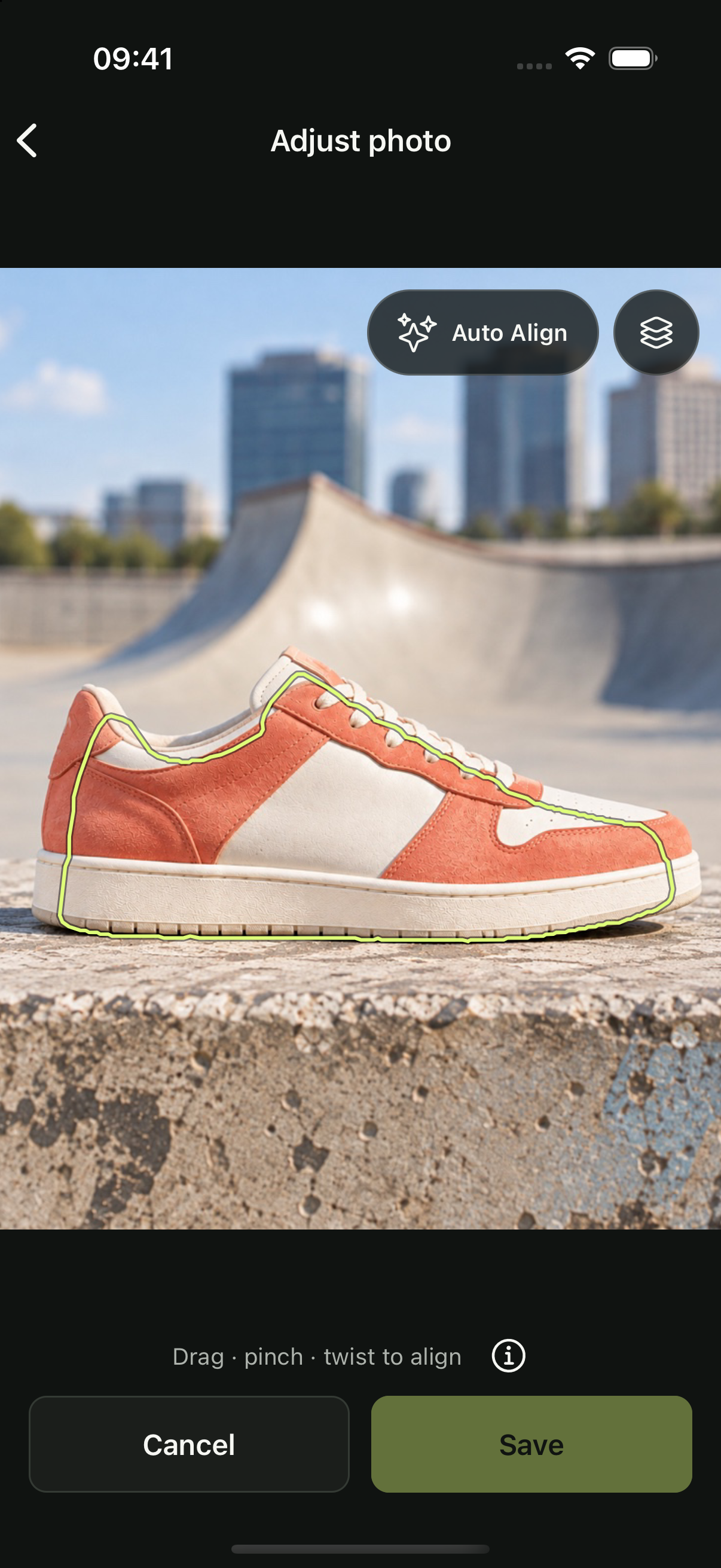
Since the first release, I’ve added Auto Align, background export, Live Activities, and backups so you can open a series on another iPhone.
Challenges
I only restarted development on September 10, so I didn’t have much time before the deadline. It forced me to stop overthinking and make decisions.
Getting the guide right was the hardest part, along with fitting the controls on the camera screen without making it confusing.
Then there was everything outside development: writing the descriptions, preparing screenshots, and recording the demo. It was my first time talking to the camera, and I did it in English, which isn’t my native language.
I’ve already shipped five versions of the app, improving it a little each time. On previous personal projects, I’d wait until everything was perfect before releasing. Often, that meant never releasing at all.
Shipaton pushed me to work differently: finish something, ship it, then improve it. I want to keep that habit after the deadline.
What I learned
Ship early with the basic features. Testing on a real phone and letting other people try the app as soon as possible helped me spot things I’d missed while developing.
My wife found the onboarding unclear and wanted to move a series between iPhones. I worked on both.
Around the same time as Shipaton, I also decided to be more active on X. I started sharing my progress, replying to people, and joining conversations.
I have around 180 followers. It’s a small audience, but I’ve really enjoyed the exchanges and the help from other developers.
The best moments are still when I ship a feature and can test it for real. And when Apple approves an update.
What’s next
I always want to add more features. That’s the part I’m comfortable with.
Now I need to put more time into getting people to try the app. I want to test different ways to reach users, learn what works, and see if SnapSeries can bring in a small income.
Built With
- apple-vision
- expo-router
- expo.io
- react-native
- revenuecat
- skia
- sqlite
- typescript
- visioncamera


Log in or sign up for Devpost to join the conversation.