Inspiration
Healthcare is a basic human right, yet millions lack timely access due to cost, distance, or shortage of doctors. We wanted to create something that could bridge this gap and empower people with reliable, immediate health guidance, right at their fingertips.
What it does
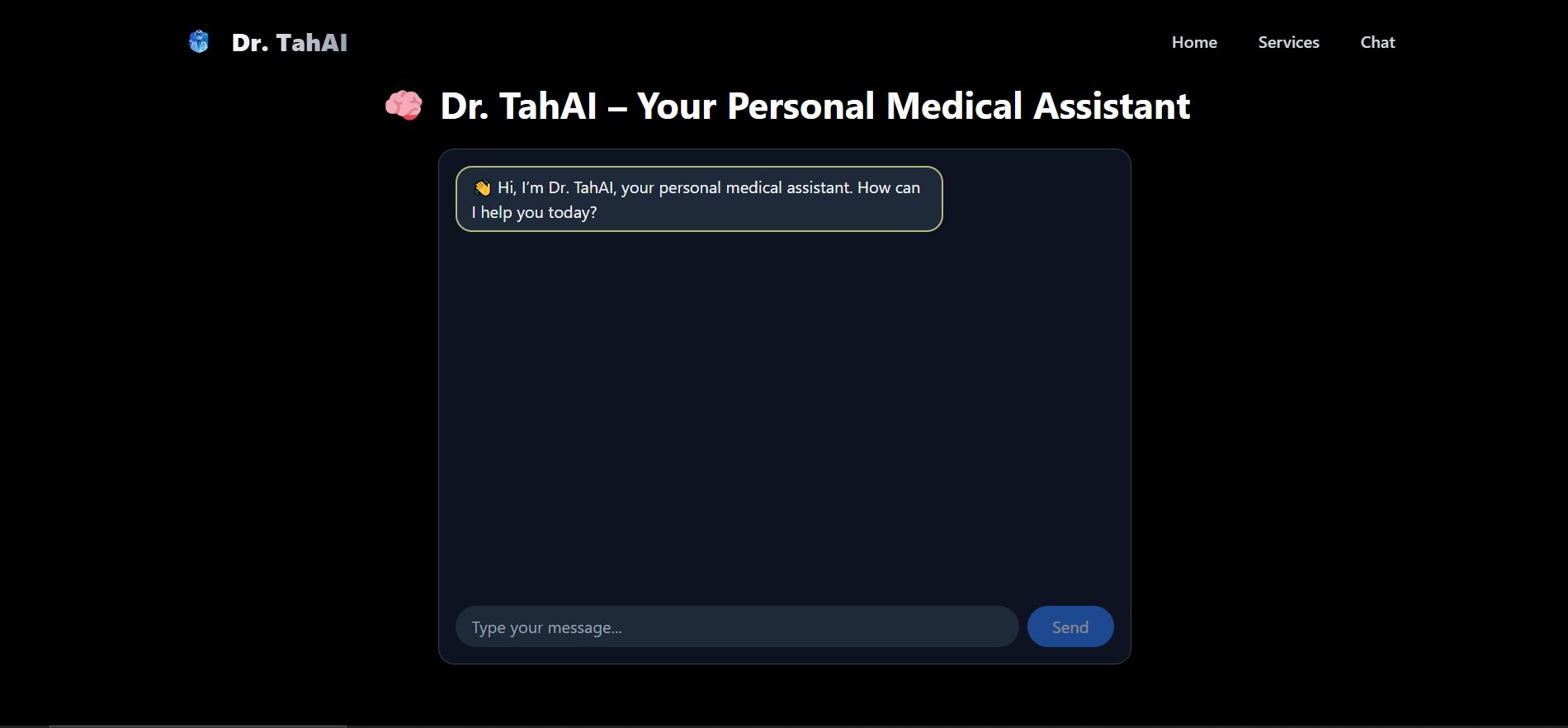
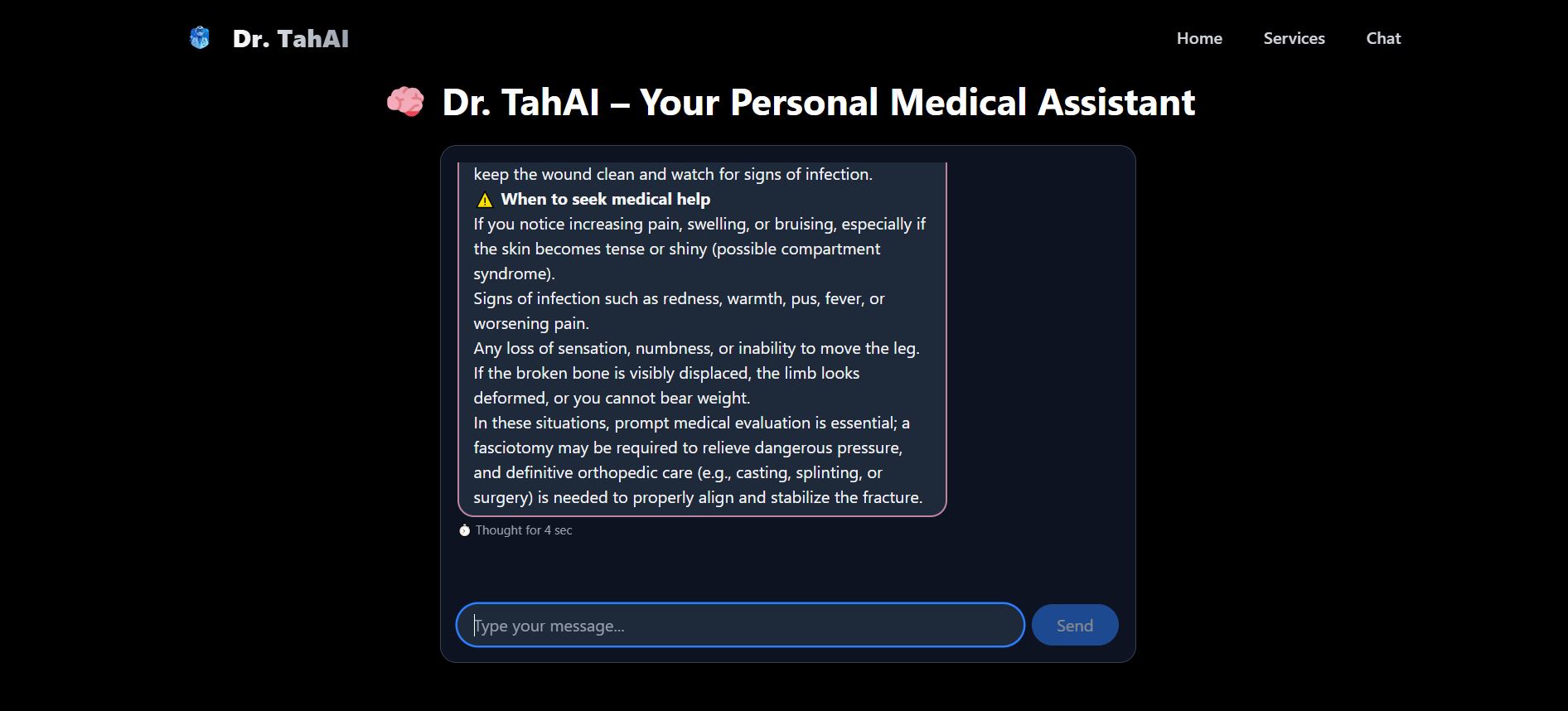
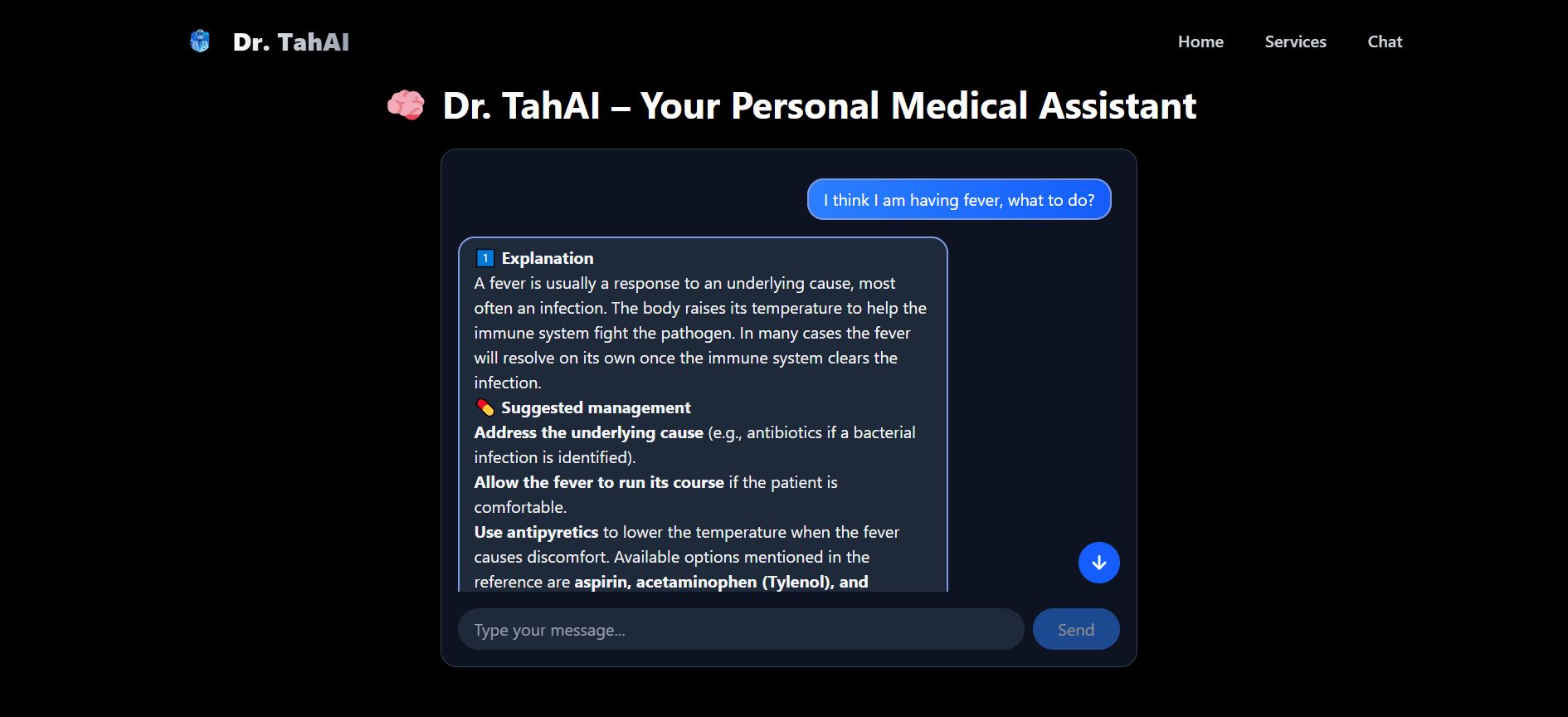
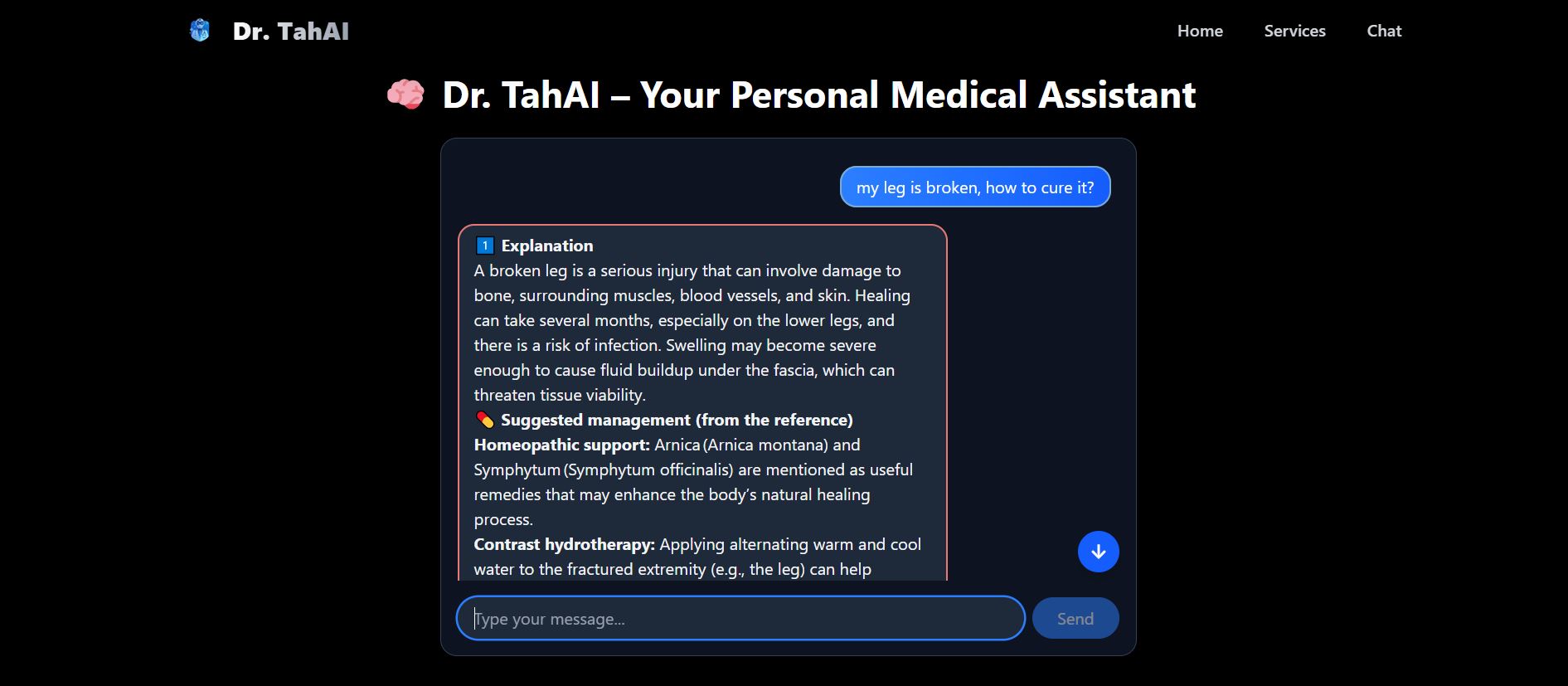
CureAI is an AI-powered health assistant that allows users to describe their symptoms in natural language. The system provides:
- Possible explanations for their condition
- Safe home remedies when appropriate
- Clear advice on when to consult a doctor or seek emergency care
- It’s not a replacement for medical professionals, but a supportive tool that reduces uncertainty and helps people make informed decisions.
How we built it
- Used OpenAI’s gpt-oss models (120B) as the reasoning core
- React for the frontend
- FastAPI for the backend
- Integrated via Hugging Face for inference
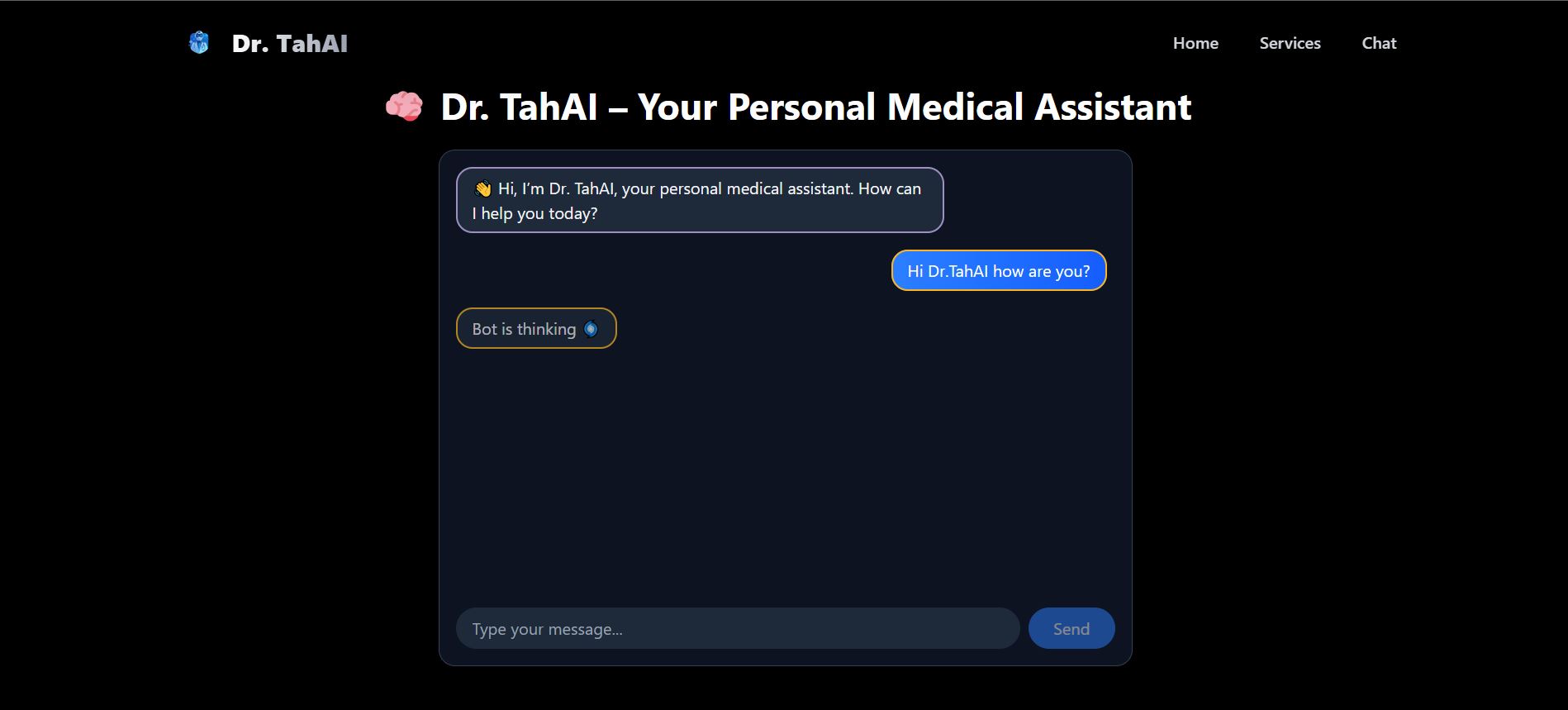
- Built a simple web/app interface where users can enter symptoms
- Designed prompt structures to ensure safety-first, context-aware outputs
- Optimized responses to prioritize accessibility, empathy, and clarity
Challenges we ran into
- Balancing accuracy with safety — ensuring the AI doesn’t overstep into providing unsafe medical advice
- Optimizing latency and inference speed for large models locally
- Designing responses that feel human, empathetic, and clear rather than purely technical
- Keeping the system useful offline or in low-connectivity environments
Accomplishments that we're proud of
- Built a working prototype that provides safe, context-aware health advice
- Successfully applied open-weight reasoning models for a real-world humanity-centered use case
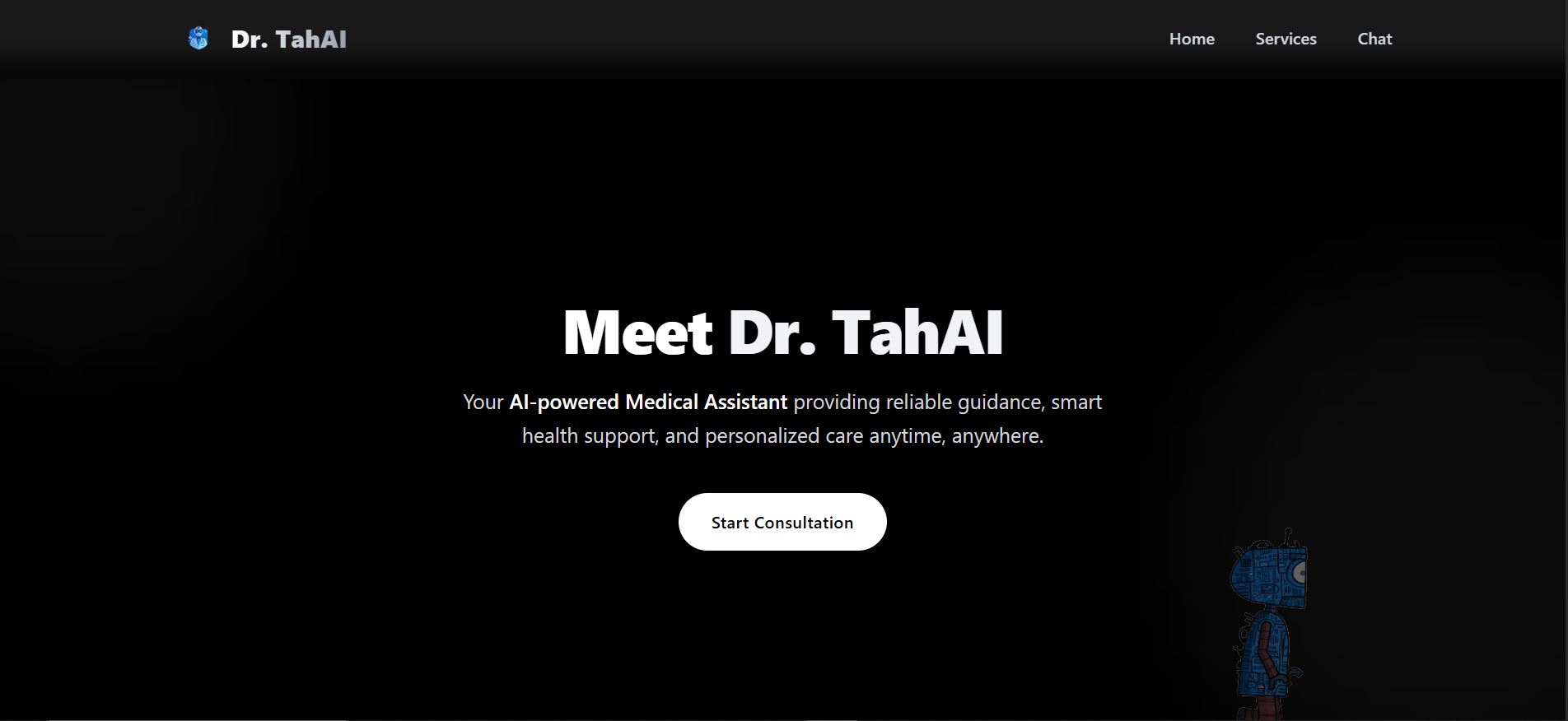
- Designed an intuitive interface that makes the technology accessible to anyone, not just tech-savvy users
What we learned
- How to effectively prompt and guide large reasoning models in sensitive domains like healthcare
- The importance of human-centered design when working with AI that touches people’s lives
- Strategies for running large models locally and optimizing inference for practical use cases
What's next for CureAI
- Expand CureAI into a multilingual assistant for global accessibility
- Add speech-to-text and text-to-speech to support users with low literacy
- Work with healthcare professionals to refine safety guardrails and accuracy
- Explore deployment on edge devices for offline usage in rural or remote areas
Built With
- fastapi
- gpt-oss-120b
- huggingface
- openai
- react


Log in or sign up for Devpost to join the conversation.