Inspiration The inspiration for CureConnect came from a personal realization: in emergency situations or busy urban areas, the gap between a patient and a doctor is often too wide. We noticed that in many tier-2 cities and outskirts, patients wait hours just to get a preliminary diagnosis, often leading to worsened conditions. We wanted to bridge this gap using technology, ensuring that quality healthcare is accessible to everyone, regardless of their location or technical expertise.
What it does CureConnect is a comprehensive healthcare platform designed to streamline the patient-doctor relationship. Key features include:
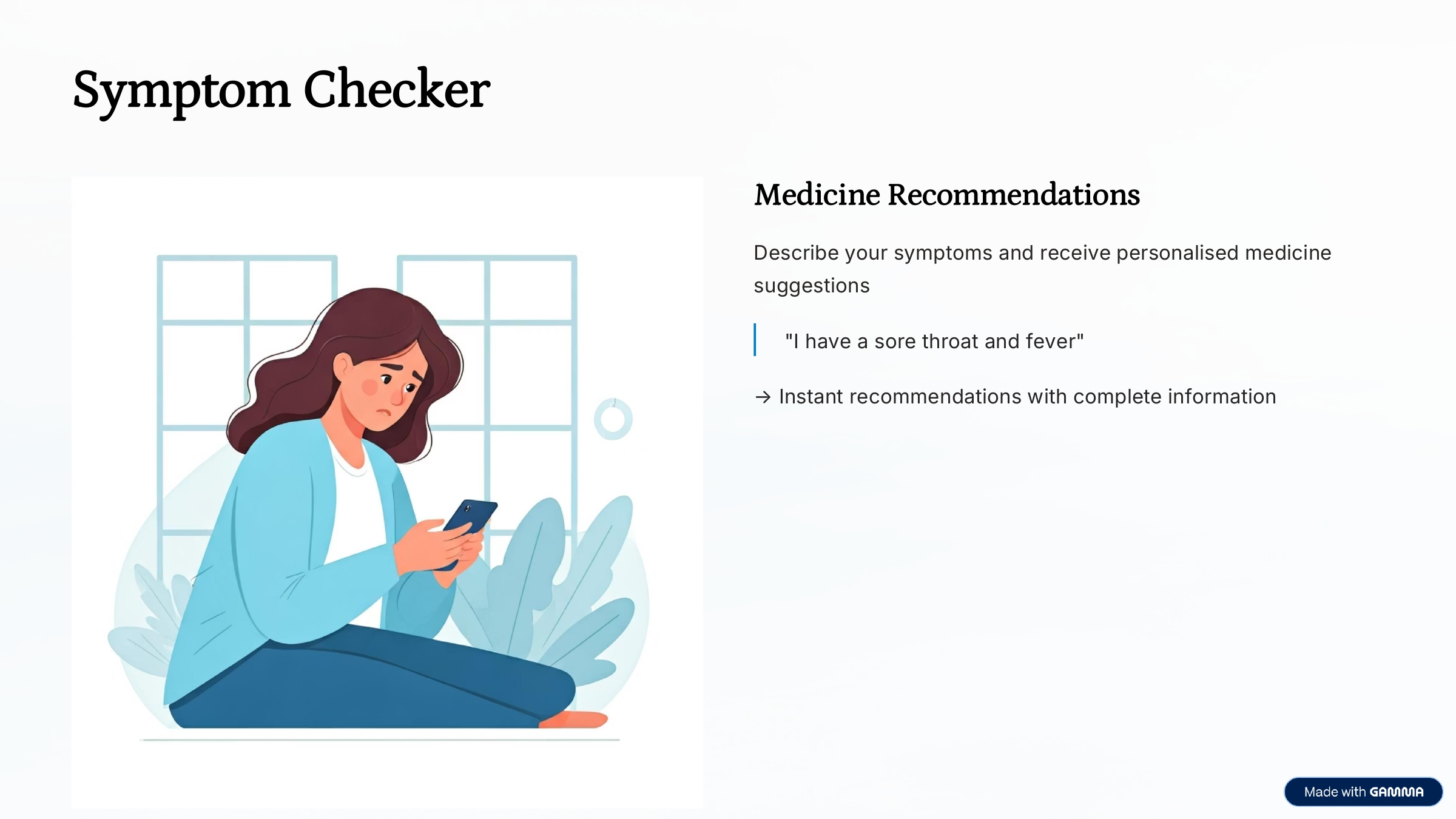
AI Symptom Checker: Users can input symptoms and get a preliminary triage assessment using our AI model.
Instant Doctor Matching: Based on the assessment, the app connects the user to the nearest available specialist.
Secure Teleconsultation: An integrated chat interface allows for remote diagnosis and quick queries.
Digital Prescriptions: Doctors can generate prescriptions that are instantly sent to the user and nearby pharmacies.
One-Touch SOS: A dedicated emergency button that shares the user's live location with registered ambulances and family members.
How we built it We built the frontend using HTML5, CSS, and the Bootstrap 5 Grid System to ensure a responsive and clean user interface that works on both mobile and desktop.
For the backend, we utilized Python with the Flask framework to handle API requests, route management, and serve our web pages.
Database: We used SQLite to store patient records and appointment slots securely.
AI Integration: We implemented a Decision Tree Classifier using the Scikit-learn library for the symptom checker to predict potential conditions based on user input.
APIs: We integrated the Google Maps API to handle locating nearby clinics and calculating the distance for the user.
Challenges we ran into One of the biggest challenges was designing a responsive layout that remained user-friendly for elderly people. We struggled with customizing the Bootstrap components to look unique while keeping the grid structure intact. Additionally, connecting the Python backend to the frontend forms required several debugging sessions to ensure data was passing correctly without errors. We also faced difficulties in training our AI model to differentiate between similar symptoms like common cold and flu.
Accomplishments that we're proud of We are incredibly proud of building a fully functional MVP (Minimum Viable Product) in such a short timeframe. Specifically:
Successfully implementing the Python-based logic for the symptom prediction model.
Creating a seamless user flow from "Symptom" to "Appointment" in under 3 clicks.
Overcoming the bug in the database connection string that had us stuck for hours!
What we learned This project taught us the importance of user-centric design in healthcare—it’s not just about code; it’s about empathy. Technical-wise, we learned a lot about building RESTful routes in Flask and managing Jinja2 templates for dynamic HTML. We also learned how to collaborate effectively under pressure using Git/GitHub.
What's next for Cure Connect We plan to scale CureConnect by adding:
IoT Integration: Syncing with smartwatches to track heart rate and vitals automatically.
Blockchain Security: Storing medical records on the blockchain for immutable privacy.
Offline Mode: Allowing users in low-network areas to access basic first-aid guides.
Partnerships: Onboarding real clinics and pharmacies to the platform.
Built With
- base44
- html5
- javascript


Log in or sign up for Devpost to join the conversation.