Inspiration
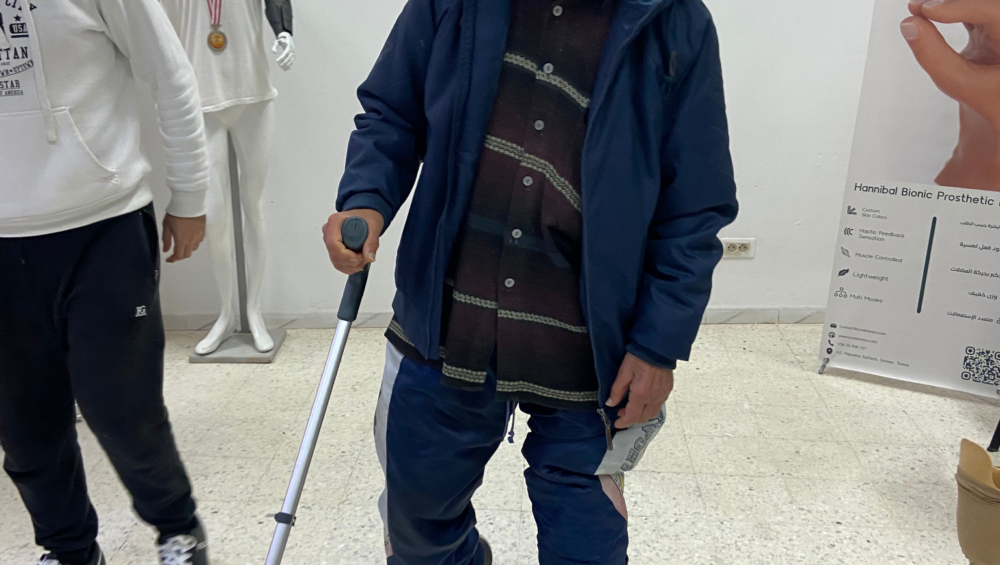
The idea for Cure Bionics was born out of witnessing the immense challenges faced by amputees in accessing functional and affordable prosthetics, especially in Africa and the Middle East. Many children and adults either had no access to solutions or relied on outdated, heavy, and costly devices. We were inspired to create a solution that blends technology, accessibility, and empowerment to restore dignity and independence.
What it does
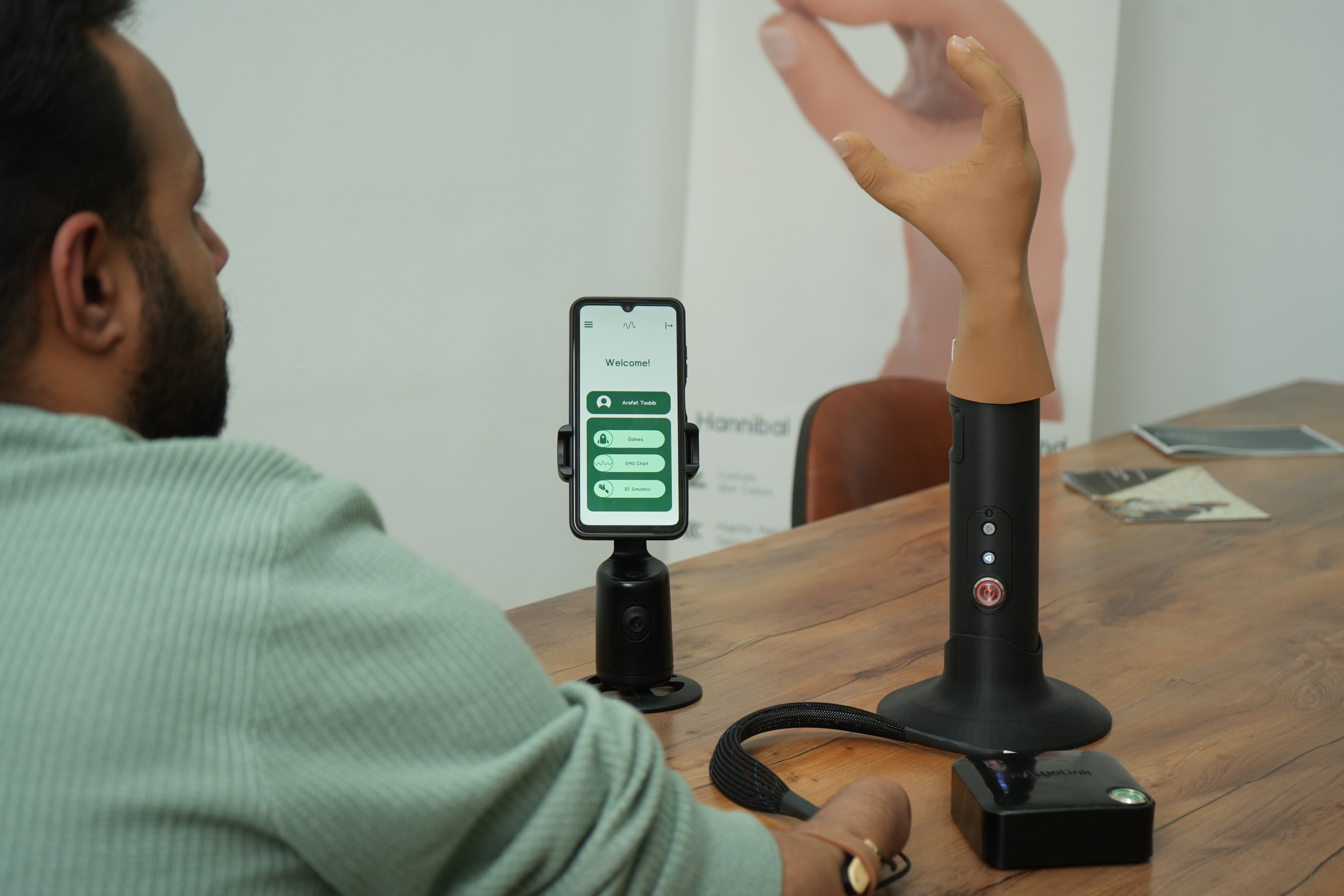
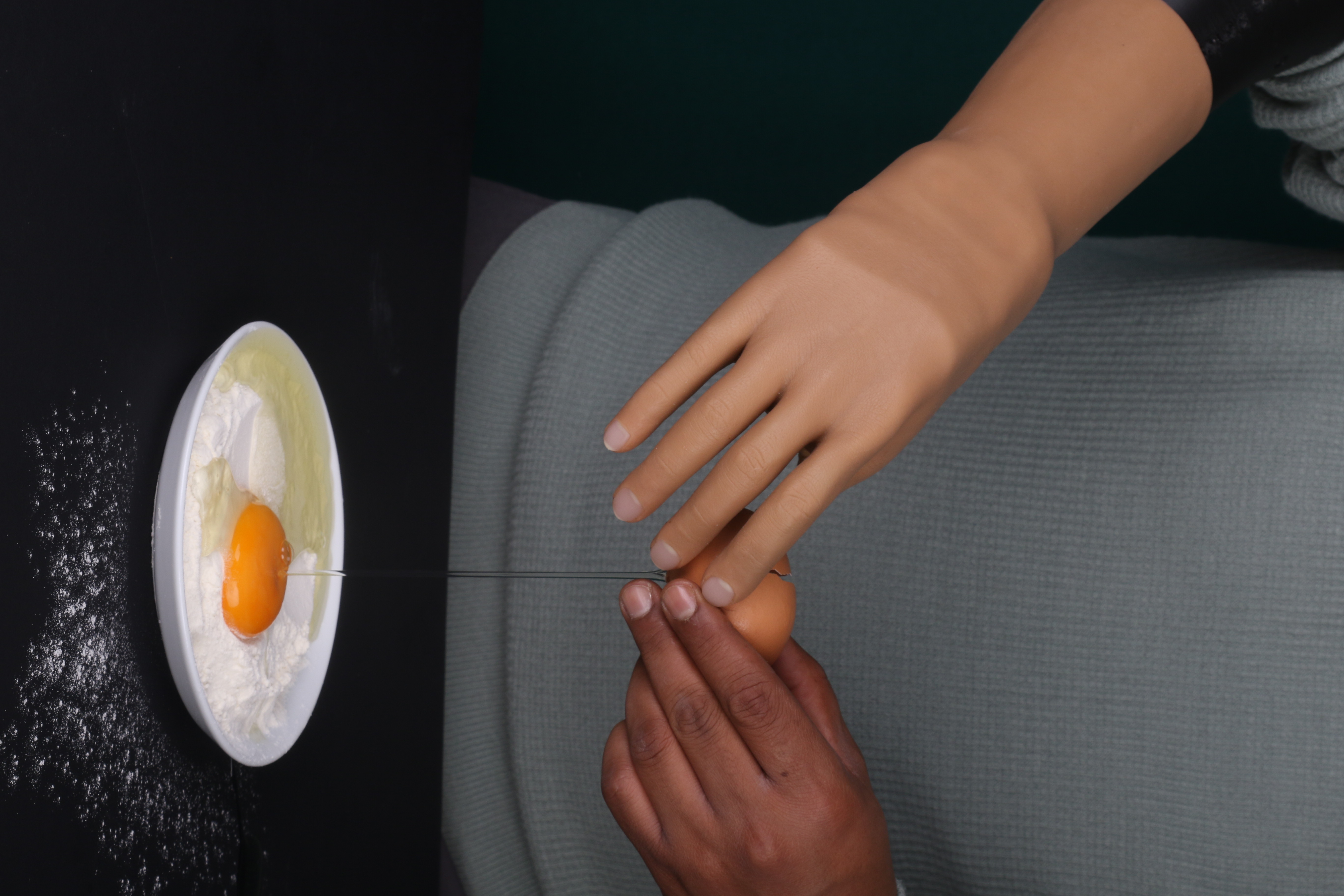
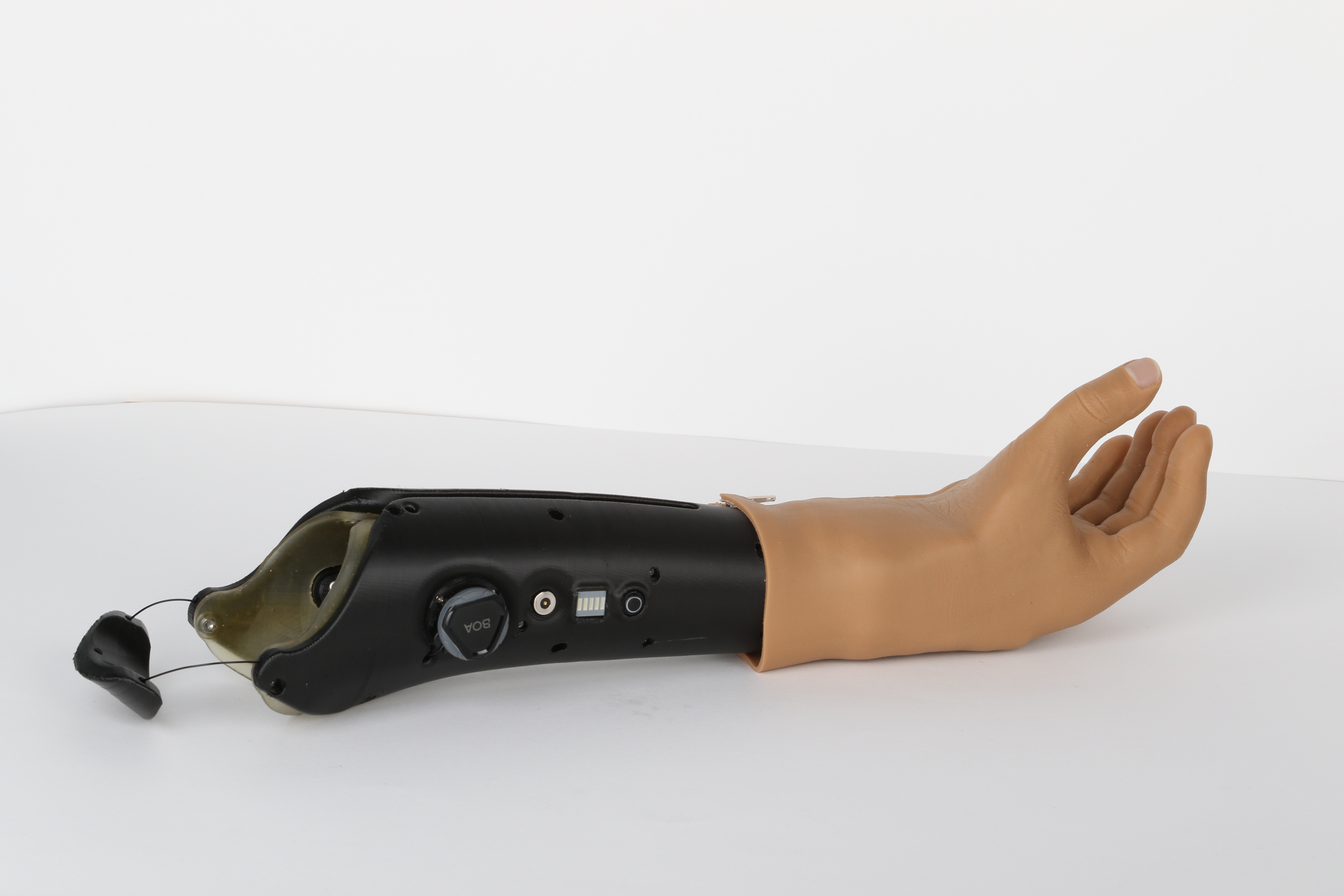
Cure Bionics develops smart, lightweight, and customizable bionic prosthetic arms enhanced with 3D printing and AI. The solution includes:
- Myoelectric control for intuitive hand movement,
- Adjustable 3D-printed sockets,
- A mobile app with real-time EMG feedback,
- Gamified rehabilitation using AR/VR for children.
How we built it
We started by 3D printing early prototypes and testing different EMG sensors to capture muscle signals. We then developed:
- Custom electronics and firmware for signal processing,
- A mobile app (Flutter + Unity + BLE) for real-time training and feedback,
- A Unity-based gamified interface to motivate rehabilitation,
- An adjustable, modular socket design tailored using 3D scans.
Challenges we ran into
- Ensuring signal accuracy and minimizing noise from low-cost EMG sensors,
- Designing a socket that is both durable and adjustable for growing children,
- Balancing affordability with quality components,
- Navigating the complex regulatory landscape for medical devices,
- Managing field testing remotely during the COVID-19 pandemic.
Accomplishments that we're proud of
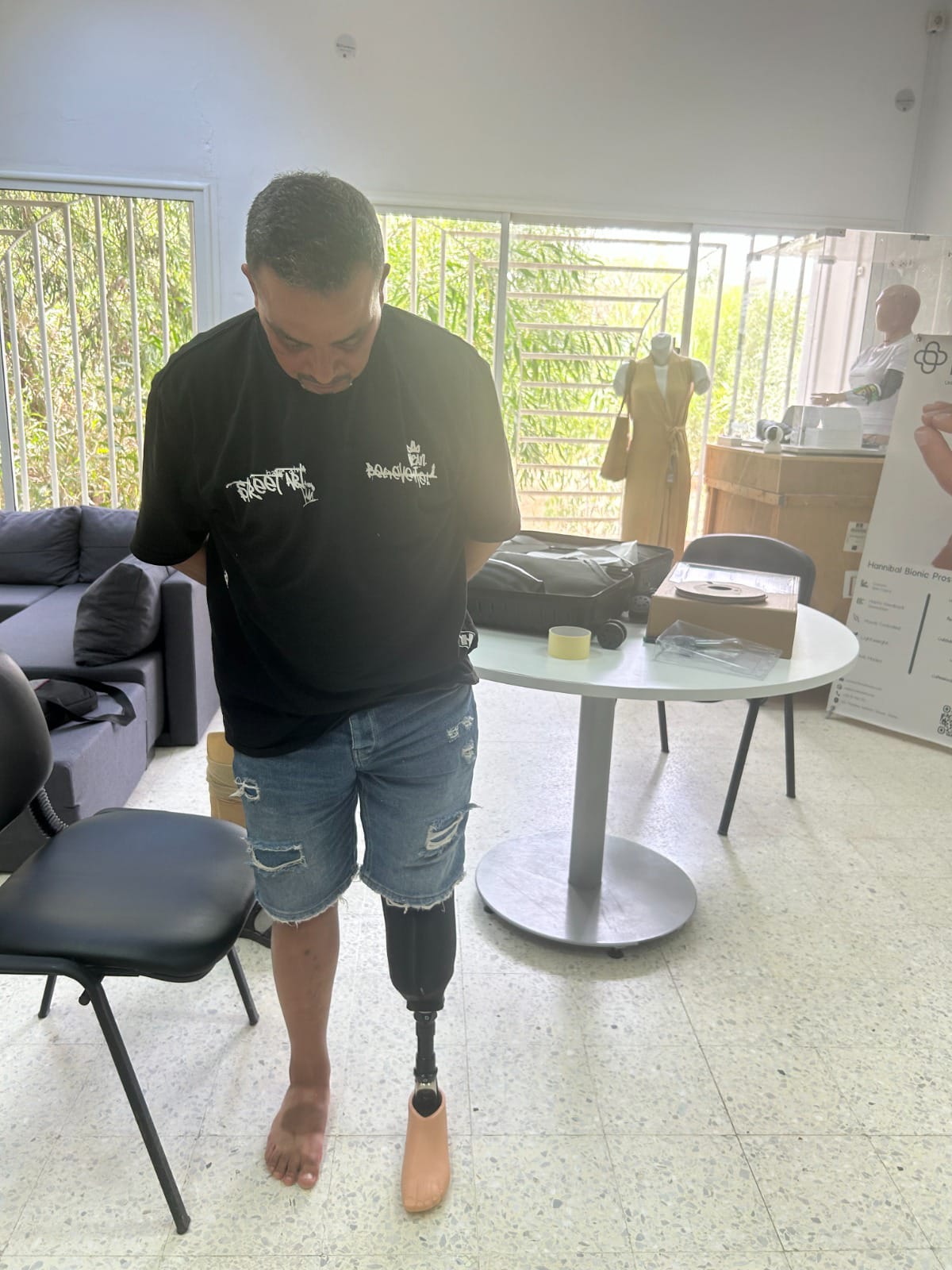
- Successfully fitted children and adults with our prosthetics,
- Integrated real-time feedback and gamified rehab into our mobile app,
- Partnered with hospitals and NGOs for pilot programs,
- Gained CE certification and audited for ISO 13485 compliance,
- Created jobs for persons with disabilities within our team.
What we learned
We learned that technological innovation must be inclusive and deeply connected to real human needs. Collaboration with users, clinicians, and researchers was key. We also learned the value of combining empathy, iterative design, and data to build life-changing solutions.
What's next for Cure Bionics
- Expanding operations across Africa and the Middle East,
- Launching a subscription-based leasing model to improve affordability,
- Developing lower limb prosthetics and enhanced socket-fitting AI tools,
- Opening local 3D printing hubs for decentralized manufacturing,
- Scaling our rehab platform to integrate more immersive experiences.


Log in or sign up for Devpost to join the conversation.