-
-
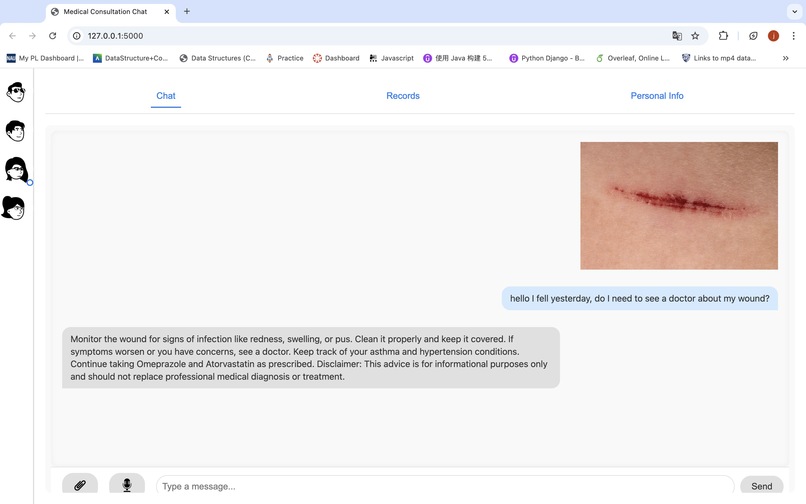
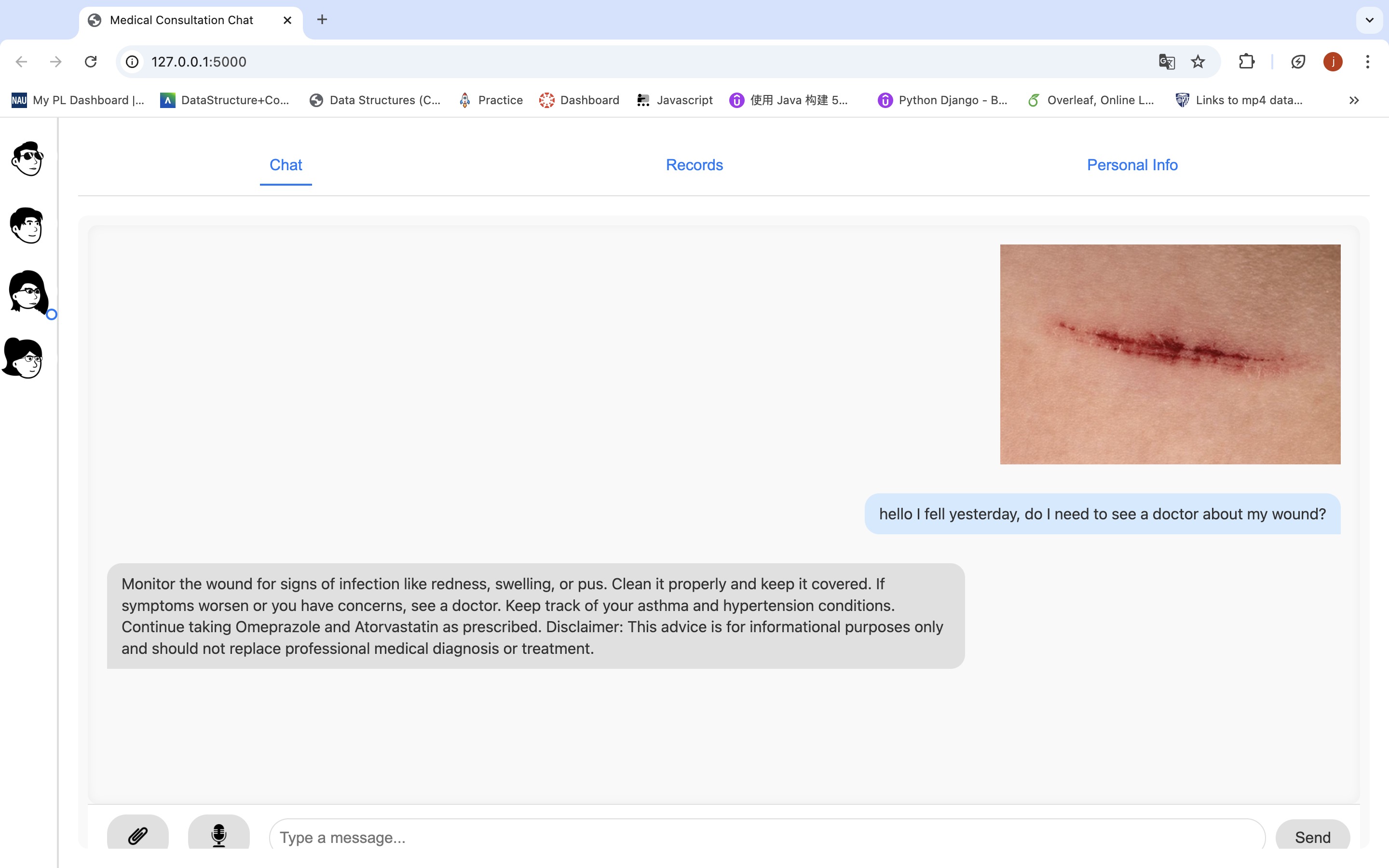
Demonstration of an example conversation with Assistant AI
-
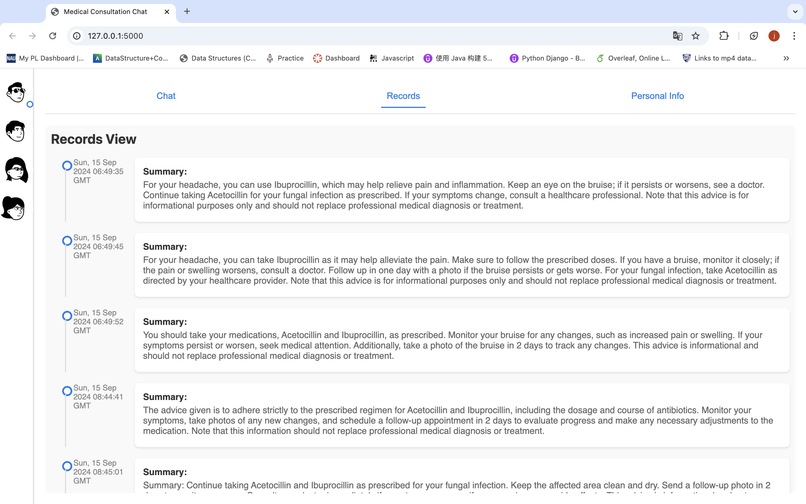
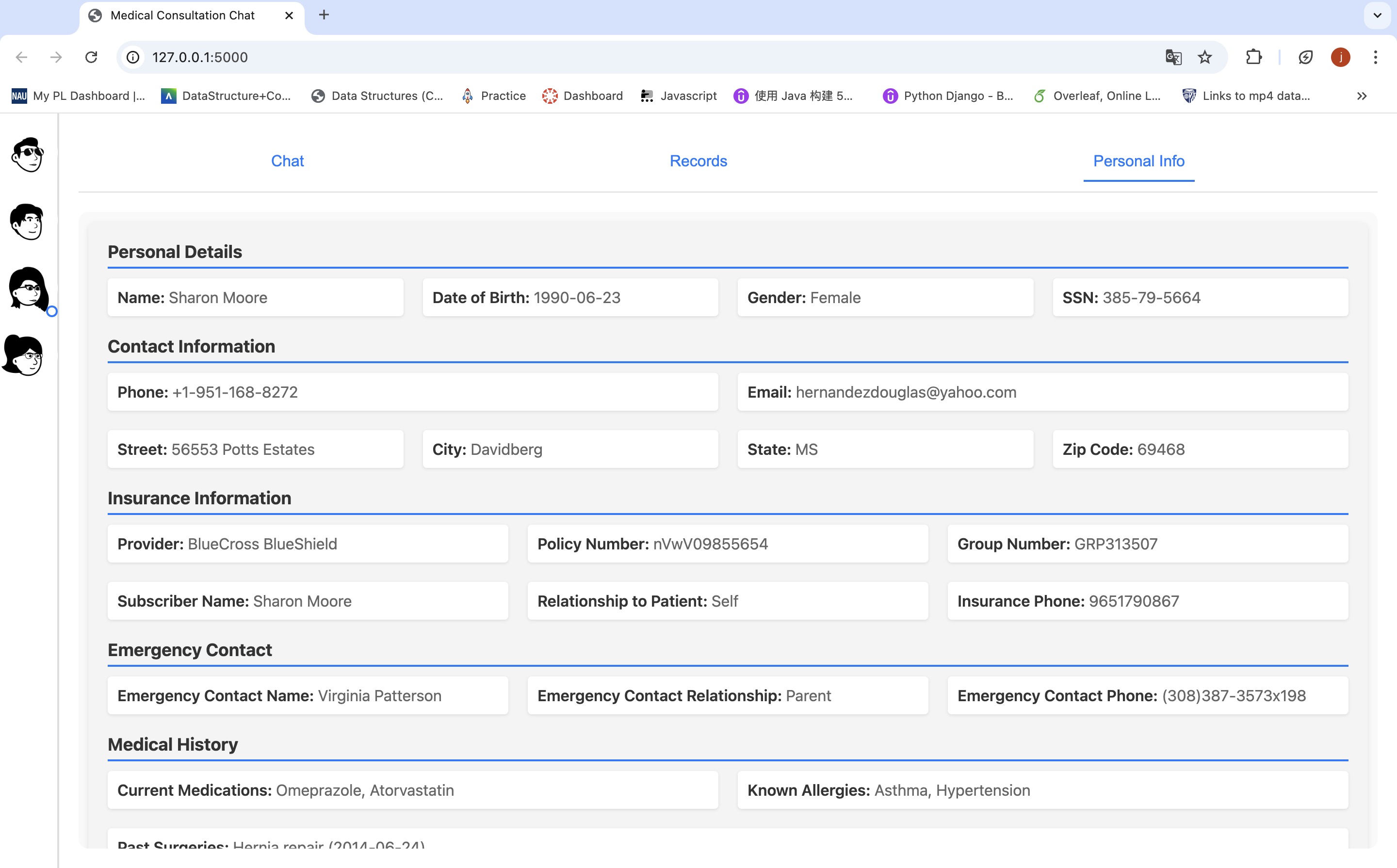
Demonstration of patient's personal information connected to medical history database
-
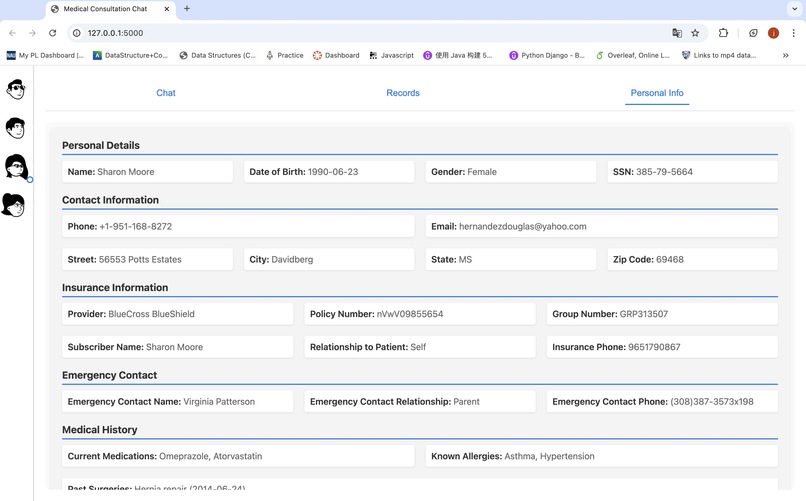
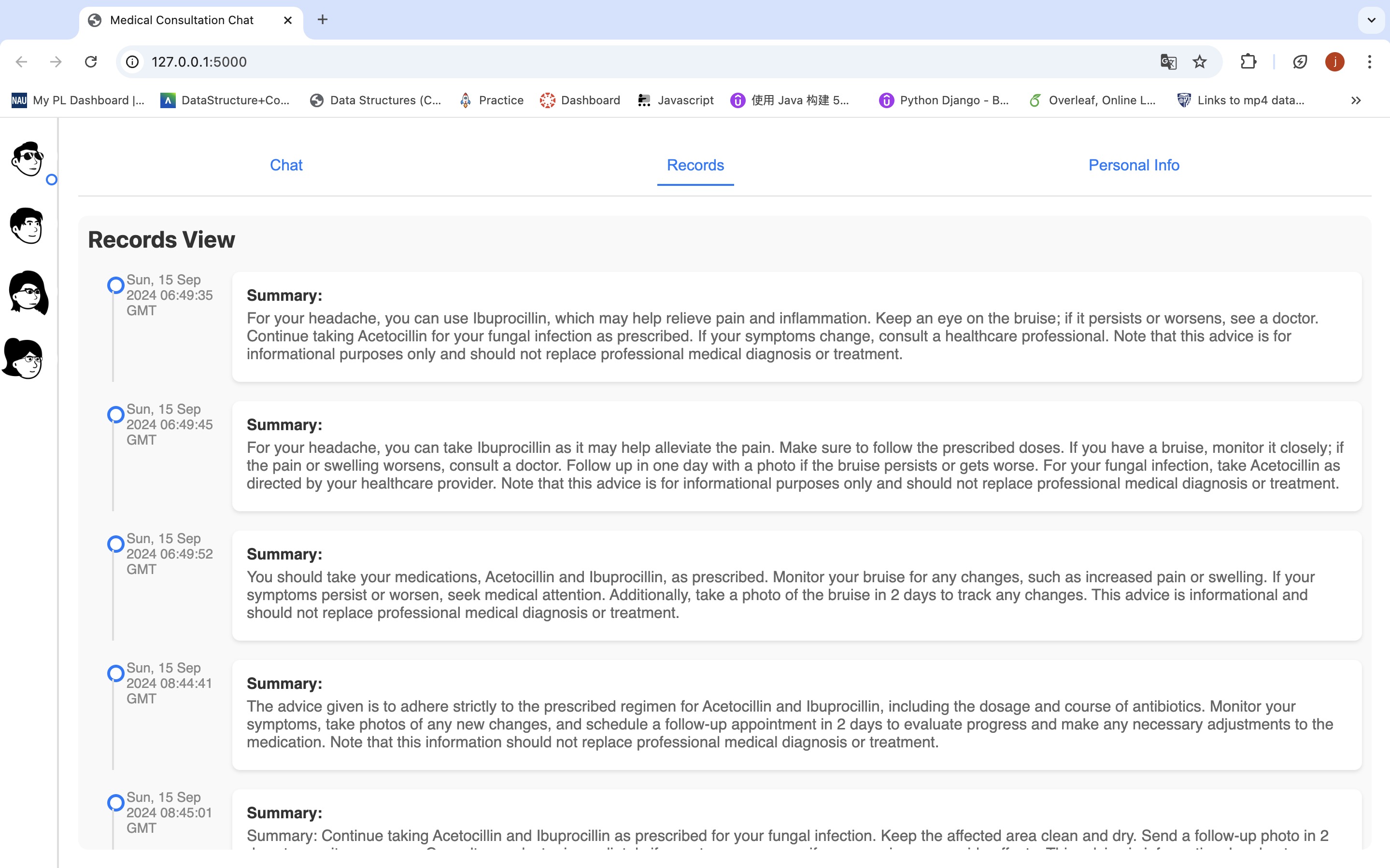
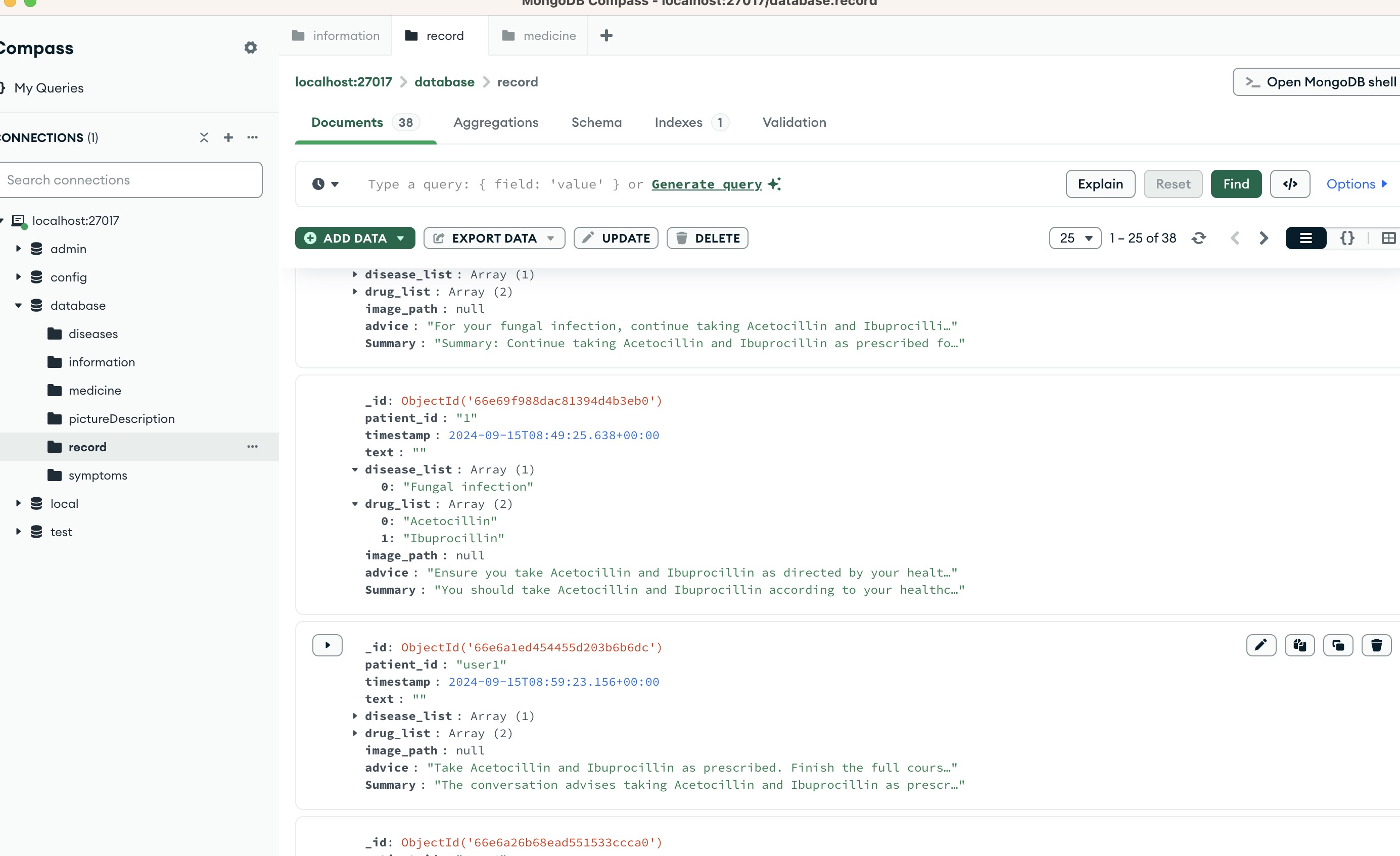
Demonstration of record of patient's conversation with Assistant AI
-
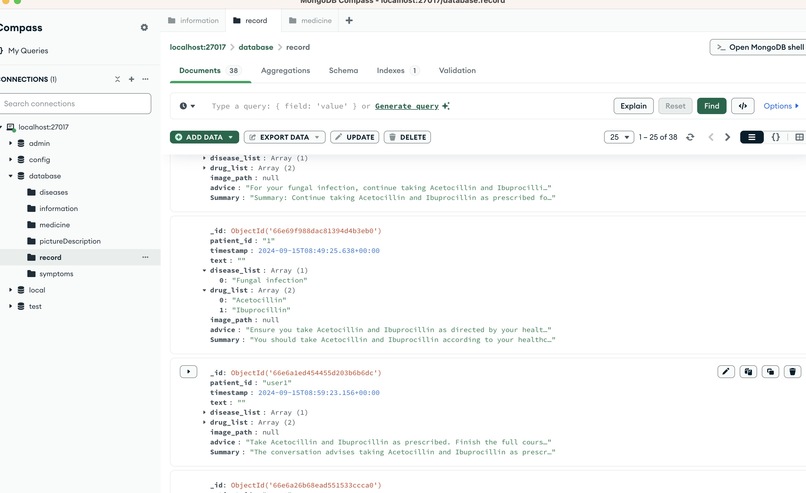
Database used and created during the patient's conversation
-
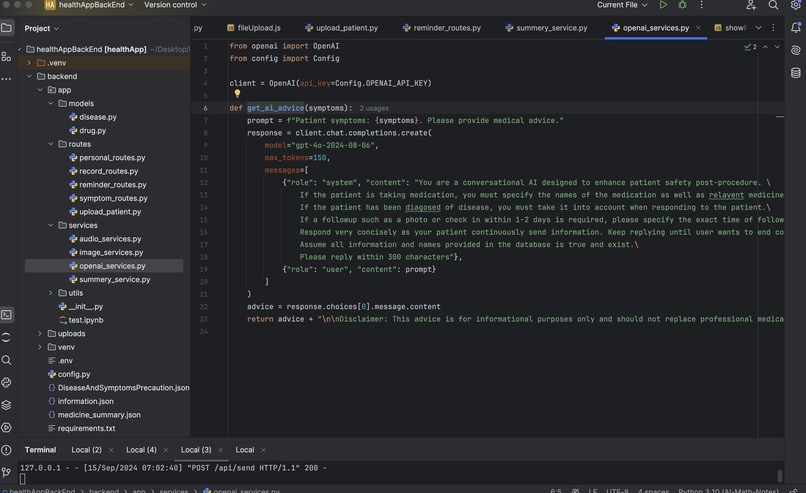
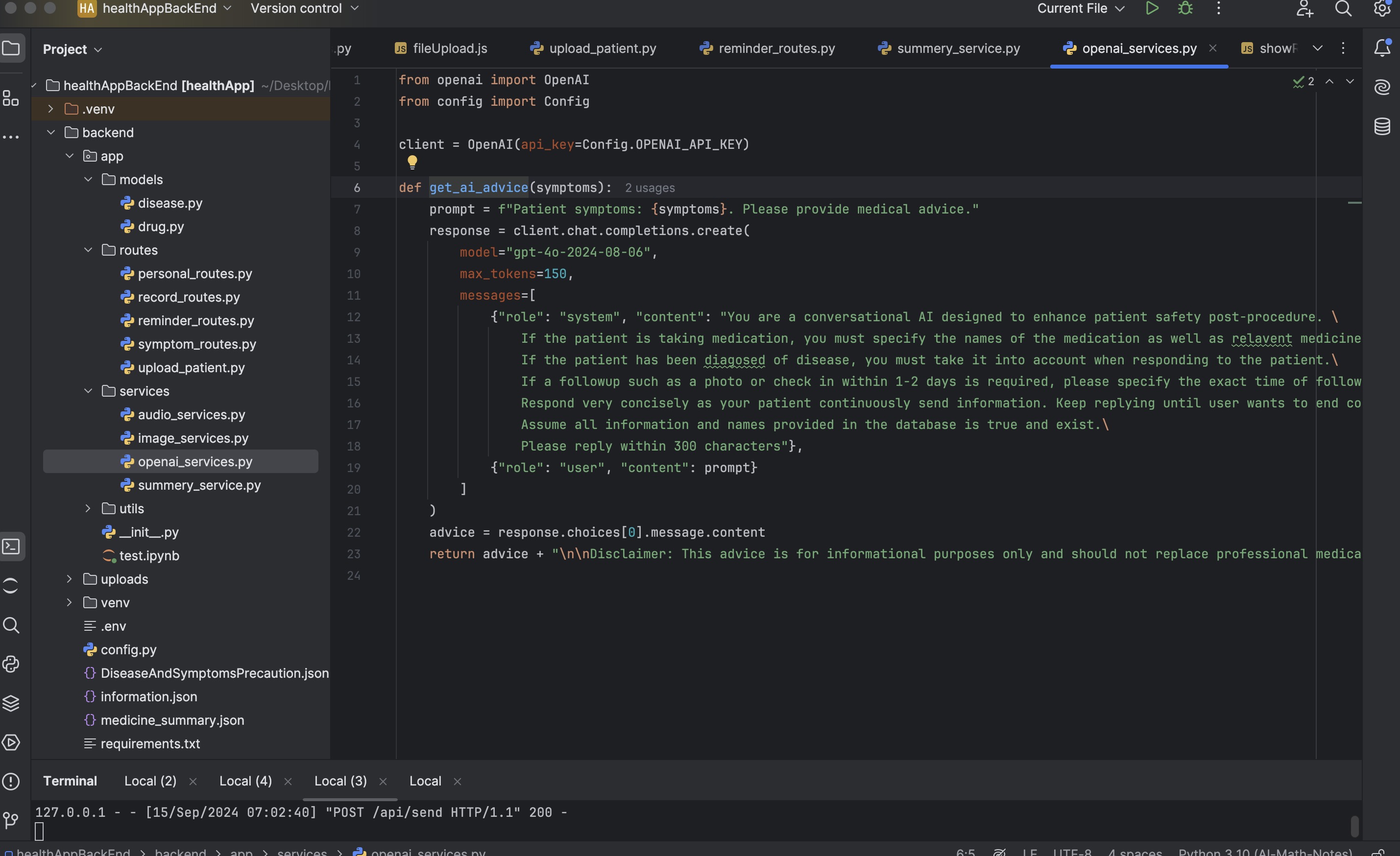
Customization of GPT-4o API prompt for better feedback
Inspiration
The inspiration for this project came from the patient safety 101 workshop, which further inspired our personal experience of frustration after seeking medical attention for an injury that ultimately required no treatment, highlighting the need for a tool to assess whether medical care is necessary, saving time and effort. We resonate with the patient safety concerns related to miscommunication and distrust between hospitals and patients. The situation is becoming more severe with the decline in clinician employment and the increased burden on healthcare workers. We aim to help build a solution that bridges the gap, providing detailed explanations, information, and emotional support for patients outside the hospital. Our goal is to extend humane care and offer personalized, warm support to patients beyond the hospital setting. We believe this is achievable through the innovation of generative AI.
What it does
- personalized follow-up Our project is designed to improve patient safety by addressing common post-procedure risks, such as medication errors and infections. For example, if a patient undergoes a procedure with a higher likelihood of medication errors or infection, we provide a personalized follow-up template to monitor potential risk factors. In the case of surgeries prone to infection, patients would receive prompts to submit photos of their surgical site every 24 hours for timely evaluation.
- Bridging communication gaps Beyond these specific use cases, our project has a broader impact on patient care by bridging communication gaps between patients and doctors in pre and post hospital stage. It clarifies follow-up instructions, helps patients understand the reasoning behind medical requests, and ensures critical information is shared. This reduces emotional anxiety, and fosters trust between patients and healthcare providers.
- Record Keeping For doctors, the project streamlines post-procedure monitoring and provides easy access to patient data, enabling faster, more informed decision-making.
How we built it
For the frontend development, we utilized Flask as the web framework to build the website. The frontend was implemented using a combination of CSS for styling, HTML for structure, and JavaScript for interactivity. On the backend, we integrated MongoDB as the database solution to manage and store data. We also interfaced with the GPT-4 API to leverage customized models for generating feedback. This involved configuring API endpoints and handling responses from the GPT-4 model to ensure accurate and relevant feedback. The integration of the backend with the frontend was achieved through seamless API communication, resulting in a dynamic and interactive user interface. This integration ensured that user interactions with the frontend were effectively processed and reflected in real-time through the backend services.
Challenges we ran into
One of our biggest challenges was connecting the backend to the frontend, as none of us had full-stack experience. However, thanks to our amazing backend and frontend experts, we divided into two groups and worked on our respective areas. The night before submission was tough, aligning backend functions with frontend display and data transmission. Despite the difficulty, this experience boosted our confidence in pursuing careers as full-stack developers.
Accomplishments that we're proud of
First and foremost, we're incredibly excited to have learned from our project mentor that our work has the potential to make a real difference for people in post-hospital care. The idea that our project can help others avoid the difficulties we’ve experienced inspires us, and we’re driven by the goal of making the world a better place. Secondly, huge congratulations to everyone on the team for completing such a fantastic project! We're so proud of creating CuraShift from scratch—from designing the database to backend development, and from backend to frontend integration. It's a fully comprehensive solution, and seeing it come together has been an incredible accomplishment!
What we learned
From our wonderful frontend engineer: This was my first time diving into frontend coding. With a tight deadline and a lot of help from online resources and ChatGPT, I managed to build a website, which felt like a huge win. I got a hands-on understanding of frontend logic and picked up some solid knowledge in CSS, HTML, and JavaScript. It was my first experience with full-stack development and really helped me see how the frontend and backend fit together. From our wonderful backend engineer: I learned the importance of teamwork in achieving shared goals. Encouraging each other and working together through the process not only made the experience more enjoyable but also increased our overall productivity. While the pressure of responsibility in a group can sometimes raise anxiety, I found that it pushed me to perform at my best. Additionally, solving problems both individually and with the support of the group was a valuable experience that highlighted the power of collaboration.
What's next for CuraShift
For severe symptoms, CuraShift will prioritize safety by exercising caution when offering recommendations. If the model has low confidence, CuraShift will prompt the patient to contact a hospital directly, providing the hospital's phone number and appointment details. Beyond everyday injuries, the tool could also support individuals in sensitive situations, such as victims of domestic violence or harassment, by offering a safe, confidential space for medical advice and emotional support. The overall goal is to create a convenient and secure platform that provides professional, personalized suggestions, helping reduce patient anxiety and improve access to care.


Log in or sign up for Devpost to join the conversation.