Inspiration
Canadian emergency departments are overwhelmed. Patients wait hours with no visibility into where they stand, while nurses manually re-collect information that slows everything down. We wanted to build something that made the first 10 minutes of an ED visit faster, smarter, and less stressful for everyone.
What it does
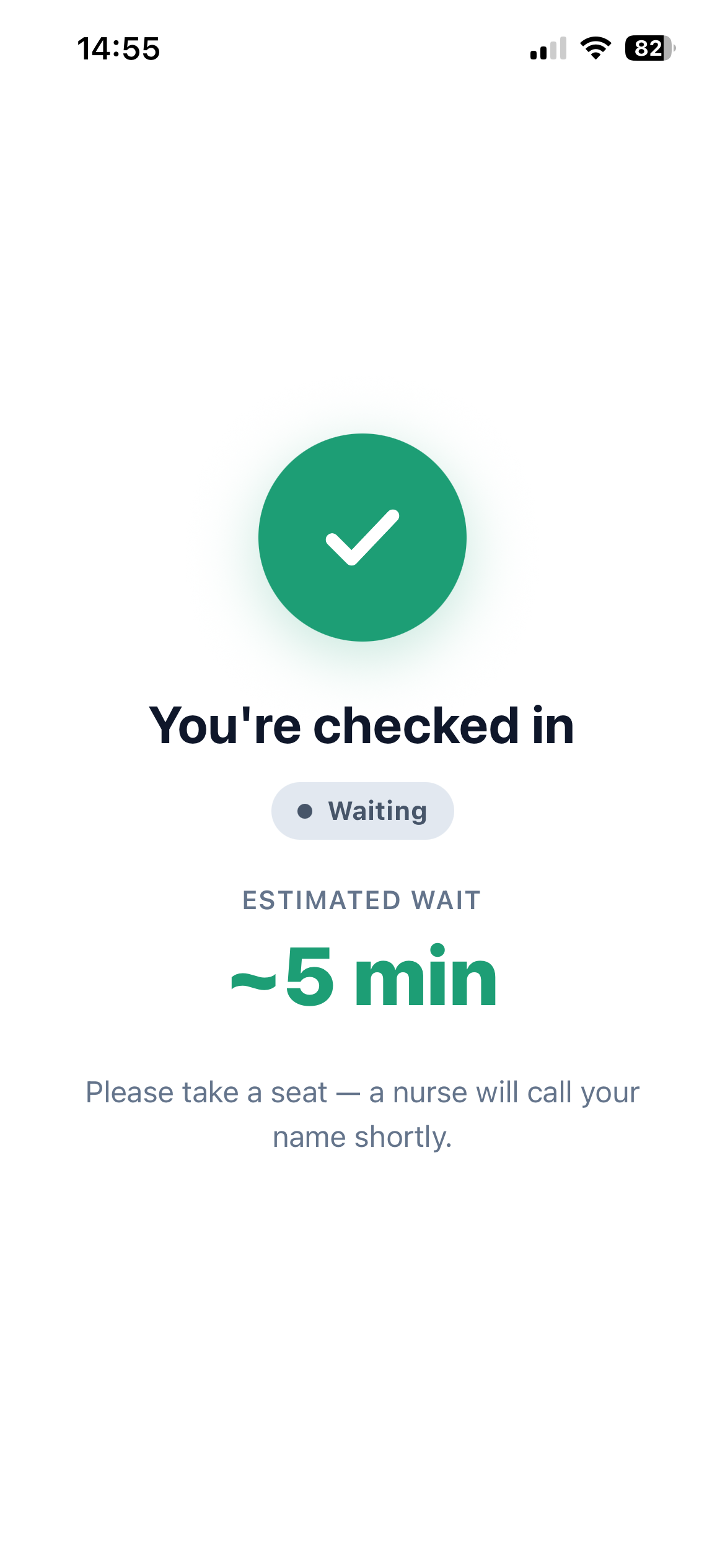
Cura is a hospital triage and check-in platform for hospital emergency departments.
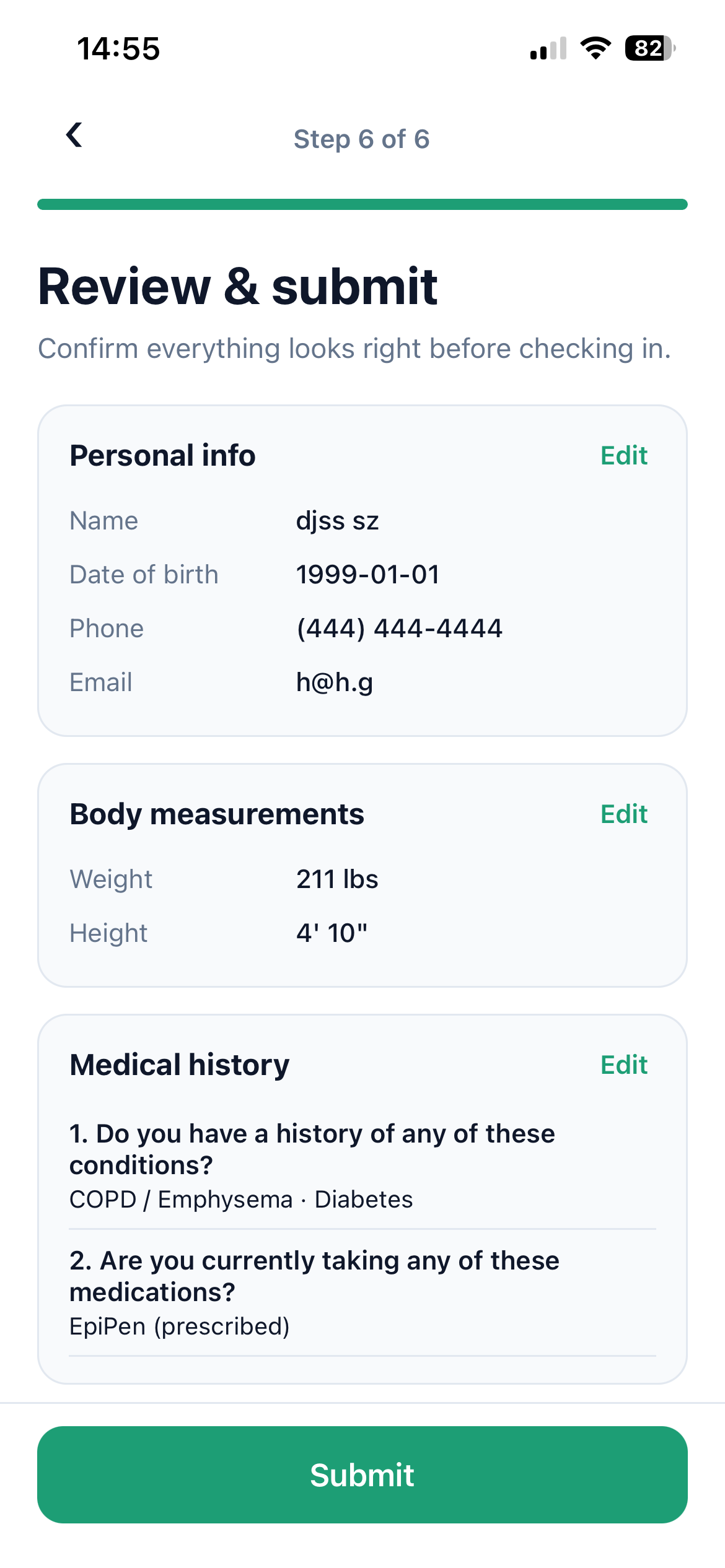
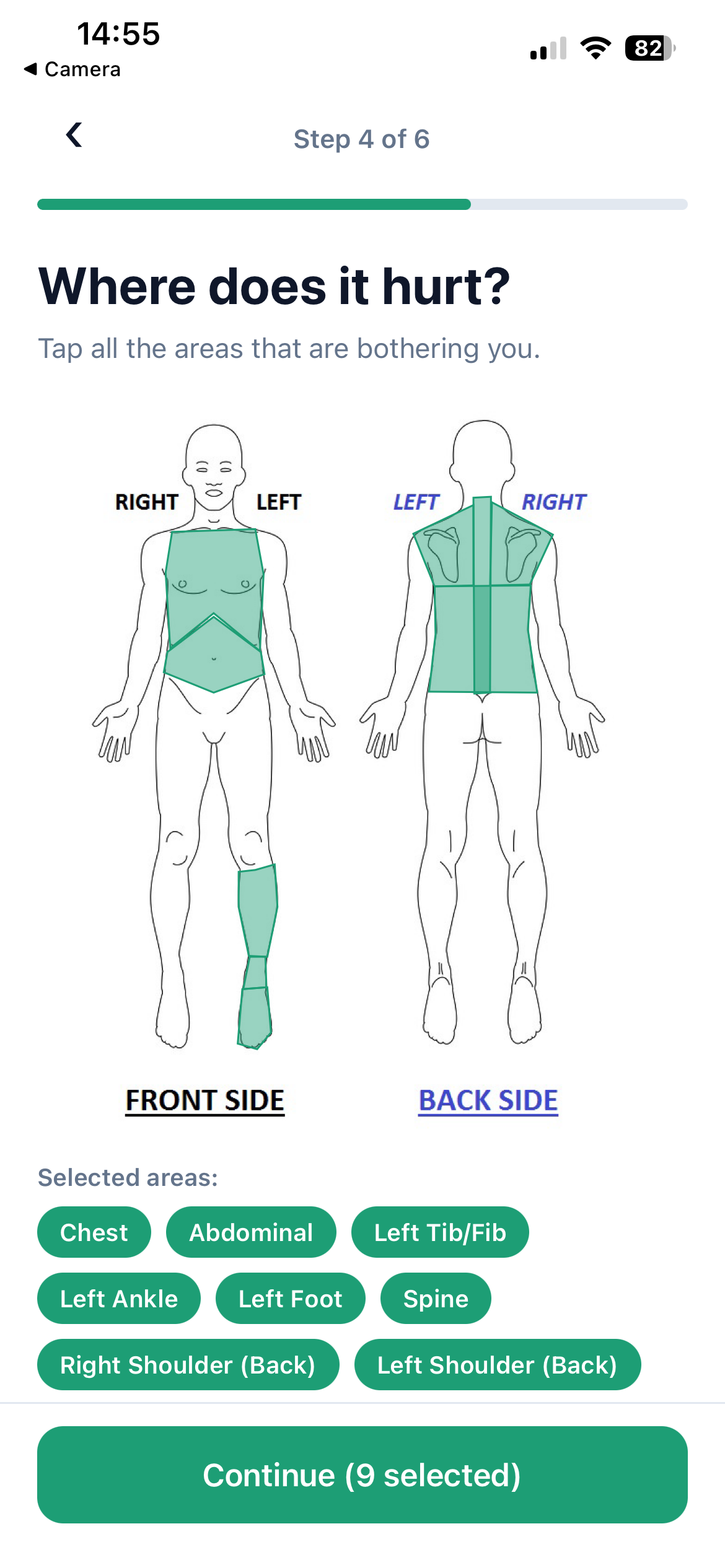
Patients scan or manually enter their OHIP health card, answer a short adaptive symptom questionnaire (branching decision tree, 5-10 questions), and submit. Cura's AI analyzes their responses against the Canadian Triage and Acuity Scale (CTAS) and generates a priority score, probable conditions, and a clinical summary.
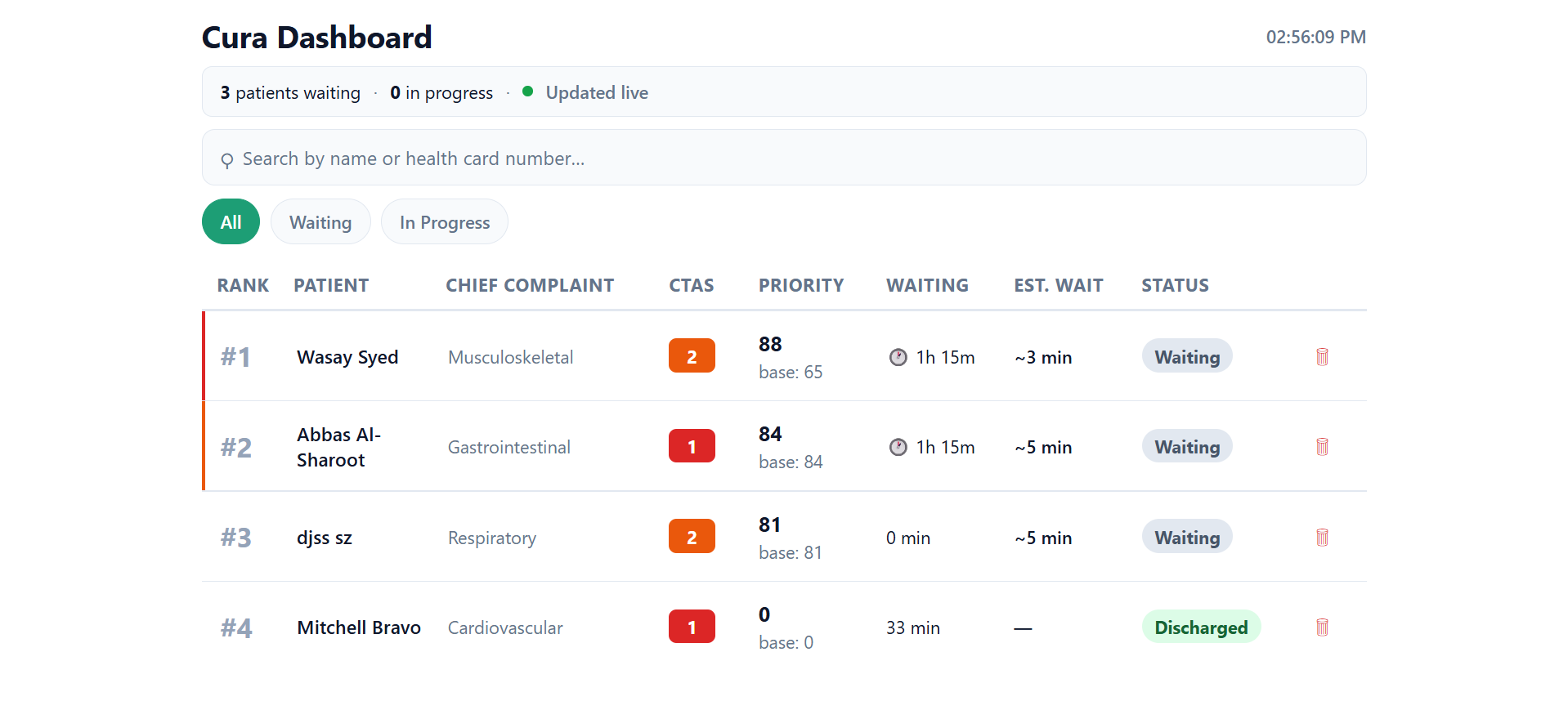
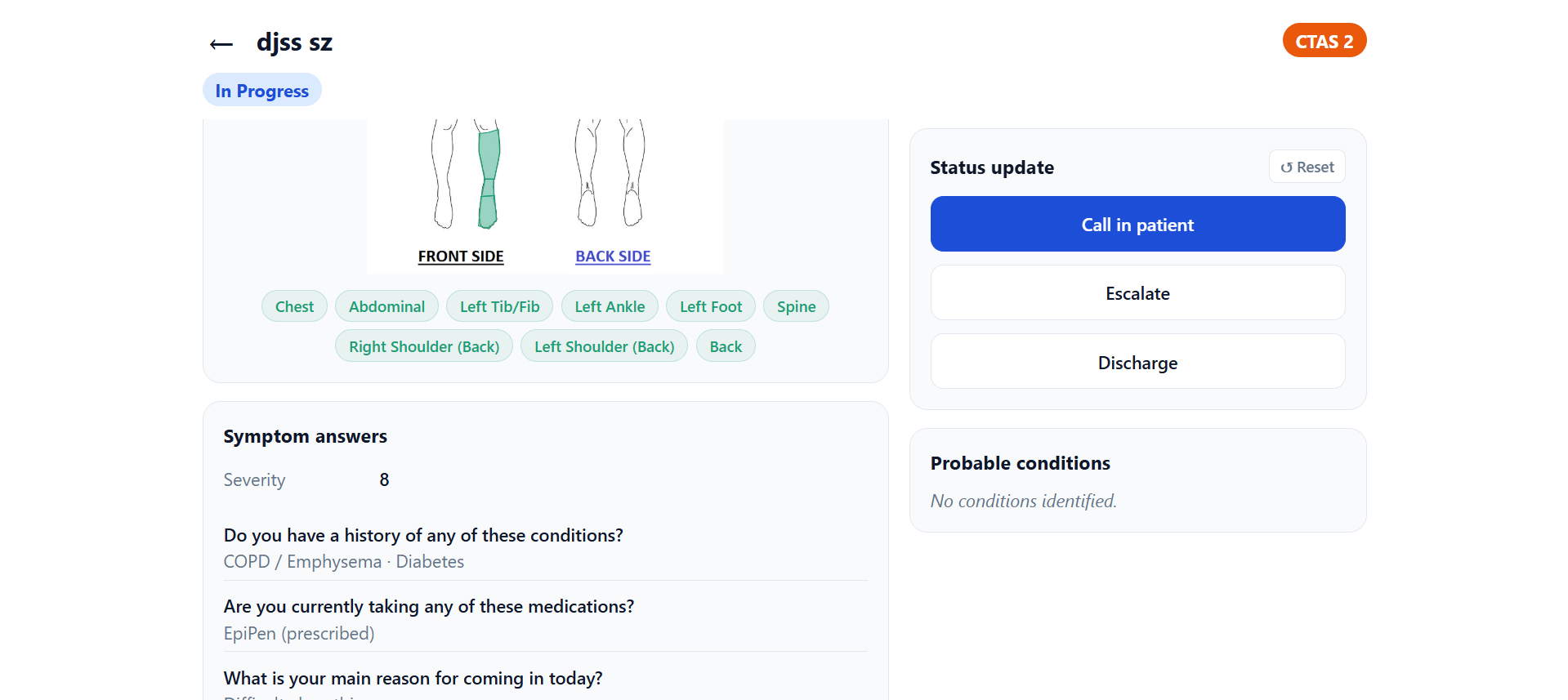
Nurses see a live ranked queue sorted by dynamic priority, which factors in both AI severity score and time already spent waiting so no patient gets stranded. Tapping a patient shows their full clinical summary, symptom answers, and lets the nurse update their status. Doctors get a read-only view with deeper clinical detail.
How we built it
- Frontend: React Native with Expo, expo-router, StyleSheet
- Backend: Supabase (Postgres + Realtime for live queue updates)
- AI: Gemini for triage scoring and clinical summary generation
- OCR: Tesseract.js for health card scanning
- Deployment: Vercel
Challenges we ran into
Getting NativeWind v4 working with Expo Router on web took longer than expected. Building a dynamic priority queue that balances clinical severity against wait time required careful formula tuning. Designing an adaptive symptom intake that felt conversational without an AI call on every question was the core product challenge.
What we learned
Structuring a decision tree in code is more reliable and faster than prompting an AI for each question. Supabase Realtime is genuinely impressive for live queue management. Good UX in a high-stress medical context means fewer taps, bigger targets, and clear visual hierarchy.
What's next for Cura
OHIP database integration for returning patient lookup, voice-based intake for patients with mobility issues, and pilot partnerships with Ontario community hospitals.
Built With
- expo.io
- gemini-ai
- nativewind
- postgresql
- react-native
- supabase
- tesseract.js
- typescript
- vercel


Log in or sign up for Devpost to join the conversation.