-
-
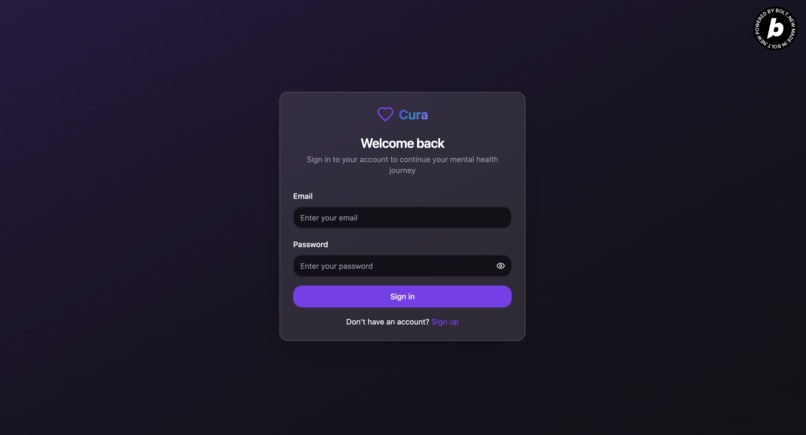
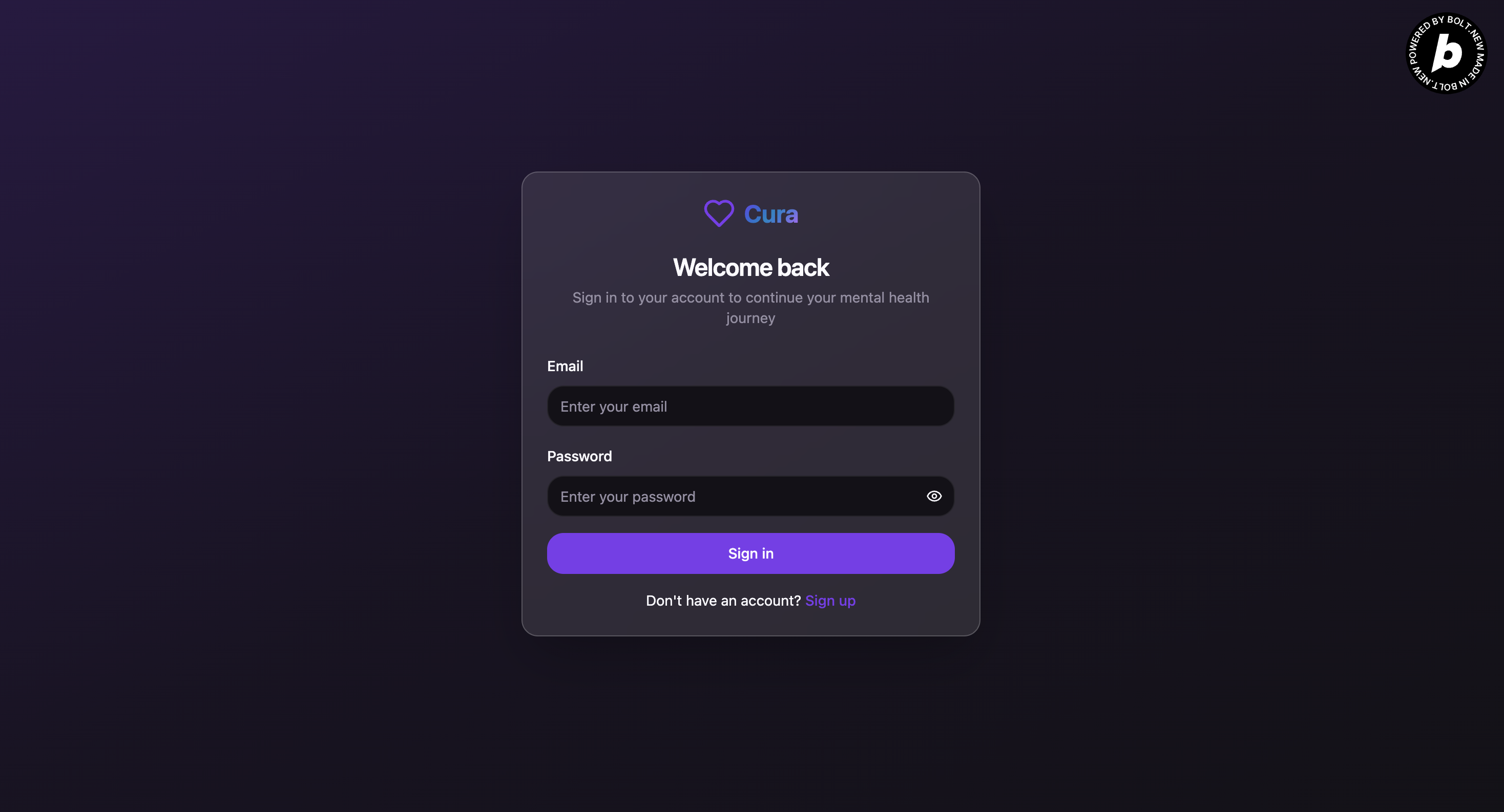
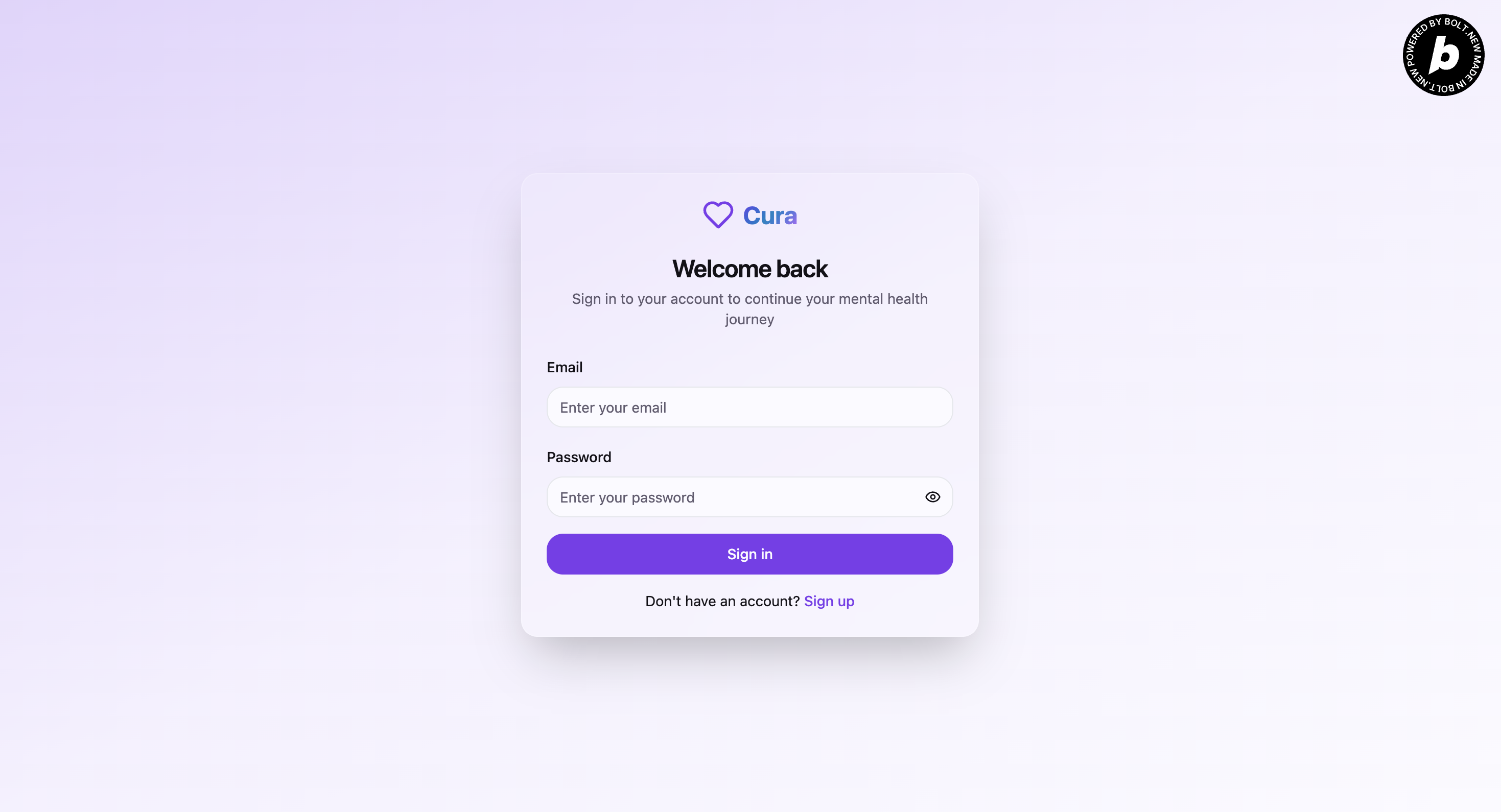
Login Page
-
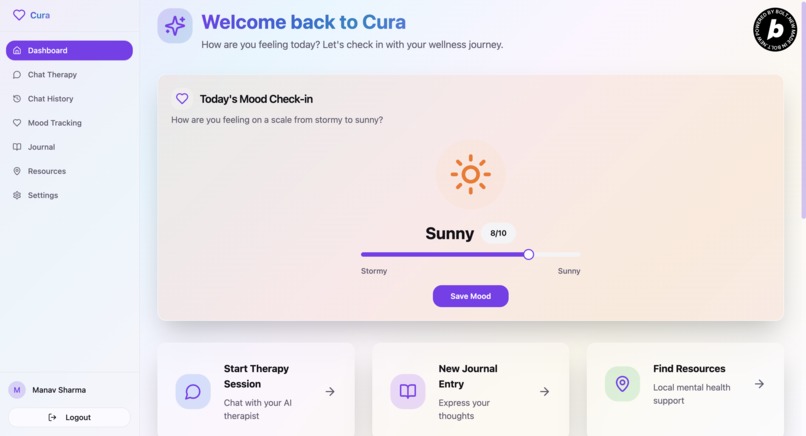
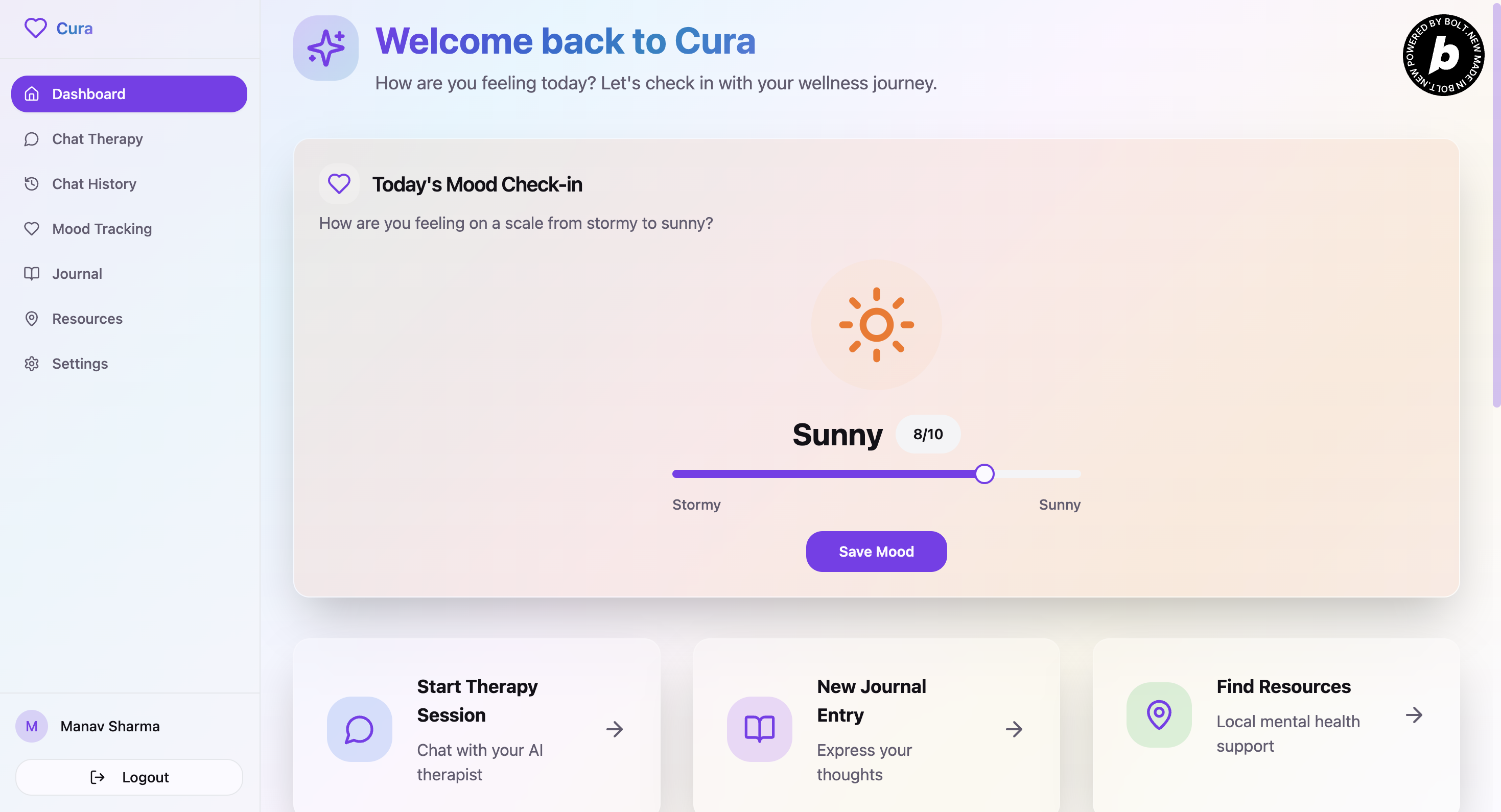
Dashboard
-
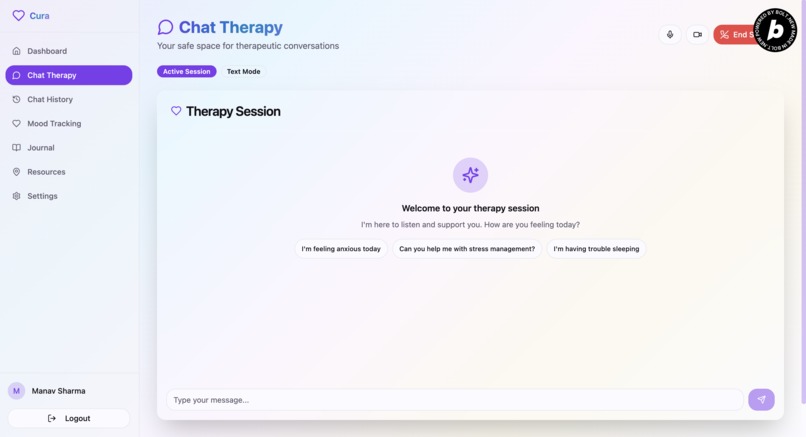
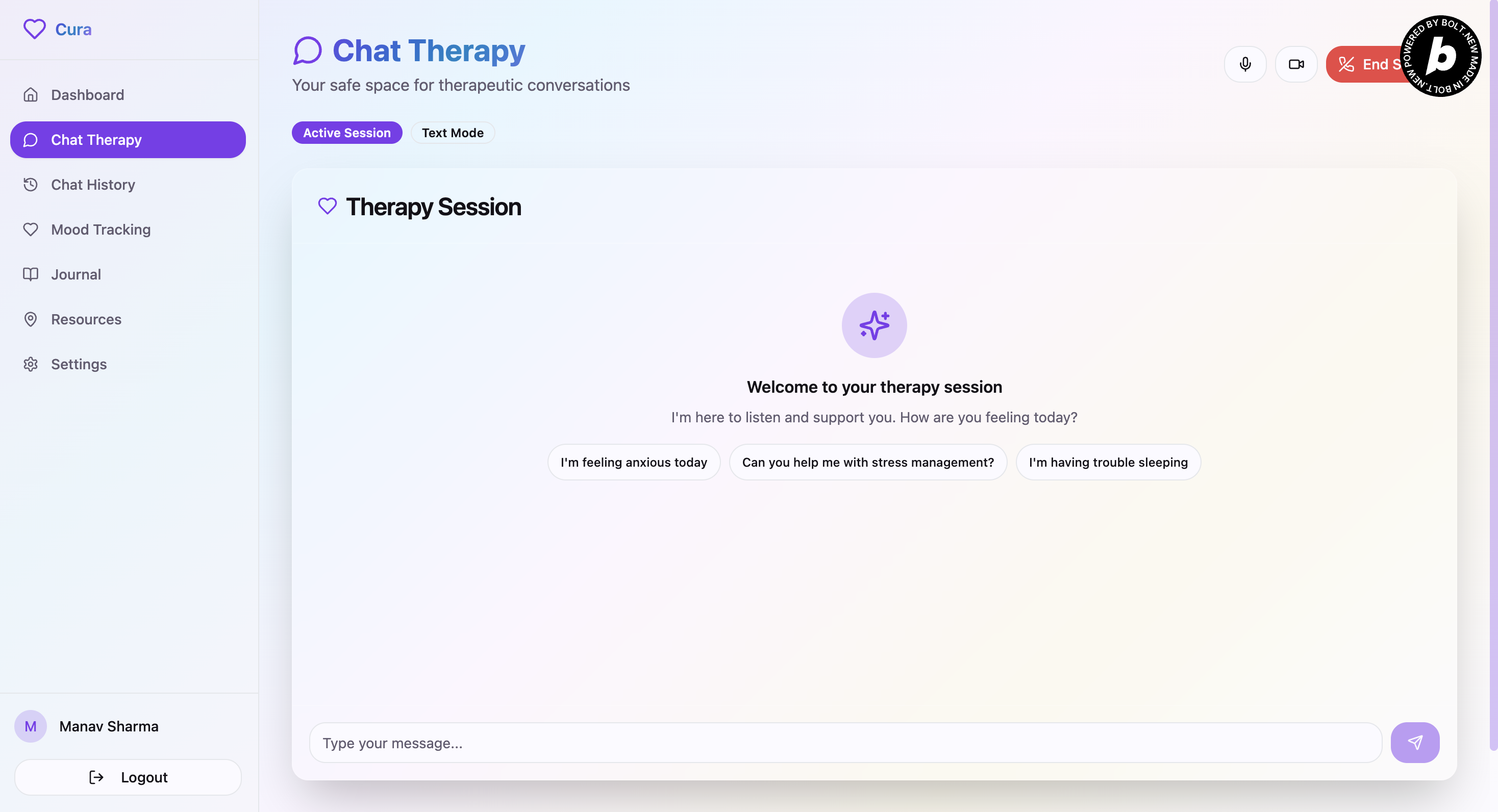
Chat Therapy
-
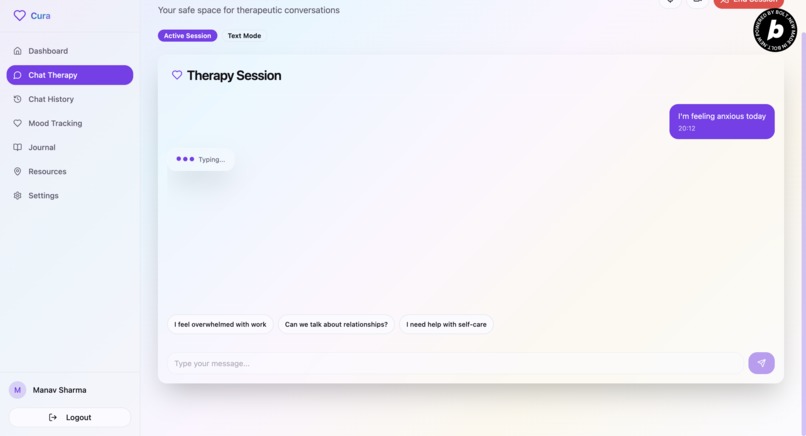
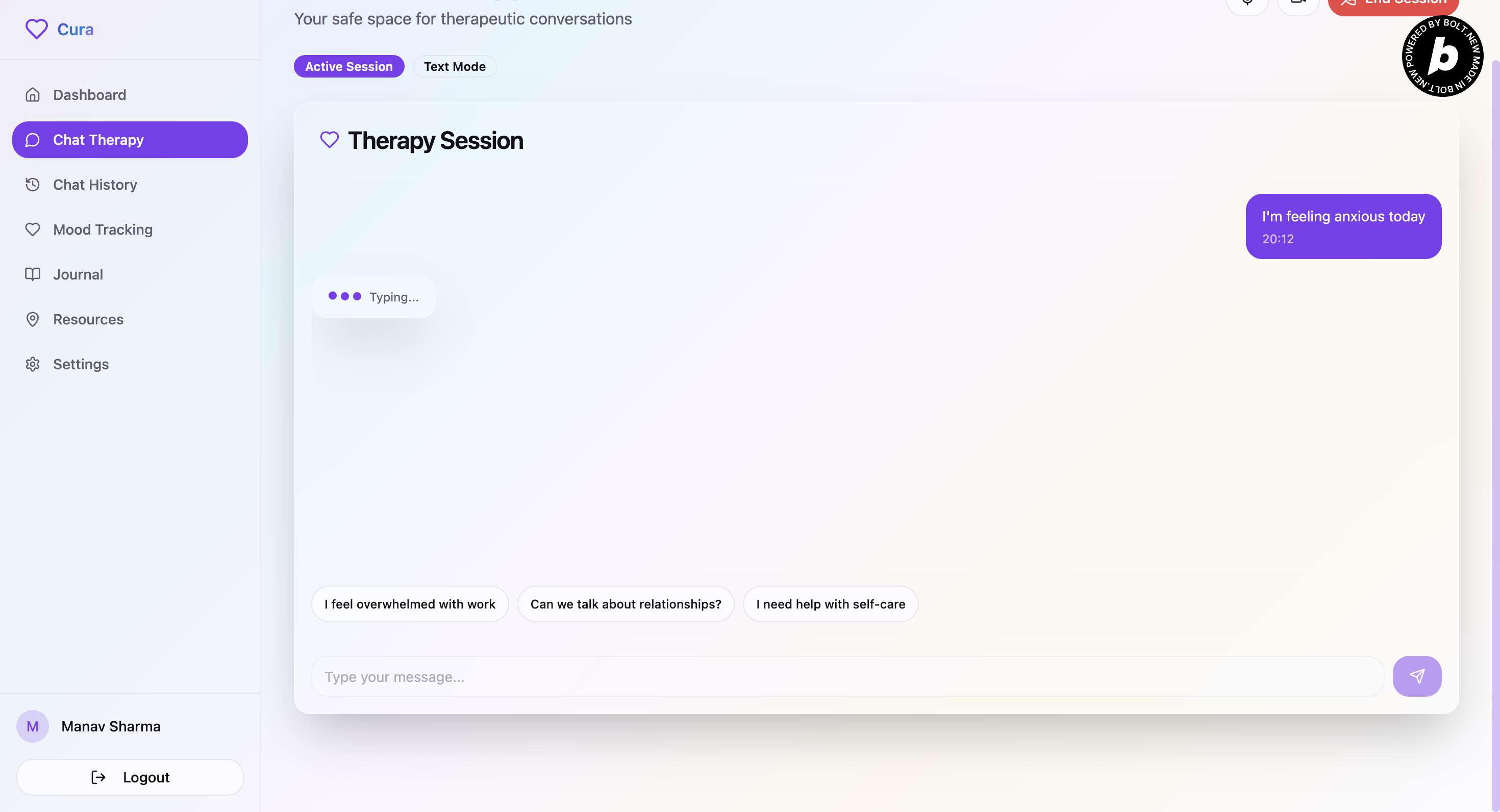
Chat with AI
-
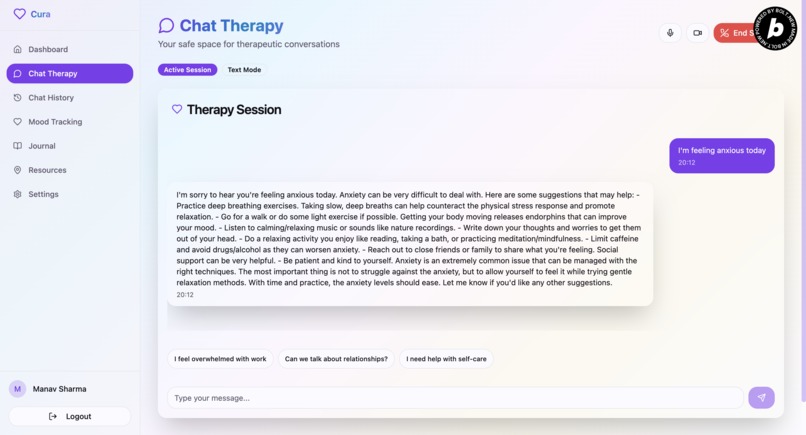
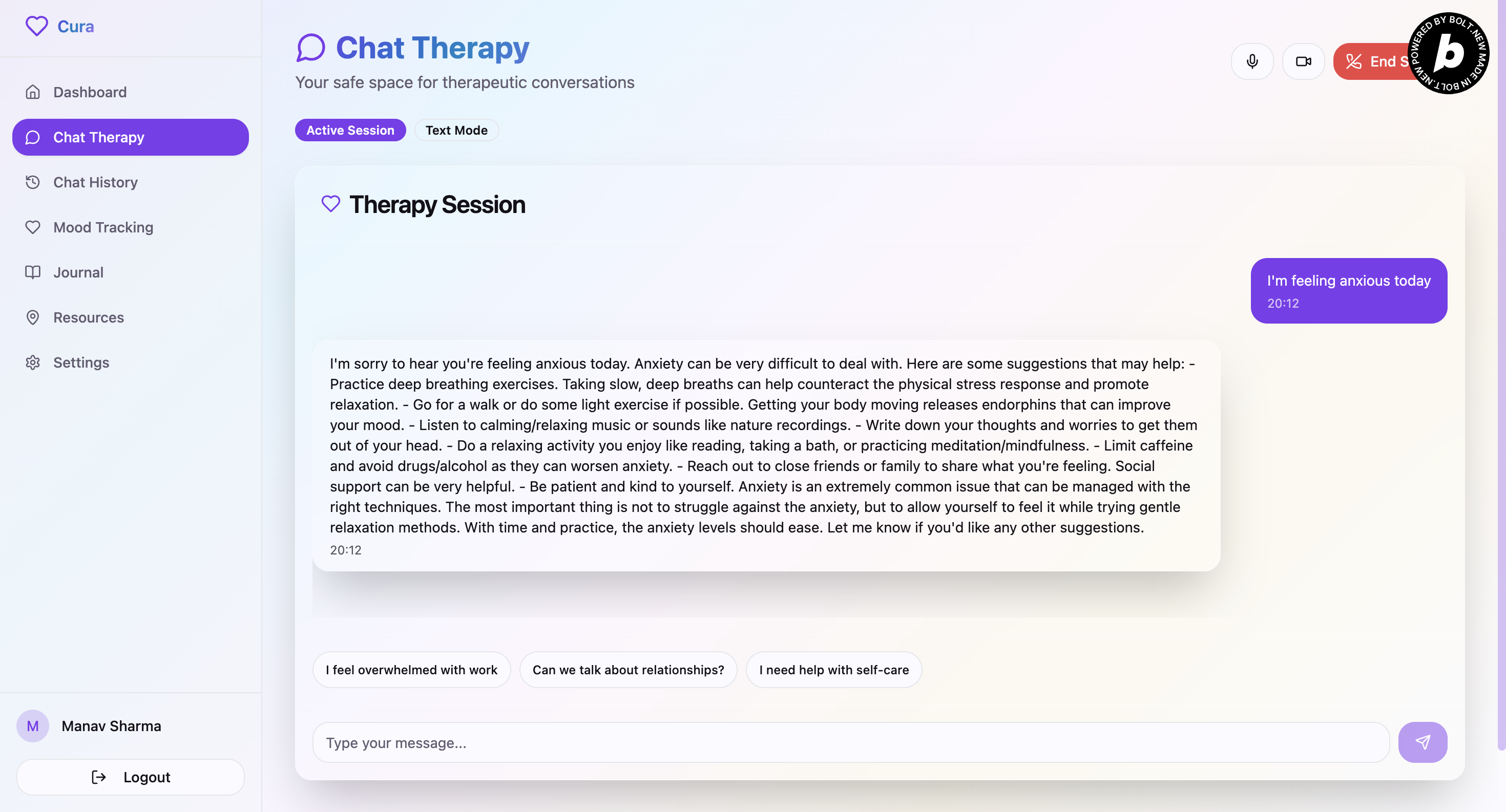
Reply from AI
-
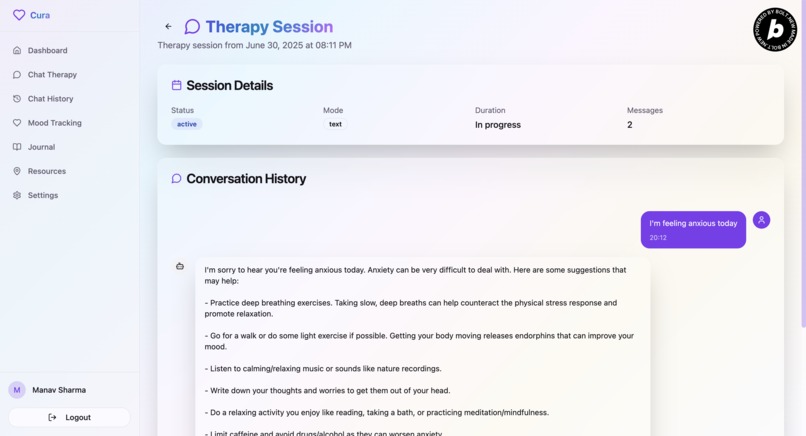
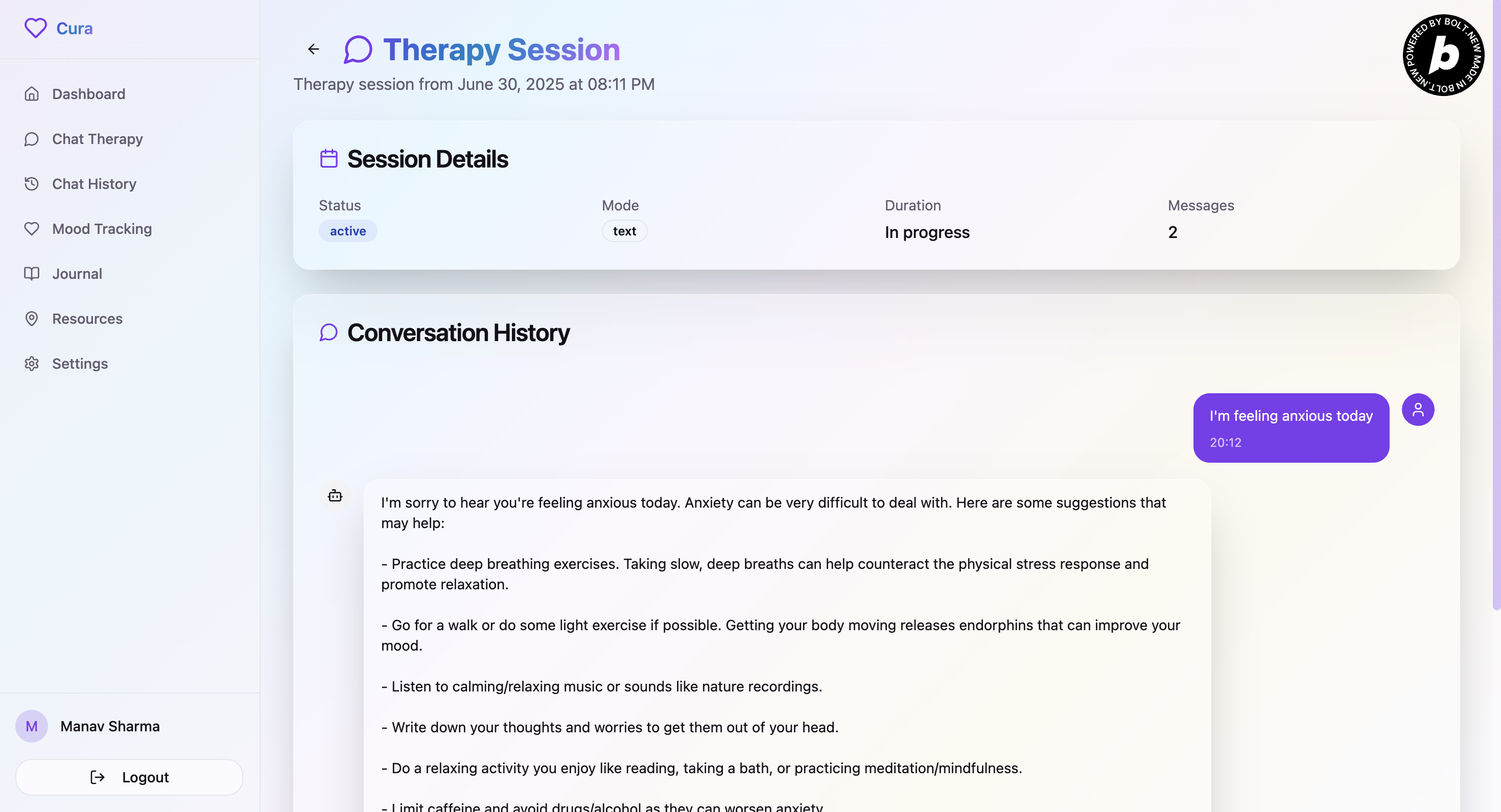
Journal History
-
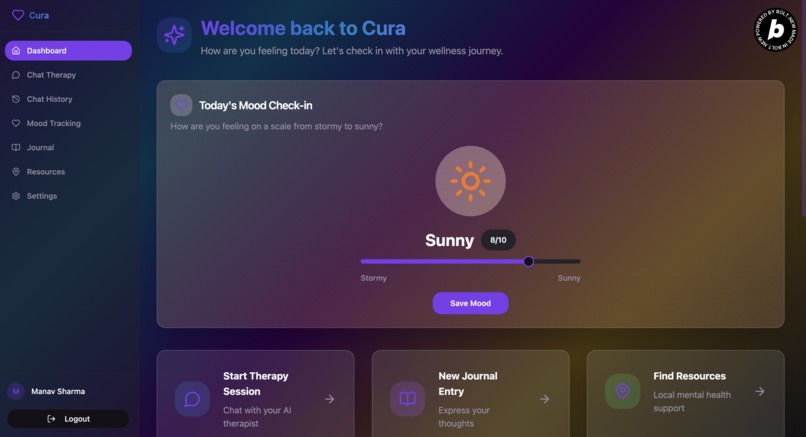
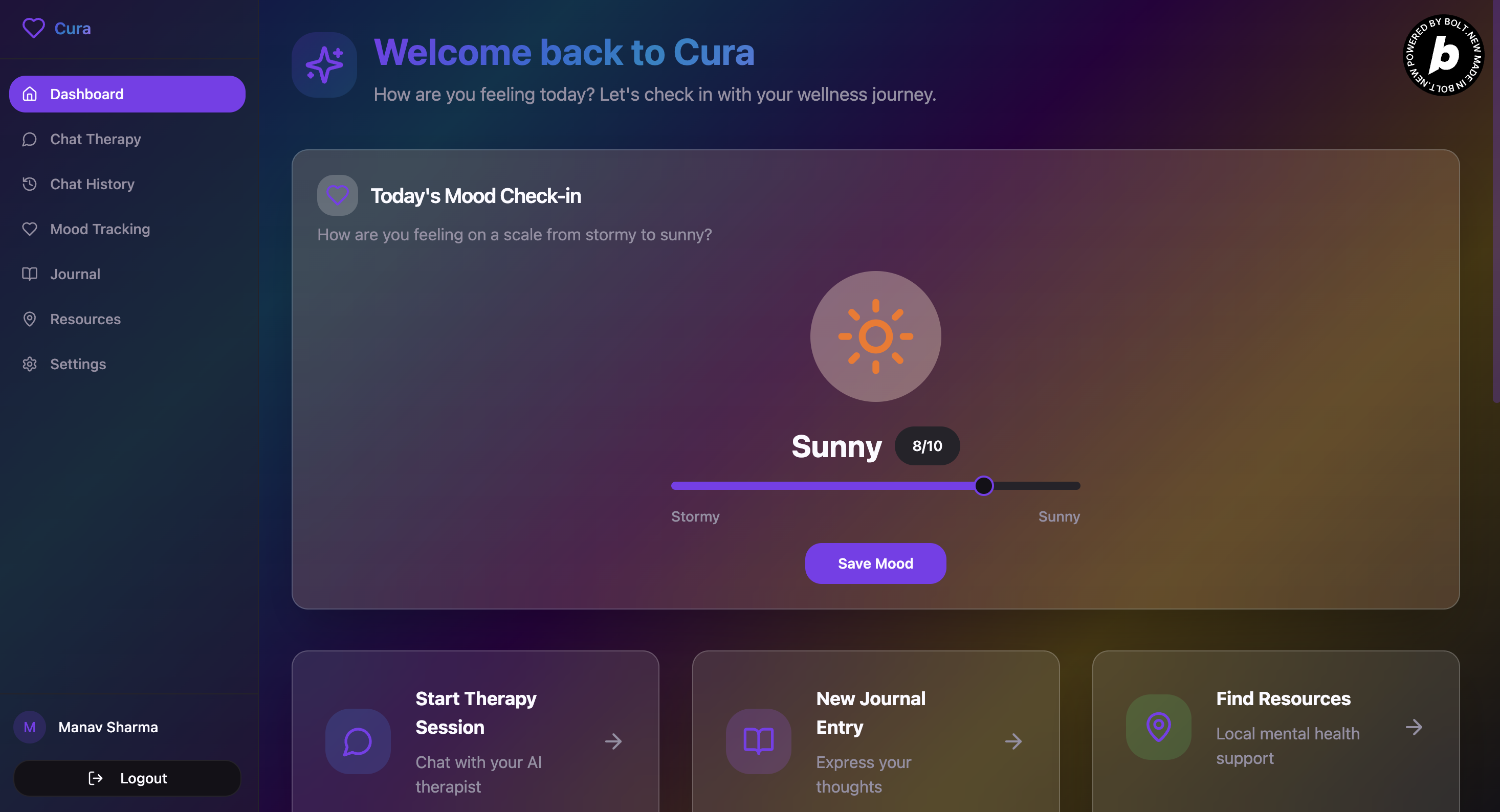
Dashboard in Dark Mode
-
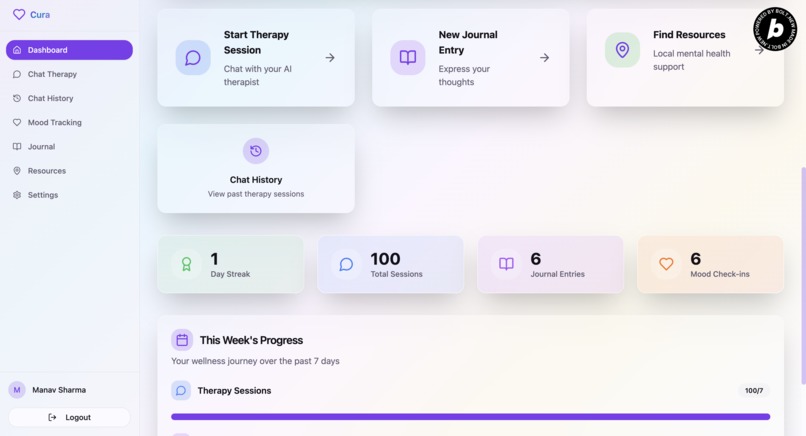
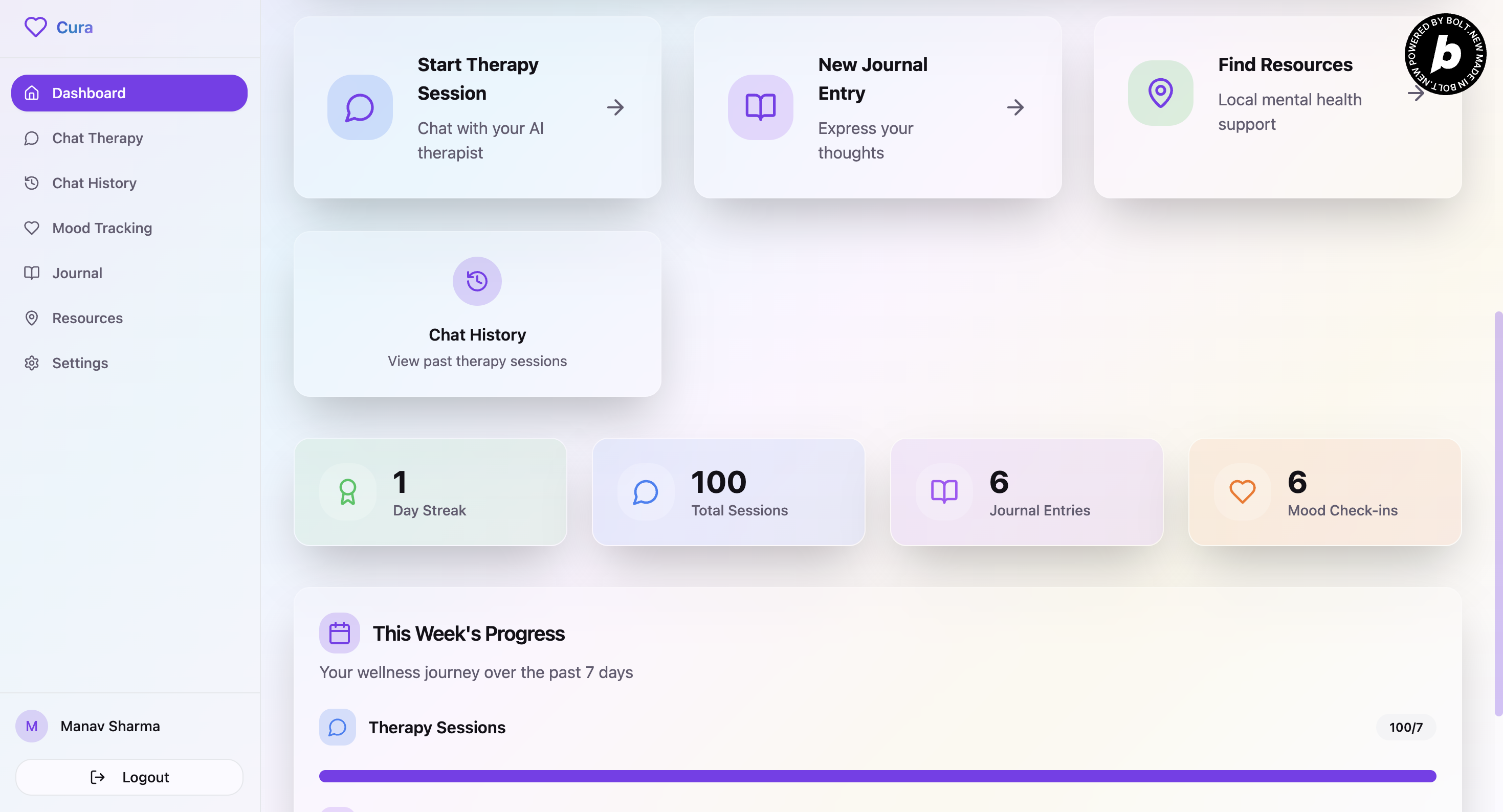
Dashboard
-
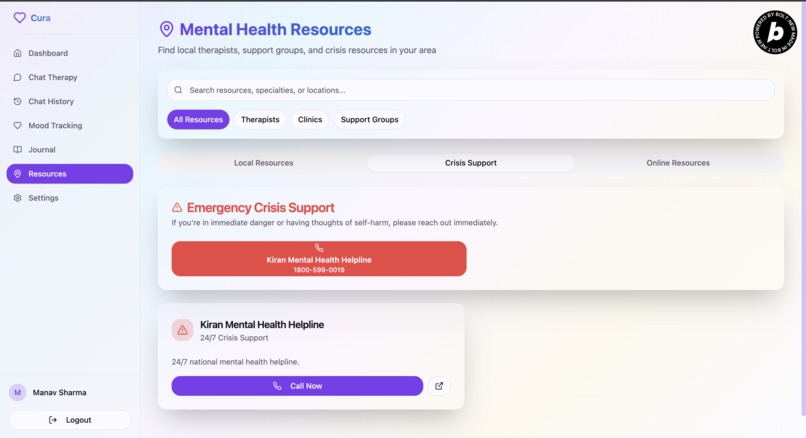
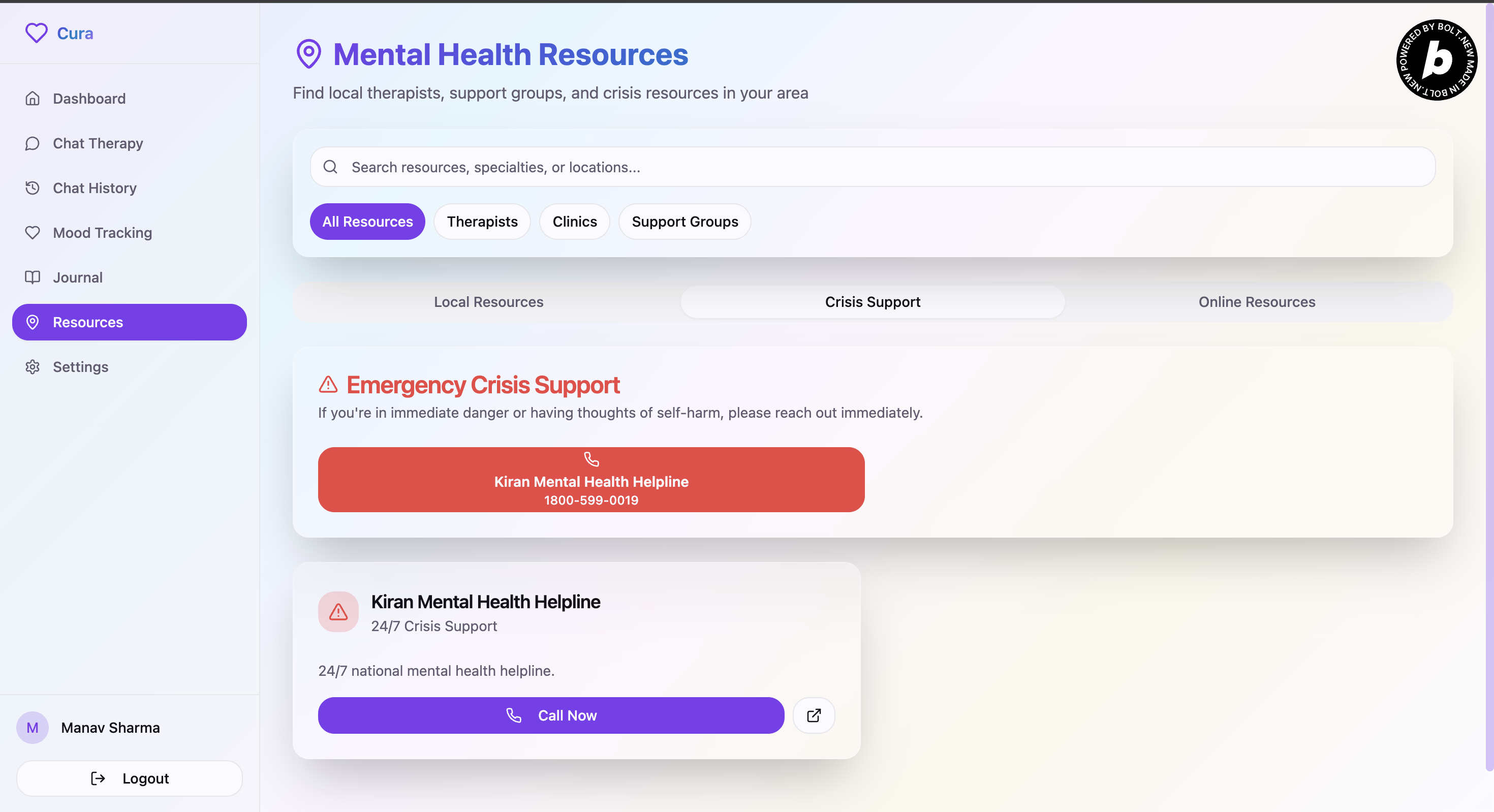
Emergency Crisis
-
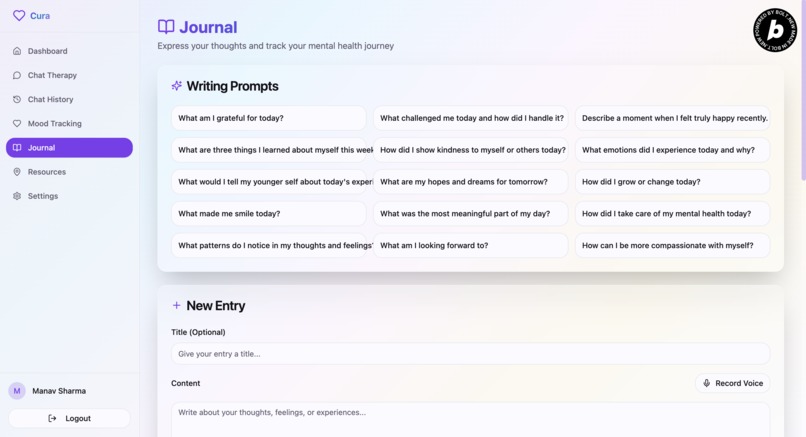
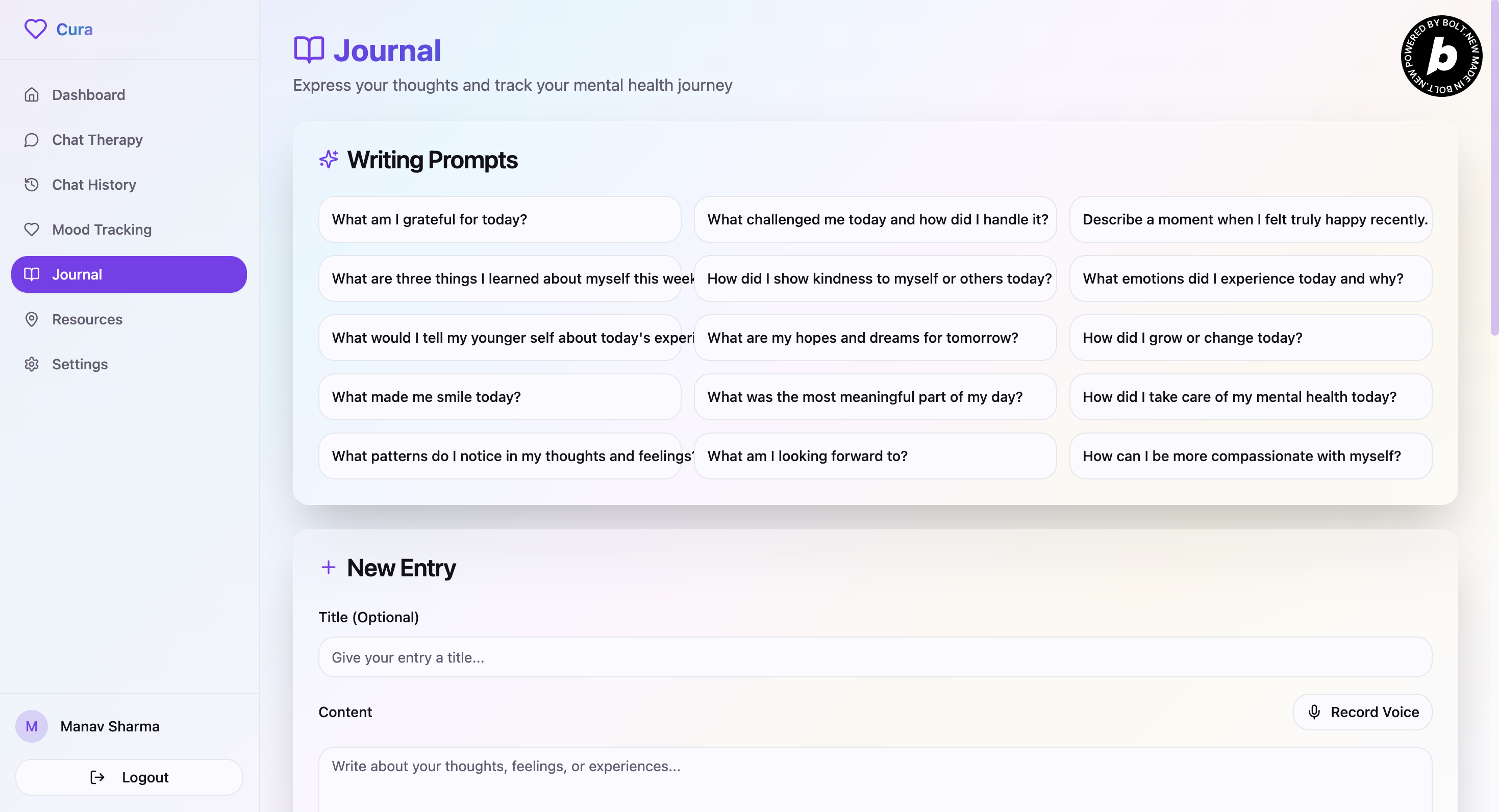
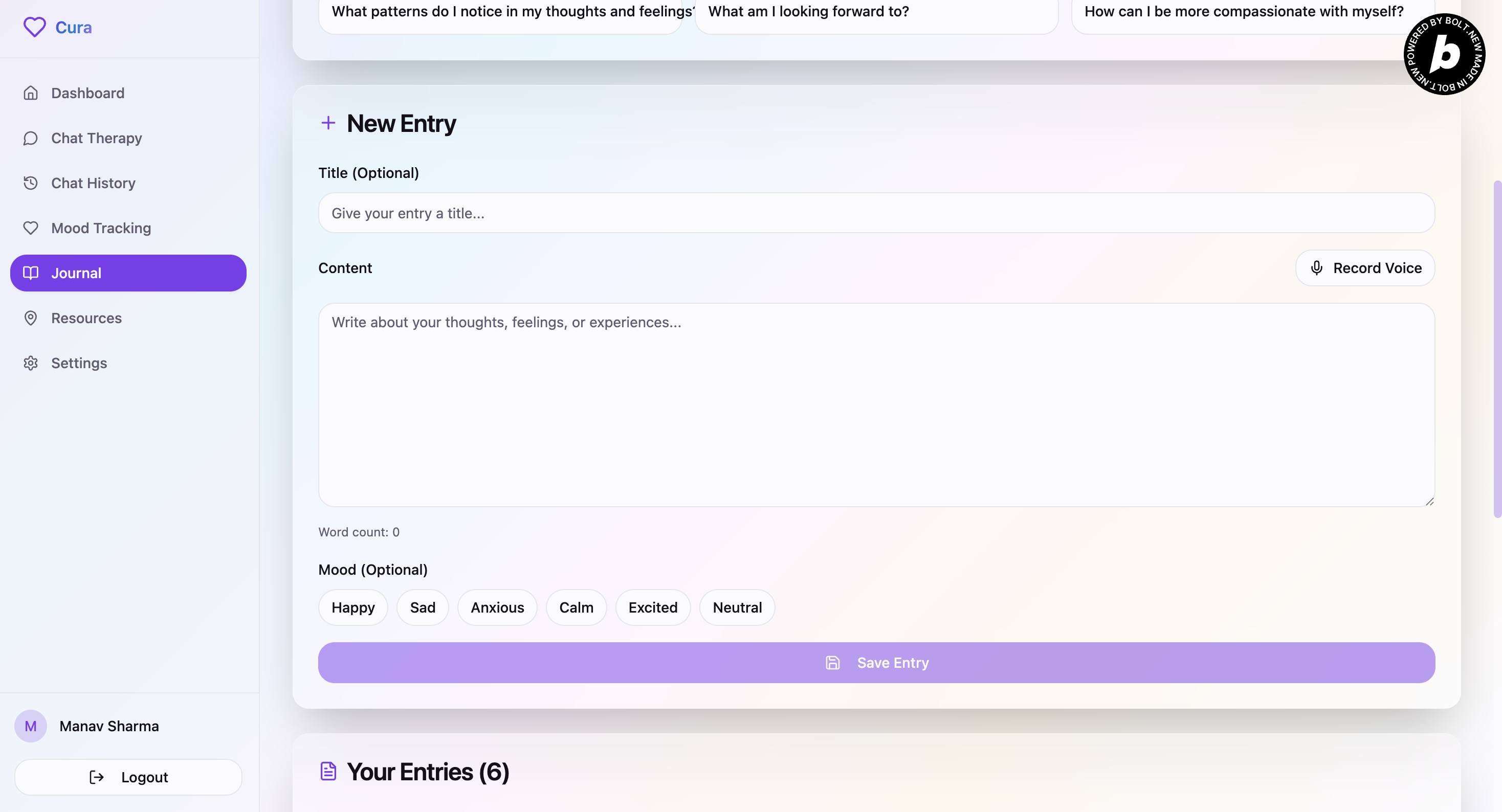
Journal Entry
-
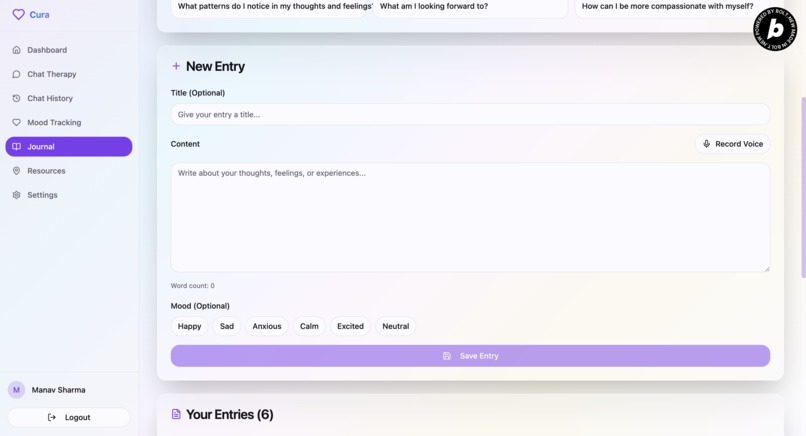
New Entry
-
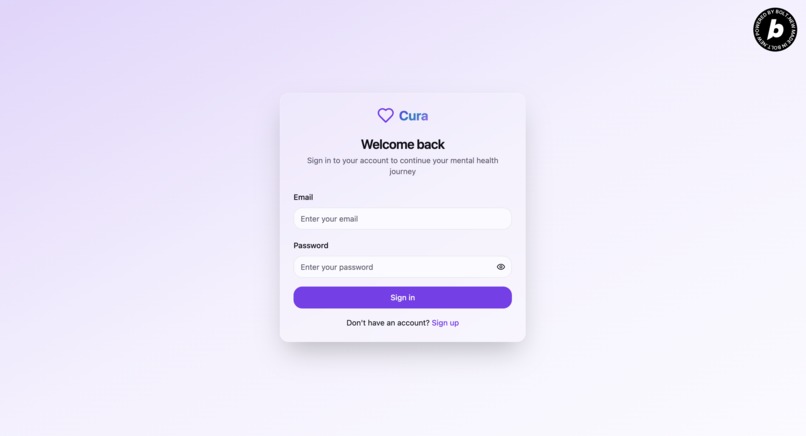
Login Page
-
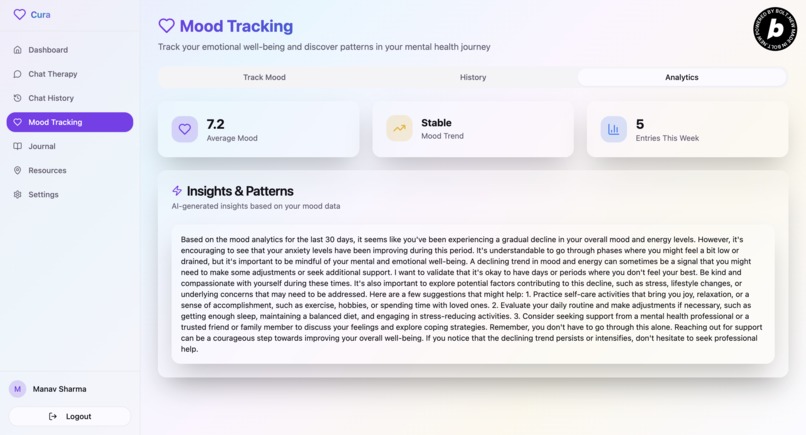
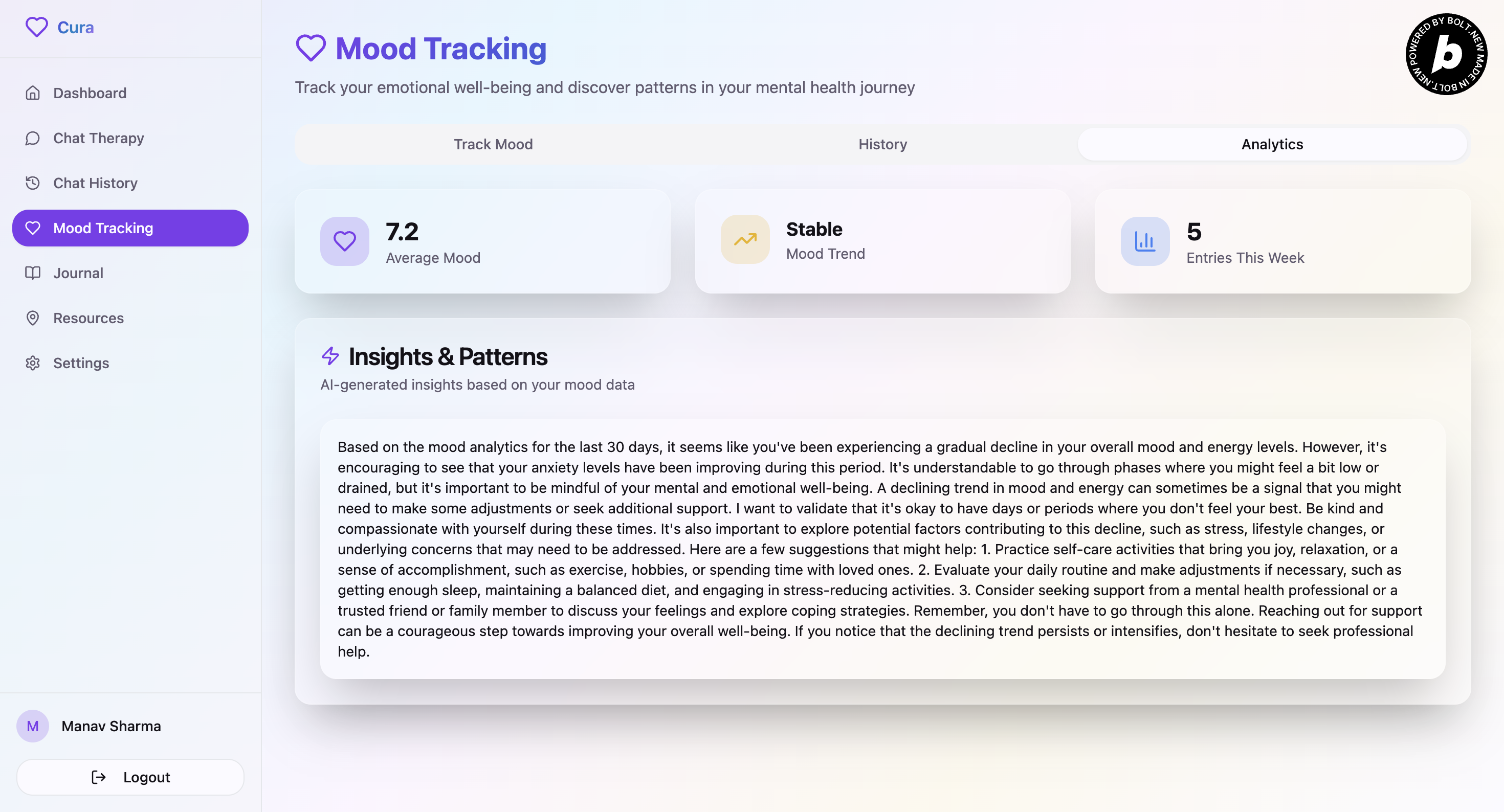
Mood Analytics
-
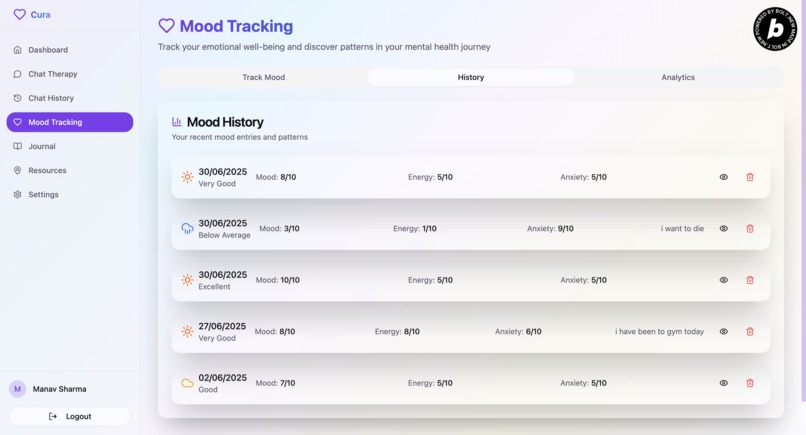
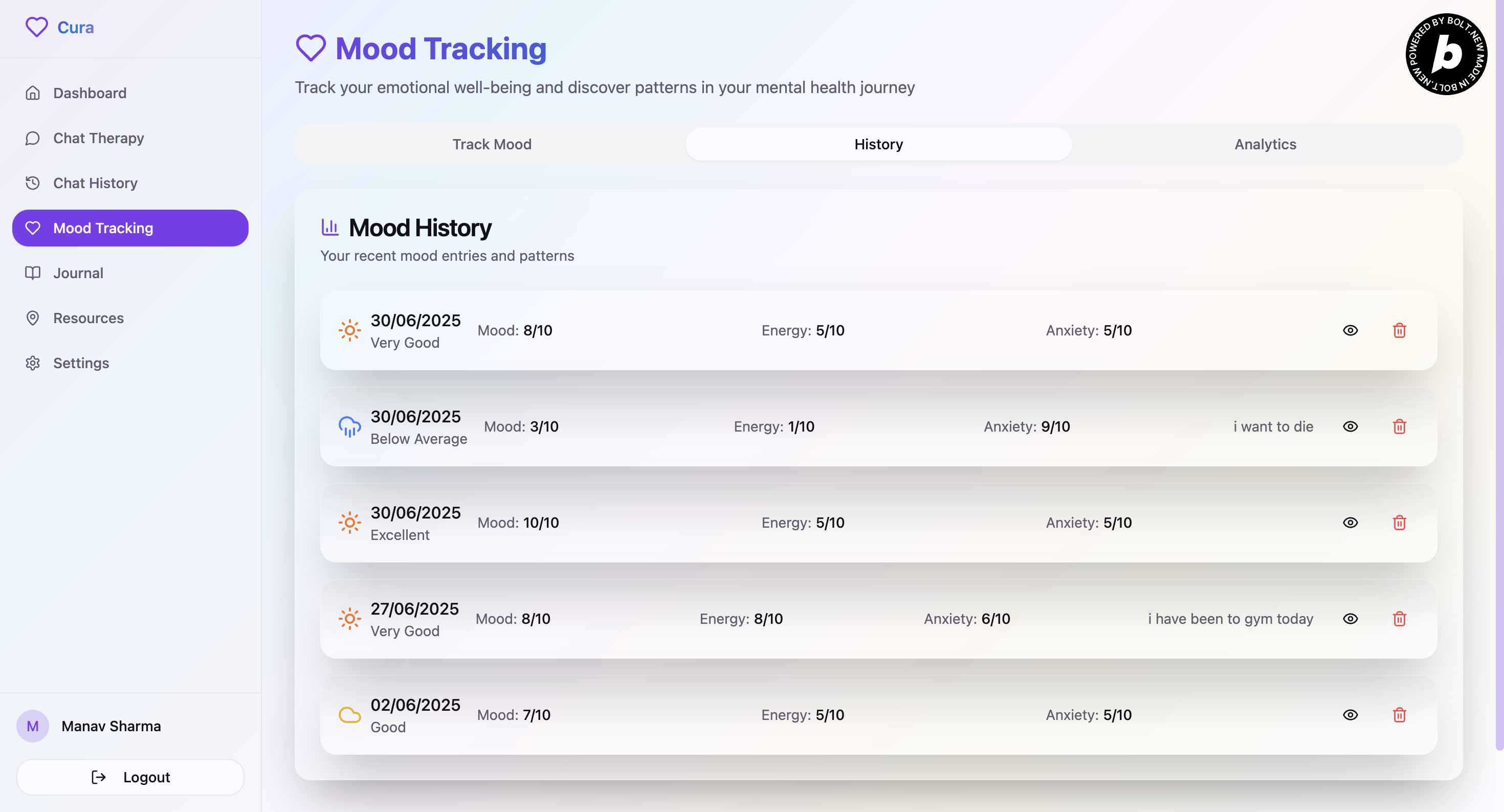
Mood History
-
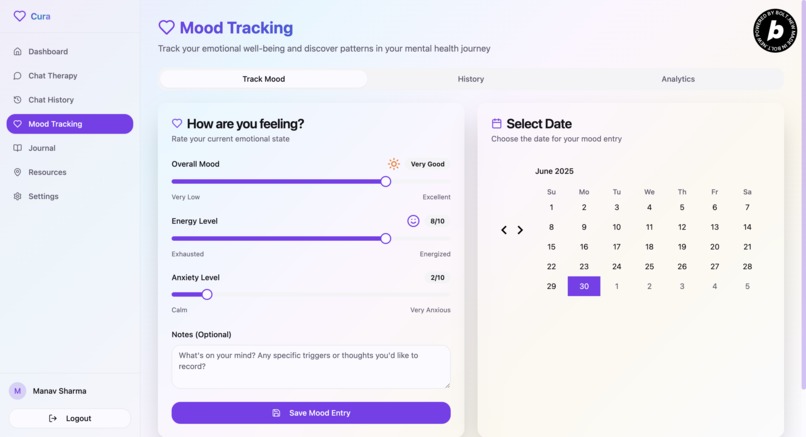
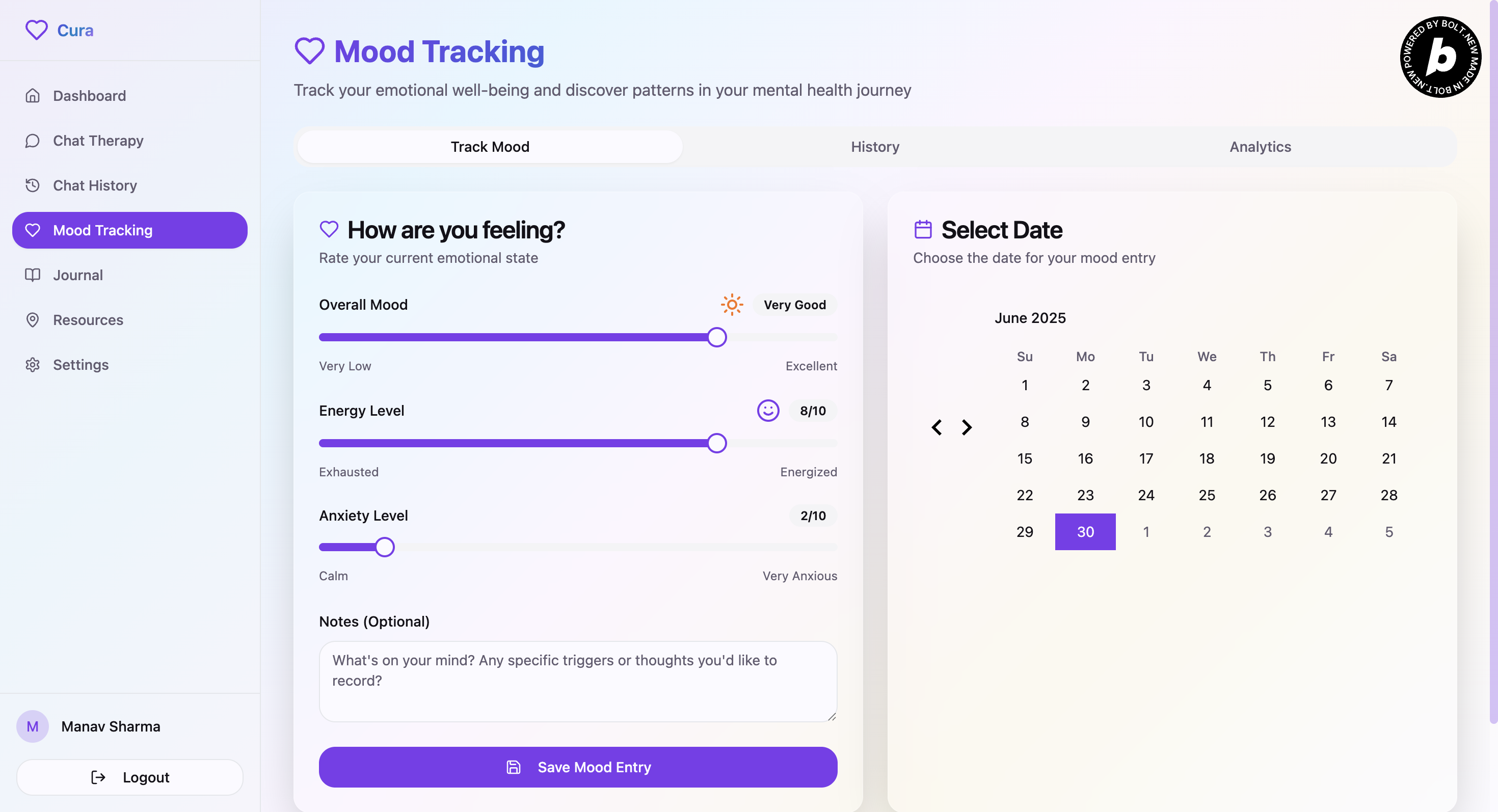
Mood Entry
-
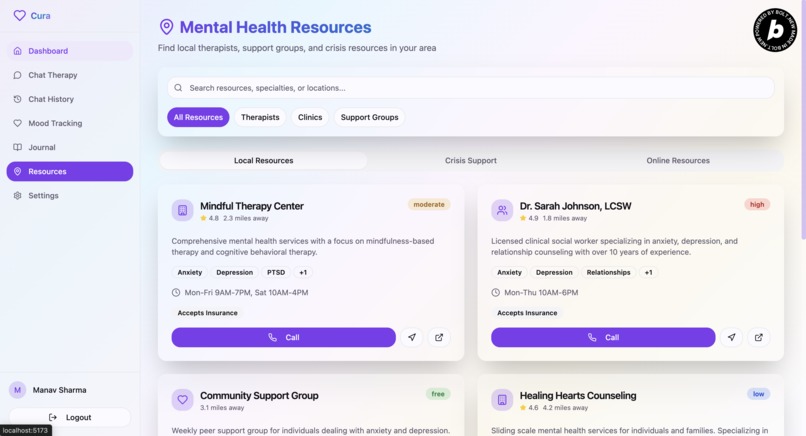
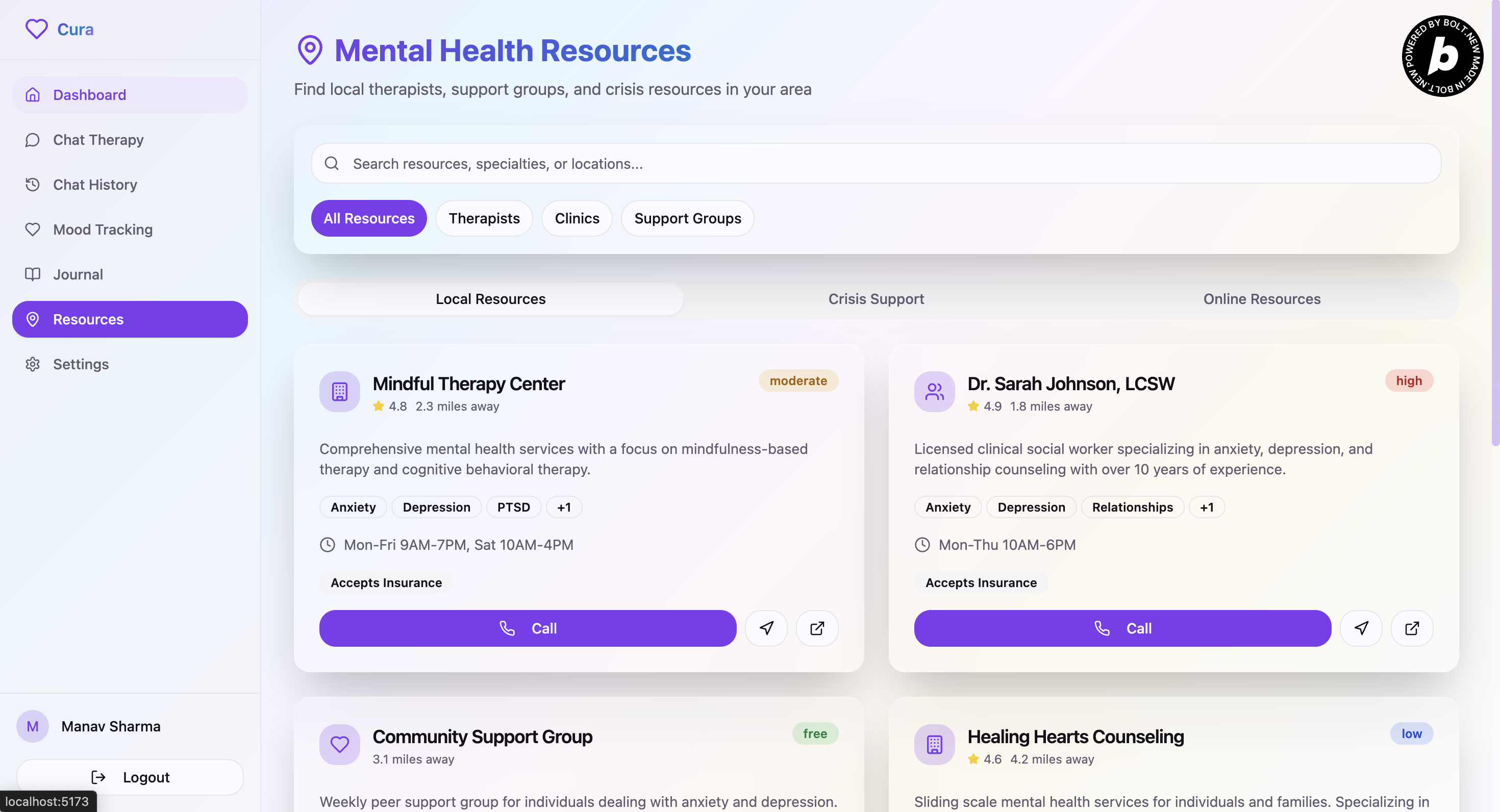
Resources Page
-
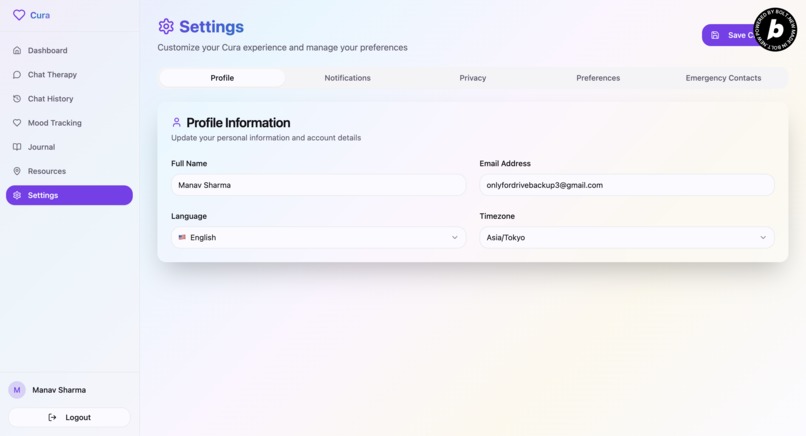
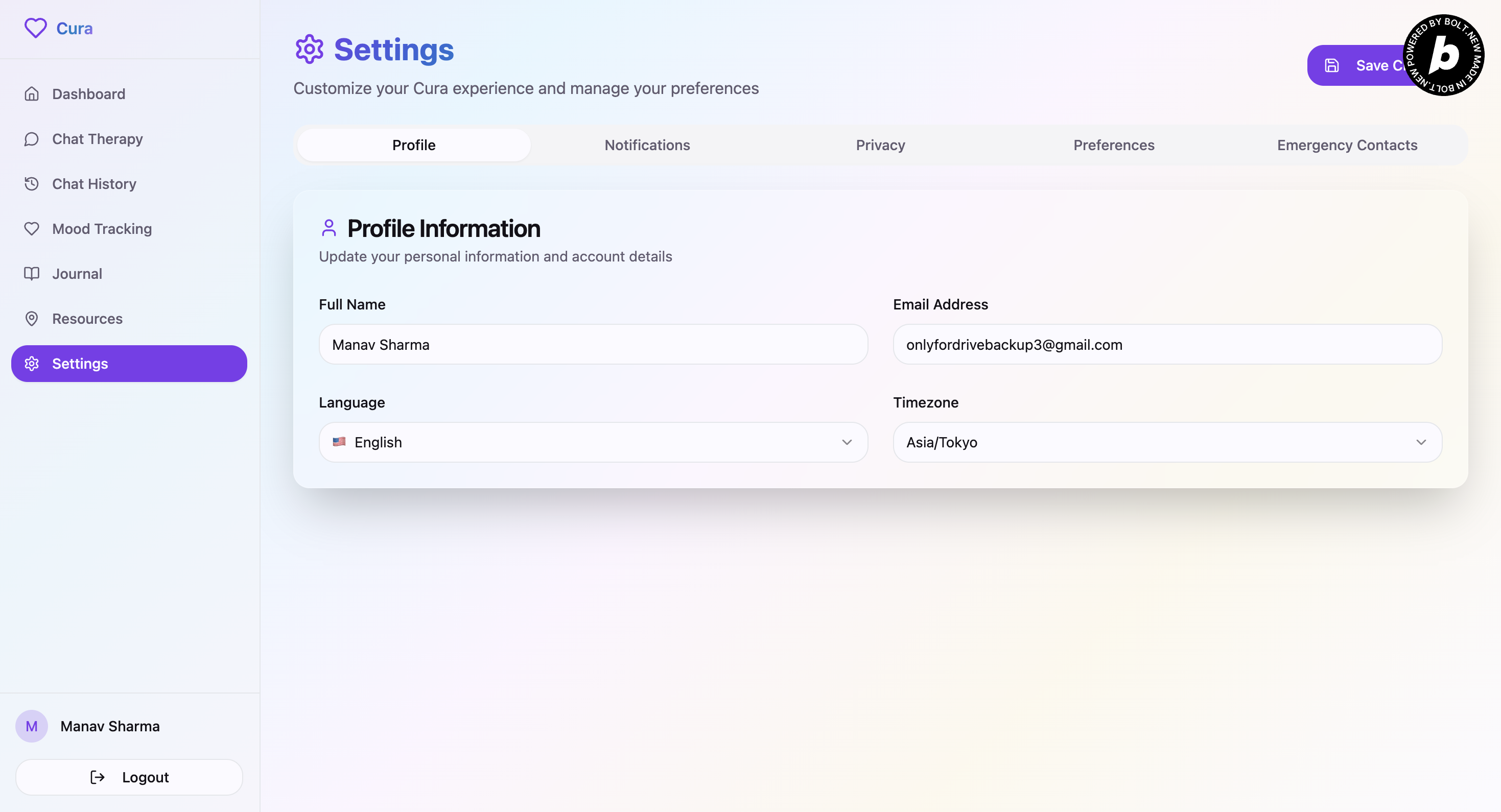
Setting
-
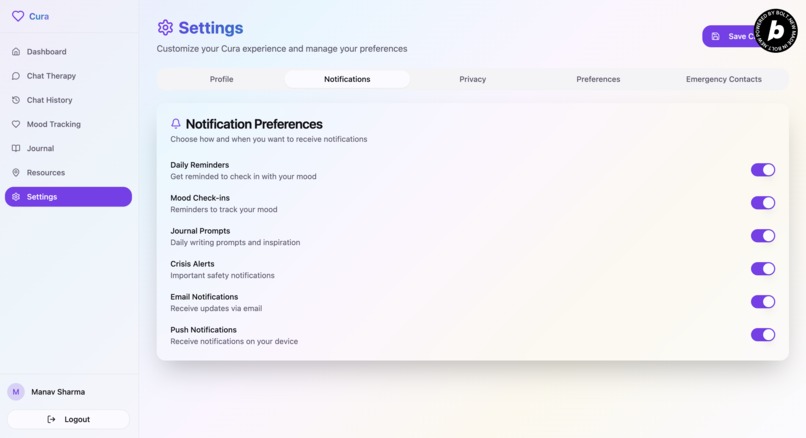
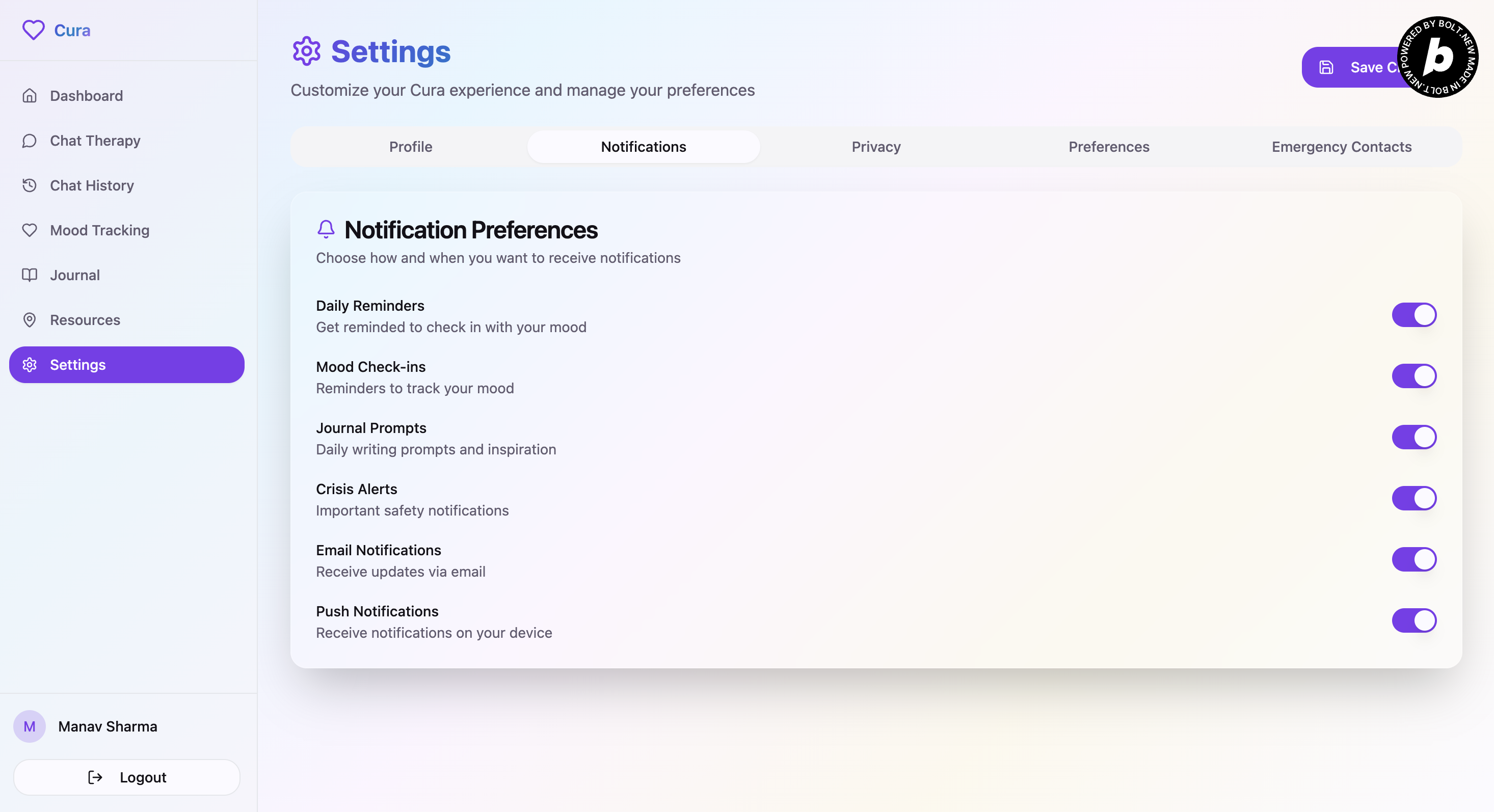
Notification Setting
-
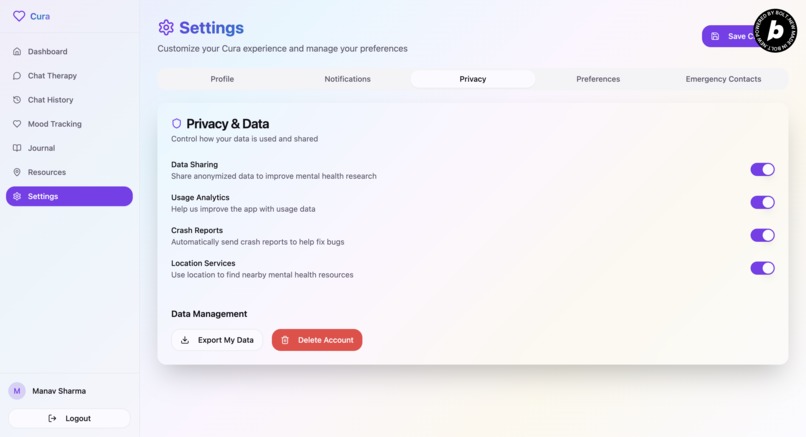
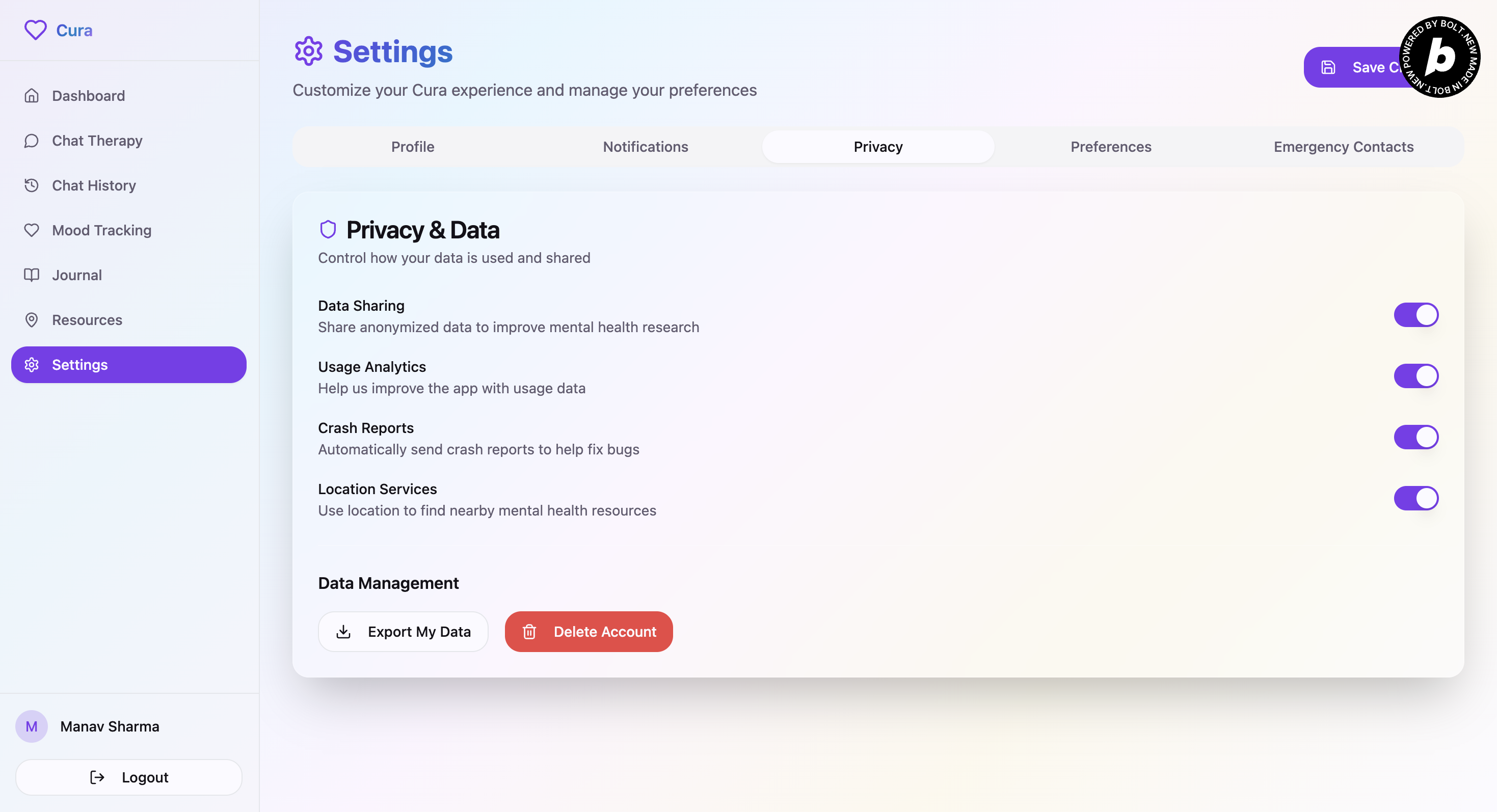
Privacy Setting
-
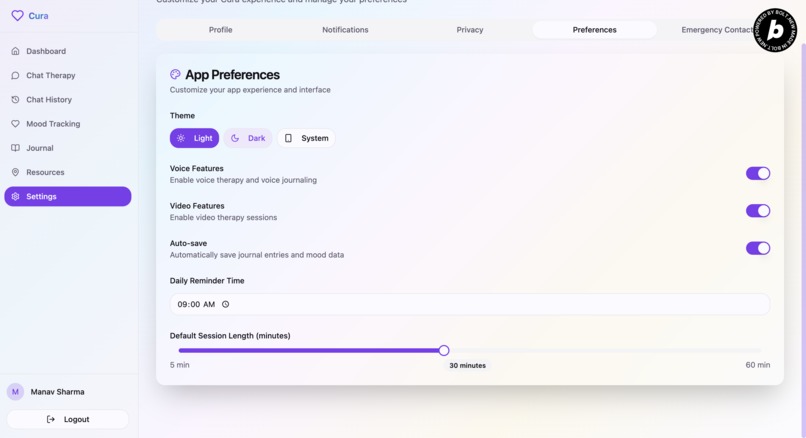
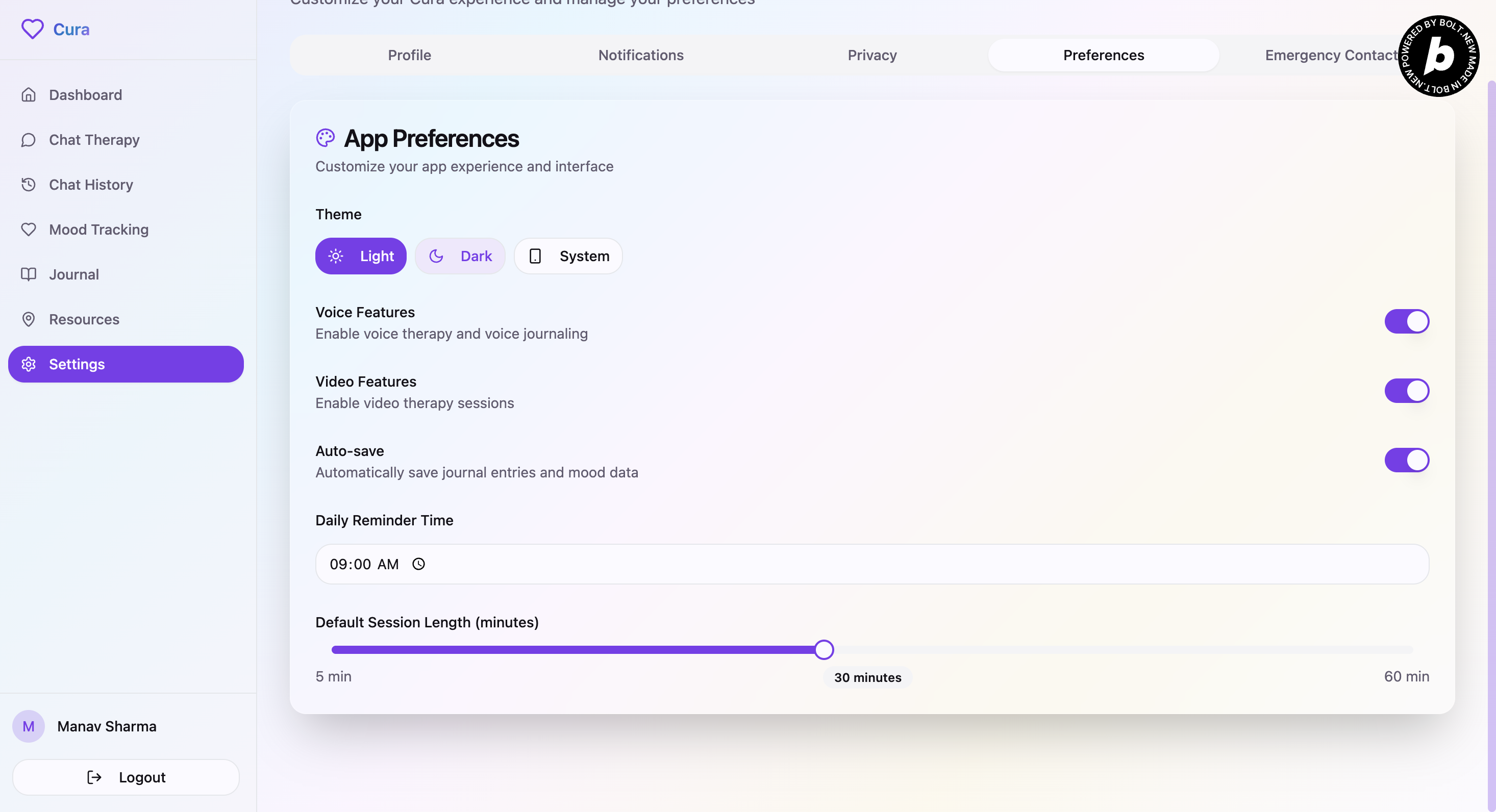
Preference Setting
-
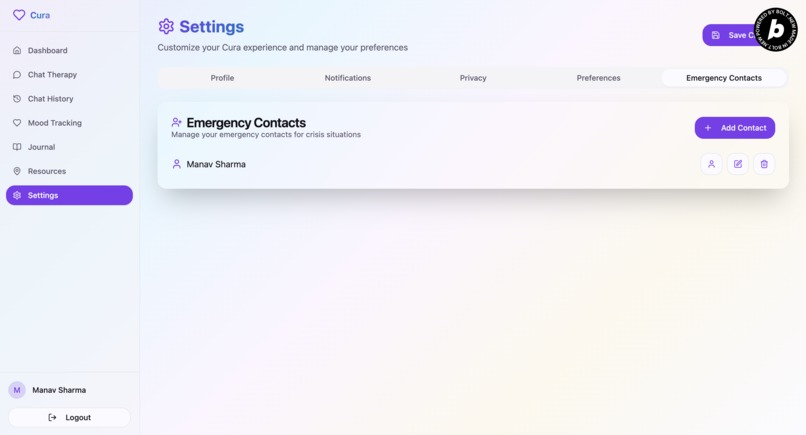
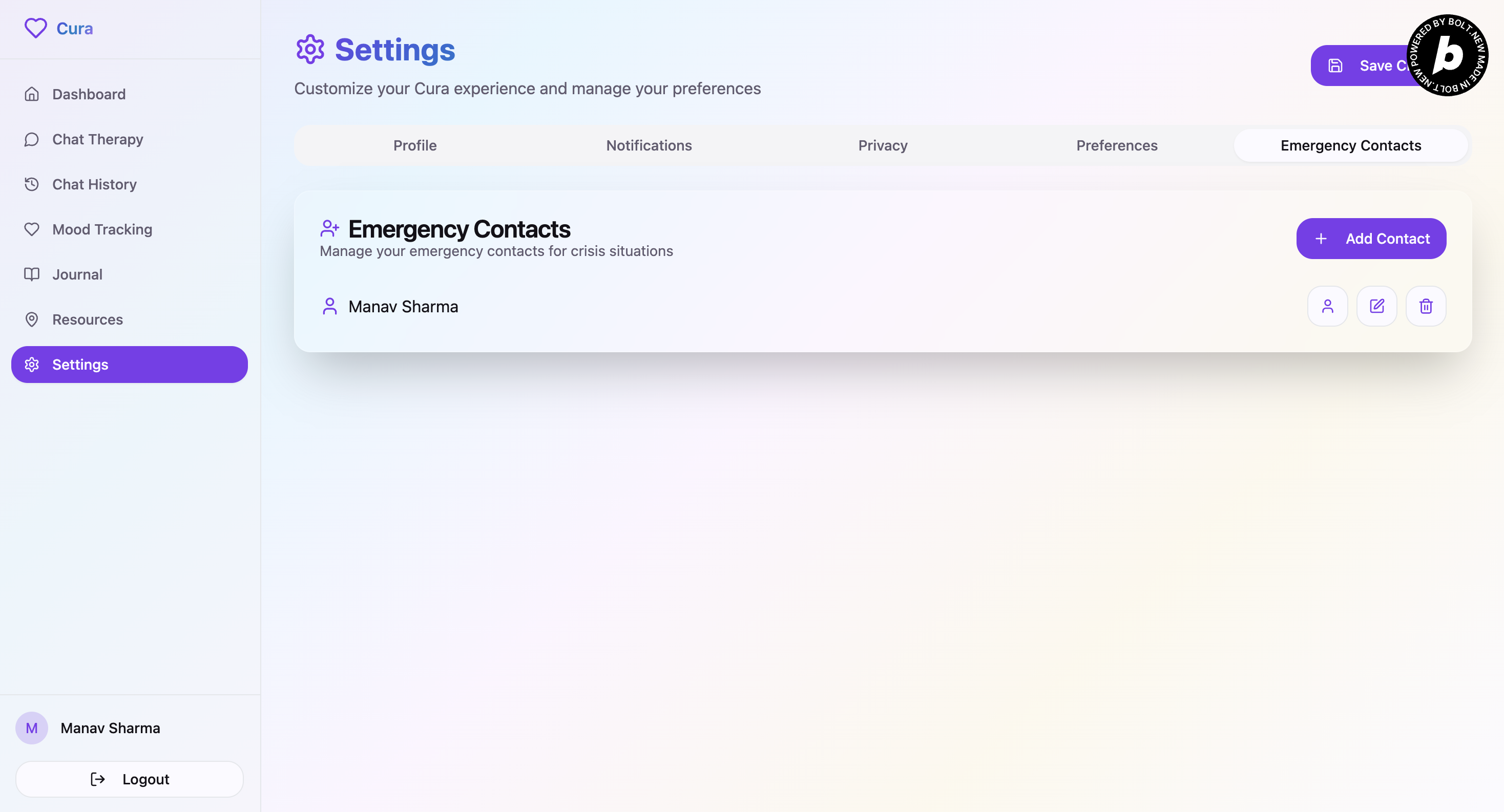
Emergency Contact
-
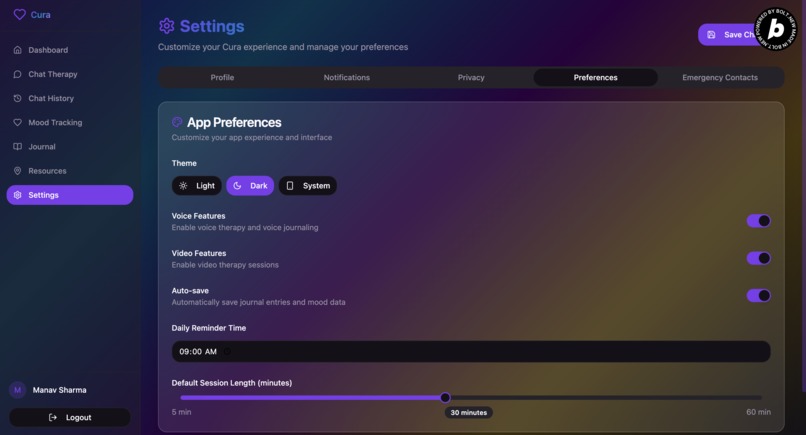
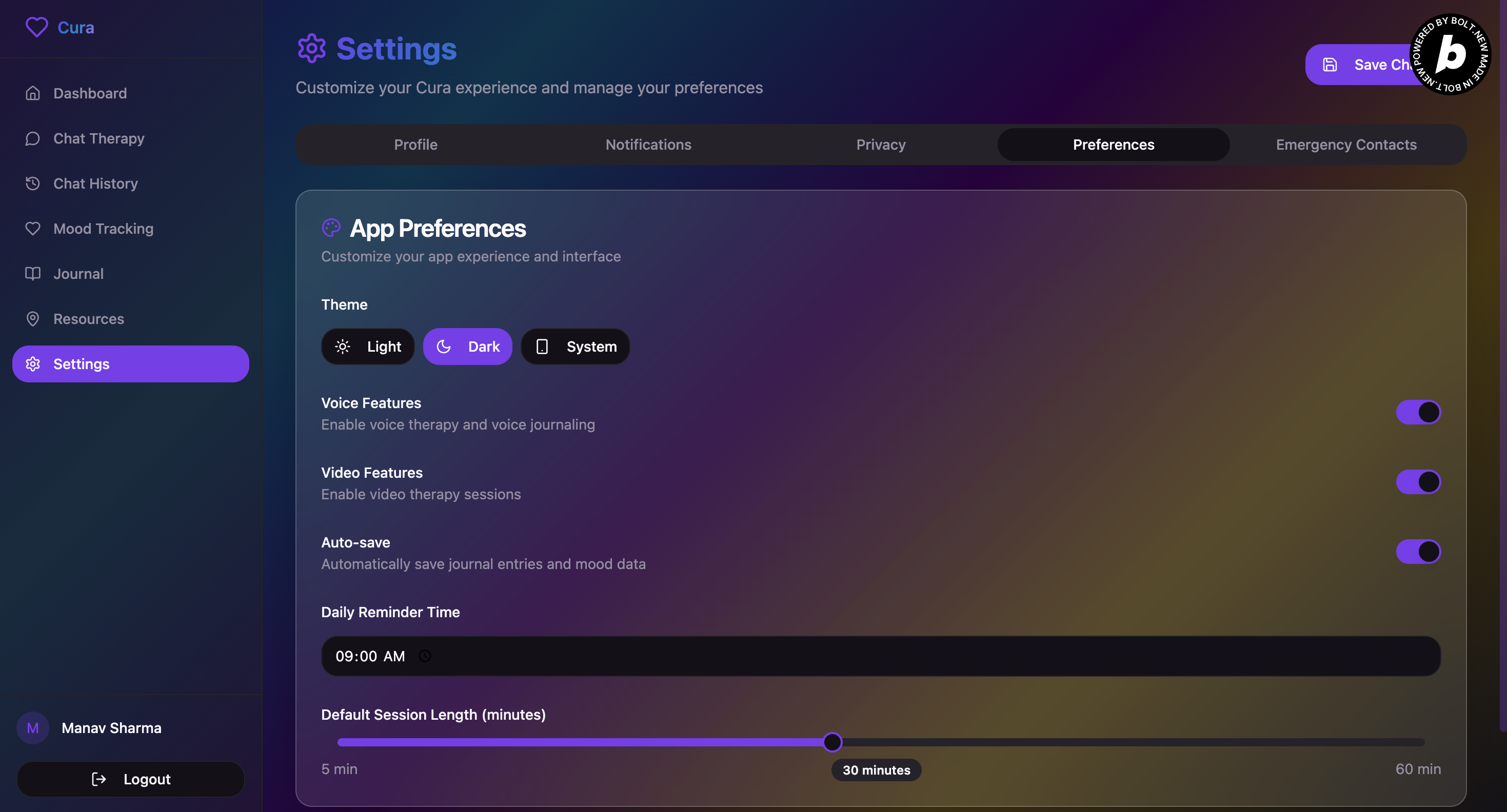
Dark Mode
CuraCompanion
Inspiration
The inspiration for CuraCompanion came from witnessing the growing mental health crisis, especially among young adults and students. Many people struggle in silence due to stigma, lack of access to therapists, or simply not knowing where to turn in moments of crisis. I wanted to build a tool that could offer immediate, empathetic support—anytime, anywhere—while also connecting users to real human help when needed.
What it does
CuraCompanion is a comprehensive mental health companion app that empowers users to:
- Chat with an AI therapist (text, voice, or video)
- Track their mood, energy, and anxiety with daily check-ins and analytics
- Journal privately (with optional voice-to-text)
- Detect Emergency crisis signals in real time across all user data (mood notes, journal, chat, voice/video)
- Trigger instant alerts (SMS/calls) to emergency contacts and helplines if a crisis is detected
- Find local and online mental health resources based on their location
- Edit and manage emergency contacts for quick access in emergencies
How we built it
- Frontend: React (Vite), TypeScript, modern UI libraries for a clean, accessible, and responsive interface.
- Backend: Node.js, Express, MongoDB for secure data storage and robust APIs.
- AI Integration: OpenAI, OpenRouter for chat/insights, ElevenLabs for natural voice interaction.
- APIs: Google Places for local resources, Twilio for crisis alerts (SMS/calls).
- Development Process:
- Planning: Outlined user journeys, prioritized features for MVP, and researched best practices in digital mental health.
- Backend First: Built APIs for user data, mood analytics, and crisis detection, with a focus on privacy and security.
- Frontend Iteration: Developed a modern UI with real-time feedback, error handling, and live updates.
- AI & Voice: Integrated LLMs for chat/insights and ElevenLabs for voice features.
- Testing & Feedback: Iteratively tested with real users, refining crisis detection and notification flows.
Challenges we ran into
- Frontend/Backend Sync: Ensuring the frontend and backend always spoke the same “language” (especially for analytics and crisis detection) was a recurring challenge.
- Voice & Video: Making voice and video features work smoothly across browsers, with reliable STT/TTS, required deep debugging and fallback logic, still there are some bugs in this feature.
- Crisis Alerting: Designing a system that could trigger real-world alerts (SMS/calls) without false positives, while respecting user privacy, was both technically and ethically complex.
- Real-Time Feedback: Implementing background AI insight generation and live polling, so users never wait unnecessarily, pushed us to optimize both backend and frontend flows.
Accomplishments that we're proud of
- Real-time crisis detection and alerting across all user data sources, with instant SMS/call notifications to emergency contacts and helplines.
- Location-aware resource finder that connects users to local therapists and helplines.
- Seamless voice and video therapy modes with natural language understanding and speech synthesis, this will be implemented in future updates.
- AI-generated mood insights that help users understand their emotional patterns.
- Robust, privacy-first architecture that keeps user data secure and confidential.
What we learned
- Empathy in Tech: Building empathetic, safe AI interactions is challenging but essential, especially in mental health.
- Crisis Detection: Implementing real-time, multi-source crisis detection required careful phrase curation and robust alerting logic.
- User Experience: Small UX details—like live updating of profile info, instant feedback on mood entries, and clear crisis notifications—make a huge difference in user trust and engagement.
- APIs & Integrations: Integrating with services like Twilio and Google Places taught us a lot about handling third-party API quirks, rate limits, and error handling.
What's next for Cura Companion
- Deeper Personalization: Use AI to provide more personalized mental health insights and coping strategies.
- Future Updates: Better UI/UX, Crisis Detection will be more accurate by using Natural Language Processing, Voice and Video feature in AI Therapy Section,
- Expanded Resource Network: Integrate with more local and global mental health organizations.
- Community Support: Add peer support features and moderated group chats.
- Advanced Analytics: Offer users deeper trends and predictive insights about their mental health.
- Mobile App: Launch a native mobile version for even greater accessibility.
CuraCompanion is more than just an app—it's a step toward making mental health support accessible, proactive, and compassionate. The journey taught us the importance of empathy in tech, the power of real-time data, and the responsibility that comes with building tools for vulnerable users.
Built With
- atlas
- axios
- bcrypt
- cloud
- cors
- dotenv
- eleven-labs
- eleven-labs-api
- express.js
- geolocation-api
- git
- github
- google-places
- javascript
- json
- jwt
- luicide-react
- mongodb
- mongoose
- netlify
- node-cache
- node.js
- nodemon
- openai-api
- platform
- radix-ui
- react
- react-day-picker
- react-hook-form
- react-router
- rechart
- render
- sonner
- twilio
- twillio-api
- typescript
- vite


Log in or sign up for Devpost to join the conversation.