-
DEMO VIDEO
-
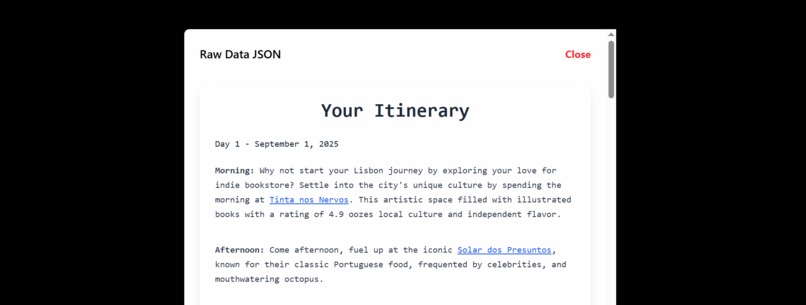
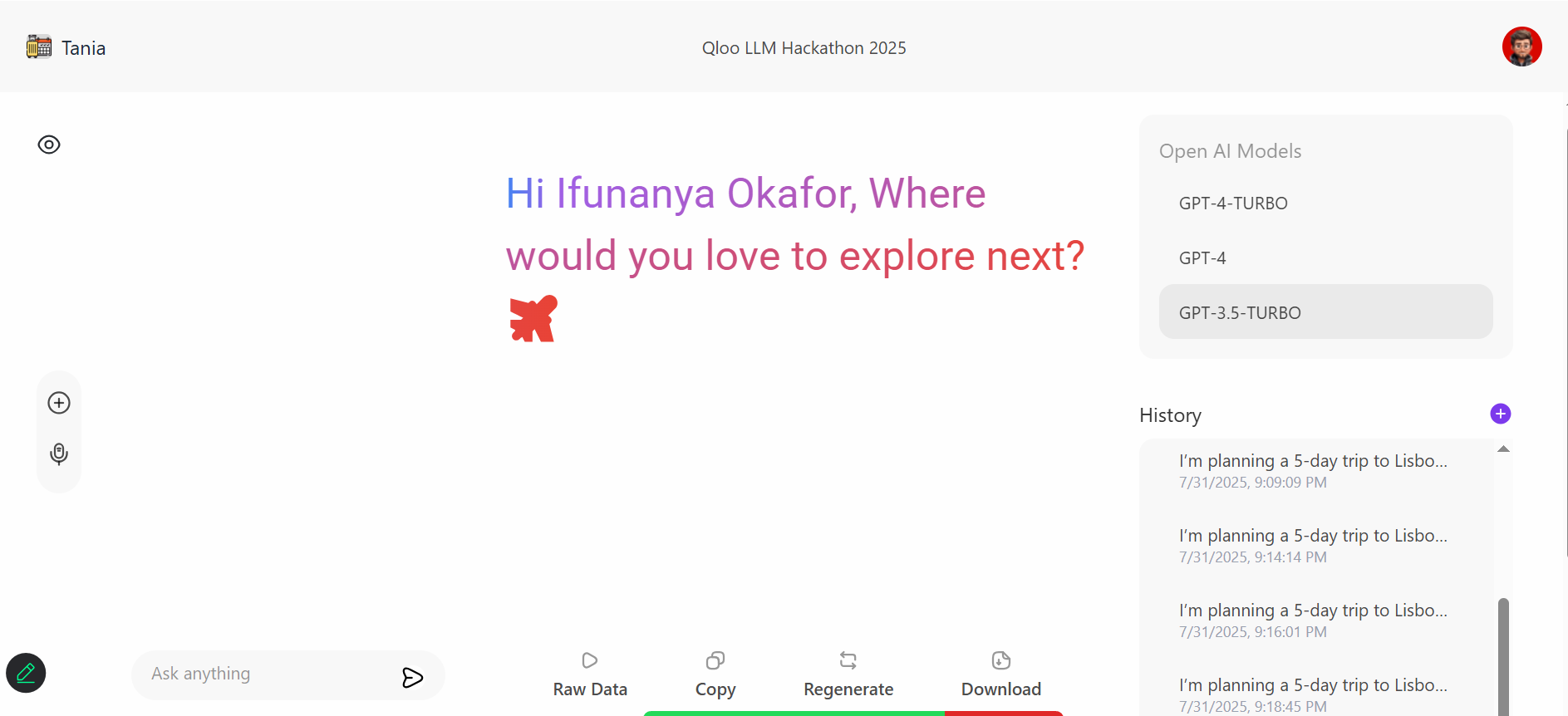
HISTORY
-
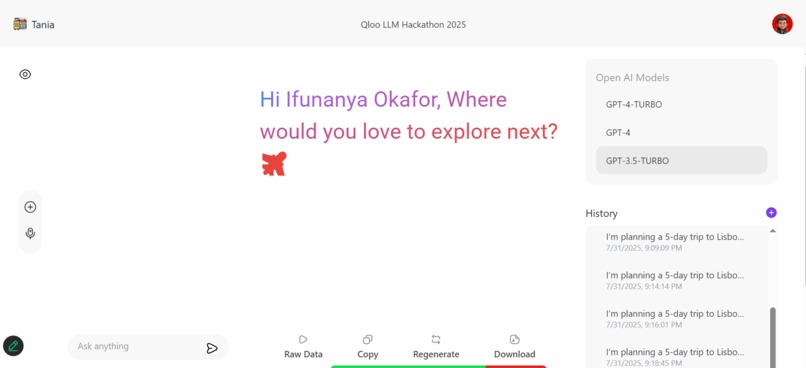
LANDING PAGE
-
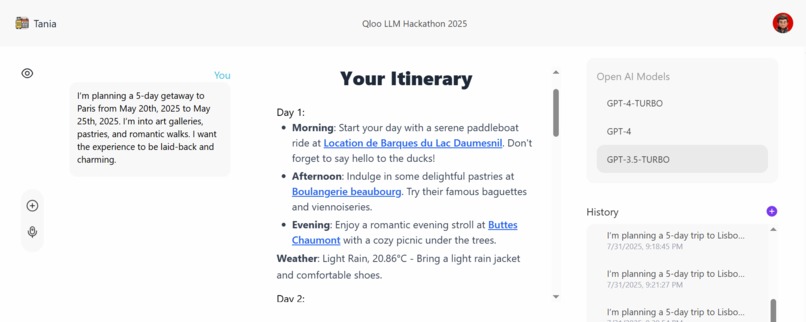
FEATURES
-
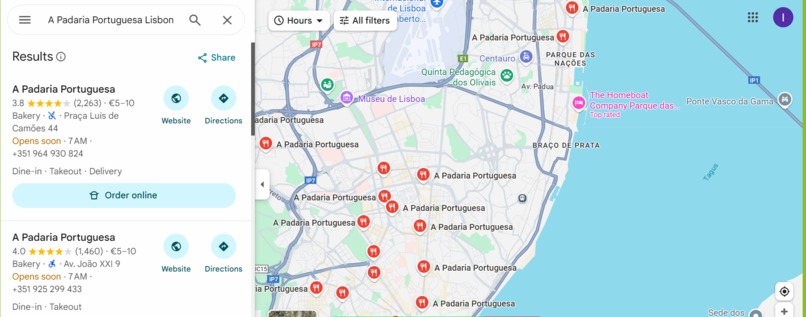
MAPS
Inspiration Our inspiration was to solve a real-life problem especially issues related to travel. Planning a vacation has always felt overwhelming for me — scrolling endlessly online for places to go, trying to piece everything together. It’s time-consuming and mentally exhausting. That frustration sparked this idea. I wanted to create something that makes trip planning easier and more enjoyable. This project comes from a very personal place — it's a problem I genuinely struggle with, and I poured my heart and soul into building a solution.
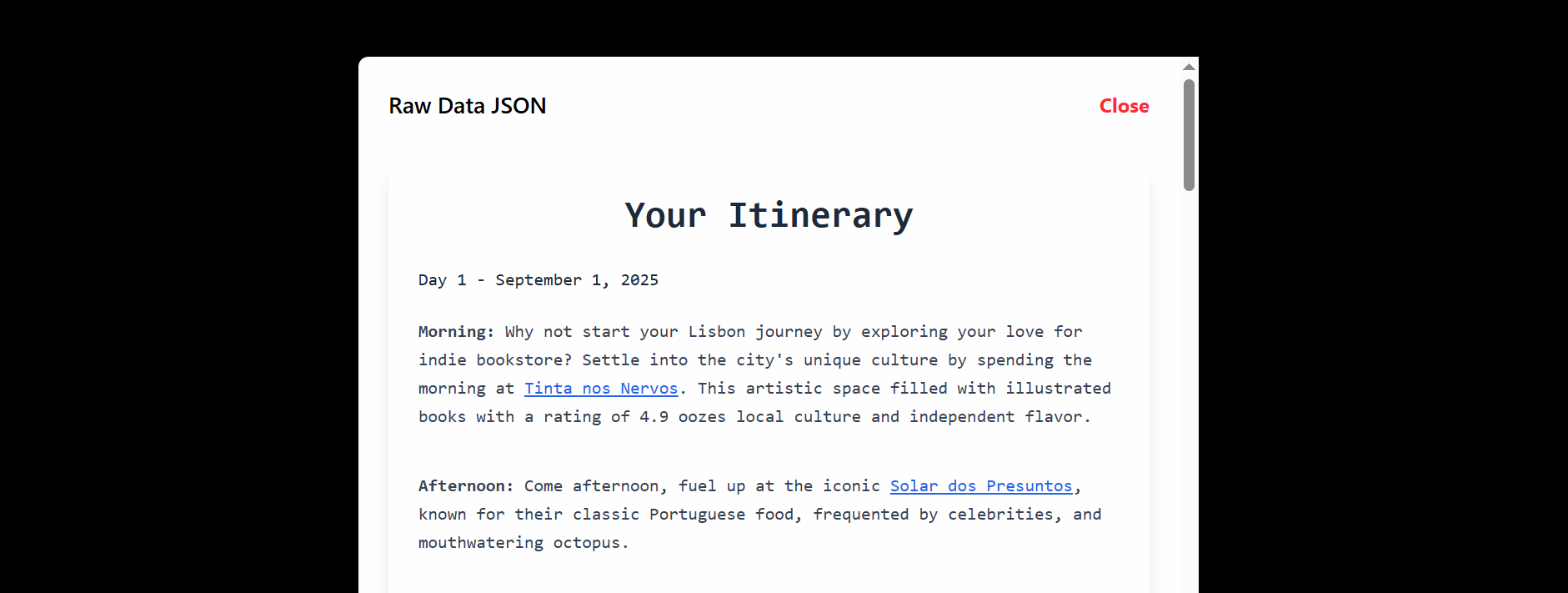
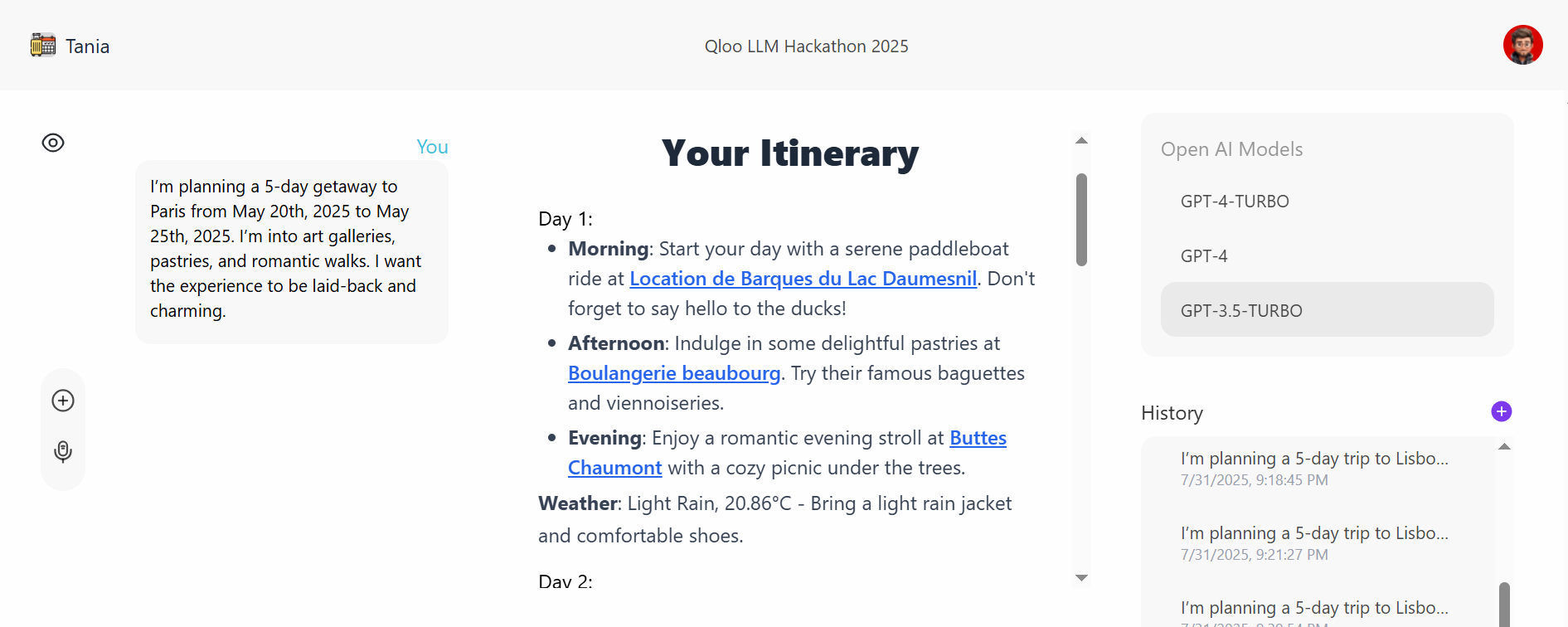
What It Does The CultureTrip Planner builds personalized trip itineraries based on your mood, tastes (like music, food, fashion, or books), and travel goals (relaxation, exploration, partying, etc.). Powered by OpenAI and Qloo’s Taste AI, it crafts immersive experiences tailored just for you.
How We Built It We developed the application using a modern full-stack setup: TypeScript, JavaScript, React, FastAPI, OpenAI, Qloo API, REST API, Tailwind CSS, and PostgreSQL. 🧠 Workflow Overview: User Prompt Input (Frontend) The journey begins with a clean, intuitive input form built in React + Tailwind. Users provide their:
Destination
Duration
Mood/vibe
Tastes across music, movies, food, and places
Prompt Parsing & Entity Extraction (Backend - FastAPI) The backend receives the user prompt and breaks it down into structured data — extracting entities like genres, preferences, and location context.
Qloo API Integration For each extracted domain (e.g. jazz for music, action for movies), we send tailored requests to the Qloo API to retrieve culturally relevant recommendations. The results are sanitized and filtered to ensure quality, diversity, and relevance.
OpenAI Prompt Generation Using both the original user context and the Qloo insights, we dynamically craft a rich prompt for OpenAI GPT. This prompt guides GPT to generate a creative, emotionally intelligent travel itinerary tailored to the user’s mood and preferences.
Response Delivery & Storage The generated itinerary is returned to the frontend and displayed in styled daily cards — complete with:
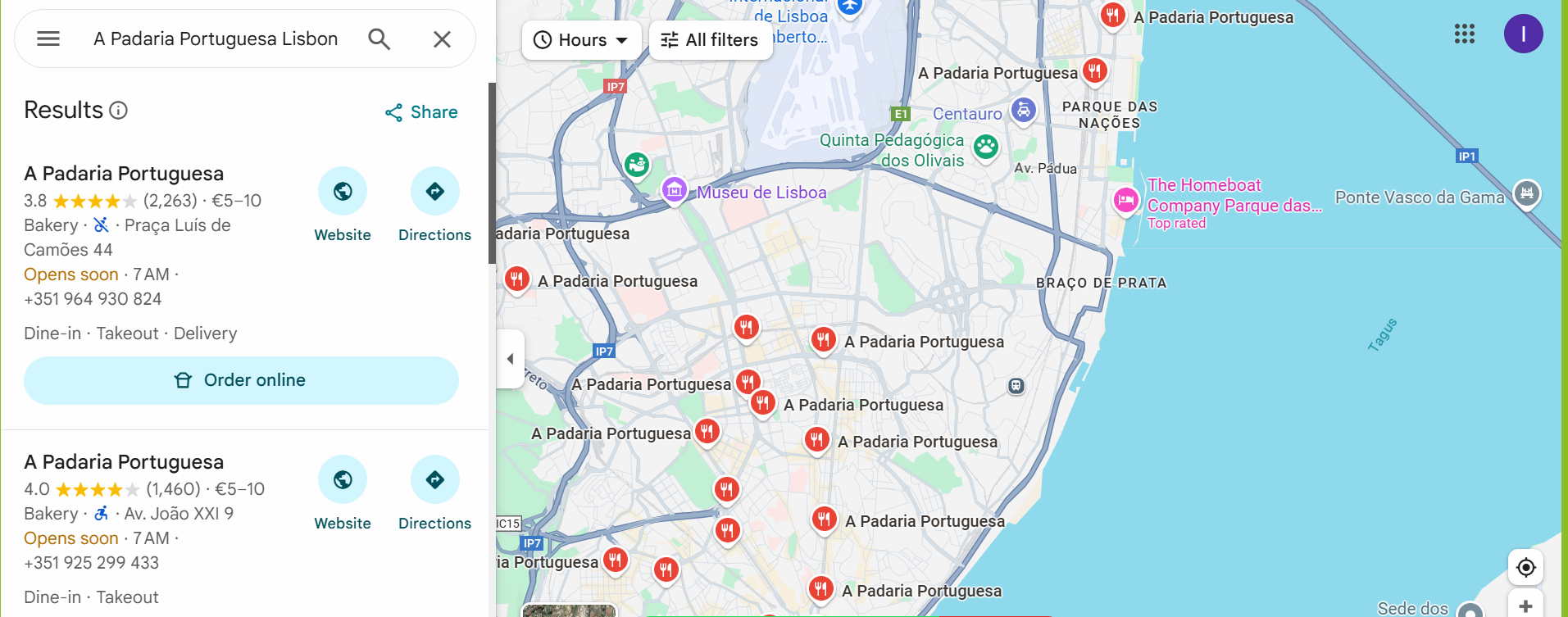
Embedded Google Map links
Venue details
Share/export options (e.g. copy link, PDF)
Each session's output is also stored in PostgreSQL for history and reuse.
Challenges We Ran Into Navigating the Qloo API Understanding the structure of the Qloo API and selecting the appropriate endpoints with the right filters took time. It required careful review of their documentation and a lot of trial-and-error testing.
Python Dependency Management Managing Python packages was initially tricky. We had to juggle between pip and conda to resolve version conflicts and ensure smooth environment setup.
PostgreSQL Deployment & Access Control Deploying our PostgreSQL instance came with access control issues. Our application initially struggled to authenticate with the database due to misconfigured user permissions.
OpenAI Rate Limits We hit usage limits with the OpenAI API during development, which temporarily blocked prompt generation and required us to optimize request frequency and token usage.
Learning how to use a new video editor software to record a video and audio synchronously.
Accomplishments We're Proud Of End-to-End AI-Powered Itinerary Generation Successfully built a full-stack application that transforms a user’s mood and preferences into a personalized, emotionally intelligent travel plan using the Qloo Taste API and OpenAI GPT.
Smart Prompt Engineering Designed dynamic prompts that adapt to the user’s vibe and avoid preferences while blending structured Qloo insights with natural, human-like recommendations.
Seamless Frontend Experience Created an intuitive and visually engaging UI with React and Tailwind CSS, complete with embedded maps, styled recommendations, and a typing animation for extra polish.
Robust Backend Infrastructure Developed a scalable FastAPI backend that parses input, calls multiple external APIs, sanitizes and merges results, and stores responses with session persistence.
What We Learned Prompt Design Matters Writing prompts that balance creativity with structured API data is both an art and science. I learned how to guide GPT to sound like a lifestyle editor while staying grounded in user-provided context.
API Integration & Data Sanitization Learned how to efficiently integrate with third-party APIs like Qloo, extract meaningful data, and sanitize it before feeding it to language models.
Geolocation & Personalization Gained experience using browser-based geolocation and reverse geocoding to make experiences even more local and personalized.
System Design Thinking This project pushed me to think holistically — from frontend UX to backend logic, rate limits, and user state management — all working together to deliver a delightful experience.
What's Next for CultureTrip Planner Budget Mode: Show estimated cost per day
Taste Timeline: Visual chart showing how each day aligns with the user's different taste preferences
Travel Companion Generator: Suggest ideal travel companions based on Qloo taste profiles
Multi-City Planning: Enable users to create seamless itineraries across multiple cities or countries in one trip.
Offline Mode & PDF Guidebooks: Let users download their full itinerary as a stylish offline guidebook, complete with maps, recommendations, and local tips.
Real-Time Local Updates: Integrate with local event and weather APIs to adjust plans dynamically with up-to-date suggestions.
Airline/Hotel Booking.
Built With
- css
- fastapi
- html
- javascript
- llm
- node.js
- openai
- postgresql
- python
- qlooapi
- react
- restapi
- tailwind
- typescript

Log in or sign up for Devpost to join the conversation.