-
Culture Dive's Logo
-
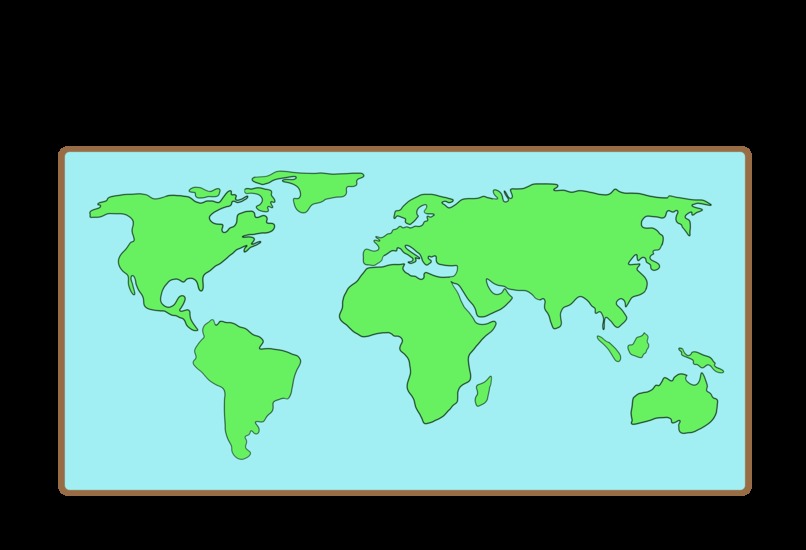
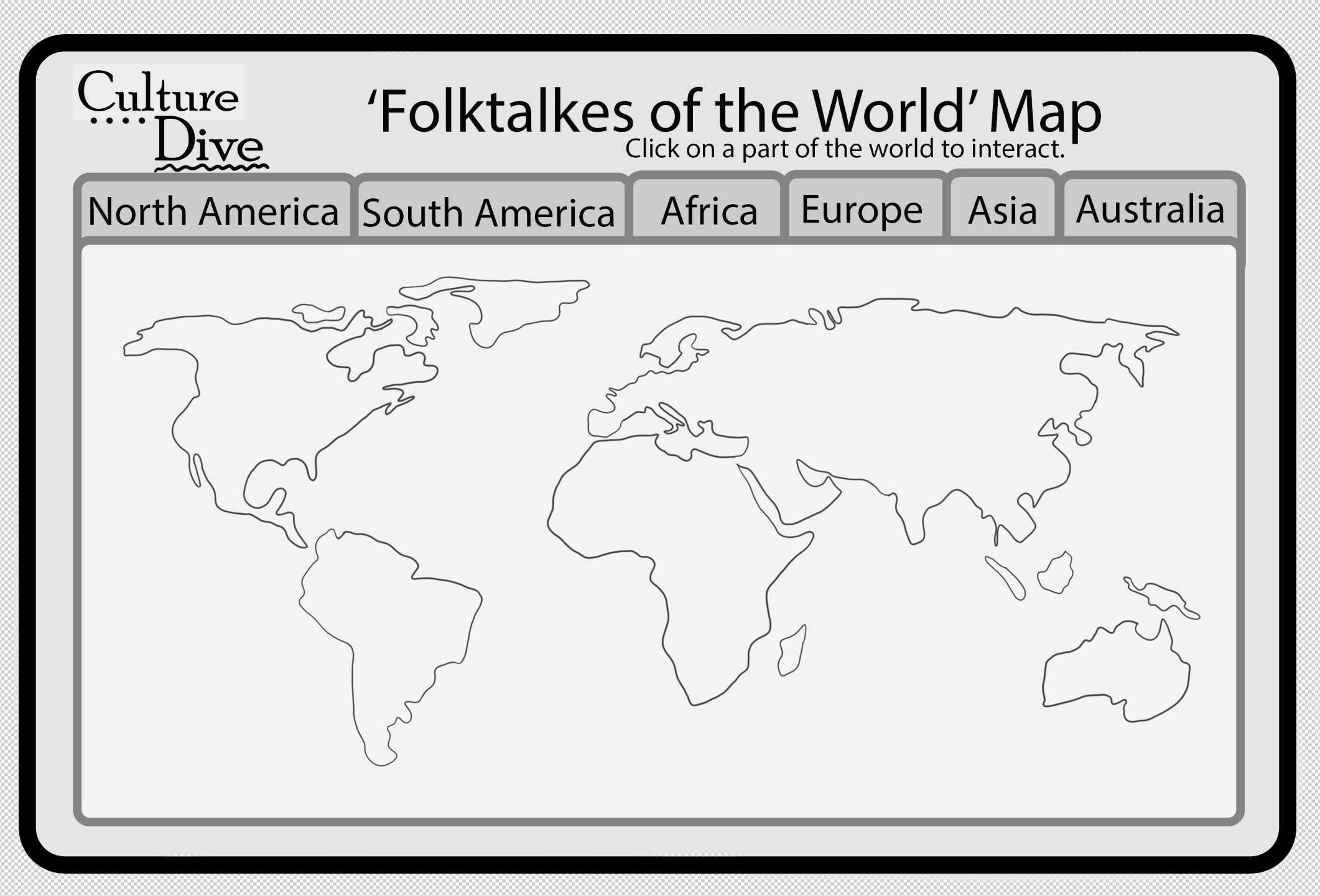
World Map Used in Website Design
-

Anansi the Spider (bringer of stories)
-


Inspiration
 When looking for teams, one member mentioned that she was hoping to create a project to encourage culture in schools, specifically mentioning doing so with folktales. Jill remembered reading up on Anansi the Spider folklore just a few days prior, and joined, intrigued. Jill's roomate, Jess, is also a teacher in an impoverished part of Cleveland to elementary students, and the team was able to interview her about her experiences and scout for potential problems with the current system. Jess became an excellent resource, stating that the biggest issue she had while teaching was the noticeable difference of literacy amongst her class, causing her to divide her attention when helping students.

 We sought to combat this issue by creating a fun, kid-friendly, website to keep children engaged in reading and learning vocab, provide teachers with an organized place to make lesson-plans, as well as keeping our original intent of bringing more culture-education into schools.
What it does
 Culture Dive is an affordable website that caters to low-income school systems with the intention of educating the student users in culture, history, reading, and vocab. Teachers create lesson-plans and assignments through their own log-in, while students are able to easily access those assignments while exploring popular folktales from around the world. Students are encouraged to read or listen to folktales while they look for vocab words. Short quizzes may be added at the end of a story, to assess comprehension skills. Some teachers may ask students to create artwork or creative writing assignments related to their folktale reading through our 'creative works' section, found in the student's profile.

 -Provides easy lesson-planning for teachers with academically-diverse classes
 -Improves reading-comprehension and vocab skills in elementary students
 -Improves an understanding of history, geography, and culture.
 -Encourages engagement in class
How I built it
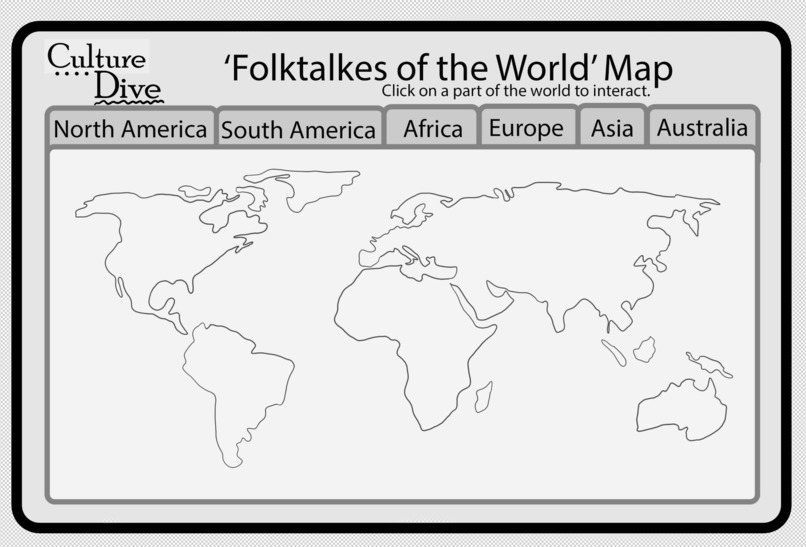
Wanting to both have proof-of-concept and an accurate portrayal of an ideally finished project, we utilized both html/javascript/css website building skills as well as artistic and design skills in Adobe XD. The fully coded website serves as proof of concept- showing off an early concept for the website. The Adobe XD website shows a less-manipulatable version, but is artistically closer to the final vision we had for Culture Dive. Photoshop was used in both, designing our own logos and extra artistic touches.
Challenges I ran into
Most of our team left us a few hours into the hackathon. We had mostly decided on a finished goal to work-towards, making the usual compromises you do when working with a group, when the group suddenly lost over half of it's original members in less then 2 hours. One member that left was the primary computer science major, leaving our team without an experienced member in code (a huge component when creating this project). Another was the team's resident 'folklore' expert. Some simply never came back, not bothering to state whether they were still interested in continuing with the project or not. It left the team with an over-ambitious project and roles and jobs to scramble to fill. The coding aspect of the project suffered the most- with the 'tech' portion of the team shrunk down from 5 to 1. With help from mentors though, we didn't lose hope to still have a project to turn in.
Accomplishments that I'm proud of
Our team is proud of our adaptiveness and endurance when the going-got-tough. We're proud that we were able to create such an elaborate project within the short time-constraints, and of the new technological skills we learned when it comes to coding websites.
What I learned
 Our team learned a lot about the education system for elementary students in impoverished areas of the US, and about the unique struggles and challenges that the students and teachers overcome in the classroom.
 We also learned how to code a website and give it a domain.
What's next for Culture Dive
Ideally, the future of Culture Dive is to finish refining the website's code, make it more user-friendly, and start beta-testing with local schools. For it to continue, we'll need guidance from someone more experienced in database implementation and general website coding.

Log in or sign up for Devpost to join the conversation.