Inspiration
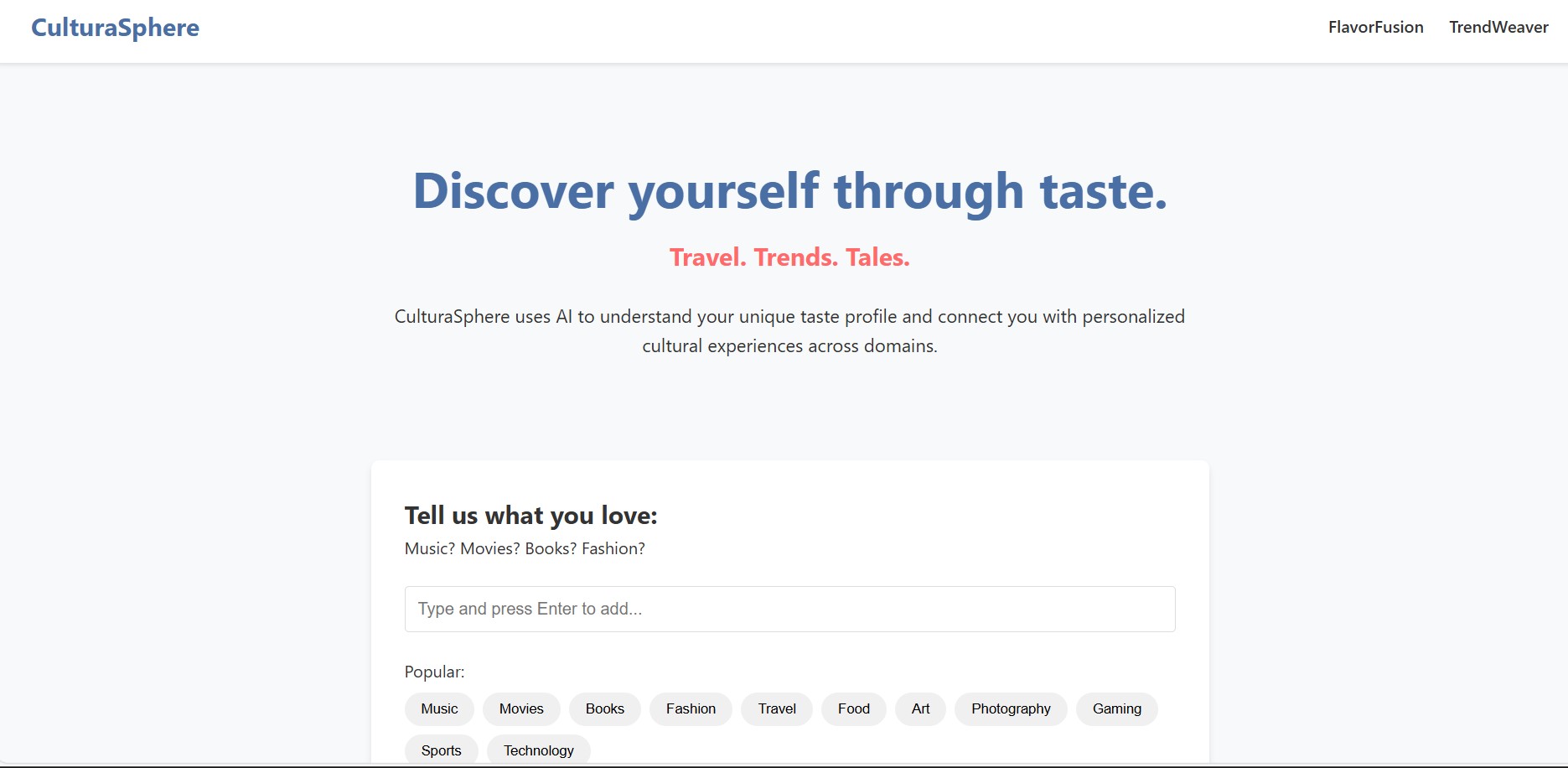
I’ve always been curious about how our personal tastes whether in music, books, films, or fashion connect to broader cultural patterns. The idea for CulturaSphere was born from the question:
"Can AI understand what we love and use it to guide how we experience the world?"
With access to Qloo’s Taste API and the power of Groq’s LLM, I saw an opportunity to build something that translates human preference into real-world decisions, narratives, and insights without needing personal data.
What it does
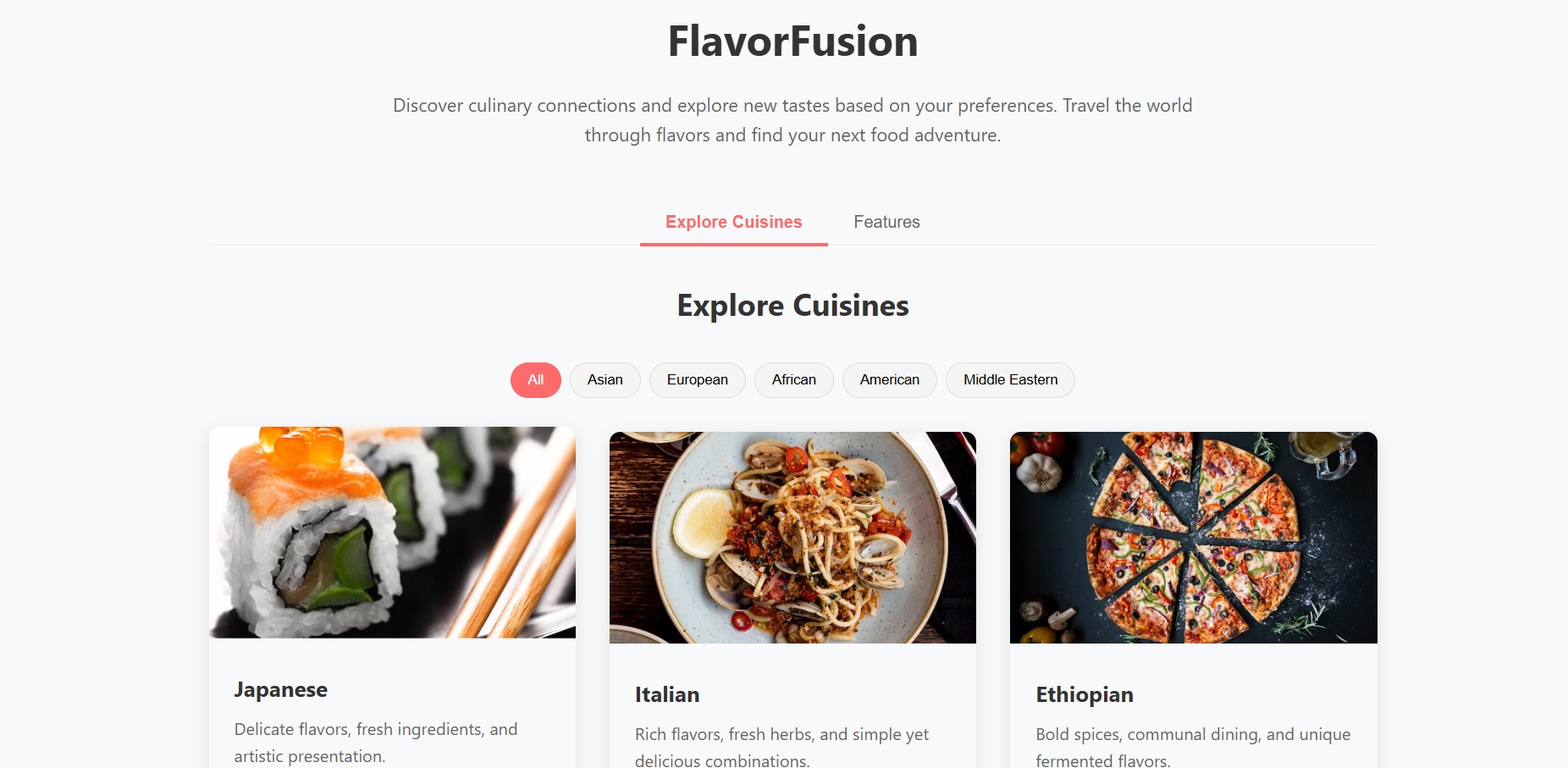
CulturaSphere is a cultural intelligence platform built around two key modules:
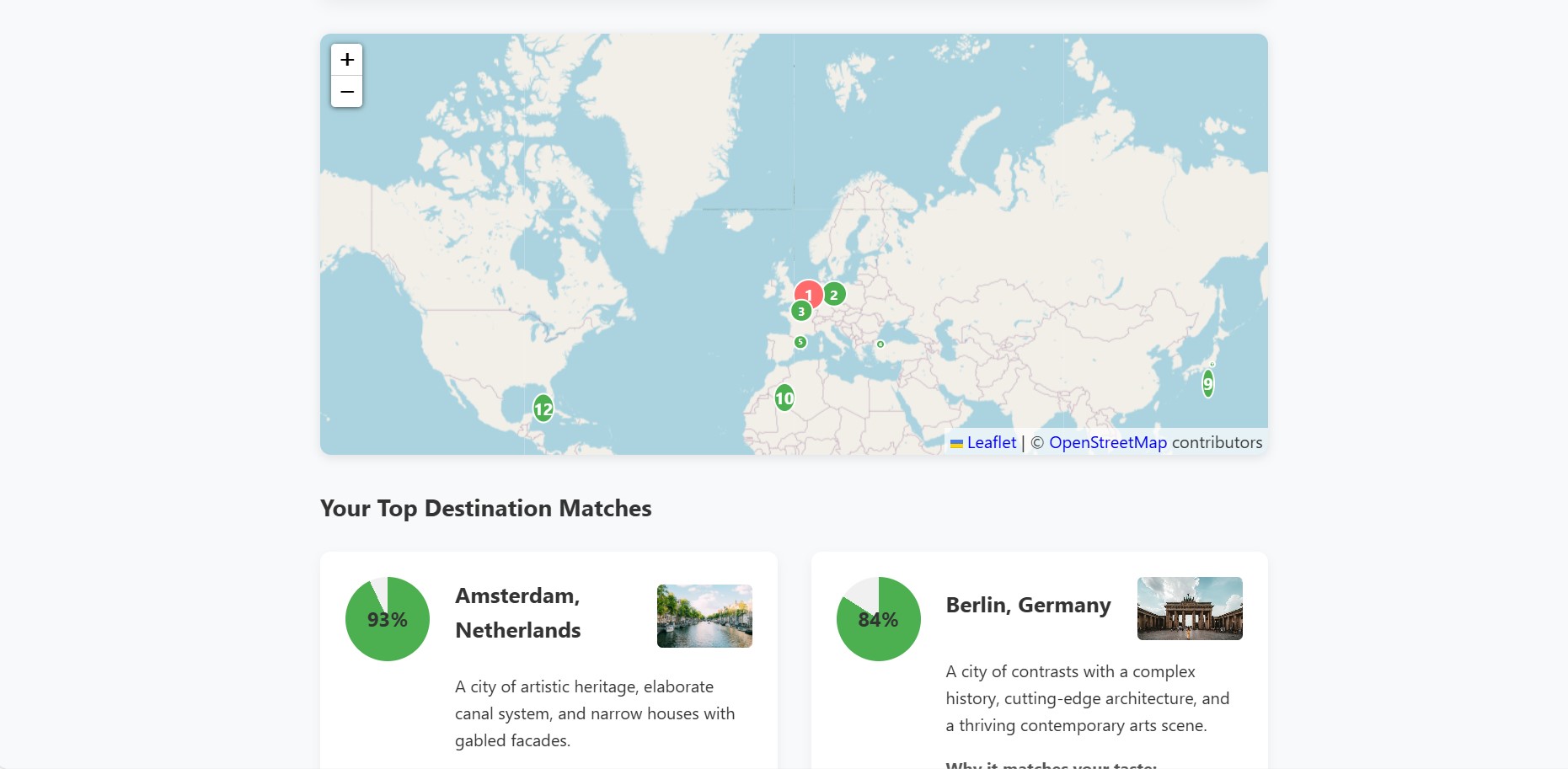
- FlavorFusion – A taste-based travel and dining companion that recommends destinations, food, and cultural experiences aligned with your favorite artists, books, films, and more.
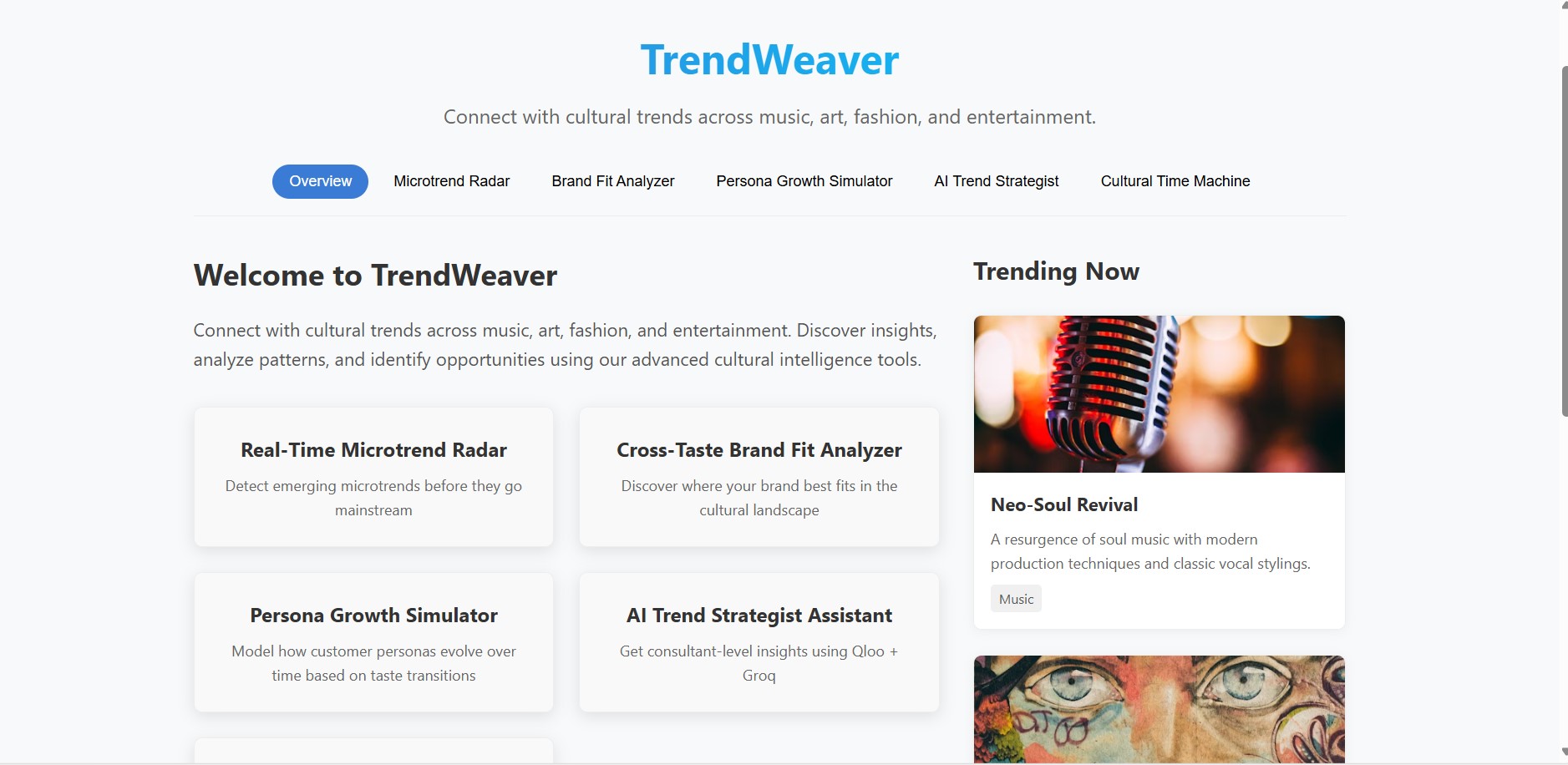
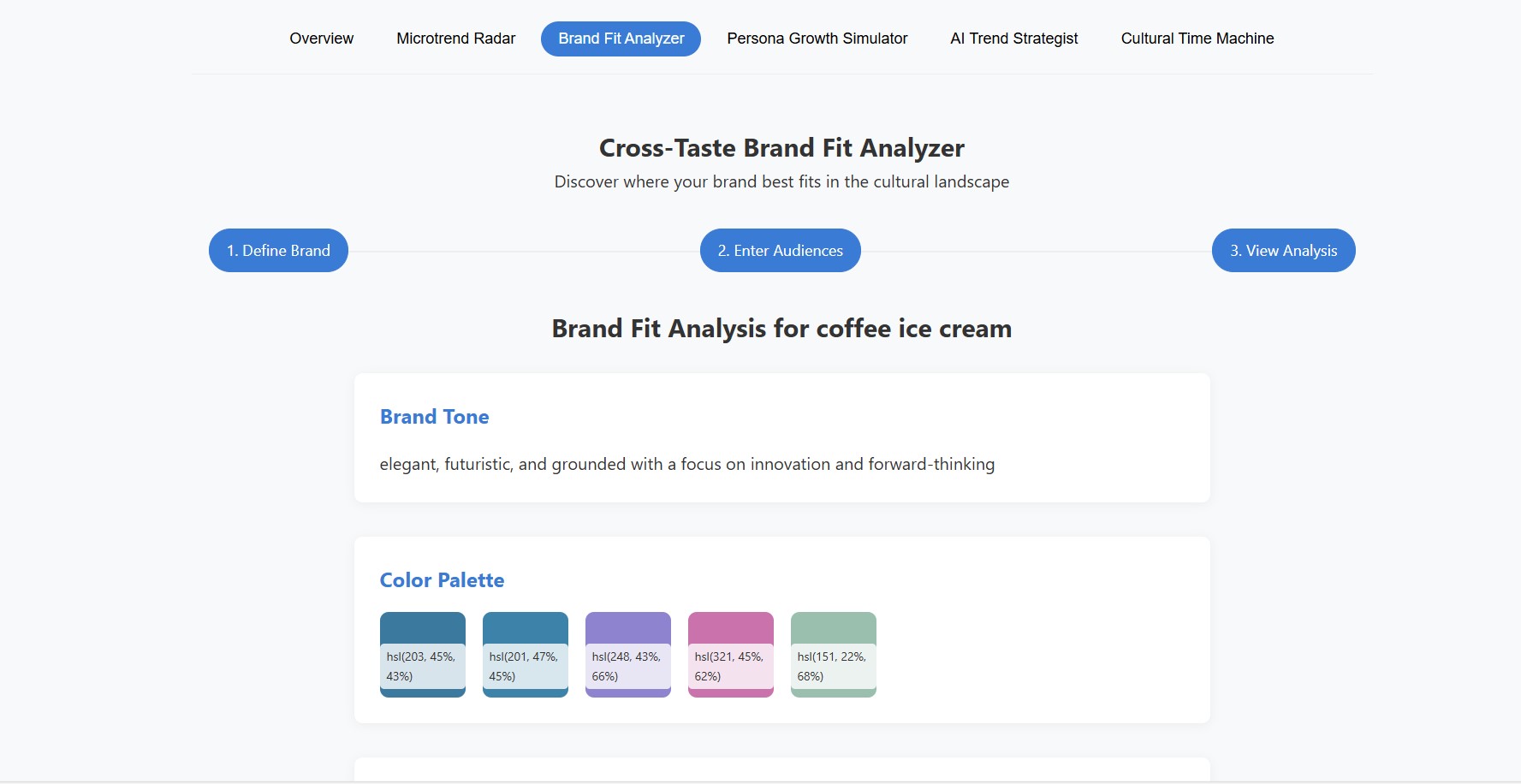
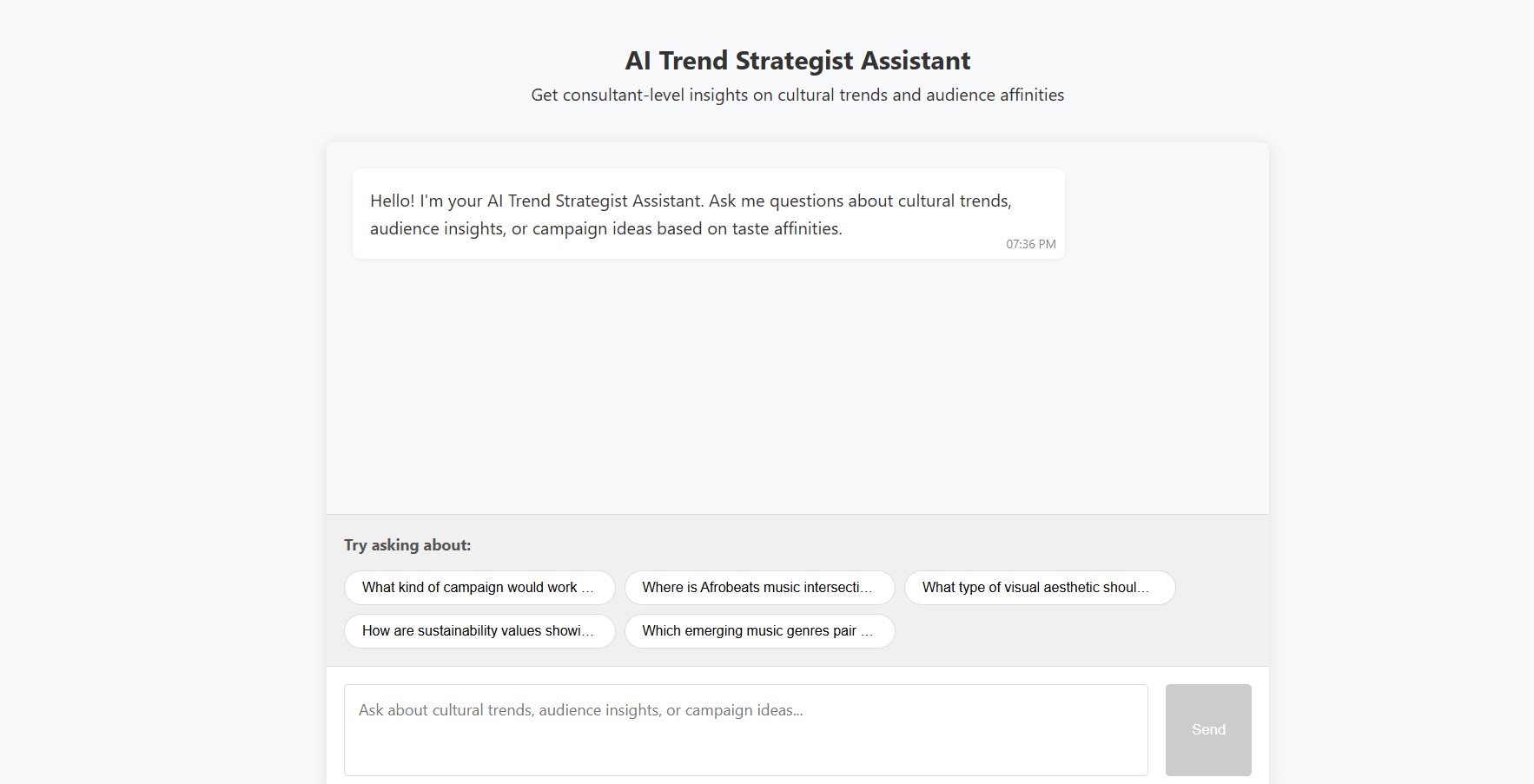
- TrendWeaver – A cultural trend forecasting dashboard that visualizes global taste shifts, generates creative briefs, and builds AI-generated personas based on emerging cultural data.
Each module is powered by cross-domain insights from Qloo and real-time natural language generation using Groq.
How I built it
- Frontend: Built with React.js, designed for modularity and smooth transitions across modules. I focused on creating a highly interactive and immersive user experience.
- Backend: Developed using Node.js + Express, which handles API requests to both Qloo and Groq, manages user inputs, and returns real-time responses for rendering.
- Qloo Integration: Used Qloo’s Taste API to analyze user taste inputs and retrieve culturally linked data across domains.
- LLM Integration: Integrated Groq’s large language model to generate personalized content including itineraries, trend summaries, creative briefs, and persona narratives.
Challenges I ran into
- Interpreting Freeform Taste Input: Mapping unstructured taste data (e.g., “I like Lana Del Rey and sci-fi novels”) to actionable Qloo queries required custom preprocessing logic.
- Real-Time Flow: Ensuring that the interaction between Qloo’s API and Groq's LLM was seamless and fast enough for a smooth user experience.
- Data Context Management: Since I didn’t use a database, I had to find creative ways to temporarily maintain user state across multiple steps of story or itinerary generation.
- Prompt Tuning: Getting Groq to produce contextually rich, taste-aligned content required several iterations of prompt engineering.
Accomplishments that I'm proud of
- Created two deeply connected modules that offer unique cultural insights based entirely on user taste input.
- Delivered a travel assistant that goes beyond generic recommendations by aligning mood, aesthetics, and personality to real destinations and dining experiences.
- Built a trend forecasting tool that enables users and brands to understand global shifts in culture and audience affinities with real business and creative utility.
- Achieved all this without using any personal or identifying user data just taste.
What I learned
- How to architect LLM experiences that are user-driven, taste-aware, and creatively adaptive.
- How to design interfaces that balance personalization with broad cultural discovery.
- How powerful it can be to combine structured affinity data (Qloo) with generative reasoning (Groq) to create experiences that feel personal, intelligent, and fun.
- How to turn a vague idea “culture-aware AI” into something tangible that can serve travelers, creatives, marketers, and everyday users alike.
What's next for CulturaSphere
- Add a collaborative mode where users can merge tastes with friends or partners to generate shared itineraries or trend profiles.
- Introduce real-time mood detection using voice or short-form input to generate even more emotionally aligned content.
- Build a browser extension or mobile widget that lets users receive taste-based insights while browsing Spotify, YouTube, or travel sites.
- Explore integrations with event platforms, booking systems, or culinary platforms to make FlavorFusion not just a planner but an action engine.
Built With
- css
- express.js
- groq
- node.js
- qloo
- react
- tailwind

Log in or sign up for Devpost to join the conversation.