-
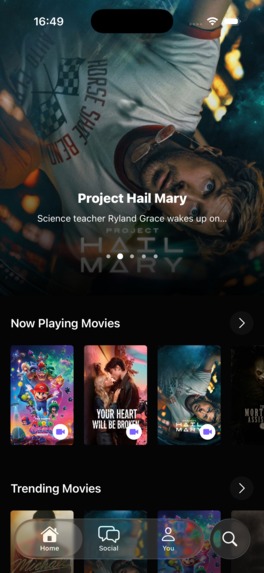
Home screen
-
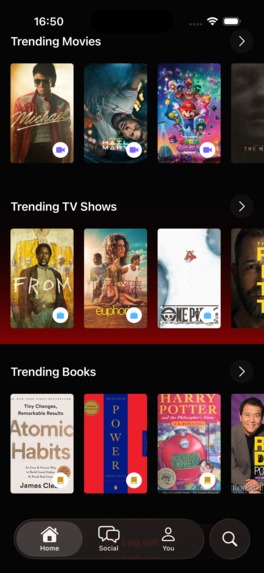
Home screen
-
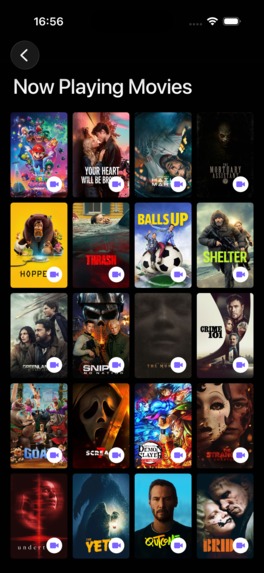
Grid List
-
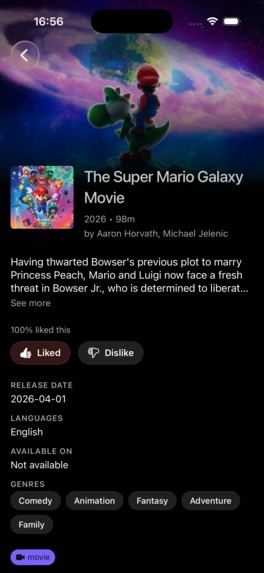
Movie details
-
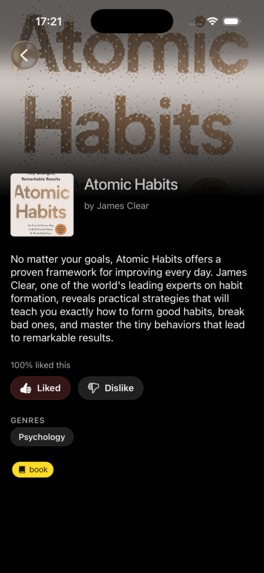
Book details
-
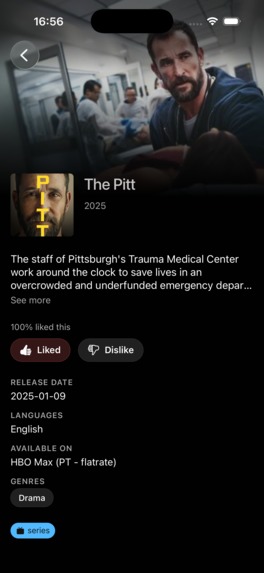
TV series details
-
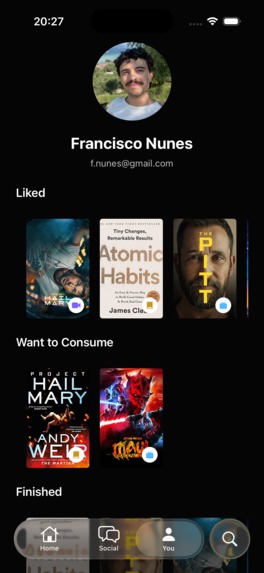
Profile
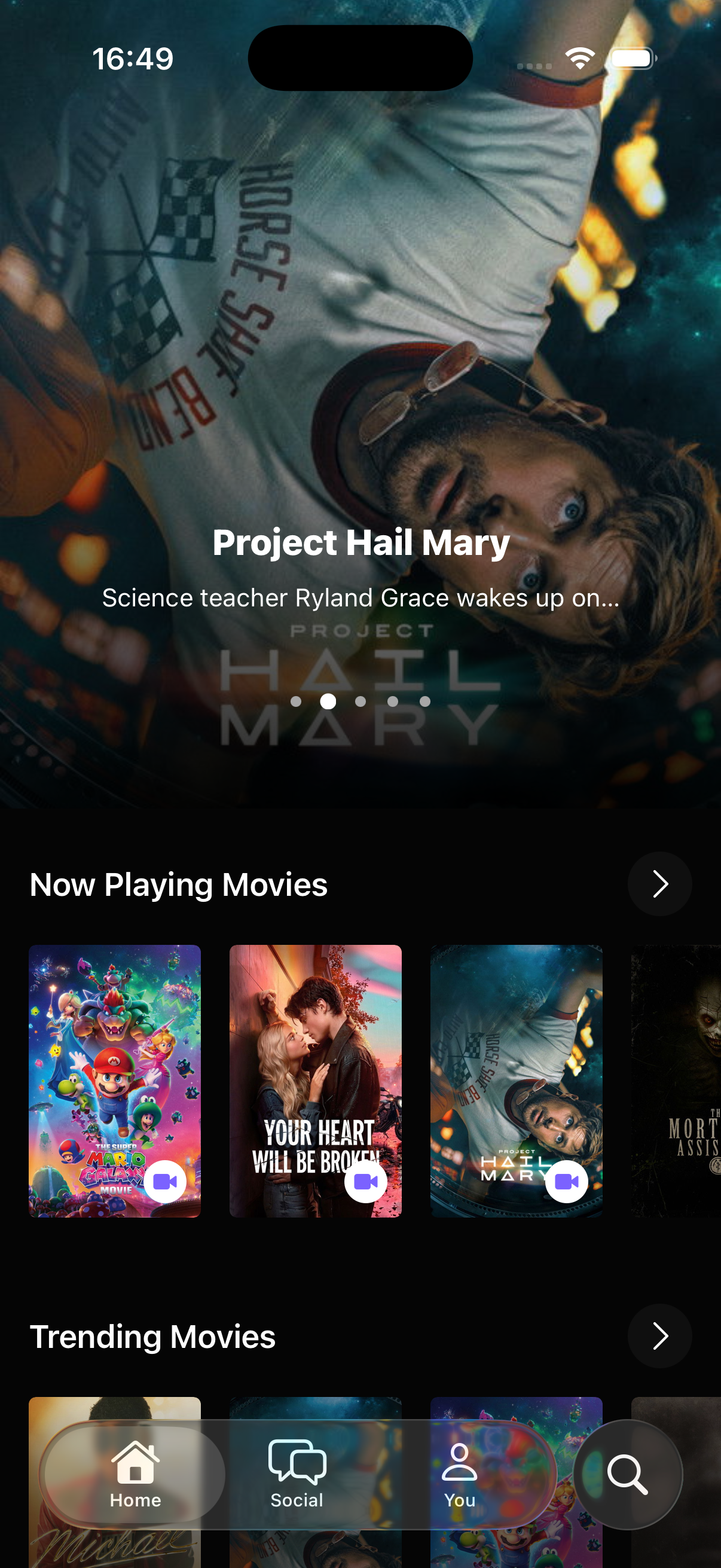
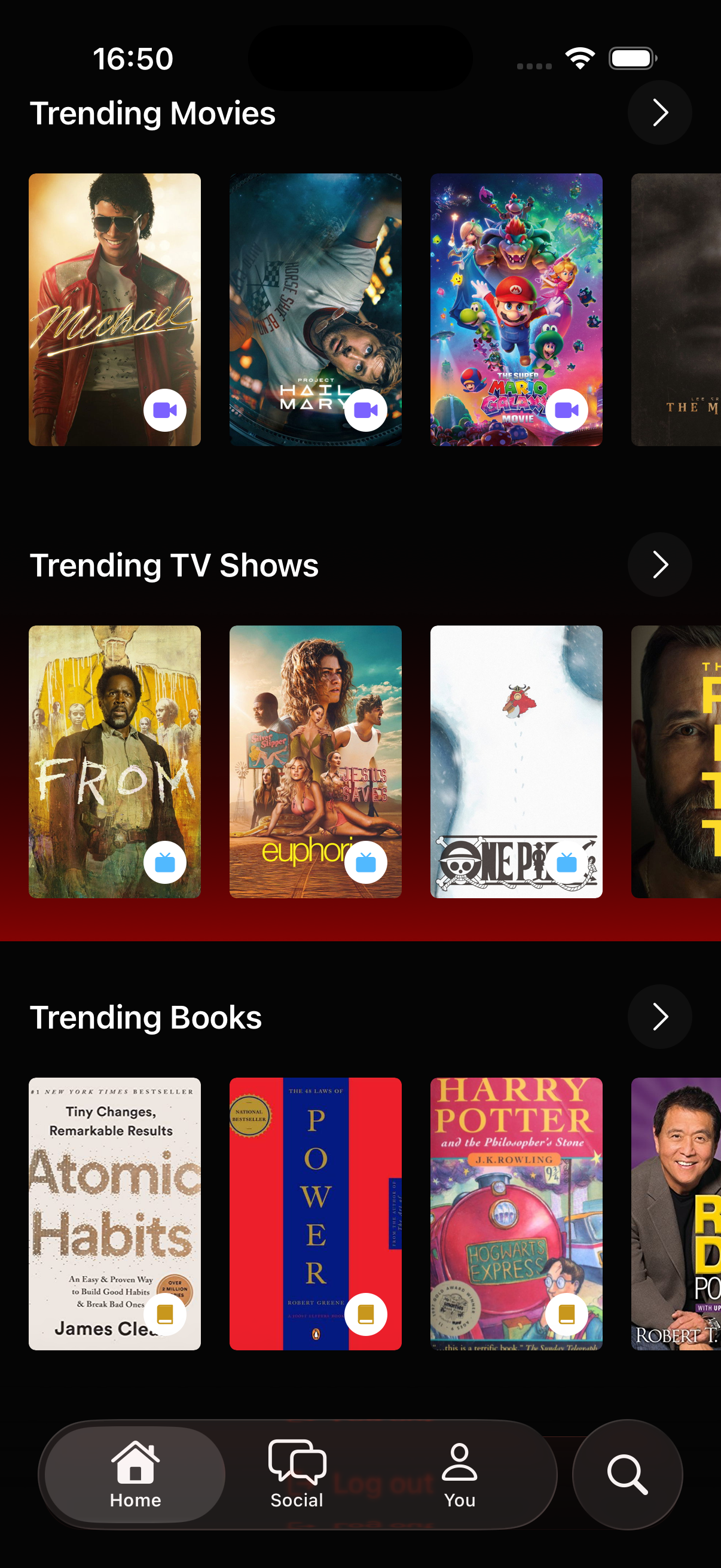
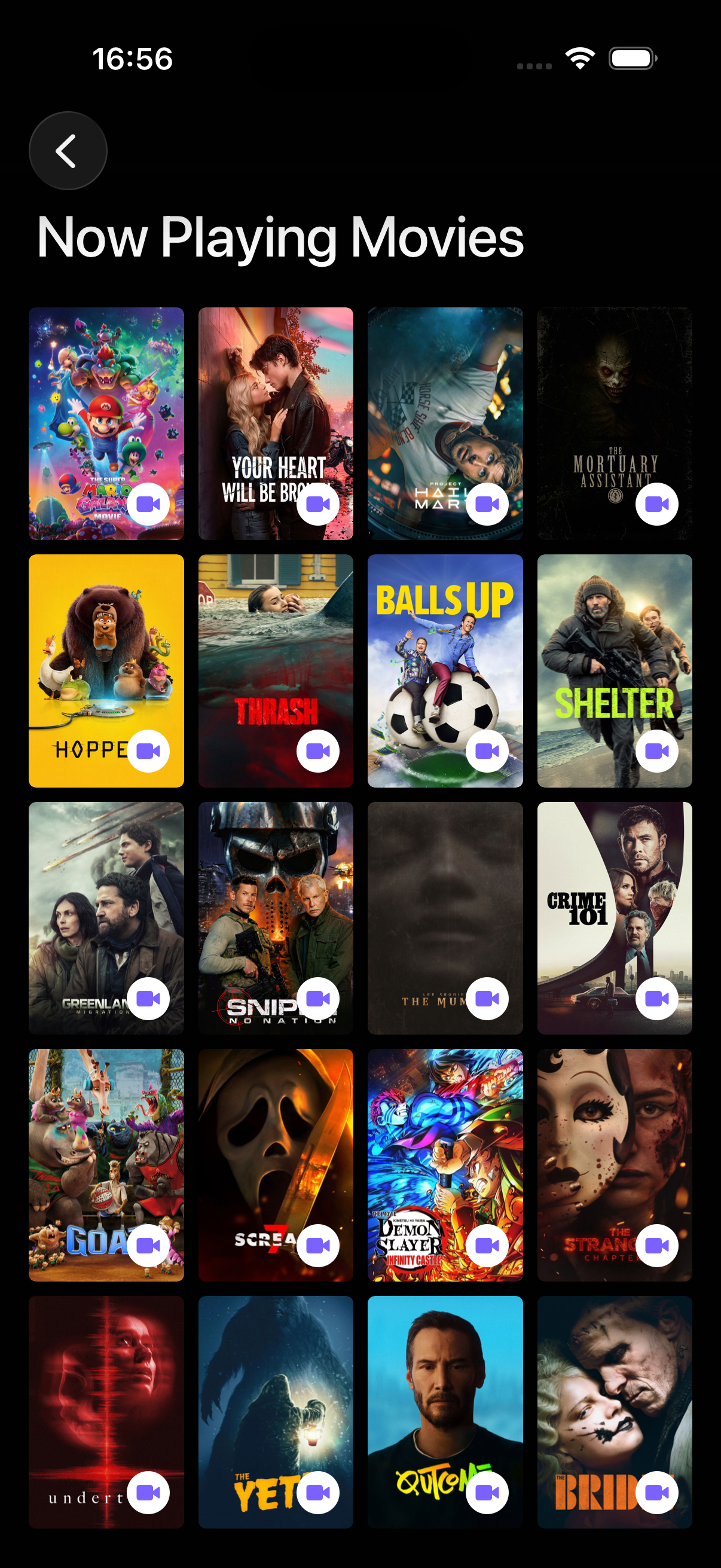
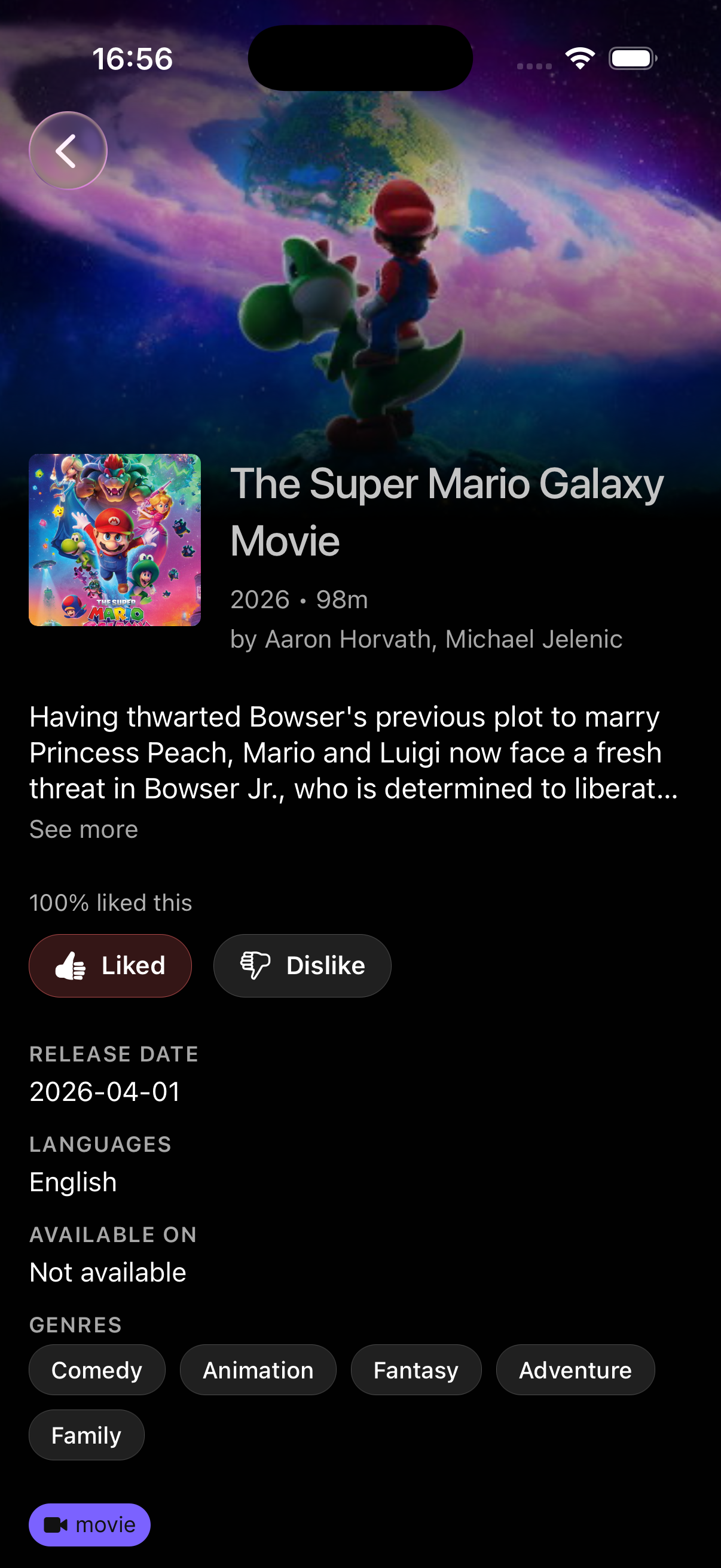
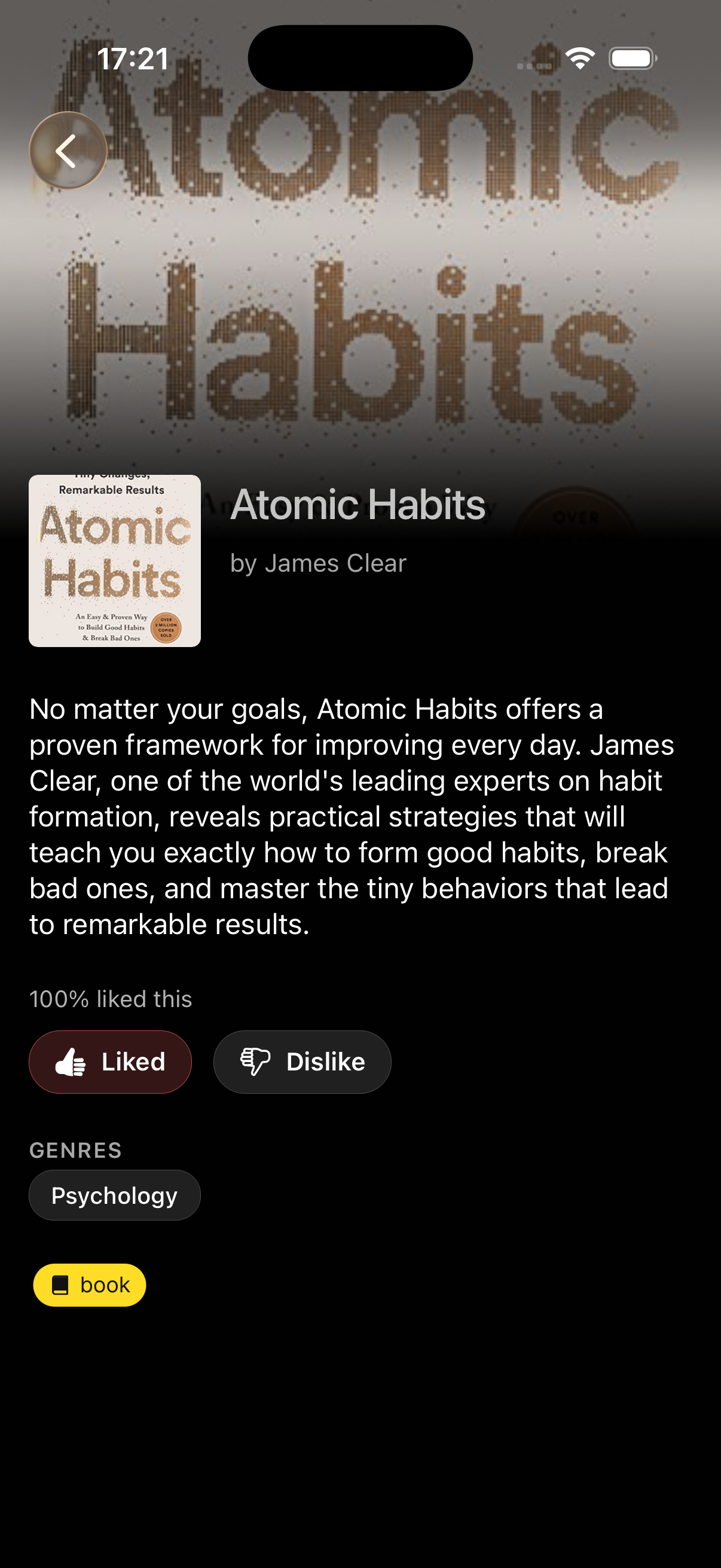
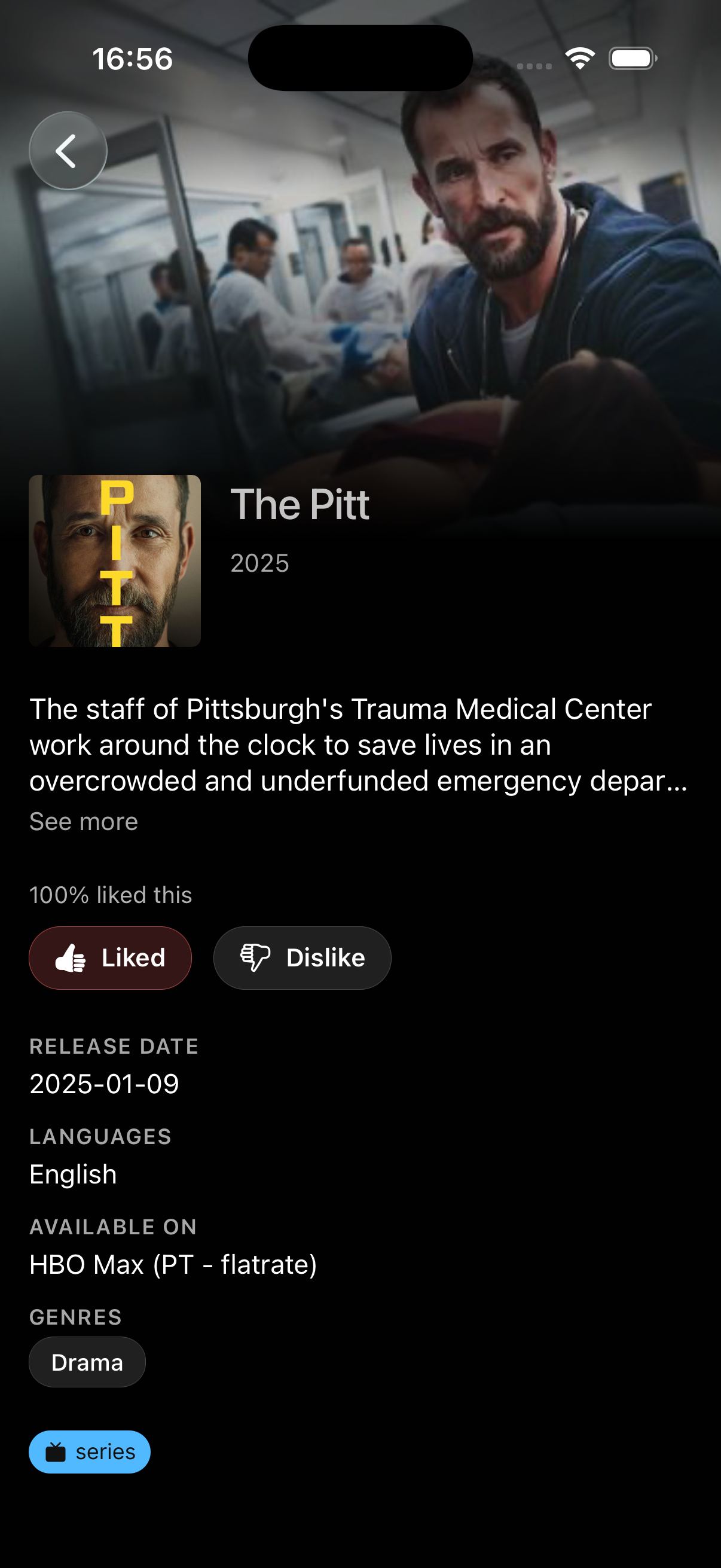
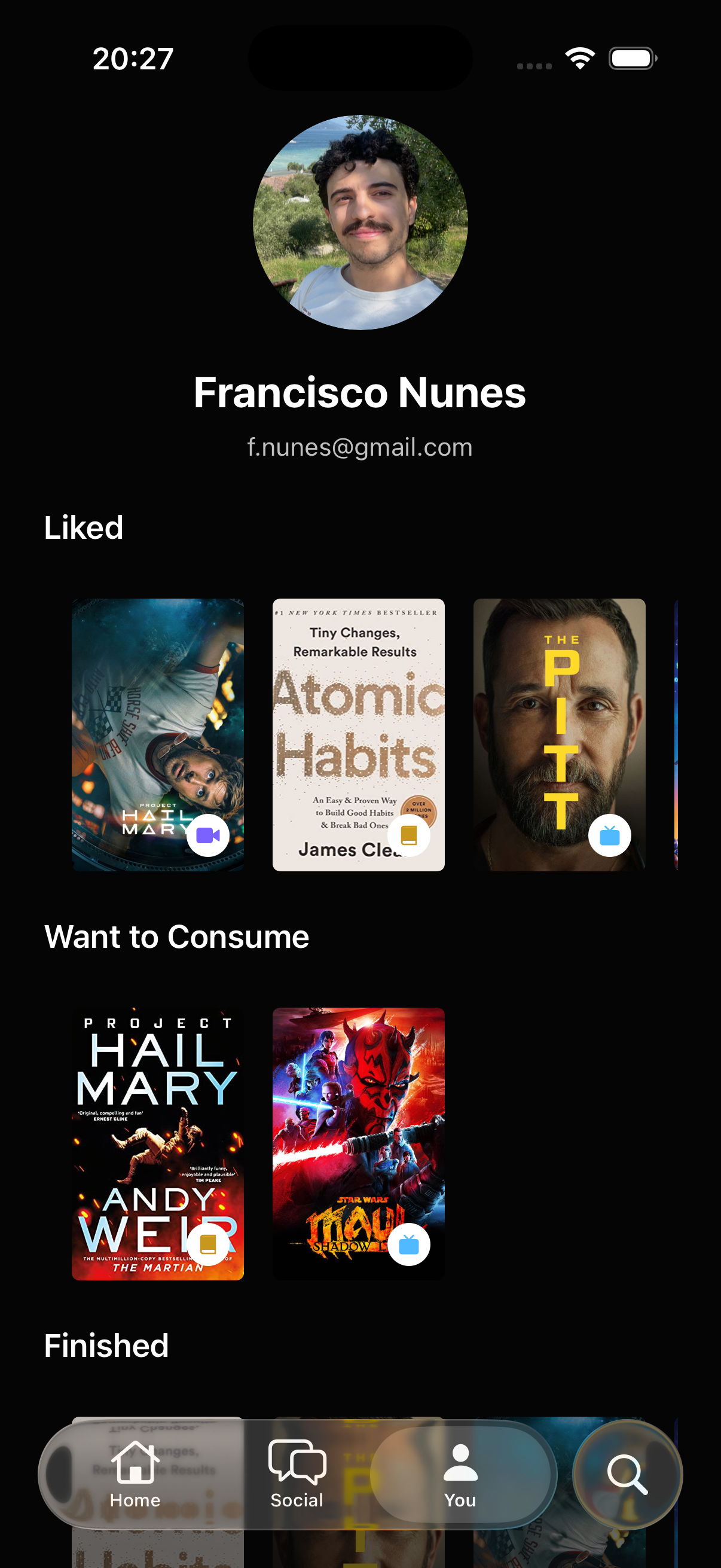
Cultur-a is one place for everything you read, watch, play and listen to. Discover your complete cultural self, go deeper into the worlds you love and share that journey with others.
What inspired us
Cultur-a was born from a Postgraduate project in Digital Experience Design (DXD) at the Lisbon Faculty of Fine Arts, and over the past year has grown into a passion project and development of our first working MVP.
The project started from a simple but fundamental observation: culture shapes identity, yet the tools we use to engage with our culture are very fragmented. We track our reading in one app (Goodreads), our films in another (Letterboxd), our music listening somewhere else, and gaming in yet another. Each of these platforms operates in isolation, behaving as individual islands that limit us to their specific algorithmic recommendations.
We believe that our relationship with art and culture shouldn’t work like that. Human recommendation doesn’t look at media boundaries: great books inspire great movies, great movies inspire great videogames, great videogames inspire great books, ad aeternum. This is where our cultural identity and individual expression thrive.
Yet the beauty of these connections, the very thing that feeds this cycle, is being left behind by the fragmented nature of our current tools.
At the same time, cultural behaviour has become increasingly social, interconnected, and expressive. What we read, watch, play, and listen to is no longer just entertainment, it is a way of understanding ourselves and relating to others. When we get to know someone, the first things we usually ask are always around our cultural identity: what recent movies have you watched? What music do you like to listen to? What books are you reading? Culture is, more often than not, the basis of our connecting social fabric, the entry point for connecting with others.
Cultur-a emerges from these two ideas. What if there was a platform that gathered everything we read, watch, play, listen to and experience? A place where I can express my complete cultural self, explore and go deeper into the cultural worlds I love, and share that journey with others.
What we learned
Mapping the entire cultural spectrum is inherently a large and long-term goal. There are a lot of variables to control: never-ending media types and formats, fragmented information sources, use cases to cover, and technology to explore.
It also quickly started to dawn on us the potential scale and impact of the road we were paving. Our vision was expanding to an overwhelmingly broad set of new features, potential integrations with other services, expansion into more experiential kinds of culture like concerts and events, and even a long-term north-star vision of becoming a Cultural Intelligence Platform, turning our deep understanding of cultural relationships and user behaviour data into a service.
Given this broad vision, the key lesson throughout the process was learning how to tame our own ambition. Understanding how to scope that vision into a focused, testable MVP without losing our core intent. Balancing conceptual ambition with practical execution became a critical part of the project.
Most importantly, we learned how to translate long-term vision into a tangible prototype, focusing on the core mechanisms that make the system meaningful.
How we built the project
Based on this vision, we started building Cultur-a by establishing three core pillars of features:
- Base functionality — search, compile, rate and organise your cultural objects.
- Gravitas — our distinctive way of showing object relationships, through universe pages and cross media recommendation.
- Social — friends, groups, and community features for connecting people through culture.
Our current MVP goal is to demonstrate our base functionality. To do that, we designed a simple primary user flow to demonstrate the core app features:
Sign up → Explore → Collect → Organise → Share
- Create a profile to begin building your cultural identity;
- Search and explore cultural objects across multiple media;
- Add books, films or tv shows to your collection;
- Organise everything into favourites or custom lists;
- Add ratings and review objects;
Technical foundations
From a technical perspective, the project is built using React Native (Expo) for the mobile application, supported by a backend API responsible for managing cultural objects, users, and their relationships.
At its core, the application revolves around aggregating data from multiple sources. To fetch this data, we rely on external APIs built for individual media types, such as TMDB (for film and TV show information such as, episodes, seasons, titles, cast, crew, etc..) and OpenLibrary (for books related data such as titles, editions, authors, etc..). We are currently exploring other APIs for other media types like videogames, music and concerts.
To avoid relying entirely on these external APIs, we have built and maintained our own database, where this data is currently being dynamically ingested and stored. In the future, we intend to reduce our dependency on external APIs and become the primary source for data around cultural objects, which we can then expose via our own API.
Lastly, we are implementing our most important technological layer. Our proprietary relational system called **Gravitas. This layer is responsible for:
- Generating personalised cross-media recommendations based on user interactions such as likes, dislikes, ratings, and social connections.
- Our universe pages, a represention of entire ecosystems of content in one single place, with all the connections between related objects across multiple media types pulled from different data sources and APIs.
For example, in a Harry Potter universe page, this would include the original book series, film adaptations such as Harry Potter and the Philosopher’s Stone, spin-offs like Fantastic Beasts, related video games like Hogwarts Legacy, and even supplementary content such as companion books, upcoming series, concerts and more. All of these entities are interconnected through shared characters, lore and narrative, enabling users to seamlessly explore the full universe across different formats and timelines.
Challenges we faced
Besides the scoping and technological challenges from above, building something as encompassing as Cultur-a is most importantly a matter of structure.
- Modelling and showcasing media types
Books, films, music, and games all have different formats, metadata, and relationships. Connecting them required us to think beyond categories and focus instead on relationships and patterns, abstracting the logic of each medium into a shared system that could scale.
We created a seven-part structure that organises all cultural objects around six actions: Read, Listen, Watch, See, Play, Live, with the seventh part being the overlap of all these actions, the user at the centre. This way we avoid locking ourselves into individual media types, enabling the inclusion of all past, present, and potential future cultural media we might want to expand to.
Understanding how these different media relate to one another is one thing. Presenting those relationships in a way that feels natural to users is another. We are using spatial analogies (universe pages, constellations, and worlds) as the base system for users to intuitively grasp how many parts connect in a systematic way. This is still a work in progress, as creating a system that is scalable in both complexity and granularity is a genuinely interesting challenge.
- Structuring the work itself
Building something this ambitious on the side has been its own kind of challenge. We have all been working full-time jobs throughout the past year, relying on our free time, past experience, and a shared belief in the project to build everything from scratch. Structuring the work, deciding what to prioritise, when to push forward, and when to slow down and rethink, has been just as important as structuring the product itself.
What’s next
Short term
Our immediate focus is finalising the primary user flow so we can begin testing assumptions with a small pool of early users. This will allow us to move into an alpha version, which we can then open up for broader public testing. Reaching a working alpha also opens the door to investment opportunities, mentorship, and strategic guidance.
Medium term
We want to expand the app’s capabilities in two directions: horizontally, by completing the other two core pillars and exploring new ones, and vertically, by deepening the functionality of each pillar.
| Base functionality | Gravitas | Social |
|---|---|---|
| New media types (games, music, concerts) | Cross-media recommendation system | Expanded profile personalisation |
| Expanded rating and review system | Cross-media aggregation system | Detailed privacy and sharing options |
| Expanded search using natural language AI prompting | User interface for exploring cultural universes | Social connection mechanics (friends and followers) |
| Automatic syncing with consumption platforms (Netflix, Goodreads, Steam, etc.) | Back-end tooling for controlling and tweaking Gravitas outputs | Customisable social feeds |
| User customisable recommendation algorithm | AI-powered universe page aggregation | Community groups |
| Release calendar | Nearby culture | |
| User cultural insights | Cultural ID Card | |
| Complete user onboarding | ||
| Engagement rituals |
Long term
Ultimately, we are building Cultur-a as the single entry point for cultural expression and discovery across all media formats and experiences. Our ambition is clear and exciting, but it doesn’t stop there. We are also setting the foundation for a broader service that becomes possible once our user base grows beyond our close reach: a Cultural Intelligence Platform. Cultural-data-as-a-service, providing open and structured access to information about how culture is created, consumed, and connected around the world. This is the stage where Cultur-a stops being a knowledge aggregator and becomes a knowledge driver.
Cultur-a, the platform for cultural discovery and expression.
Built With
- docker
- expo.io
- github
- google-cloud
- kotlin
- postgresql
- react-native
- springboot
- terraform


Log in or sign up for Devpost to join the conversation.