-
-
Logo Cultour
-
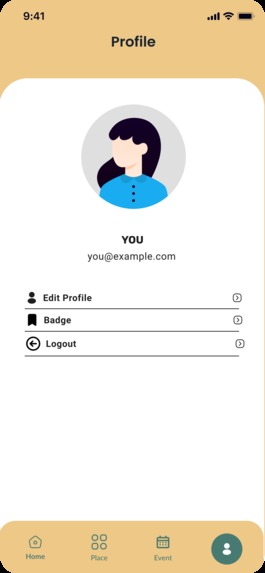
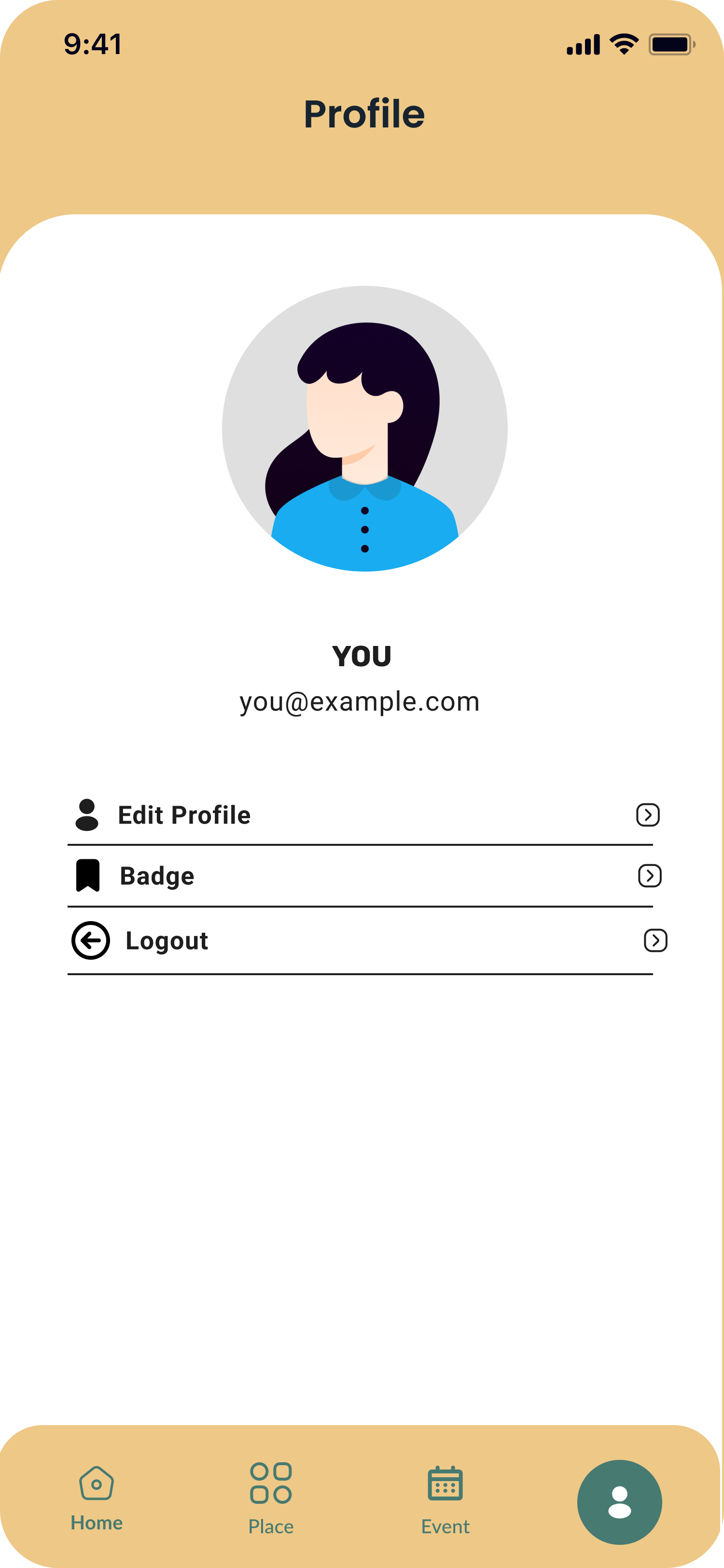
profile page
-
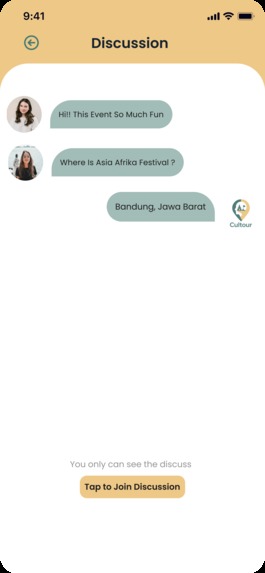
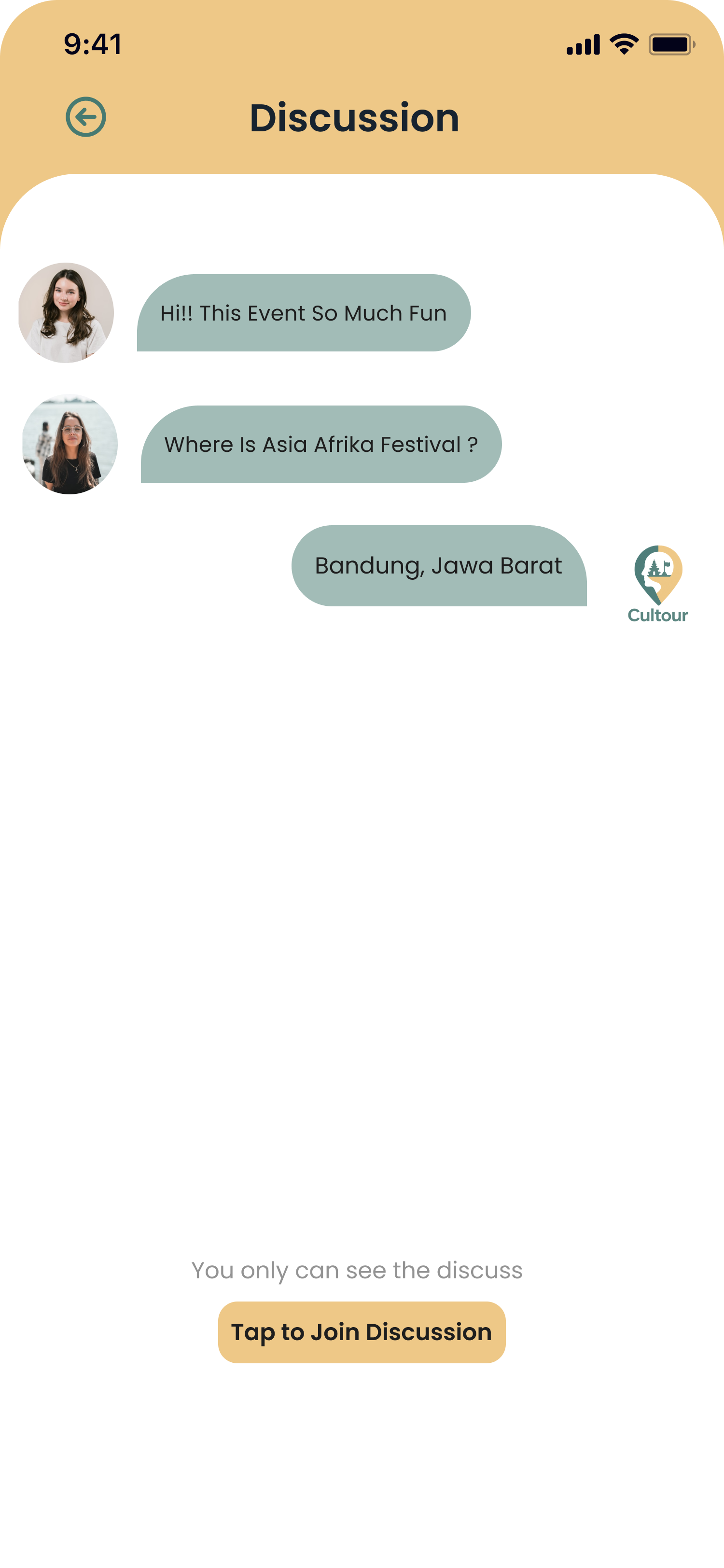
join discuss
-
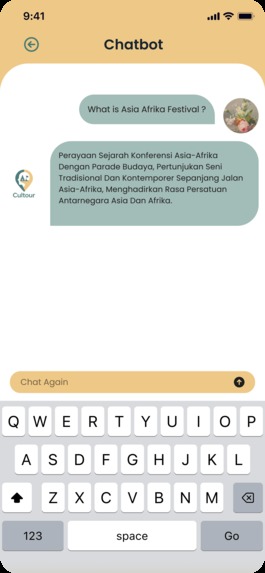
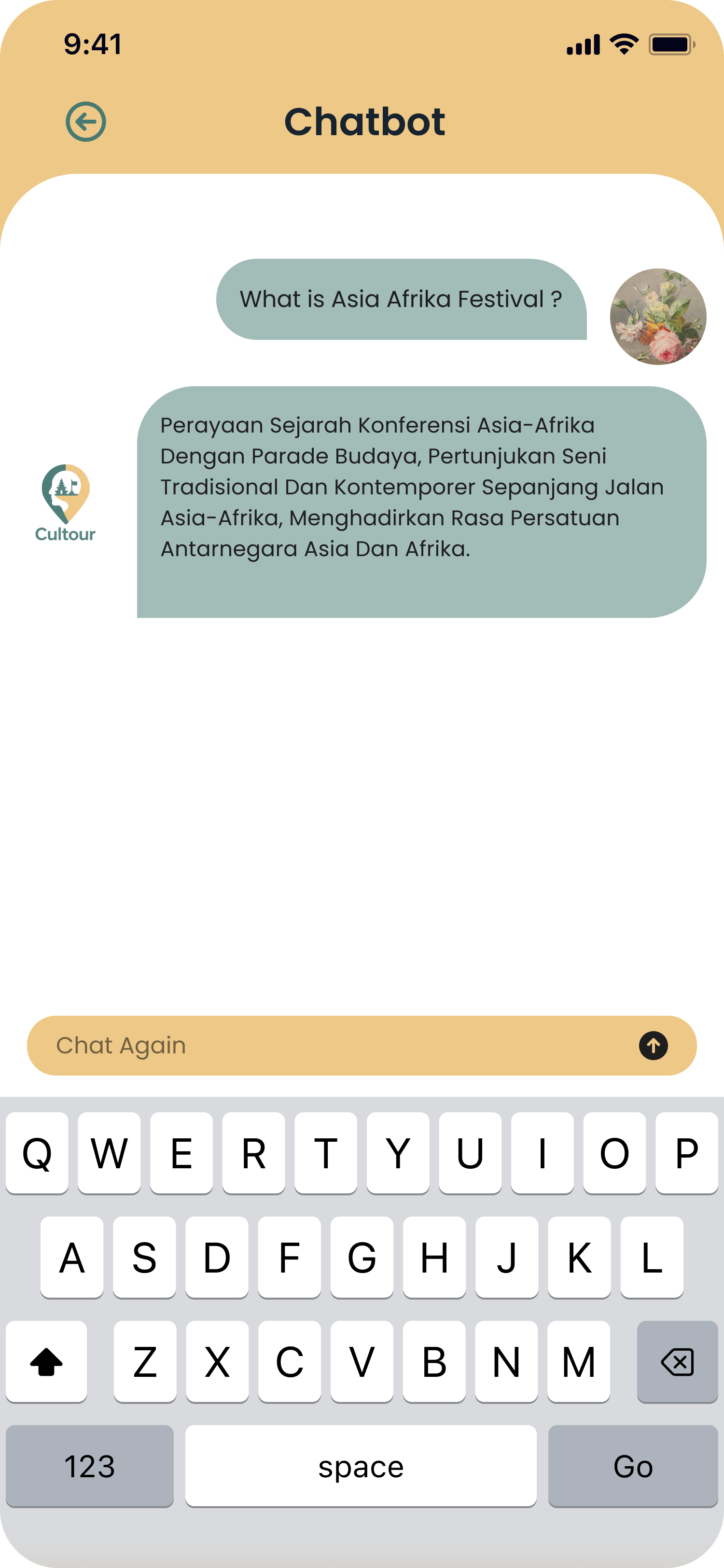
chatbot
-

logo
-
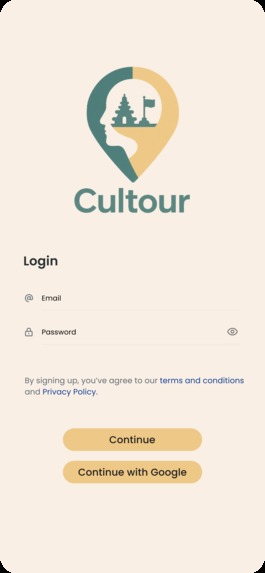
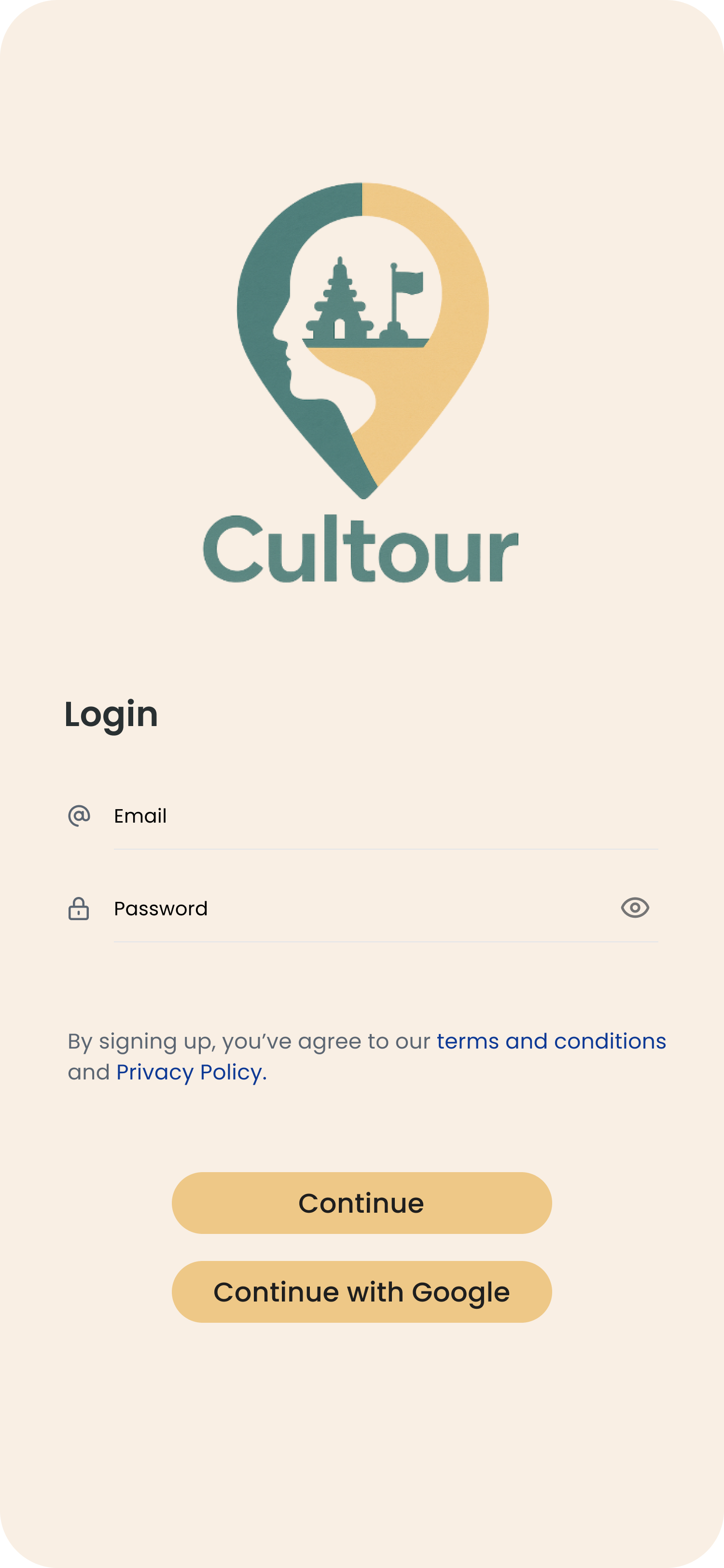
login
-
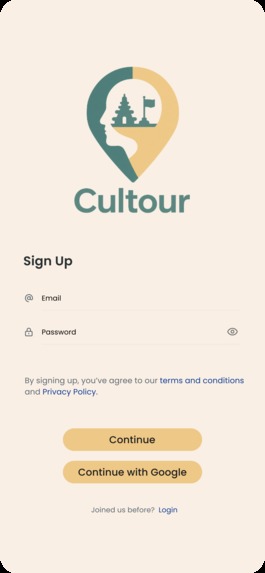
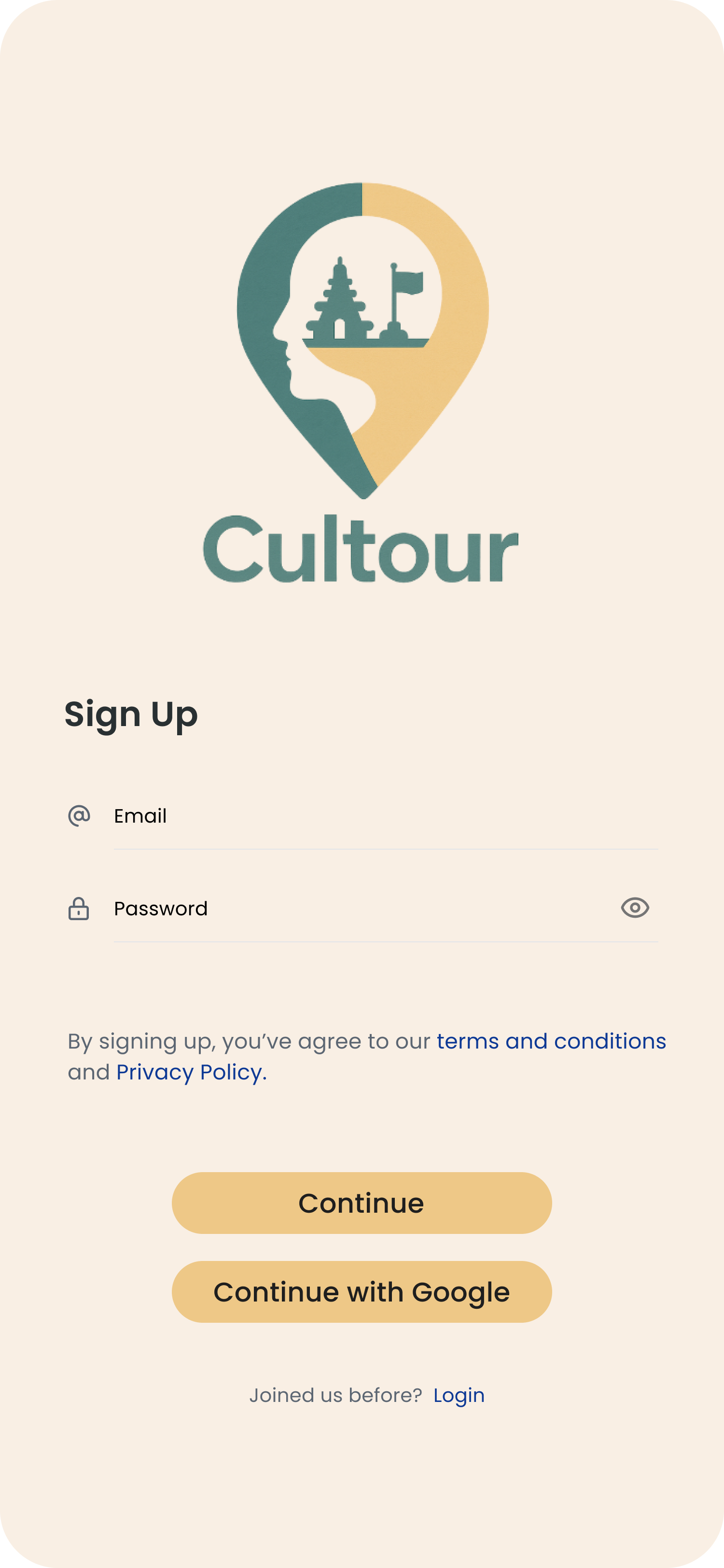
registration
-
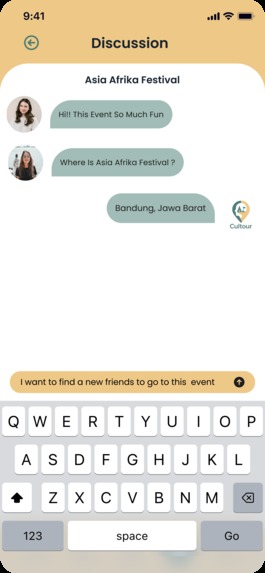
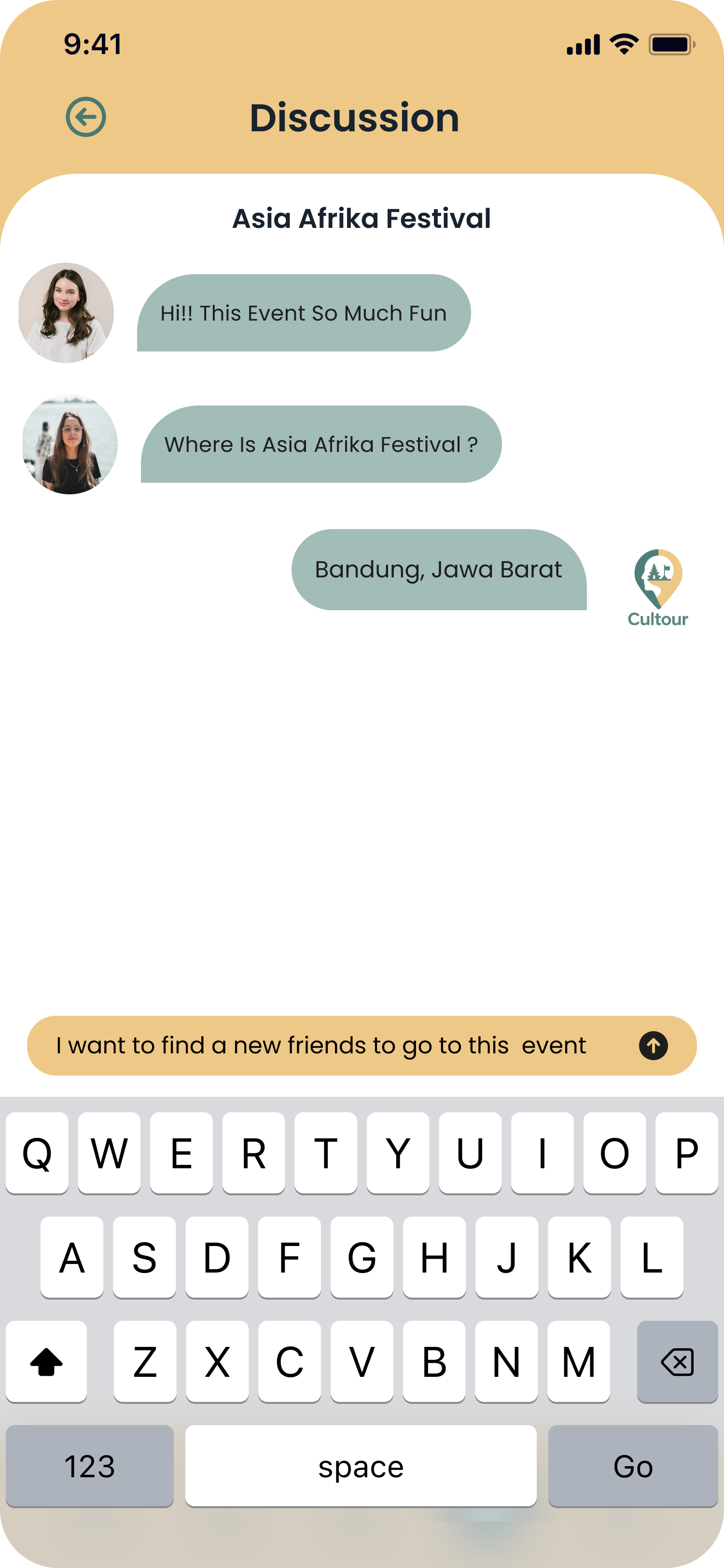
discuss
-
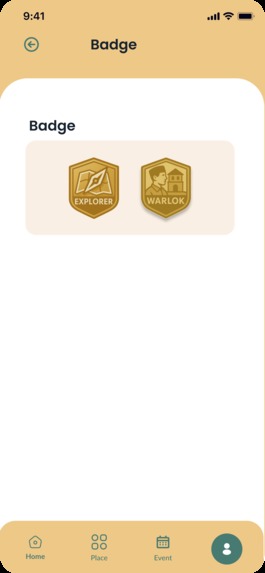
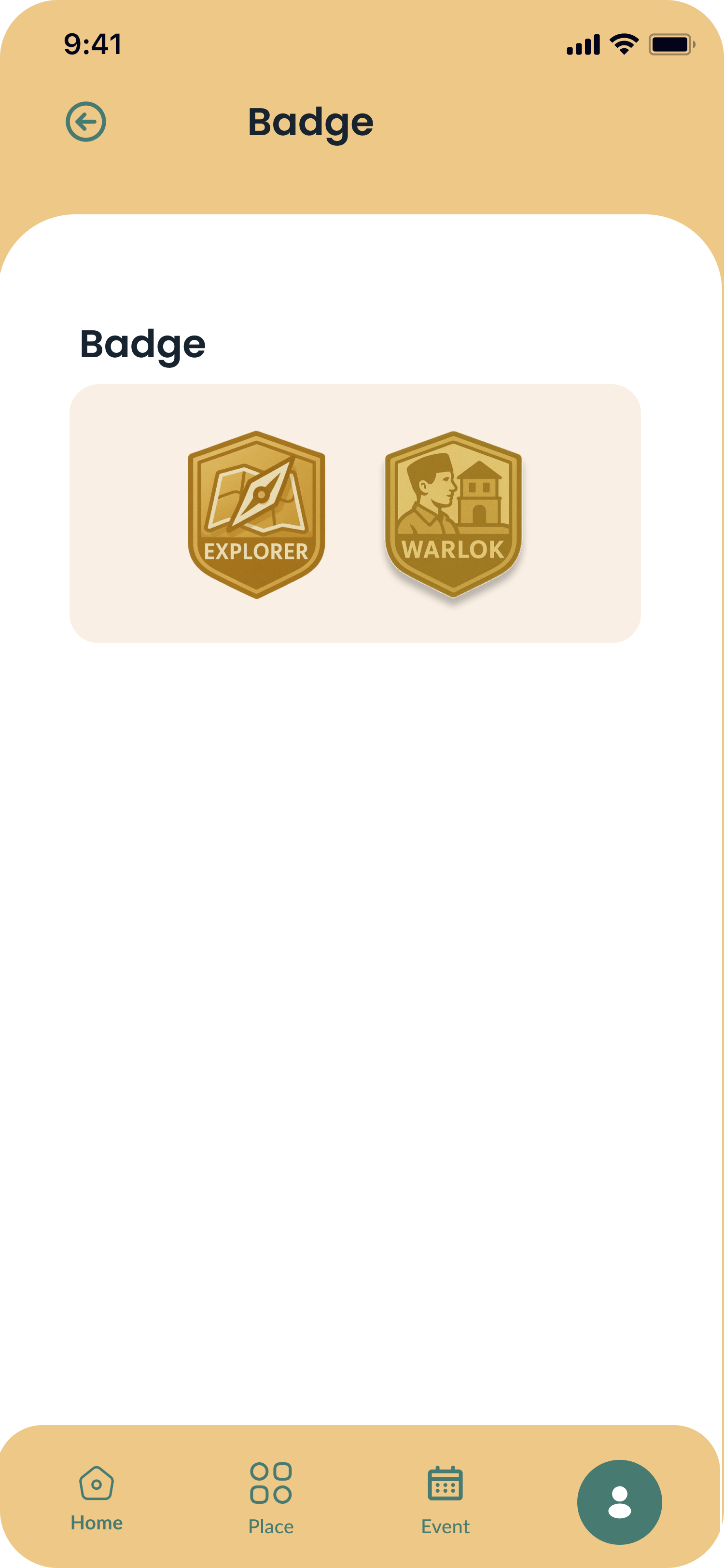
badge profile
-
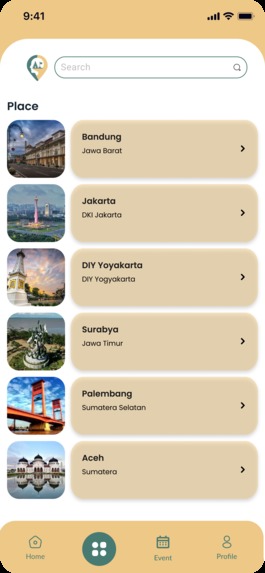
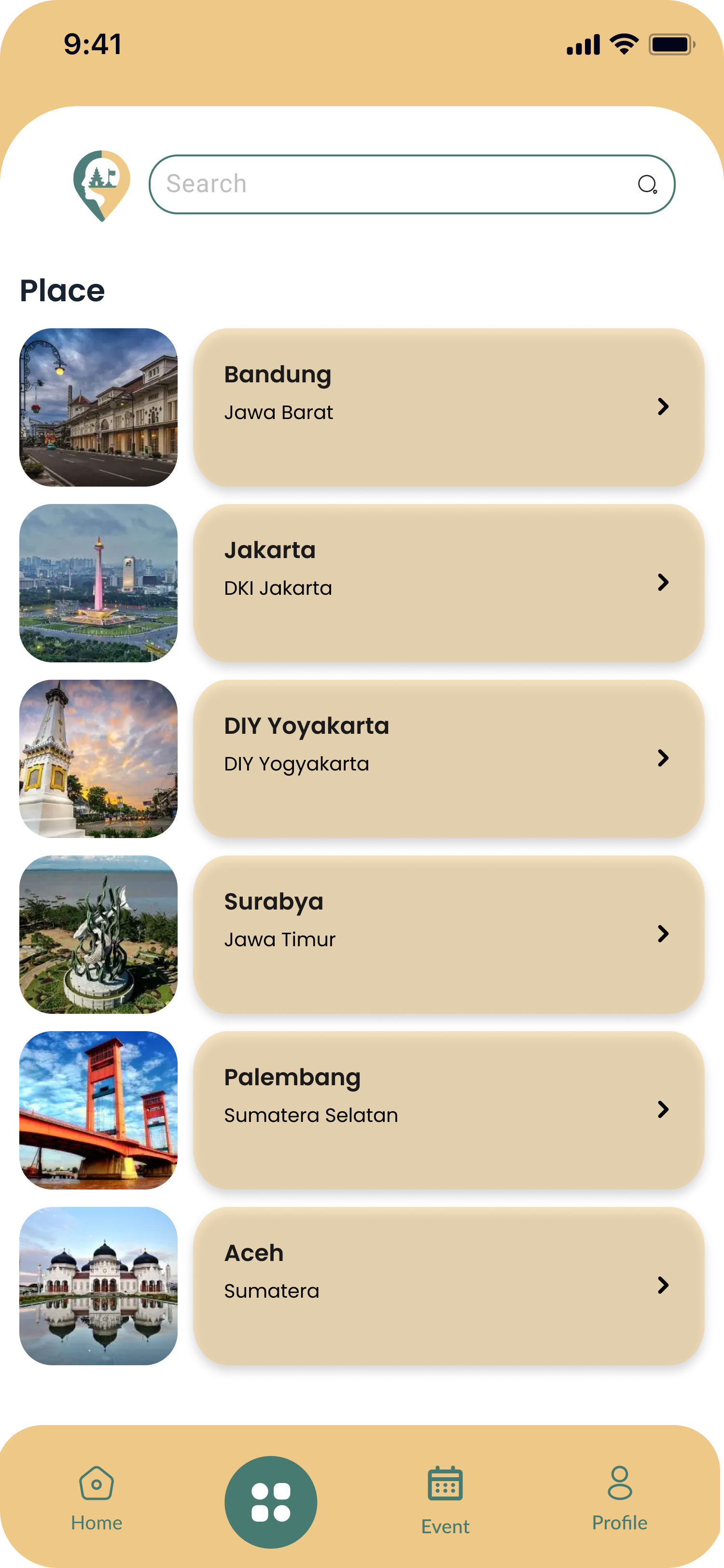
place page
-
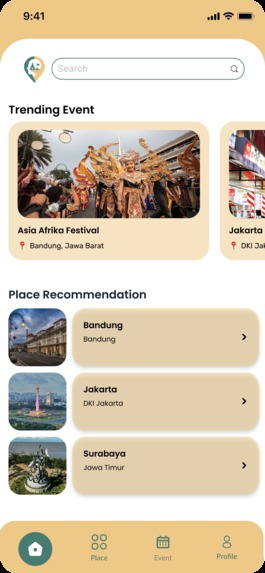
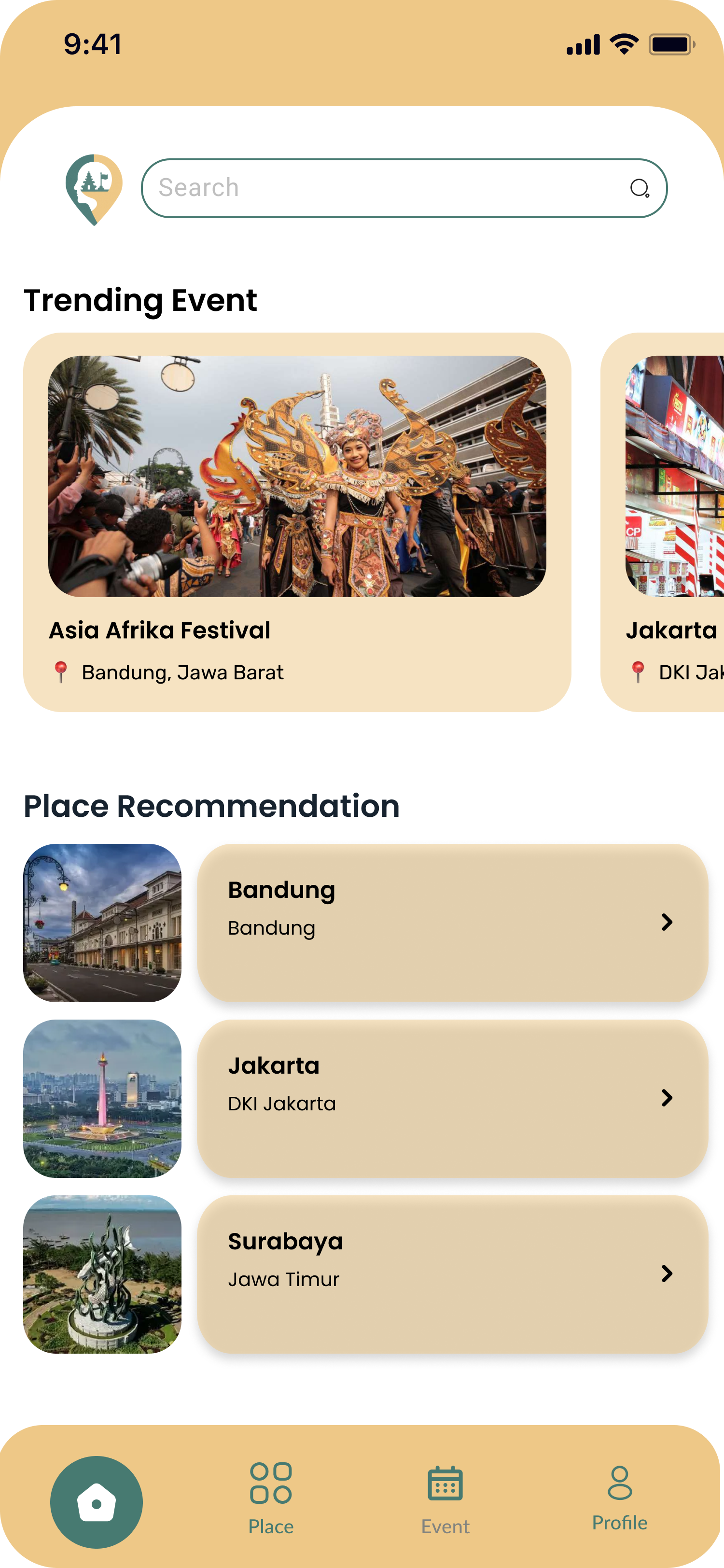
home page
-
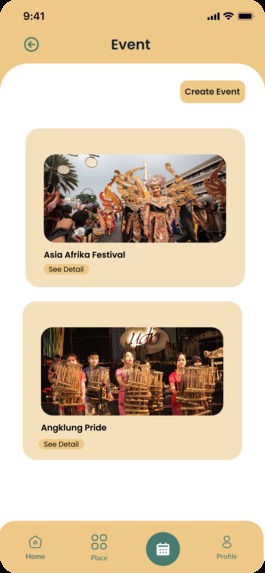
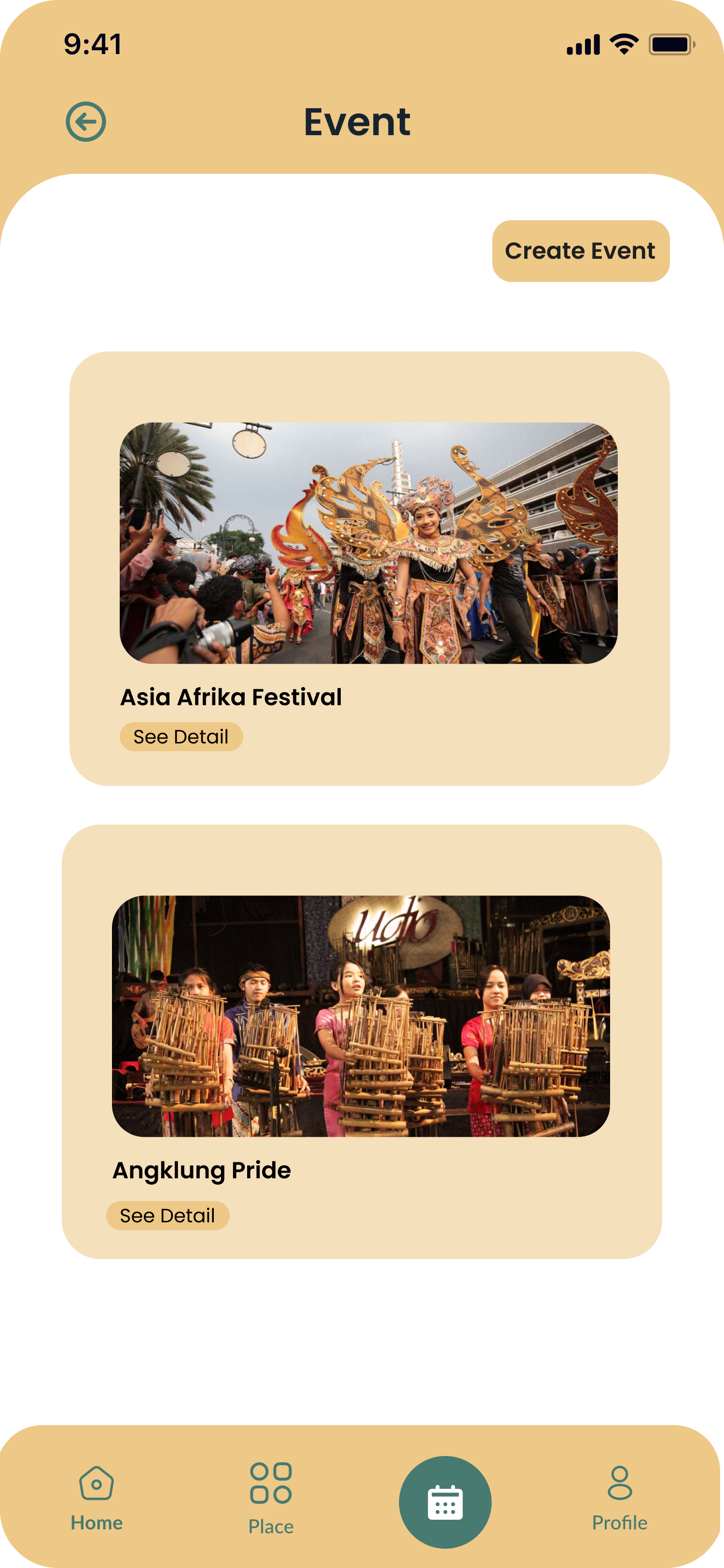
event page

Inspiration
We realized that many people are curious about culture, but often feel too afraid, awkward, or alone to ask. The fear of misunderstanding, lack of accessible information, and not having someone to guide the journey often stops them from exploring. That’s why we created Cultour a space where cultural discovery becomes friendly, safe, and interactive.
What it does
Cultour is a mobile app that helps users explore local cultural events based on their location. Users can ask questions through an AI assistant, join event-specific discussion forums, and even host their own events after simple identity verification. It bridges the gap between curiosity and understanding with culture, community, and technology working together.
How we built it
We used Figma for UI/UX design and prototyping, React Native for the mobile app frontend, and Golang for backend development. We used a lightweight Gemini API to handle AI responses. Collaboration was managed through Jira, and content was continuously refined through ChatGPT and community feedback.
Challenges we ran into
Throughout this 30-hour hackathon, we encountered several challenges, both technical and personal. One of our team members experienced unexpected issues with their laptop, which affected development flow and required us to quickly reassign tasks to maintain momentum. We also struggled initially with problem-solution reasoning overcomplicating certain ideas before stepping back to refocus on the actual needs of the user. This cost us valuable time, but also taught us to stay grounded in simplicity and clarity.
Accomplishments that we're proud of
We’re proud of how seamlessly we integrated AI with community interaction. Instead of overwhelming users with information, we gave them a safe place to ask and discuss. We’re also proud that the app allows locals to become cultural ambassadors by creating events and sharing their traditions — all with simple verification to ensure safety and trust.
What we learned
we learn so much in this hackathon, from using the wrong methodology. although is still agile, hackathon is not recommended using scrum, for the first 5 hour we keep using scrum and we can keep up with that. after shifting the ideation for making it fit-able, we change our method for managing project using kanban, and it more easier. because using kanban is good for short time project. and my team learn so much this day, the front end engineer face a lot of issue, but from there he learn something that he didnt learn in campus, so was the backend and the UI/UX Design. We learned the importance of empathy when designing tech around culture. Even the best features fall short if users feel intimidated or excluded. We also gained hands-on experience in balancing AI responses with social interaction, and how UX decisions deeply affect user confidence and trust in culturally sensitive platforms.
What's next for CulTour
We plan to expand Cultour by:
- Partnering with universities, local communities, and tourism boards
- Adding more features for verified hosts (Warlok), including simple analytics
- Improving AI accuracy for culturally nuanced topics
- Localizing the app in more languages
- Testing with real users in multiple cities across Indonesia Cultour is just getting started but we believe it can grow into a meaningful tool that helps people connect across cultural boundaries.
Built With
- 1.-jira
- 10.-micahparks/keyfunc
- 11.-gin-contrib/cors
- 12.-gin-gonic/gin
- 13.-golang-jwt/jwt/v4
- 14.-google/uuid
- 15.-joho/godotenv
- 16.-lib/pq
- 17.-lmittmann/tint
- 18.-supabase-community
- 19.-swaggo
- 2.-chatgpt
- 20.-genai
- 21.-natefinch/lumberjack.v2
- 22.-iconify/react
- 23.-react-native-expo
- 24.-nativewind
- 3.-figma
- 4.-google
- 5.-react
- 6.-google
- 7.-gemini
- 8.-supabase
- 9.-swaggo
- api
- community
- maps
- native
- workspace

Log in or sign up for Devpost to join the conversation.