-
-
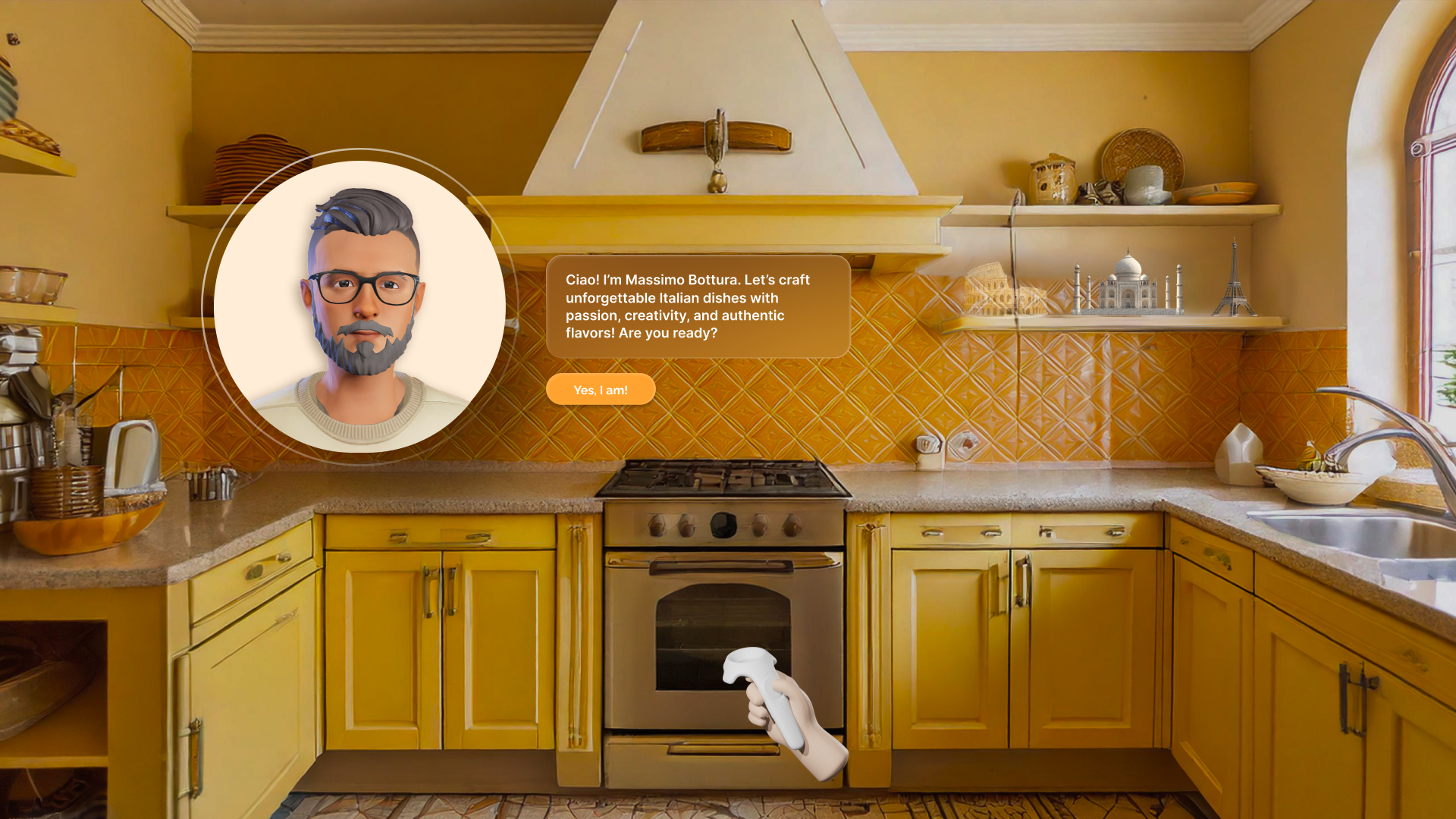
Welcome to Culinary Odyssey!
-
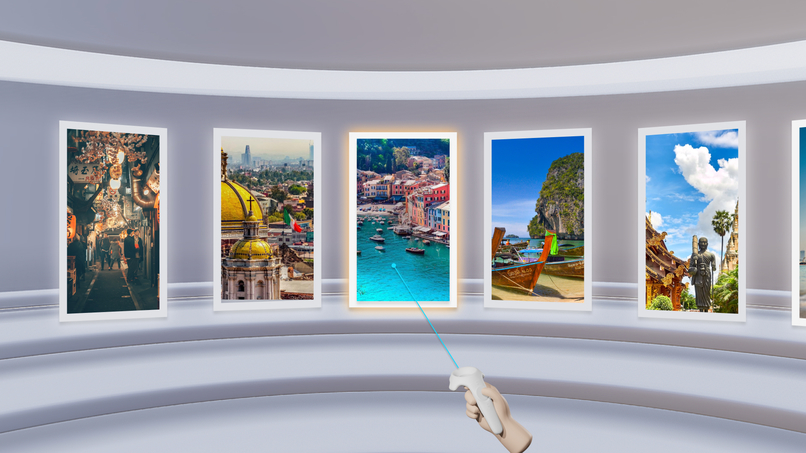
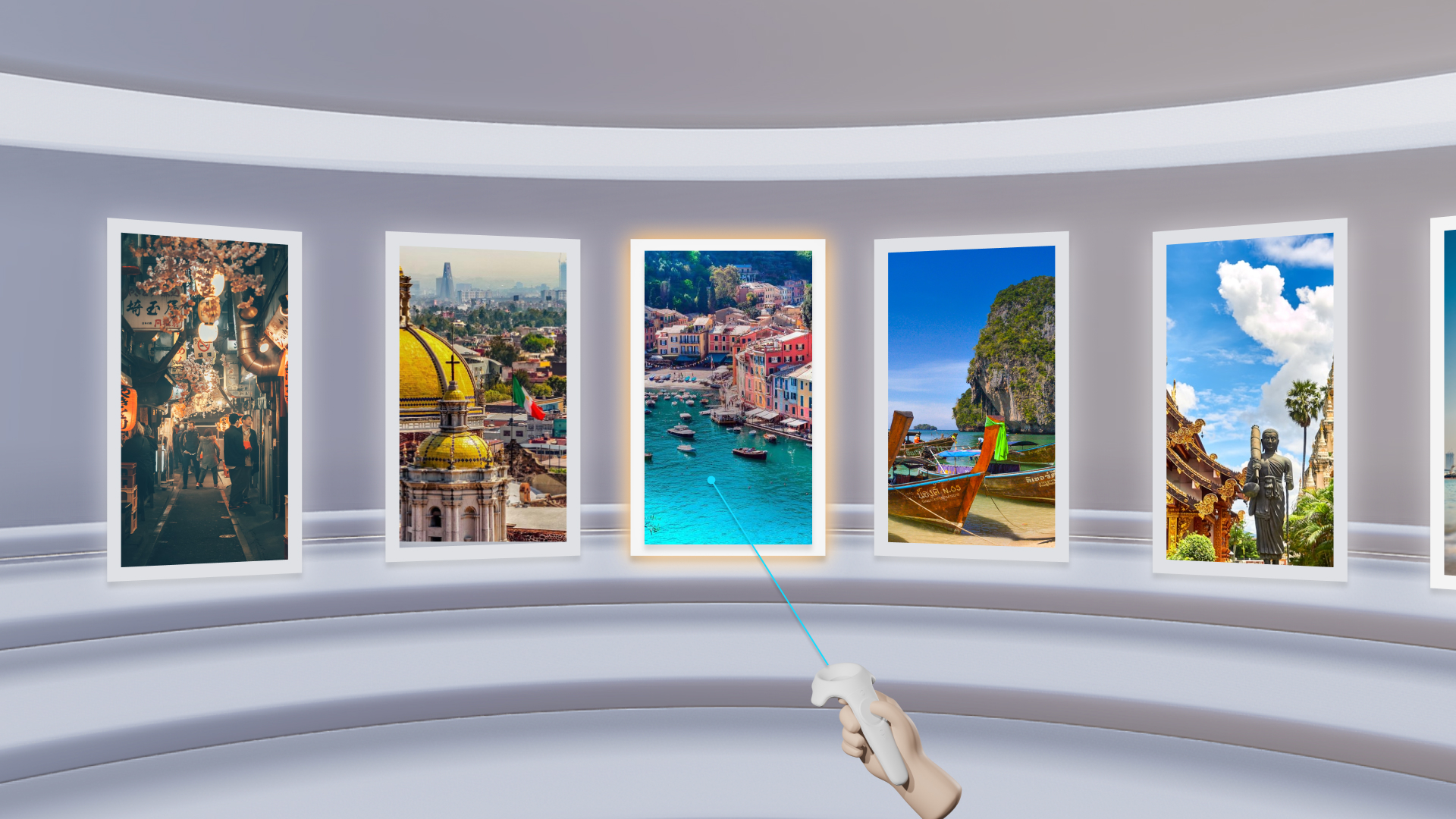
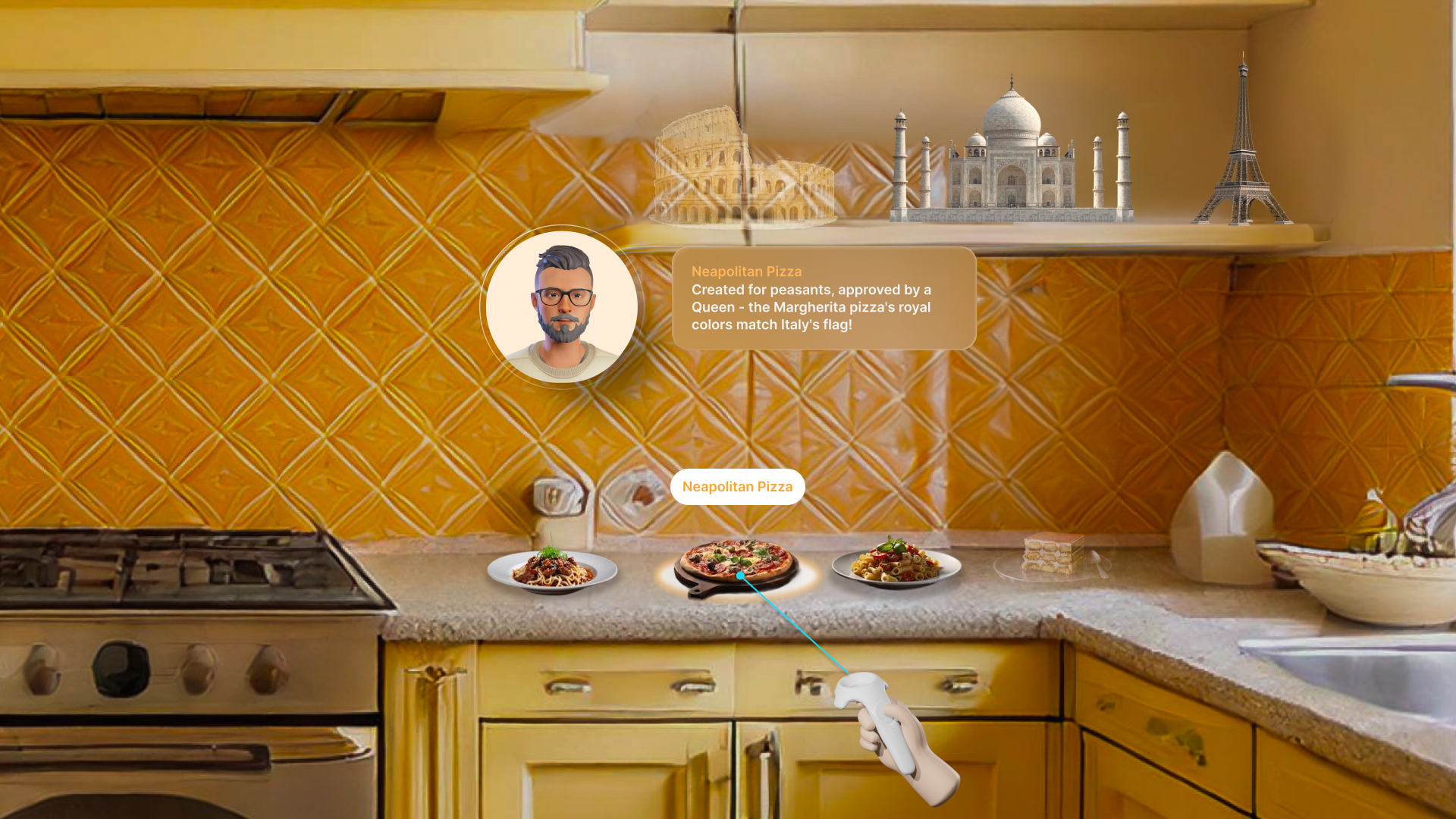
Choose from different countries!
-
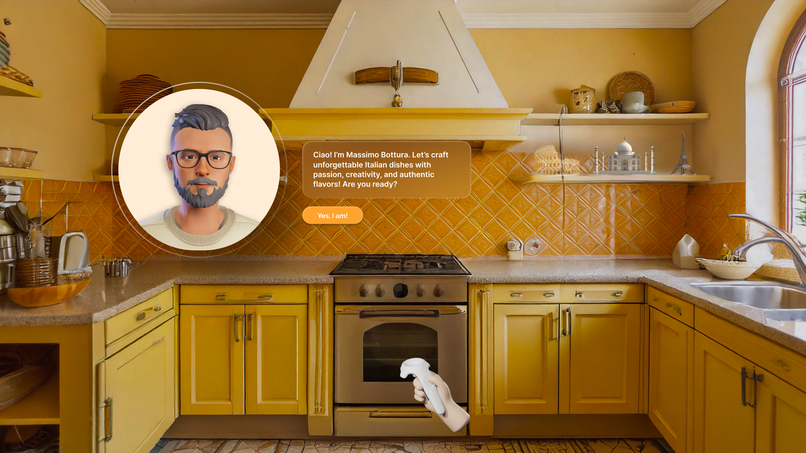
Your personal assistant sous chef!
-
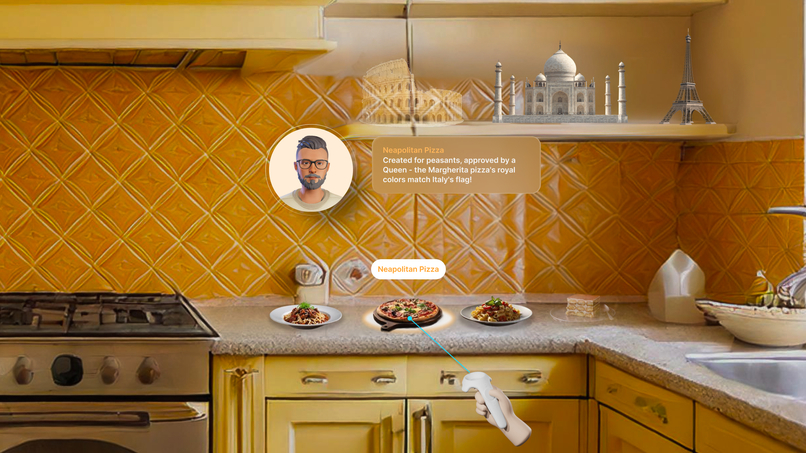
Select from a variety of dishes, beverages coming soon!
-
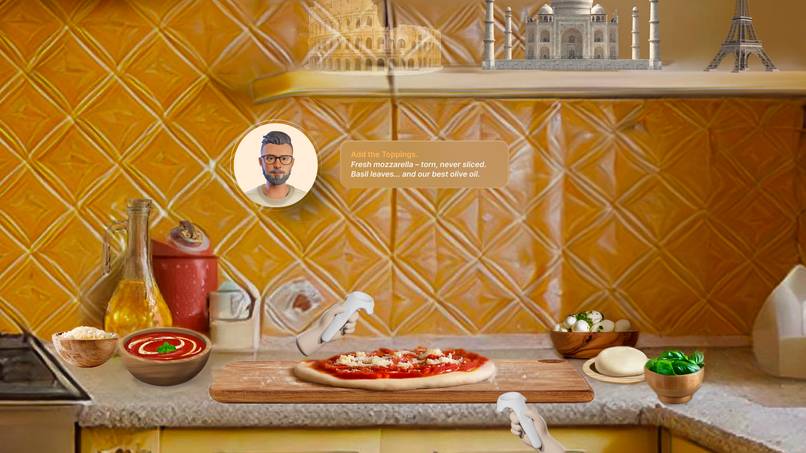
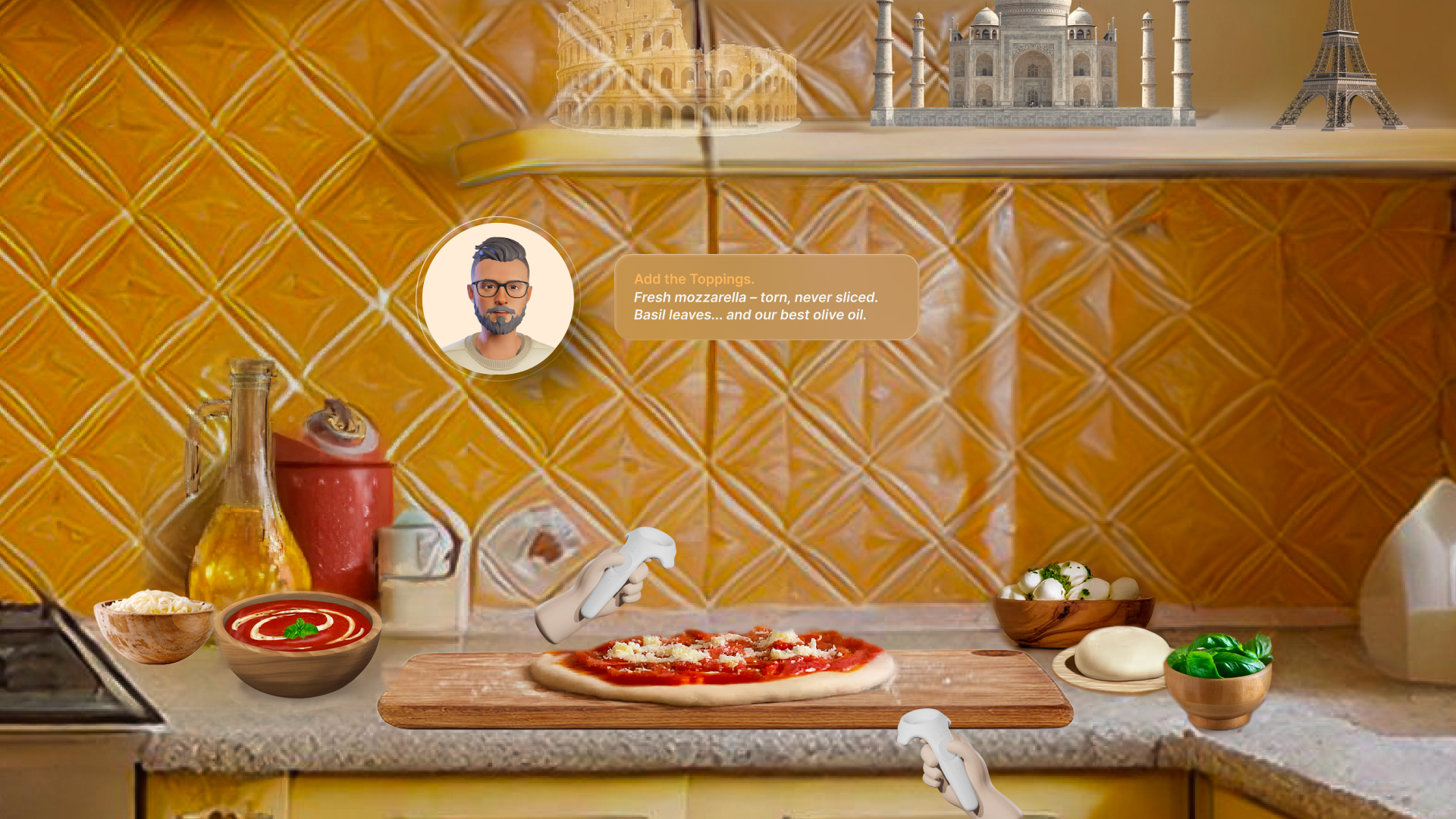
Add sauces and toppings! Create art!
-
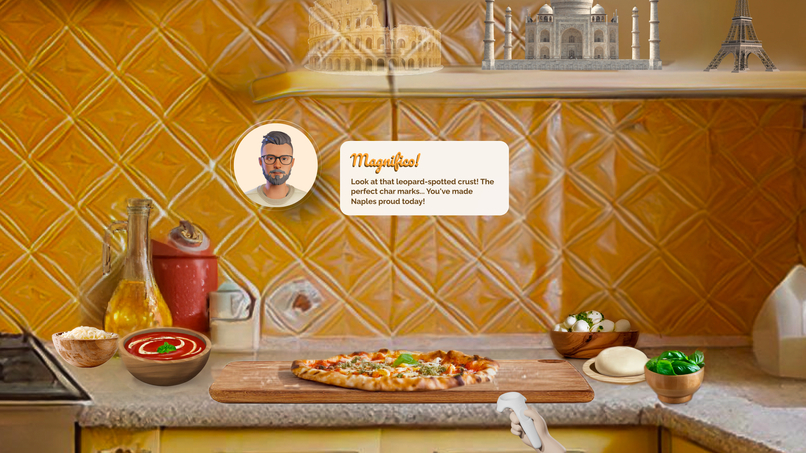
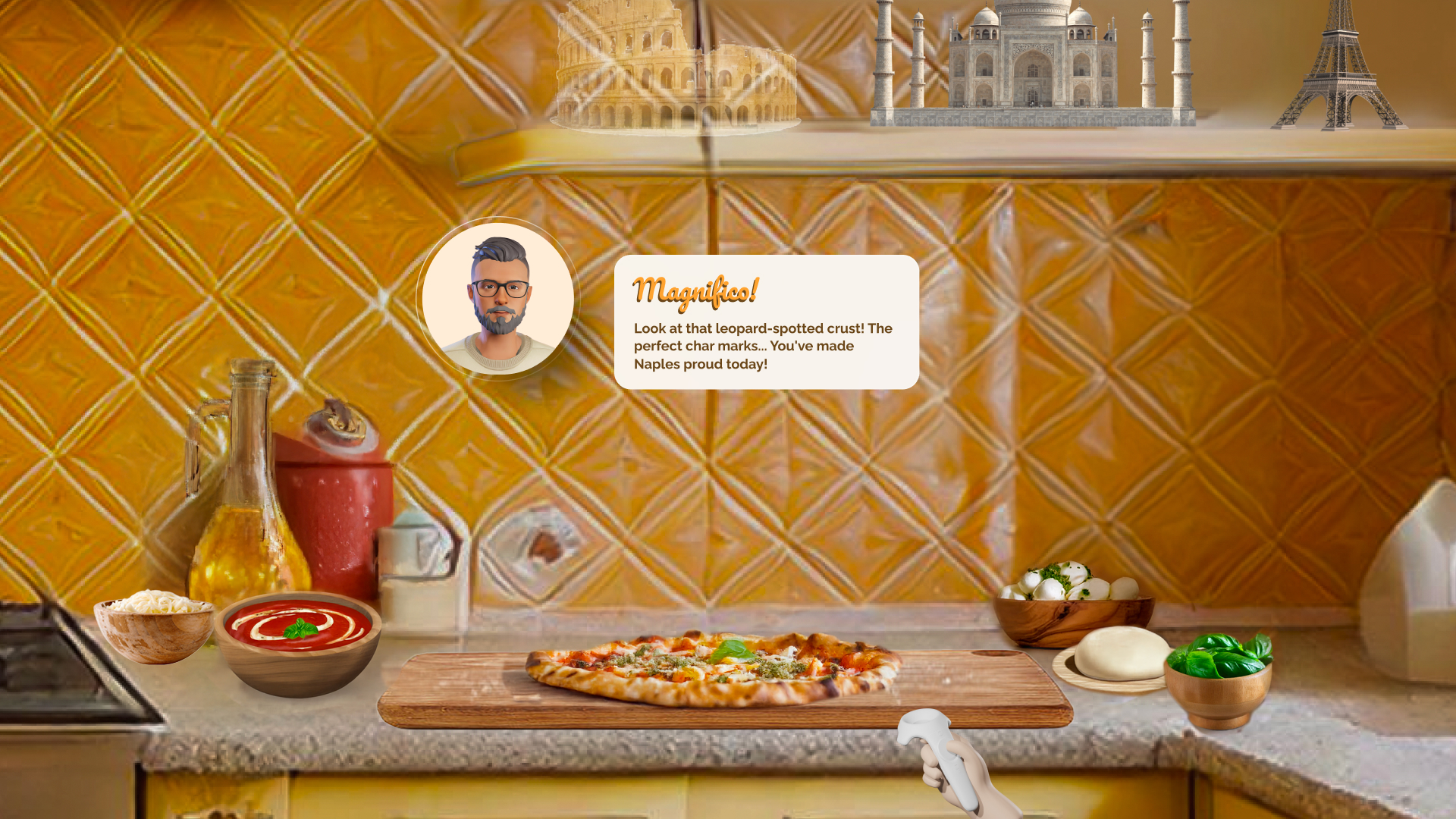
Wow! Your Pizza Neapolitan is complete!
-
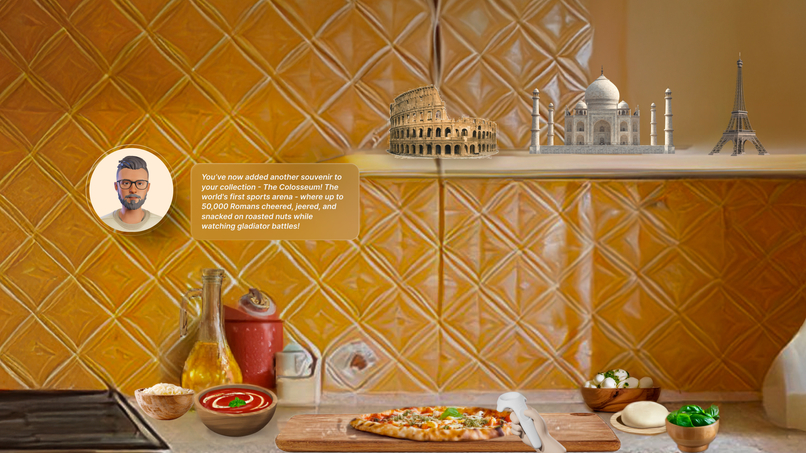
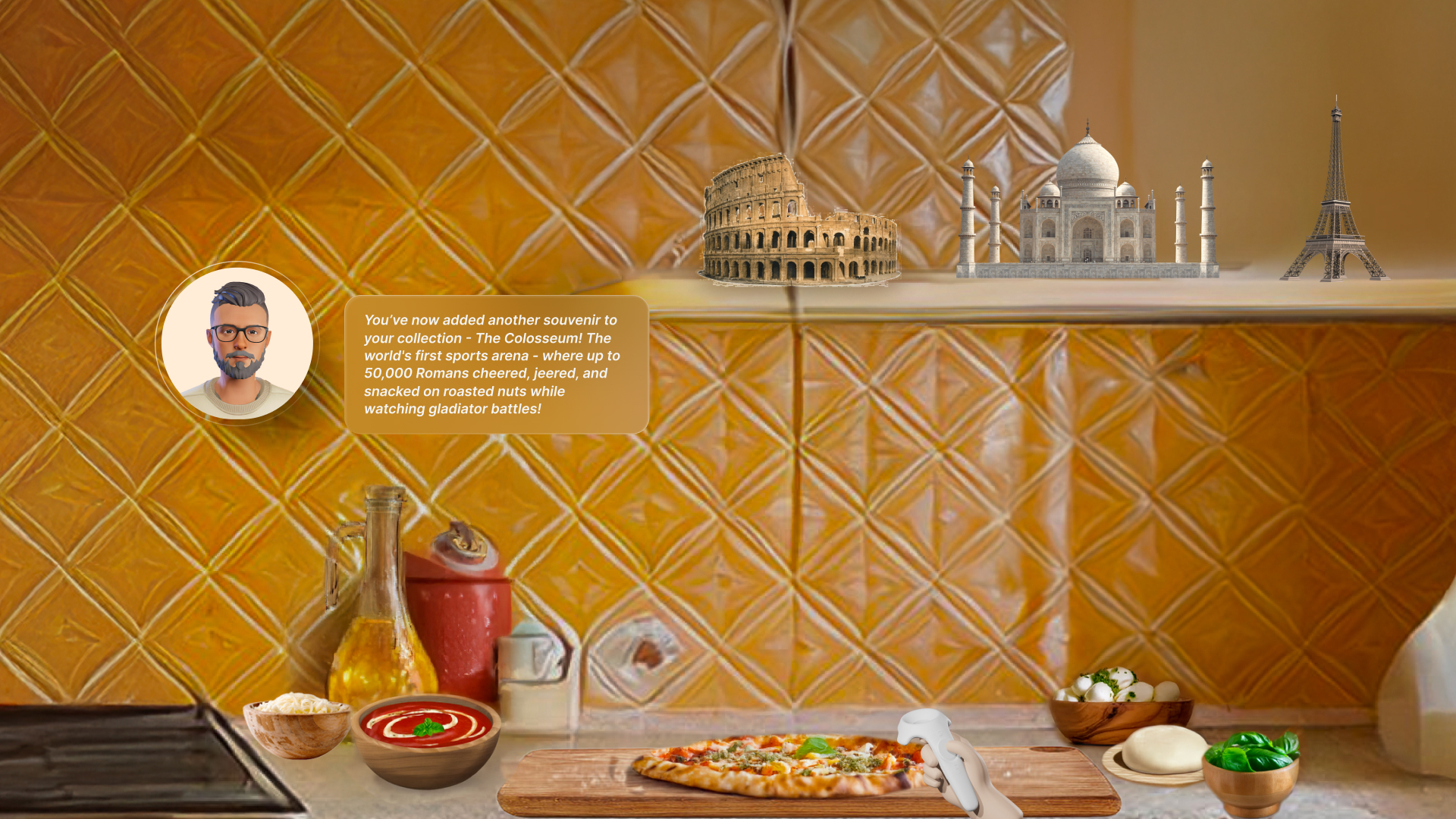
Collect souvenirs from every country you visit!
-
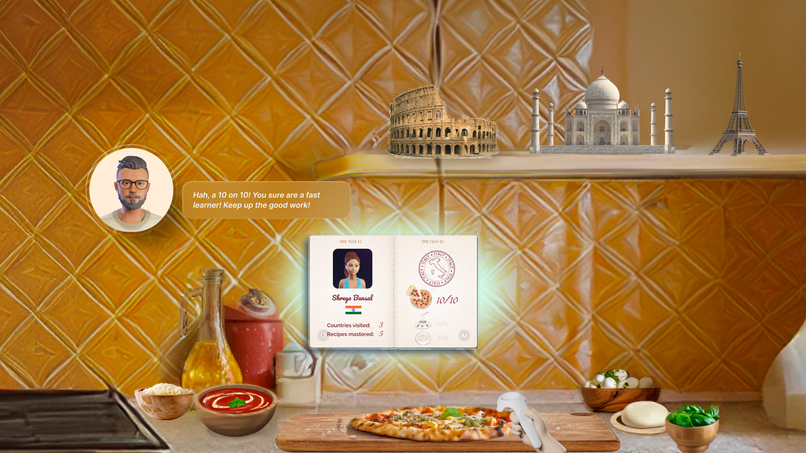
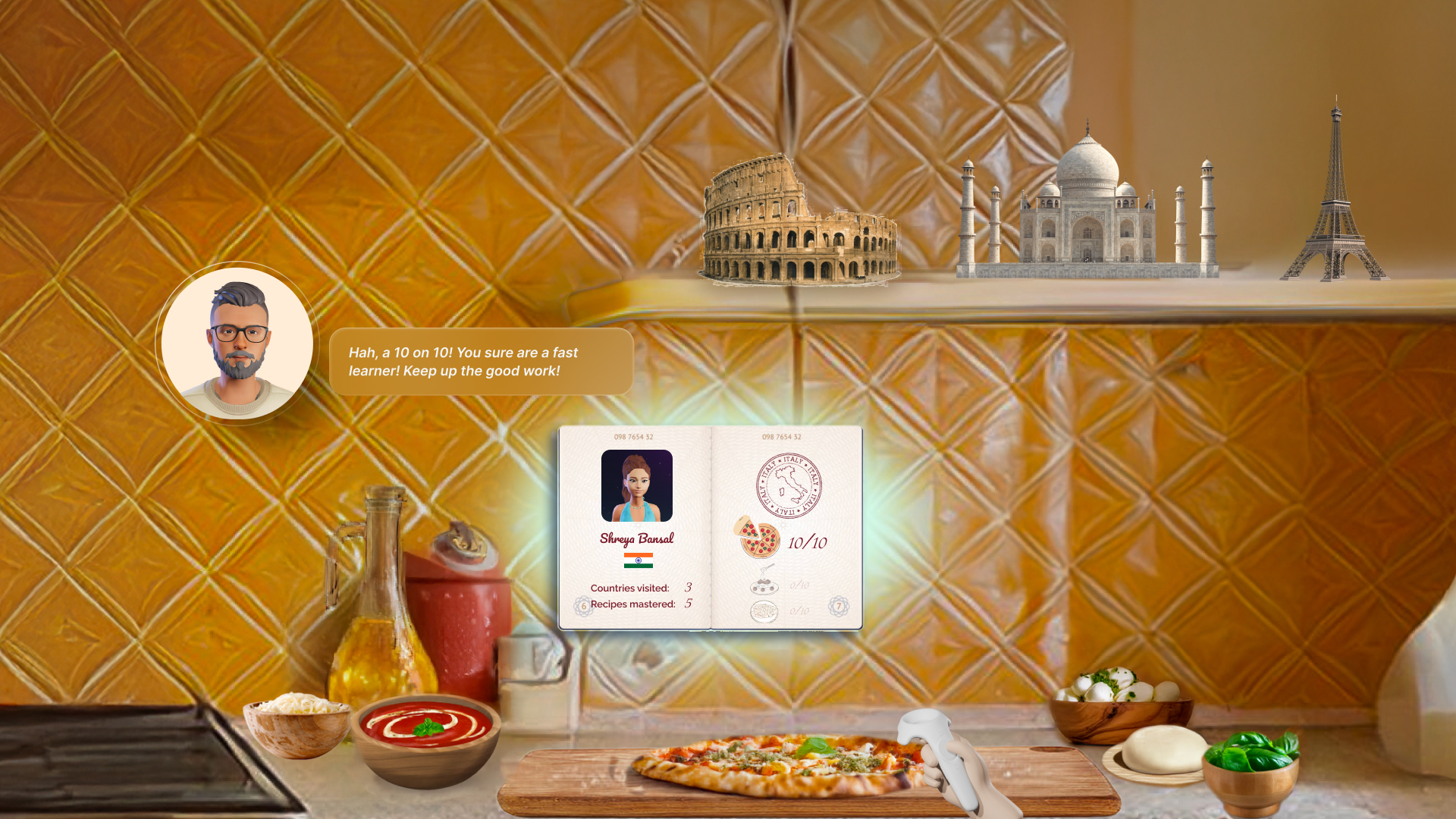
Collect your passport stamp achievements!
-
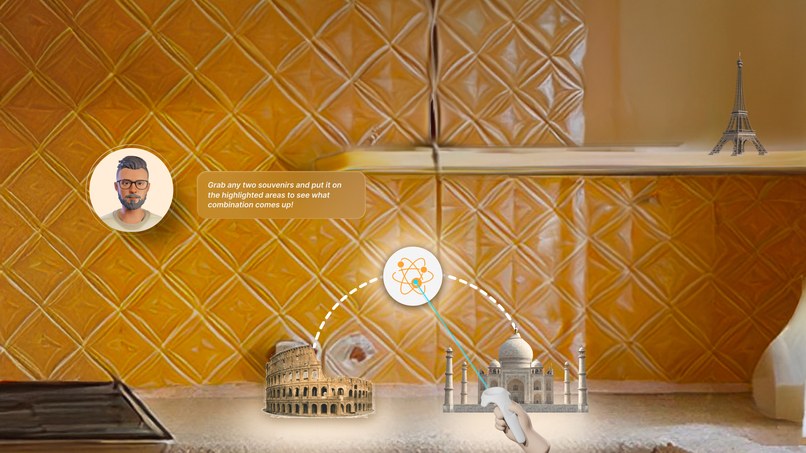
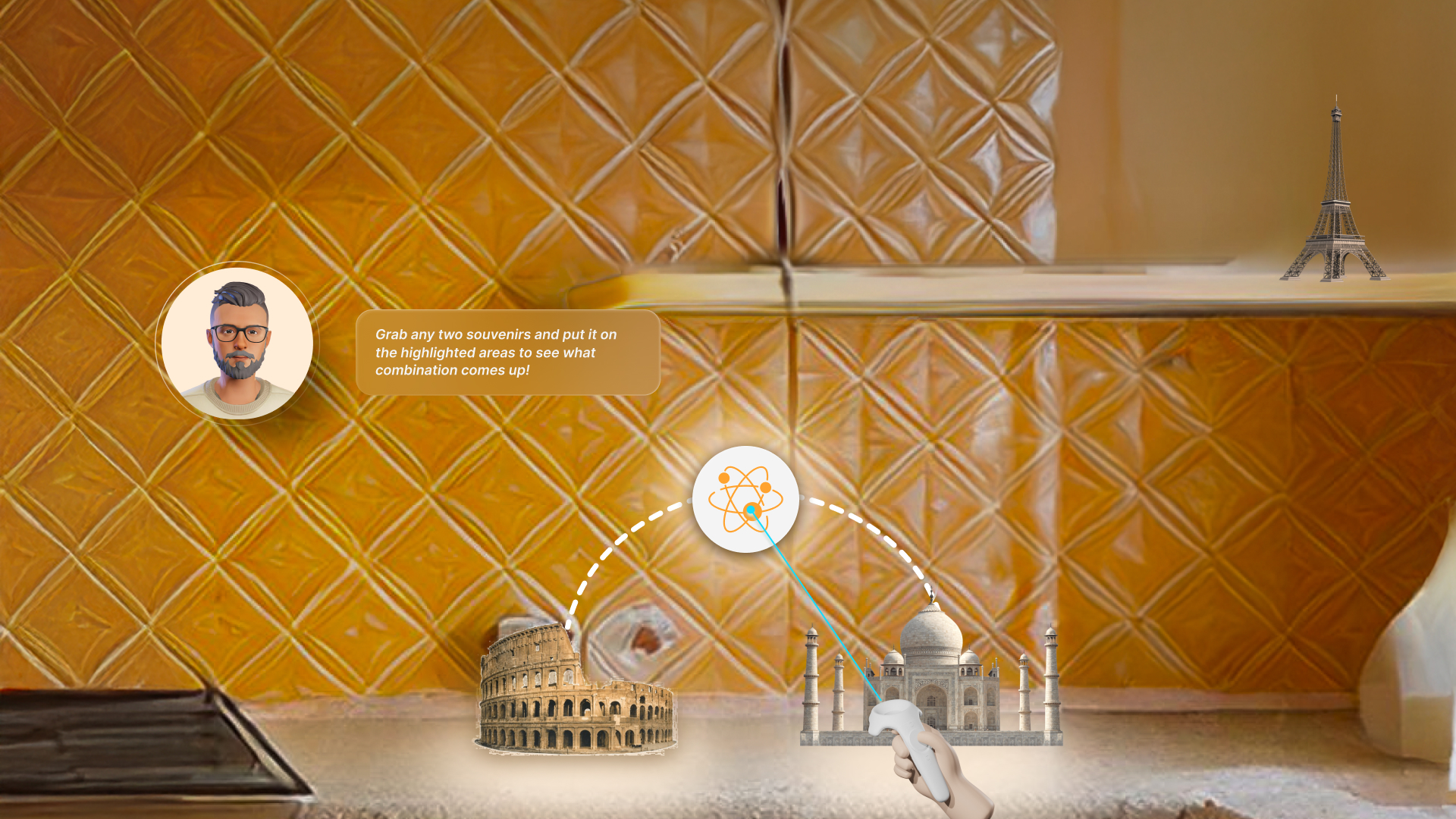
Fuse dishes and create new combinations from your favourite cuisines!
-
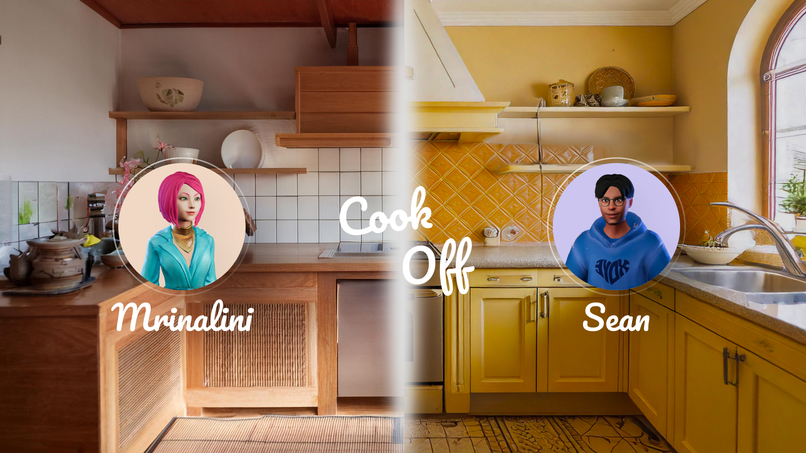
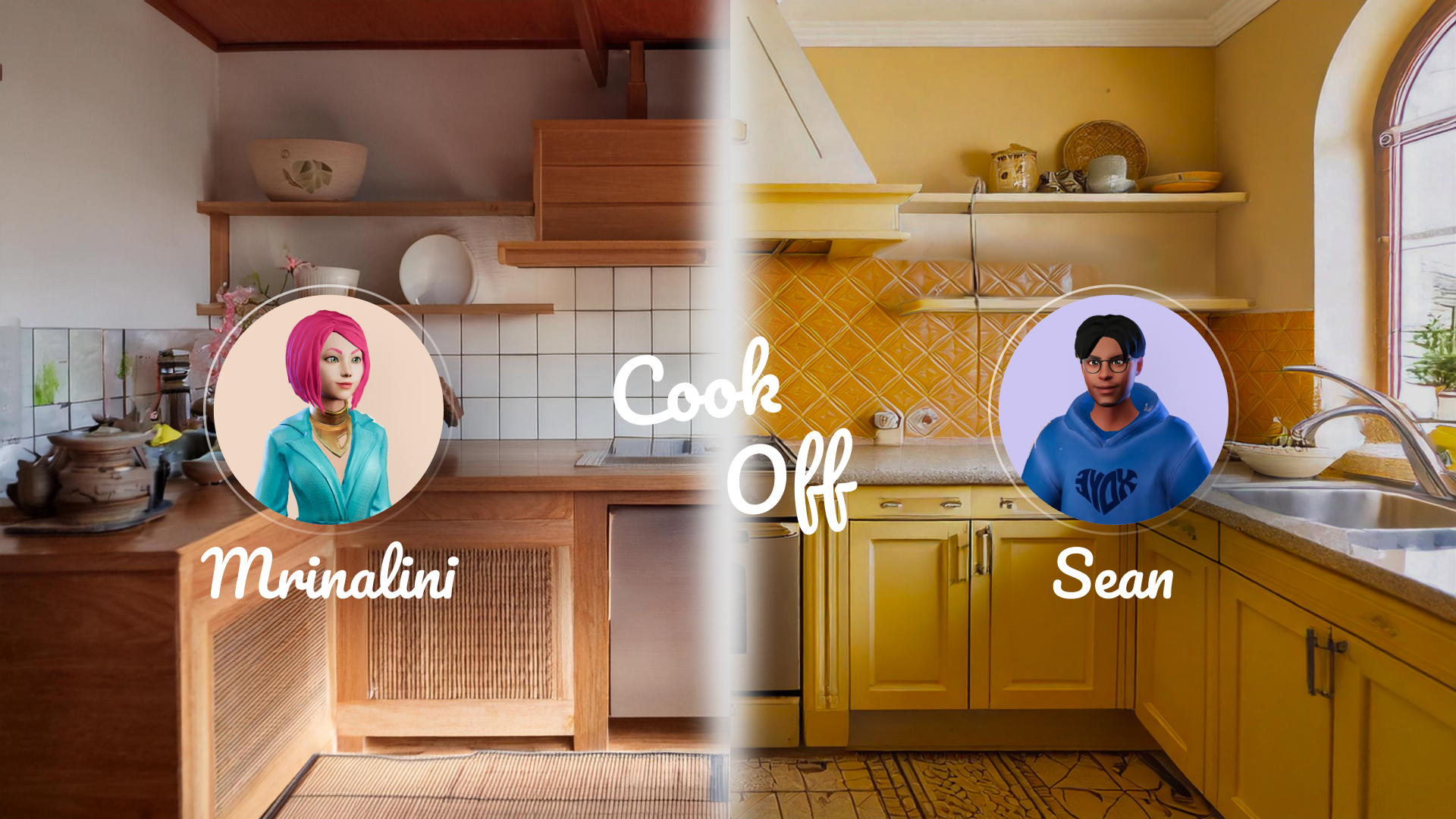
Challenge your friends to a cook off!
-

Experience Mechanics - Core Loop

Inspiration
The idea for Culinary Odyssey was born from a simple observation: food connects people across cultures, yet many never get to experience authentic global cuisines or cooking techniques. As people passionate about both cooking and technology, we realized Extended Reality could bridge this gap. The pandemic showed us how technology can connect us globally - why not extend this to culinary experiences? What if someone could learn to make authentic Neapolitan pizza from a master pizzaiolo in Naples, without leaving their kitchen? What if they could shop in Tokyo's markets and learn sushi techniques from local chefs? This vision of democratizing culinary education and cultural exchange through VR became Culinary Odyssey.
What it does
Culinary Odyssey is a VR cooking experience that transforms your space into kitchens from around the world. Users can learn authentic recipes from AI-powered local chefs, master traditional techniques through hands-on practice, and even challenge friends to global cook-offs. The experience includes virtual local markets for ingredient shopping, cultural immersion through music and ambiance, and a unique passport system that tracks culinary achievements across different cuisines.
How we built it
We followed a human-centered design process to develop Culinary Odyssey: (1) Started with extensive user research and analyzing existing VR cooking apps (2) Identified pain points in virtual cooking experiences and possible opportunities for intervention (3) Brainstormed innovative solutions focusing on cultural authenticity, the potential of XR and learning experience (4) Developed wireframes and interactive prototypes in Figma and Unity (5) Created a video pitch showcasing our concepts. We built the major flows and concepts using medium to high fidelity Figma prototypes. We also experimented with developing major cooking interactions on Unity.
Challenges we ran into
Designing intuitive hand gestures for pizza-making that would translate well to VR Balancing the level of detail in cooking instructions while keeping the experience engaging Creating a clear visual hierarchy for the UI that works well in VR spaces Structuring the tutorial flow to feel natural and not overwhelming Finding the right balance between gaming elements and educational content Mapping out complex interactions like dough kneading for future development
Accomplishments that we're proud of
Successfully created a high-fidelity prototype of the Neapolitan pizza cooking experience Developed a comprehensive user flow that balances entertainment with learning Designed an engaging AI chef character that guides users through the experience Created intuitive UI/UX solutions for VR cooking interactions Mapped out detailed cultural elements that enhance the learning experience Built a solid foundation for future development stages
What we learned
The importance of user flow in VR experiences How to translate traditional cooking actions into VR interactions Methods for prototyping VR experiences in 2D tools like Figma Balancing authenticity with user-friendly design The complexity of designing educational gaming experiences The importance of cultural accuracy in cooking experiences
What's next for Culinary Odyssey
Get feedback on the current prototype and flesh it out Continue development in Unity with basic VR interactions Implement the prototype's cooking mechanics Develop the hand tracking system for pizza making Create the first playable demo focused on Neapolitan pizza Test and refine the core cooking mechanics Expand to include additional recipes and cuisines once core experience is solid Get people on board!!!
Built With
- figma
- jitter
- unity


Log in or sign up for Devpost to join the conversation.