-
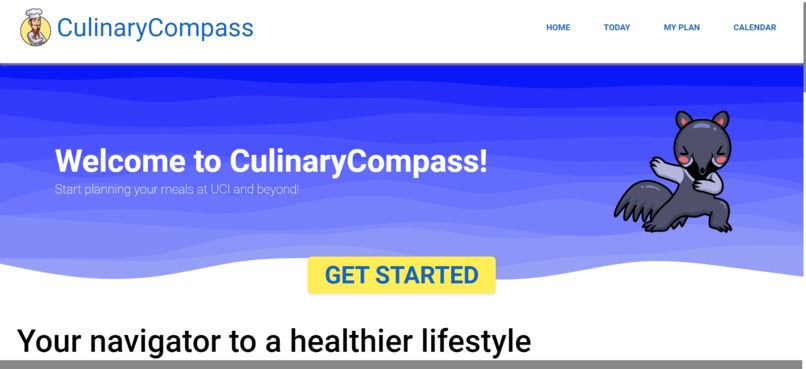
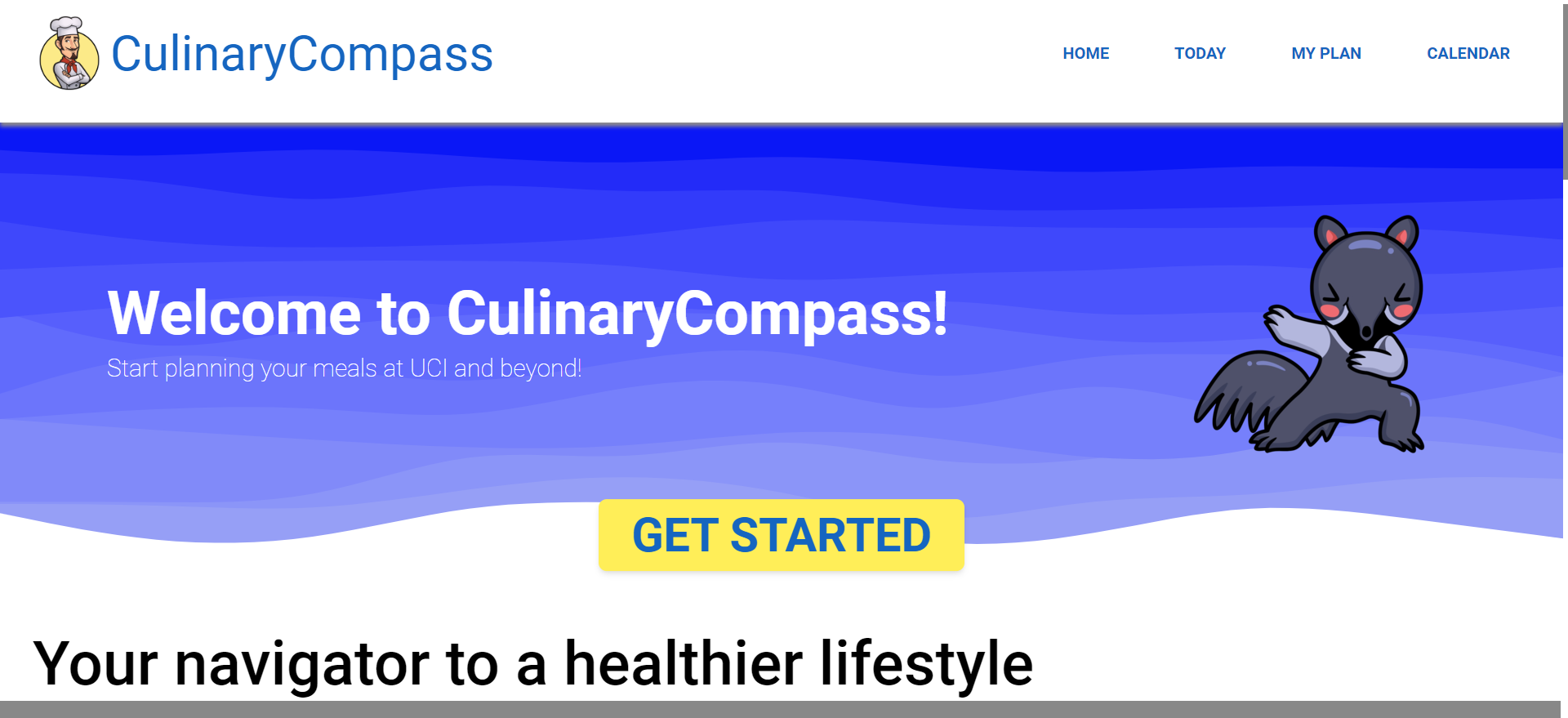
Landing page of Culinary Compass
-
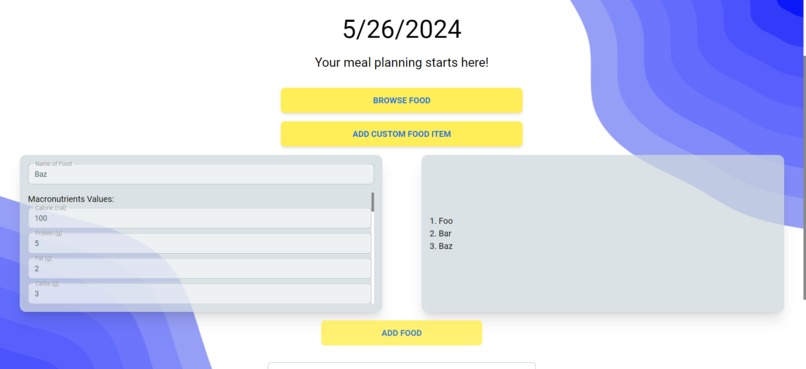
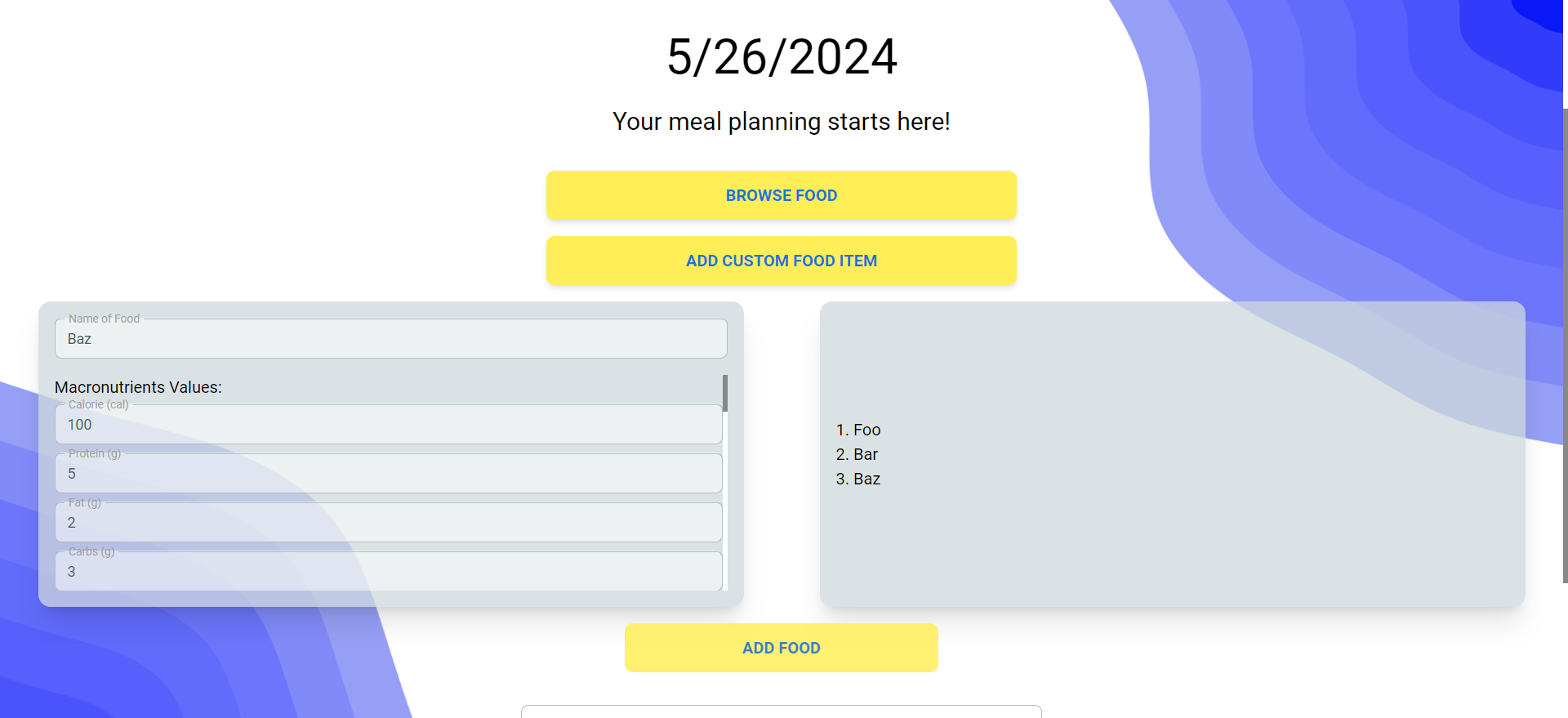
Meal creation page of Culinary Compass
-
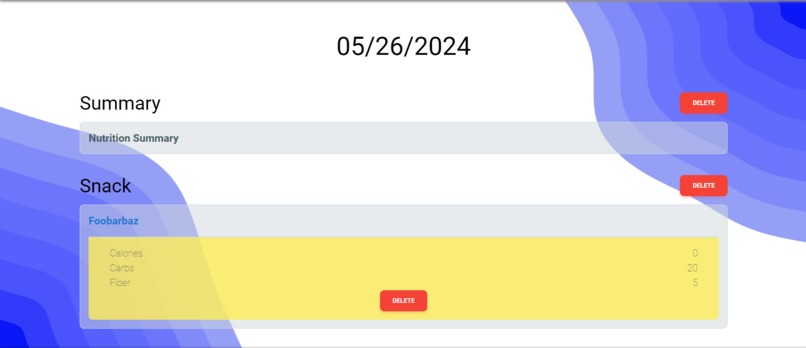
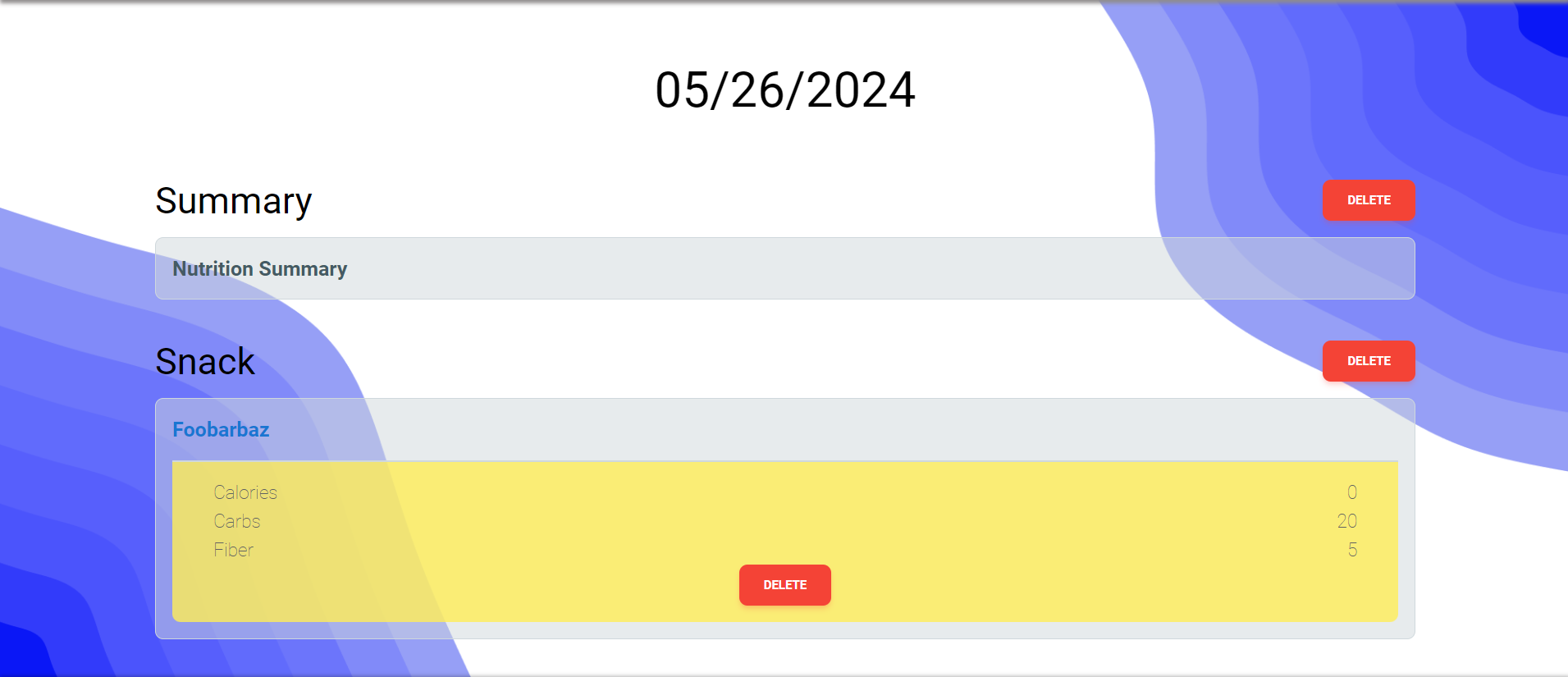
Day view page of Culinary Compass
-
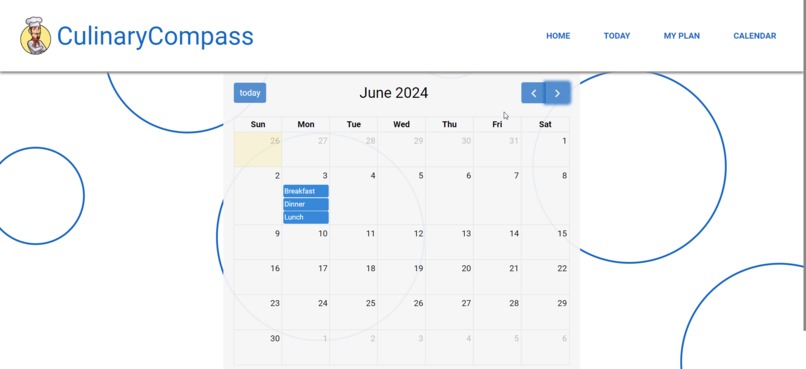
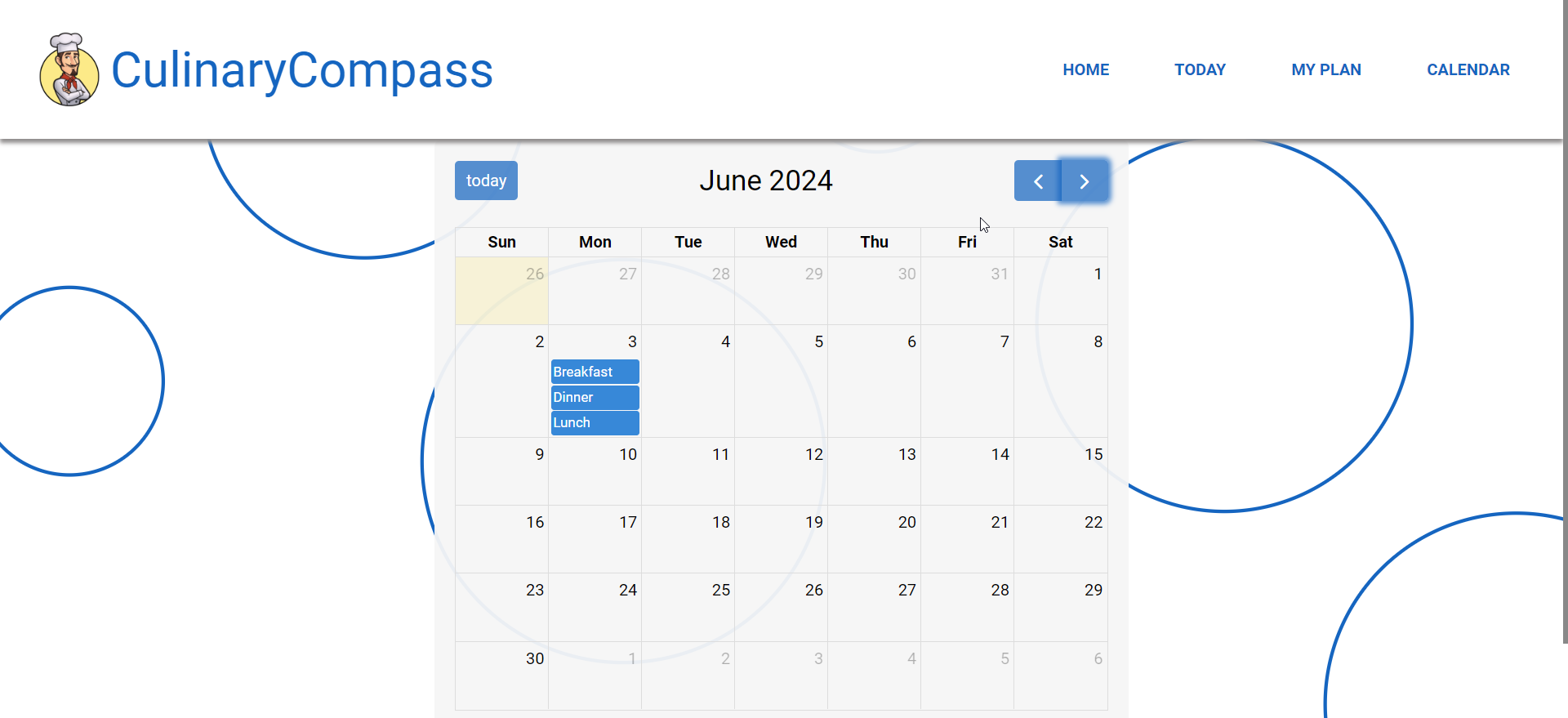
Calendar page of Culinary Compass
Surrounded by friends and family that struggle to remain disciplined and fail to achieve a healthier and more controlled diet, we felt compelled to design a web app that facilitates success in reaching dieting goals. Eliminating the cumbersome aspect of meal planning that involves manually counting calories and incessantly monitoring nutrition labels, this app permits a simple process that stores multiple meals and displays them on a calendar. This calendar consists of two views, a day view and month view that allows users to easily access their meal plan for the day and month respectively. To receive occasional notifications concerning the breakfast menus for Brandywine and the Anteatery, users can add their email to the app. Comprehensively, these features serve to provide a user-friendly experience that makes meal planning significantly more feasible while offering a visual depiction of their eating habits, which accentuates how different foods impact their chances of attaining their nutrient goals. To build this project, we utilized react and tailwindcss on the frontend while implementing fastapi and supabase on the backend, where post requests sent from the user were processed and inserted into a database managed by postgresql. The emailing aspect of the project derived from web scraping through selenium and incorporating Melissa's Global Email API to verify valid emails. Far from a smooth process, we primarily encountered issues due to unfamiliarity with using new software and making seemingly minor changes/mistakes that cascaded into troublesome bugs. Furthermore, we suffered from a severe overestimation of our abilities, experiencing a considerable difference in time expected to implement a feature vs the actual time consumed. Despite these dreadful setbacks, we feel reasonably proud with what we accomplished in the span of a day and half, especially since we originally anticipated the event duration to be three days. To add, since this hackathon was a first for most of our members and we were generally working with unfamiliar tech and libraries, Culinary Compass serves as a great project on all of our resumes, making it extremely worthwhile. As of finishing this project, we definitely learned more about the different frameworks out there like fastapi and tailwindcss that really facilitate building web applications. In a more universal perspective, we also learned how expectations can drastically differ from reality when allocating time to complete work. Evidently, initial plans do not always succeed and improvisions prove necessary in a competitive environment in order to flourish. Compared to solo-development, team-based collaboration revealed to us astronomical merits, allowing us to not only finish a functional project on time, but to provide and receive help from each other when needed. While this event may be over, we still have plenty of ideas on a recorded on a document that will evolve Culinary Compass to the next level on top of refinements we can make to existing features. To end off, Culinary Compass is only the beginning of our software developer journeys, and we hope to apply this experience to future projects, internships, and jobs.
Built With
- fastapi
- javascript
- melissa
- postgresql
- python
- react
- selenium
- supabase
- tailwindcss

Log in or sign up for Devpost to join the conversation.