-
-

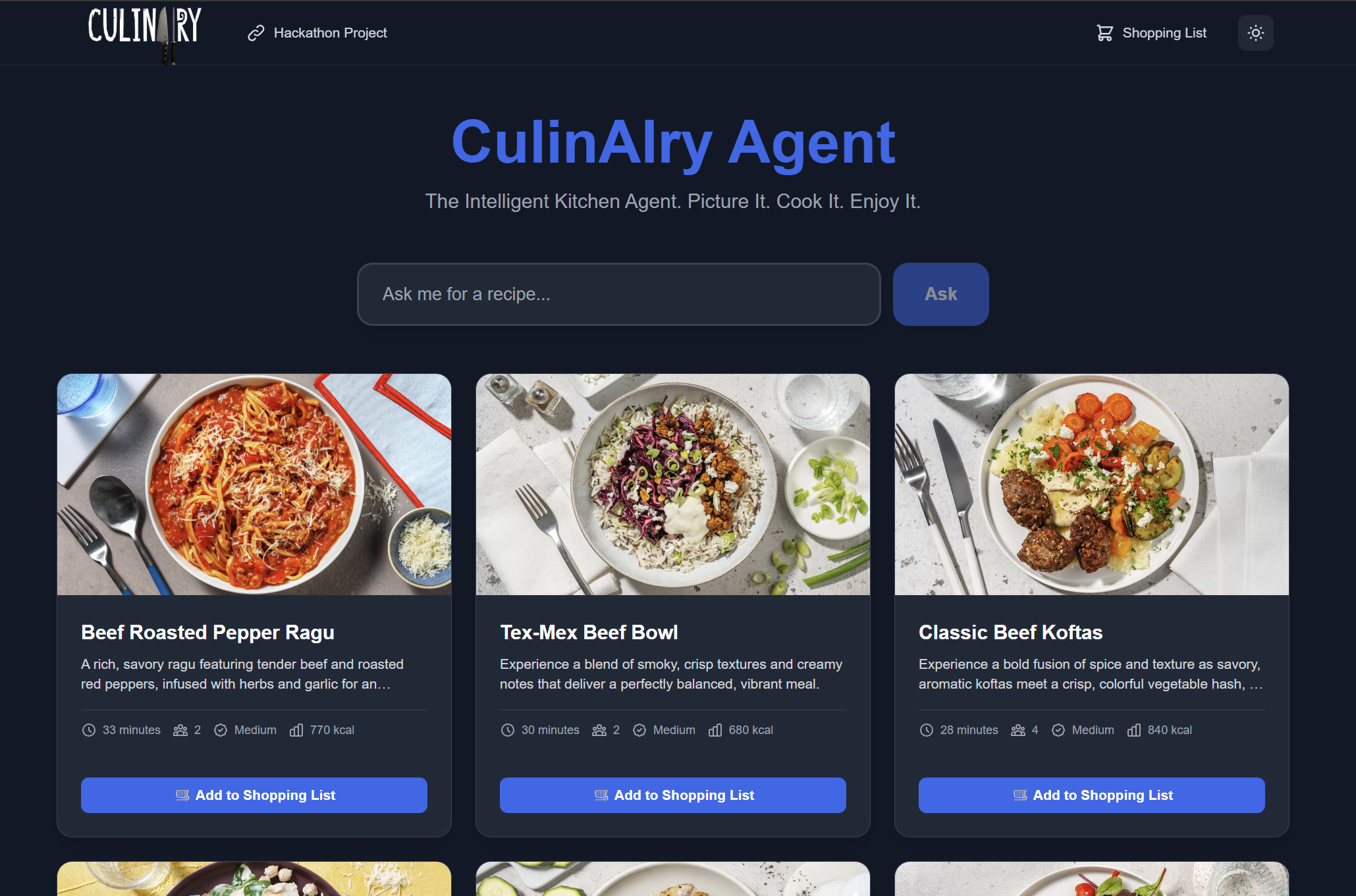
Welcome to CulinAIry!!!
-
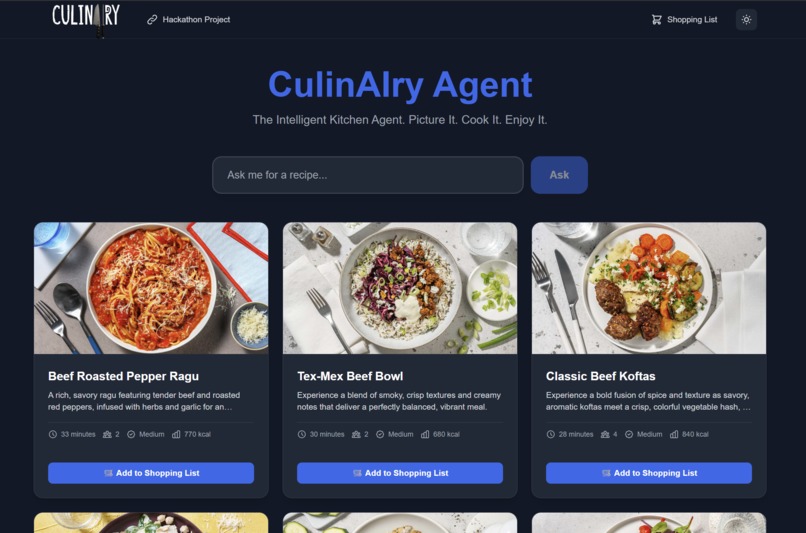
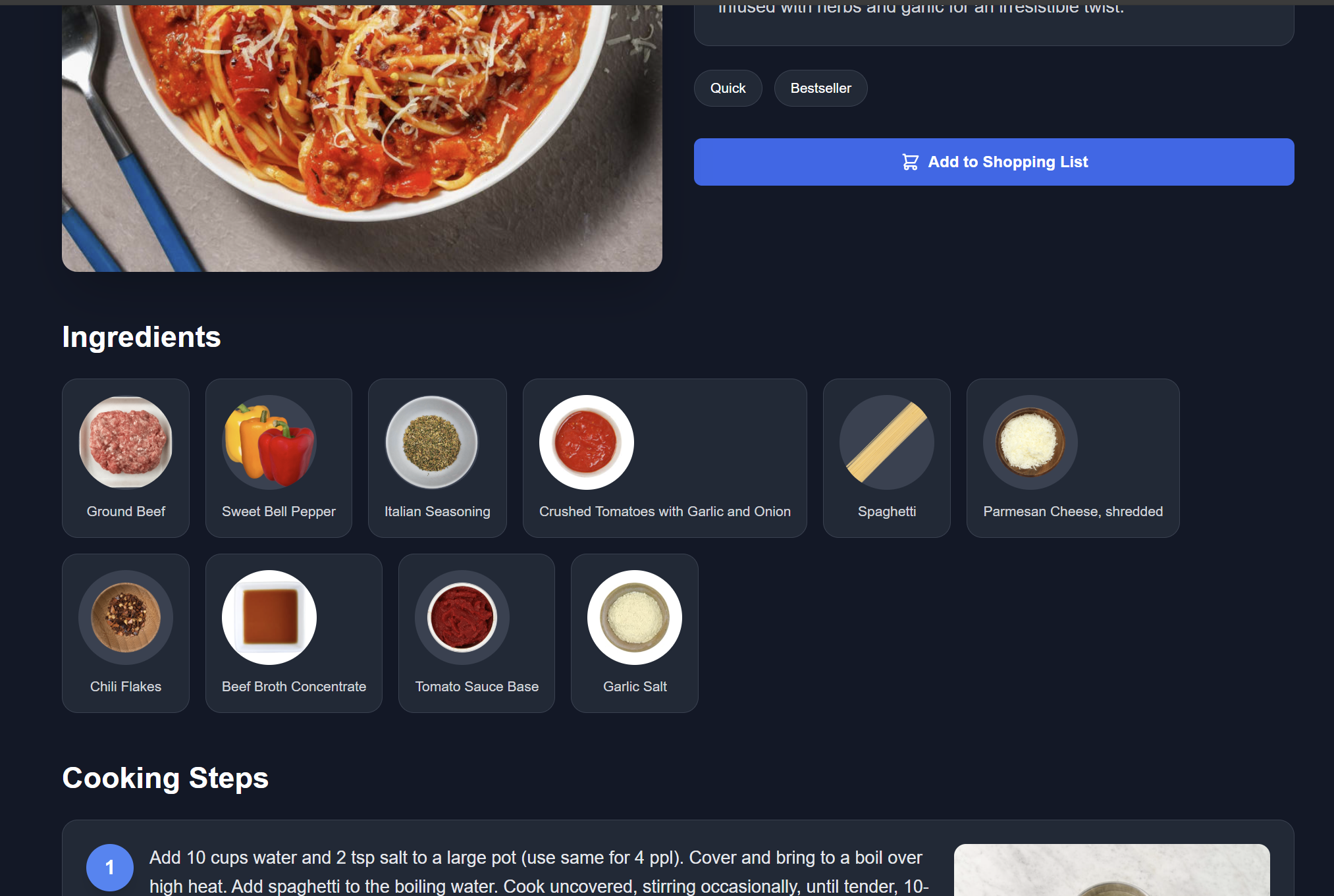
Mian webpage
-
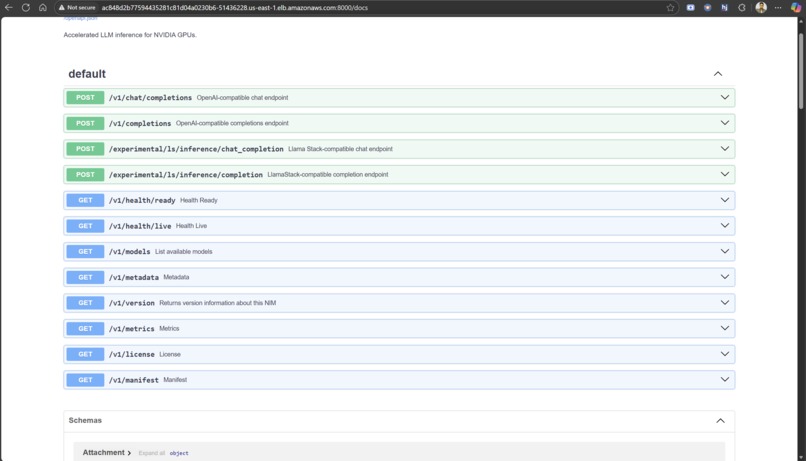
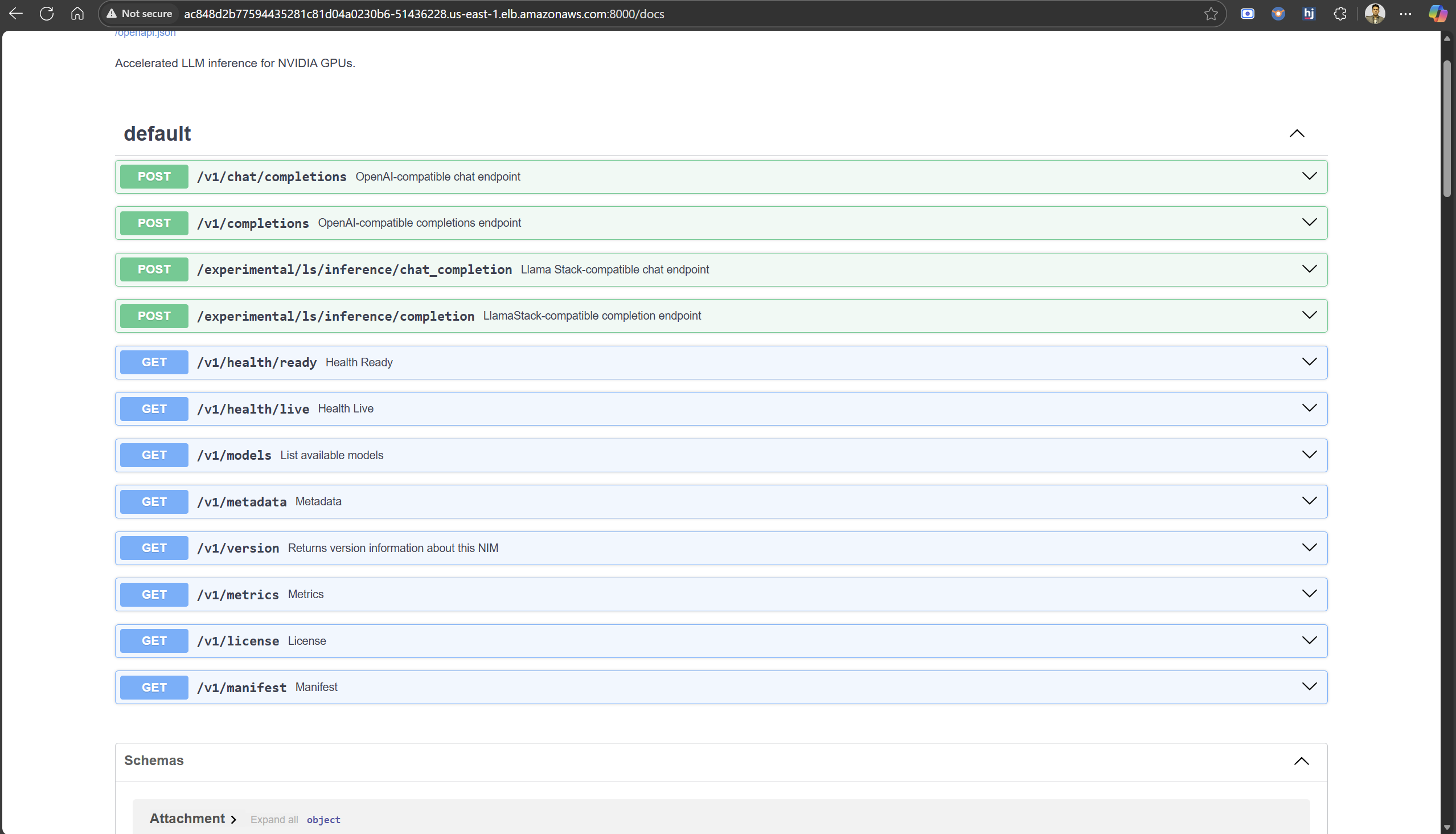
LLM Modelo Running on AWS EKS
-
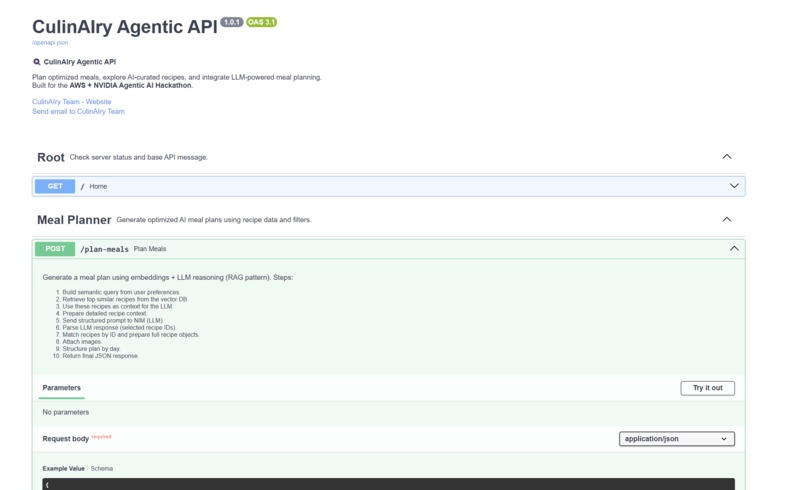
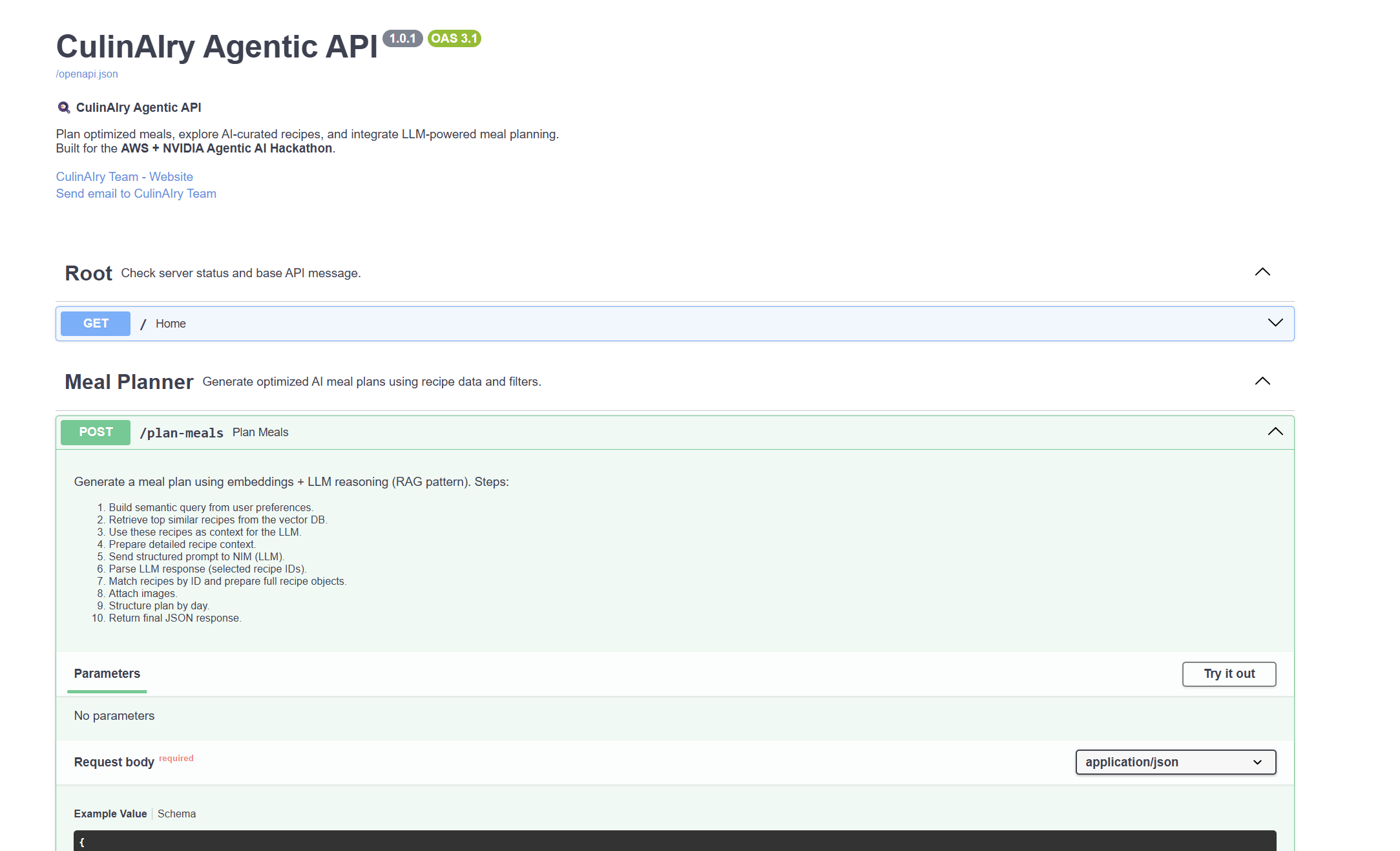
Orchestrator built on FastAPI
-
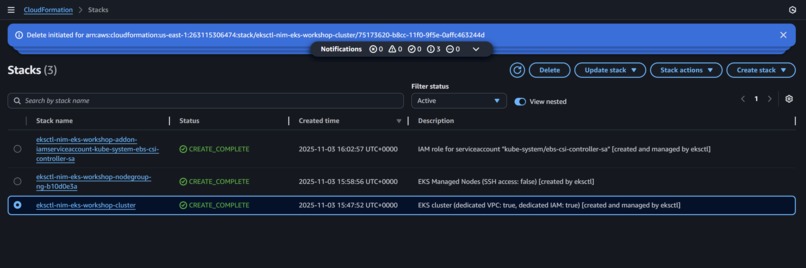
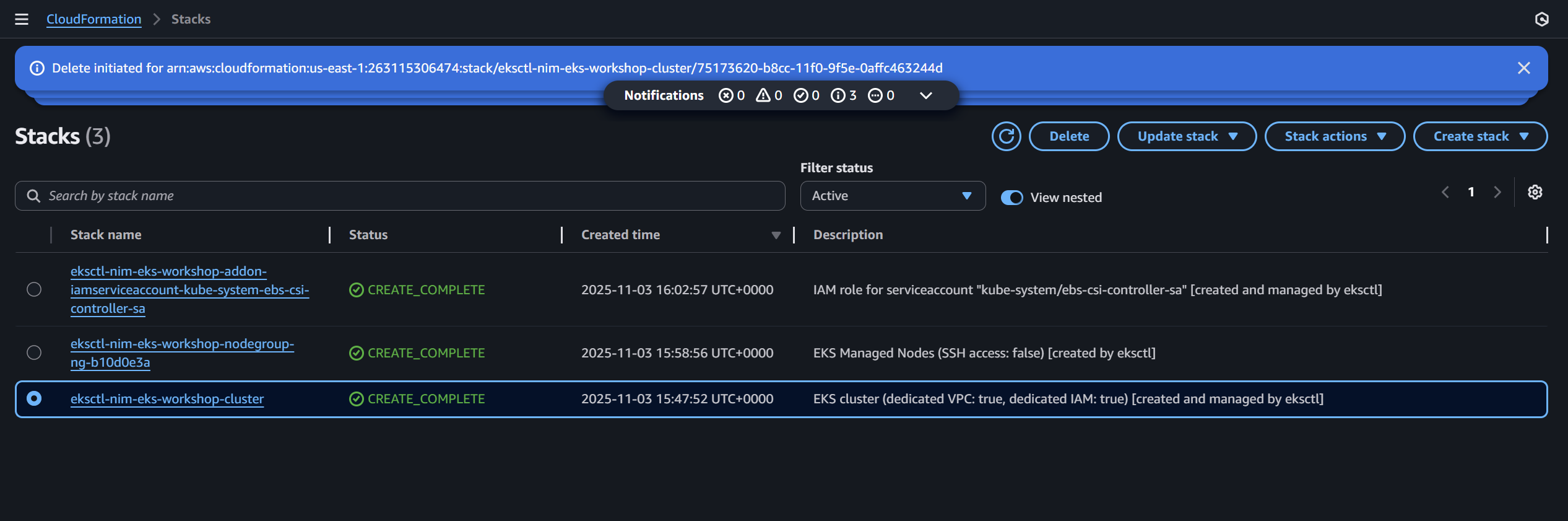
Services on AWS
-
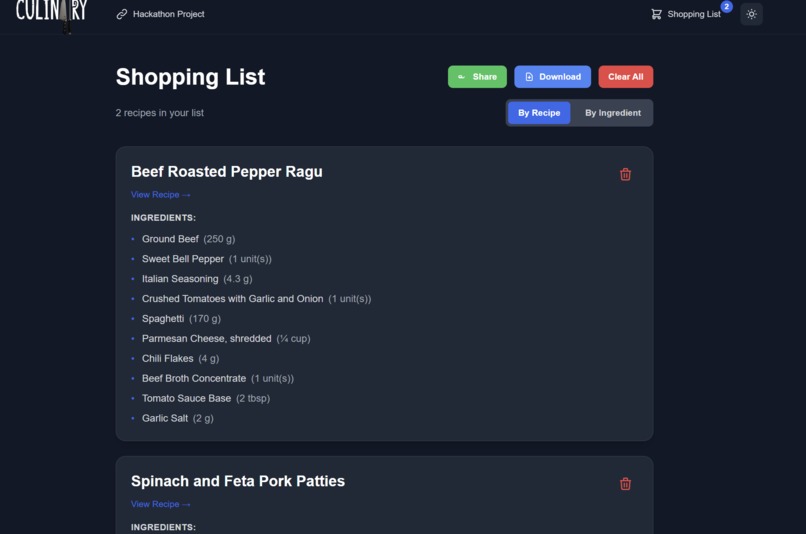
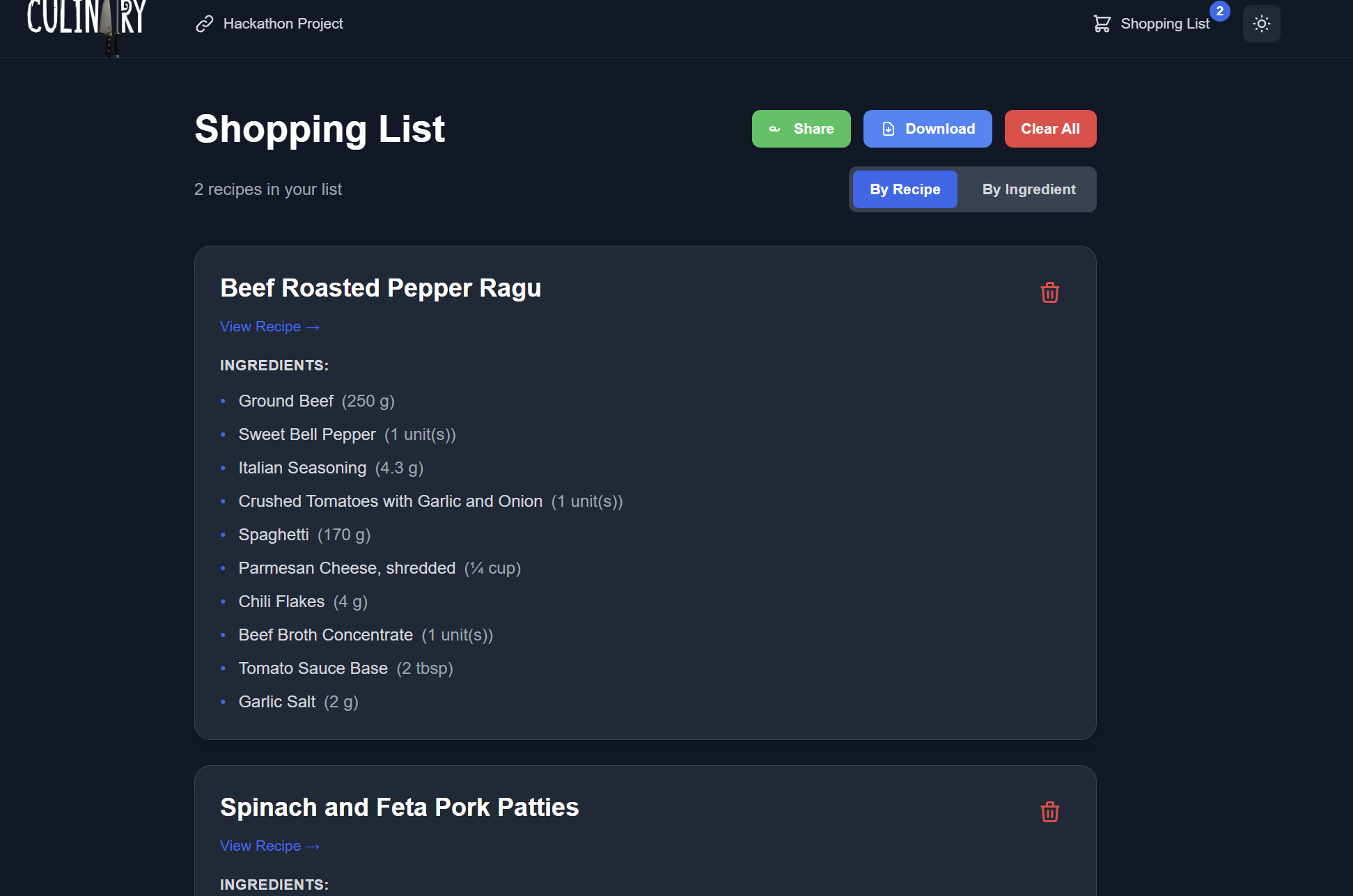
Shopping List
-
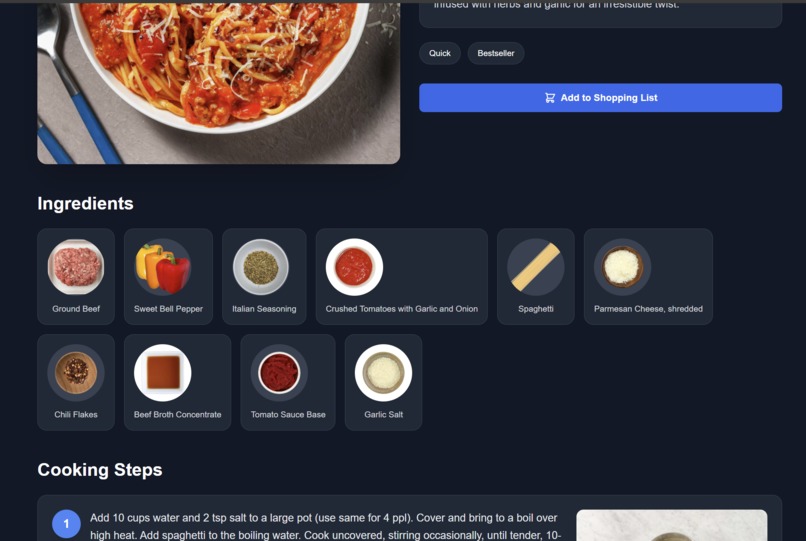
Web Application
-
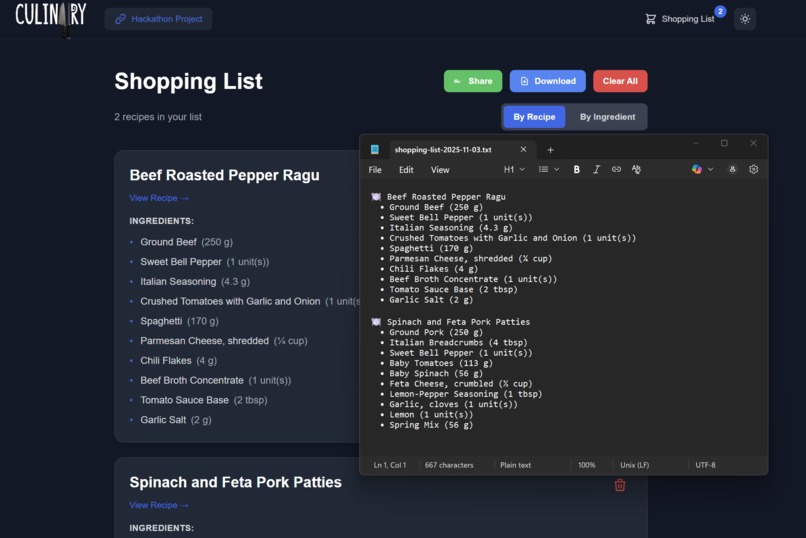
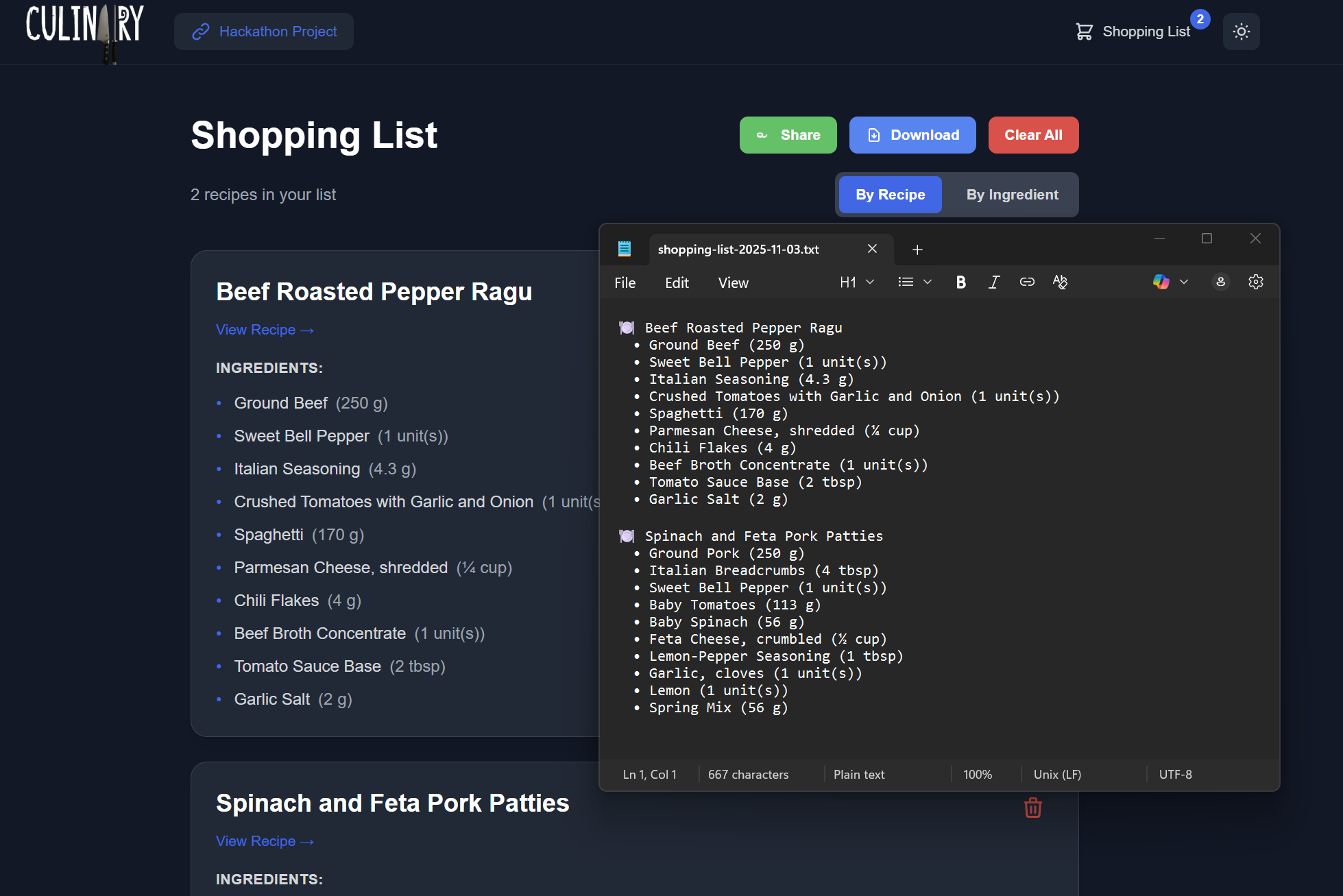
Shopping List File
-
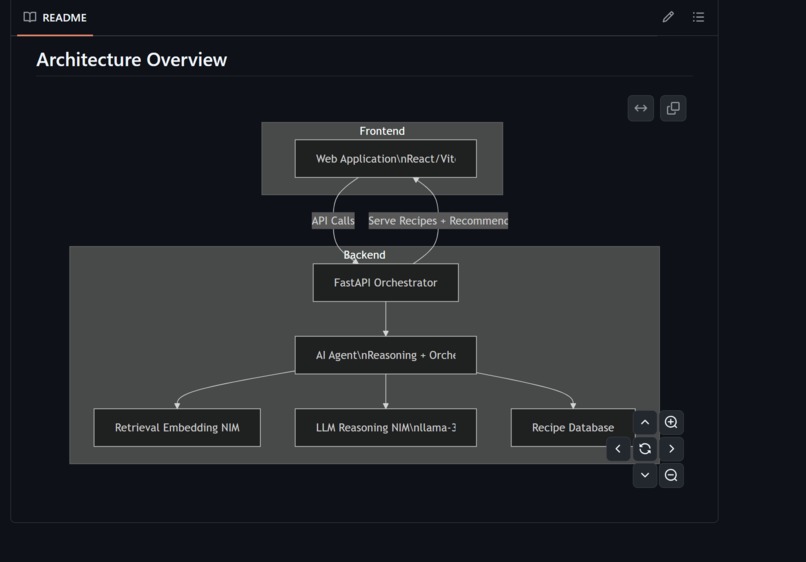
Application Diagram


🧠 Project Story: CulinAIry Agent — The Intelligent Kitchen Agent
🚀 Inspiration
CulinAIry was born from a very real, everyday struggle that my girlfriend and I face every week — deciding what to eat. Every Sunday, we try to plan our meals and create a shopping list, but it quickly becomes overwhelming. We often forget what ingredients we already have at home, or miss that different recipes share similar components.
Meal planning shouldn’t be a chore — it’s the hard part. Cooking, on the other hand, should be the fun part: the moment where you get to treat yourself and those you care about. That’s the inspiration behind CulinAIry Agent.
The goal of CulinAIry Agent is to open a new world of possibilities in the kitchen. By mixing and reusing cooking techniques you’ve already mastered in other recipes, it encourages you to explore creative variations while making the planning process effortless.
CulinAIry Agent doesn’t just suggest meals. It intelligently connects recipes that share ingredients, cooking methods, or utensils — transforming meal prep from a repetitive task into an efficient, satisfying, and inspiring experience.
🧩 About the Project
CulinAIry Agent is an autonomous AI system that plans meals, retrieves recipes, and reasons intelligently to provide personalized cooking guidance.
- 🧠 Llama-3 NIM handles reasoning, dietary logic, and meal planning.
- 📚 Retrieval Embeddings NIM connects to a structured recipe database for relevant dishes.
- ☁️ AWS EKS Used to deploy the two models on the the could to meet the requirements of the hackathon.
- 💬 Users simply type their preferences or available ingredients — the agent autonomously generates meal plans, substitutions, and step-by-step cooking instructions.
This creates a fully agentic loop: retrieval → reasoning → planning → generation. CulinAIry Agent can even suggest recipes that share ingredients, cooking steps, or utensils, making the cooking process smarter and more efficient.
🛠️ How I Built It
I integrated:
- NVIDIA NIM microservices for fast, containerized inference.
- AWS Free Tier for storage and backend automation.
- Custom retrieval pipeline for recipe embeddings.
- CURSOR Frontend prototype for chat-based interactions.
The goal was to combine reasoning + retrieval to show how an AI can act autonomously instead of just responding to prompts.
📚 What I Learned
- How to deploy LLMs as microservices using NIM for low-latency inference.
- How to build retrieval-augmented reasoning pipelines connecting structured data with LLMs.
- The importance of aligning AI reasoning with human context (food preferences, budgets, ingredient availability).
- How to make agentic systems transparent and interpretable, showing the AI’s reasoning step-by-step.
⚙️ Challenges I Faced
- Integrating two NIM services (retrieval + reasoning) into a single agentic workflow.
- Fine-tuning the retrieval embeddings to handle natural language recipe queries.
- Designing an autonomous reasoning loop that stays efficient on cloud microservices.
- Ensuring AI-generated meal plans were realistic, actionable, and user-friendly.
- Overcoming AWS deployment limitations — I faced issues deploying the model due to user permission constraints. To continue progressing, I learned how to download and run models locally, allowing me to prototype without consuming AWS credits. Once I have a fully working version, I plan to deploy the models on AWS for scalability and integration testing.
🌟 Outcome & Vision
CulinAIry Agent shows how Agentic AI can make everyday life easier — helping people eat better, save time, and cook smarter.
In the future, I envision:
- Nutrition-aware recommendations
- Integration with grocery APIs for real-time meal planning optimization
CulinAIry Agent transforms meal planning from a daily struggle into an effortless, intelligent experience.
Picture it. Plan it. Cook it. Enjoy it.
🛠️ Built With
- Languages: Python, JavaScript (Node.js)
- Frameworks & Libraries: React (frontend), FastAPI (backend API), LangChain (LLM orchestration)
- AI Services: Llama-3 NEMOTRON-NANO-8B-V1, NVIDIA NIM (reasoning + retrieval)
- Databases & Storage: AWS S3 (optional image storage)
- Cloud & Infrastructure: AWS Lambda, AWS API Gateway
- APIs: Retrieval Embeddings NIM, custom recipe ingestion pipeline
- Dev Tools: Docker, GitHub, VS Code, Vercel, Cursor
Built With
- cursor
- docker
- embeddings
- fastapi
- github
- javascript
- langchain
- llama-3
- nvidia
- python
- supabase
- vercel


Log in or sign up for Devpost to join the conversation.