-
-
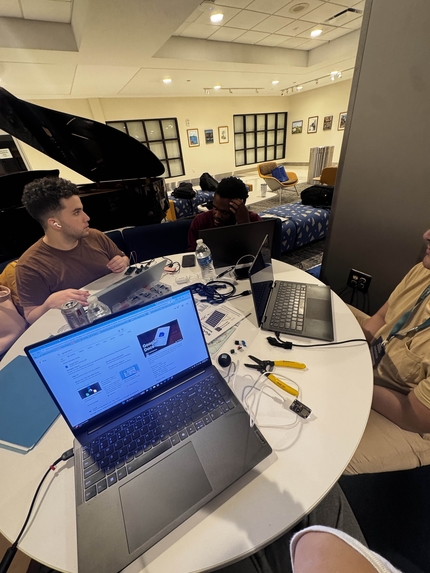
First Night!
-
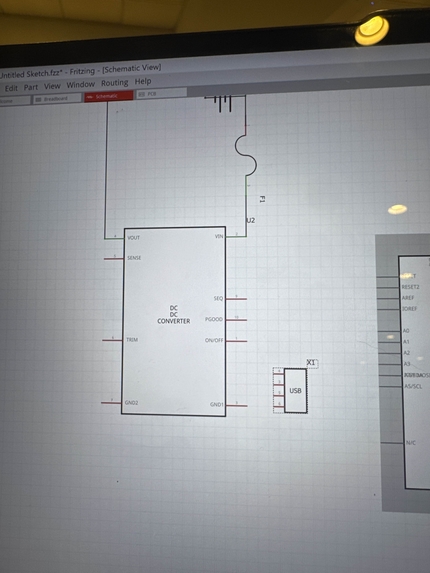
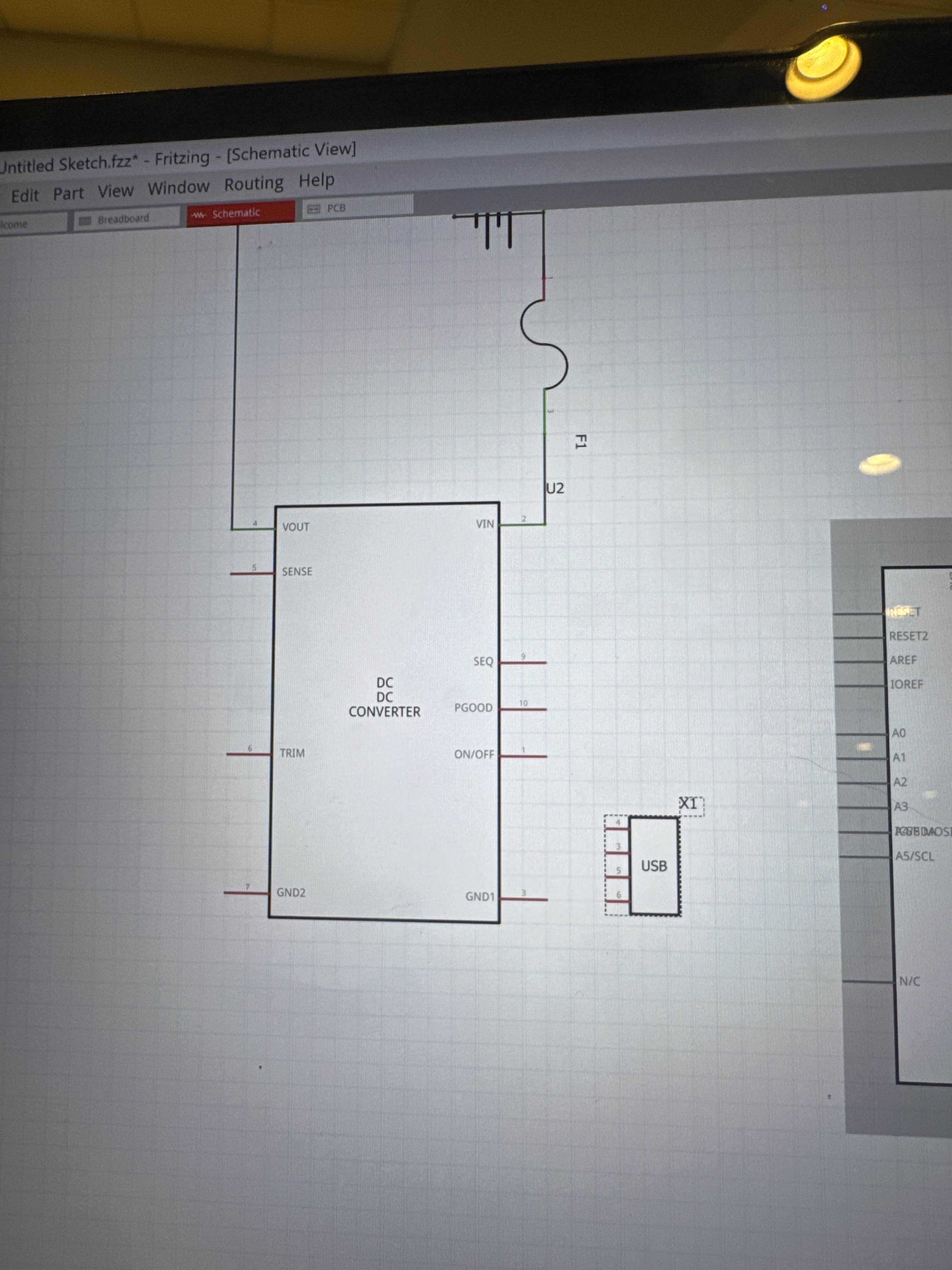
Multisim and Circuitry Schematic
-
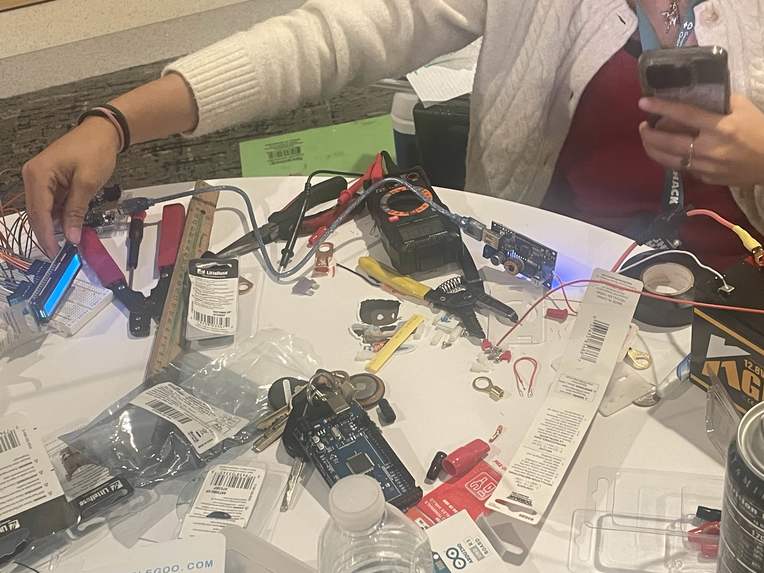
Hardwiring!
-
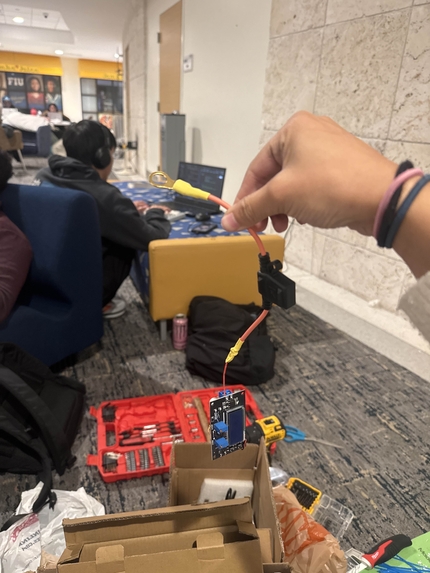
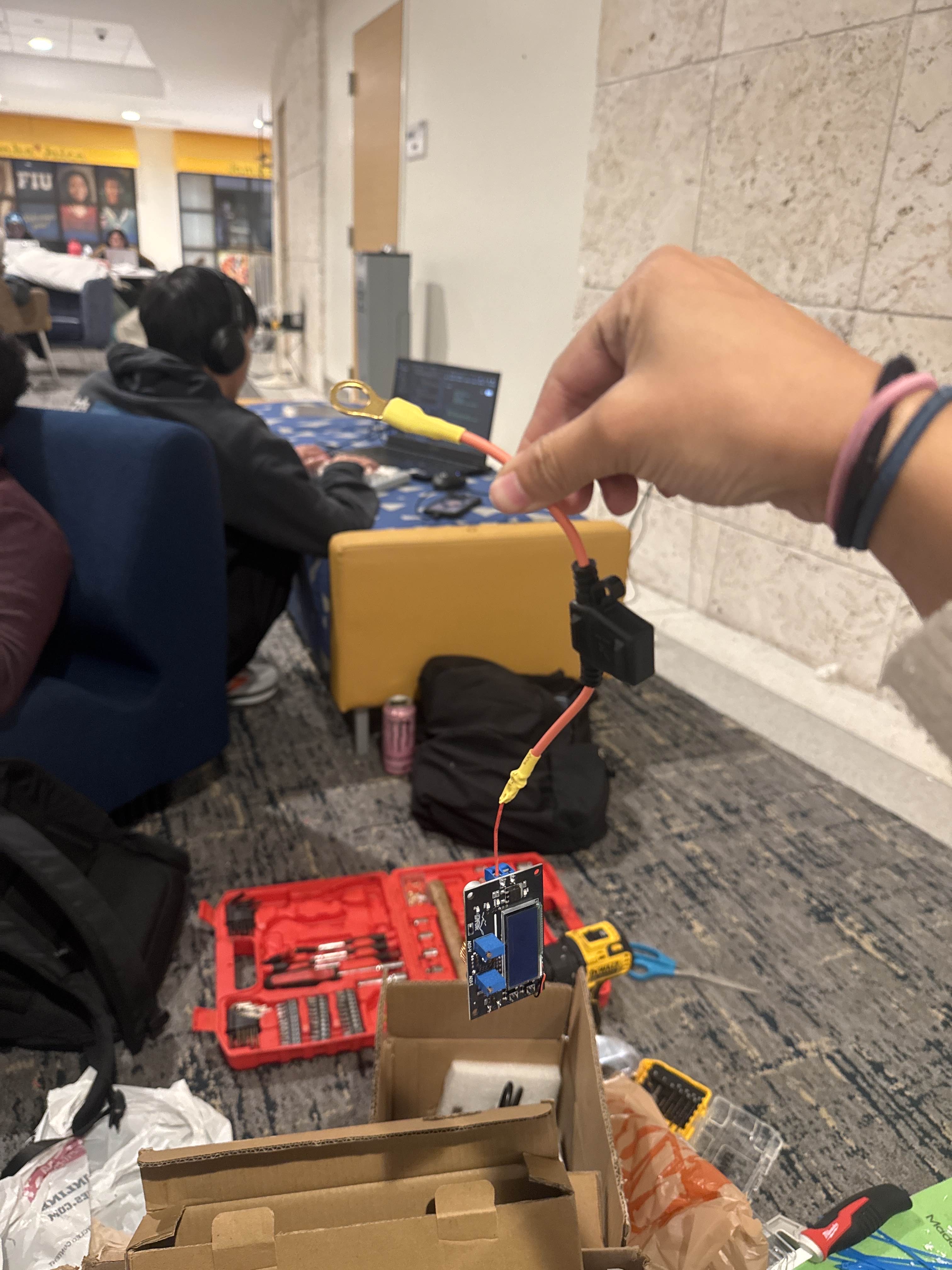
First solder and Splice
Inspiration
When our team began brainstorming for the hackathon, we kept returning to one problem we'd seen in disaster and refugee camps. As children of immigrants, we knew the stories behind the research. In disastrous events and underdeveloped camps, we understood the importance of connection. People lose power and information first, just when they need it most. Phones die, updates stop, and people are left in the dark.
What it does
Cubit is a compact, solar powered hub that delivers three essential services: Power, communication, and information. It captures solar energy in order to charge phones and power multiple components. Each component performs a different task. Through our components we can detect temperature, humidity, and use a mesh-network system in order to stay connected. An integrated display shows real time weather and signal updates.
How we built it
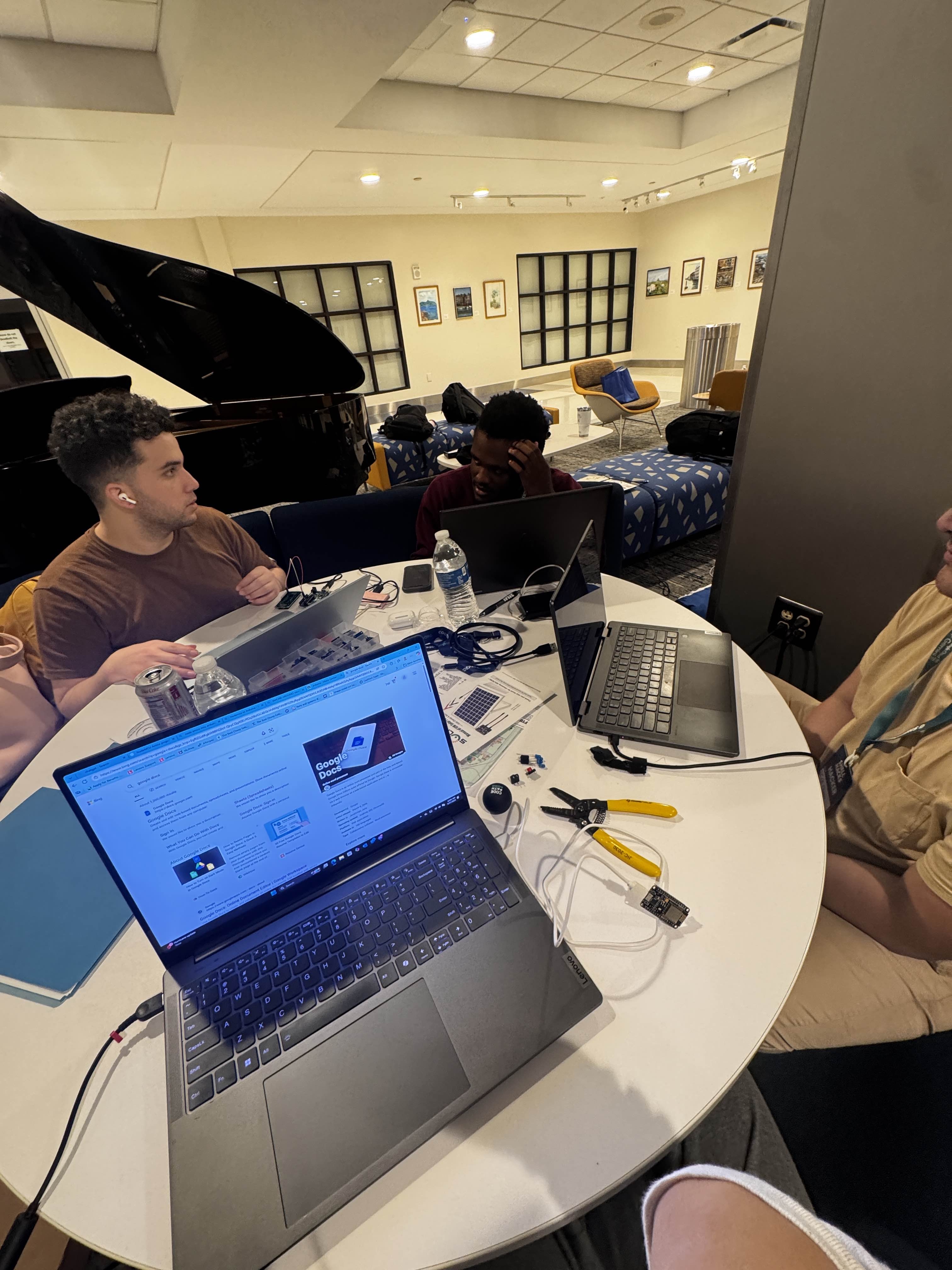
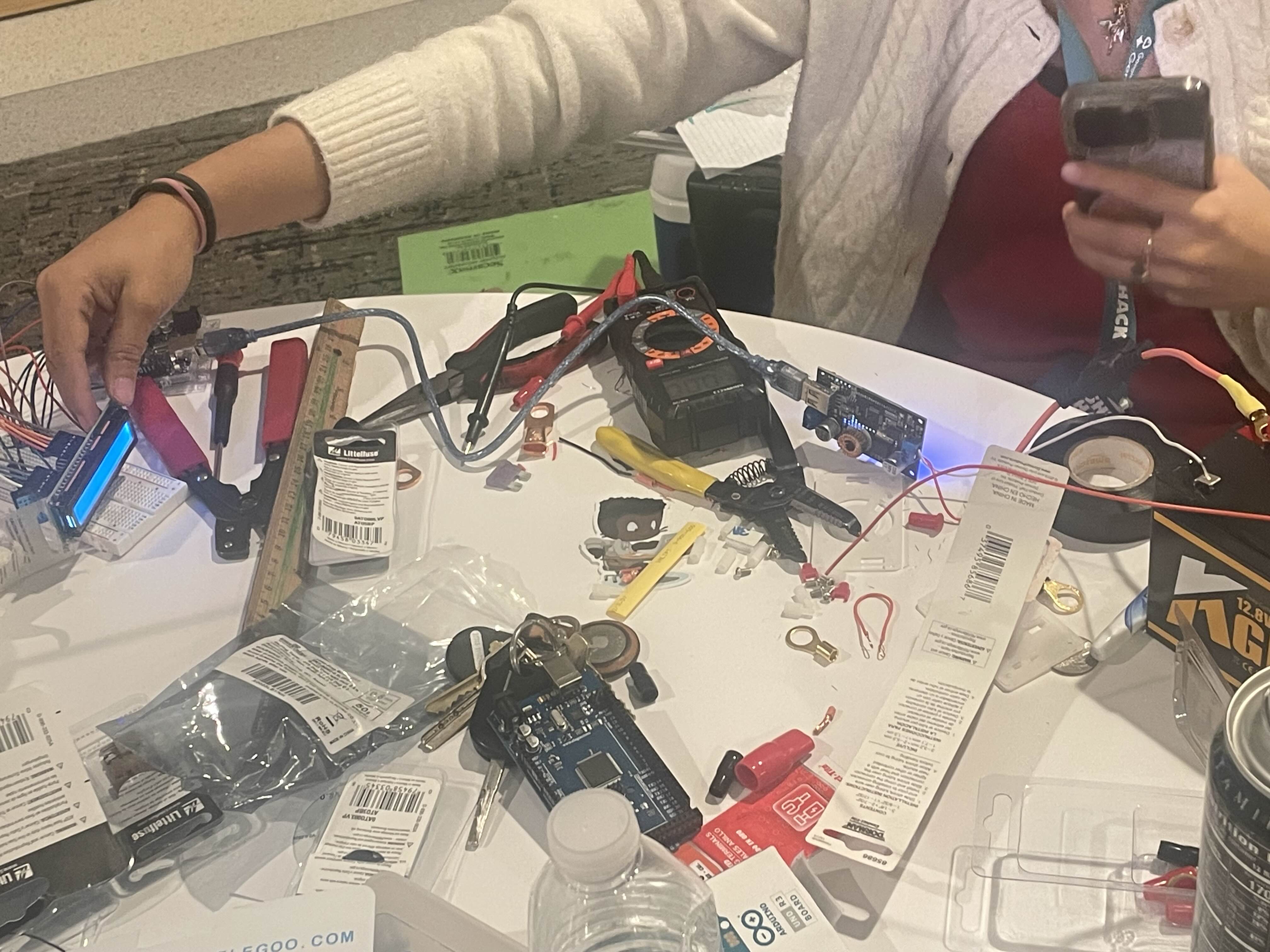
We divided and conquered our project, mastering our strengths in order to bring Cubit to life. We created our own circuit using a 10W Solar Panel, 12V battery, inline 16AWG fuse, a DOKER step-down convertor, Arduino Uno R3, Temperature and Humidity Sensor, Node mcu Amica Nano, and an LCD. We coded each component using C++. We used a 16 qt cooler as a hub to store all the hardware due to its durability, connivence, low-cost, and portability. We built Cubit by first designing a system that could reliably deliver solar power, communication, and weather data in a single portable unit. We chose a 16-quart cooler as the enclosure, cutting openings for the solar wiring, USB ports, LCD screen, and ventilation. A 10 W solar panel mounted on the lid feeds a 12.8 V LiFePO₄ battery through a charge controller, while an LM2596 DC-DC buck converter steps the voltage down to 5 V for the Arduino Uno, sensors, and USB charging ports. Inside, we wired the Arduino to an LCD display and environmental sensors to monitor temperature, humidity, voltage, and current. To enable peer-to-peer emergency alerts, we added ESP8266 modules that create a self-healing mesh network. After carefully securing all components with foam and standoffs, we tested charging, sensor readouts, and wireless communication, producing a rugged, cooler-sized hub that provides power, communication, and information anywhere off the grid.
Challenges we ran into
We ran into many coding issues, most of the team had never used hardware to this extent. It was a major learning curve. Experiencing issues with libraries, component faults, lack of materials and knowledge blocks. We had to restart multiple times when coding the LCDs, setting us back a couple of hours unfortunately. Circuitry was also another issue, understanding the dangers of electricity and with the lack of proper materials we had hard times sourcing each component within a short amount of time. Luckily, many resources were available to us.
Accomplishments that we're proud of
We accomplished a feat that many people struggle to do, especially with such a short time constraint. We are proud to create a project that will help those who need it most. Overcoming our own struggles in order to offer aid to those who really need it. We're especially proud of everything we have learned this weekend.
What we learned
Our team learned a variety of different things. From 0 to now, we learned how to navigate through hardware libraries and polish our experience with C++. We learned how to wire and create efficient circuits, understanding circuitry and how to solder, breadboard, and make schematics. We learned so much about different aspects of technology and engineering, now implementing our specialties and coming together to create one unit.
What's next for Cubit
Cubit will follow through some updates and proper hardware scales. Going from prototype to fully scaled product. We plan to reach out to Kakuma directors and further research their camps and how to make Cubit more efficient for them.


Log in or sign up for Devpost to join the conversation.