-
-
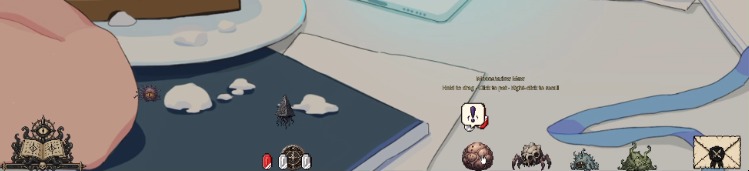
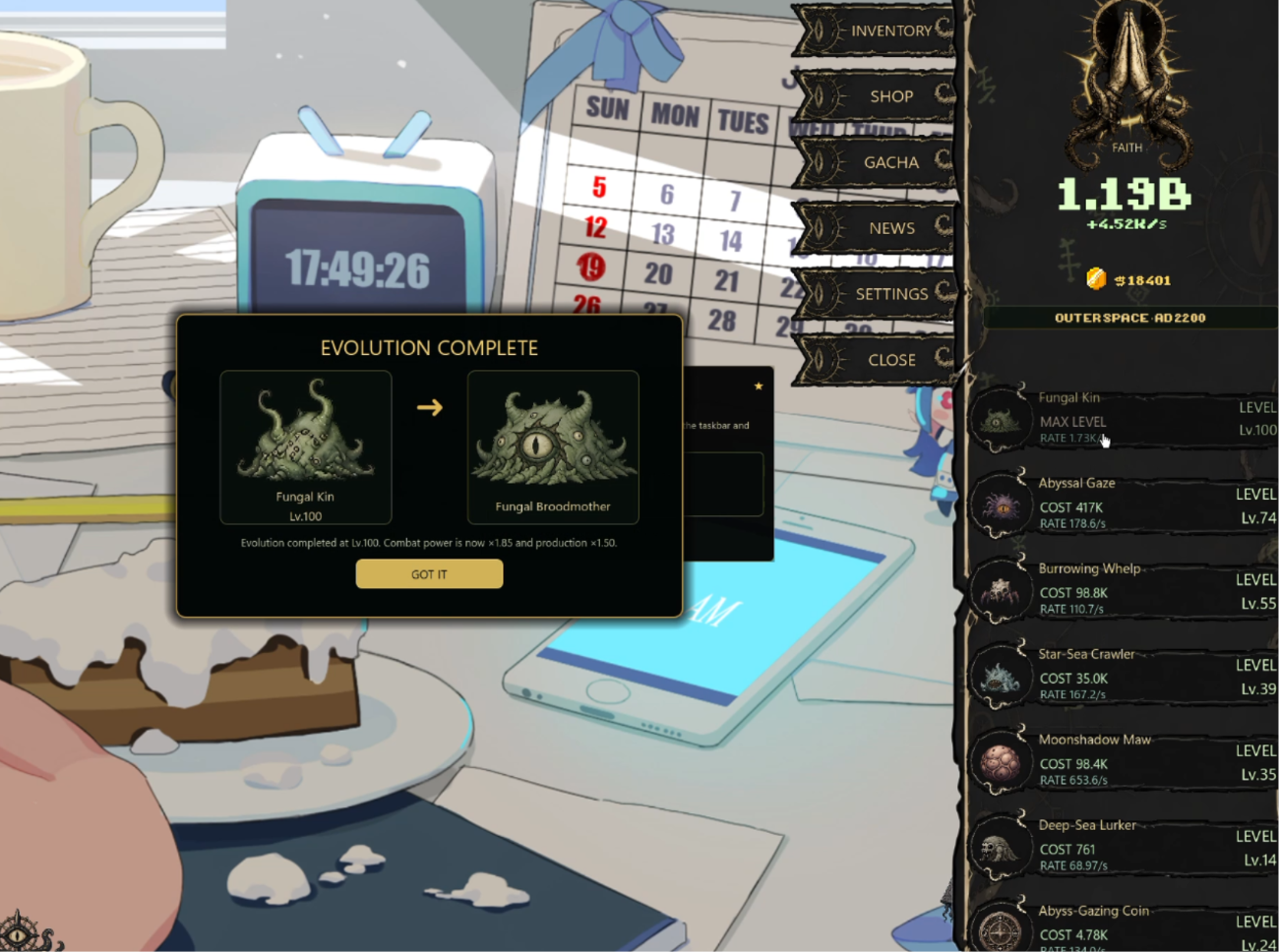
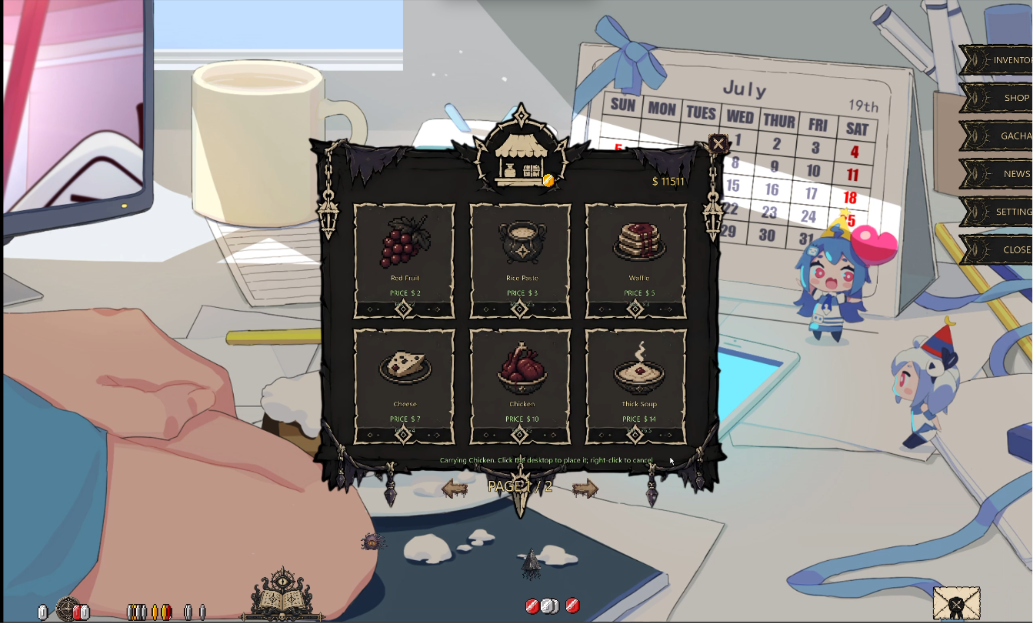
Pets live directly on your Windows desktop, gathering resources while you work
-
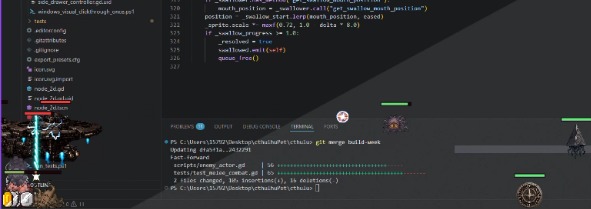
Defend your desktop in real-time battles
-
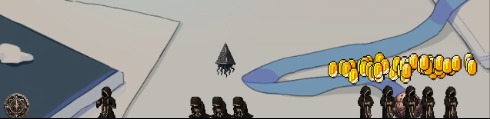
attract devoted followers
-
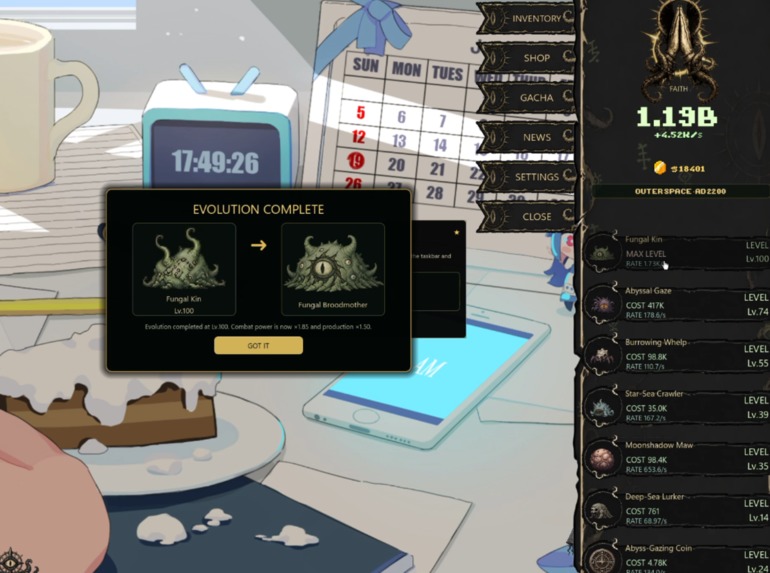
evolve
-
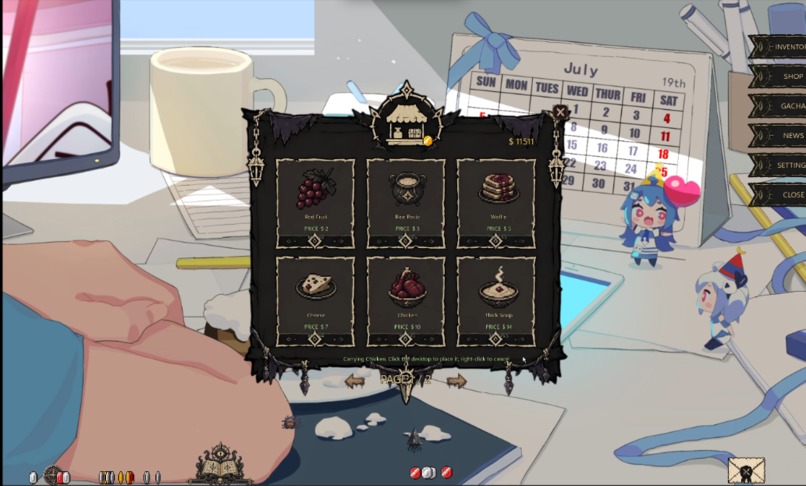
remember to feed your pets with flesh
Inspiration
I've always liked desktop pets. They're simple, lightweight, and quietly keep you company while you use your computer.
OpenAI Build Week gave me the perfect chance to see how far I could push a real game project using GPT-5.6 and Codex throughout development.
The result is Cthulhu Desktop Pet.
What it does
Cthulhu Desktop Pet combines desktop pets with idle progression and automatic battles.
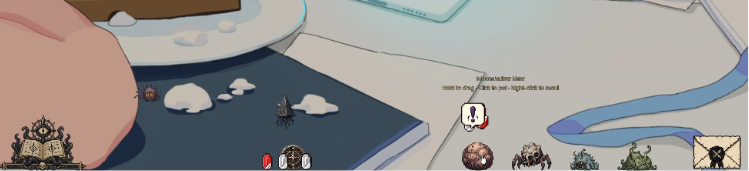
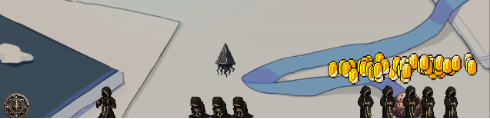
Players collect strange creatures inspired by Lovecraftian horror, unlock stronger companions, gather Faith, recruit followers, and defend their desktop against enemies from different civilizations. As the cult grows, more pets, enemies, and bosses become available.
The game runs directly on the Windows desktop, allowing pets to coexist with the user's normal workflow.
How I built it
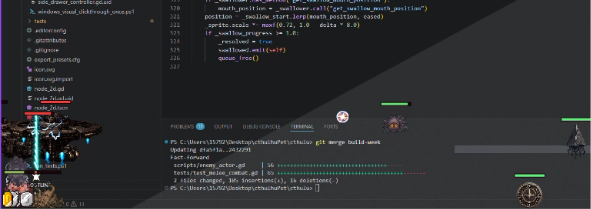
The project was built with Godot 4 and GDScript using Visual Studio Code and the OpenAI Codex extension.
Codex accelerated implementation, debugging, and refactoring, while Godot provided immediate feedback through live playtesting. This rapid iteration loop helped refine gameplay systems such as combat, progression, and desktop interactions throughout development.
Challenges I ran into
Codex was excellent at implementing systems, fixing bugs, and refactoring code, which made development much faster. The harder part was everything that depended on player experience. Finding the right balance for combat, progression, and pacing still required constant playtesting because those decisions couldn't be validated by code alone.
I also found that asset generation wasn't the bottleneck I expected. The real work was integrating AI-generated content into a production-ready game. Preparing sprites, setting up animations, and keeping assets visually consistent across the project still required significant manual effort.
Accomplishments that I'm proud of
The biggest accomplishment was turning an early prototype into a complete playable game within a single Build Week.
What started as a simple desktop pet now includes automatic battles, enemy waves, bosses, pet evolution, progression systems, and a much stronger gameplay loop while still keeping the lightweight desktop experience that inspired the project in the first place.
What I learned
This project changed the way I think about AI-assisted game development.
Code generation is no longer the biggest bottleneck. Instead, I found that integrating AI-generated assets into a production-ready game still requires a surprising amount of manual work. Preparing sprites, slicing sprite sheets, configuring animations, importing assets into the engine, and keeping everything visually consistent often takes longer than generating the assets themselves.
That made me realize the next big opportunity for AI in game development isn't simply generating code. It's building end-to-end pipelines that can prepare assets for a game engine, organize them into a project, and connect them with existing gameplay systems automatically.
What's next for Cthulhu Desktop Pet
This Build Week version is the project's first public milestone (v0.1.0).
Future updates will expand the pet roster, introduce third-stage evolutions, add new enemy factions and bosses, improve desktop interactions, and continue refining the overall gameplay experience.
The long-term goal is a full Steam release.
Built With
- codex
- gdscript
- github
- godot4
- gpt5.6
- itch
- visual-studio-code


Log in or sign up for Devpost to join the conversation.