-
-
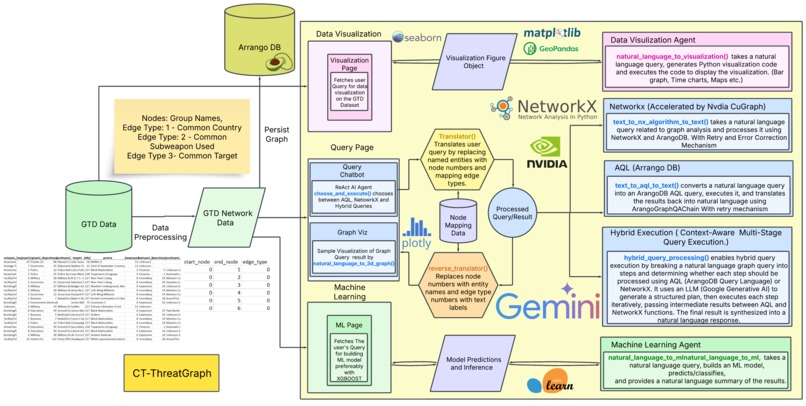
Overview
-
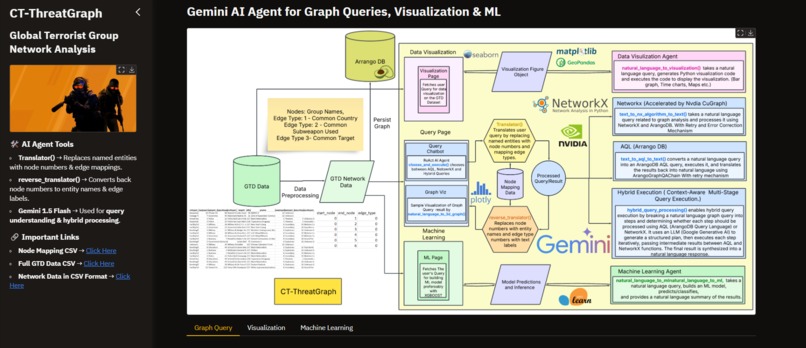
Gradio Interface
-
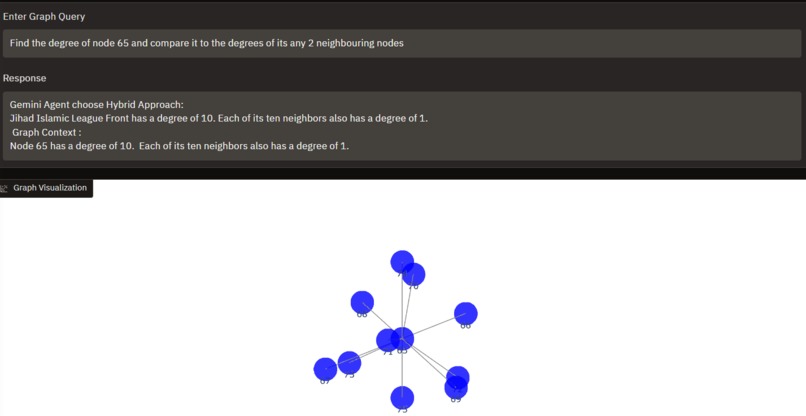
Hybrid output
-
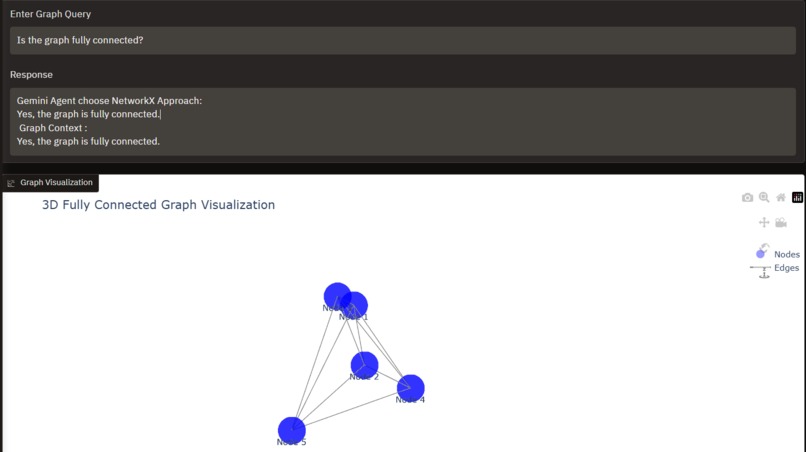
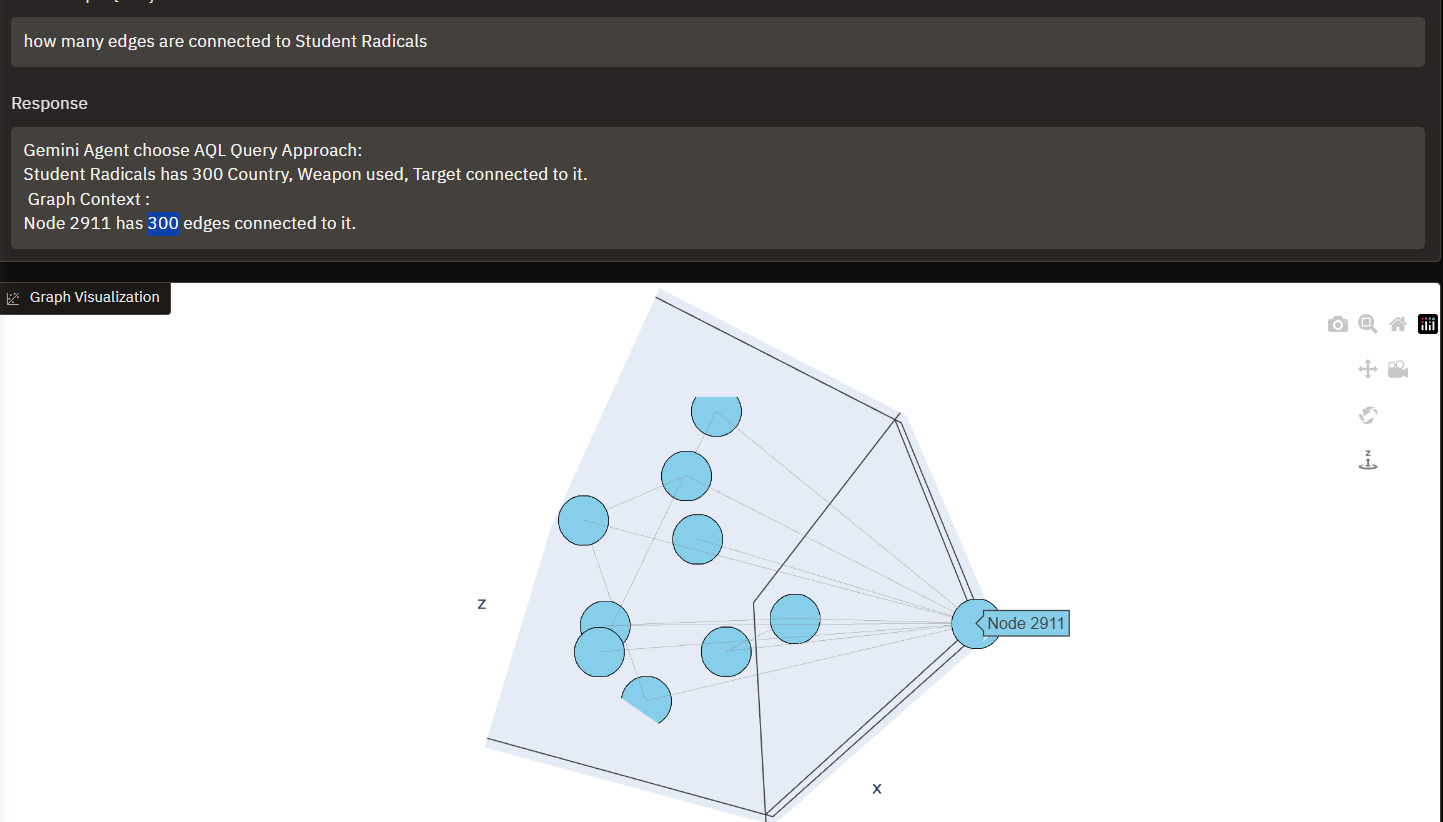
Networkx Output
-
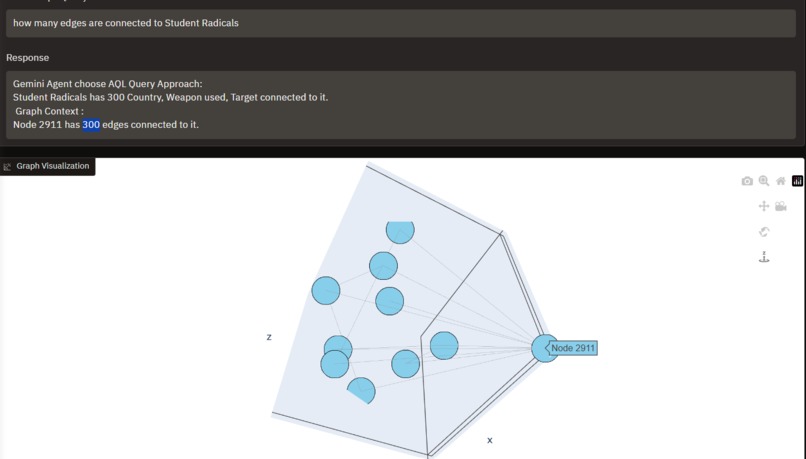
AQL Output
-
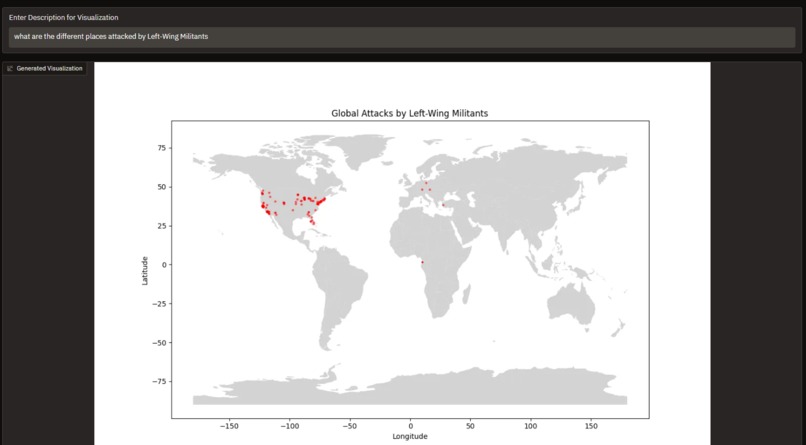
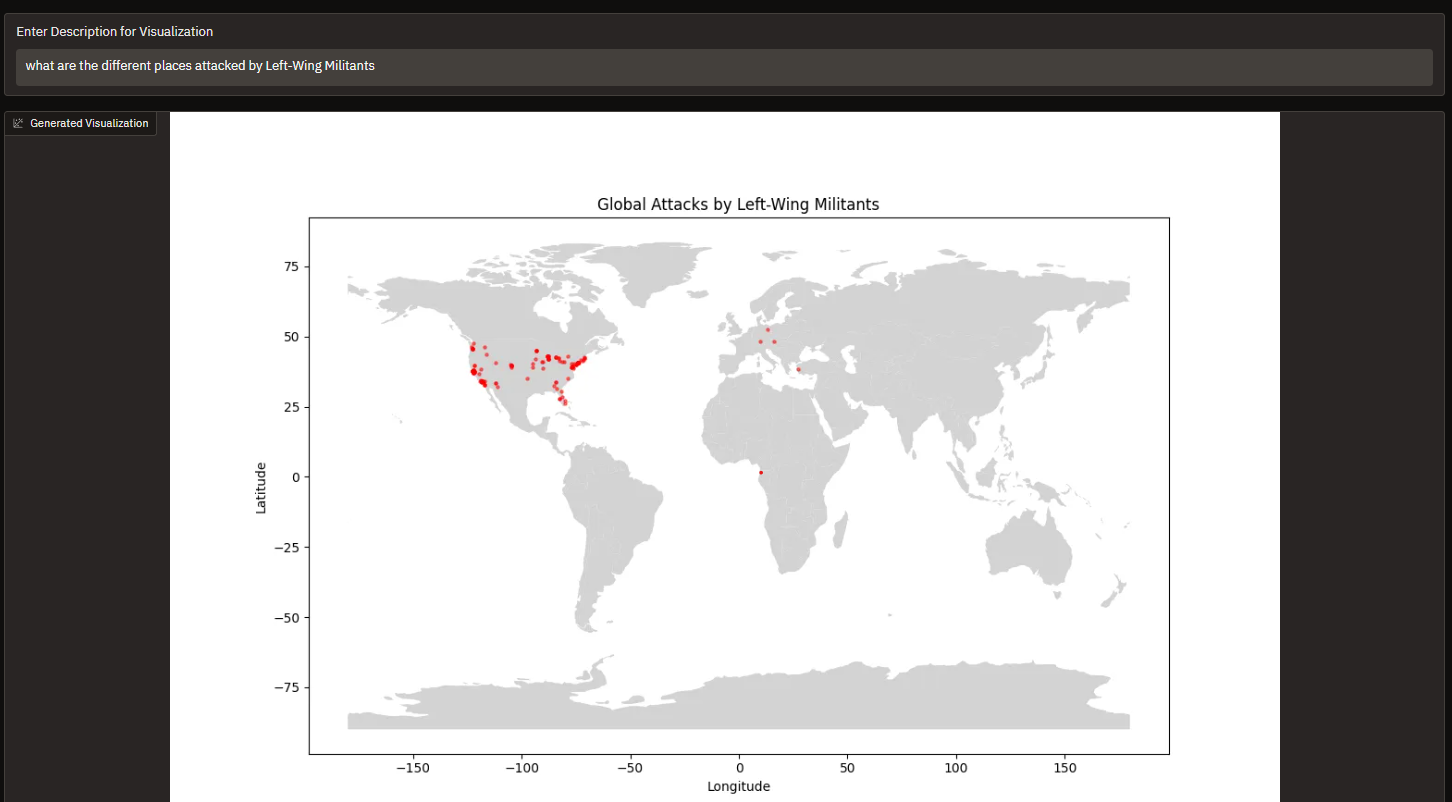
Visualization output -world map
-
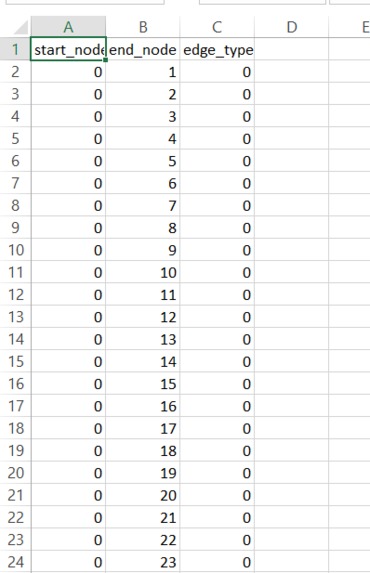
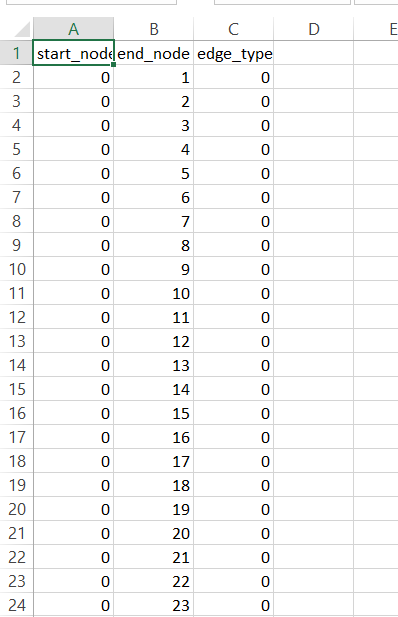
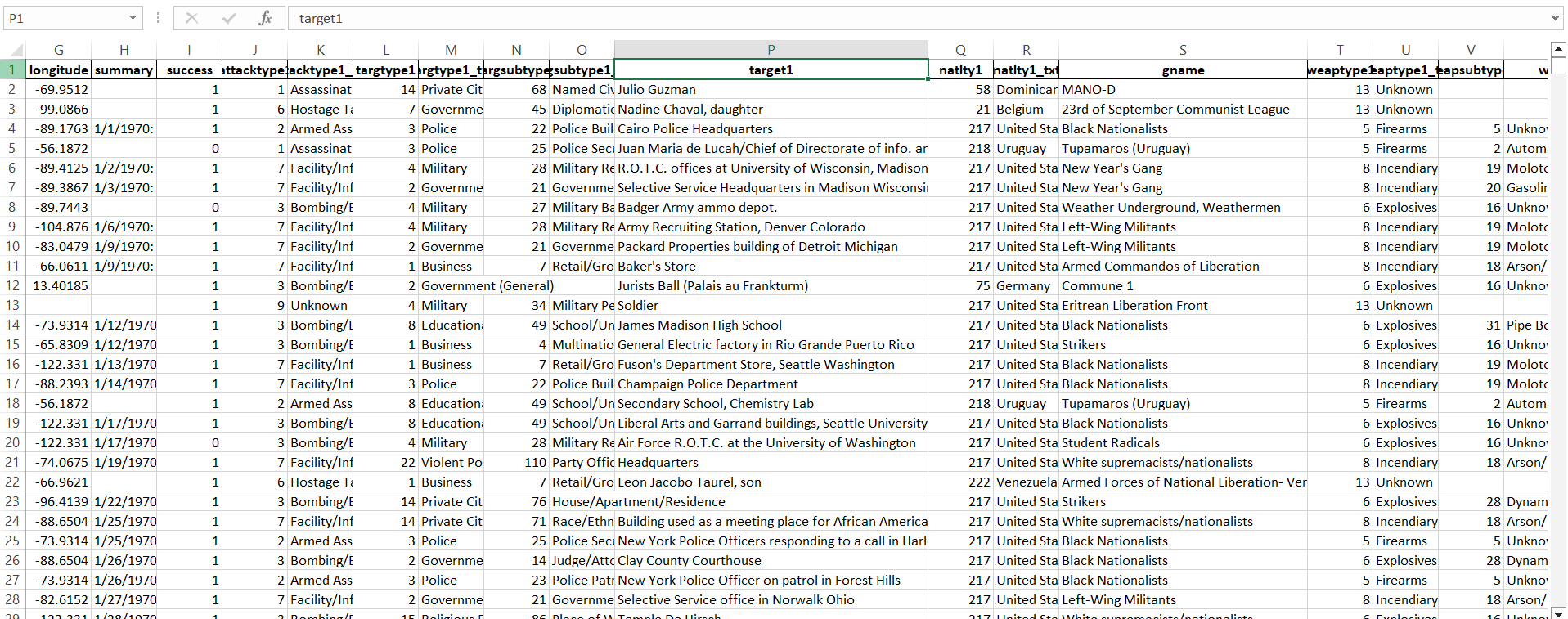
Network CSV Data
-
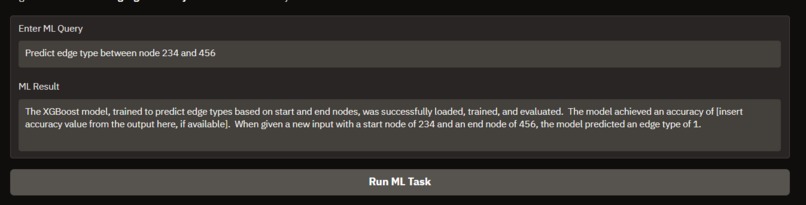
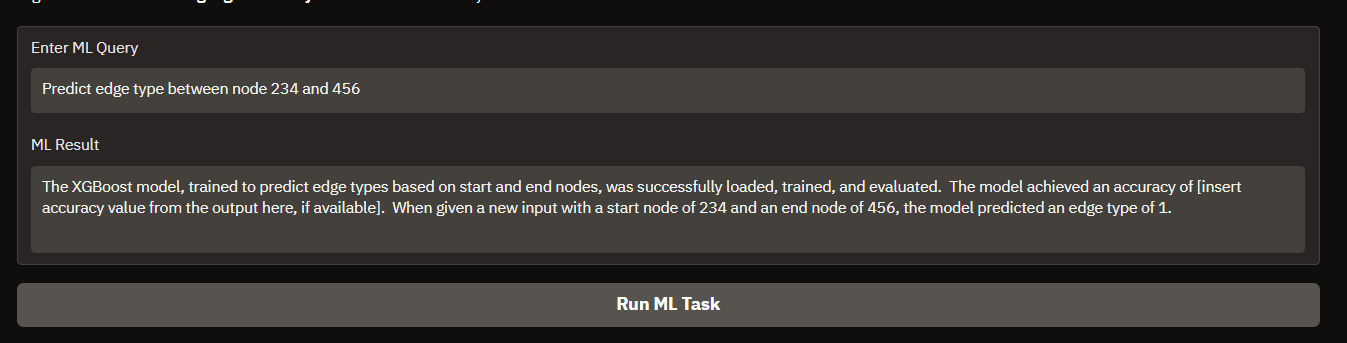
Machine learning output
-
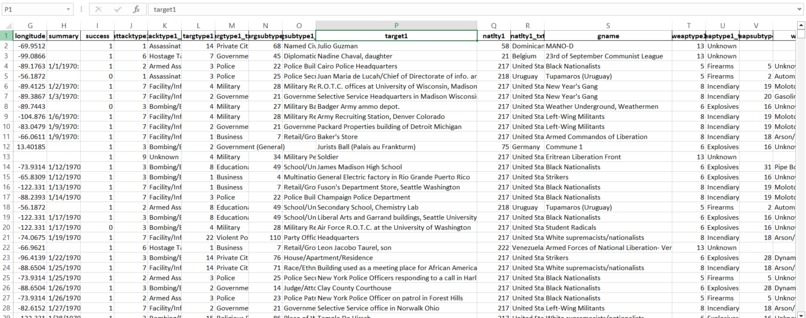
GTD Dataset
-
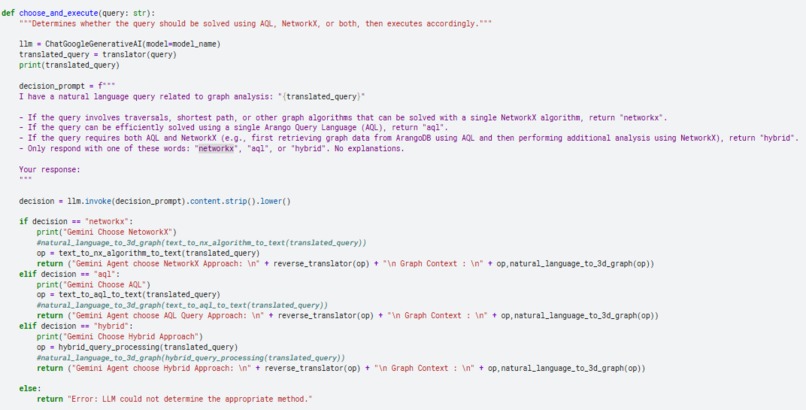
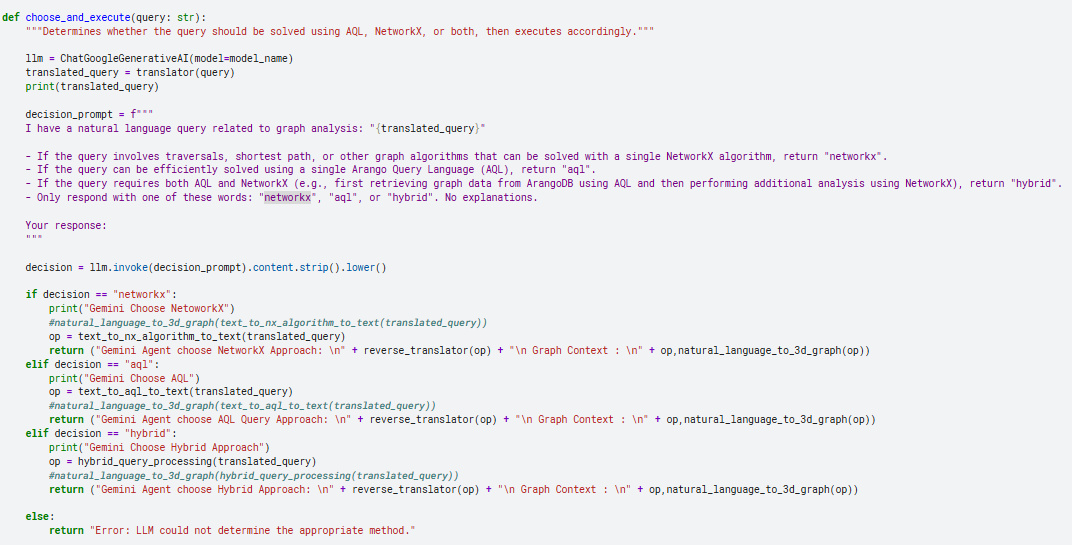
ReAct Agent
-
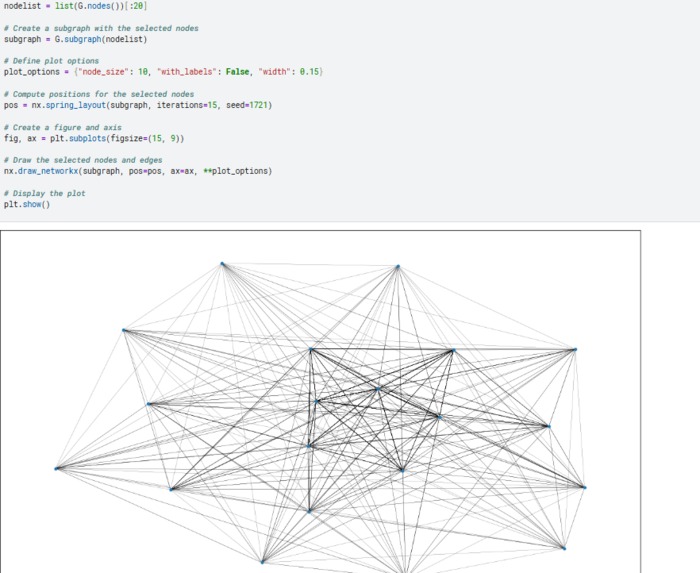
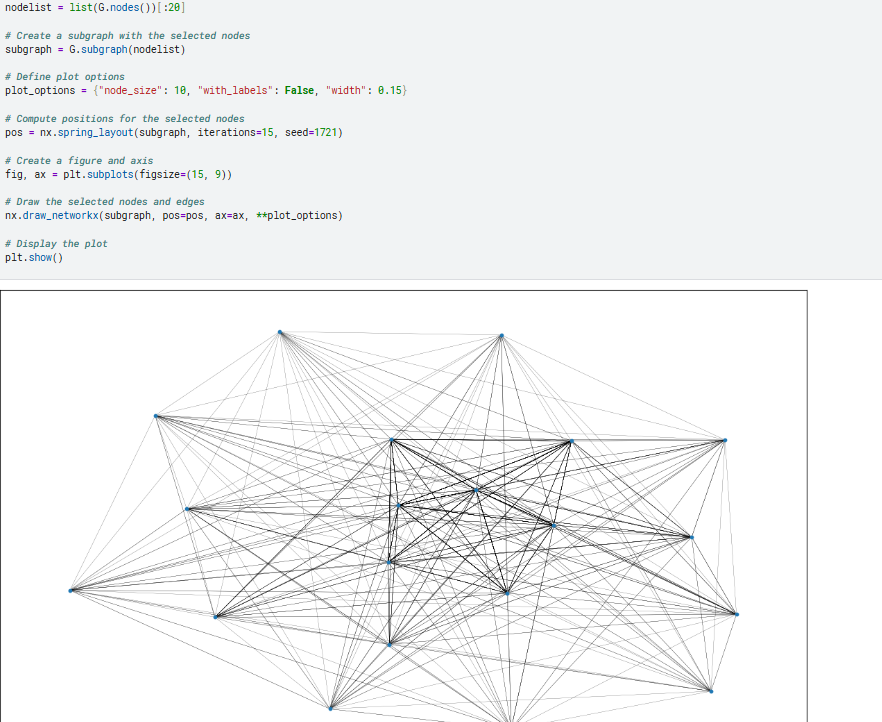
Sample graph
-
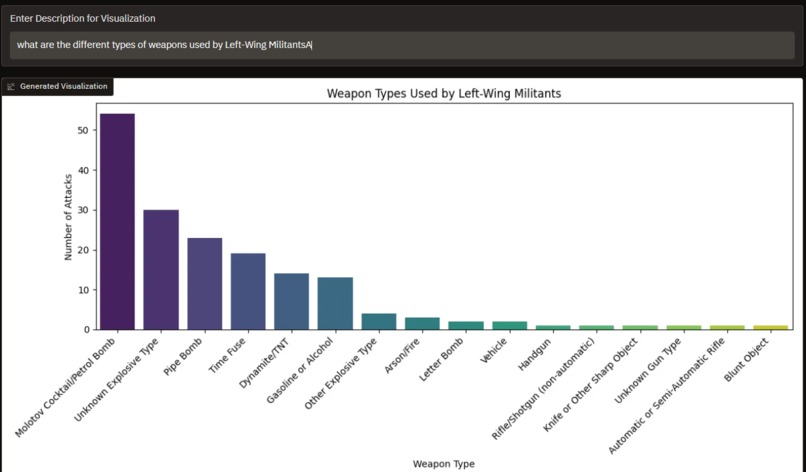
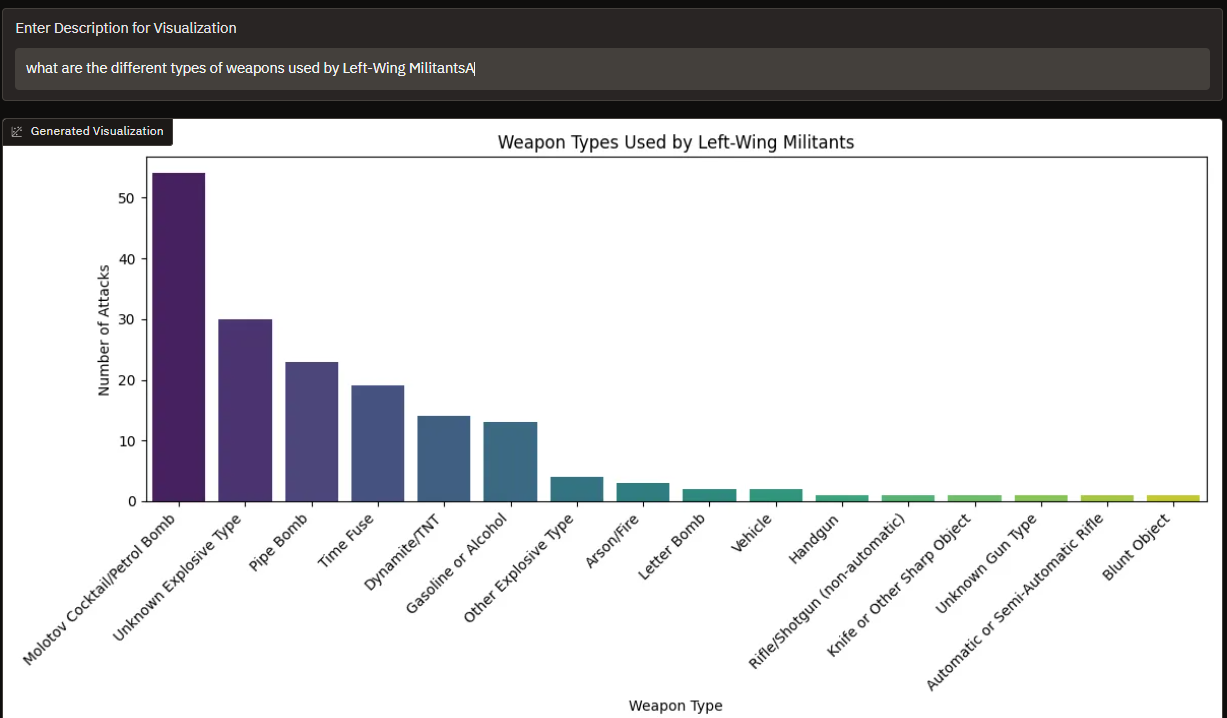
Visualization output - bar graph
CT-ThreatGraph: Analyzing Global Terrorism Data using Multigraph and Gemini AI 🌍
Overview
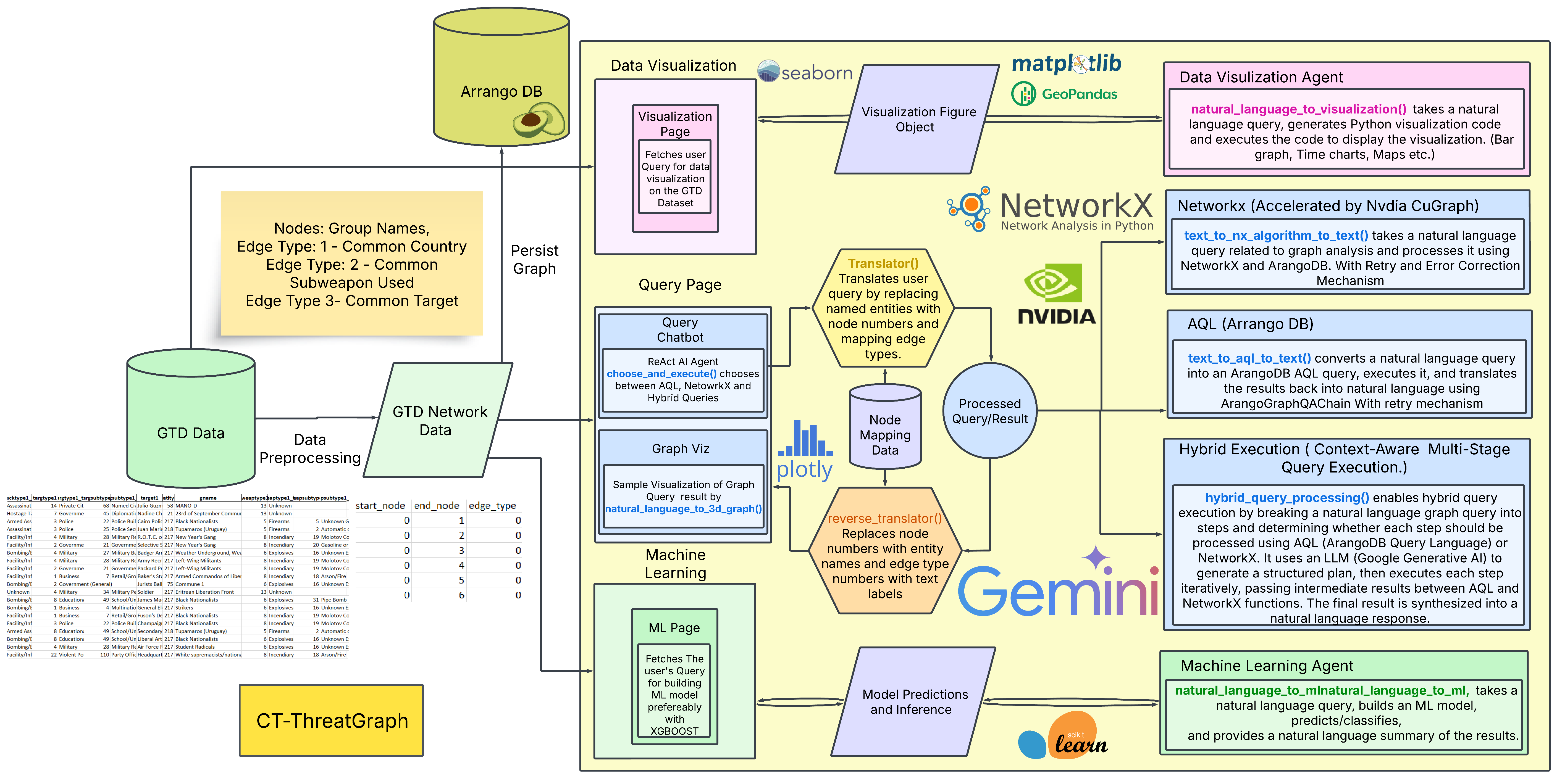
CT-ThreatGraph is an AI-powered analytical tool by Gemini LLM designed to study global terrorism trends by leveraging multigraph analysis and machine learning. The project processes complex terrorism datasets, enabling pattern detection, predictive modeling, and decision support for counter-terrorism efforts.
By integrating graph-based AI, advanced visualization techniques, and a hybrid query processing engine, CT-ThreatGraph offers an innovative approach to understanding terrorism networks and their underlying connections.
Motivation
Dataset: https://www.start.umd.edu/data-tools/GTD
The Global Terrorism Database (GTD) contains detailed records of terrorist activities worldwide. Analyzing this vast dataset manually is challenging due to its scale and complexity. Our goal is to develop an AI-driven system that automates the extraction of insights, enabling security analysts and researchers to:
- Identify high-risk regions and timeframes.
- Analyze relationships between terrorist groups, attack types, and targets.
- Predict potential future threats based on historical patterns.
Problem Statement
Terrorism-related datasets contain unstructured and complex relationships between entities such as terrorist organizations, locations, attack types, and weapon types. Traditional tabular analysis fails to capture these intricate connections.
CT-ThreatGraph addresses this by using graph-based AI to:
- Model terrorism data as a multigraph (nodes: entities, edges: relationships).
- Enable natural language querying for intuitive data retrieval (Aql, Networkx and Hybrid)
- Provide interactive 3D visualizations for pattern recognition.
- Combine graph databases and ML models for predictive analytics.
Tools & Technologies Used
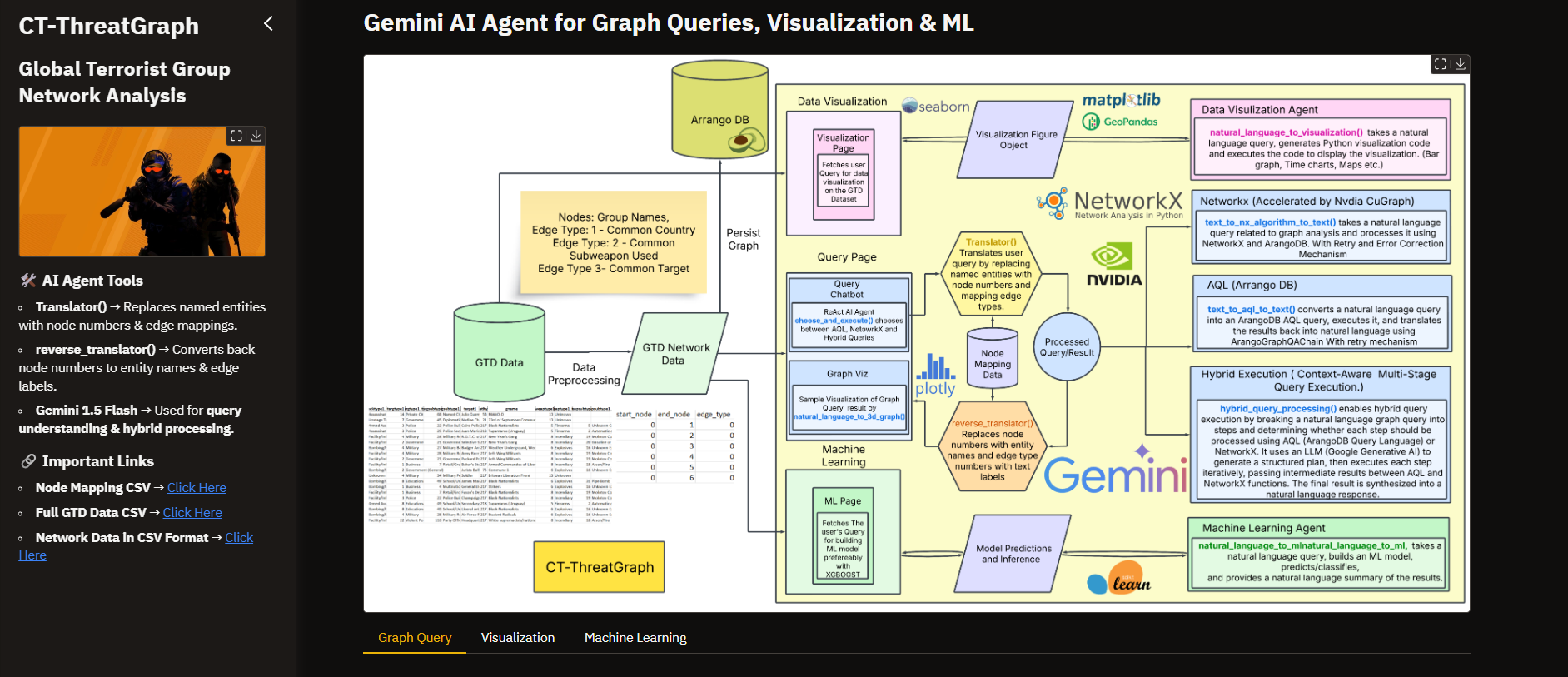
- Translator and reverse translator (for queries)
- AQL Tool
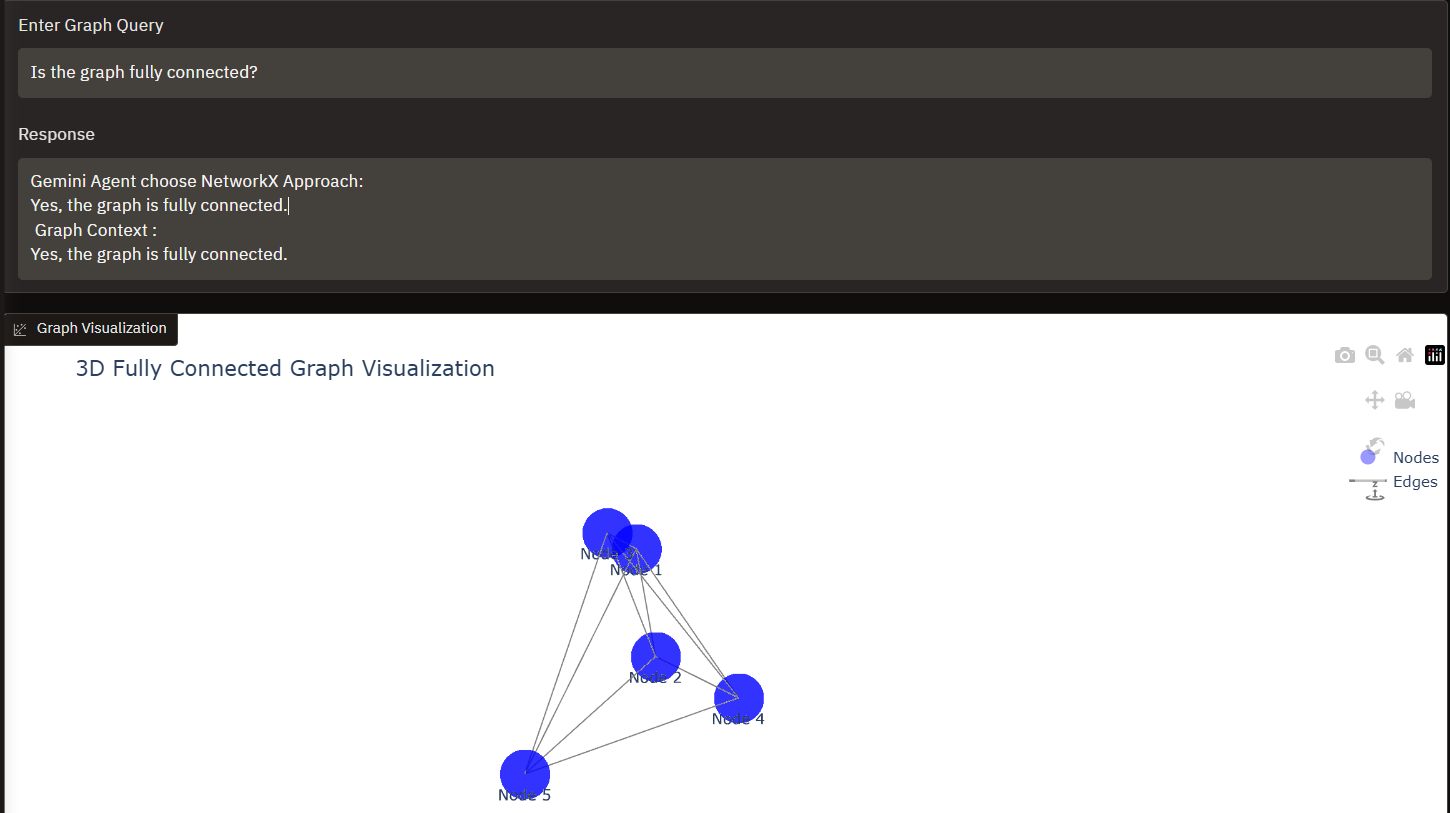
- NetworkX Tool
- Hybrid Execution Tool
- 3D Graph Visualization Tool
- GTD Data visualization Tool
- Machine Learning Tool
1. Graph Processing
- NetworkX – For graph-based algorithms such as shortest path, centrality analysis, and node classification with Cugraph by Nvdia for GPU Acceleration
- ArangoDB – A multi-model NoSQL database used for efficient graph storage and AQL (Arango Query Language) execution.
- Plotly – Used to create interactive 3D visualizations of the graph.
2. Machine Learning
- XGBoost – Used for predicting relationships between entities in the dataset.
- Scikit-learn – For training various ML models on extracted features.
- LLM (Large Language Models) – Gemini 1.5 Flash Used for natural language understanding, query translation, and data enrichment.
3. Data Processing
- Pandas & NumPy – For loading, cleaning, and manipulating the dataset.
- GeoPandas – For spatial analysis and mapping terrorist incidents.
4. Backend & Query Processing
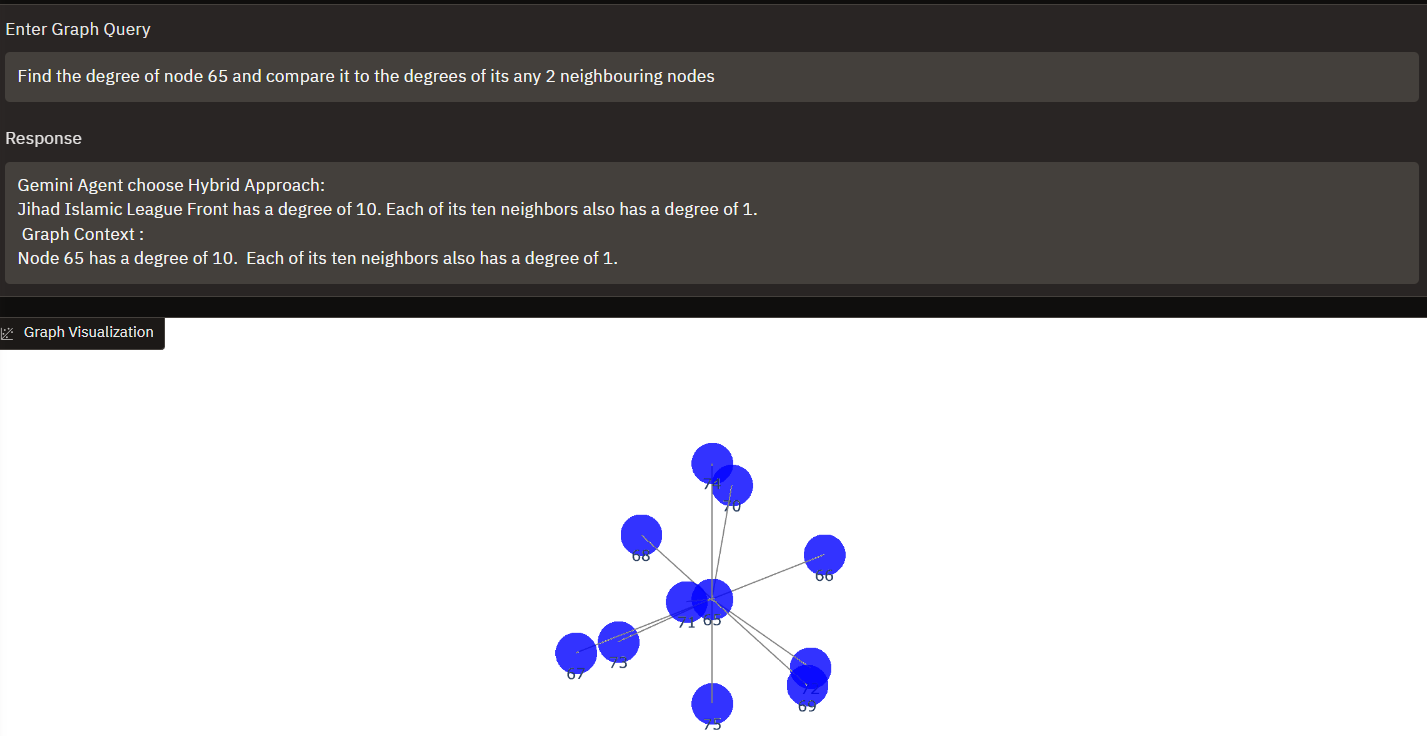
- Hybrid Query Processing Engine – A combination of NetworkX (local computation) and AQL (database queries) to provide optimized results.
- LangChain – For orchestrating AI-powered query execution.
5. UI & Visualization
- Gradio – For building an interactive web-based UI.
Challenges Faced
1. Designing Logic for Hybrid Query Processing
One of the biggest challenges was determining when to use NetworkX vs. ArangoDB for processing queries.
2. Handling Large Datasets Efficiently
- The GTD dataset contains thousands of nodes and edges, making direct visualization difficult.
3. Natural Language Query Interpretation
- Mapping human language to structured queries required prompt engineering with LLMs.
- Some queries needed multi-step reasoning, requiring step-by-step query breakdown and execution.
- Solution: A query planner that converts high-level NL queries into subtasks executed in order.
Project Impact
CT-ThreatGraph enables security researchers, policymakers, and intelligence agencies to:
✅ Visualize complex terrorism networks dynamically.
✅ Discover hidden patterns & relationships in attack data.
✅ Predict high-risk areas using AI-powered risk assessment.
✅ Execute natural language queries for intuitive analysis by executing both AQL and NetworkX algorithms
With real-time analytics and AI-driven insights, this project enhances the ability to understand, anticipate, and mitigate terrorist threats.
Future Enhancements
- Integration with Neo4j for enhanced graph querying.
- Fine-tuning LLMs for better natural language query interpretation.
- Deploying as a full-scale interactive web application using Streamlit / Flask.
- Expanding the dataset to include real-time threat intelligence feeds.
Conclusion
CT-ThreatGraph is a step forward in applying AI and graph-based analytics to counter-terrorism research. By fusing graph theory, machine learning, and NLP, the project provides a comprehensive analytical platform that helps experts extract insights from complex datasets and predict future threats.
Built With
- arrangodb
- cugraph
- gemini
- gradio
- matplotlib
- networkx
- nvidia
- plotly
- python
- scikit-learn
- seaborn


Log in or sign up for Devpost to join the conversation.