-
-
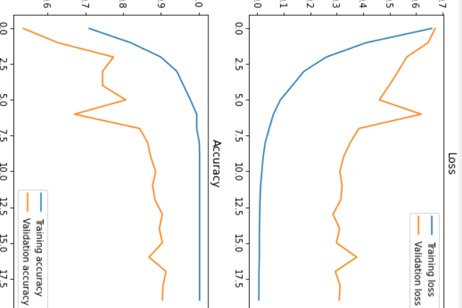
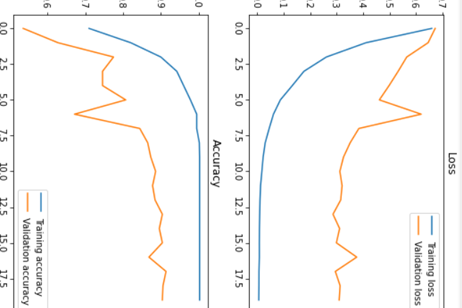
Training and Validation Loss and Accuracy
-
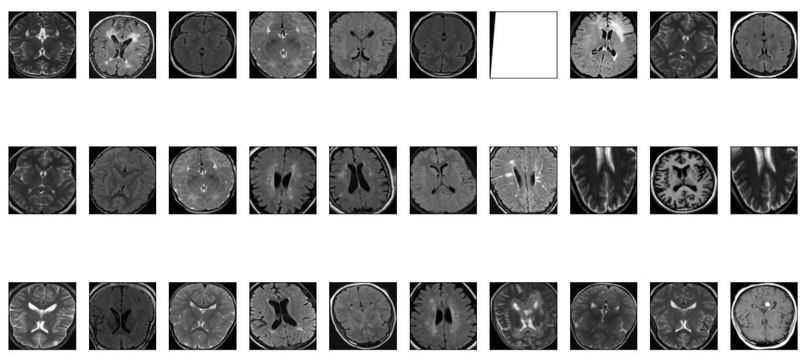
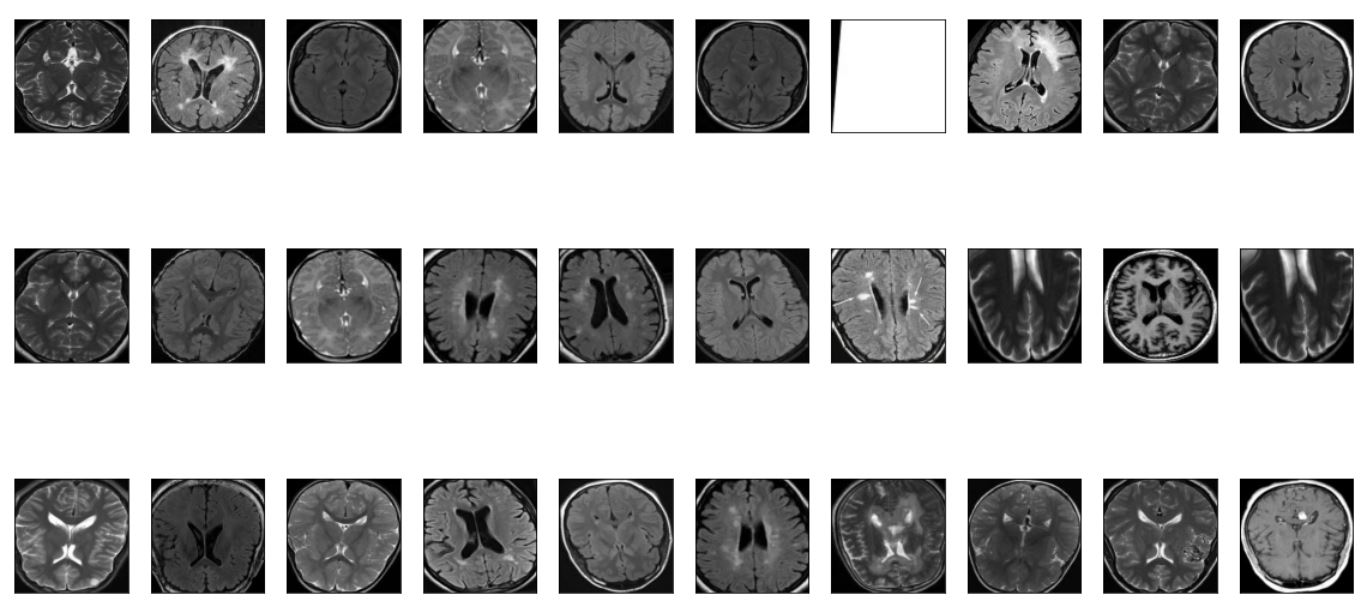
Brain Tumor scans
Inspiration
Deep learning has been steadily gaining traction in Computer Vision applications, especially localized segmentation in images. Combining the cognitive abilities of a human with the processing power of a computer is still a daunting task in Artificial Intelligence. Numerous algorithms have been designed to somewhat replicate these behaviors and have been of great utility in the healthcare departments. This lead us to develop an algorithm which could accurately predict the presence of a tumor in an MRI scan of a brain image. We believe that the algorithm has proven to be as good as a human, if not better.
What it does
The project aims at classifying an MRI scan image of a brain into one of the two categories - Tumorous or non - Tumorous. An artificial deep learning model has been built to facilitate the given task. Since we had a scarcity of training images, appropriate Data Augmentation techniques have been employed keeping in mind the class imbalance situation. After removing the extraneous background noise, the cleaned and augmented images are fed to our Deep Learning model to train the Convolutional and Fully connected layers present in it.
How we built it
We used Python 3.10.2 with Tensorflow and Keras libraries to build and train our Neural Network model.
Challenges we ran into
The scanty amount of images given to us was not sufficient to adequately train our model. Had to implement Data Augmentation to produce a balanced final dataset. The images contained a lot of background noise which could pose a threat to our classification accuracy. Built an automated data cleaning module to facilitate the above obstacle.
Accomplishments that we're proud of
The Deep Learning model created was a custom one and a very lightweight algorithm was employed to achieve a pristine accuracy of over 90%. Successful in creating a fully automated end-to-end model that is extremely fast and efficient.
What we learned
The project is a collaborative effort of all the individual members of our team and couldn't be achieved even with a single missing link. Hence, Team collaboration was the most important thing we learned in this. Getting hands-on experience in developing our first CNN model has also taught us a lot about the ever-expanding globe of Machine Learning and Python.
What's next for Brain Tumor detection using CNN?
We were able to achieve a whooping accuracy of over 90% in our project, which we believe can be subject to further enhancements by using other image processing techniques and employing better Neural Networks.
Built With
- deep-learning
- keras
- machine-learning
- opencv
- python
- tensorflow


Log in or sign up for Devpost to join the conversation.