-
-
Crystal rush
Inspiration
My previous project, Warriors of Titus, was a VR MOBA. Although it was a good game, it ended up being too complex for my family and friends to play. That led me to create a new mixed reality experience—something simple enough that I could play it with my son, yet deep enough to keep advanced players engaged. I also wanted players to control the pace of the game, so one idea became central: greater risk means greater reward.
What it does
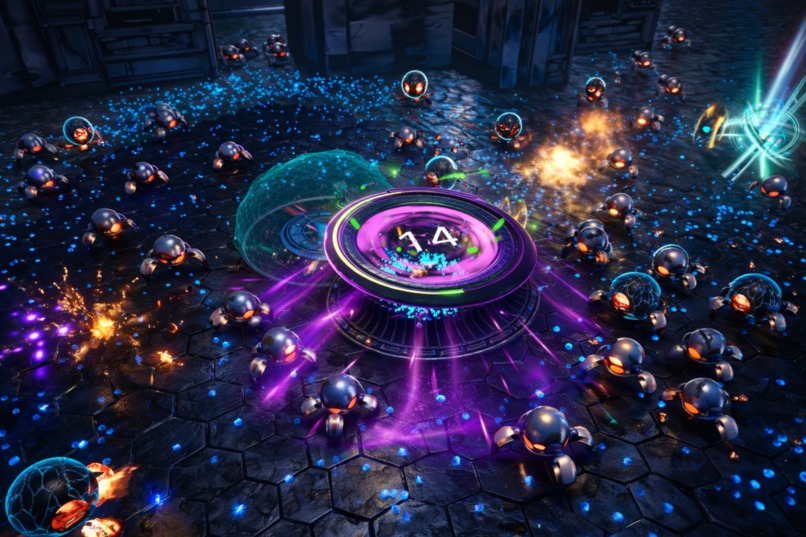
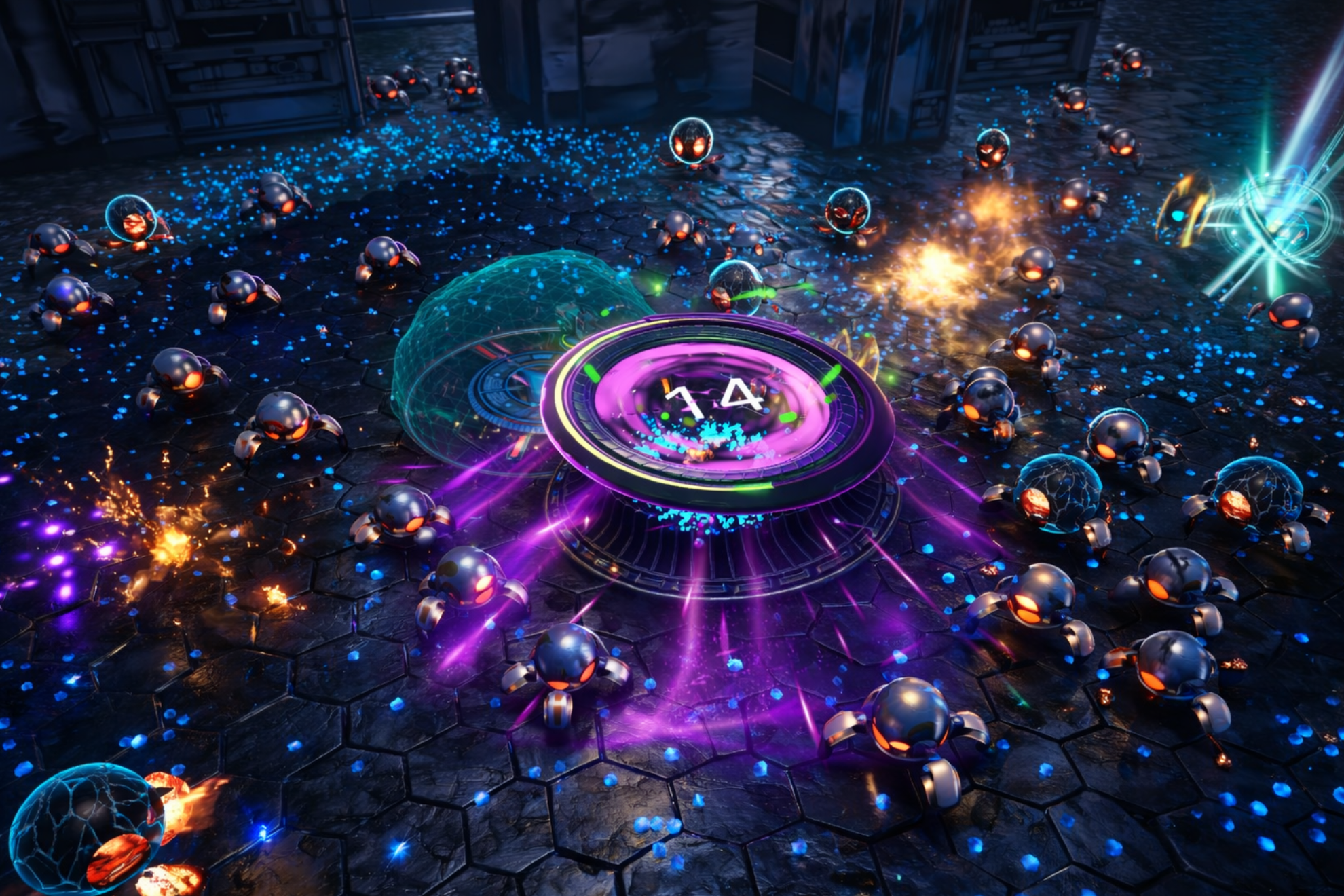
Crystal Rush transforms your physical room into a dynamic, evolving game world. The player controls a small unit that explores the space, uncovers new areas, and collects crystals—all while defending against waves of enemies. Collected resources provide upgrades and progress bonuses, and once enough are gathered, the player earns a global milestone reward known as a Hypercore. Before starting a session, the player's real room becomes a global progress map, where each hexagon represents a playable region with unique rewards and difficulty levels. When a region is conquered, the surrounding hexagon tiles unlock, creating a continuous cycle of discovery, risk, and progression that’s both strategic and fast-paced.
How we built it
Crystal Rush is built in Unity, using AI-driven navigation for enemy behavior and Meta Building Blocks, which significantly sped up development.
Challenges we ran into
One major challenge was passthrough not supporting HDR, which forced a redesign of several planned visual features, shaders, and effects. Other challenges included IDE crashes, alignment issues between editor play mode and real-world passthrough testing, and difficulties implementing colocation. Although multiplayer is working, colocation was ultimately removed from this release due to time constraints.
Accomplishments that we're proud of
I'm proud of the result—it’s genuinely fun to play, and I’m especially excited to eventually experience it in co-location with my son. The progression system, where you gradually unlock areas of the map and become stronger, turned out to be very satisfying and keeps players coming back.
What we learned
Don't rely too heavily on advanced shaders and materials early in development, because platform and hardware limitations may require changing them later.
What's next for Crystal rush
Co-location support, new abilities, additional game modes, more themes and environments, new enemy types, boss fights, and deeper progression systems. Once the game reaches a polished state, the goal is to publish it on the Meta Store.


Log in or sign up for Devpost to join the conversation.