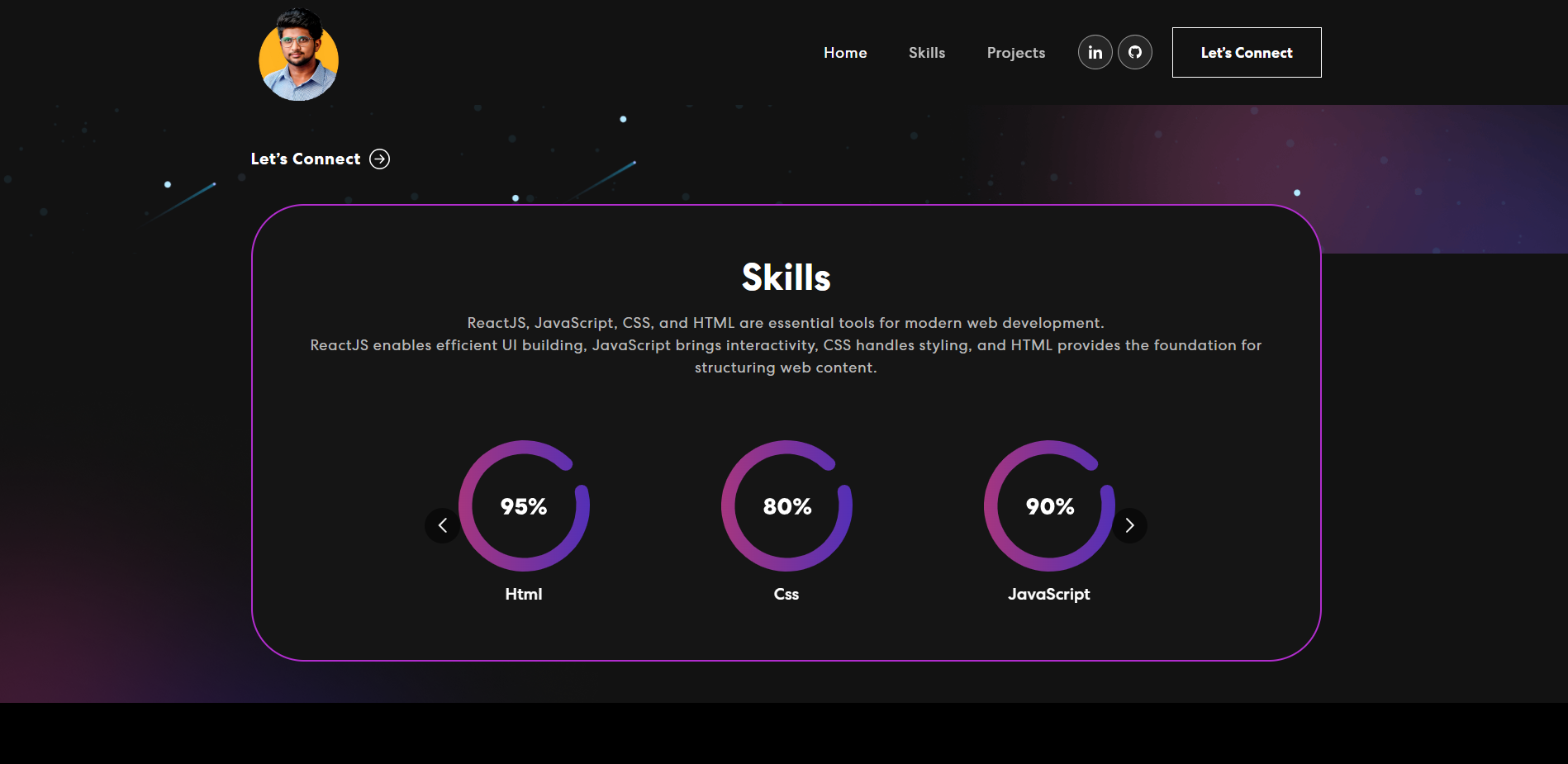
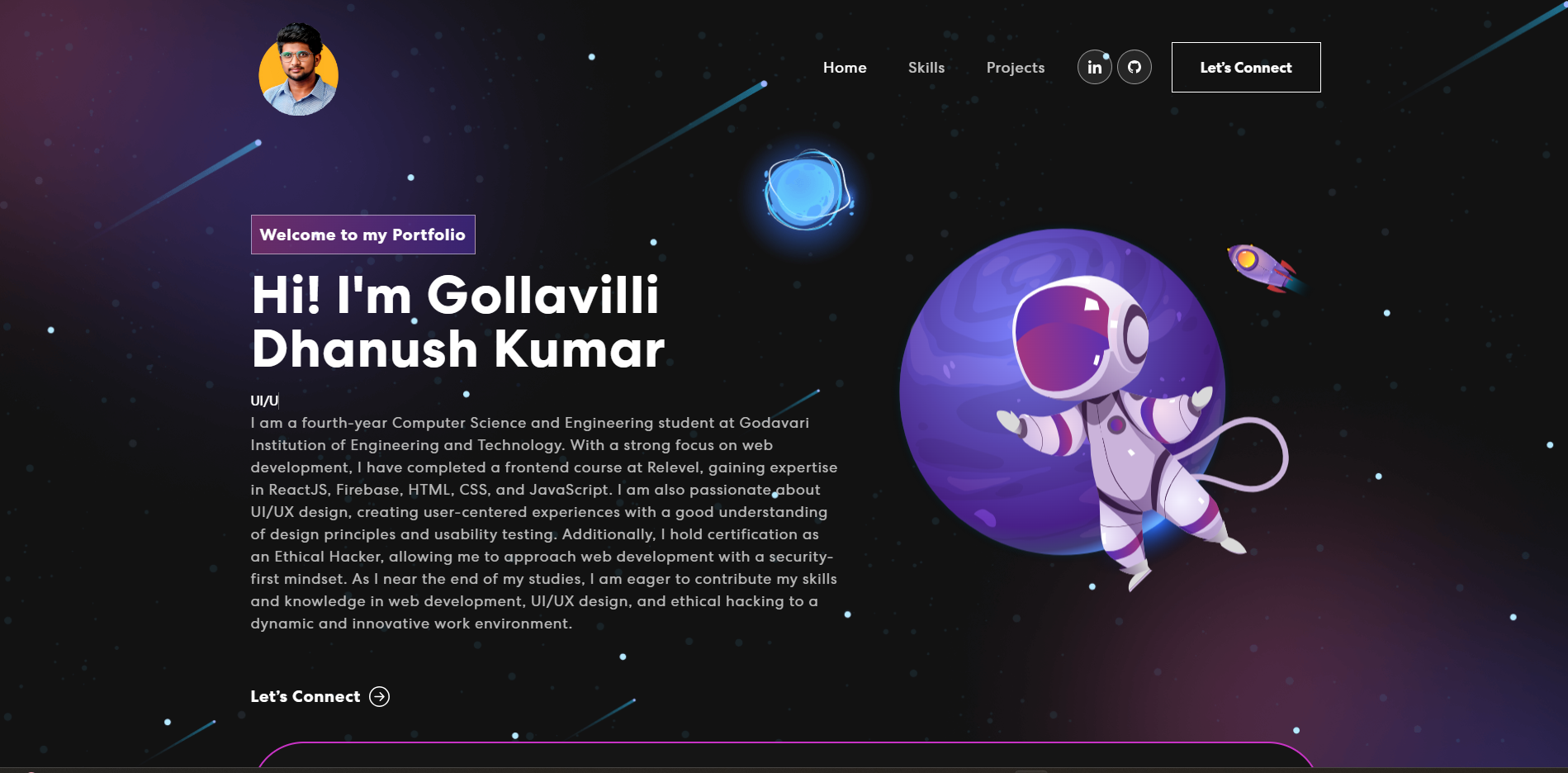
My Project Journey: Building a Personal Portfolio Inspiration The inspiration behind creating my personal portfolio was the desire to showcase my skills, experiences, and projects in a professional and organized manner. I wanted to create a platform where I could present my work to potential clients, employers, or collaborators. Additionally, I aimed to create a central hub where I could document my progress, track my achievements, and demonstrate my growth over time.
Learning Experience Building my personal portfolio was a valuable learning experience. Here are some key lessons I learned along the way:
Identifying the Purpose and Target Audience: Before starting the project, I had to define the purpose of my portfolio and identify the target audience. This helped me tailor the content and design to effectively communicate my skills and achievements to the intended viewers.
Design and User Experience: I discovered the importance of creating an appealing and user-friendly design. I explored various design principles, such as color schemes, typography, and layout, to ensure a visually pleasing and engaging experience for visitors. I also focused on making the navigation intuitive and easy to use.
Showcasing Projects and Skills: One of the challenges I faced was selecting the most relevant projects and skills to include in my portfolio. I learned the importance of curating my content to highlight my best work and demonstrate my expertise in specific areas. I also realized the significance of regularly updating my portfolio with new projects and skills as I progressed in my journey.
Writing Compelling Content: Creating engaging and concise content was another aspect I paid close attention to. I aimed to communicate my experiences, achievements, and goals effectively. I learned to craft compelling descriptions for each project, emphasizing the problem-solving approaches, outcomes, and my contributions.
Deployment and Optimization: Once I had built the portfolio, I faced the challenge of deploying it online. I explored different hosting options and learned how to optimize the performance of my website by compressing images, minifying code, and implementing caching techniques. This ensured that my portfolio loaded quickly and provided a smooth browsing experience.
Building the Project To build my personal portfolio, I followed these steps:
Defining Goals and Structure: I began by outlining my goals, target audience, and the overall structure of the portfolio. This involved deciding on the sections to include, such as an about me page, projects, skills, resume, and contact information.
Selecting a Technology Stack: I chose a technology stack that aligned with my needs and expertise. I opted for a combination of HTML, CSS, and JavaScript for the front-end, along with a back-end framework like Flask or Django to handle dynamic content if needed. I also selected a responsive CSS framework like Bootstrap to ensure my portfolio was accessible on various devices.
Designing the User Interface: Using my chosen technology stack, I designed the user interface of my portfolio. I focused on creating a visually appealing layout that showcased my work effectively. I paid attention to color schemes, typography, and overall aesthetics.
Developing the Front-end: I implemented the design by writing HTML, CSS, and JavaScript code. I structured the content using HTML, styled it with CSS, and added interactivity and animations with JavaScript.
Creating Dynamic Content (optional): Depending on the complexity of my portfolio, I incorporated a back-end framework like Flask or Django to handle dynamic content. This allowed me to retrieve data from a database, manage user authentication, and provide interactive features like contact forms or comment sections.
Optimizing Performance: I optimized my portfolio for speed and performance by compressing images, minifying CSS and JavaScript files, and implementing caching mechanisms. This ensured that visitors could navigate my portfolio quickly and smoothly.
Deploying the Portfolio: I deployed my portfolio online using a hosting service like GitHub Pages, Netlify, or Heroku. I configured the necessary settings, such as domain names and SSL certificates, to make the portfolio accessible to visitors.
Challenges Faced During the development of my personal portfolio, I encountered a few challenges:
Content Selection: Choosing which projects to showcase and which skills to highlight was challenging. I had to evaluate the relevance and impact of each project and skill to effectively represent my capabilities.
Design Consistency: Maintaining a consistent design across different sections of the portfolio was a challenge. I had to ensure that the color schemes, typography, and overall visual elements aligned harmoniously throughout the website.
Technical Implementations: Implementing certain interactive features or integrating a back-end framework for dynamic content required additional research and learning. Overcoming these technical hurdles involved exploring documentation, online resources, and seeking help from the developer community.
Despite these challenges, building my personal portfolio was an immensely rewarding experience. It allowed me to showcase my skills, reflect on my achievements, and share my journey with others. It also provided a platform for networking and collaboration opportunities. I am proud of the final result and look forward to continually updating and improving my portfolio as my skills and experiences grow.
Built With
- any
- built-with:-languages:-javascript-(es6+)
- code
- coingecko
- coinmarketcap)-package-manager:-npm-or-yarn-version-control:-git-deployment:-netlify
- css-frameworks:-react-js-ui-library:-material-ui-data-visualization:-chart-js-api:-cryptocurrency-api-(e.g.
- editor:
- hosting
- html
- or
- other
- platforms
- preferred
- studio
- vercel
- visual

Log in or sign up for Devpost to join the conversation.