-
-
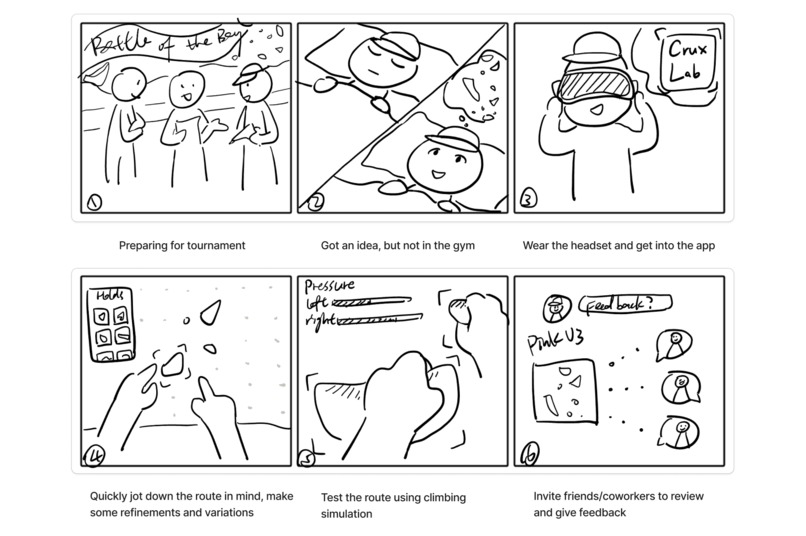
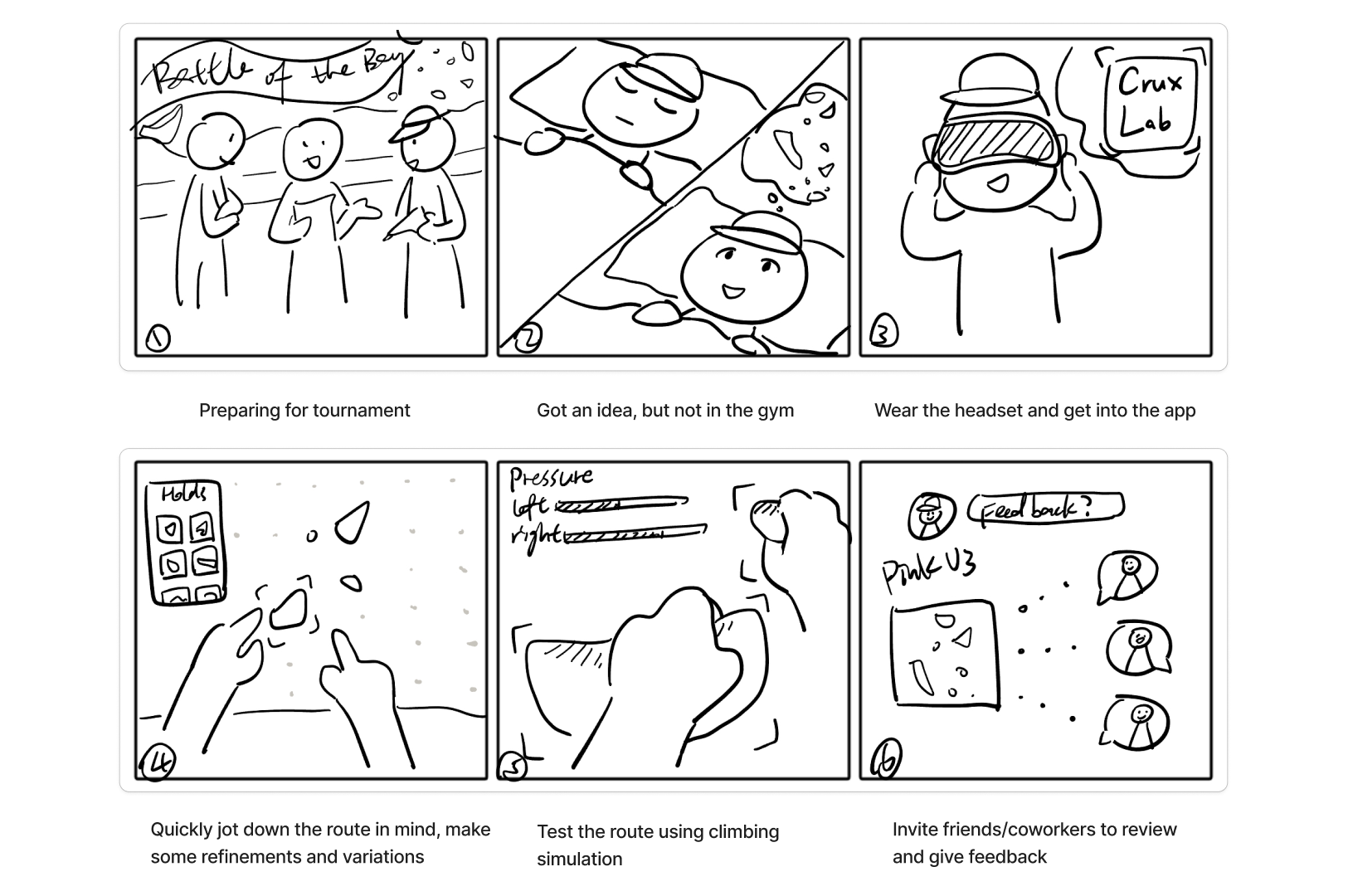
Storyboard
-
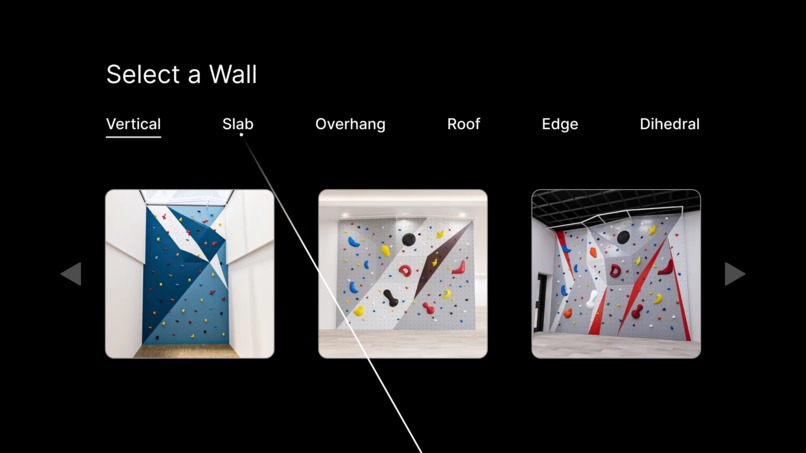
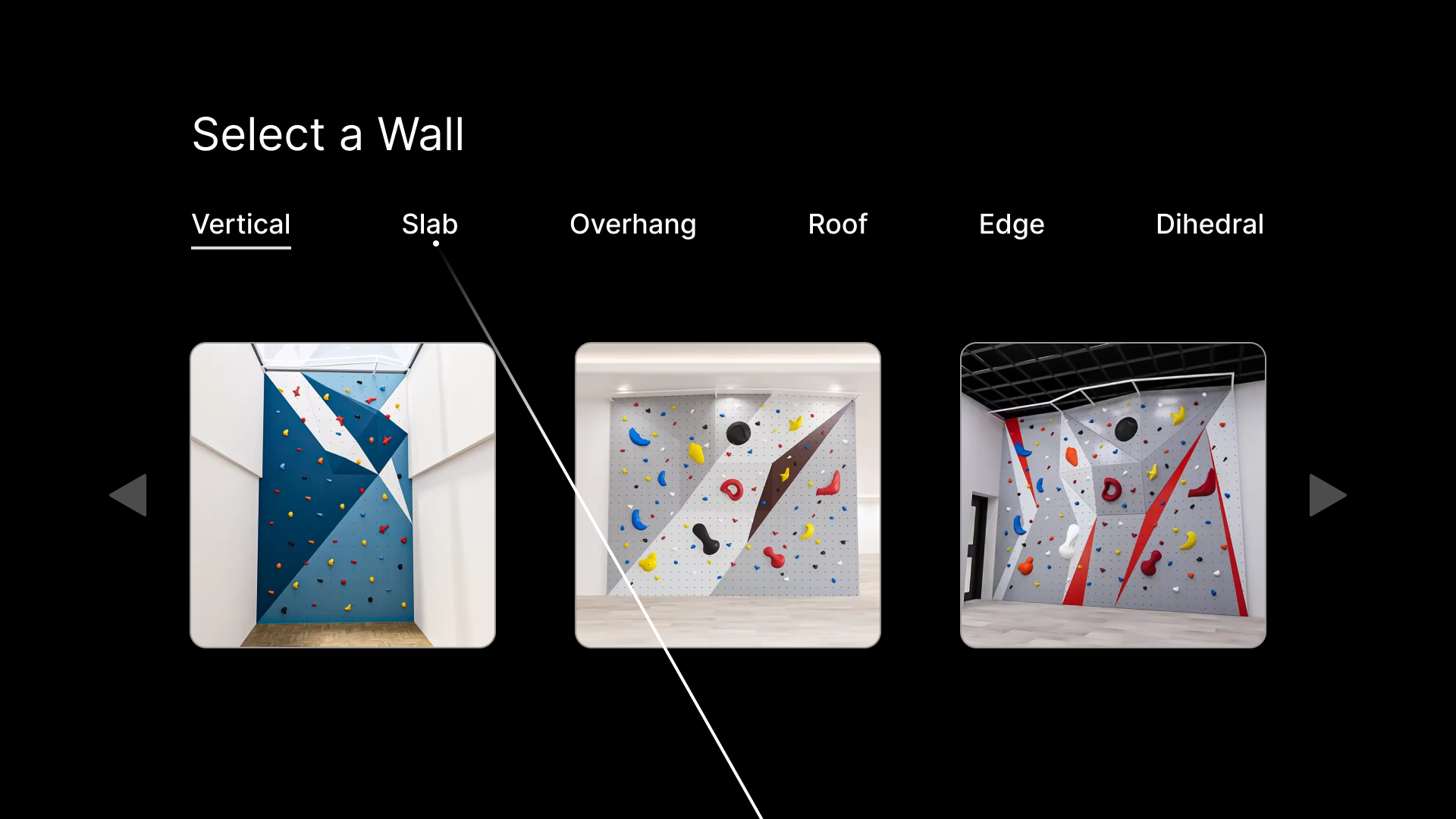
Wall Selection
-
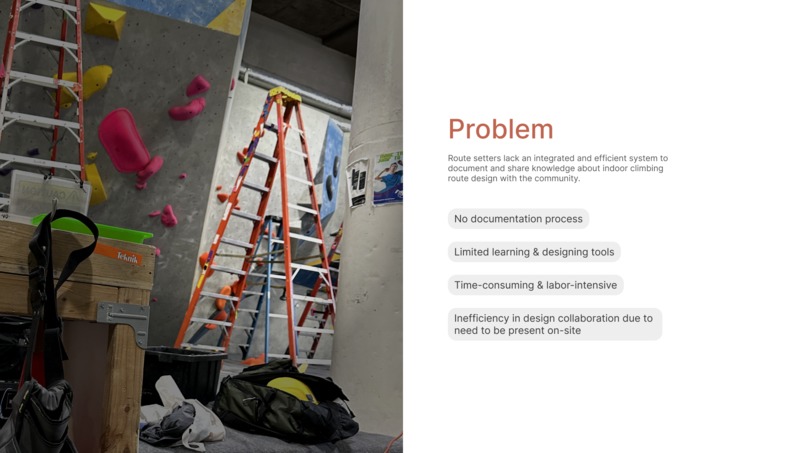
Problem Overview
-
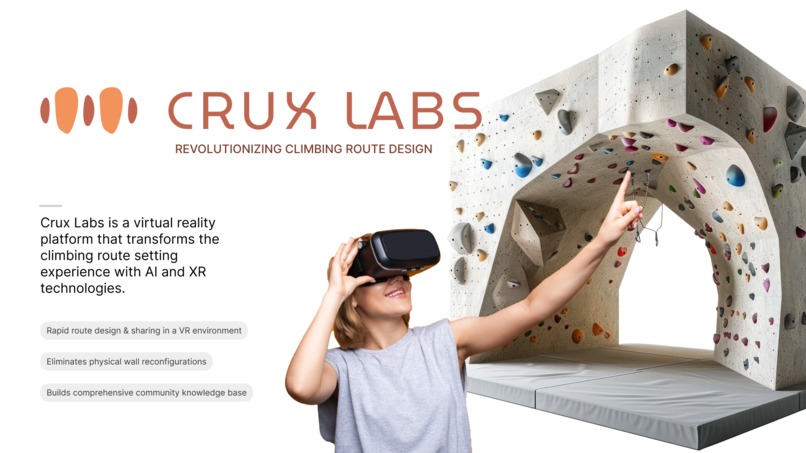
Product Overview
-
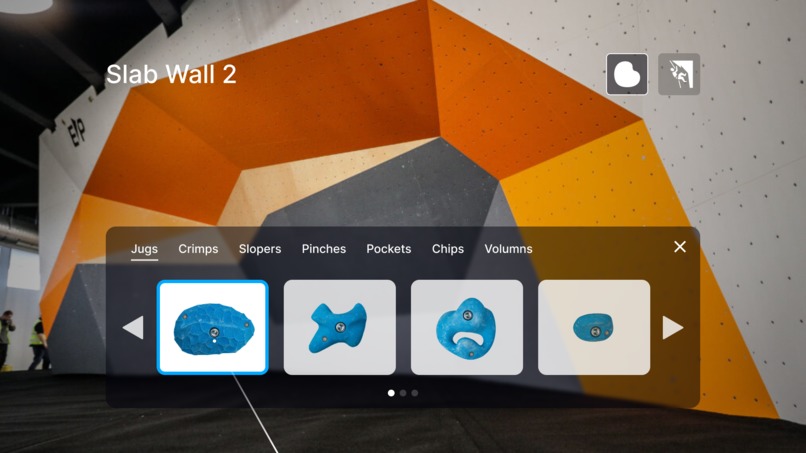
Hold Selection
-
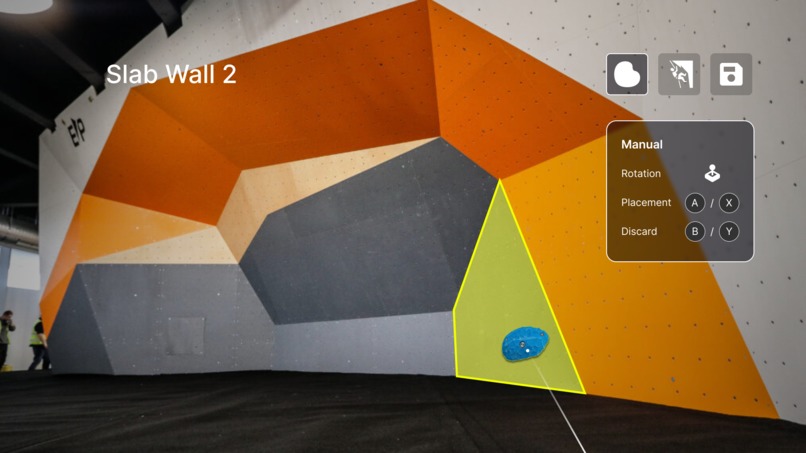
Hold Placement
-
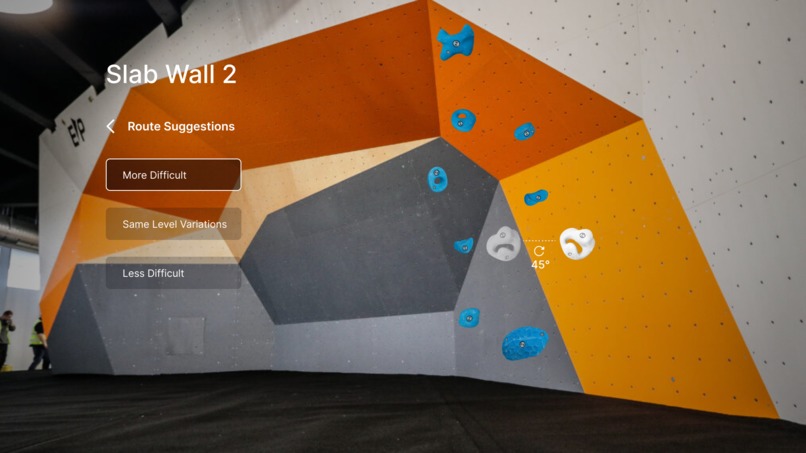
AI recommendations
-
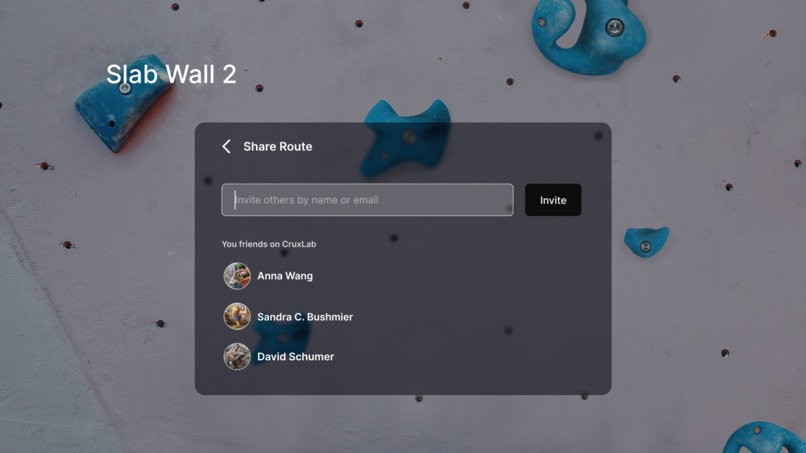
Share and Collaborate
-
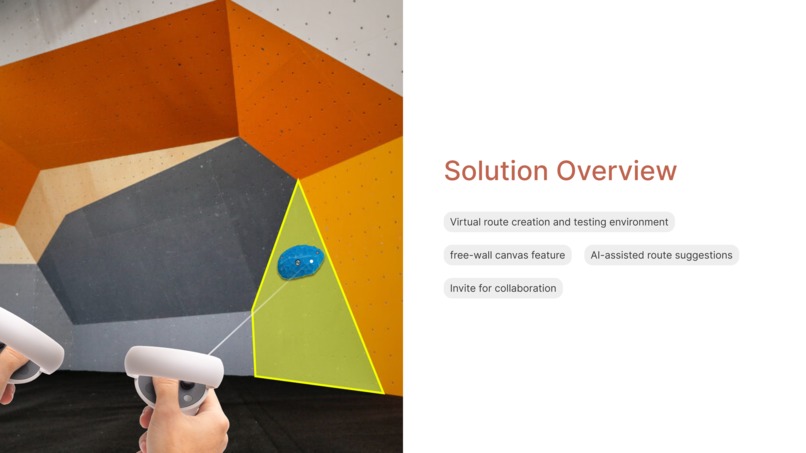
Solution Highlights
-
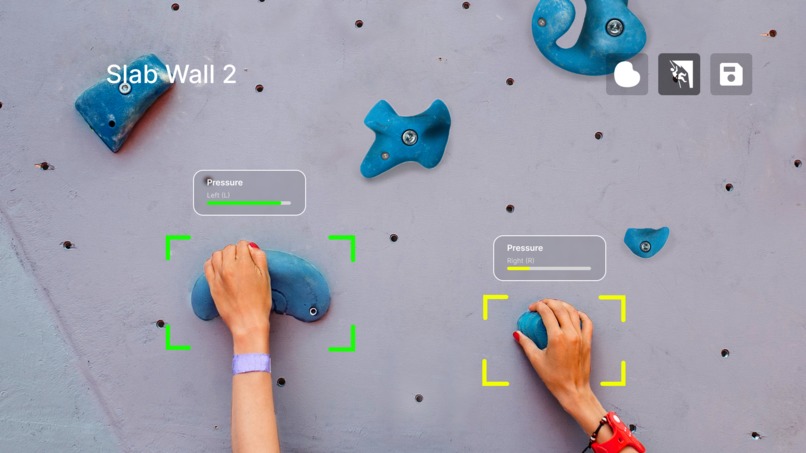
Test the route
Inspiration
We were inspired by the brilliant competition routes in the gym. As climbers ourselves, we enjoyed how it feels on the wall and grew curious about what happens backstage, and who put these rocks on the wall.
What it does
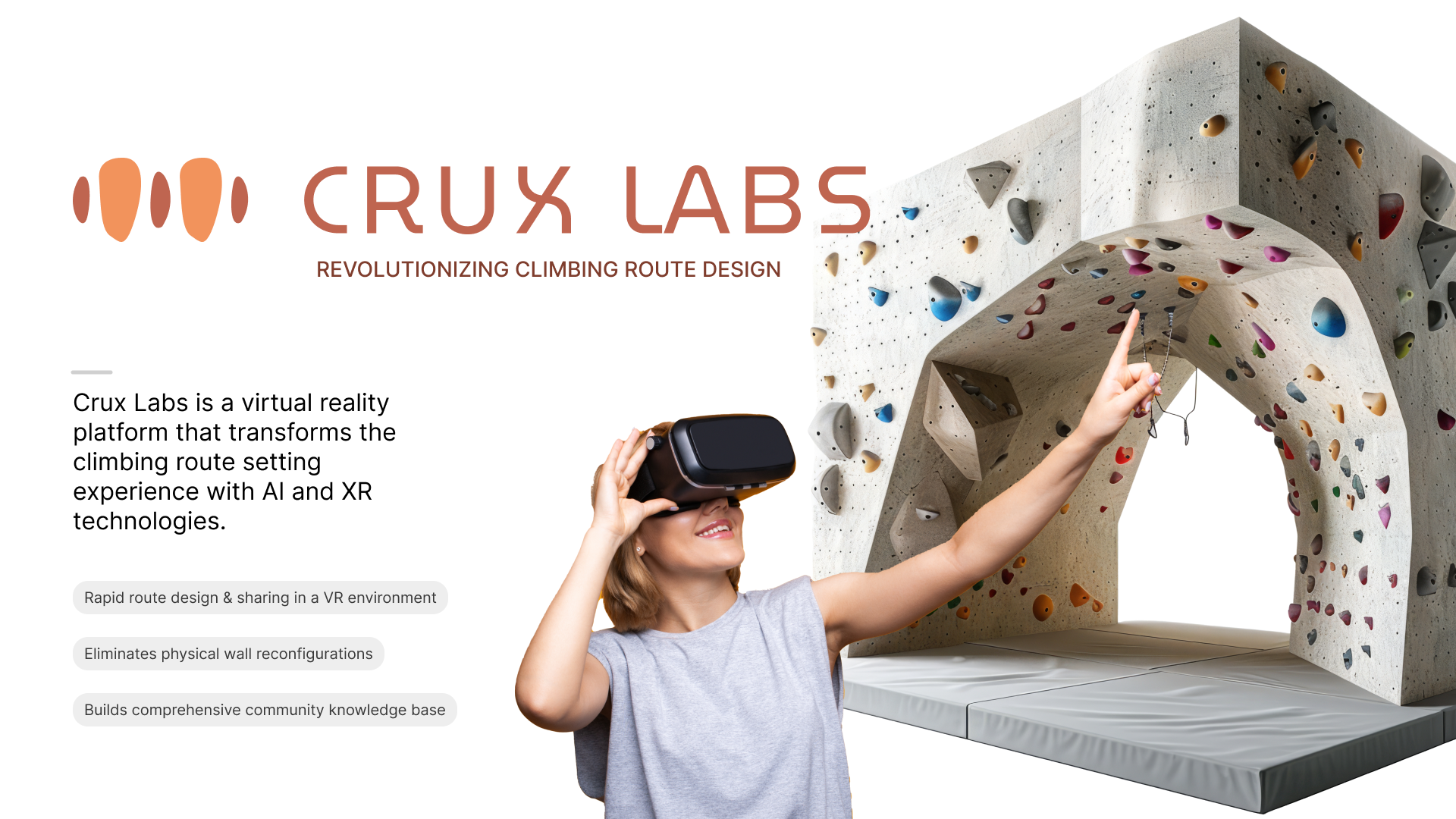
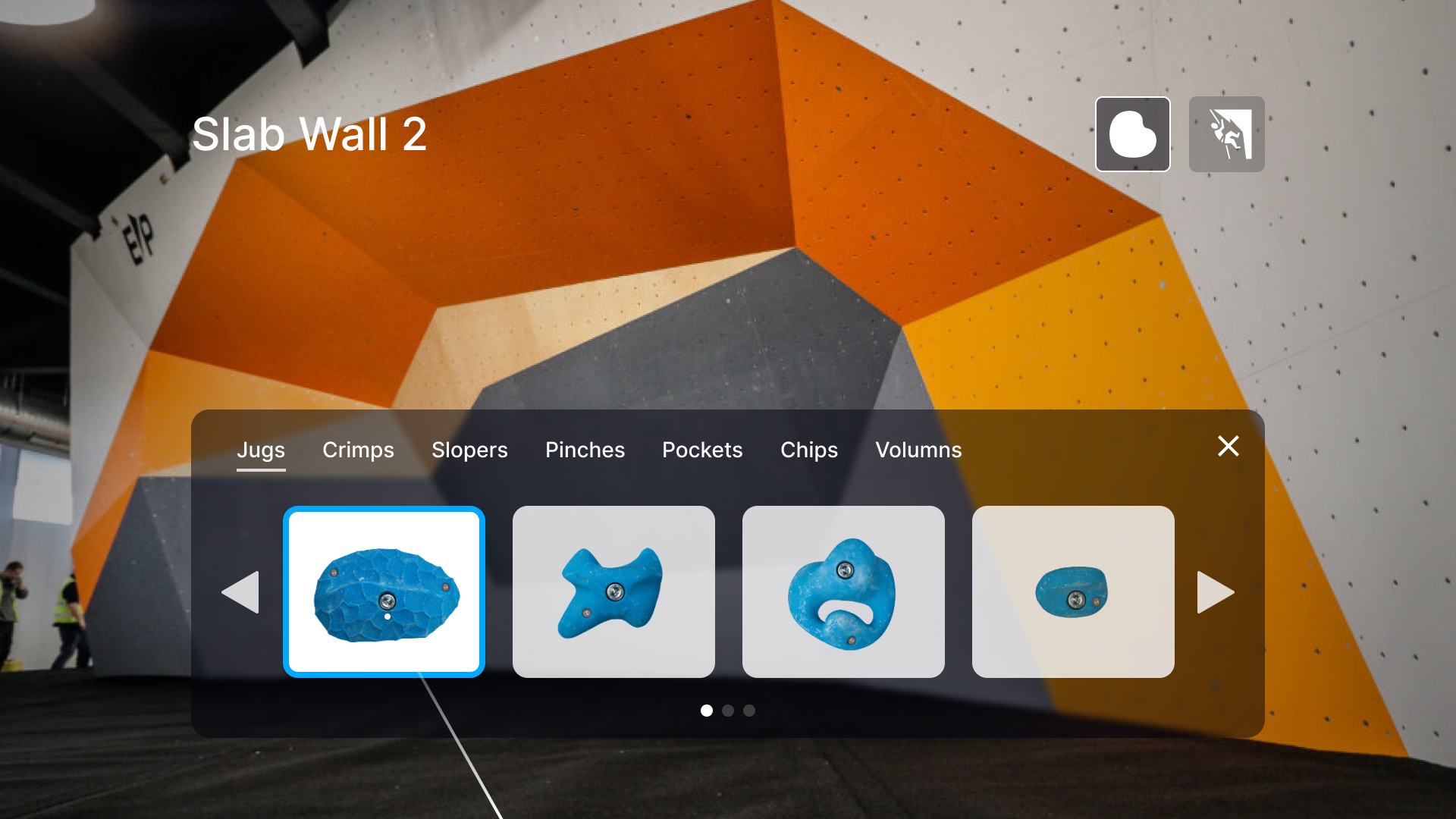
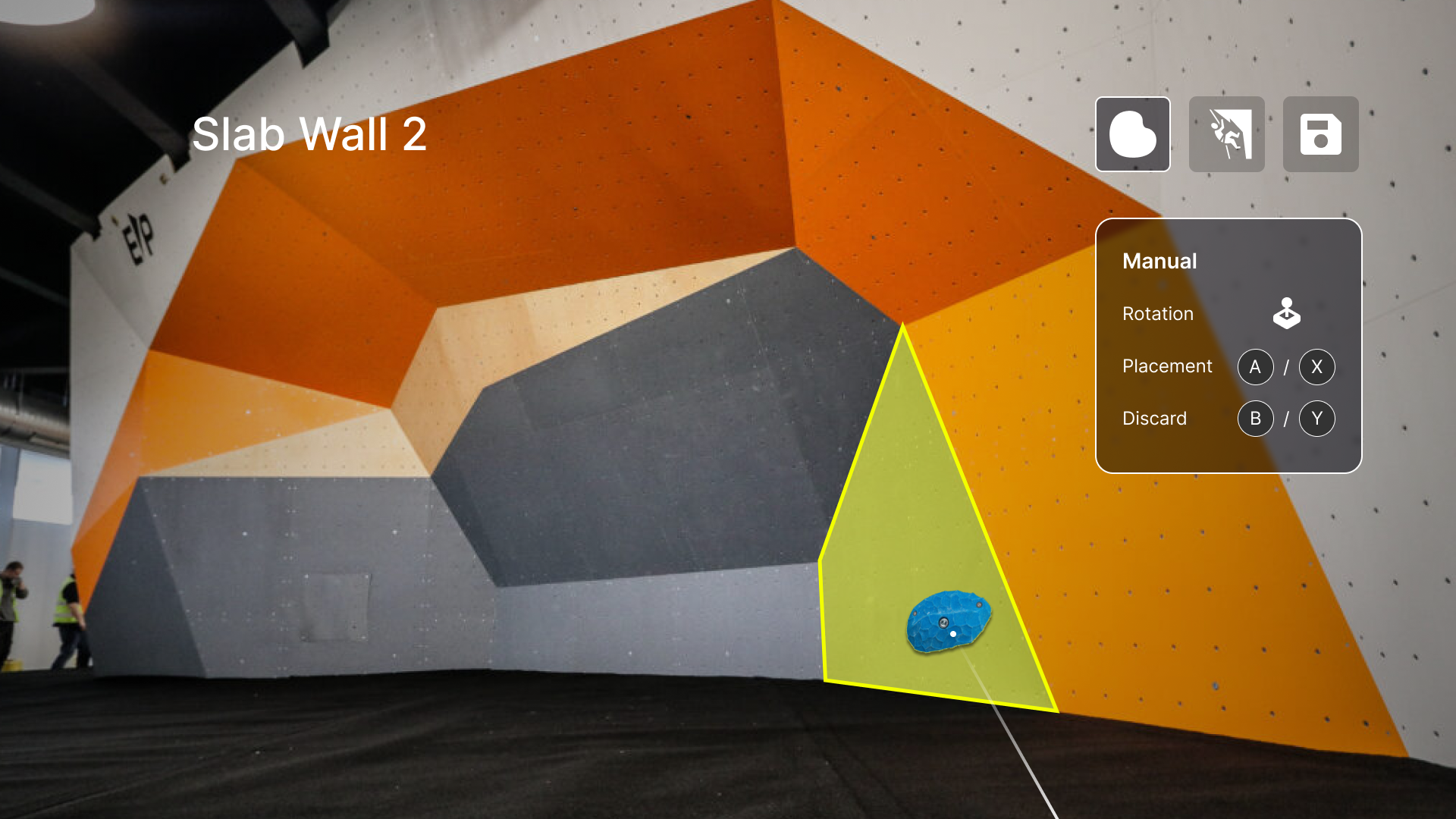
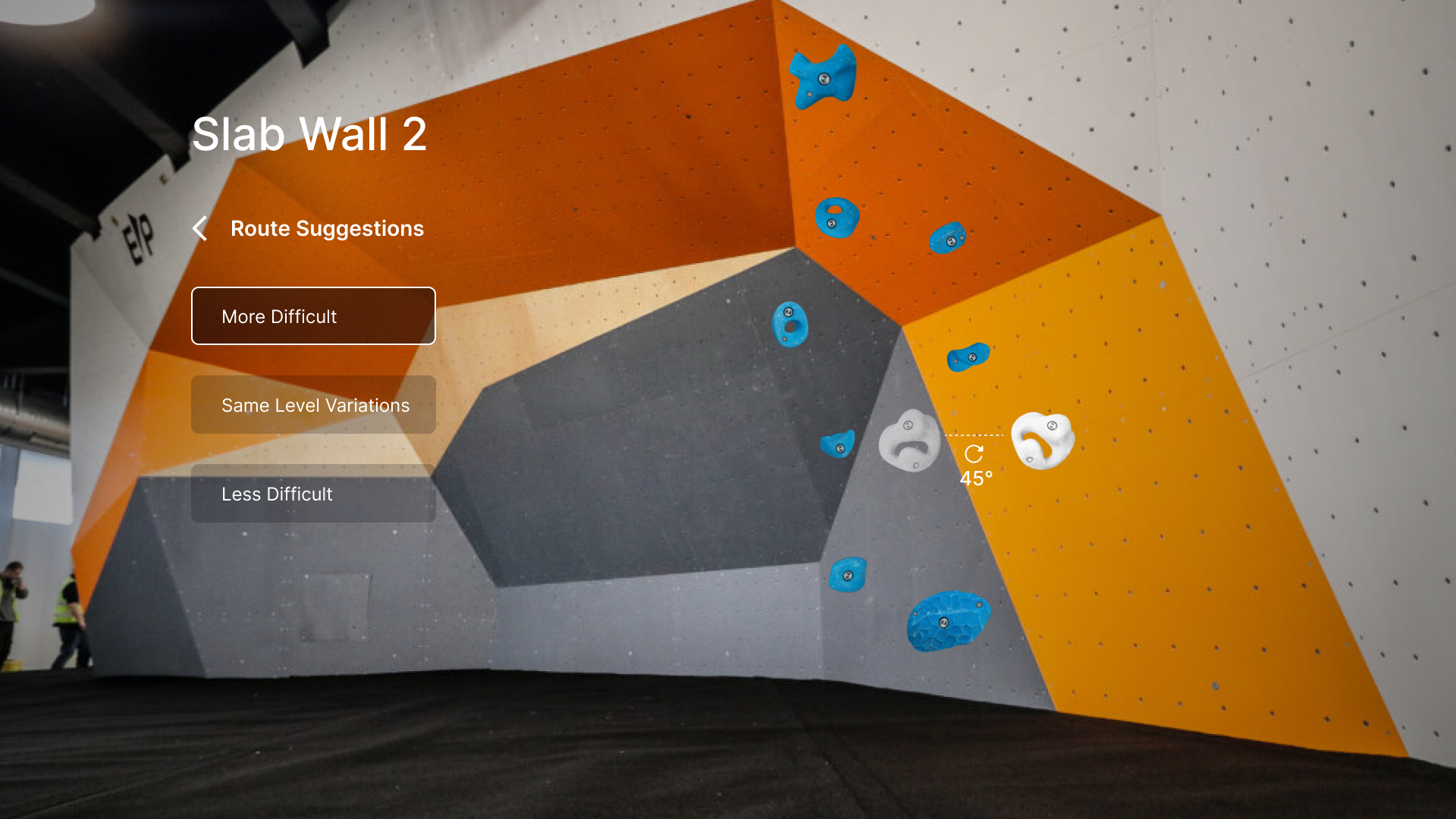
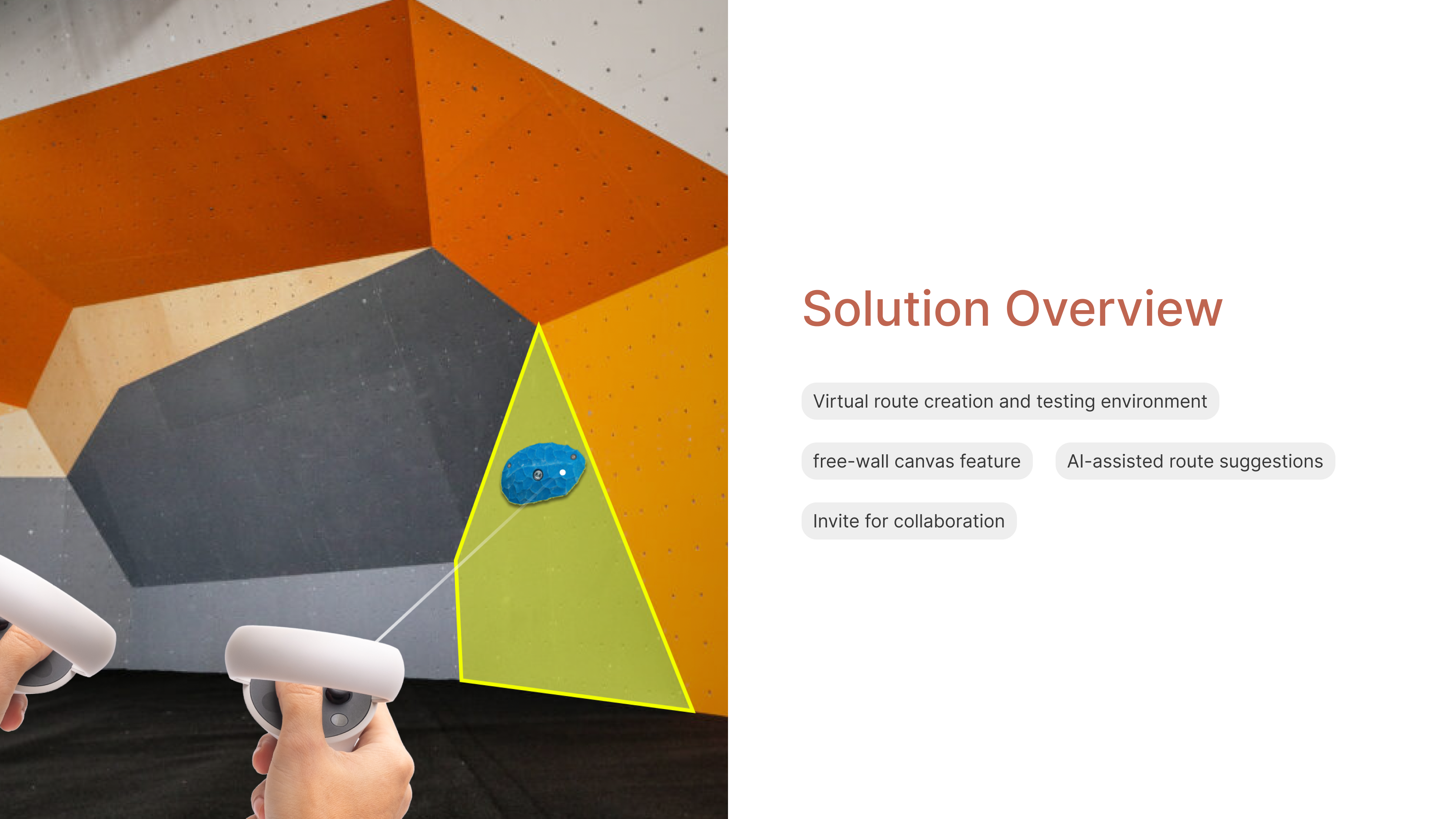
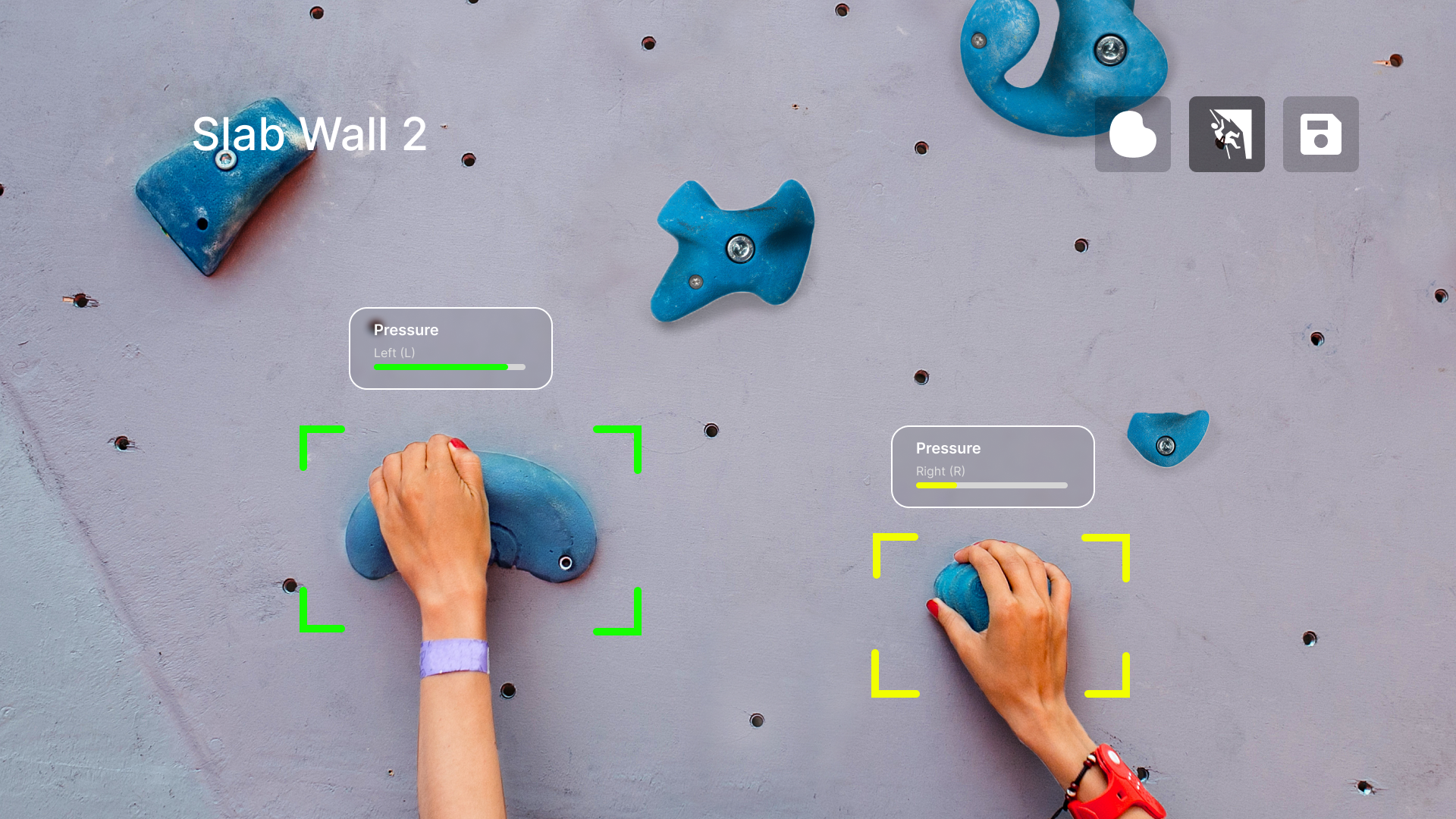
Our XR space provides systematic training that allows users to learn and plan out the routes efficiently without having to be physically present on-site. With proper AI guidance, learners can easily receive inspiration on building creative and accessible routes for climbers who have a variety of demands and physical conditions.
How we built it
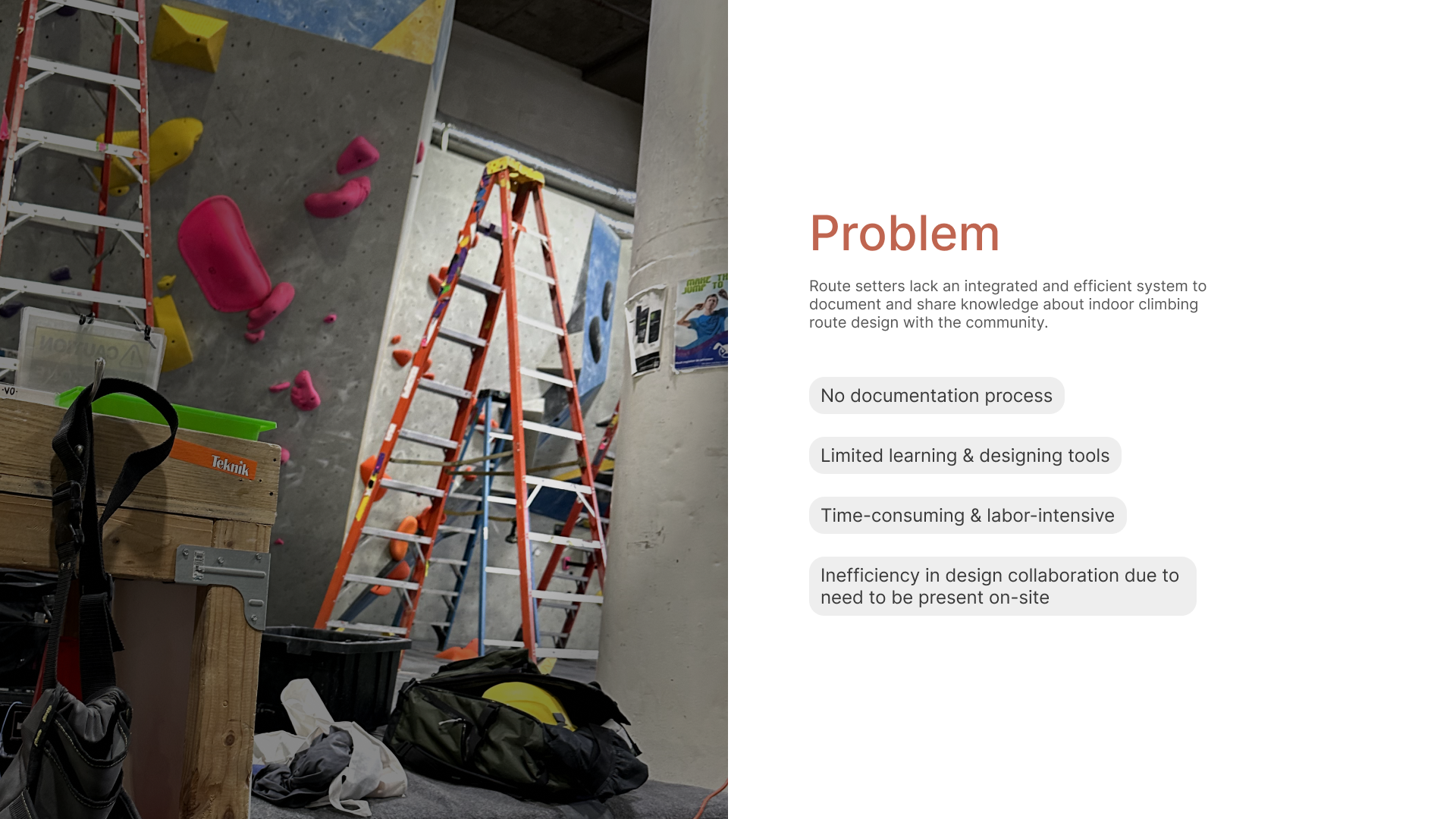
We conducted first-hand research: an observational study on a working route-setting team at the gym and interviewed the route-setting manager and team members. Through the research, we identified key pain points and translated them into several solution spaces. In the end, we were able to prototype the key solutions in Figma with the aid of XR plugins for an XR experience that feels real.
Challenges we ran into
We were under tight time constraints to conduct research and define the problem and solutions. Also, we had some technical difficulties: it was not easy to get access to a headset, and our laptops couldn't afford to run certain high-demand software like shapesXR.
Accomplishments that we're proud of
We are proud of the concept we came up with - that route setting can be practiced through VR with proper documentation and the assistance of AI. We were also proud of the solid design process with rigor- from research to ideation, and then prototyping.
What we learned
We learned to consider many new considerations in XR design, which is very different from designing on 2D screens. We learned how to transfer real-life problems into designing 3D space. We also learned that so much is happening backstage that the route setters' hidden efforts in the route setting were absolutely worth respecting.
What's next for Crux Labs - Revolutionizing Climbing Route Design using XR
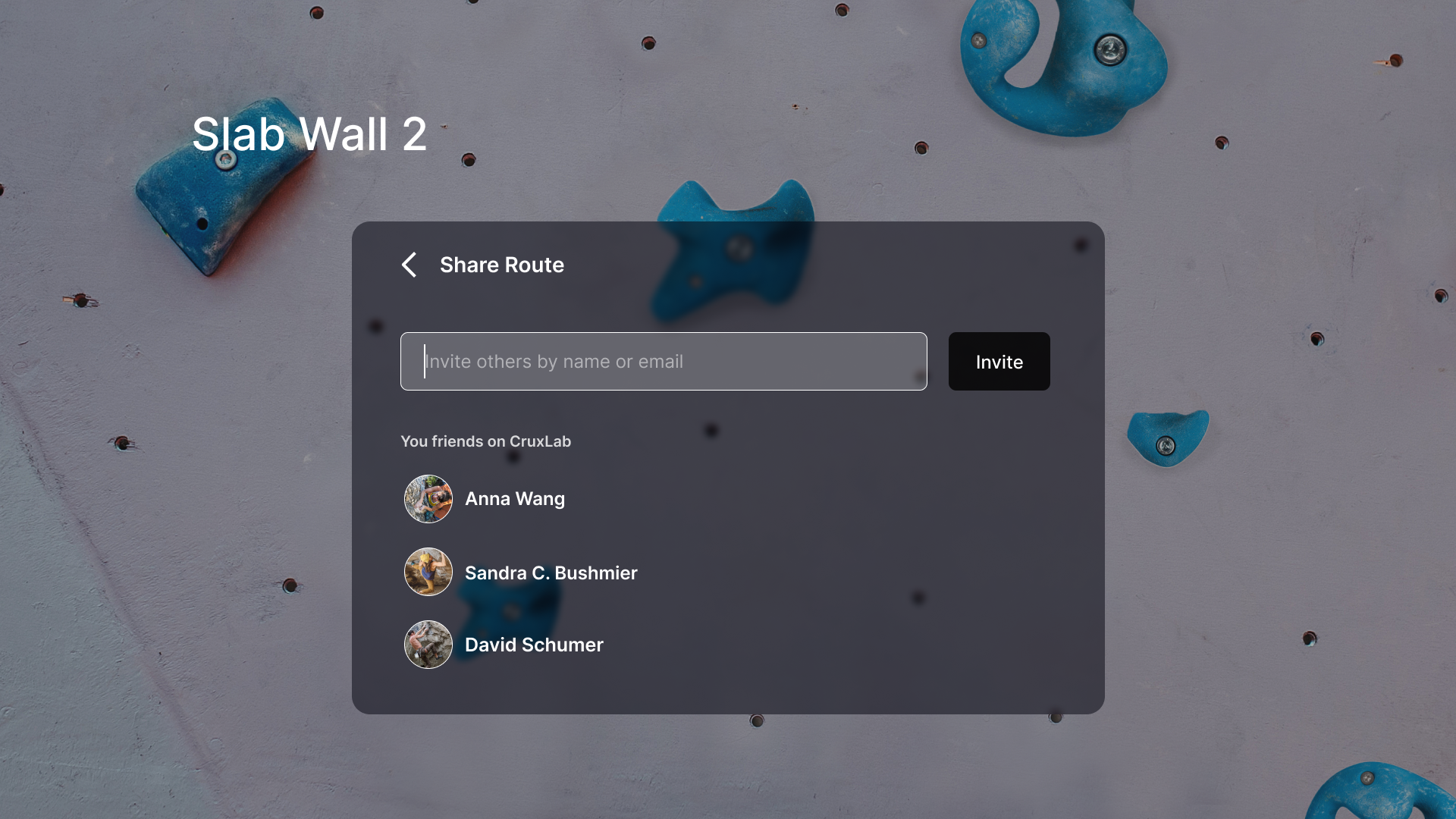
In the future we want to design a product ecosystem for route setting, not only to make the learning and route planning process more efficient, communicable, and fun but also to strengthen the bond between the route setters and the rest of the climbing community, making their efforts more visible.
Built With
- figma
- photoshop
- shapesxr


Log in or sign up for Devpost to join the conversation.