-
-
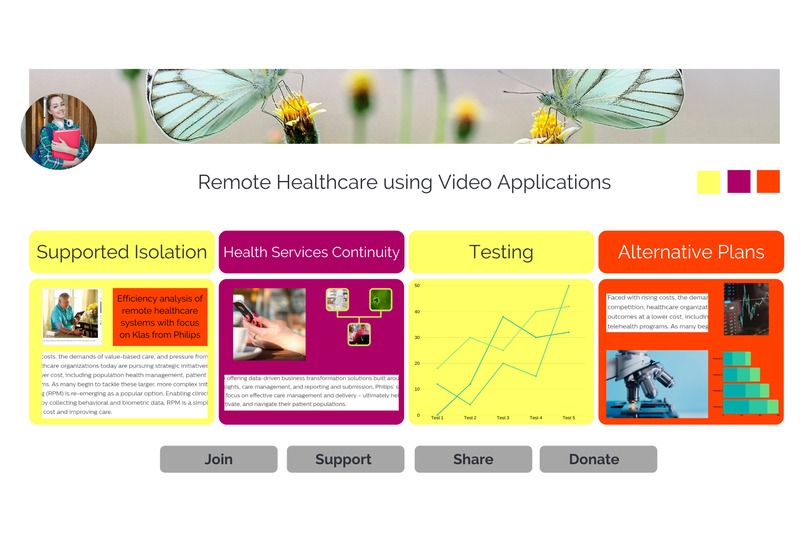
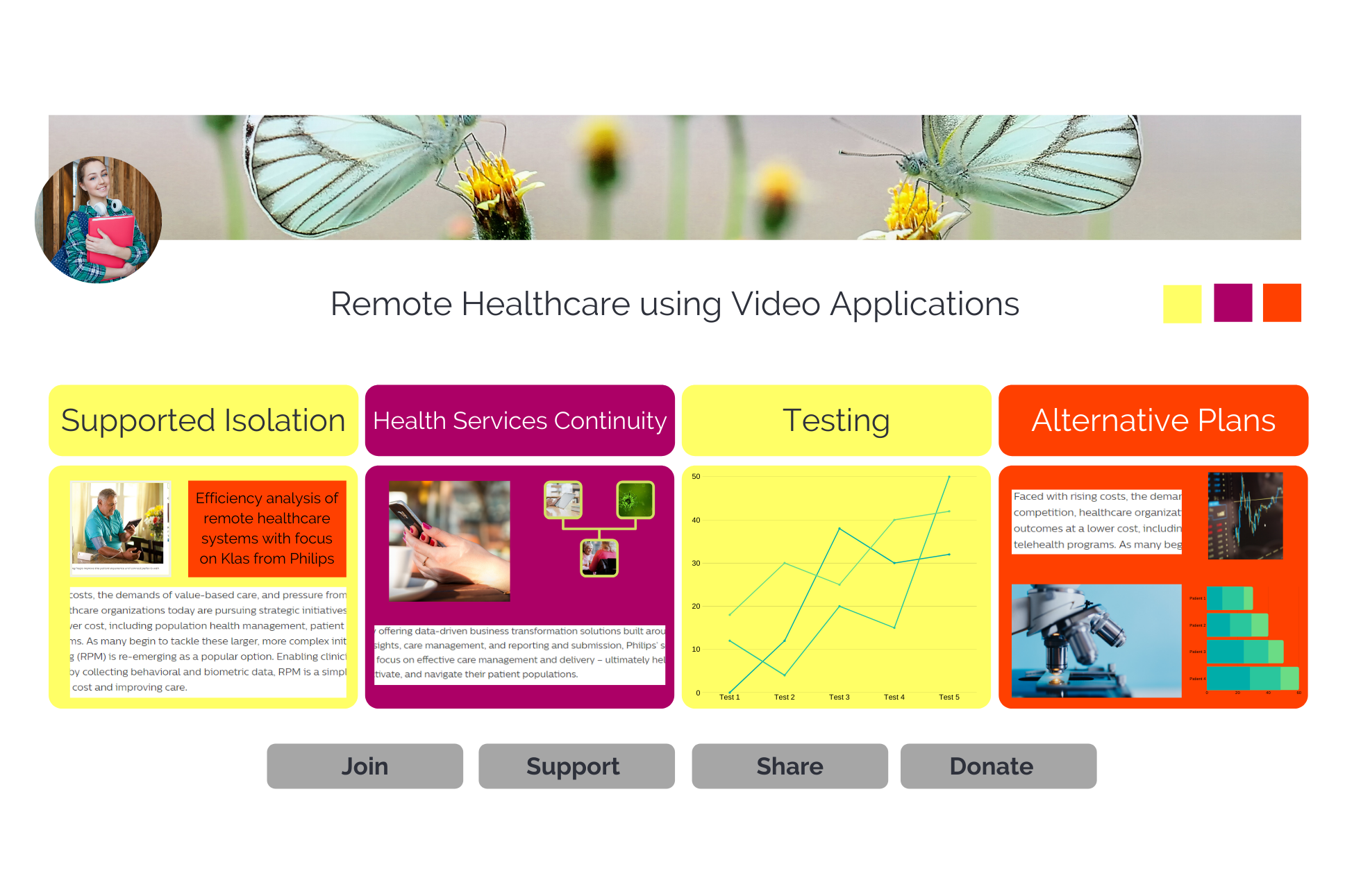
Example project that can be developed in the working place
-
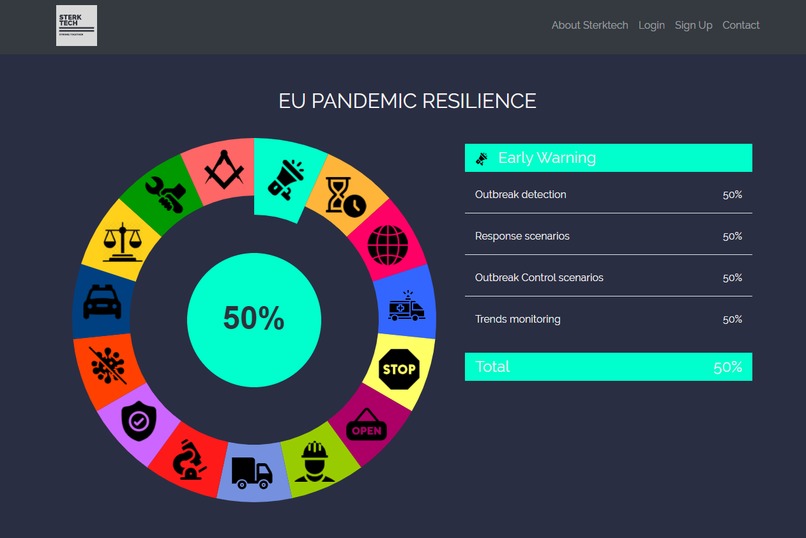
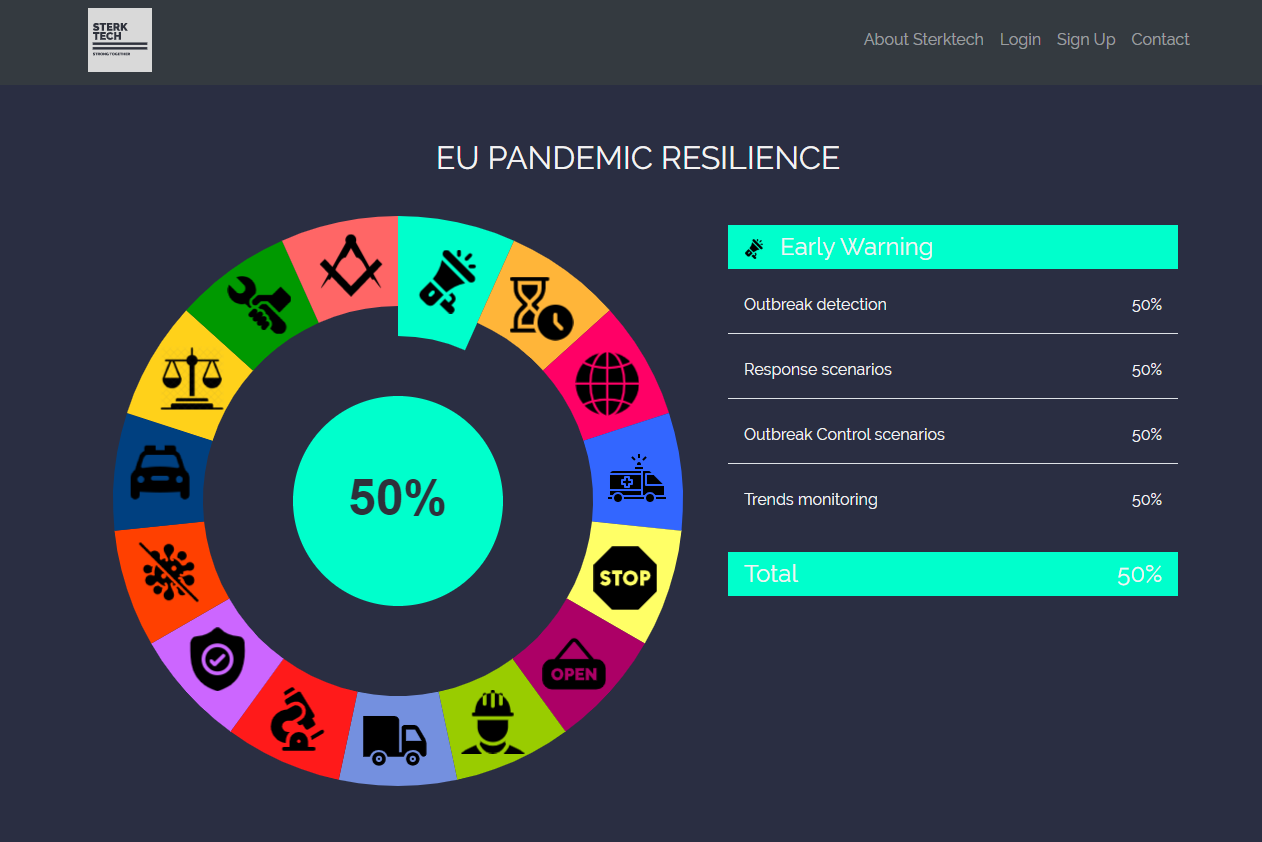
Knowledge graph (measures progress of pandemic resilience)
-
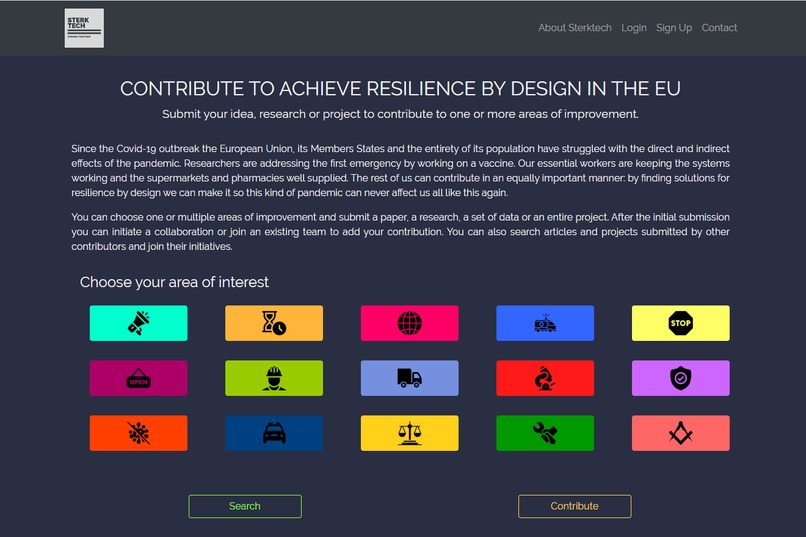
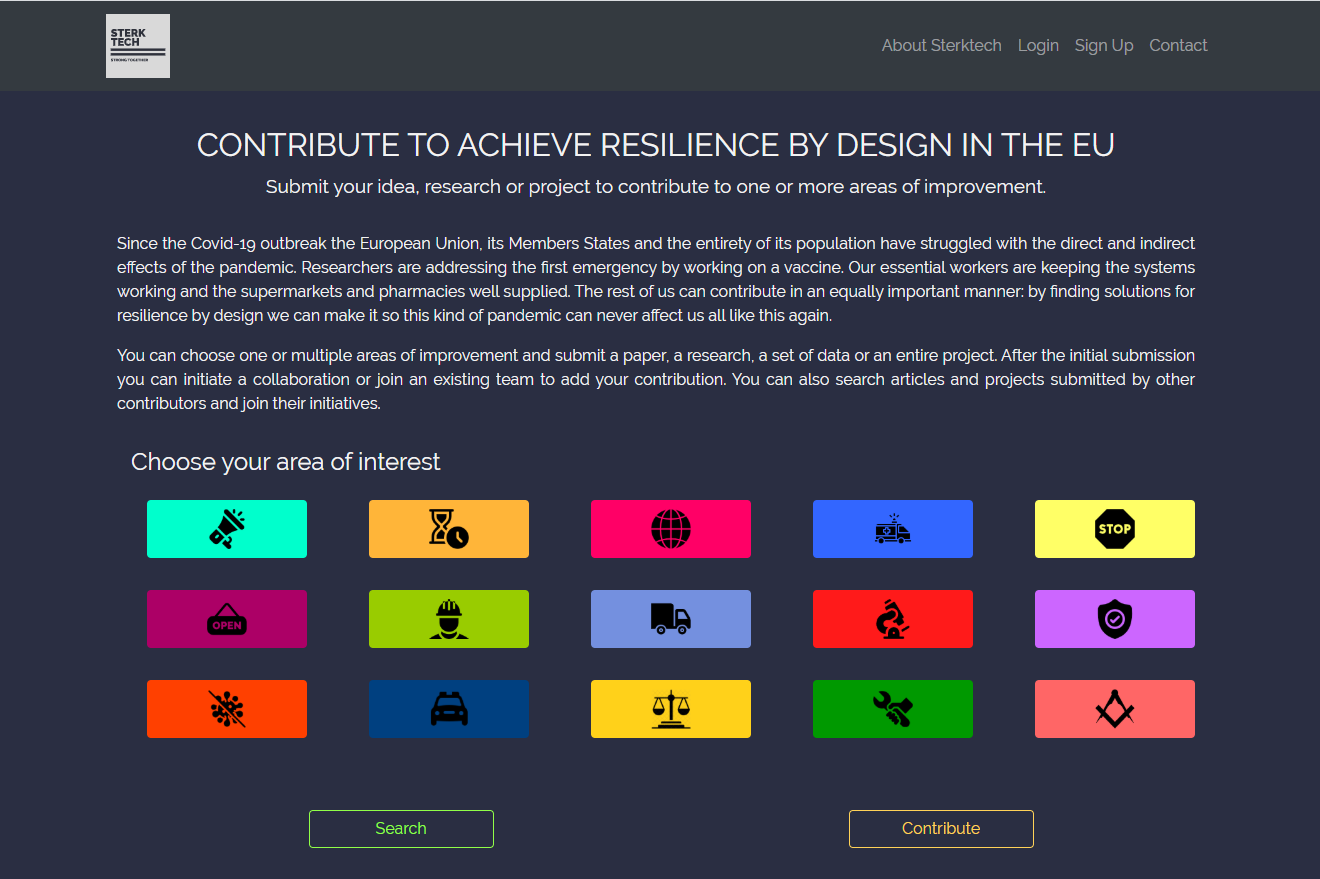
Contributors can choose any section from the Knowledge Graph and start their project or initiative
-
Europeans have shown extraordinary courage and dedication during the Corona crisis, but they have also known suffering and insecurity. Many of them would like to help not only by solving short-term challenges (like grocery shopping for your neighbor), but also in building a more resilient Europe to withstand not only any resurgence of Covid-19, but any other pandemic that may happen in the future.
Crowdsourcing is a powerful tool. Crowdsourcing for resilience will be a new way to tap into the power of so many intelligent and innovative people not only for solving a problem now, but for building an European Union resilient by design.
The problem
Achieving resilience by design against pandemics in the EU In the past we have addressed scenarios, value chains, city planning, medical services as separate silos of data and value. With the crisis comes the opportunity to Re-think and Re-tool to address the society as a complete system. We need to build anti-fragility into all systems by breaking apart the data silos that separate them and building a more complete, holistic model so that we can make our society more resilient.
The solution
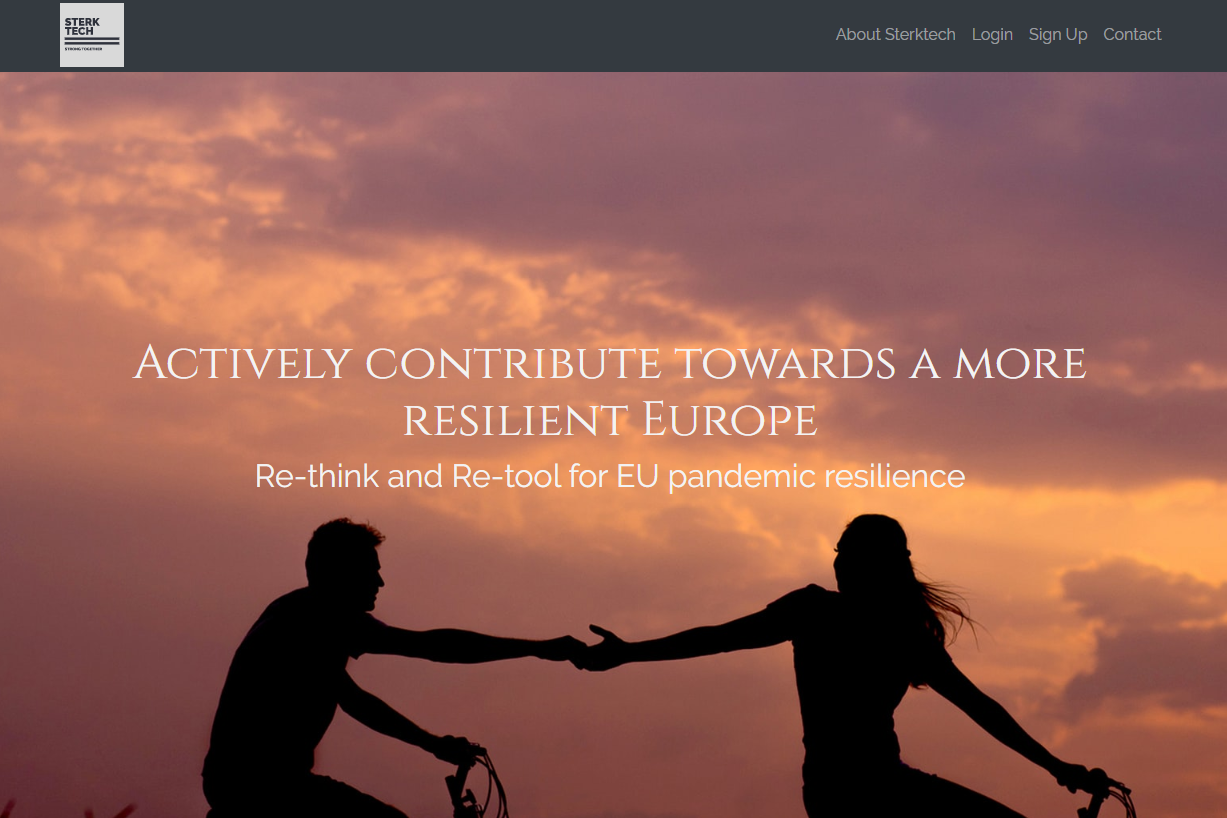
Crowdsourcing EU pandemic resilience by design in a single platform where researchers, engineers, innovators, academics and businesses can address a resilience topic, submit proposals, collaborate on standards or projects and push the result to action, including a citizens initiative. The message is to "Actively contribute towards a more resilient Europe". A web platform with the following features:
- A knowledge graph to follow the resilience progress during Covid-19 where citizens can visualize the progress on each important sector
- An informative section named “What went wrong” which is a series of topics organized by area of impact highlighting what should be improved
- A free working space where anyone can contribute an idea, paper, research, data set or project to help towards the goal
- An area where contributing users can help and support each other by joining an initiative or a project
- A “Call to Action” section where the improved standards, the projects or the initiatives can be pushed for testing, promoting, get finance or become a citizens initiative to shape a more resilient European Union.
The Knowledge Graph: a. design: We have chosen a design visually similar to the one used by Eurostat for the SDGs because it makes it easily understandable and adoptable. b. technical features: the Knowledge Graph can be linked to datasets from Eurostat, ECDC, EC and Europol. Other links can be added for certain indicators (i.e. to see the level of essential services continuity) Functionalities: by clicking on any section of the Knowledge Graph, citizens will be able to visualize the progress towards pandemic resilience at EU level. On the right side the Indicator will be detailed into components, while in the middle of the Knowledge Graph the total level of resilience will be seen as a percentage where 100% means 100% resilient against pandemic.
Online Covid-19 Updates: By clicking on the Europe Map on the landing page, a link with the daily updates from ECDC is activated.
The informative section "What Went Wrong" lists the problems encountered at EU level since the outbreak of Covid-19 that have been publicly discussed and represent concerns expressed by citizens, journalists, members of different companies, institutions and NGO's. The source of each information can be verified simply by clicking the "View source" buttons. Each problem was color-coded to reflect it's position in the Knowledge Graph and indicate to the users the need of improvement and the reason why they should get involved and contribute to alleviate the problem.
The section "Contribute to achieve resilience by design in the EU" is where researchers, engineers, students, innovators, academics or any other interested citizen can choose to work towards bringing ideas, projects, new standards and citizens initiatives for one or several sections of the Knowledge Graph. The User Journey is: see the latest updates on Covid-19, see that a measurement was put in place for resilience, see that there are still problems until we achieve 100% resilience, and now you can actually help. The users can help by choosing one or more topics and start working in their working space. There they can develop a project or a proposal for new standards, write an article or initiate a change.
If someone does't have an idea, but still wants to help, they can join an existing project in the next section ("Support an Initiative").
An example of a project can be found in the photos attached. Each project or initiative will show on the top right corner the color codes corresponding to the sections of the Knowledge Graph. This way any project can be automatically assign to its corresponding section and can be easily found using the Search function of the website.
Projects and initiatives are organized by 2 criteria: by type (categories: citizens initiatives, improved standards, projects and articles) and by topic (each topic reflects a section of the Knowledge Graph).
What you have done during the weekend
We started from scratch and covered the UX design, UI coding for the landing page, design and coding for the knowledge graph, business model and content. We have also drafted the wireframes for the user's dashboard, the working space and started working on the templates for contributor's submissions. We have managed to complete the landing page and create the connecting points for the back-end. We have completed the "What Went Wrong" section with links to exemplify the need for improvement in the areas of resilience included in the knowledge graph.
The solution’s impact to the crisis
Citizens will be able to monitor in real time how the EU is defeating Covid-19 by continuously working on achieving resilience:
- Decelerate the virus transmission;
- Use the economy to fight the pandemic;
- Ensure workers’ safety during the come-back;
- Prevent virus resurgence;
- Protect human rights, justice and democracy. They will also be able to influence the outcome by proposing better standards, innovative approaches and push citizens initiatives.
The necessities in order to continue the project
Our project requires a 2 stage-implementation and a budget of 46000 eur. Full implementation can be achieved in 2 months:
- finish the platform to initiate the creation of the community
- 2 month
- Budget: 12,000 eur (back-end development cost)
- awareness campaign to generate donations for the projects and initiatives submitted by the contributors (users) of the platform
- 6 months campaign (awareness, linking with NGO's, universities and research centers)
- Budget: 30,000 eur (marketing cost)
The value of your solution(s) after the crisis
The Covid-19 knowledge graph has an academic value as a marker in measuring resilience against other possible pandemics. The initiatives promoted by the contributors will have long-lasting effects, changing the way to approach similar crises in the European Union. This can become a model on how citizen’s participation can shape a safer society for everyone. The project brings the discussion about pandemic resilience to the public, gives a clear way to measure progress and invites societal action from citizens to NGOs, universities, companies and public institutions. The platform acts as a crowdsourced knowledge center , a citizen’s think tank where everyone can contribute and a crowdfunding platform for projects and initiatives dedicated to achieving pandemic resilience by design.


Log in or sign up for Devpost to join the conversation.