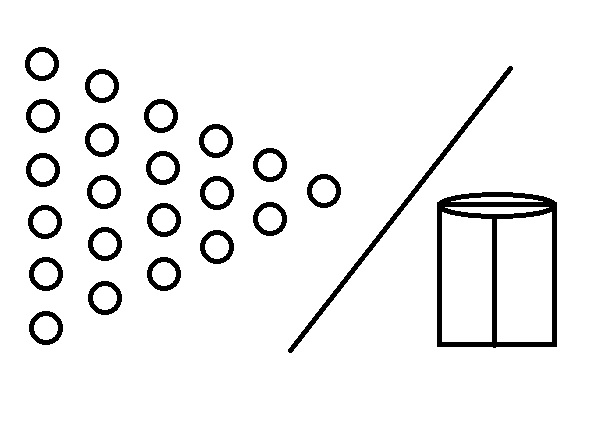
Crowdsourced robocall identification: Allow individuals to source data back to a backbone government run server after they have been robo-called via a quick code (#50/etc). The carrier will be responsible, on receipt of the quick code, to submit the starting address of the last call to the government server.
Once a specified threshold of logged calls has been breached by any given starting address (from unique end points) it will be identified as a robocall generation system. At this point either the carriers can then be required to block all inbound/outbound traffic from that starting address AND/OR newer telephones that have data access can perform a check of inbound calls utilizing the government run server before displaying the call to the user.
The government run server will allow for organizations to submit requests to prevent their starting addresses from being identified as robocall generators (which would be subject to human review).
The government run server will also allow carriers to clear a robocall identified phone number in the event that it is being assigned to a new entity.
Additionally carriers will be required to allow customers to opt not to receive blocked or anonymous calls wherein the carrier would play a message to the caller indicating that unidentified parties are not allowed to call the given endpoint.
For future phone systems there can be a button on the keypad (or for smartphones the phone software can be re-worked to include the new button) which the customer can press when they get a robocall. This button would behave the same as the quick code outlined above.
Log in or sign up for Devpost to join the conversation.