-
-
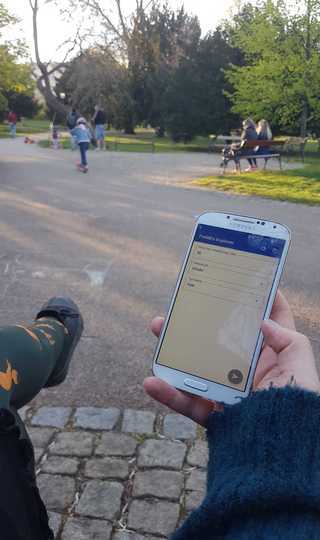
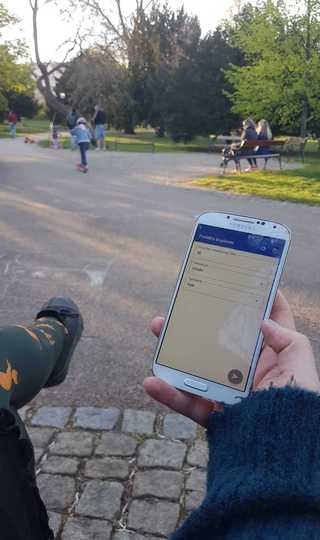
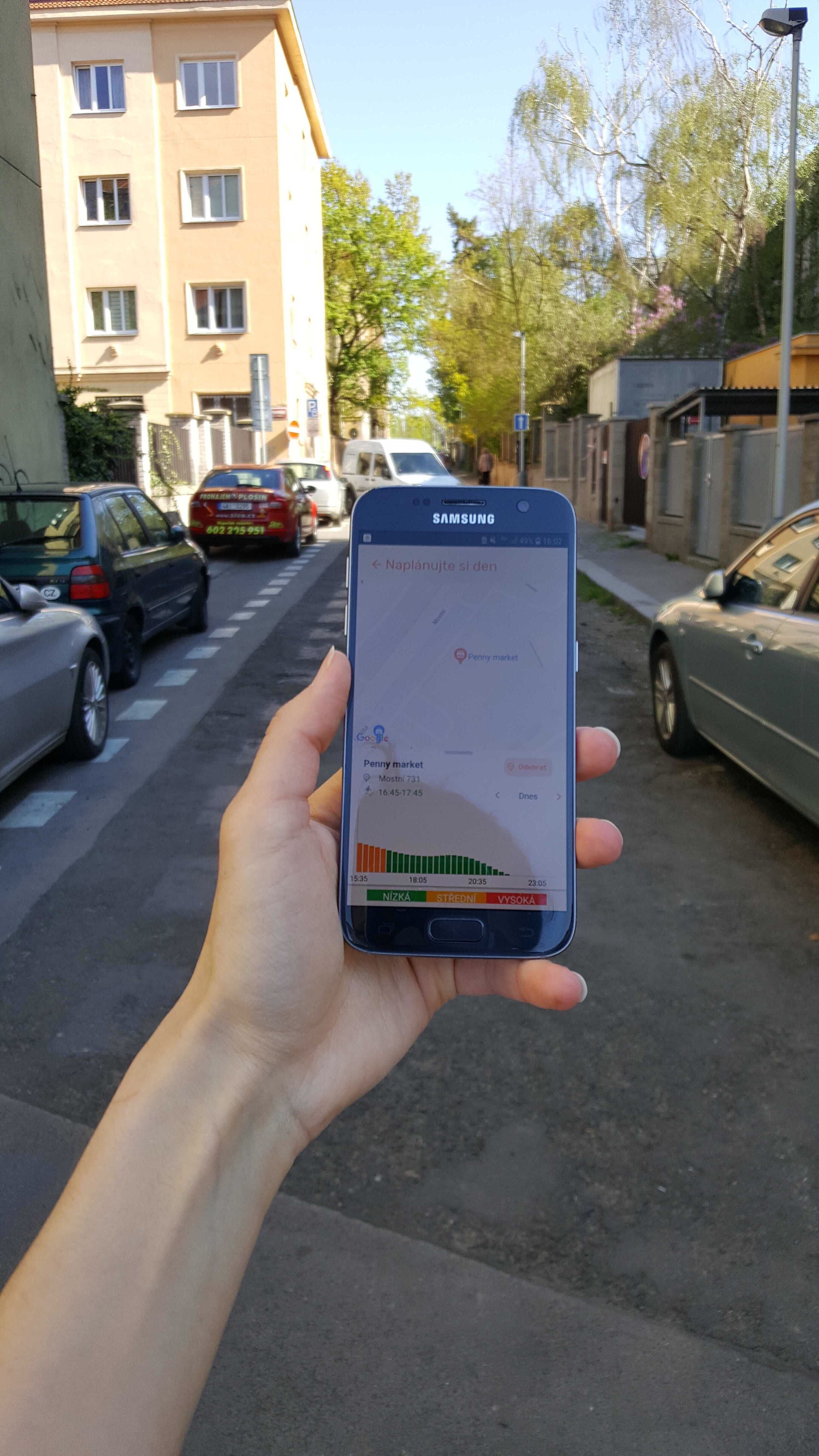
Using the data gathering app to report people density level.
-
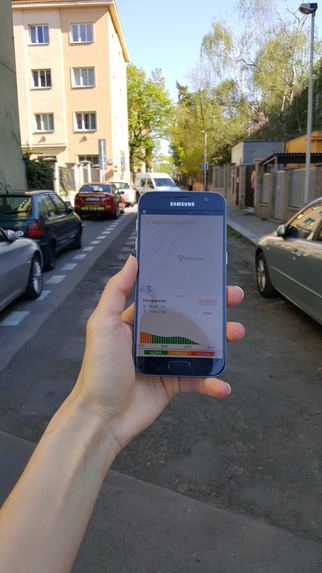
Time recommendation app.
-
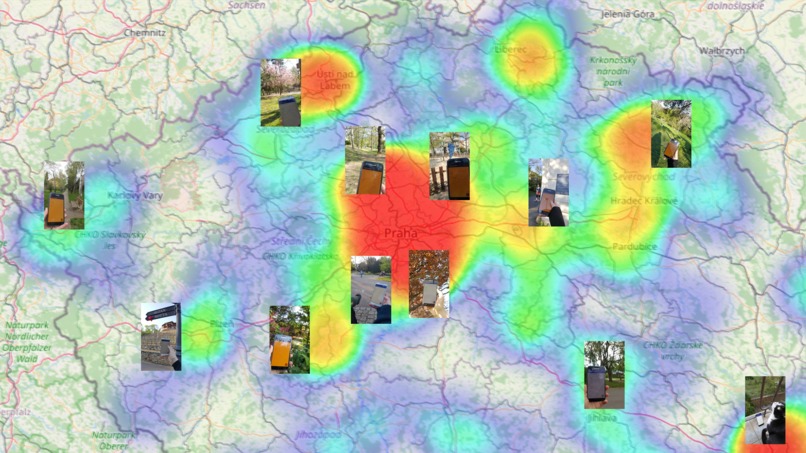
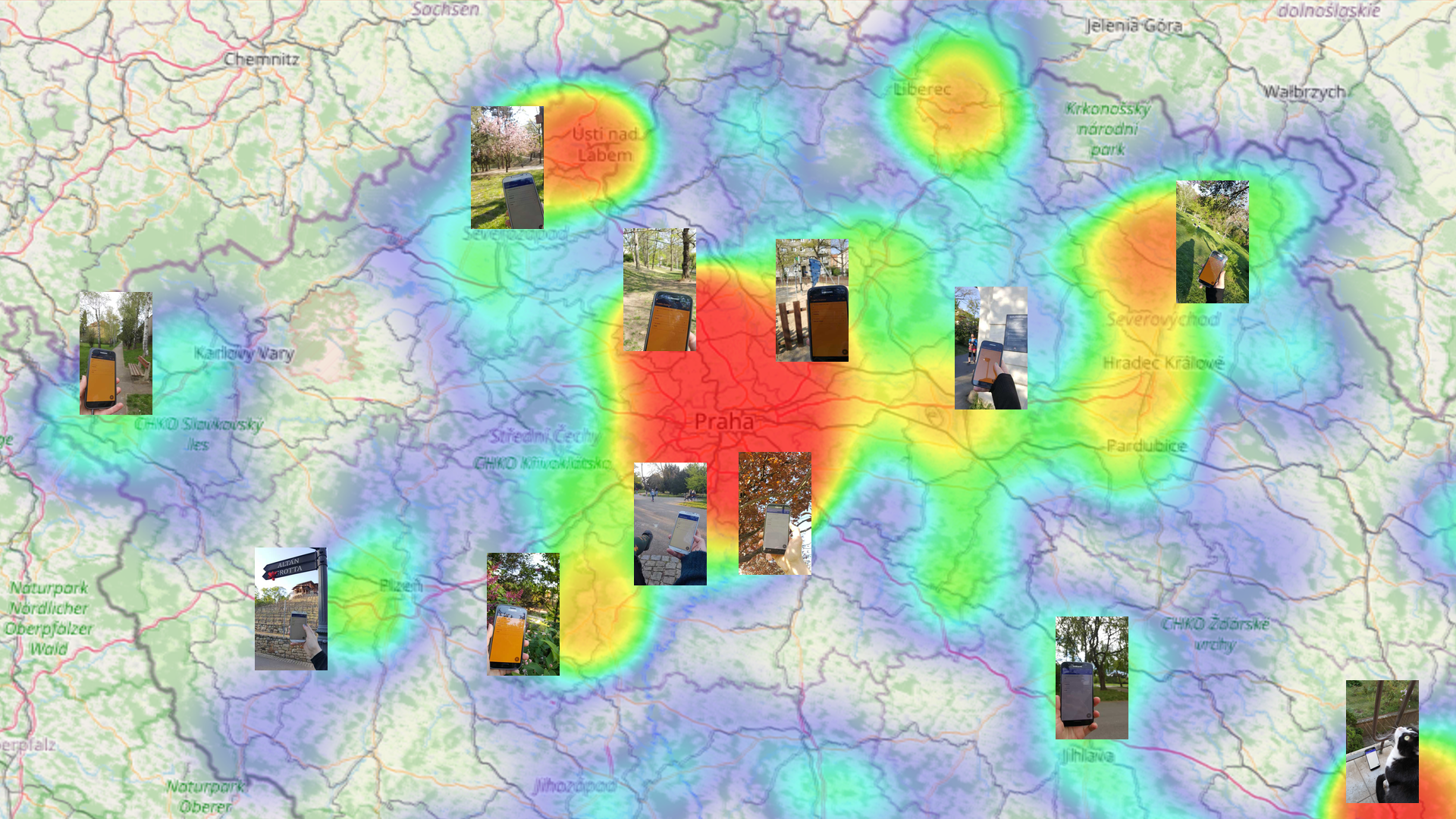
Spatial coverage and report examples.
Inspiration
The inspiration came from the previous epidemies, where interventions like contact tracing and lockdowns were often counterproductive. In the case of diseases with prolonged incubation and latent periods, preventive measures based on personal responsibility were crucial to curbing the spread.
Our choice of the solution comes from long-term research in social robotics, where the robots have to forecast locations and times of people presence to provide their services efficiently. These forecasts use probabilistic spatio-temporal models that describe the evolution of the environment.
What it does
Currently, the system can provide day-ahead forecasts of people density at public locations like shops, parks or playgrounds. The users simply choose the places they want to visit and the system recommends a time with a low chance of crowdedness. Moreover, the system provides a forecasted timeline of people density at the location.
The models are based on fully anonymous, community-provided data on location crowdedness. Unlike other systems which process with people tracks, our system is based on mathematical models that describe locations, not people. Therefore, the system preserves anonymity in its core design.
How we built it
We gathered a team of volunteers, informally led by our research group. Together, we build data gathering and recommendation mobile apps for Android. We also set up the backend server running a predictive engine based on the concept of the Frequency Map Enhancement (FreMEn).
Challenges we ran into
We had to coordinate a large number of people working part-time to rush implementation of a relatively complex system. We had to deal with diverse teams of developers, public relations specialists, and designers from outside of our academic bubble. We had to engage with the general public.
Accomplishments that we are proud of
We managed to launch the system for testing and to obtain data that cover substantial parts of the Czech republic. Crowdedness data are incoming also from abroad. We initiated a nation-wide debate on the potential dangers of tracking systems.
What I learned
That we can build mobile app-based systems to tackle the virus spread while preserving our privacy. We learned that one could apply methods from a different domain (robot navigation) to address the virus spread.
What's next for Crowd forecasting for social distancing: FreMEn contra COVID
We need to convince the users to use the system consistently in the long-term. We also need funding to stabilize the development team, implement and release a beta version of the system.
Built With
- android
- django
- docker
- fremen
- graphql
- ios
- javascript
- microservices
- postgis
- postgresql
- python


Log in or sign up for Devpost to join the conversation.