-
-
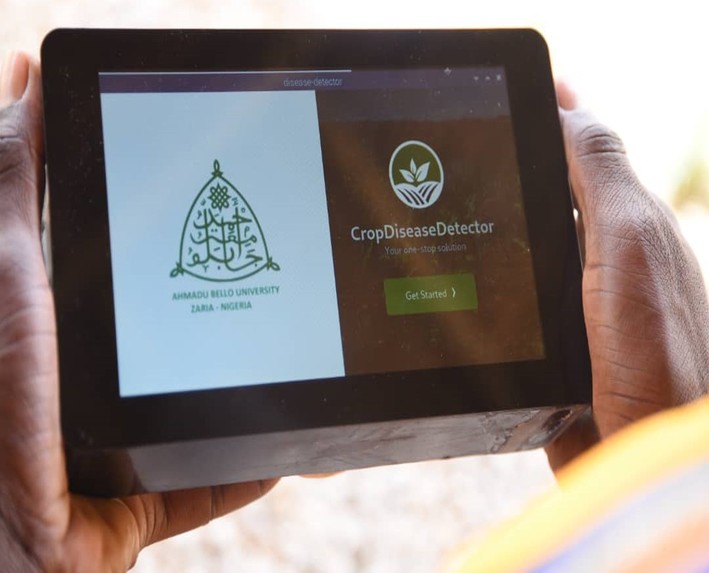
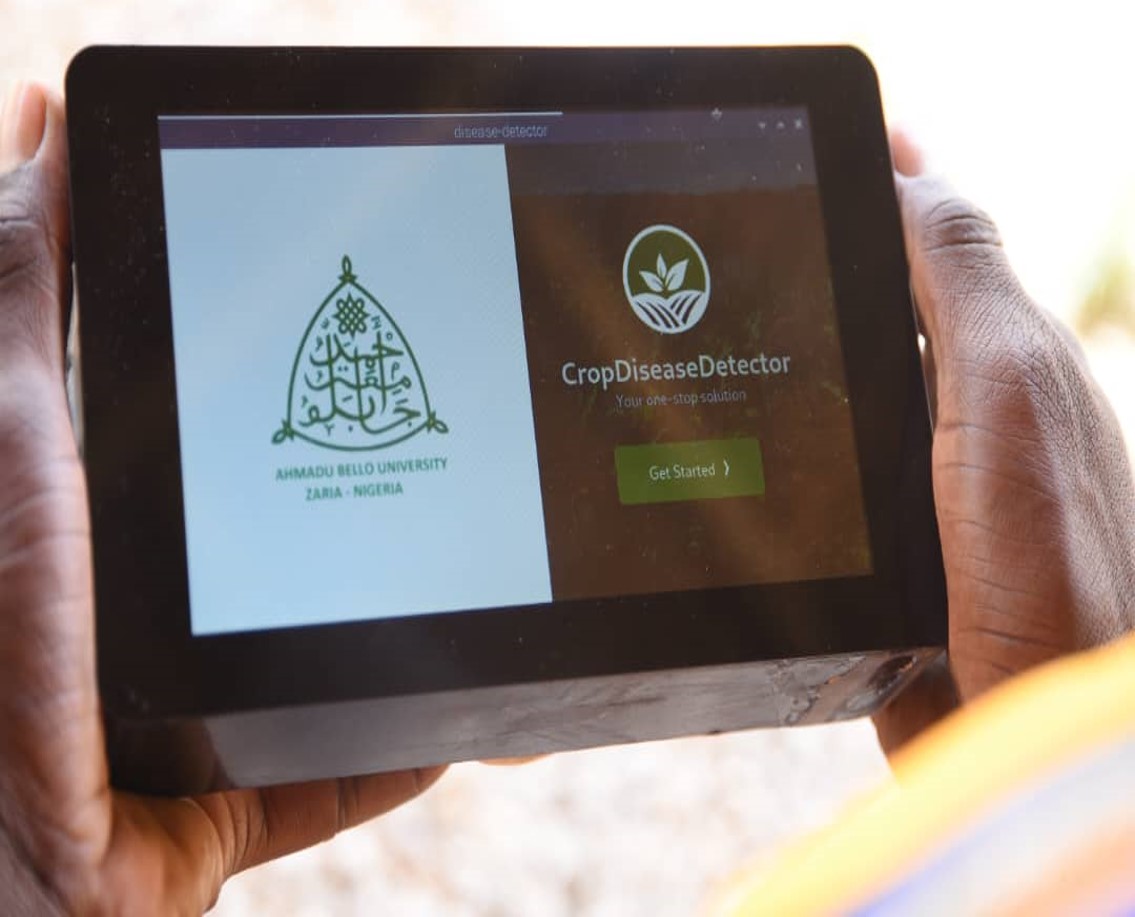
CropDiseaseDetector Device
-
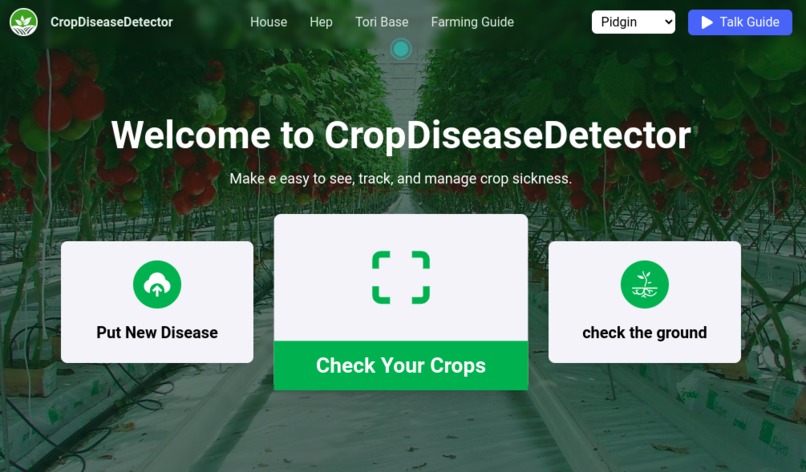
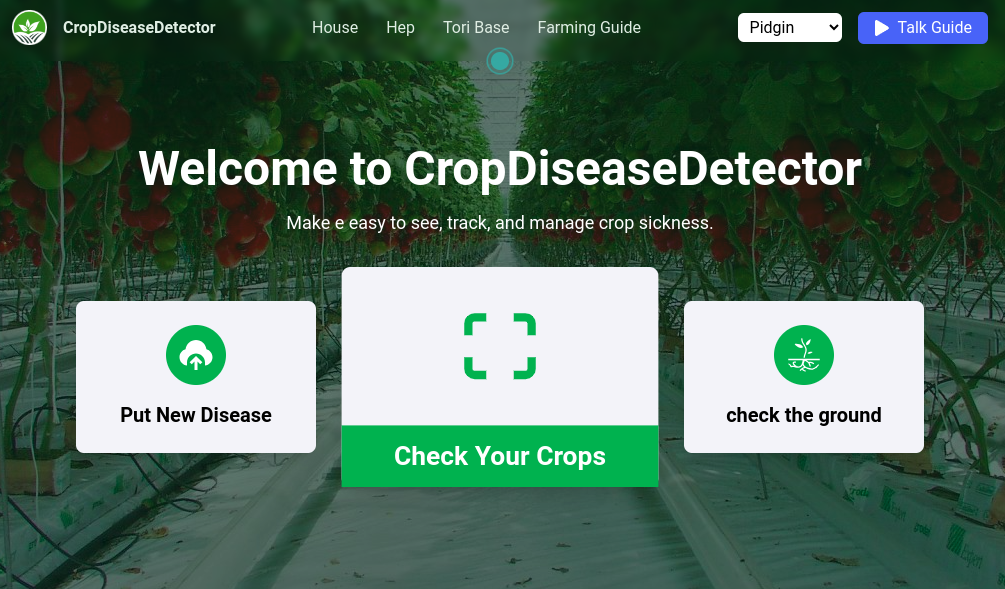
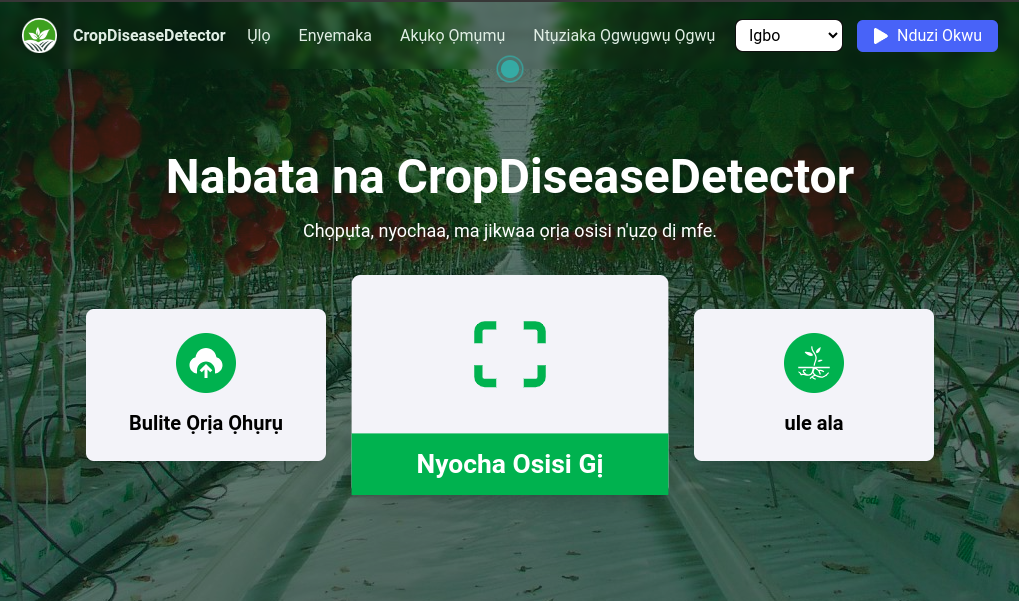
Wellcome Screen
-
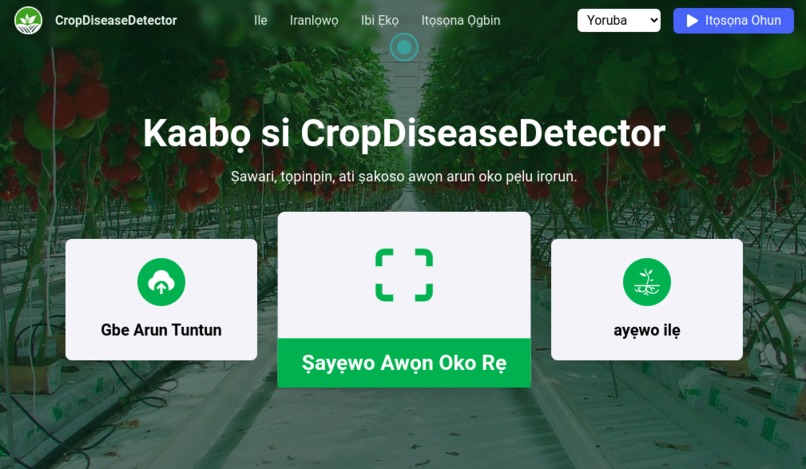
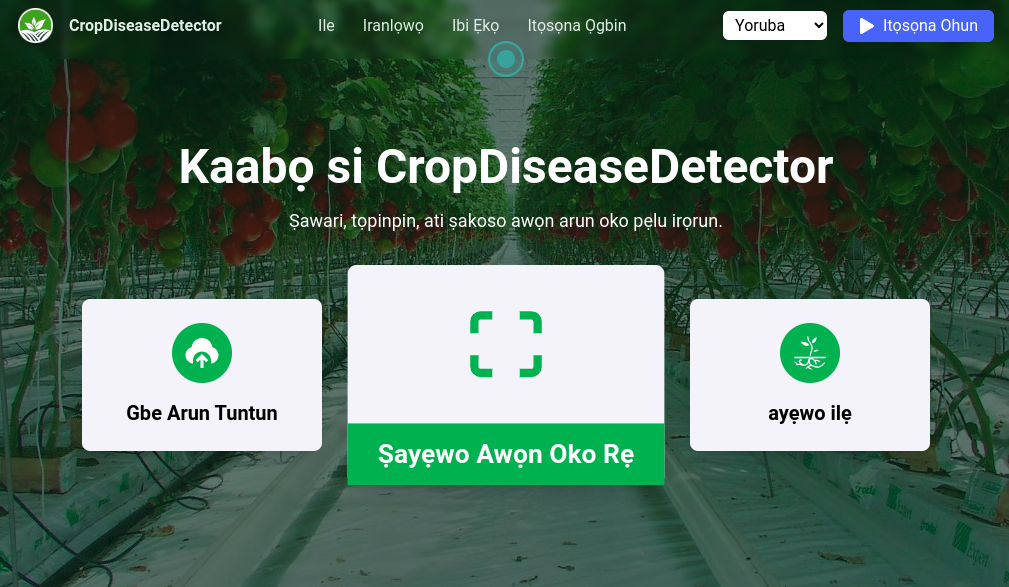
Yoruba Interface
-
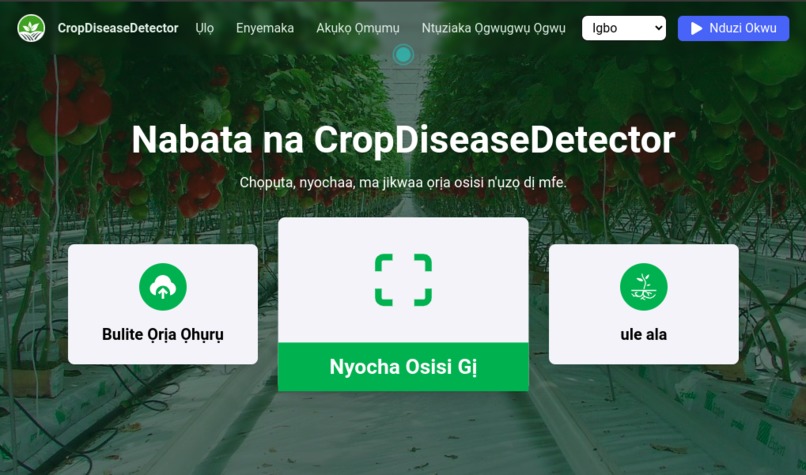
Igbo Interface
-
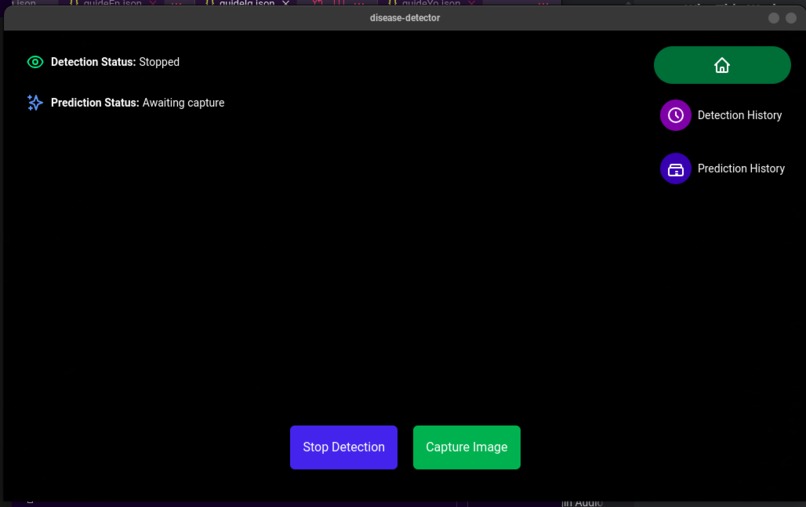
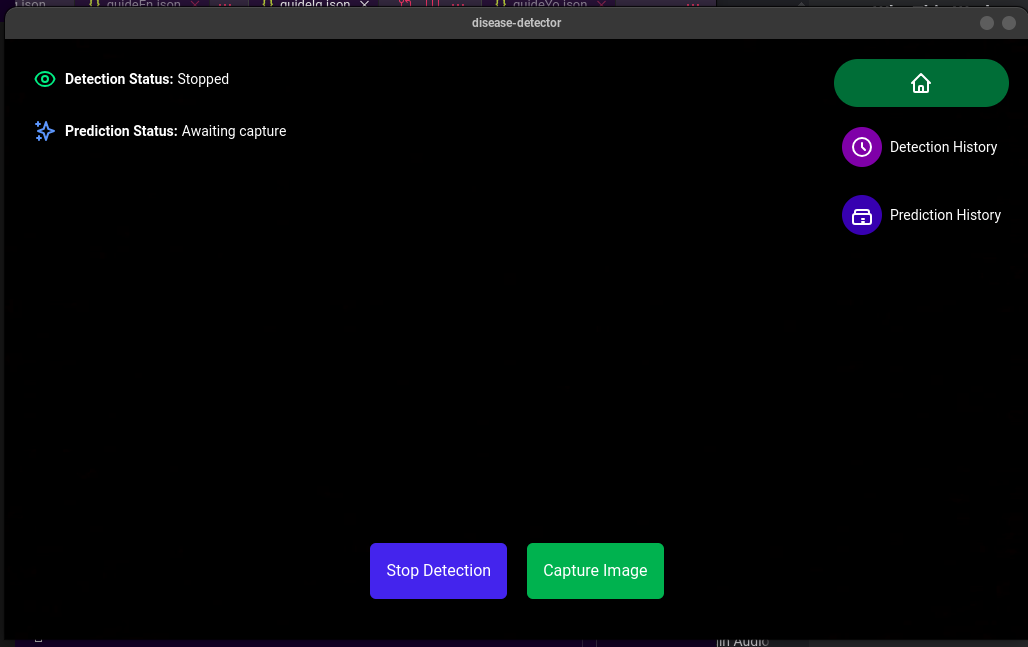
Detection Interface
-
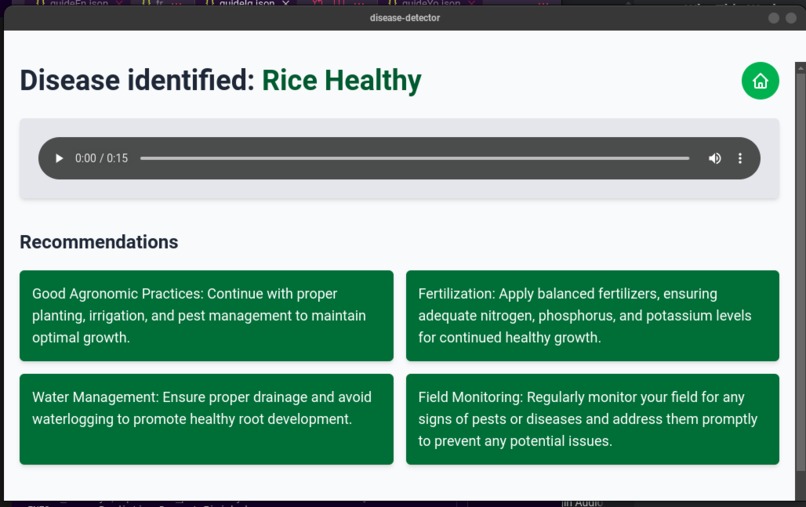
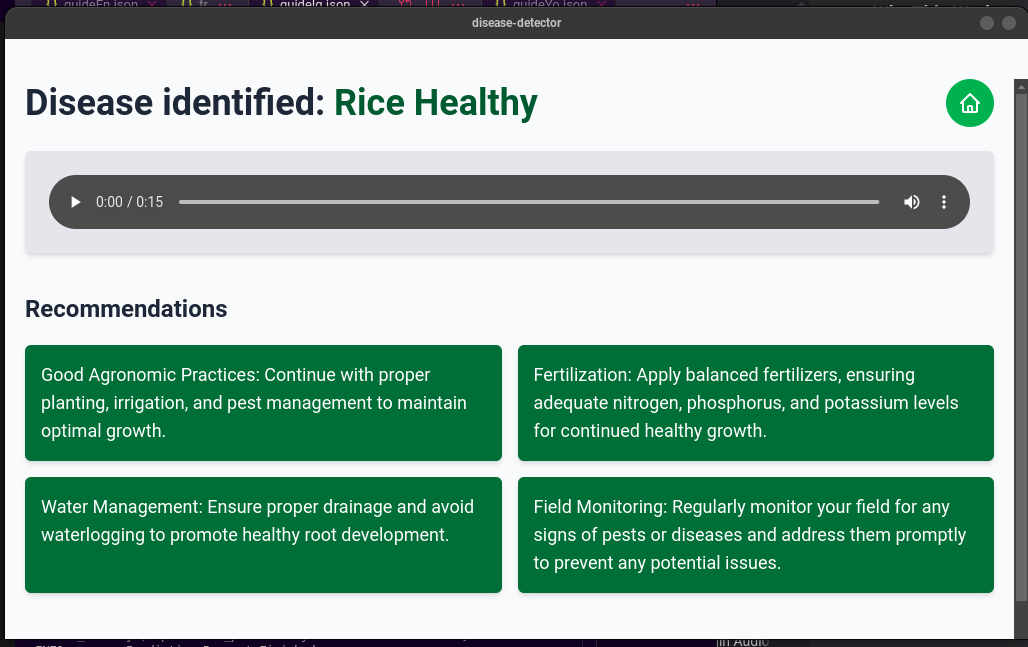
Recommendation Interface
-
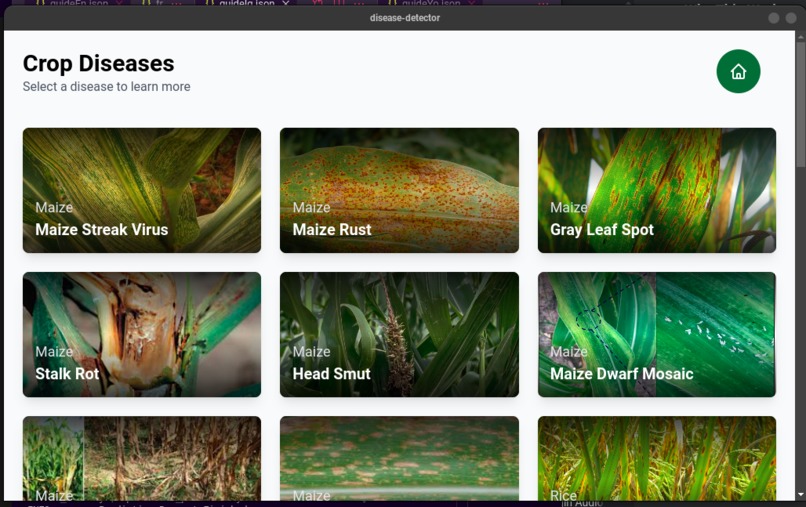
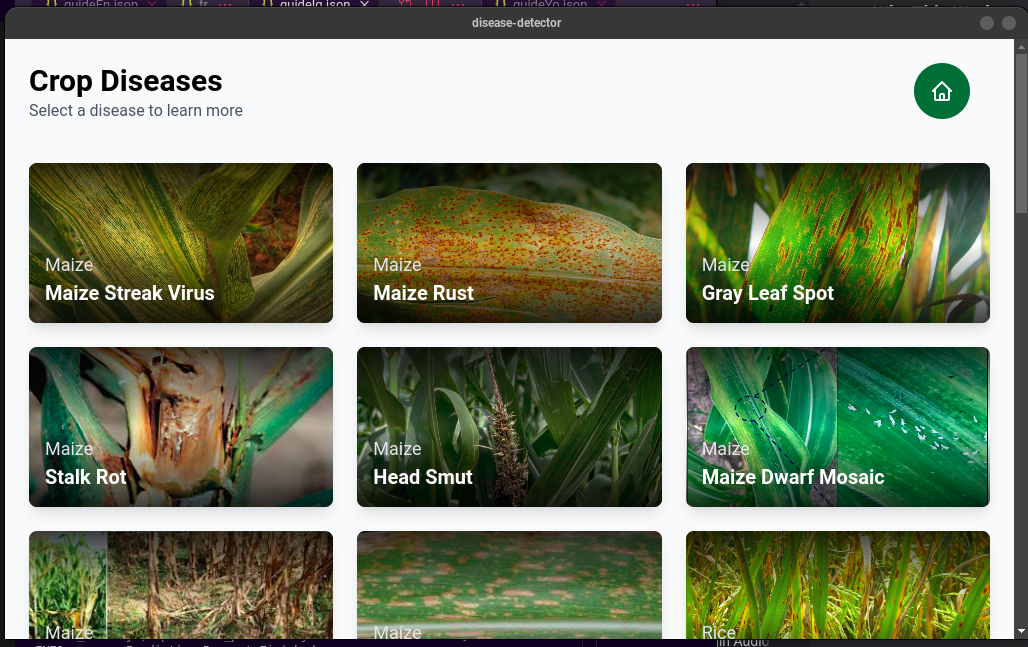
Disease Dictionary Interface
-
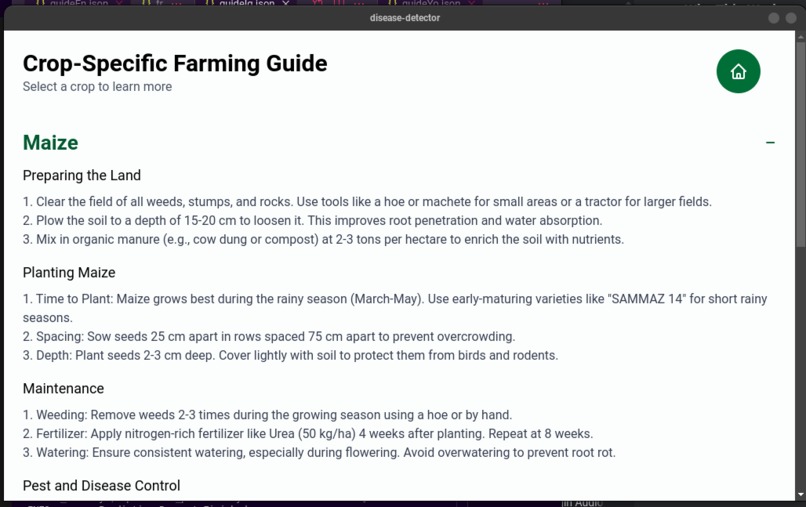
Farming Guide Interface
-
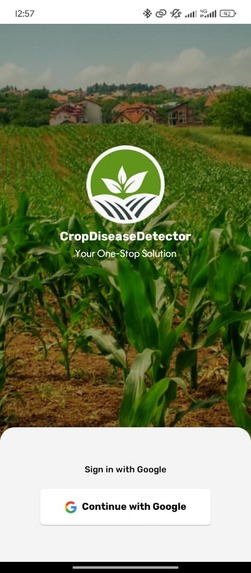
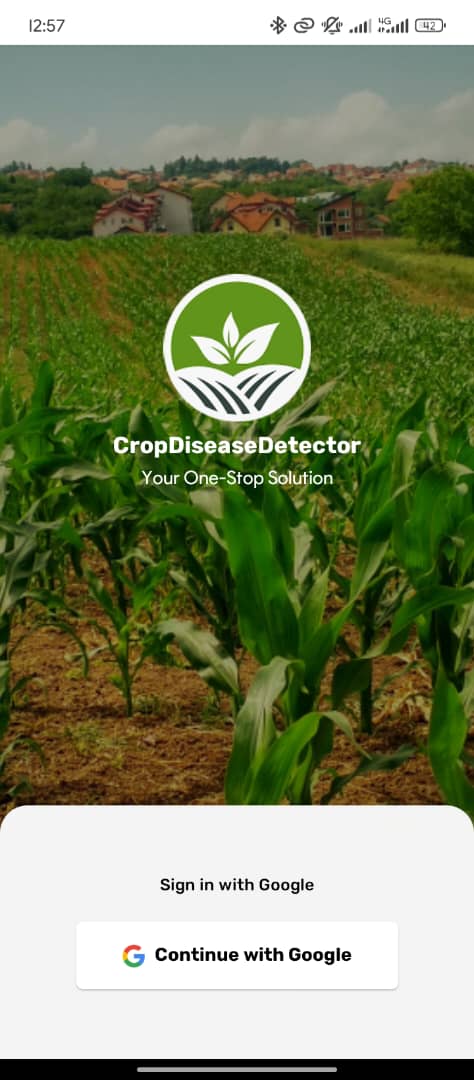
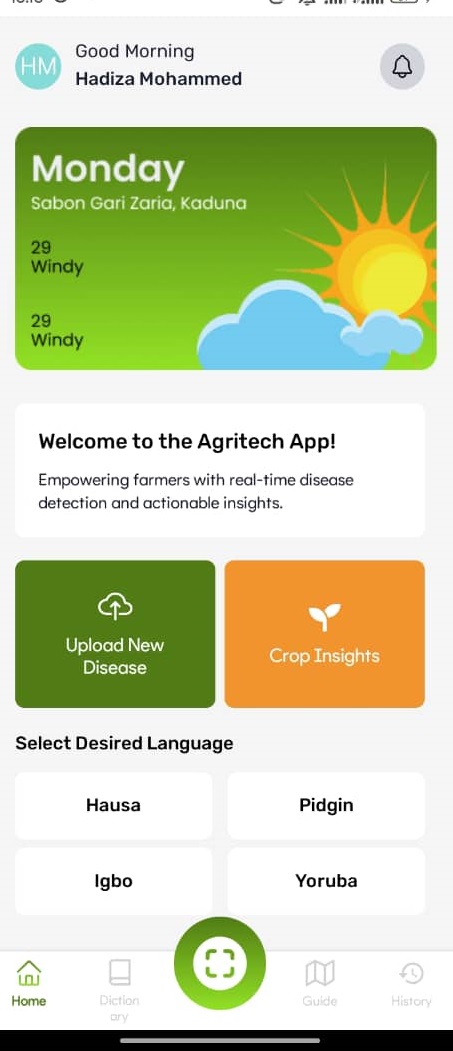
Mobile App
-
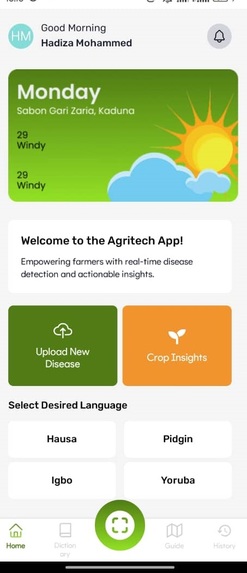
Home Screen Interface
-
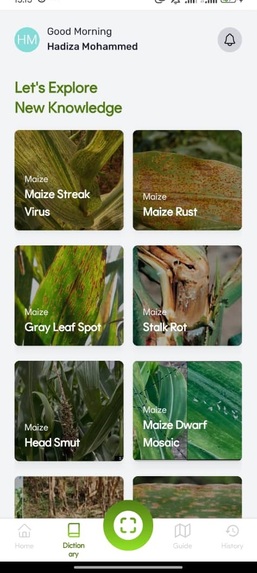
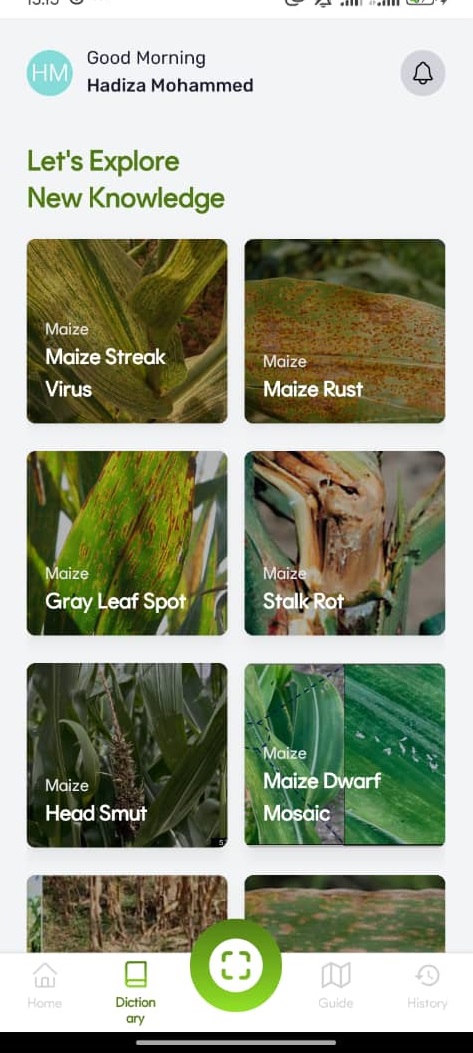
Diseases Dictionary
-
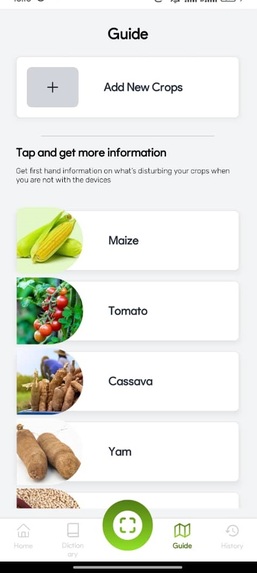
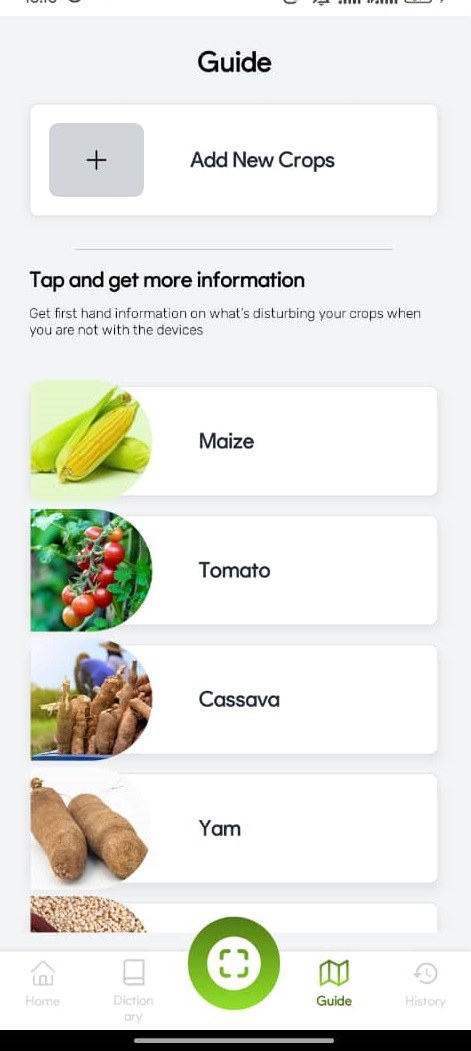
Some of the Crops covered
-
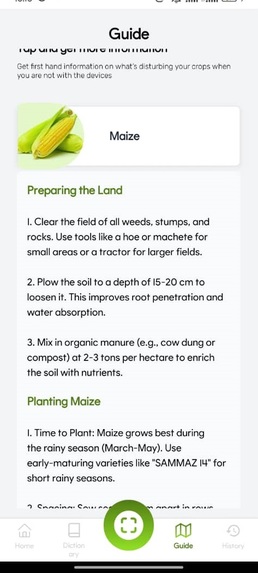
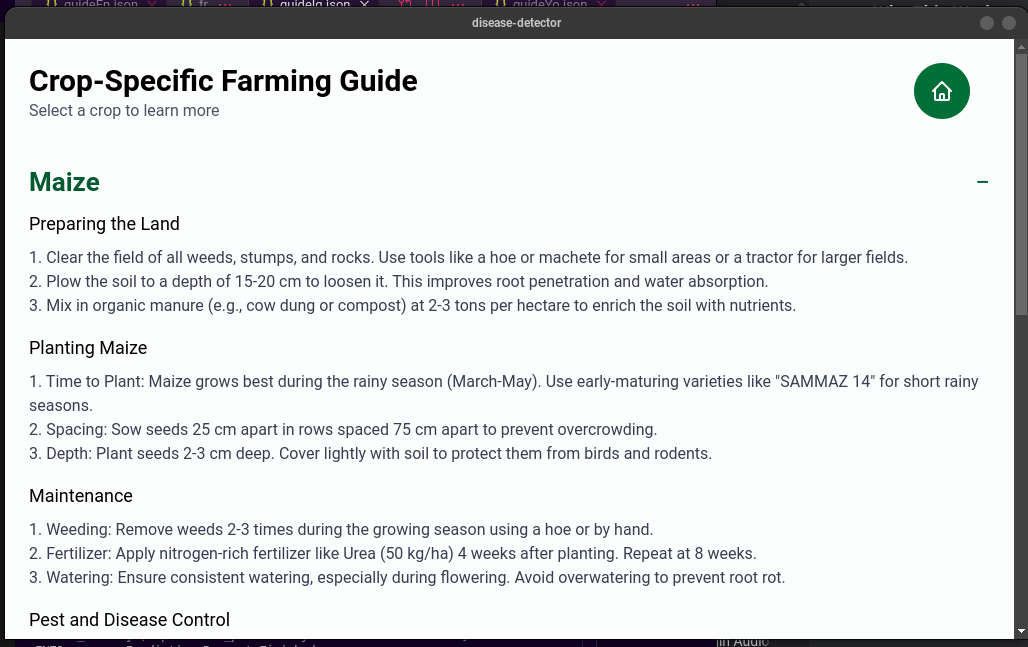
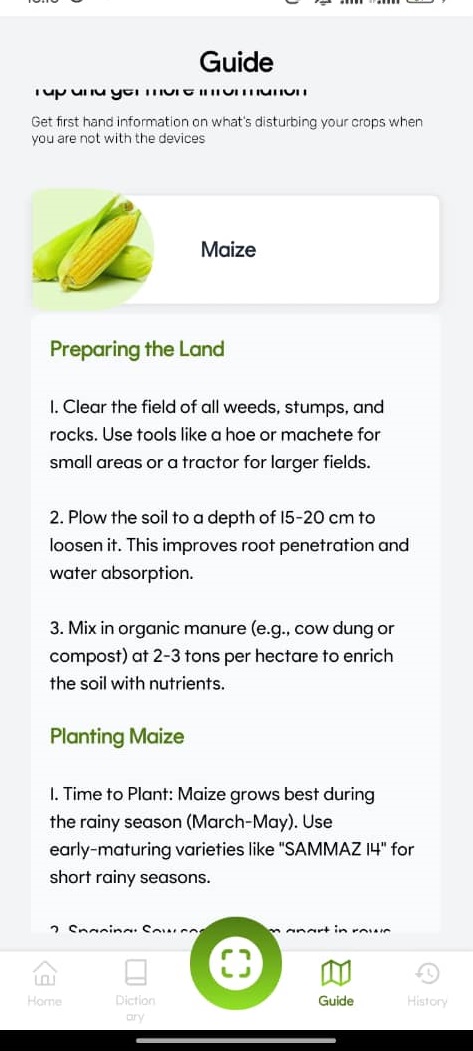
Farming Guide
Inspiration
Millions of small-scale farmers in Nigeria struggle with crop diseases, leading to low yields, food insecurity, and poverty. For farmers in remote areas, early disease detection can be difficult, requiring trained personnel and specialized equipment. Traditional methods of disease detection majorly rely on guesswork and broad-spectrum application of pesticides, causing environmental damage and ineffective disease control. According to NAERLS, farmers lose up to 80% of their crops annually to plant diseases. We asked: What if every farmer, no matter how remote, had an intelligent field companion—in their own language and offline?
CropDiseaseDetector makes that possible. It’s a real-time AI-powered solution that identifies crop diseases, offers actionable recommendations, and speaks to farmers in Hausa, Yoruba, Igbo, Pidgin, English—and even major African languages like Arabic, Swahili, and French.
What it does
CropDiseaseDetector is a real-time, offline AI-powered device designed to help smallholder farmers detect and diagnose crop diseases. With a single tap on the touchscreen, a farmer can scan an image of their crop and receive instant, audio and text guided treatment advice—available in English, Hausa, Yoruba, Igbo, Pidgin, Swahili, Arabic, French, and Afrikaans—without requiring internet access or technical expertise. The device is purpose-built for rural settings: lightweight, durable, affordable, and resilient to harsh environmental conditions.
The device has a Mobile App companion for users who prefer a mobile solution
How we built it
- We began by engaging farmers across Giwa, Sabon Gari, and Zaria Local Governments all in Kaduna state to understand their pain points.
- We trained a MobileNetV3 deep learning model on a curated dataset of maize, tomato, cassava, rice, beans, wheat, sorghum, and potato diseases
- We deployed it on a Raspberry Pi 4 Board with a 7-inch touchscreen for field use
- Model is embedded; no internet needed, ensuring offline capabilty
- Mobile App is being developed for farmers who prefer a mobile solution
- We built a DataBase for Audio and Texual functionality in Local Languages
- Soil testing sensor and a custom disease dictionary were integrated into the device -Cloud update infrastructure: For syncing model updates via WiFi or local networks
- The device is encased in a weather-resistant cover and powered by a rechargeable battery, making it suitable for rural deployment
Challenges we ran into
- Training an accurate model with limited African disease data
- Optimizing inference speed for a low-compute, power-constrained device
- Ensuring voice guidance sounds natural in local dialects
- Collecting high-quality disease images in real farm settings
- Building a UI that is intuitive for first-time tech users with no literacy
- Building trust among rural farmers who had never interacted with smart devices
Accomplishments that we're proud of
- Achieved a 98.83% accuracy rate in classifying the crop diseases
- Built and tested a fully working prototype device in real field conditions
- Designed an audio support system that speaks to farmers in 9 African languages
- Developed a planting guide and soil testing module tailored to Nigeria’s regions
- Recognized at a university innovation showcase as a top solution for Smart Agriculture
- Won the First Prize Award in the Huawei 2024-2025 ICT AI Innovation Competition at National, African Regionals, and the Global finals of the Competion
- Positive feedback from over 50 farmers in initial pilot tests
What we learned
- Empathy is technology’s greatest accelerator—solutions must reflect users’ realities
- Multilingual design and offline access are non-negotiables in rural innovation
- Building for low-resource environments requires lean, creative engineering
- Farmer trust is earned through demonstration, simplicity, and reliability
- Field deployment taught us the importance of rugged design and power efficiency
- Early detection of disease saves more crops than late-stage chemical treatment
What's next for CropDiseaseDetector
- Launch a 100-device pilot across 6 northern states with local agri-cooperatives
- Partner with NAERLS, ABU Zaria for regional scale-up
- Expand to include more crops and more dialects
- Launch an open platform for researchers to contribute new crop-disease datasets
- Secure funding for a larger rollout and mass-manufacturing of affordable devices
Built With
- battery
- camera
- firebase-(for-updates)
- flask
- hauwei-cloud
- html/css-(ui)
- huawei-mindspore
- node.js
- opencv
- python
- raspberry-pi
- raspberry-pi-os
- tensorflow


Log in or sign up for Devpost to join the conversation.