-
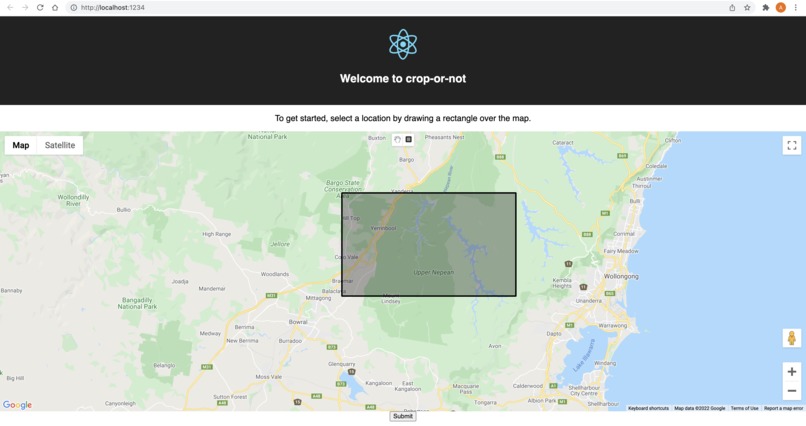
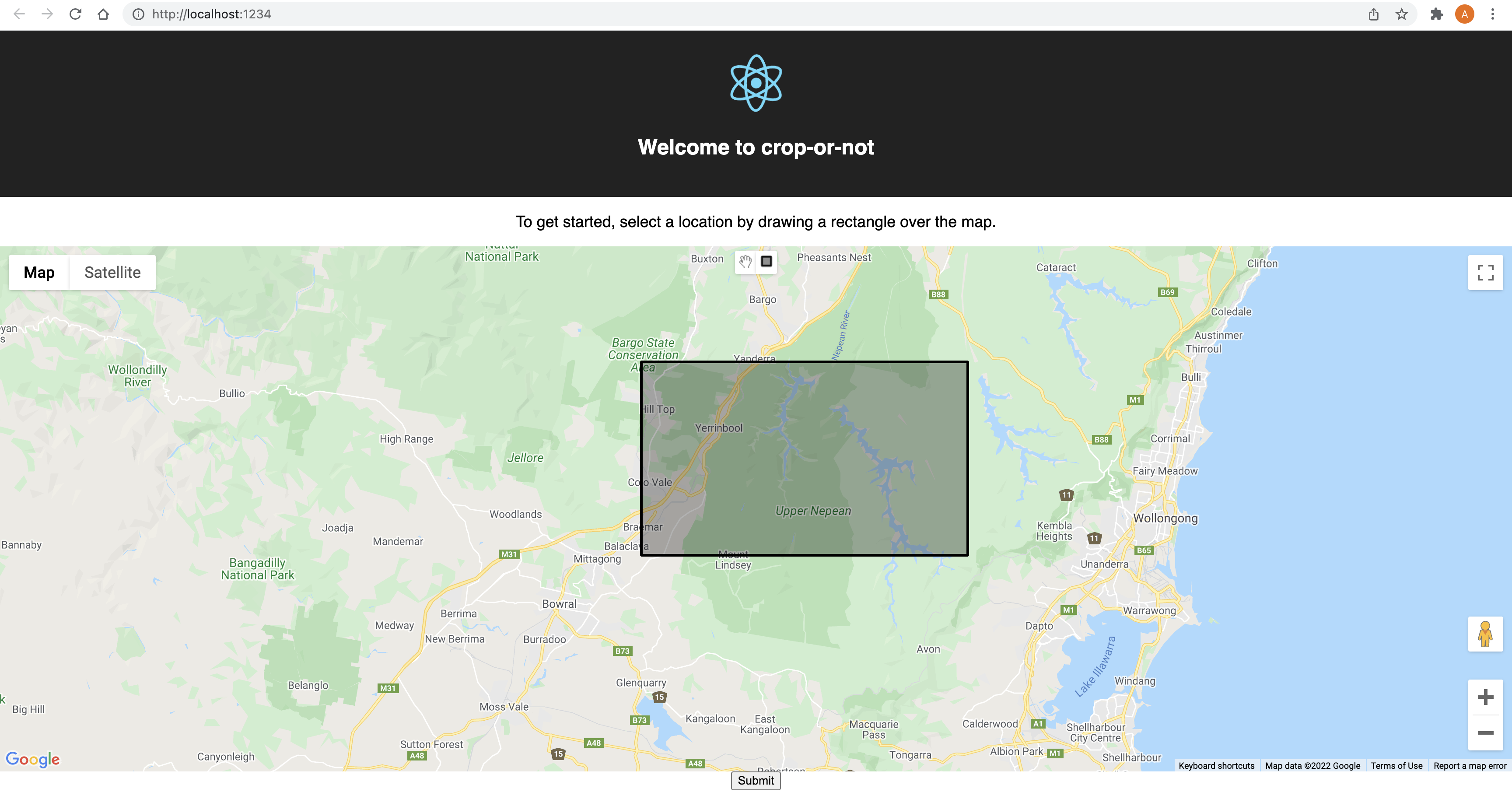
Select location for analysis by drawing a rectangle over the map.
-
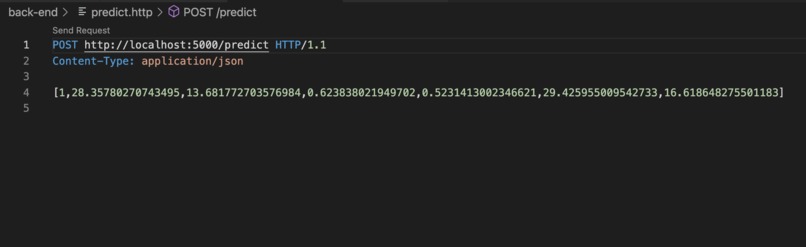
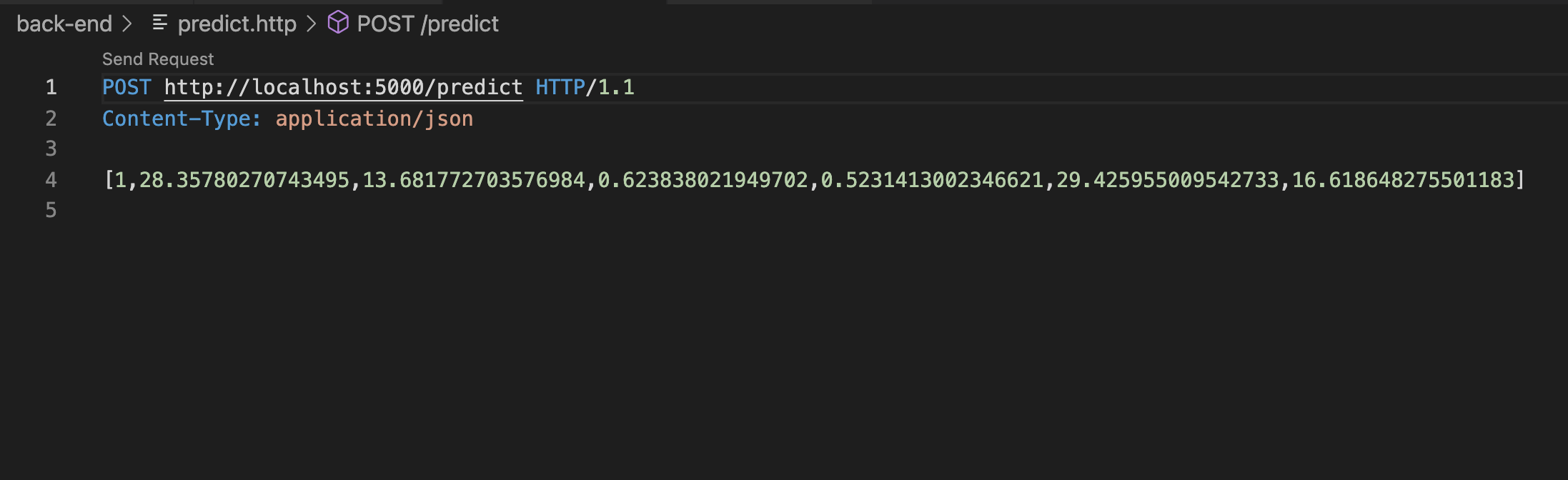
Request predictions for a certain location based on recent climate conditions.
-
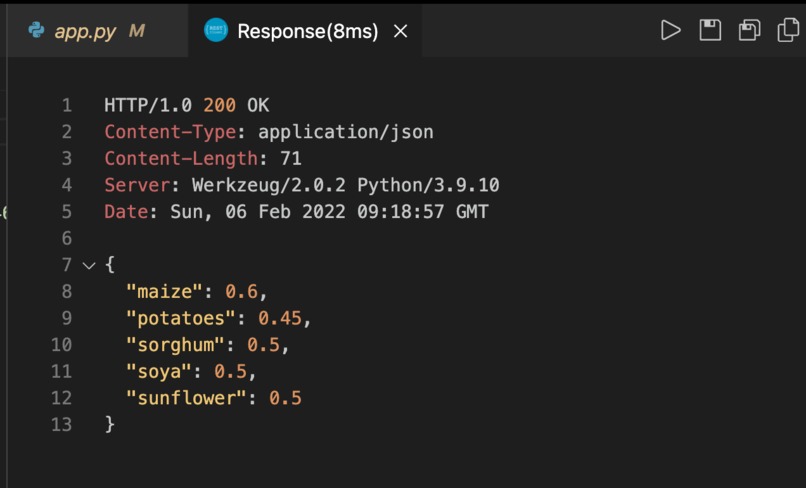
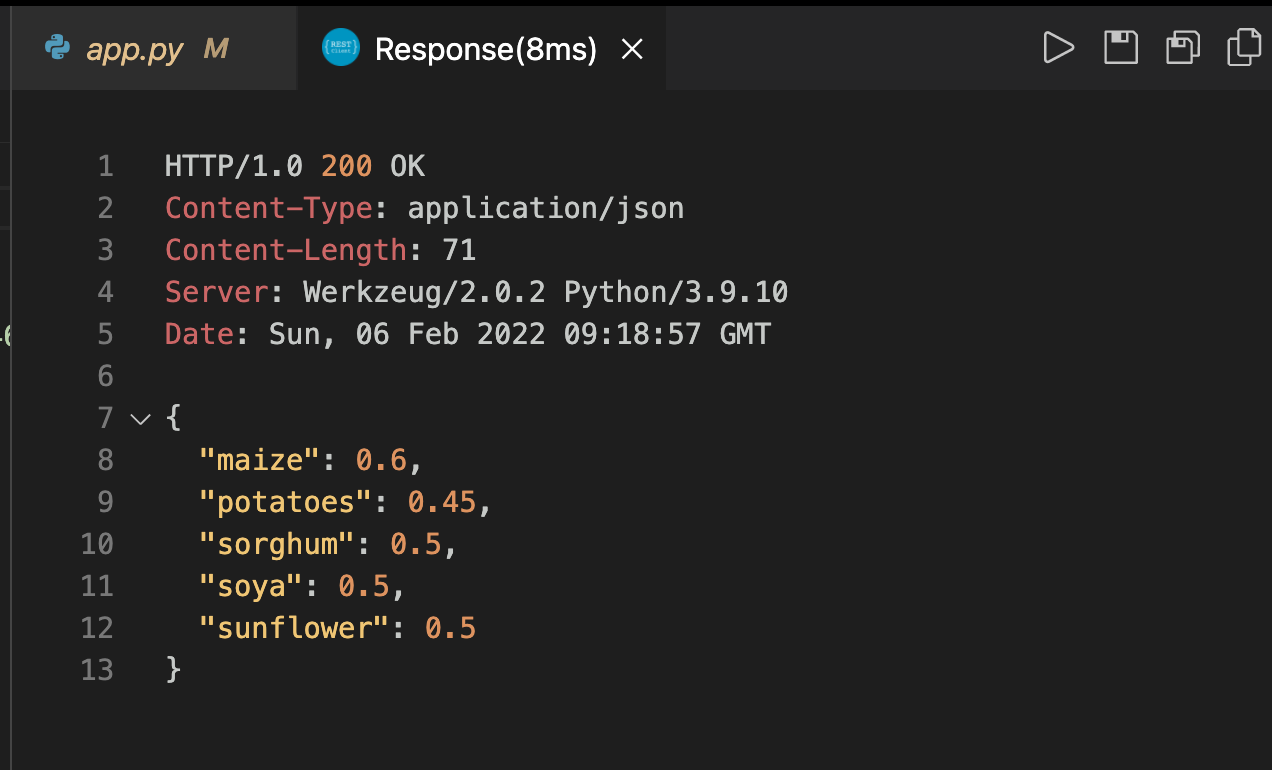
Predictions returned as a list of probabilities.
Inspiration
Farming isn’t a battle against nature, but a partnership with it
Our team wants to help farmers across the world build a synergy with nature with the help of technology.
What it does
Given the impact of climate change, agriculture is forced to undergo important chances. Crops that used to be idea for a certain location years ago may be deemed sub-optimal nowadays due to the climate shift. We want to track and flag these changes.
Farmers can select their tillable land on a map and based on recent and historical weather data, we return a ranking of current most optimal crops to grow. Along with the crops we give more information about growing the crop such as soil data, fertilisers and maintenance instructions.
How we built it
We created the training datasets using historical data gathered from weather stations in regions that grew crops we had information on. The linkage between crops and locations where they are optimal to grow in was based on a study from Kenya Agricultural and Livestock Research Organization. The model used is a gradient boosted decision trees designed for speed and performance, implemented as an xgboost classifier. The features of the training-data are: Longitude, Latitude, Elevation, Max Temperature, Min Temperature, Precipitation, Relative Humidity, Solar radiation. This runs on a Flask web-server as the back-end.
Our front-end uses React and allows a drawing interaction over a map in order to retrieve the location of interest's coordinates. We then query recent (1 year) weather data for that specific area from weather stations nearby. The last step is to input this data into the model and get a prediction of most optimal crops to grow.
Challenges we ran into
We spent too much time looking trying to link optimal crop conditions with historical data and creating the datasets, and found no time to finalise a working front-end. However, we have set up good groundwork for future development as we believe this project has the potential to ultimately optimise the agriculture industry and have a real impact in the context of climate change.
Accomplishments that we're proud of
- Background research
- Training dataset creation: We've managed to link optimal crop conditions with real locations.
- Getting started with React: Started as complete beginners, went through tutorials and in the end managed to set up a basic application.
What we learned
- Basic React
- How to organise your team and optimise the time available. For 3 out of 4 team-members, this was their first Hackathon.
What's next for Crop or Not
- Improve the xgboost classifier.
- Gather more training data.
- Finish the front-end by creating the crops list render based on predictions.
- Add functionality like drawing a custom polygon shape on the map and retrieve the predictions based on that (currently only rectangle is possible)

Log in or sign up for Devpost to join the conversation.