-
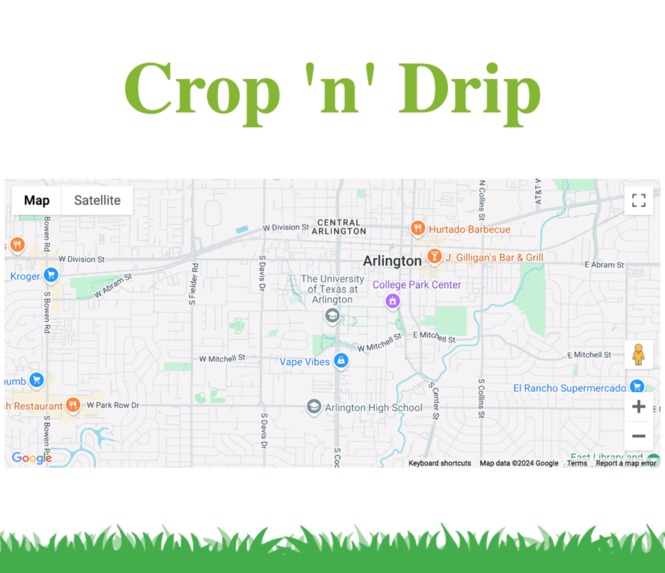
website to our project
-
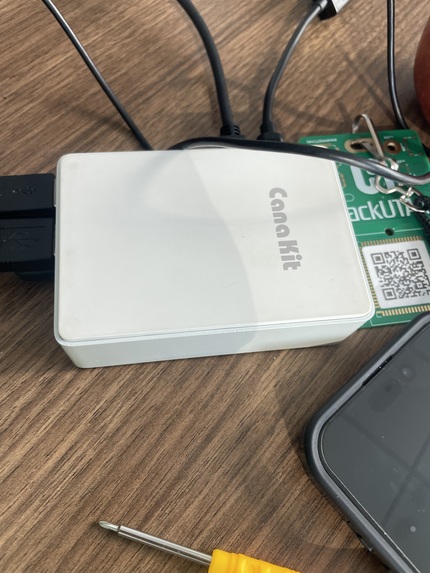
Hugo pi
-
-
-
Inspiration
Our project is focused on empowering farmers, the backbone of our nation, to manage their water consumption more effectively. With agriculture consuming approximately 70% of global freshwater resources, enhancing crop yields and reducing costs is essential. By doing so, we not only promote healthier agricultural practices but also conserve vital water resources, ultimately fostering a more sustainable market.
What it does
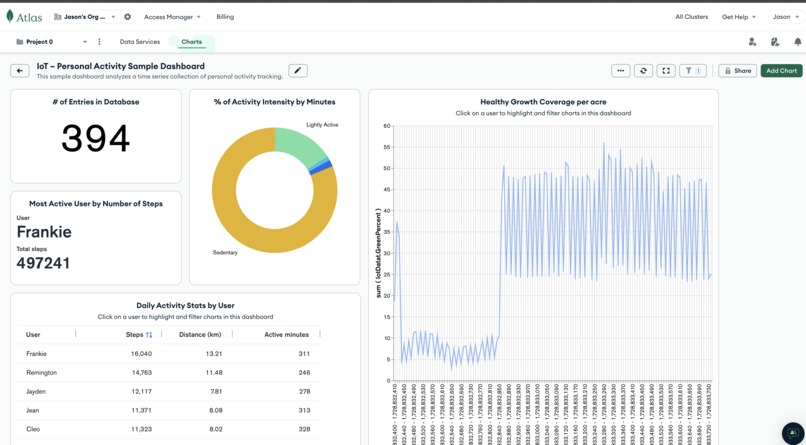
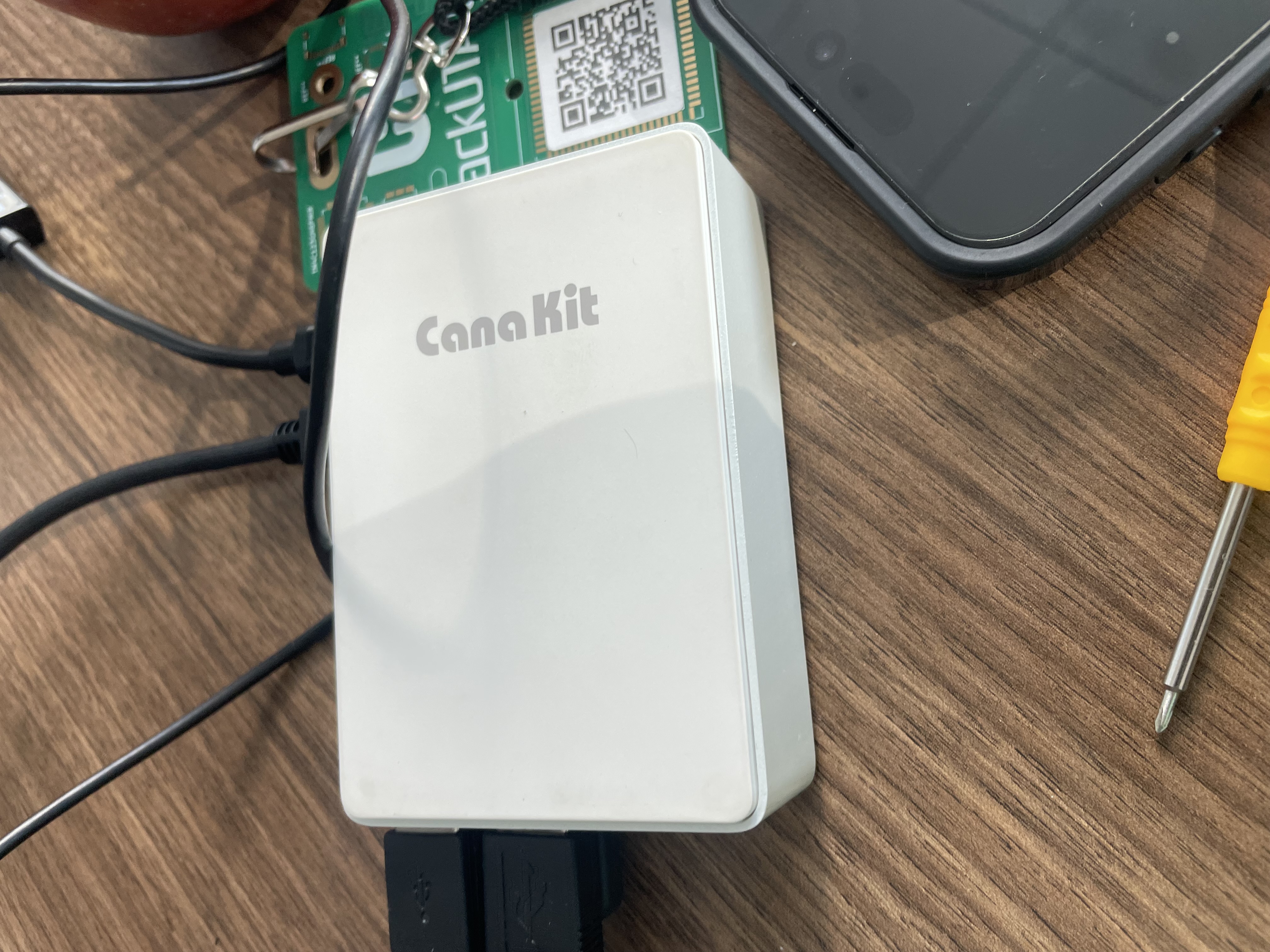
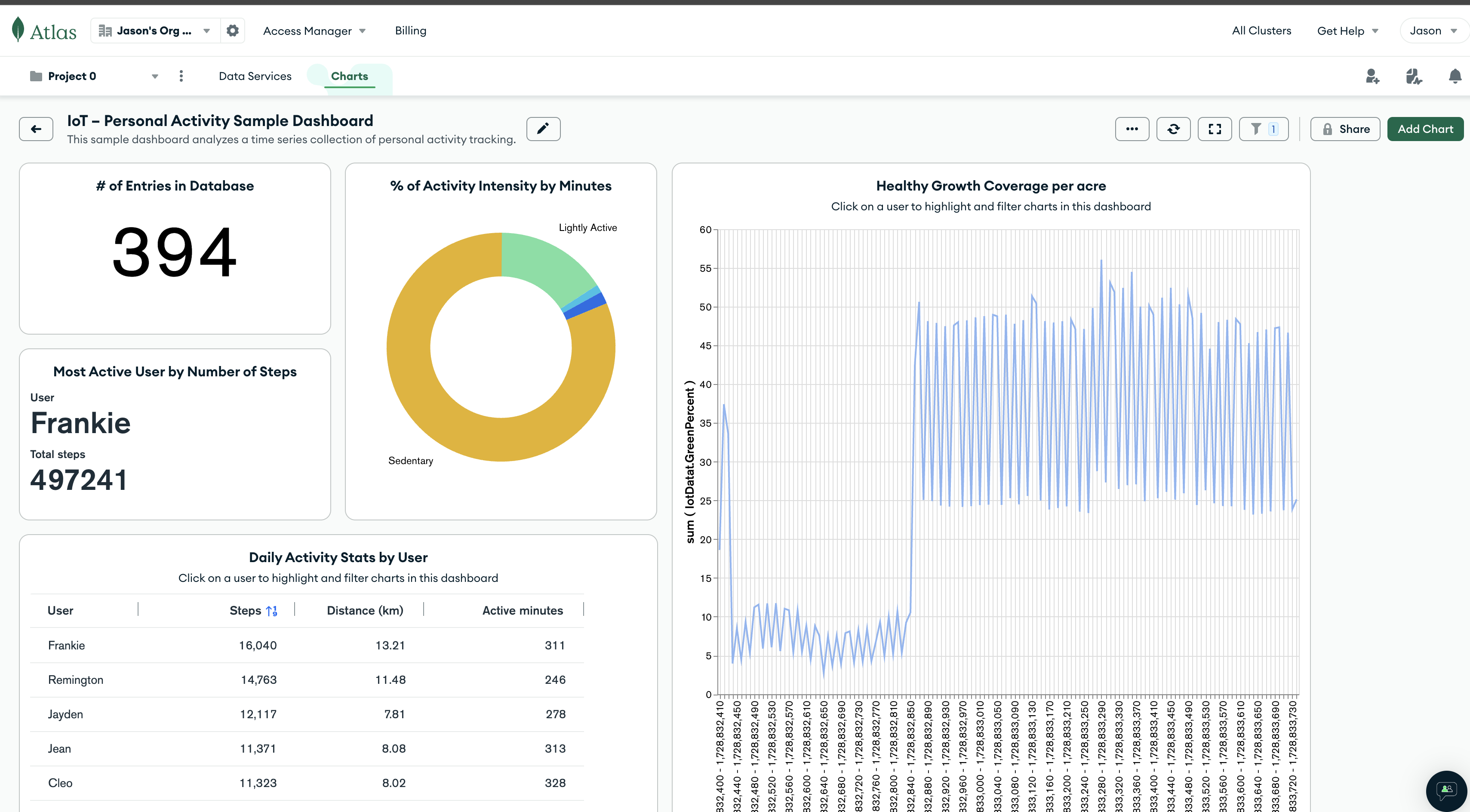
The project works off of MongoDB getting information from four nodes. One node picks up the amount of green in an image to determine how "green" an area is. The second node is a relay that controls A/C circuits with 120V in a subscriber/publisher model in a cloud server. The third node gets live weather data from regions surrounding Arlington to help a farmer determine the general climate in that area. Lastly, we have the fourth node that is able to perform fruit image detection for general crop yield growth.
How we built it
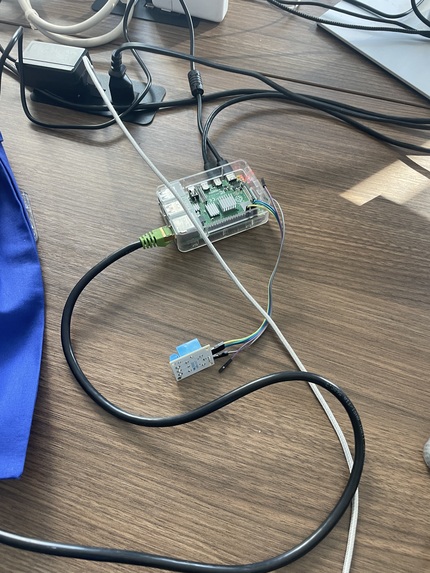
MongoDB is our main storage for the information collected. All the nodes will direct their collected data to the MongoDB. The green percentage node is implemented using raspberry pi and a camera to detect how many pixels are in the image. Then if the green component of the pixel is greater than the red and blue components, a function named 'percentage_green' will declare green as the predominant color and increment the green value by 1. After this code has iterated through every pixel in the picture it will calculate the ratio of green pixels to the total number of pixels by dividing the green variable by the total number of pixels. After this, the program will demonstrate the green percentage of the picture.
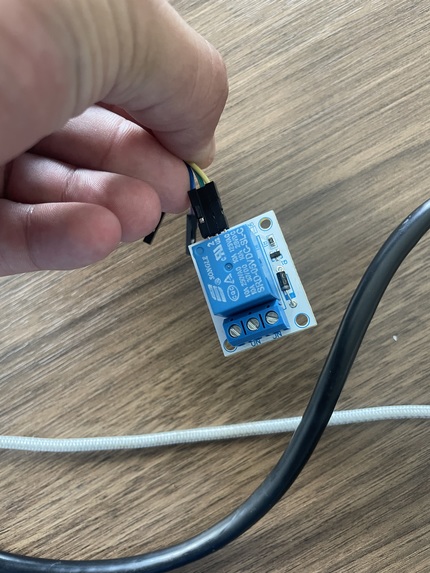
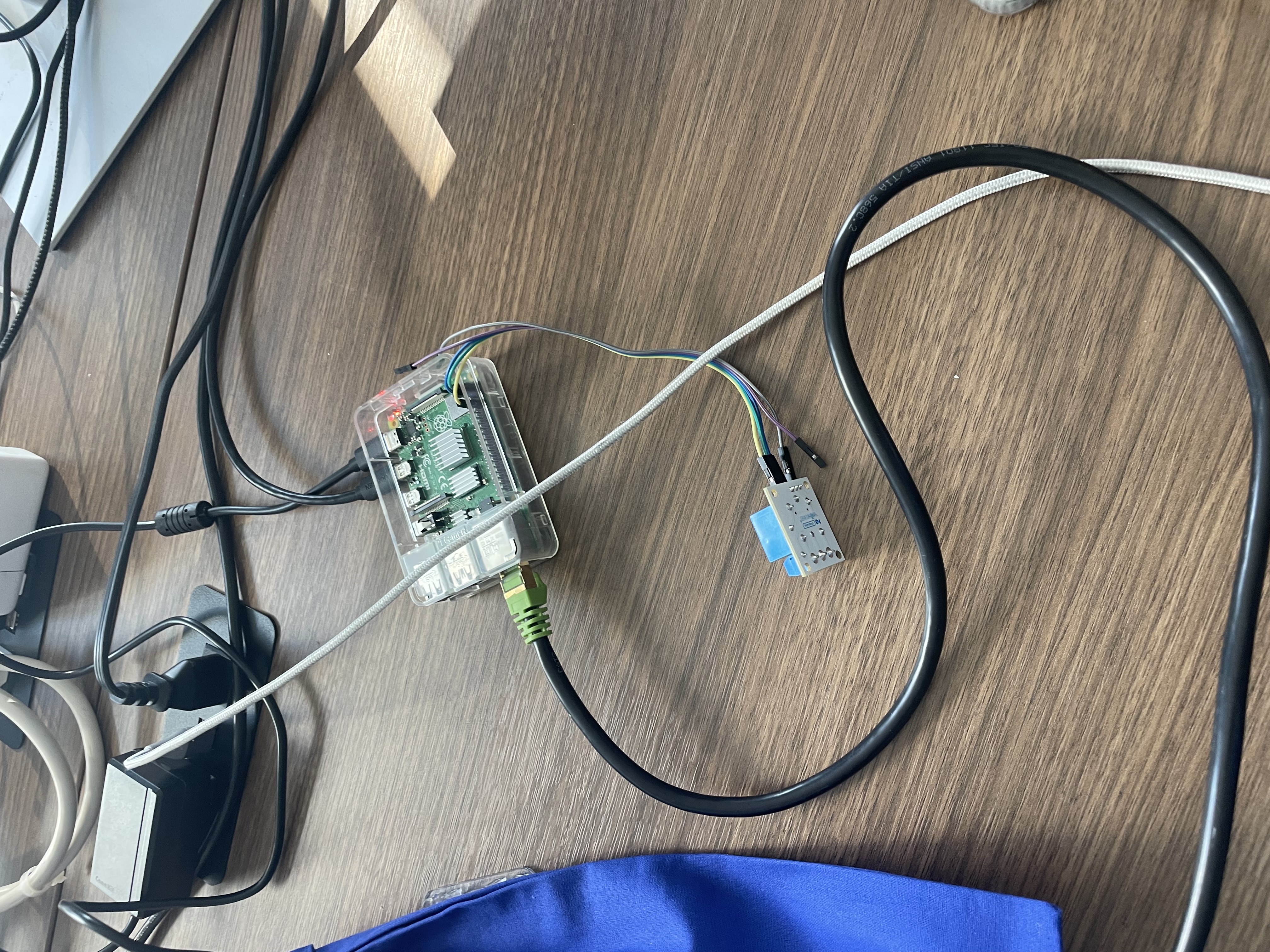
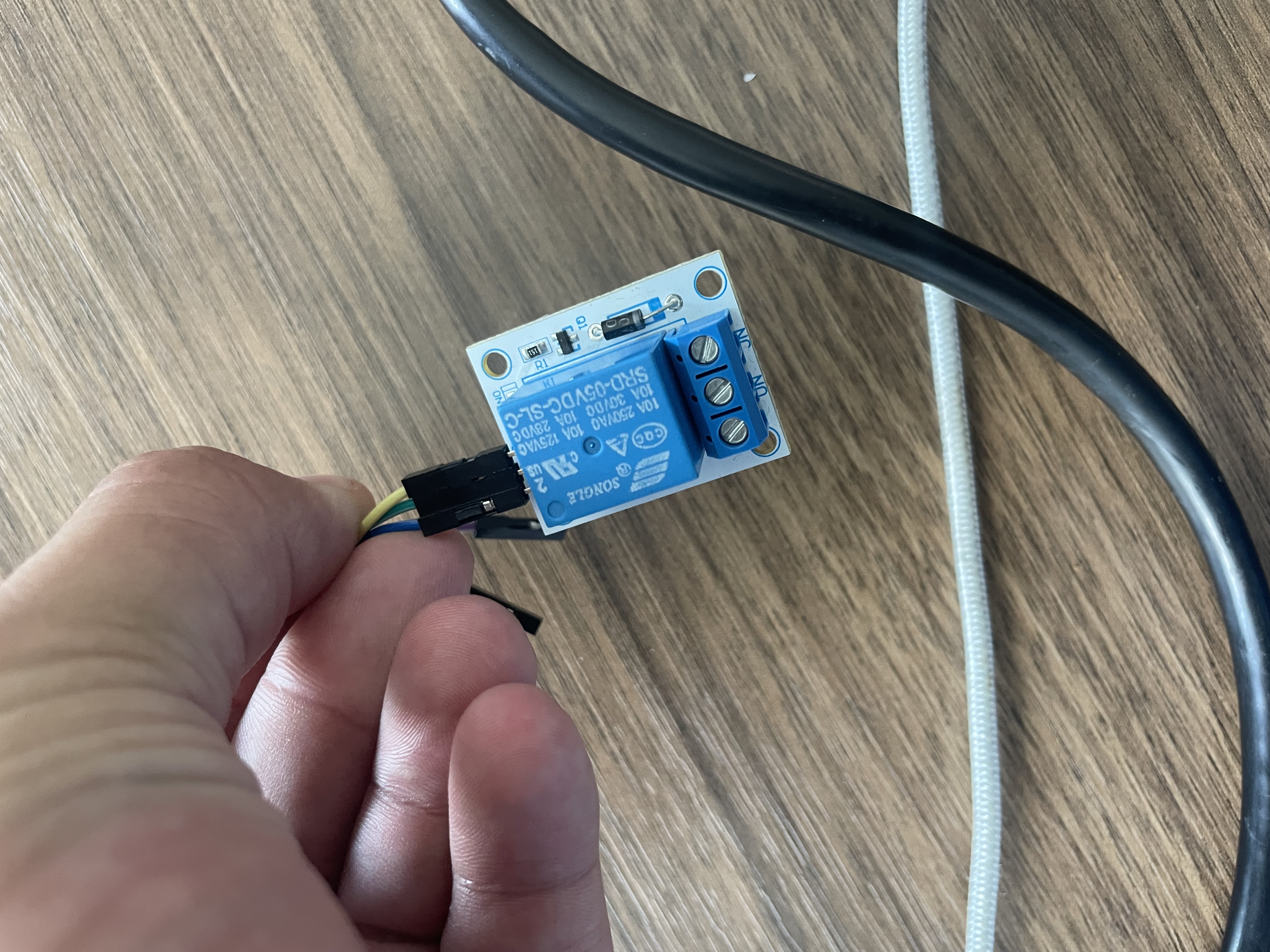
The second node is a relay that can turn off A/C motors with 120V. This is executed by integrating a cloud server that works with a raspberry pi in a publisher/subscriber model. The cloud will have a message containing a certain action to execute, and will then send the message to the raspberry pi. The pi will receive that message, parse it, and actually execute the action. Within the raspberry pi receiver script, there contains a relay function so the user is able to know if a message was successfully received. If the message was received and executed, a relay will deploy visual and sound cues to express a successful process.
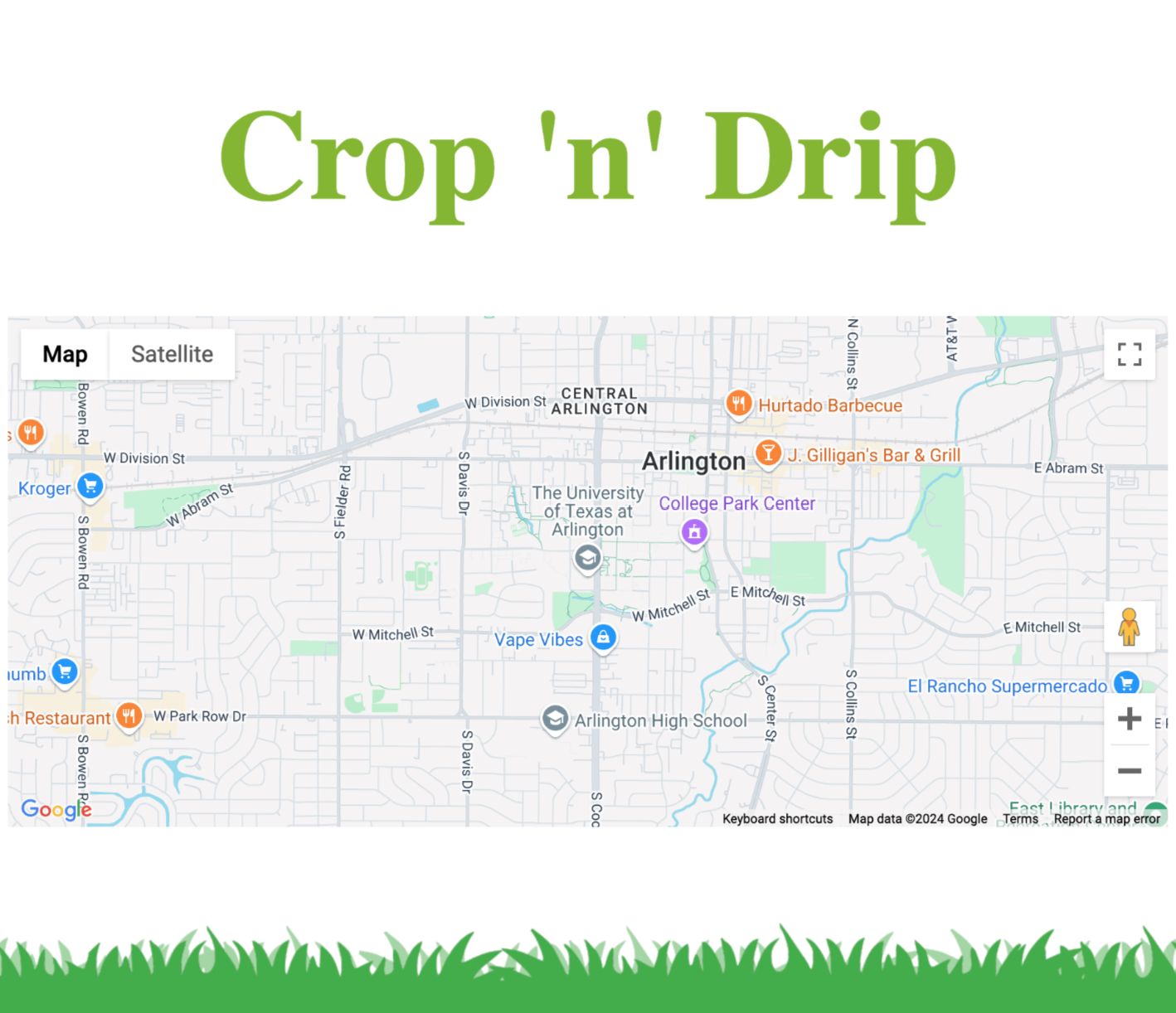
The third node implements an API called Weather API to collect live weather data. This API is obtained from the 'OpenWeatherMap' website in which we are able to fetch live weather data from any location based on its longitude and latitude. With this, we can obtain live weather data from different regions of the Arlington area and get a sense of how the general climate acts in those surrounding areas. This data is then queried onto a website feed in which the data will be displayed live and its user will be able to make informed decisions that could benefit their water consumption and overall crop yield.
Our last node is composed of real time fruit image detection. In this process, we have a camera set up in a way that it is able to detect an image within its frame. Once it detects a fruit, we run a computer vision model via Opencv that is able to correctly classify the fruit. The general purpose of this model is to help a farmer determine the fruit's width. Using that information, the farmer will determine when a fruit is ready to harvest for a market.
Challenges we ran into
There was an abundant amount of unexpected difficulties. We had issues with hardware such as cameras not connecting properly, insufficient peripheral devices (not enough keyboards/mouses), software package installation mishaps, and various front end connectivity issues. Additionally, we had trouble with general internet connections. We would be working on a cloud issue, and the internet would disconnect and reconnect at random intervals. Some general difficulties were the varying levels of experience between the hackers, and the hardware/software we were each working with.
Accomplishments that we're proud of
Our web app empowers farmers to efficiently monitor and manage their fields by tracking water consumption in real time. With smart analytics, it ensures optimal irrigation, helping farmers reduce water waste, cut costs, and boost crop yield. By automating water management, we make sustainable farming more accessible and cost-effective for farmers, leading to higher productivity and healthier crops. On a greater scope, we aim to promote more sustainable water consumption where possible, and ultimately pitch in to lower the effects of climate change.
What we learned
Half of the team is composed of first-time hackers, so we got first hand insight into the lifecycle of a project. We learned to work collaboratively in spite of our varying levels of experience. We got valuable insight on how back-end development works, along with cloud servers. Specifically, we learned to use MongoDB and MongoAtlas to handle real-time data. From a conceptual standpoint, we also gained knowledge on how embedded and distributed systems work, along with cloud applications across different devices. For front-end, we learned how queries can fetch and pull data from a database to display it onto a website in a user-friendly manner.
What's next for crop 'n' drip
In the future, our greater scope is to tackle water overconsumption on a greater scale. Farmers are the foundation of our country, and if they are able to cut costs and have more sustainable means, then it is a huge win-win for everyone.


Log in or sign up for Devpost to join the conversation.