-
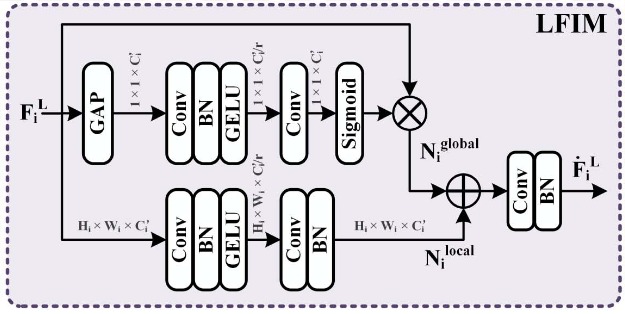
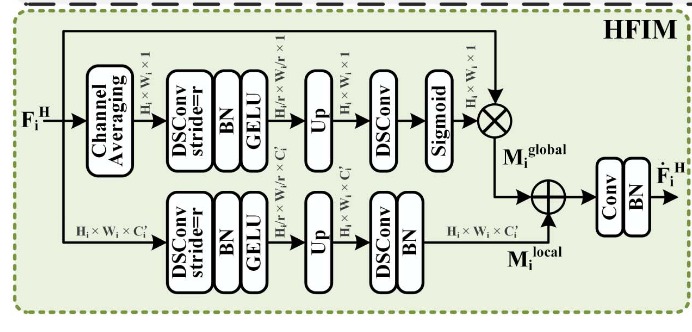
Proposed Frequency Model - III
-
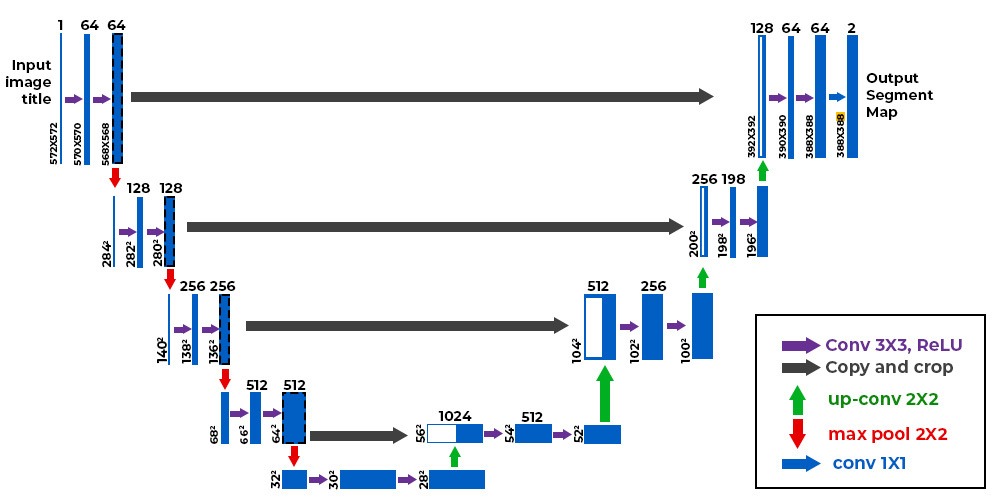
UNet
-
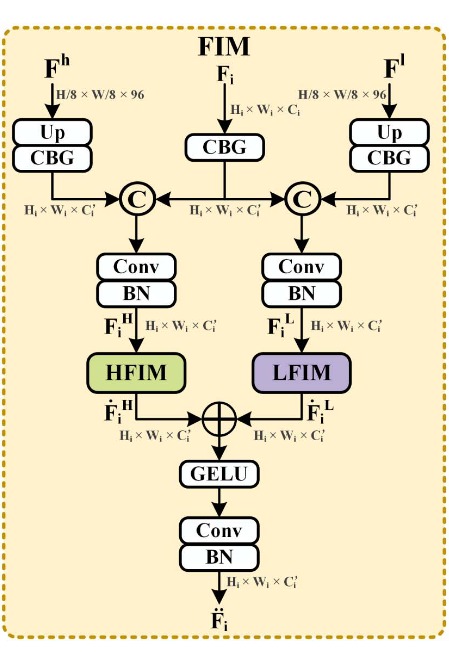
Proposed Frequency Model - II
-
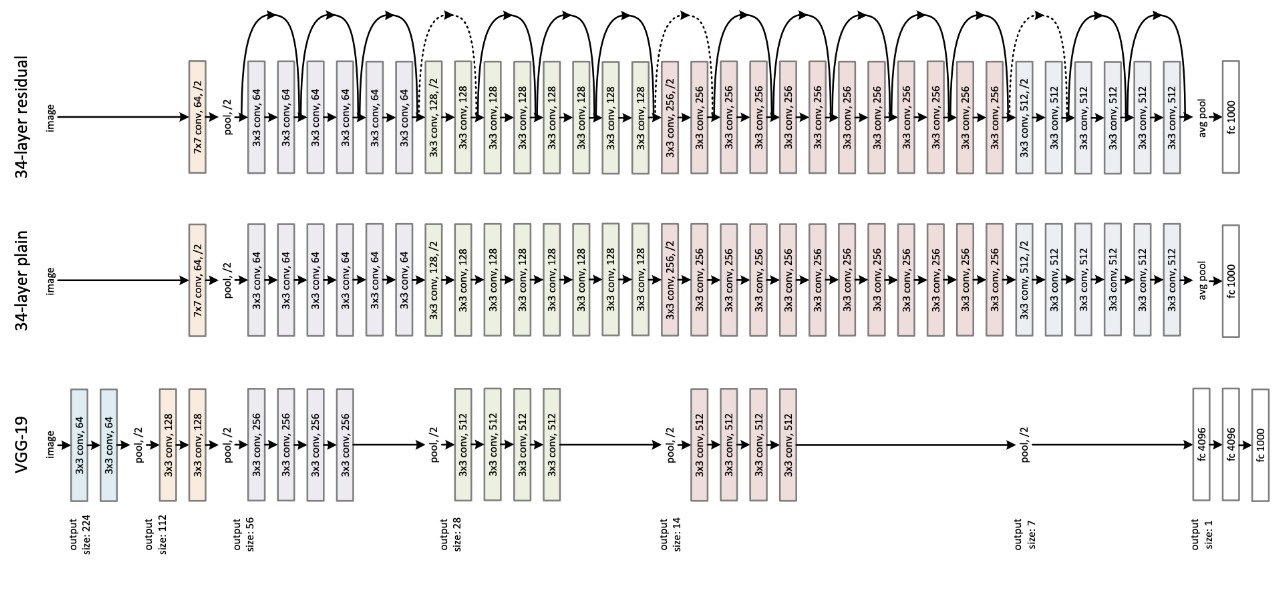
ResNet
-
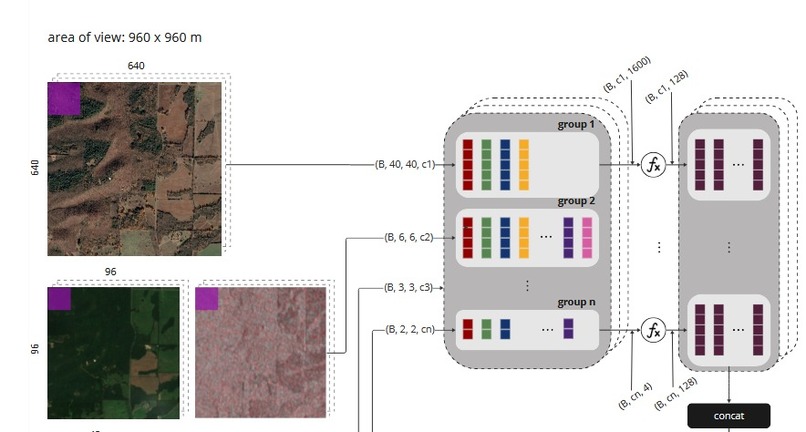
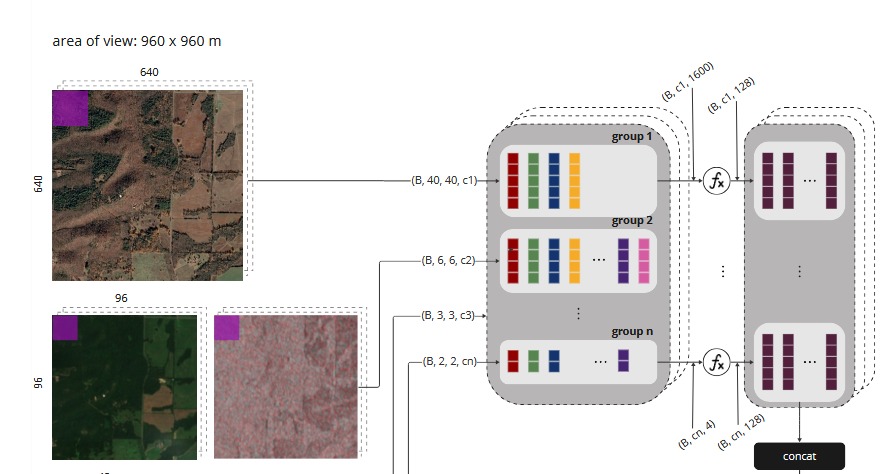
Proposed Feature Space Embedder
-
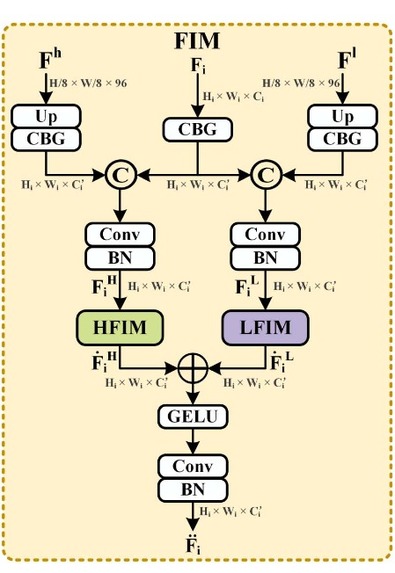
Proposed Frequency Model - I
Inspiration
Inspired by state-of-the-art research in remote sensing, we built CropEye: a fusion-based frequency injection model for fine-grained crop type classification.
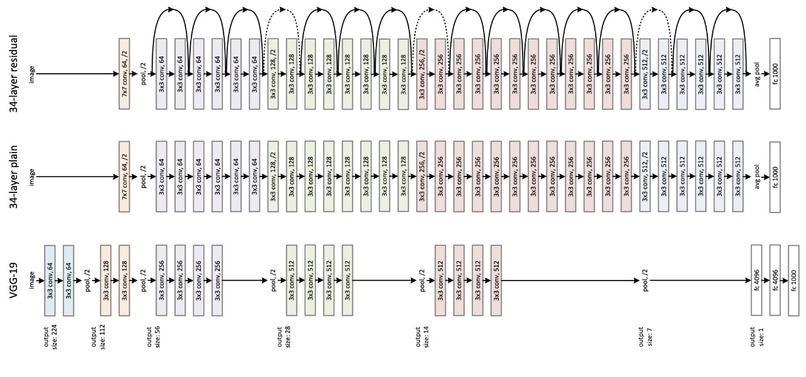
Unlike generic architectures, our ResUnet — augmented with ResNet-50 encoders pretrained on SAR-1 and SAR-2 imagery — is purpose-built to preserve both spectral and spatial information by combining SAR and multispectral data.
The design improves precision on heterogeneous Indian smallholder fields by modeling both:
- Coarse-scale characteristics: field shape, shadow
- Fine-grained traits: texture, reflectance
How we built it
- Started with a Modality Fusion Module to process each modality at native resolution (avoiding early information loss).
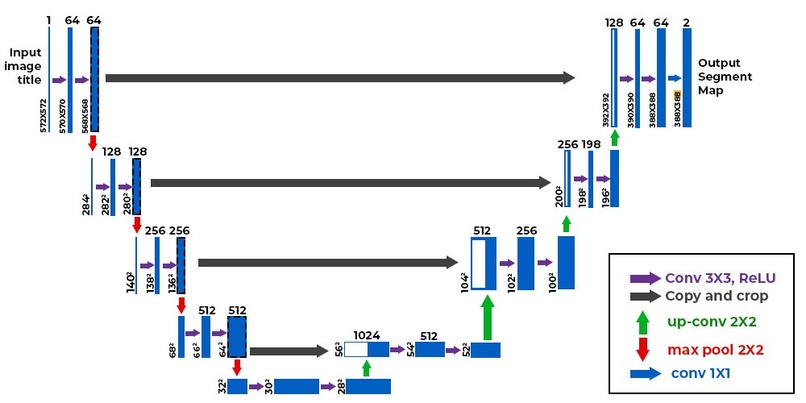
- Passed fused features into a U-Net pipeline with skip connections to preserve spatial detail.
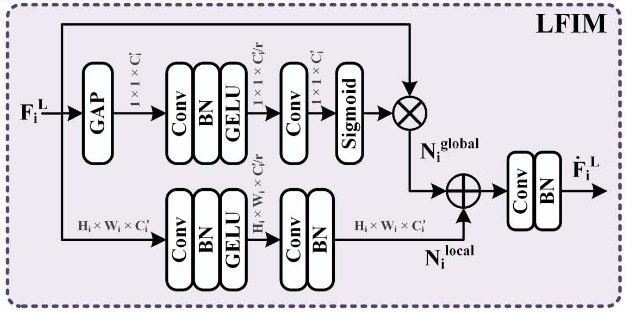
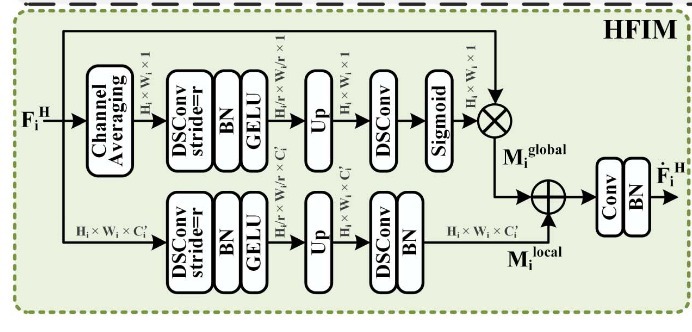
- Injected frequency-based features (cosine transformations) at multiple levels for sharper edge detection.
- Final decoder produced segmentation maps with softmax probabilities, balancing semantic context with high-frequency detail.
Challenges we ran into
- Designing a novel architecture instead of adapting Transformer models.
- Balancing frequency cues with spatial and spectral inputs.
- Lack of prior work on SAR-based fine-grained crop detection (needed cross-domain synthesis of remote sensing, frequency analysis, segmentation).
- Calibration for modalities with differing resolutions.
What we learned
- Domain-specific architectures > generic models.
- Frequency-domain features boost segmentation for small, irregular plots.
- Pretrained SAR encoders provide strong initialization.
- Agricultural AI must adapt to local field conditions to be impactful.
Future works
We plan to:
- Containerize CropEye with Docker for reproducibility.
- Deploy it as a web application with live inference (accuracy + speed).
This bridges our prototype toward a scalable, real-world agricultural monitoring solution.
Built With
- amazon-web-services
- docker
- ml
- python
- pytorch
- resnet
- torch
- tqdm
- vit
