-
-
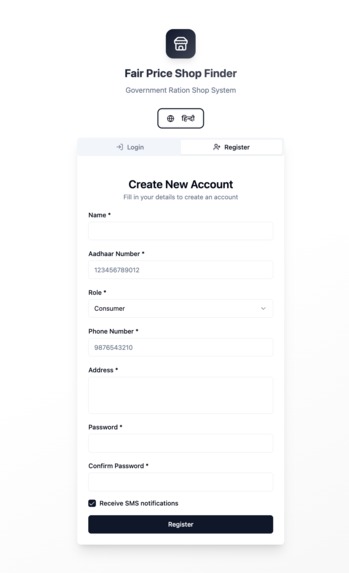
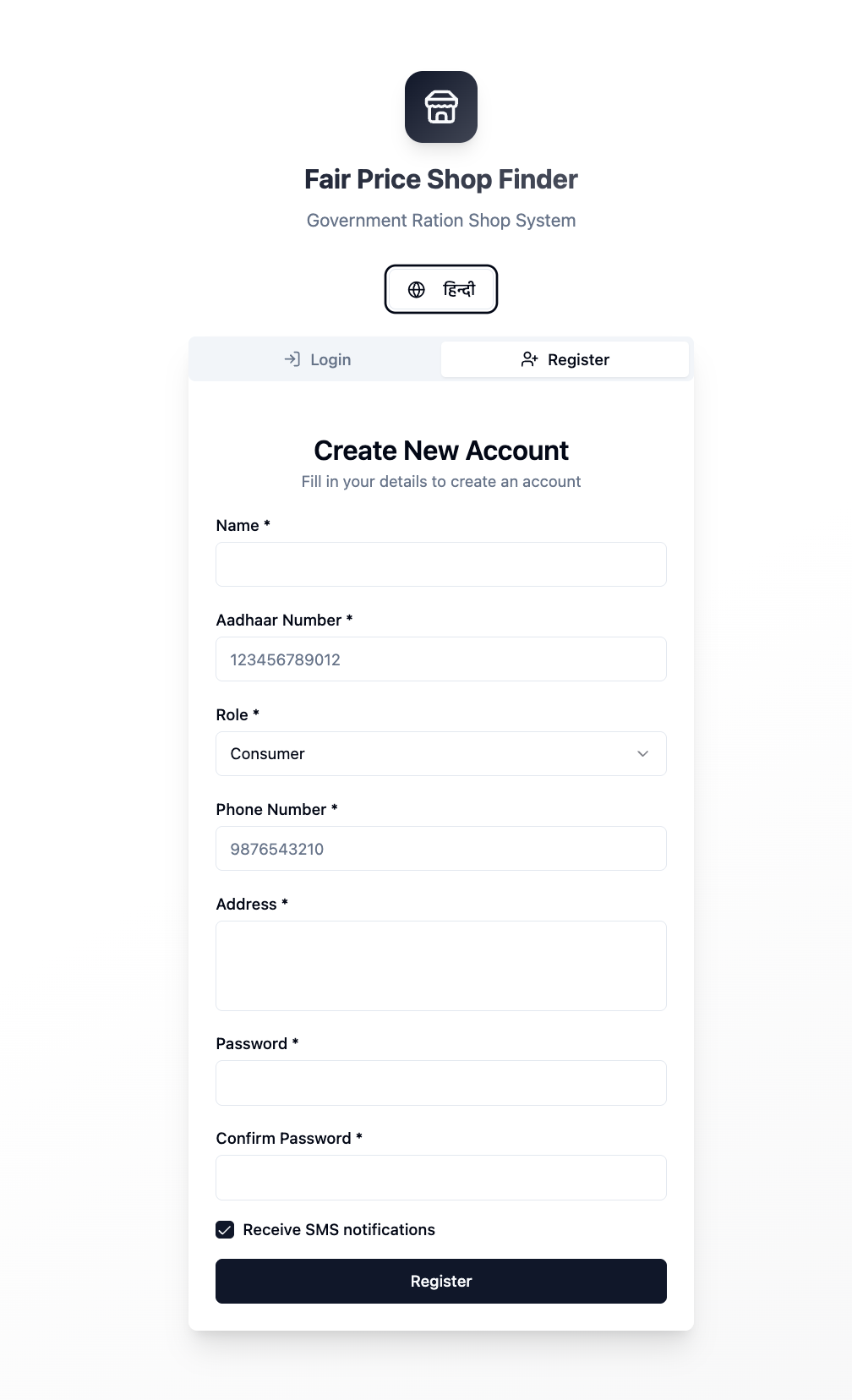
Registration Page (English Language)
-
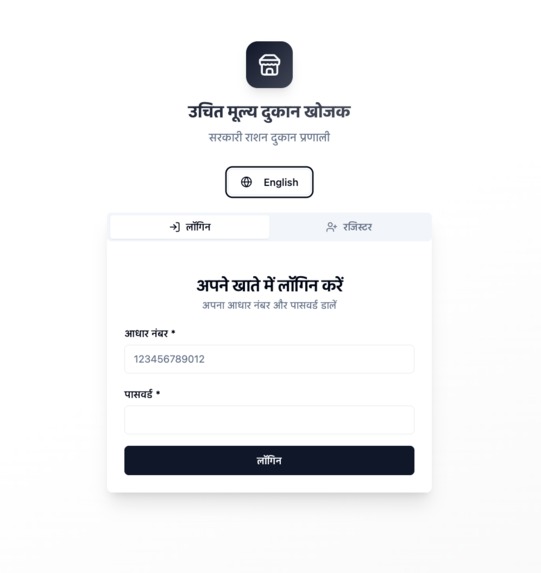
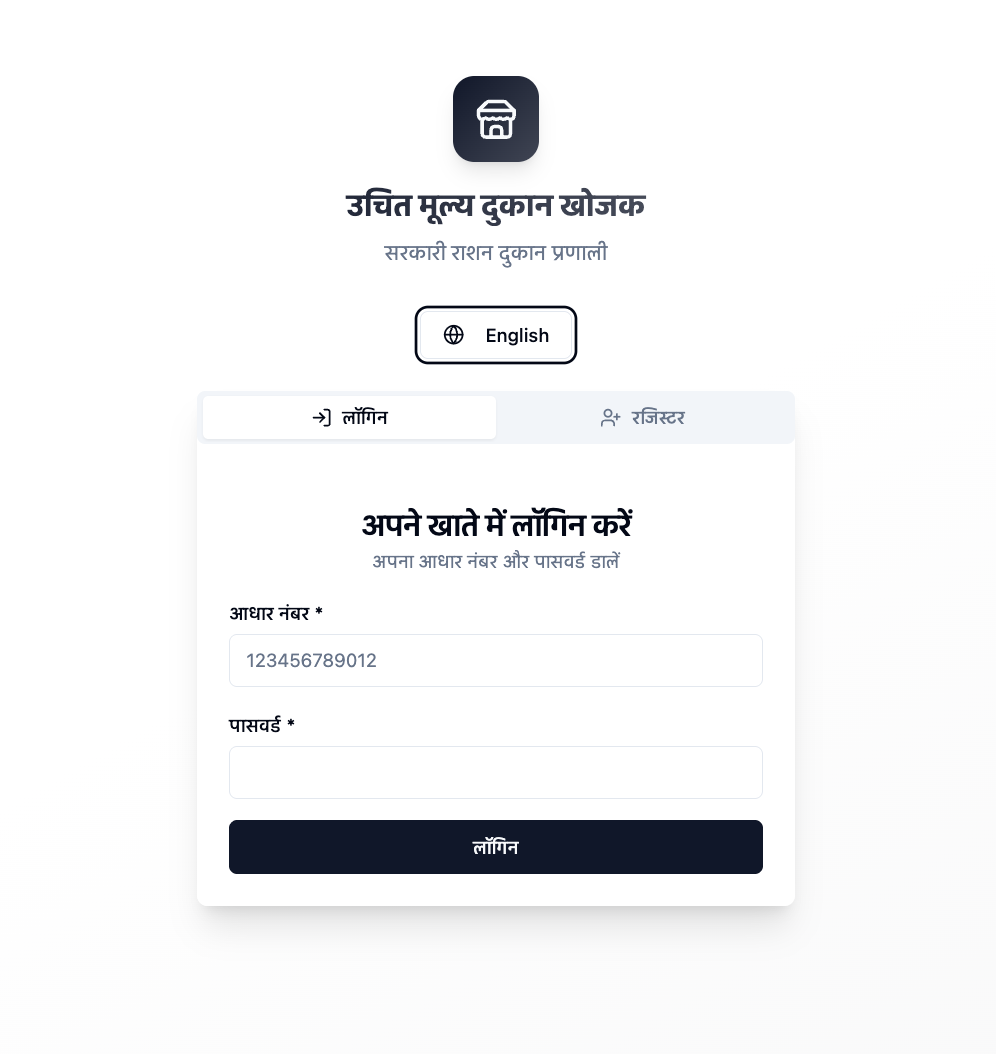
Login Page (Hindi Language)
-
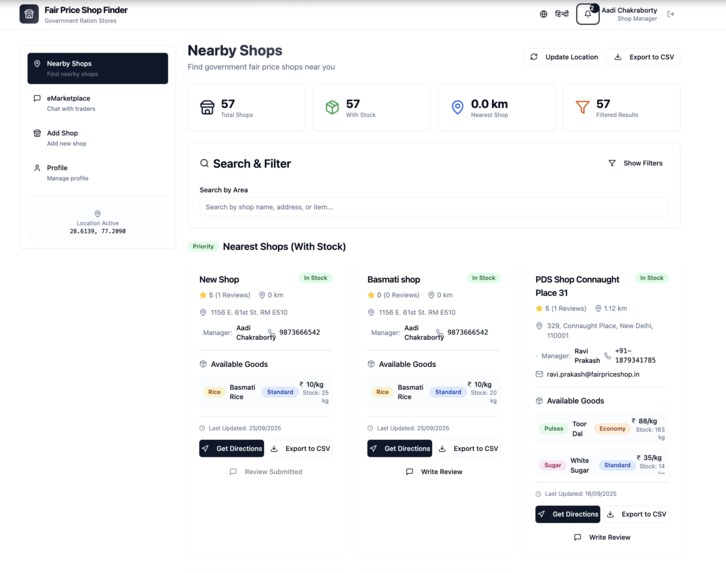
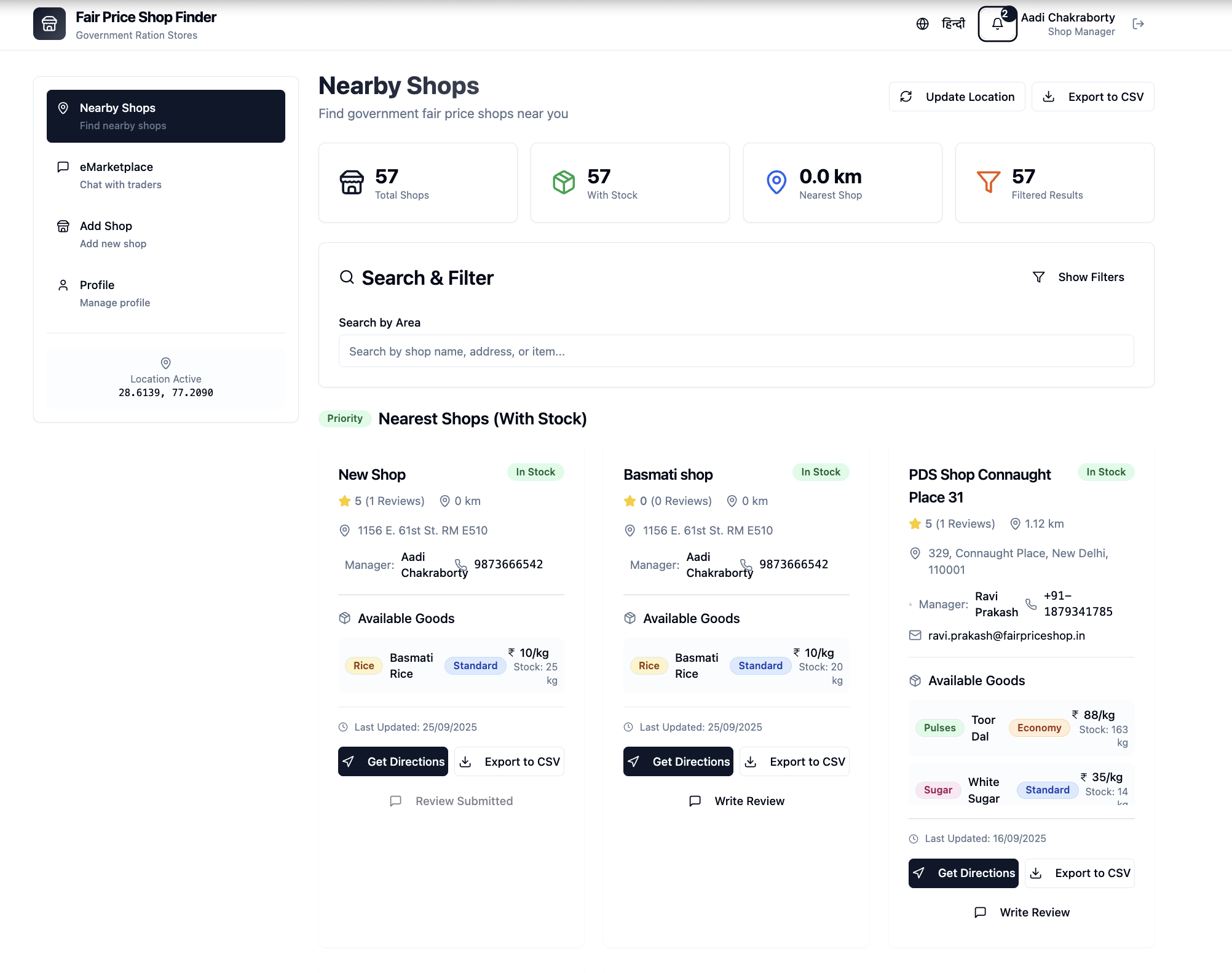
Nearby Shops Dashboard (Dynamic) (English Language)
-
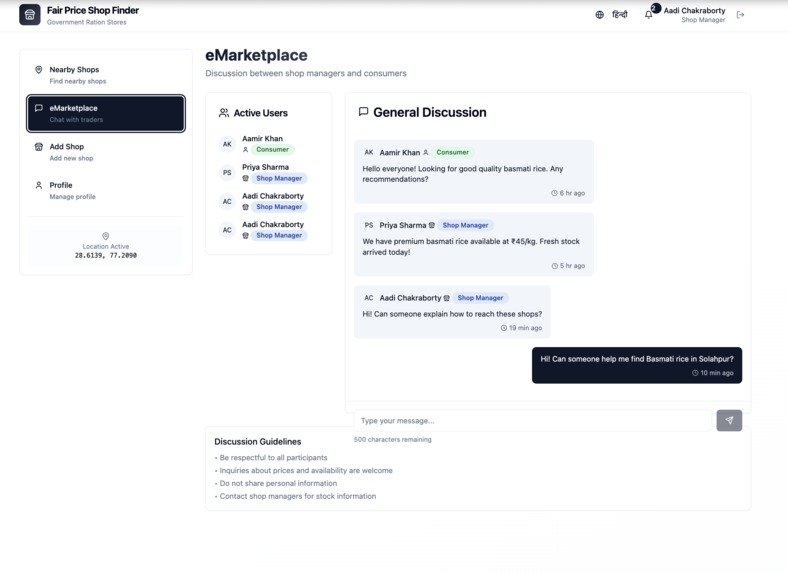
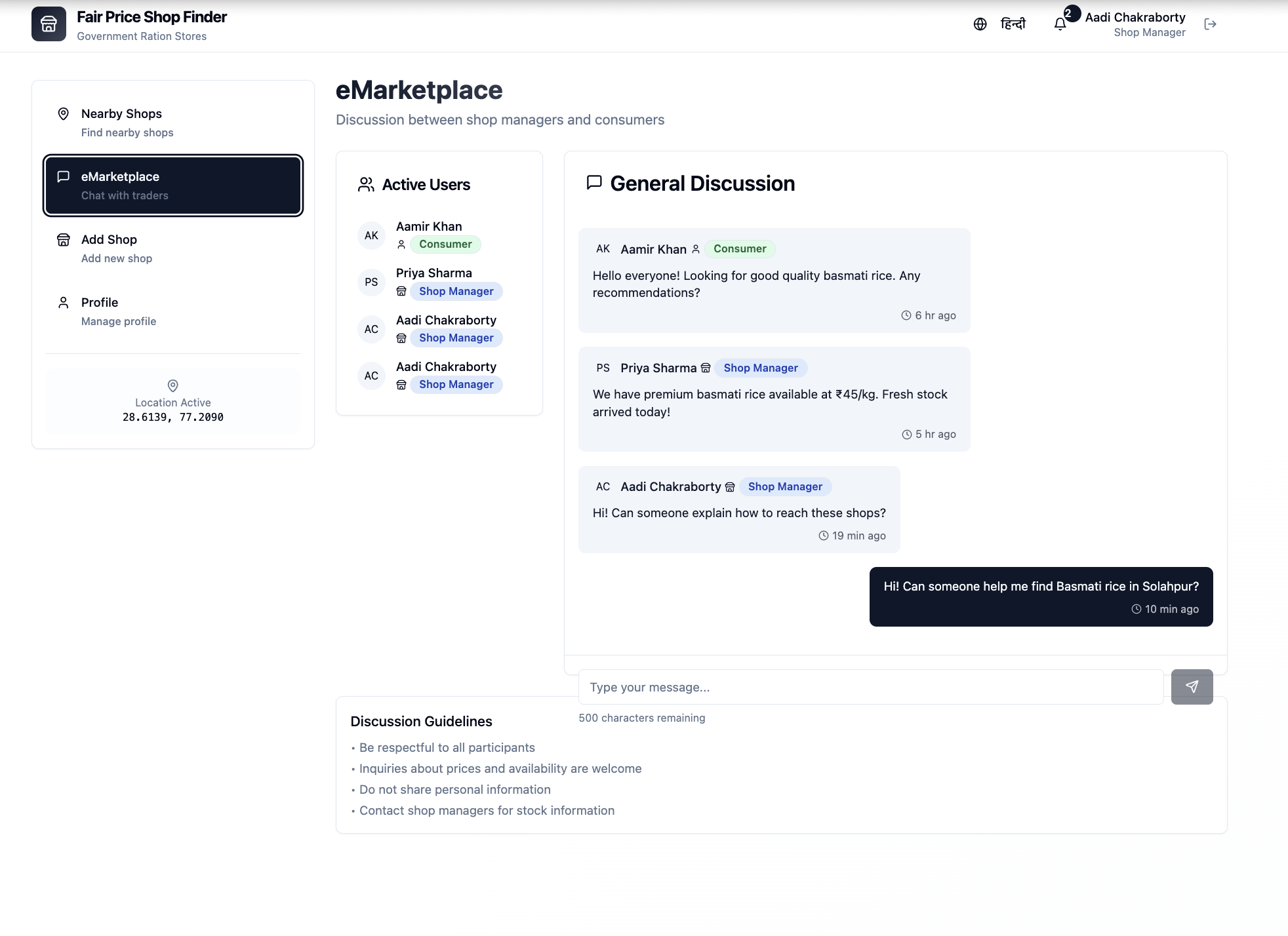
Real-time eMarketplace to connect consumers and producers (English Language)
-
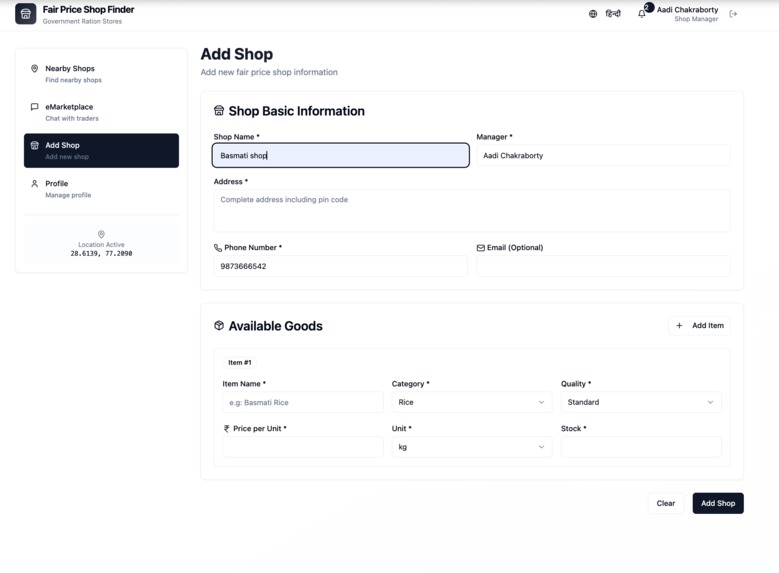
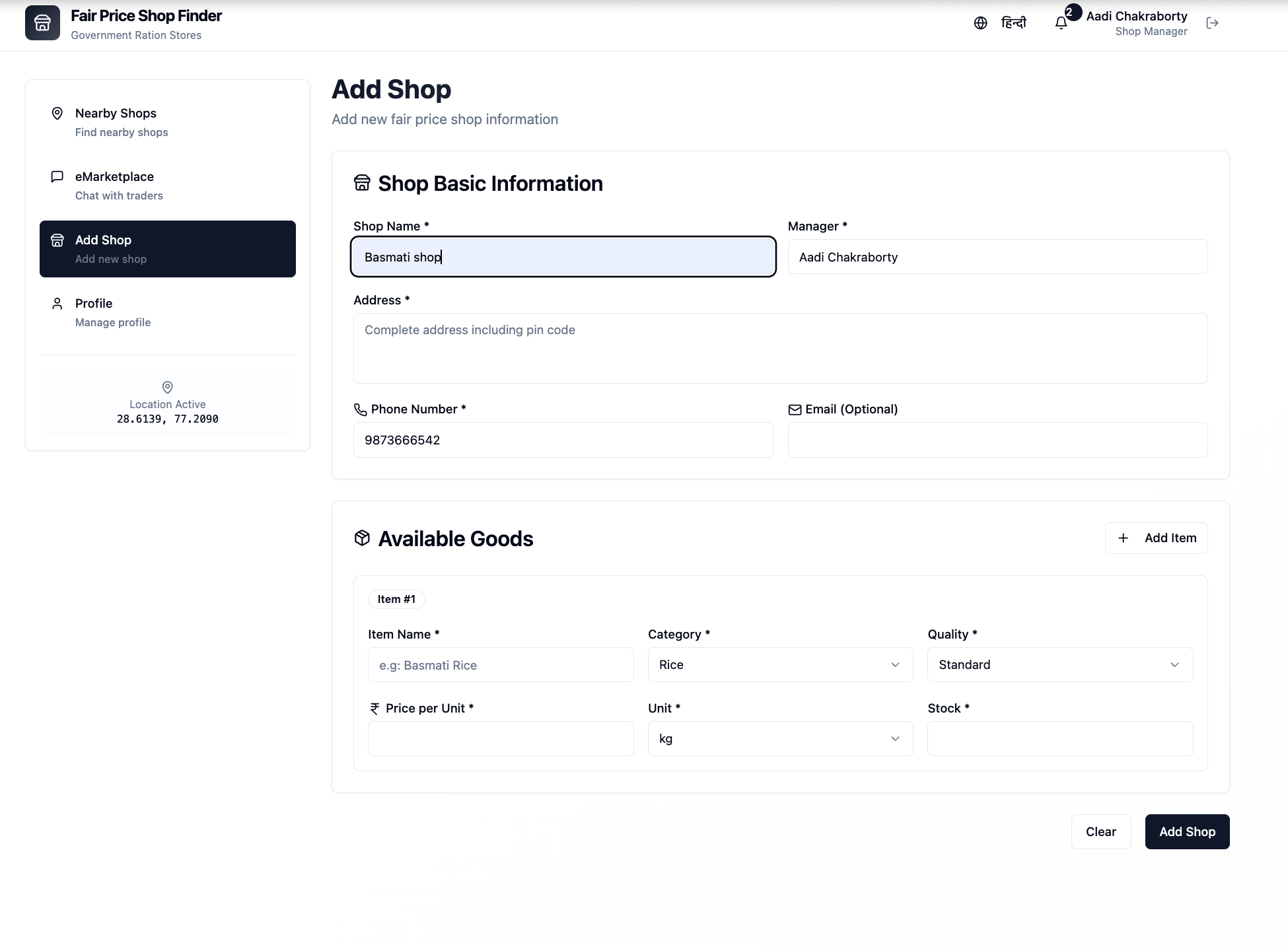
Adding new vendors/shops (for vendors and administrators) (English Language)
-
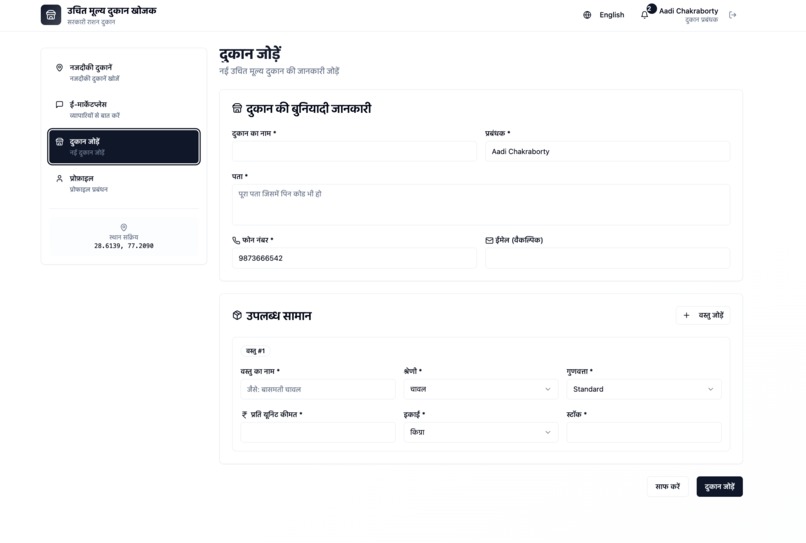
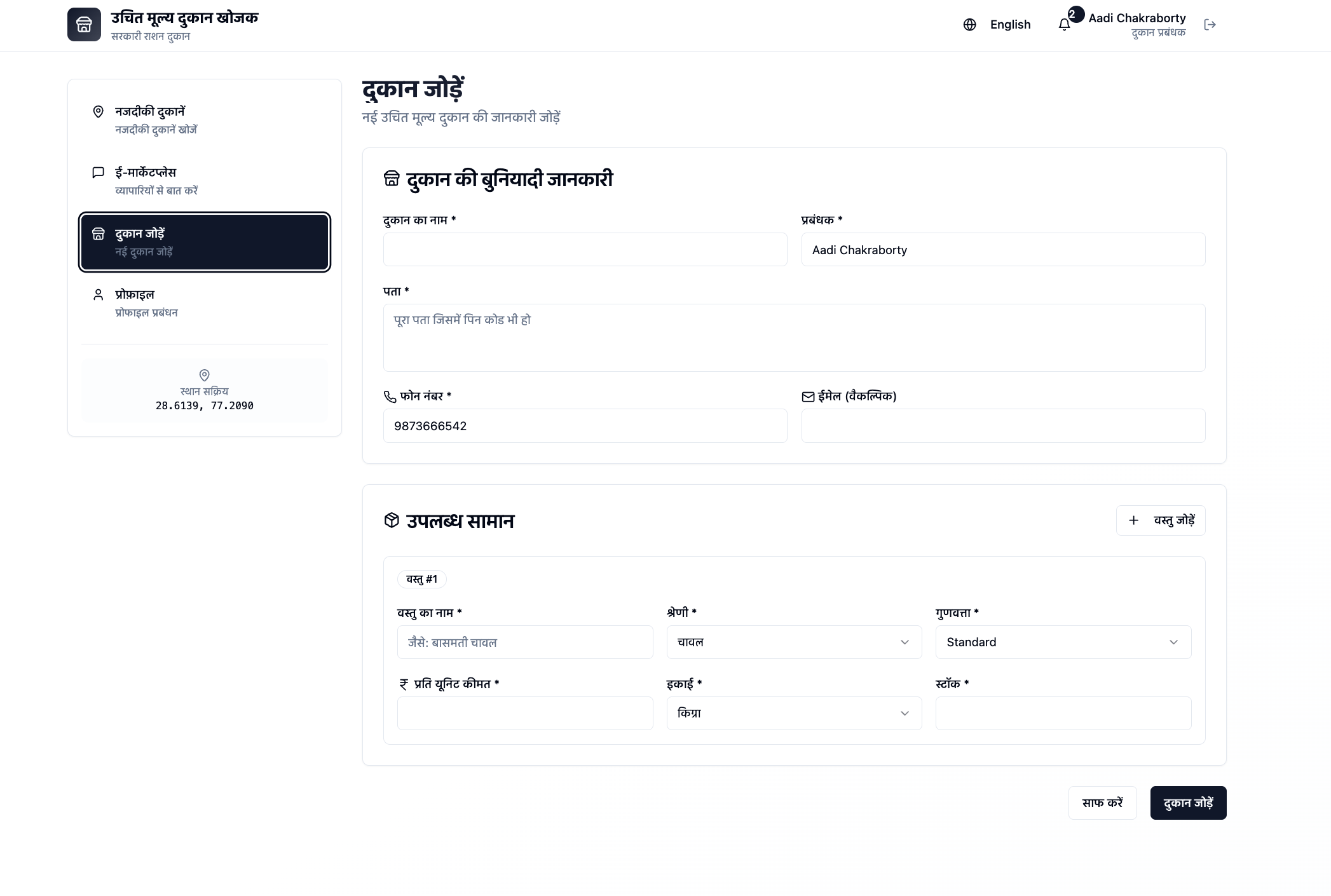
Adding new vendors/shops (for vendors and administrators) (Hindi Language)
-
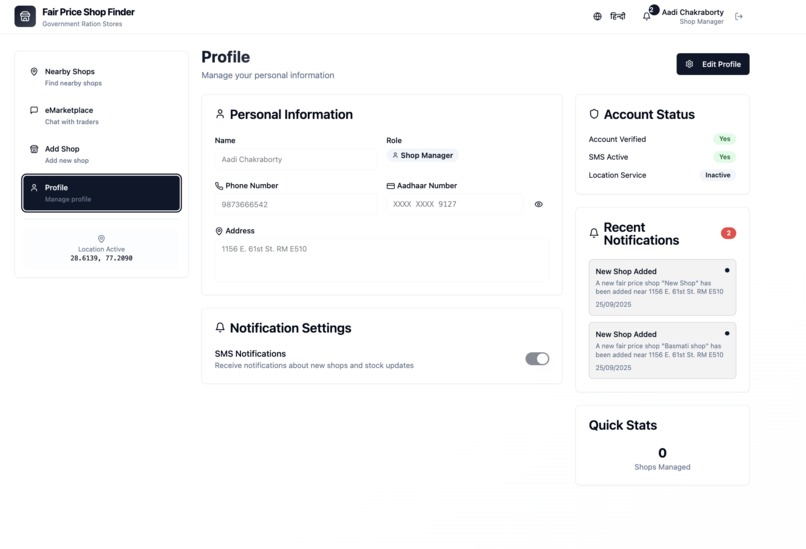
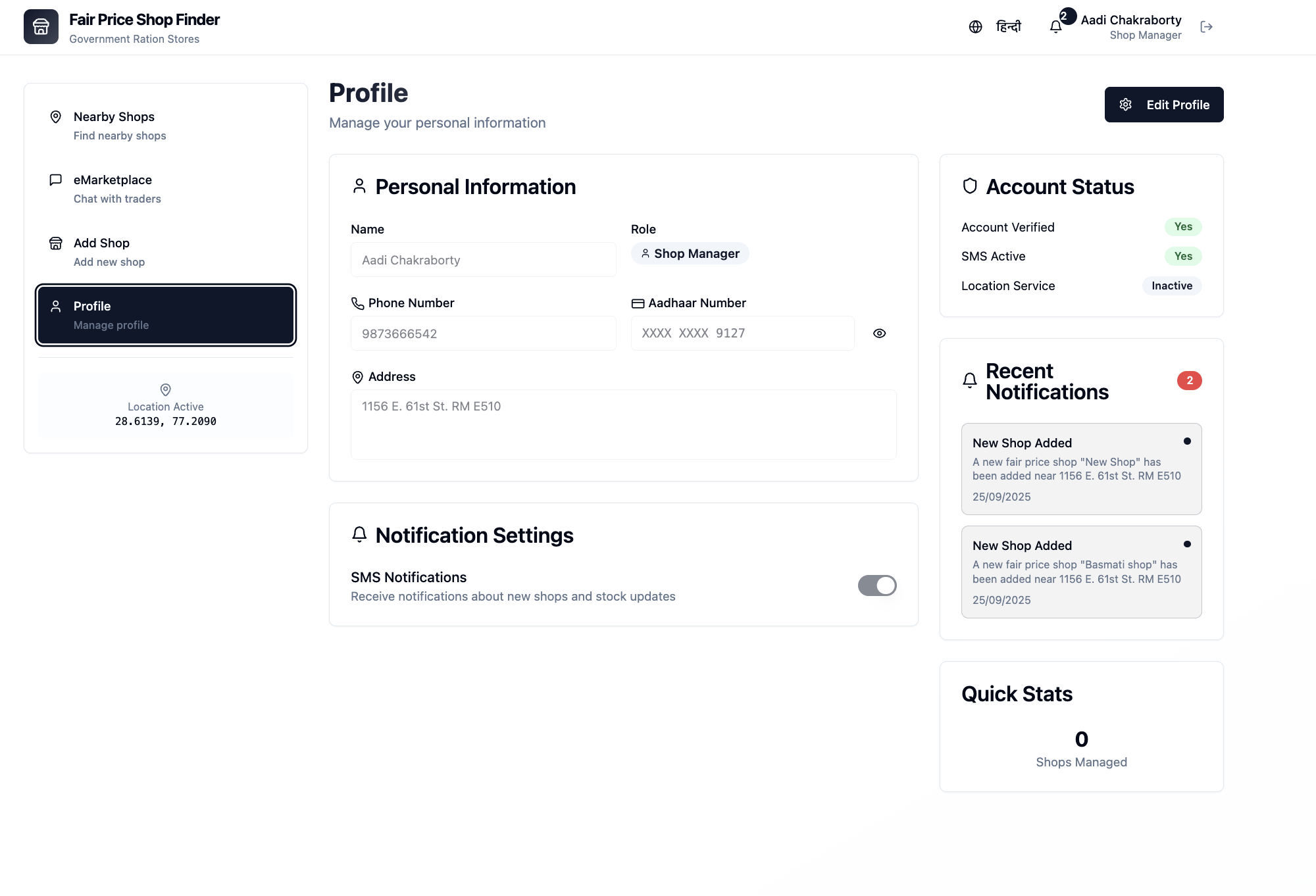
Profile Page (English Language)
Inspiration
We both study Economics and recently learned about the buffer stock scheme, a form of government intervention used to stabilize agricultural markets. This concept sparked our curiosity, so we researched further and discovered the real-world challenges with food security and the difficulties underprivileged communities face in accessing affordable essentials. While fair price shops already exist, we realized there is no centralized, transparent system to connect consumers, shopkeepers, volunteers, and administrators - especially for those in rural communities who do not know about these shops in the first place. That gap inspired us to use technology to build a solution that guarantees access, trust, and collaboration within these communities.
What it does
Our platform digitizes the buffer stock scheme and connects multiple stakeholders in real time. Consumers can find nearby shops with stock availability and they can also download CSV files of the shops. Moreover, if needed, chat with volunteers in the eMarketPlace who can help them collect supplies. Shopkeepers can intialise their stock, get verified, and respond to customer feedback. Administrators can monitor demand, track complaints, and analyze community trends to make data-driven decisions. To make the platform accessible for everyone, we built multi-language support, helping bridge barriers of geography, literacy regarding crop supplies, and knowledge of fair price shop locations.
How we built it
We designed the backend in TypeScript for scalability and efficient authentication, while the frontend is built with ReactJS, JavaScript, and TypeScript. We implemented a secure sign-up and login system using SHA256 hashing to comply with Indian data protection requirements, ensuring full encryption of personal details. Location services are powered by real-time geolocation and Google Maps API, which displays verified vendors nearby. Data is stored and managed using Supabase and a Postgres database, making the system reliable and responsive even under heavy use.
Challenges we ran into
Building the platform came with several challenges. Designing a filtering system that could handle multiple criteria such as distance, crop type, and shop ratings while keeping the app responsive was technically demanding. Ensuring privacy when connecting volunteers with consumers required careful safeguards, which we tackled through research regarding the effectiveness of various encryption algorithms, eventually landing on SHA256 as our choice. Real-time notifications and updates also added complexity to the backend. In the case of the consumer-side interface and design, building a multi-lingual interface created logistical challenges, since we had to ensure all translations generated by our auto-mapping were accurate throughout the website.
Accomplishments that we're proud of
Despite the challenges, we are proud of what we accomplished. The platform now provides a functional shop discovery and reservation system with features like stock management, reviews and rating, and a functional, chat-based eMarketplace. Adding multilingual support and shop verification badges gave the platform more inclusivity and trustworthiness. We also developed an analytics dashboard that allows administrators to monitor shortages and identify community needs in real time, which was a big milestone for us. Therefore, we were able to successfully integrate multiple stakeholders such as consumers, shopkeepers, and administrators into a single transparent ecosystem.
What we learned
We learned a wide range of technical and real-world concepts while working on this project. On the technical side, we gained hands-on experience with TypeScript through our backend, ReactJS for building a responsive and user-friendly GUI, and Postgres with Supabase for efficient database handling and authentication. We implemented SHA256 encryption for secure user authentication and profile management, as well as a multi-lingual interface for accessibility in both English and Hindi. We also explored real-time geolocation to connect users with nearby shops and added redirections to Google Maps for navigation. Additionally, we learned how to locally host a website on our computer for development and testing. Beyond the technical aspects, we researched and understood the real-life issues with the buffer stock scheme, which deepened our perspective on food security and inspired the problem we aimed to solve. Altogether, this project not only improved our technical skills but also gave us valuable insights into applying technology to tackle real-world challenges.
What's next for Crop-Connect
Looking ahead, we plan to expand the platform by integrating it with government ration card systems for broader coverage. We want to incorporate AI-based demand forecasting to help shops manage stocks and orders more efficiently, and we also aim to partner with NGOs and cooperatives to scale the social impact further. In the future, we are aiming to expand to more regions by supporting additional languages and collaborating with more shops nationwide and worldwide, adapting our platform to fit the needs of other regions facing similar social and infrastructural challenges. We’re also exploring gamification and sustainability features to reward eco-friendly practices and volunteer contributions by producers on our platform. Finally, we envision deploying the solution as a mobile app with offline-friendly features and push notifications, making it even more accessible for communities everywhere, especially those without internet access.
Technical discussion video for our platform
Built With
- google-maps
- html5
- javascript
- lucide-react
- postgresql
- react
- react.fc
- supabase
- tailwind-css
- tsx
- typescript
- vite

Log in or sign up for Devpost to join the conversation.