
Inspiration
Genome editing is transforming medicine, agriculture, and biotechnology, yet most people only encounter CRISPR through static diagrams or complex research papers. We wanted to make this revolutionary technology intuitive, interactive, and visually engaging by creating an immersive 3D laboratory where anyone can explore DNA editing, molecular interactions, AI-assisted analysis, and computational drug discovery in real time. Our goal was to bridge the gap between education and research while showcasing how modern web technologies can make advanced science accessible.
What it does
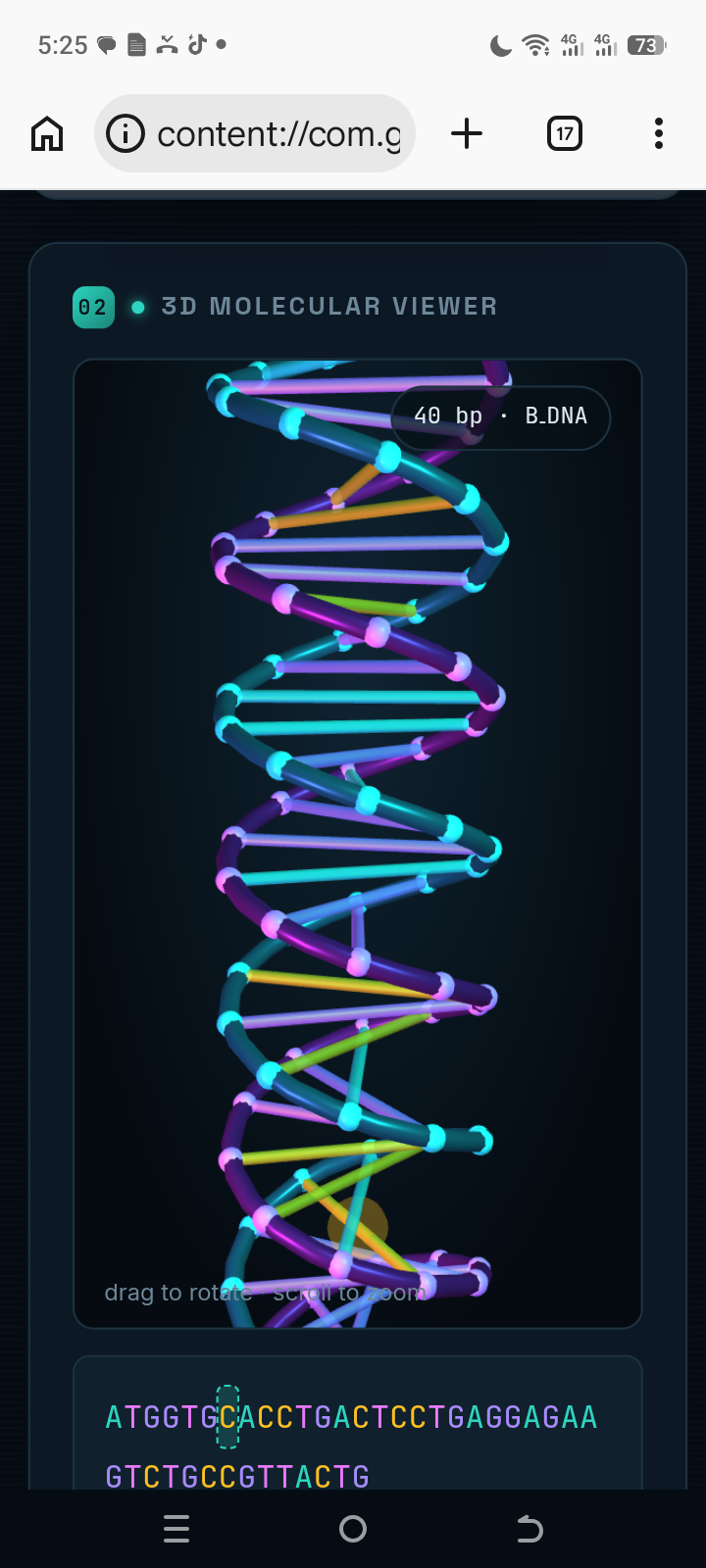
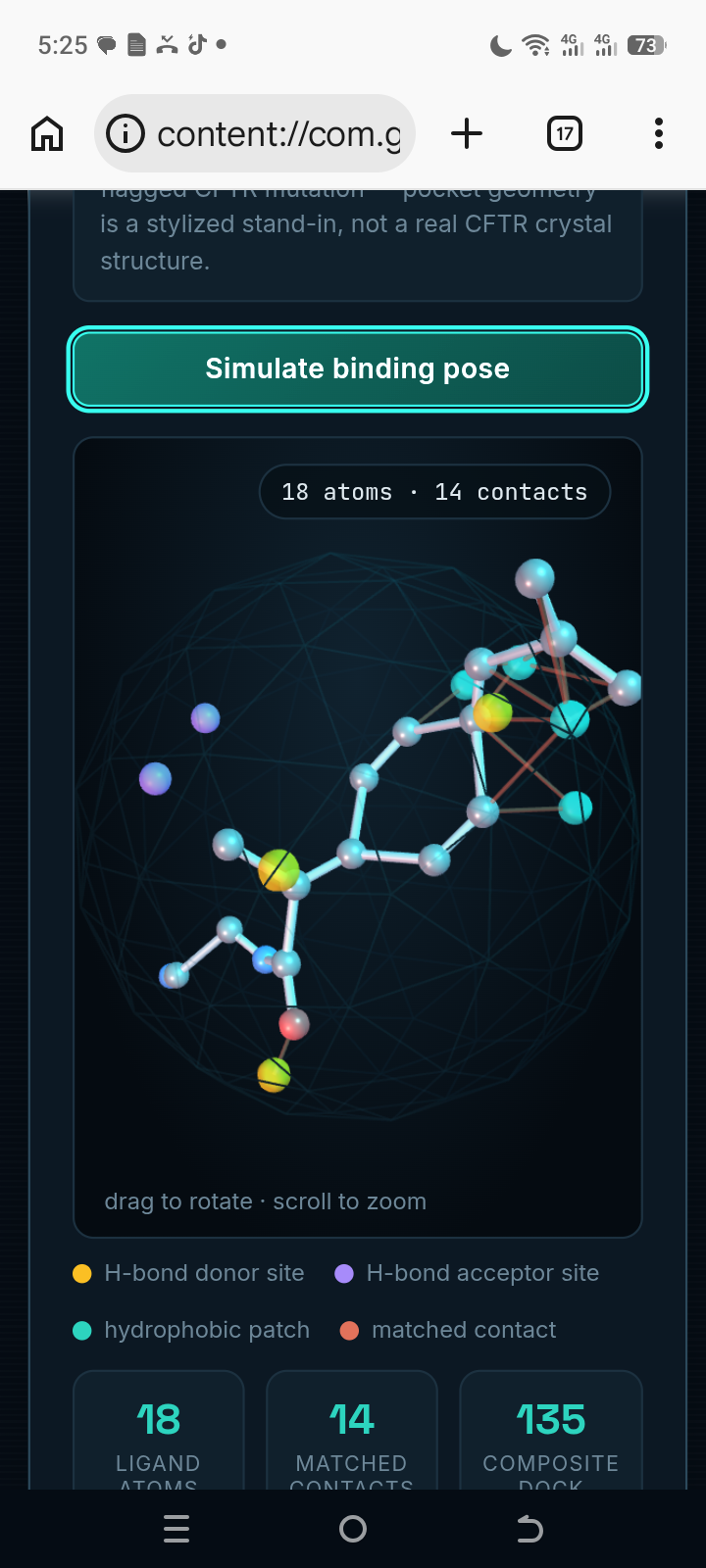
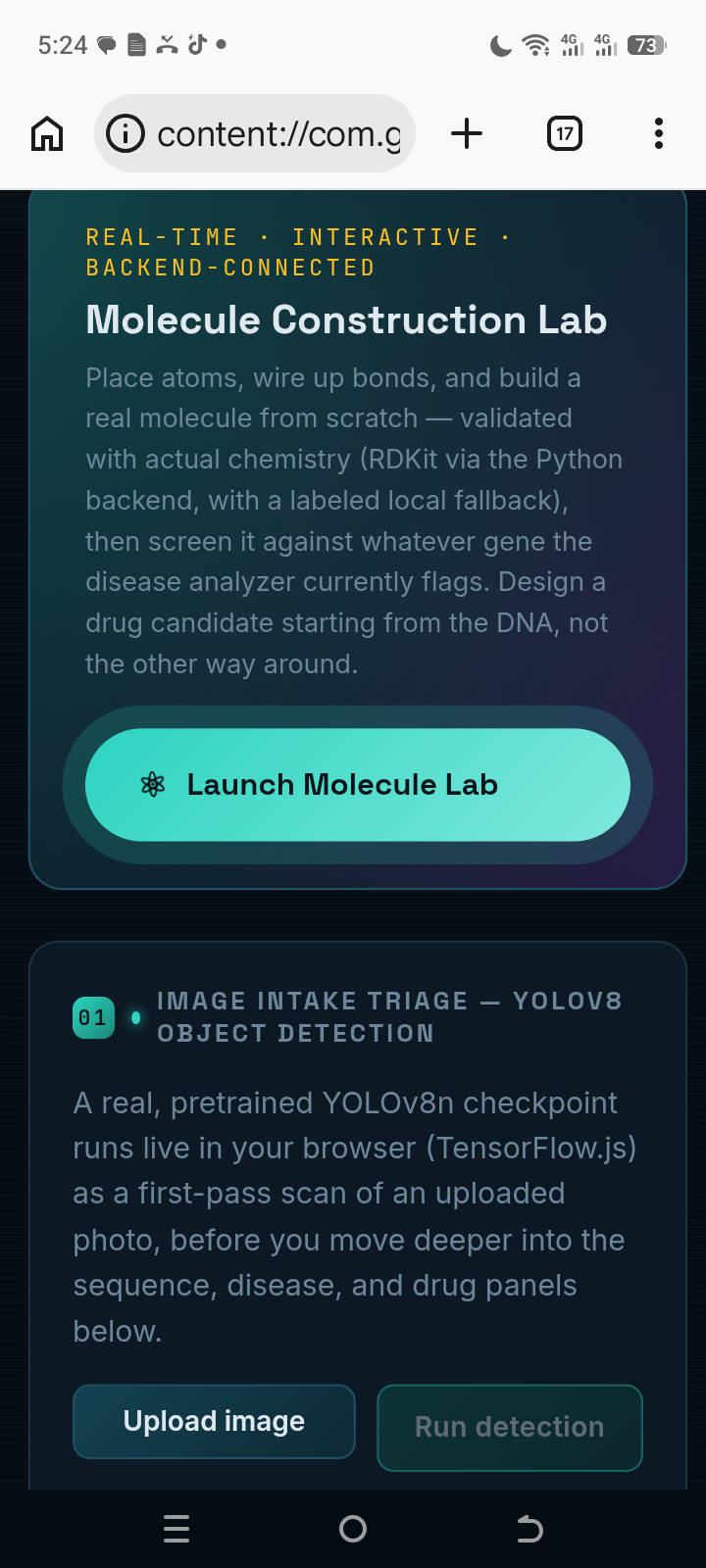
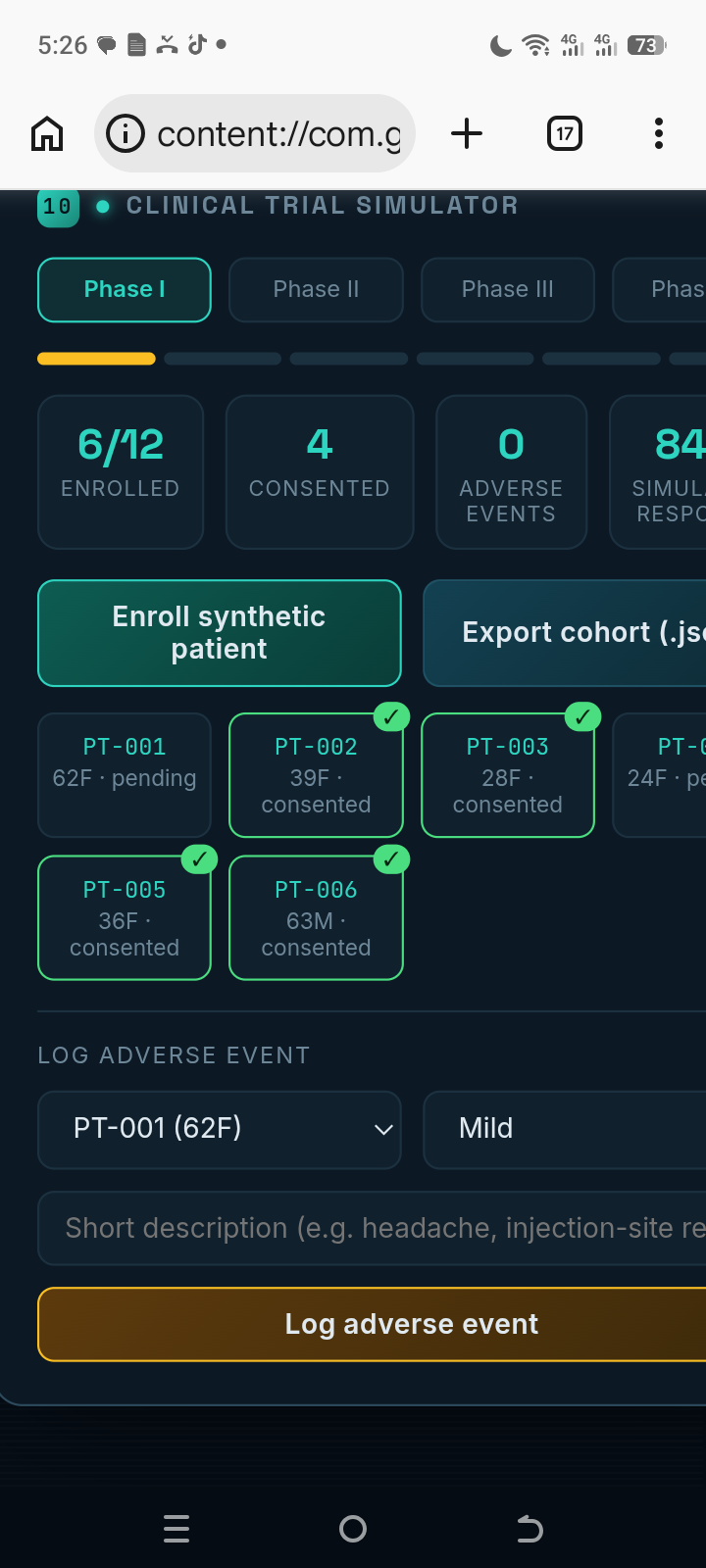
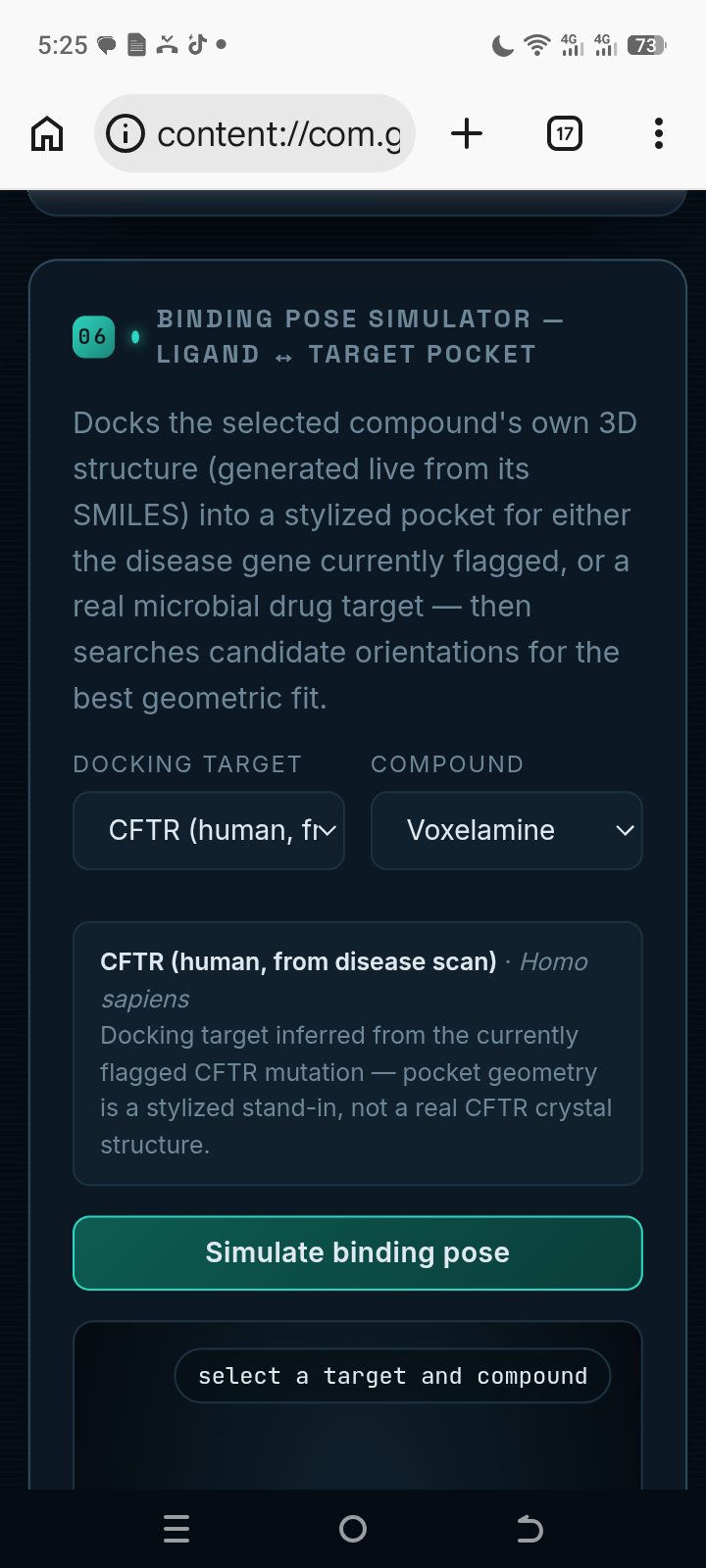
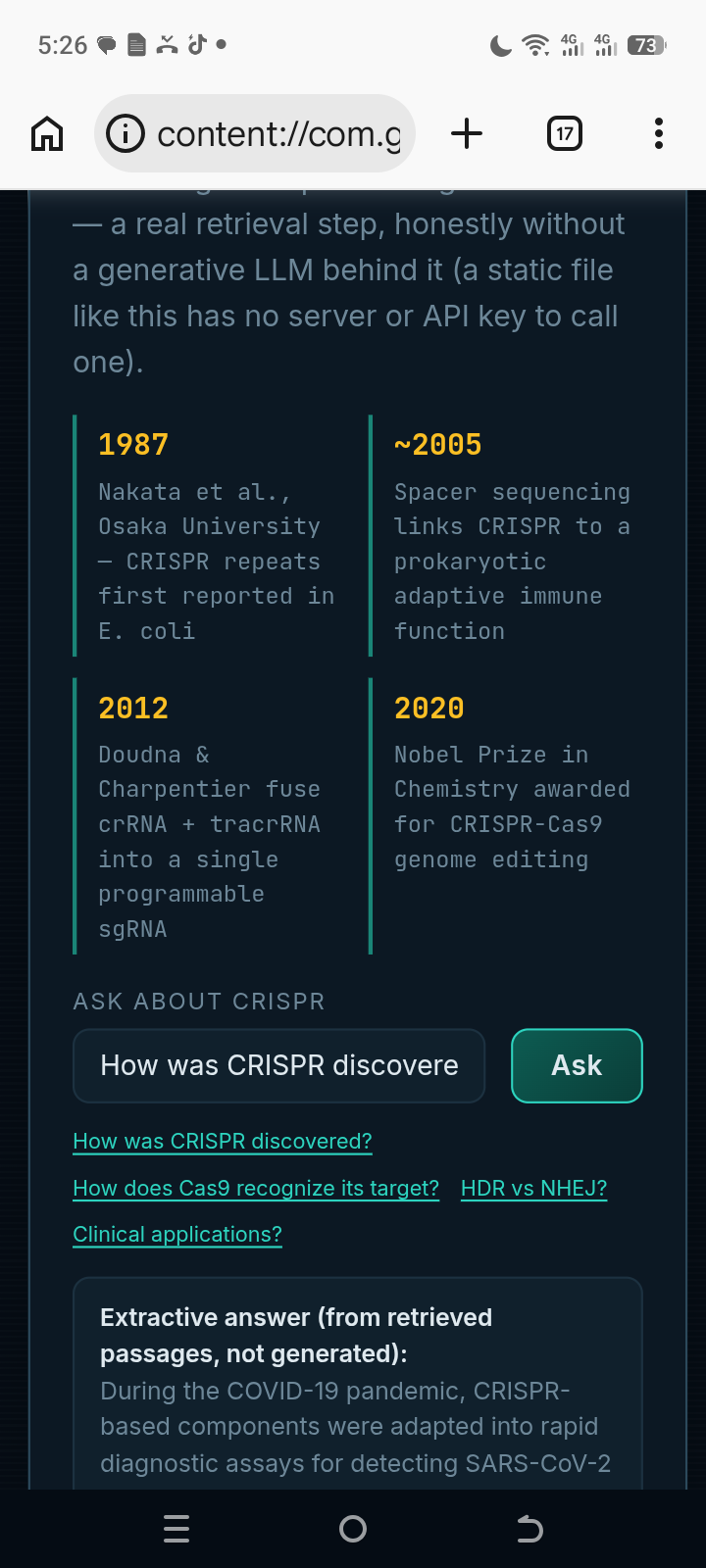
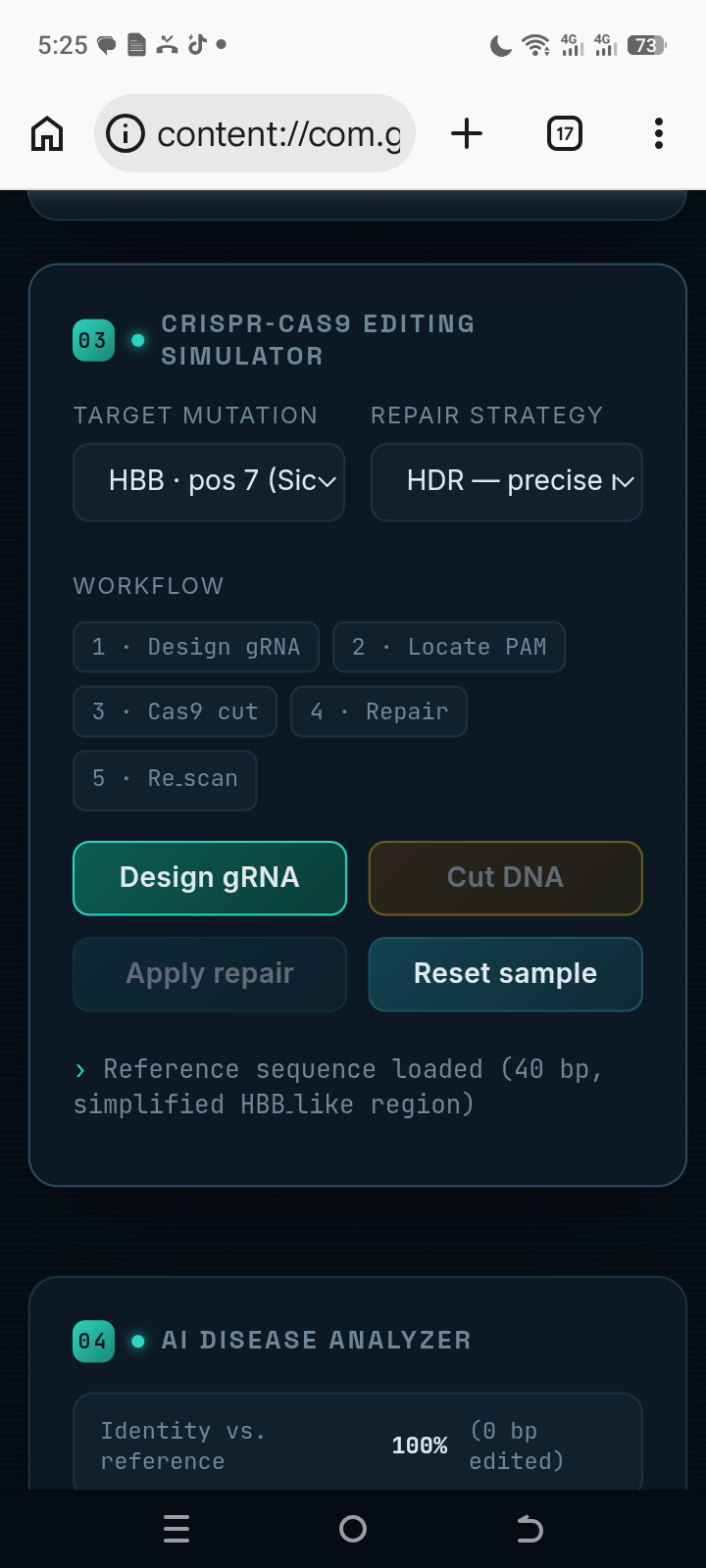
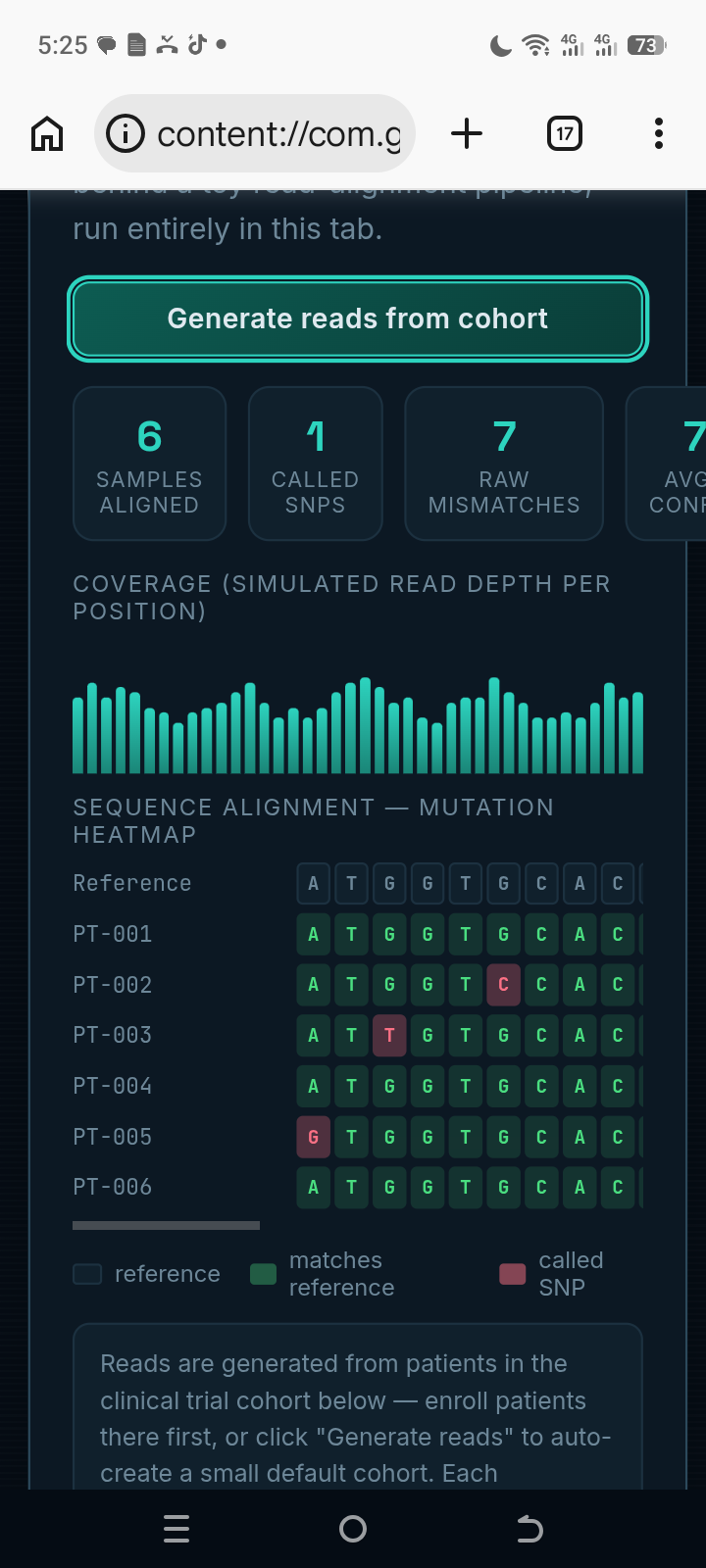
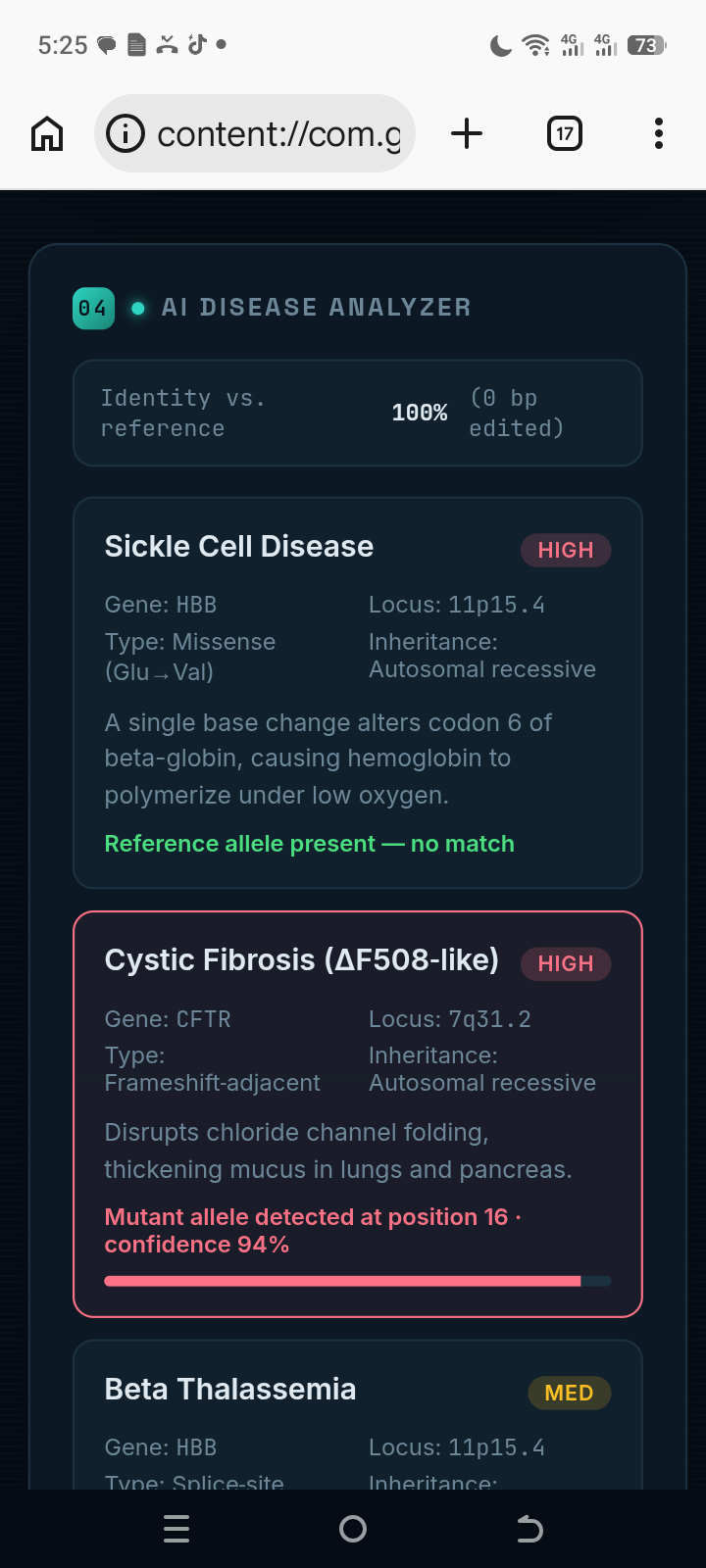
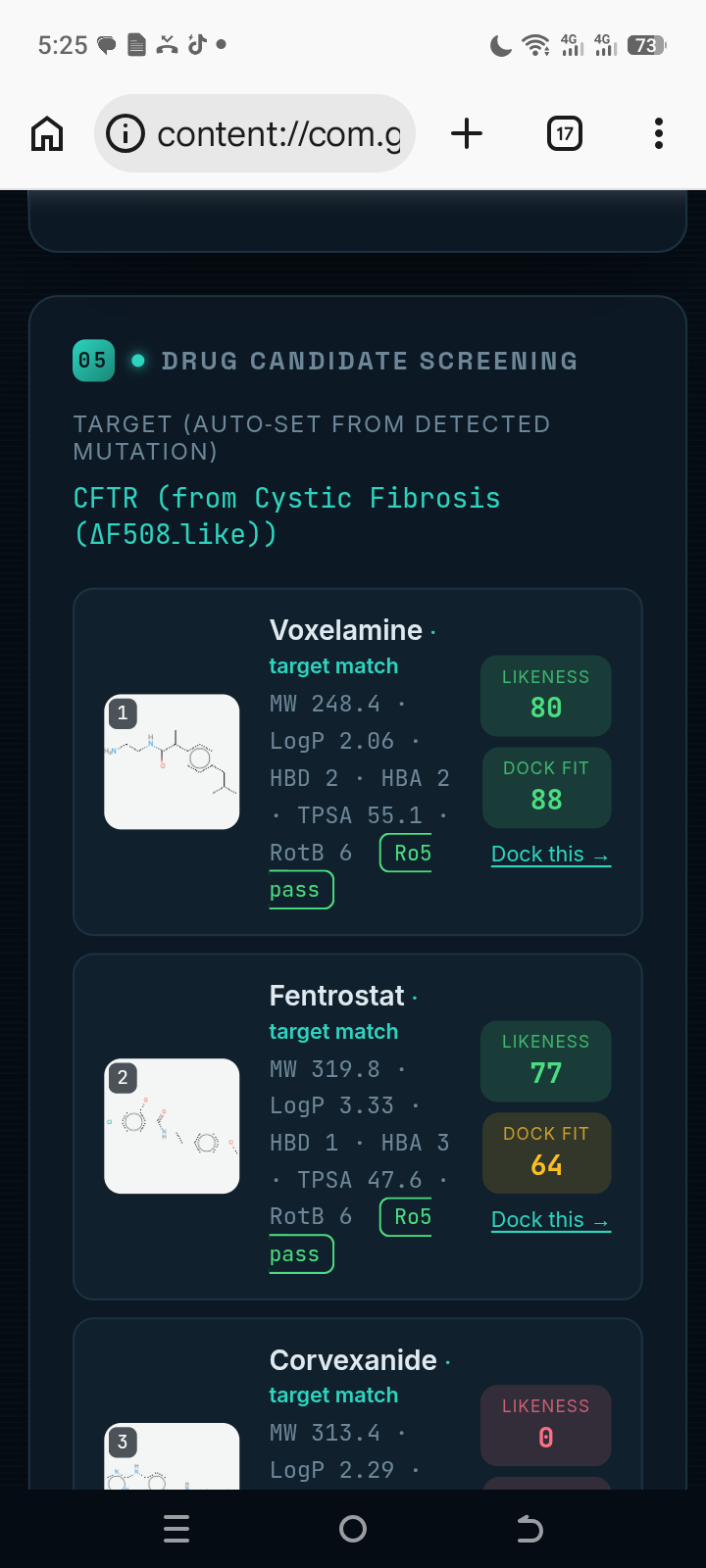
CRISPR-X – AI-Powered Genome Engineering Lab is a browser-based interactive platform that simulates the complete genome engineering workflow. Users can visualize DNA in 3D, explore CRISPR-Cas9 editing, inspect molecular structures, analyze diseases, experiment with drug candidates, interact with an AI-powered scientific assistant, verify experiment integrity using cryptographic hashing, and explore computational biology through an immersive, educational experience—all without installing specialized software.
How we built it
We built CRISPR-X as a fully browser-based application using modern web technologies. Three.js and WebGL power the real-time 3D molecular visualizations and animations, while JavaScript, HTML5, and CSS3 provide the interactive user interface. RDKit and SmilesDrawer enable molecular parsing and visualization, AI models provide scientific explanations and image analysis, and SHA-256 ensures experiment integrity through verifiable audit records. Every visualization and workflow was designed to feel like operating inside a futuristic genome engineering laboratory while remaining educational and accessible.
Challenges we ran into
One of our biggest challenges was balancing scientific accuracy with an engaging user experience. Representing complex biological processes in an intuitive 3D environment required careful visualization design. Optimizing real-time rendering for smooth browser performance, integrating molecular visualization with AI-assisted explanations, and presenting advanced genomic concepts without overwhelming users demanded continuous refinement. Ensuring the platform remained responsive while supporting rich interactive animations was another significant challenge.
Accomplishments that we're proud of
We're proud of creating a complete browser-based genome engineering experience that combines interactive 3D visualization, AI-assisted learning, molecular exploration, computational drug discovery concepts, and immersive educational storytelling into a single platform. Rather than relying on static demonstrations, CRISPR-X allows users to actively explore and understand complex biological systems through an engaging and visually compelling experience.
What we learned
Building CRISPR-X reinforced the importance of combining scientific accuracy with thoughtful user experience design. We learned how immersive 3D visualization can dramatically improve understanding of complex biological concepts, how AI can make scientific knowledge more accessible, and how browser technologies have matured enough to deliver sophisticated educational experiences without requiring specialized software installations.
What's next for CRISPR-X – AI-Powered Genome Engineering Lab
Our roadmap includes expanding realistic molecular simulations, introducing collaborative cloud-based laboratories, enhancing AI-assisted genome editing guidance, supporting editable molecular workspaces with persistent projects, improving AI-powered biological image interpretation, integrating additional structural biology datasets, and delivering even more immersive WebGPU-powered visualizations. Our long-term vision is to evolve CRISPR-X into a comprehensive interactive platform for genome engineering education, research, and scientific innovation.


Log in or sign up for Devpost to join the conversation.