-
-
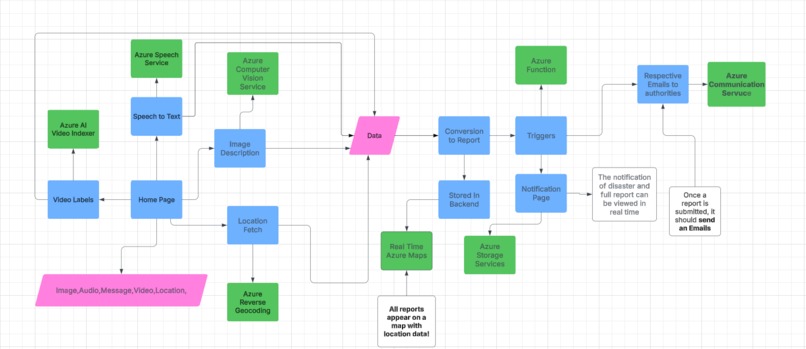
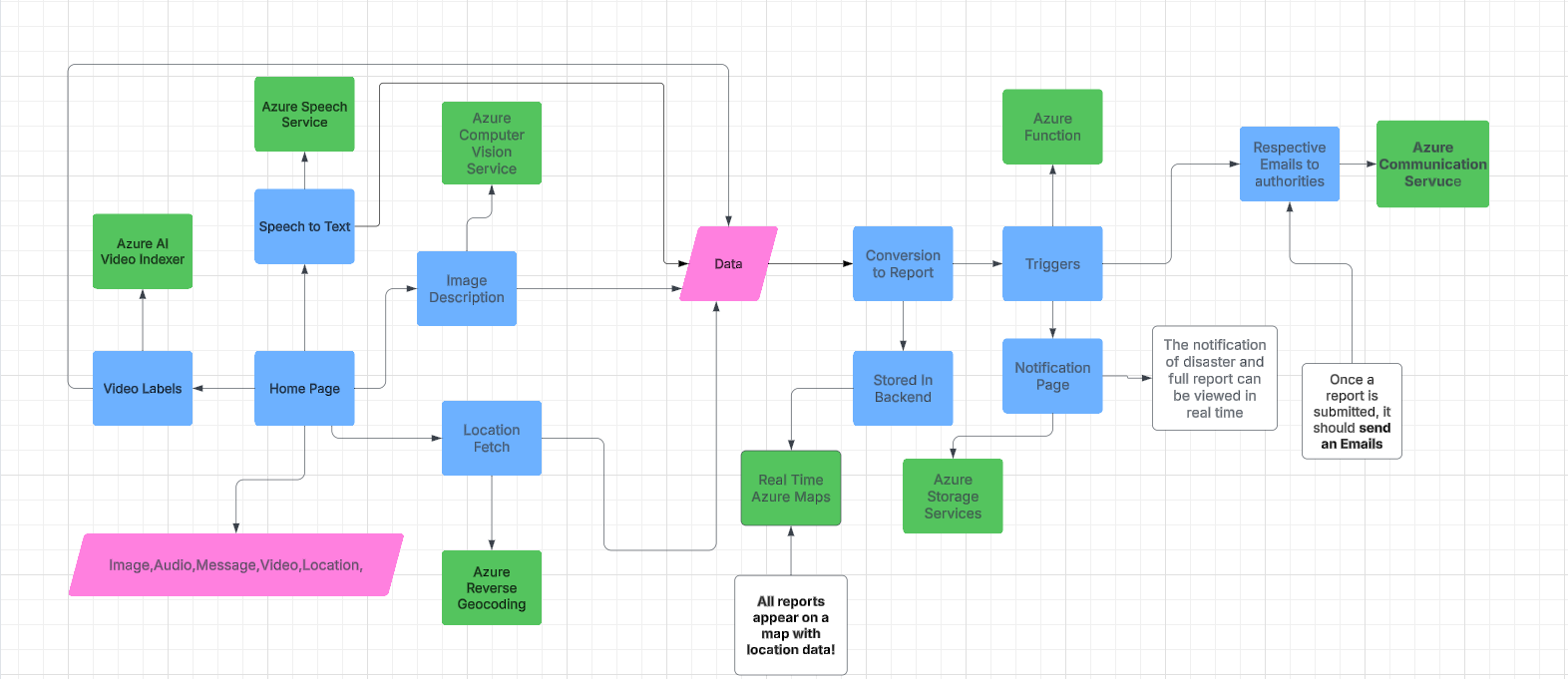
This is the system Design of our website where green color boxes shows the azure services used
-
Logo of our app
-
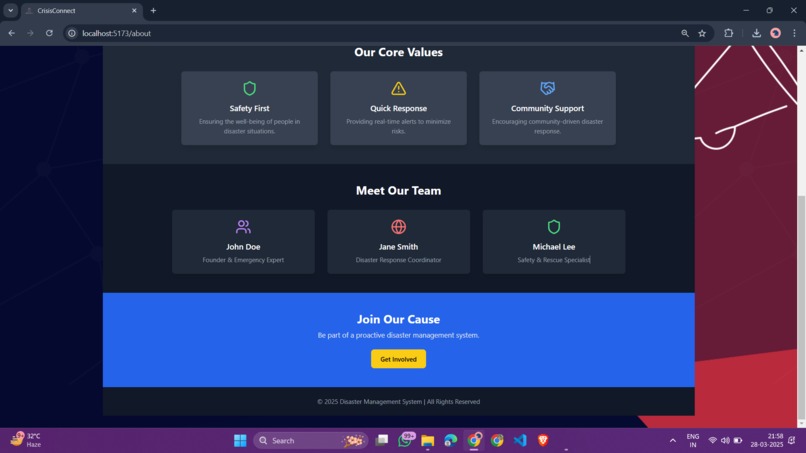
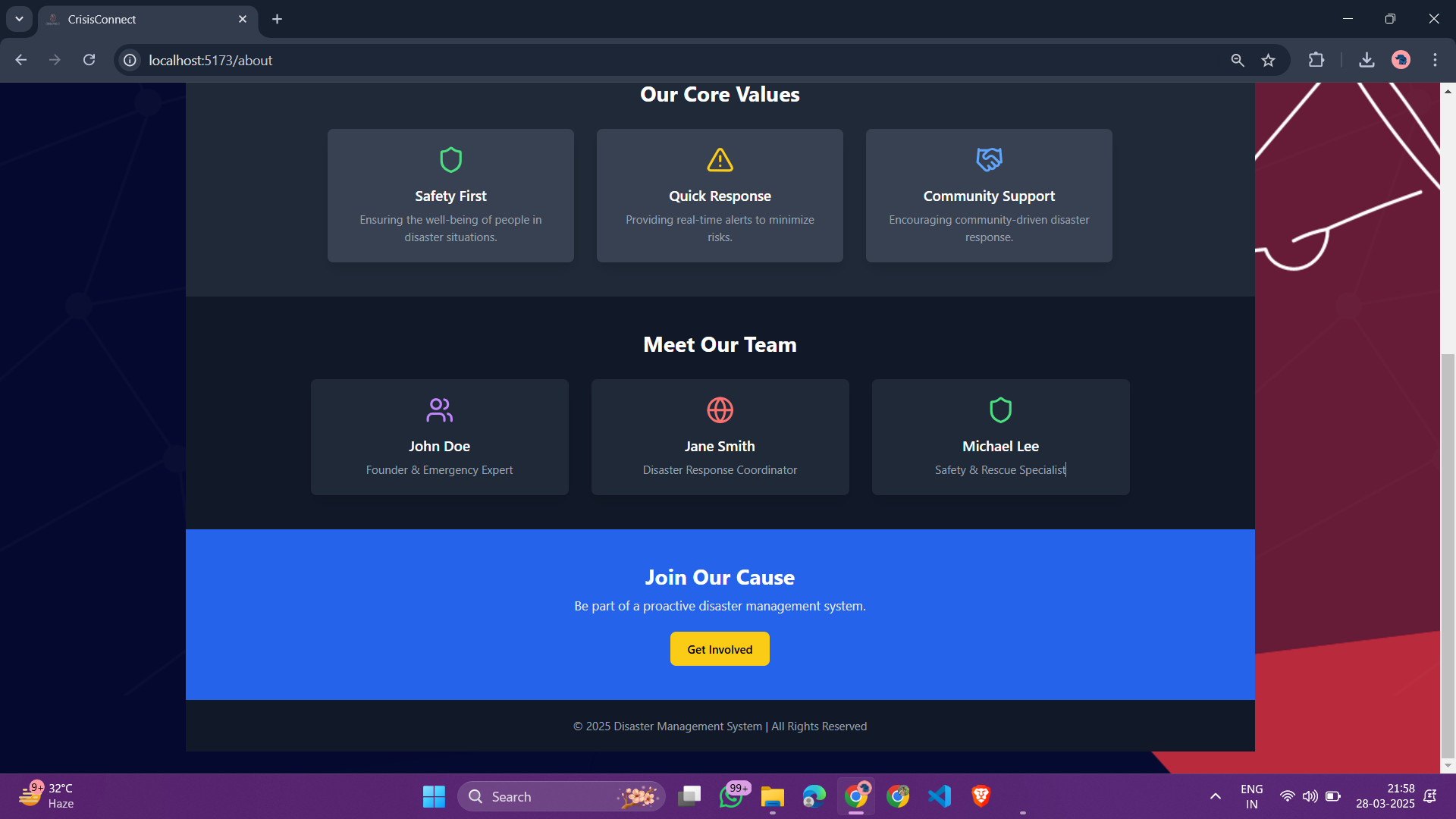
This is the about us page
-
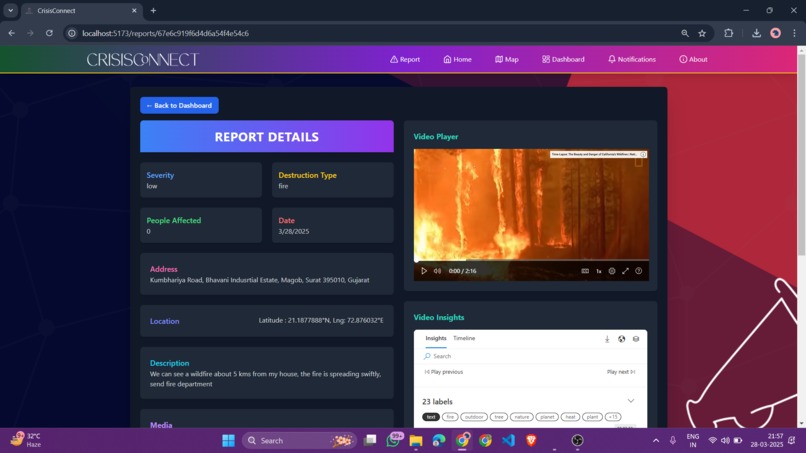
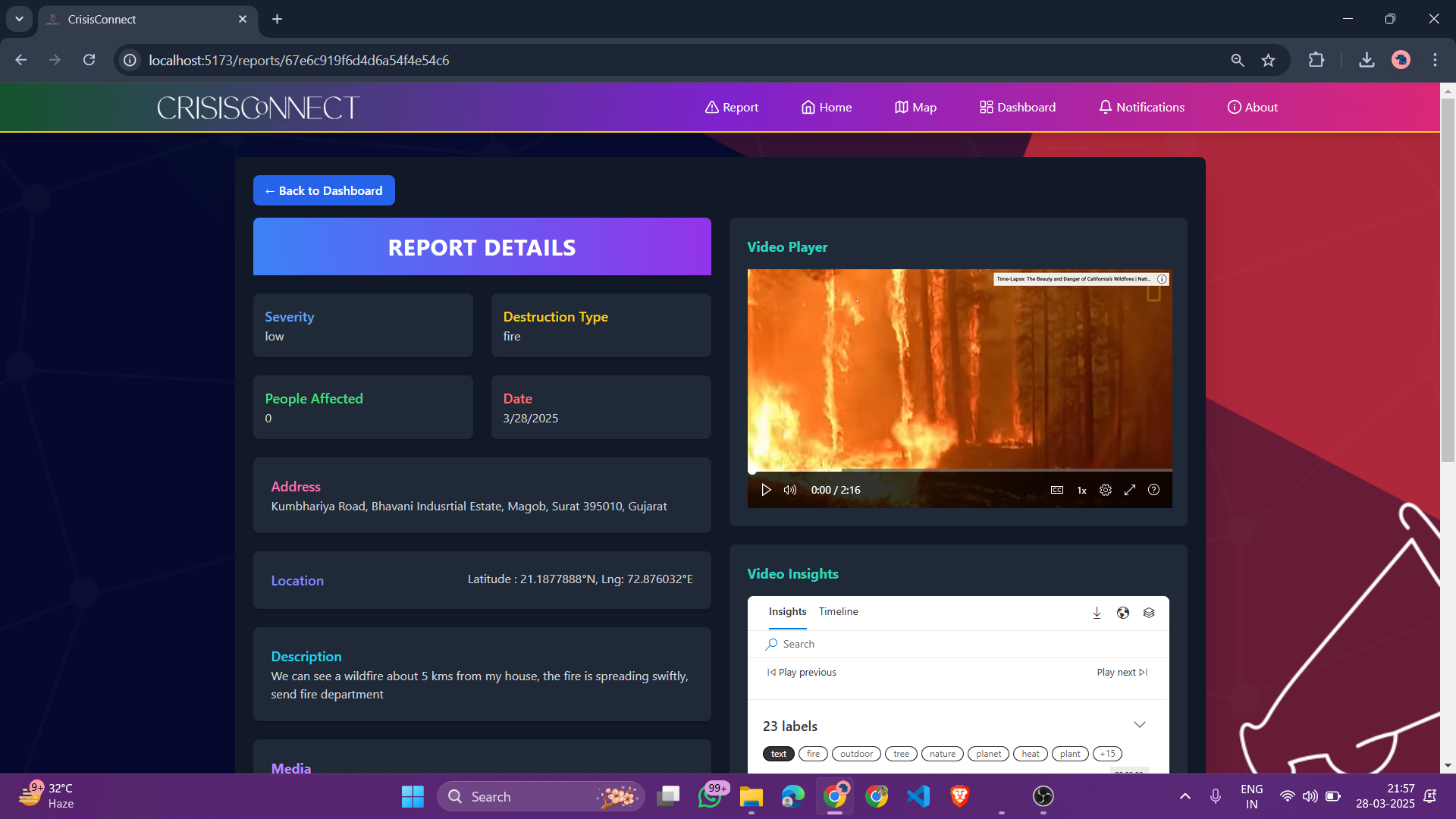
Complete fire victim report analysis with all results included.
-
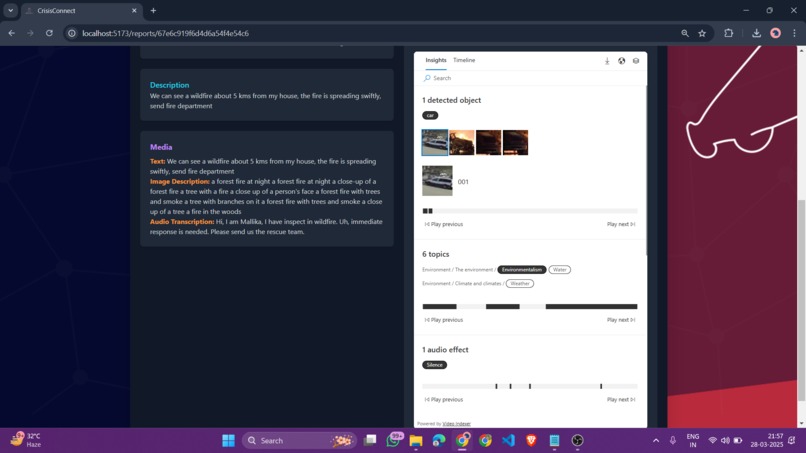
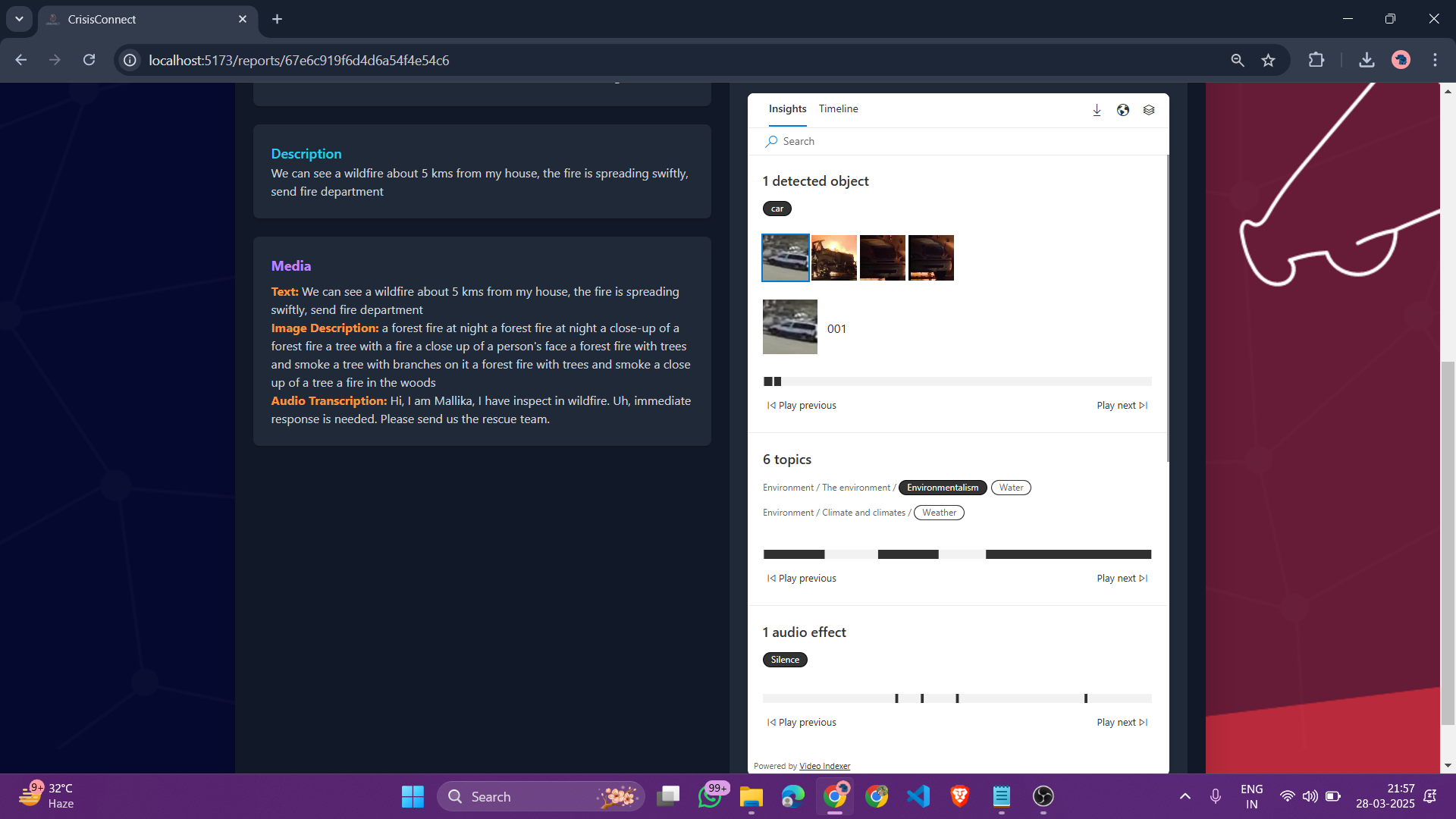
Continuation of above report that shows the analysis of azure AI video Indexer
-
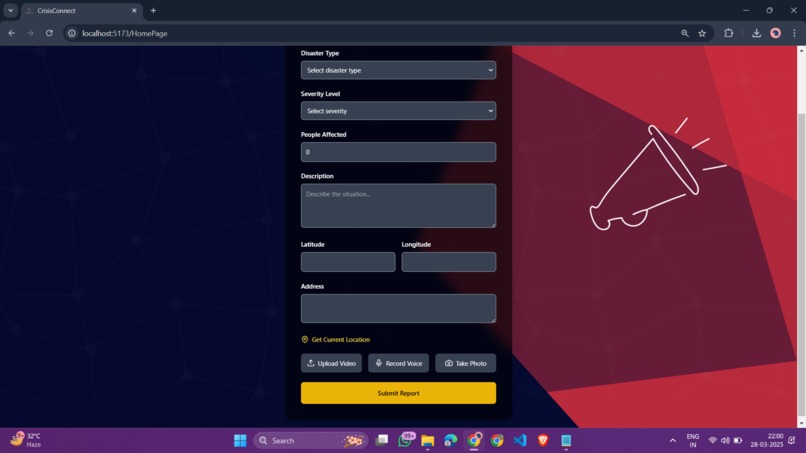
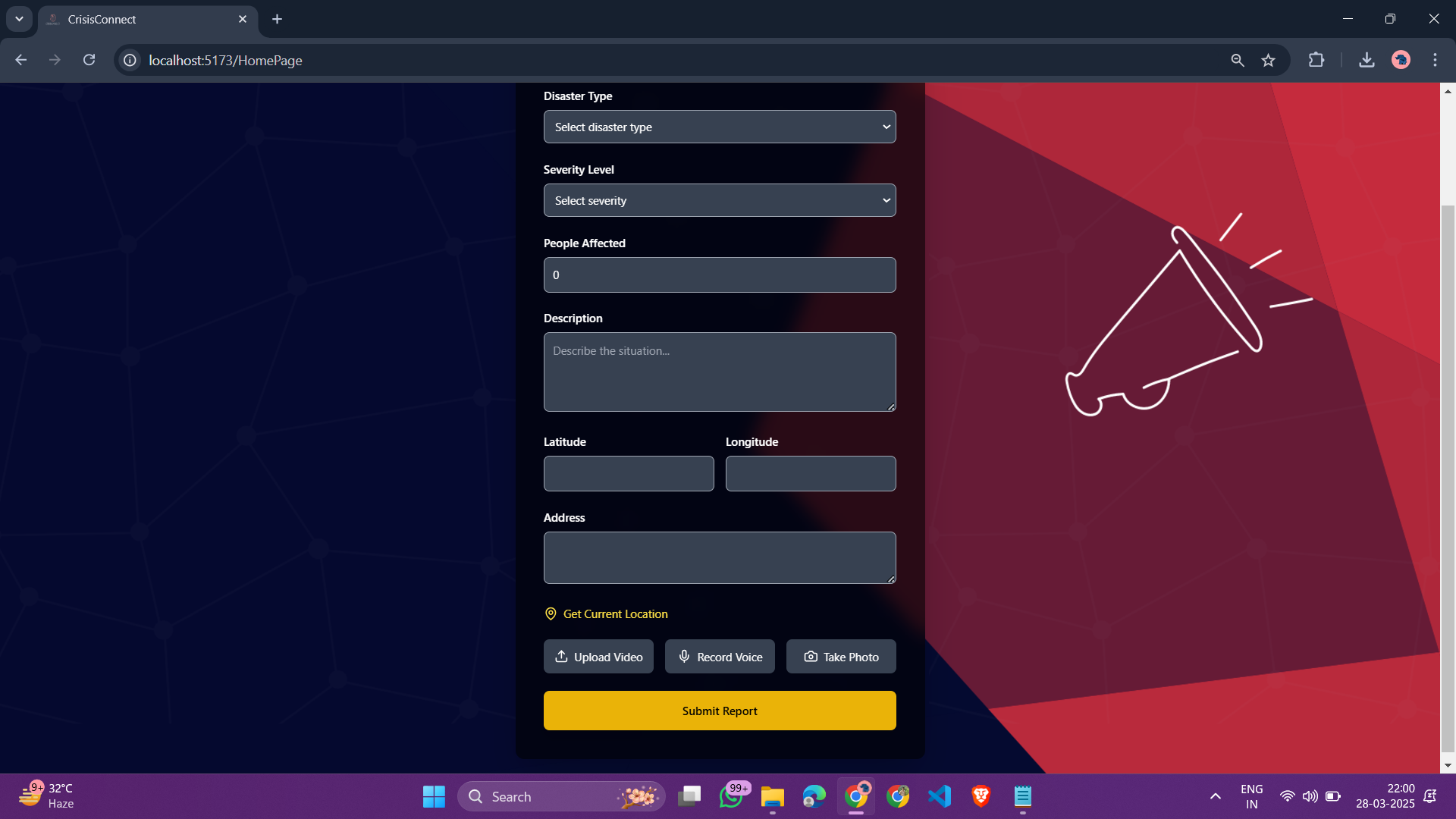
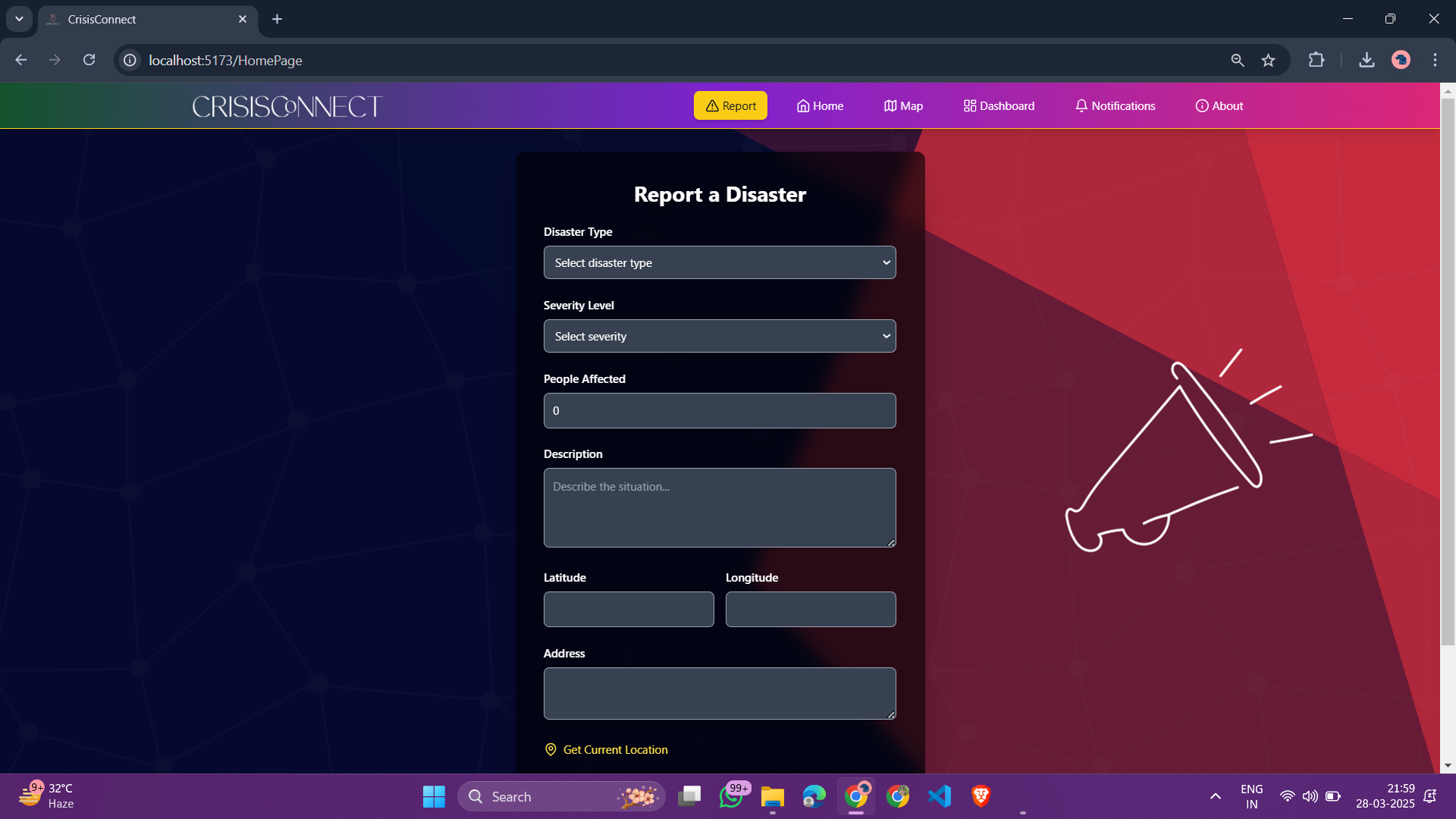
Main report submission form with image, audio, and video support for help. Uses Azure Computer Vision, Speech Service & AI Video Indexer.
-
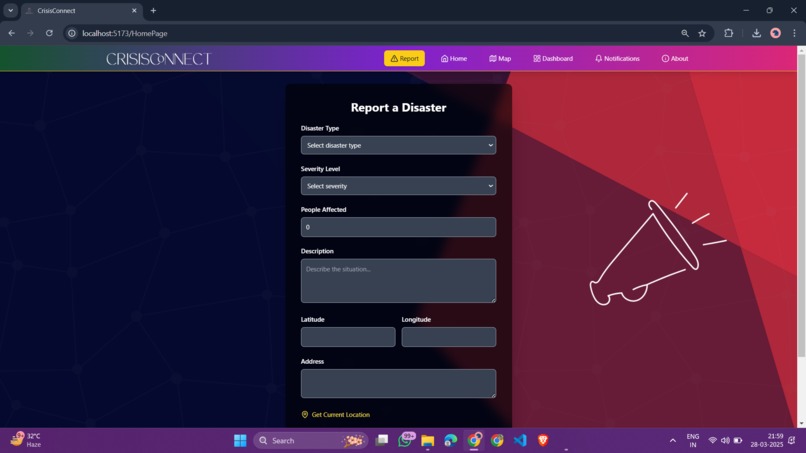
This is complete report continuation of above
-
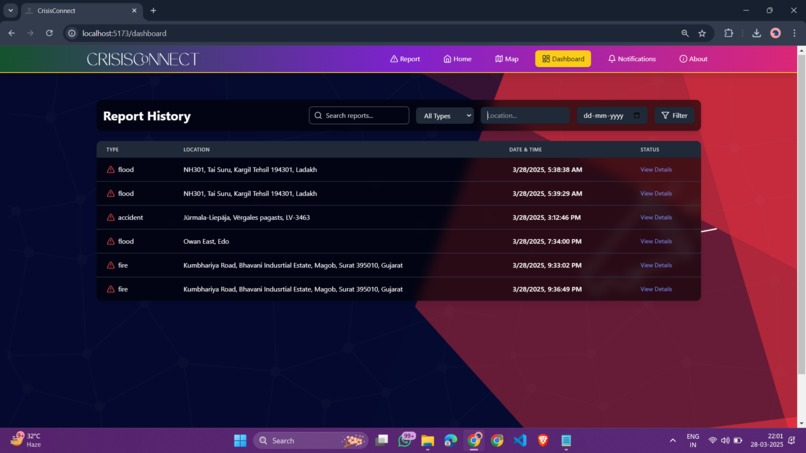
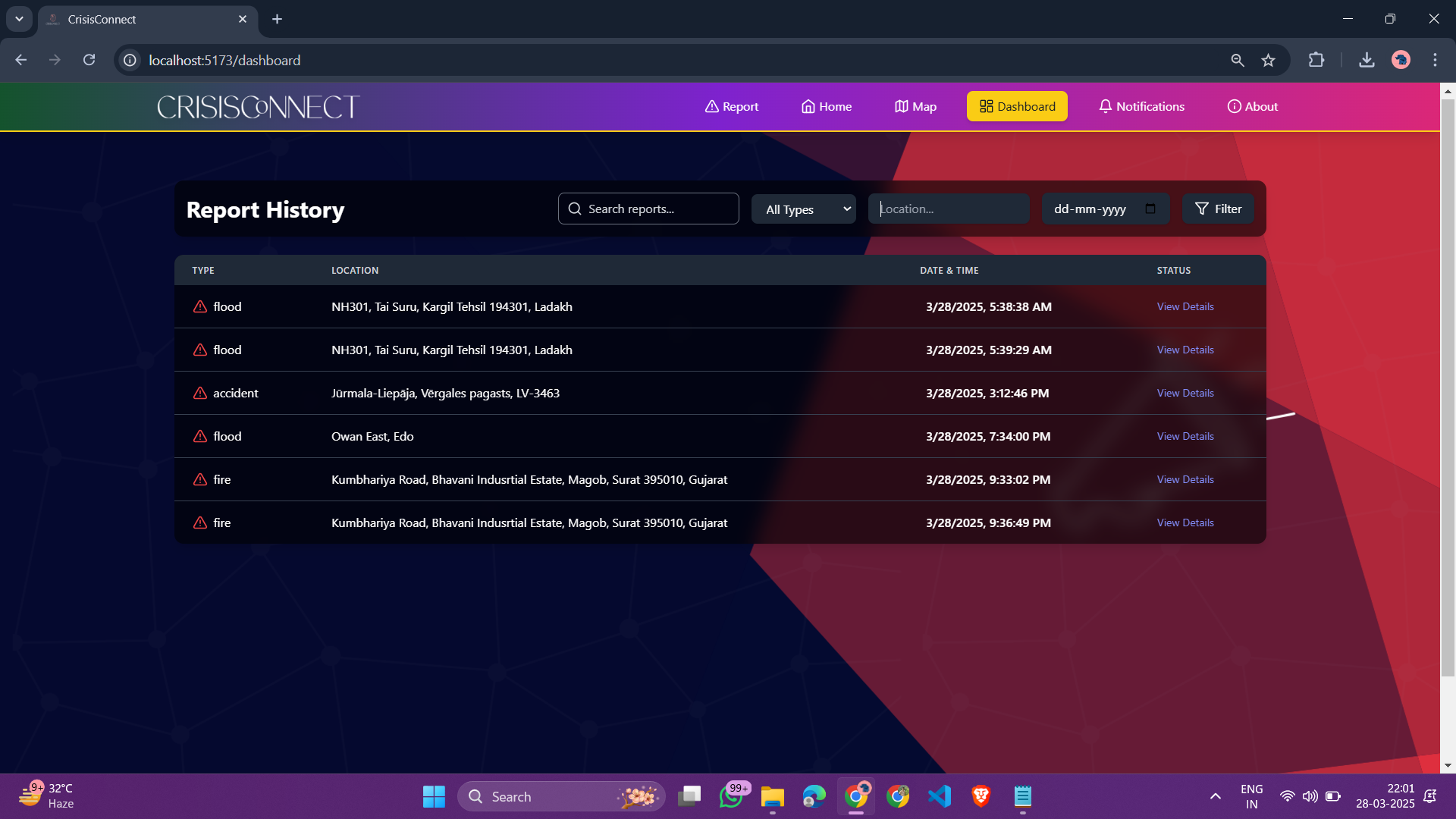
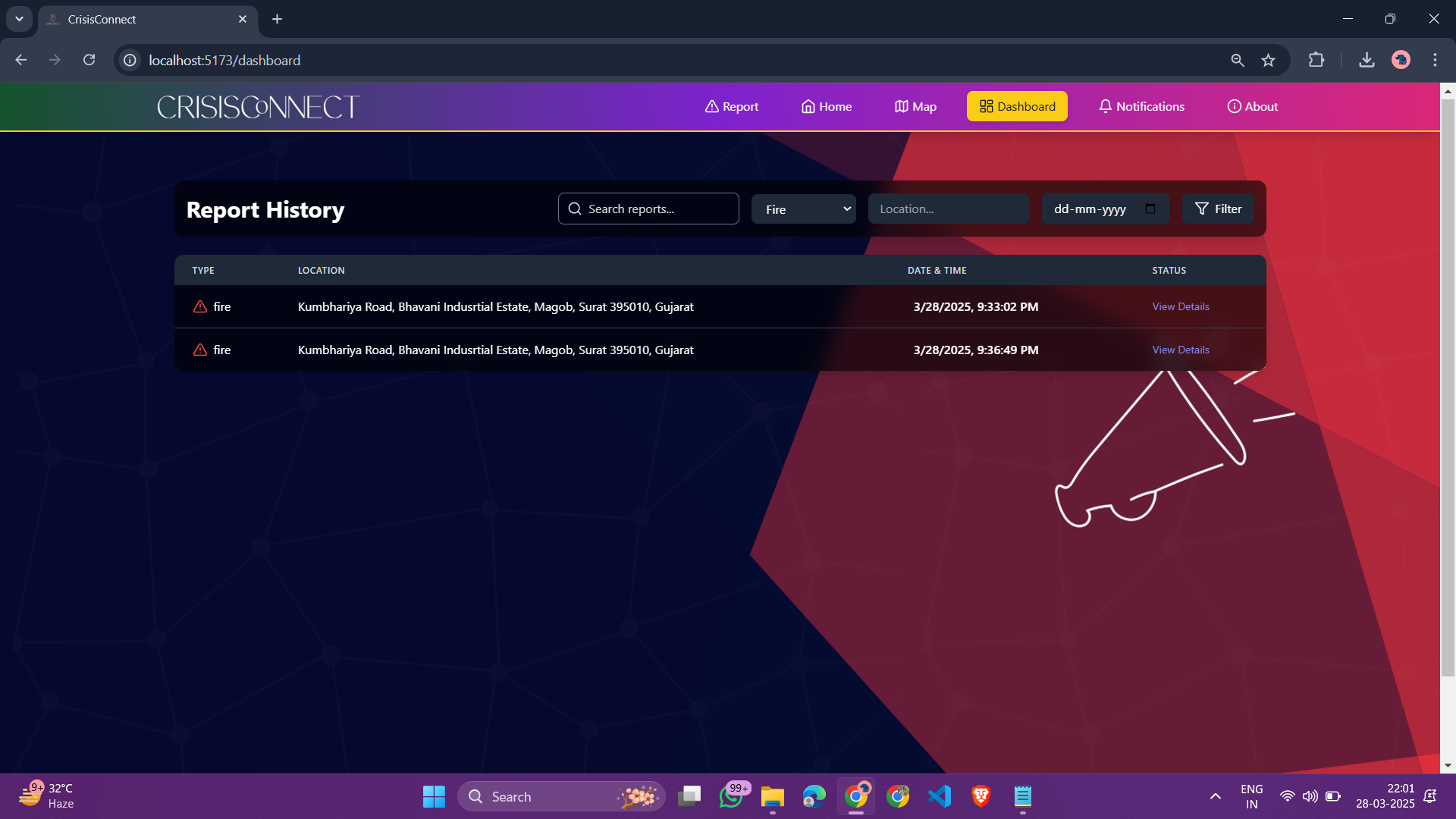
Past report dashboard to view and filter historical reports by date, location, and disaster type.
-
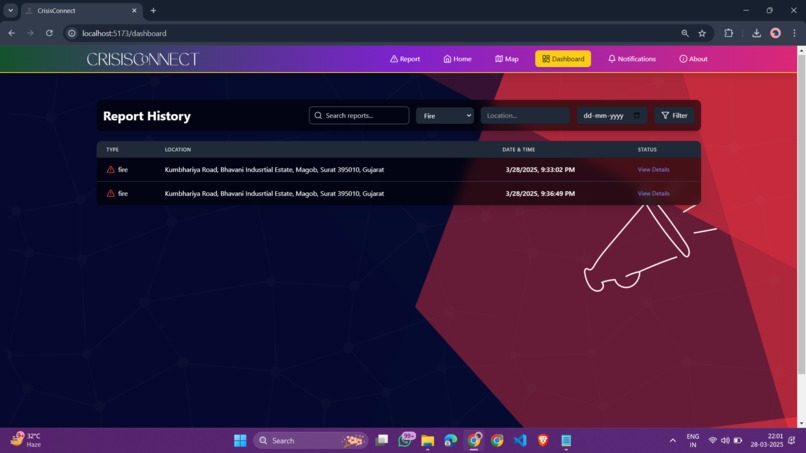
Working filters
-
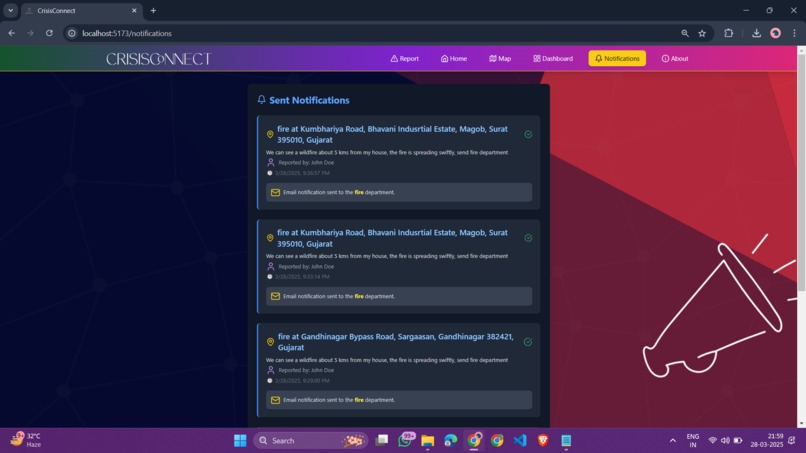
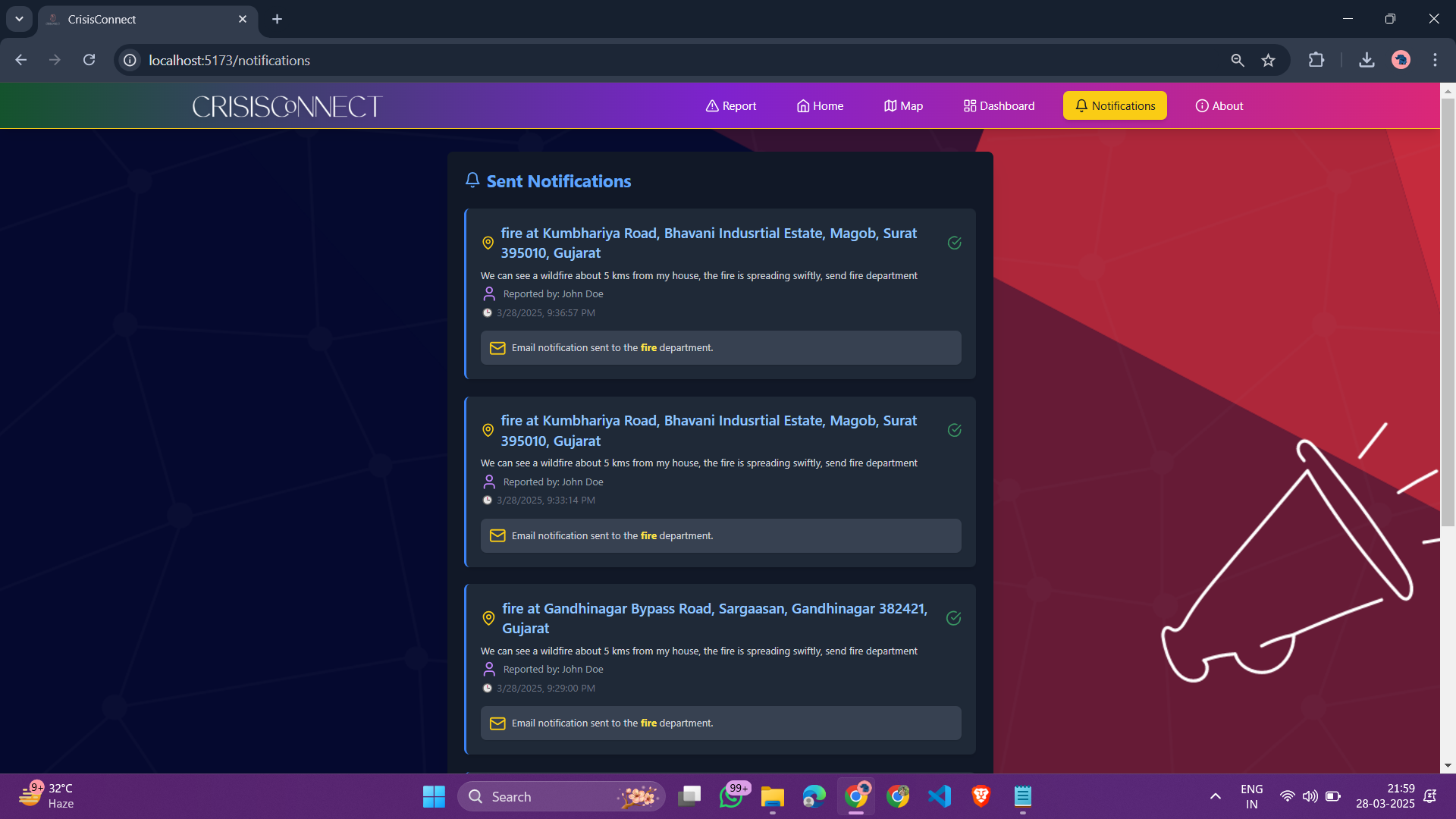
Notifications page triggered via Azure Function on report submission. Uses Azure Communication Services for emails & Azure Storage for data.
-
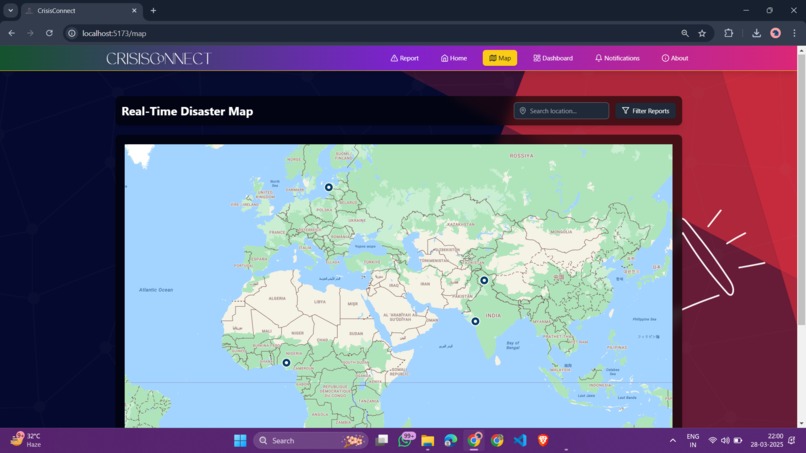
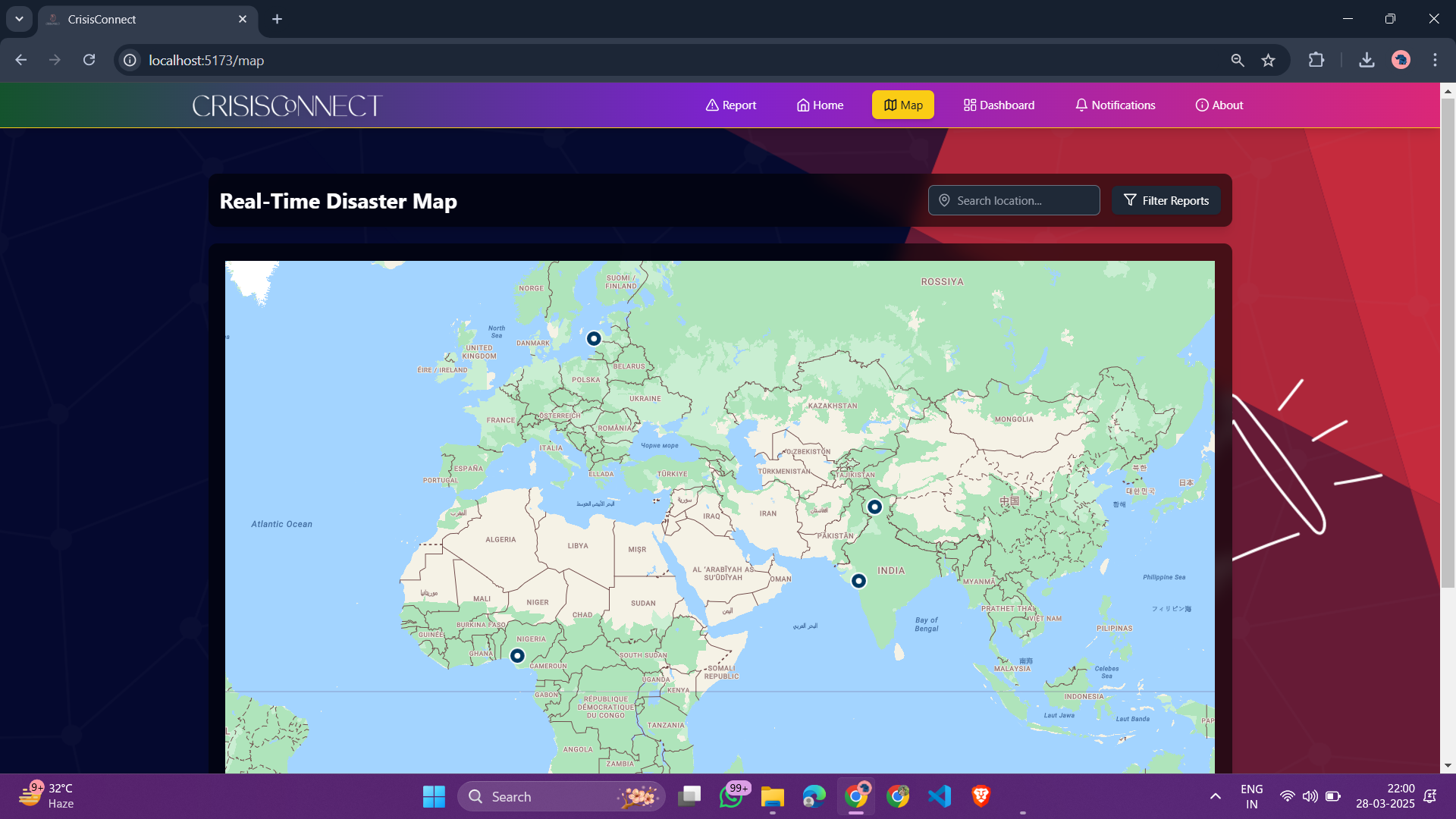
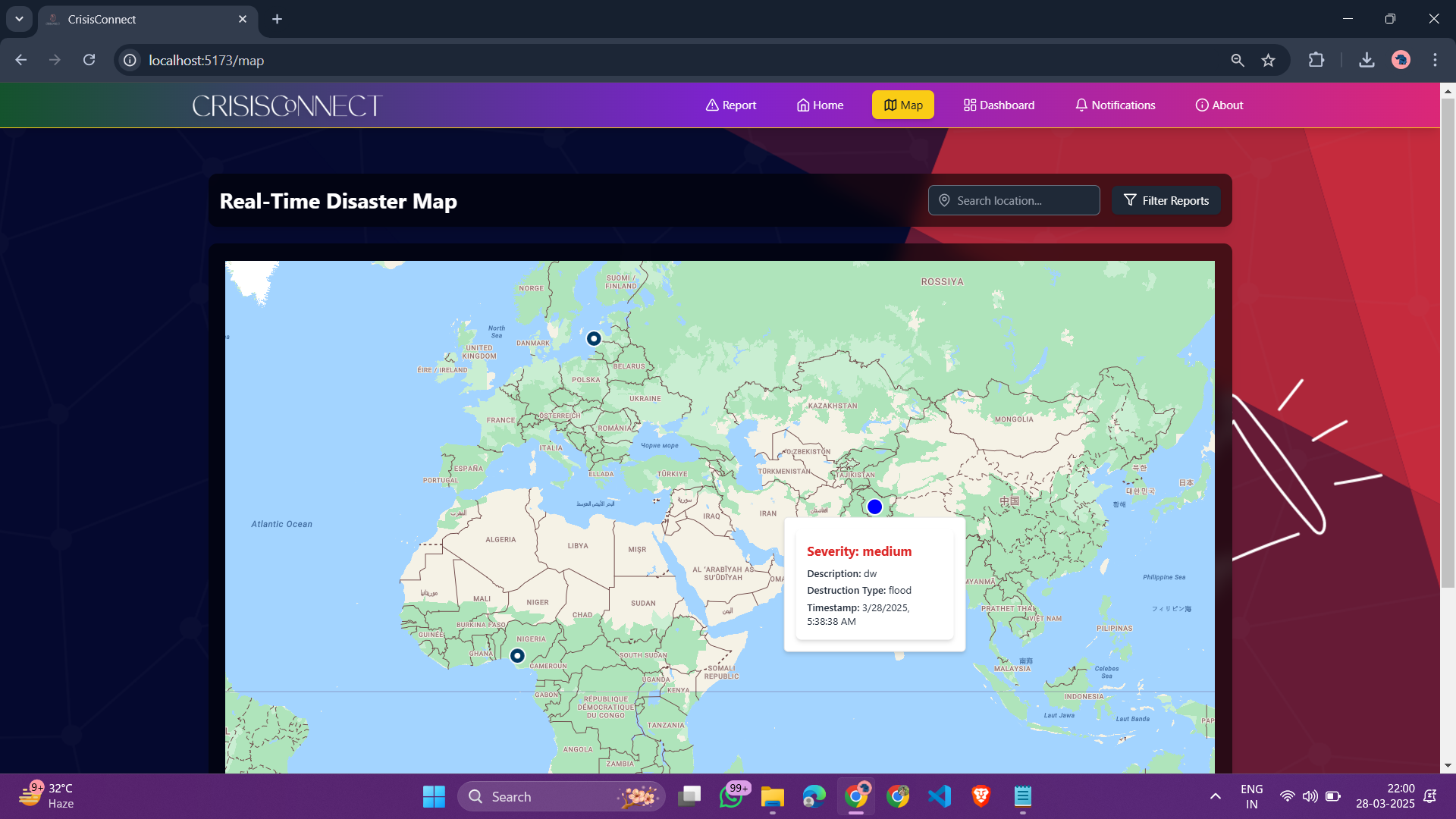
This is Azure-Map page that pinpoints all the location of disaster
-
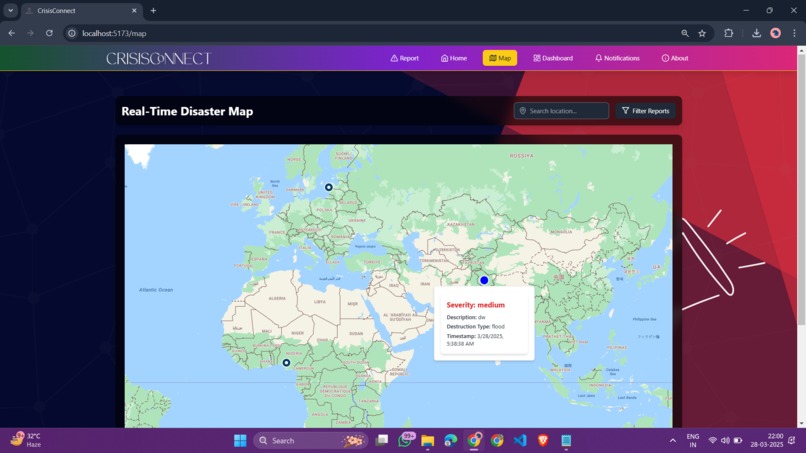
When we click on a particular point we can see the report of that disaster
-
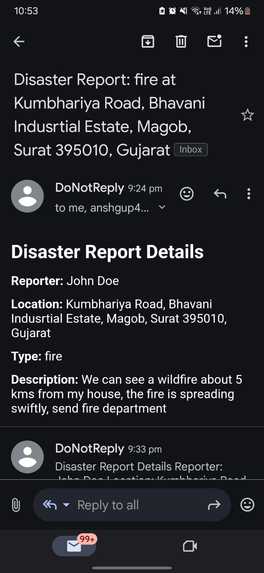
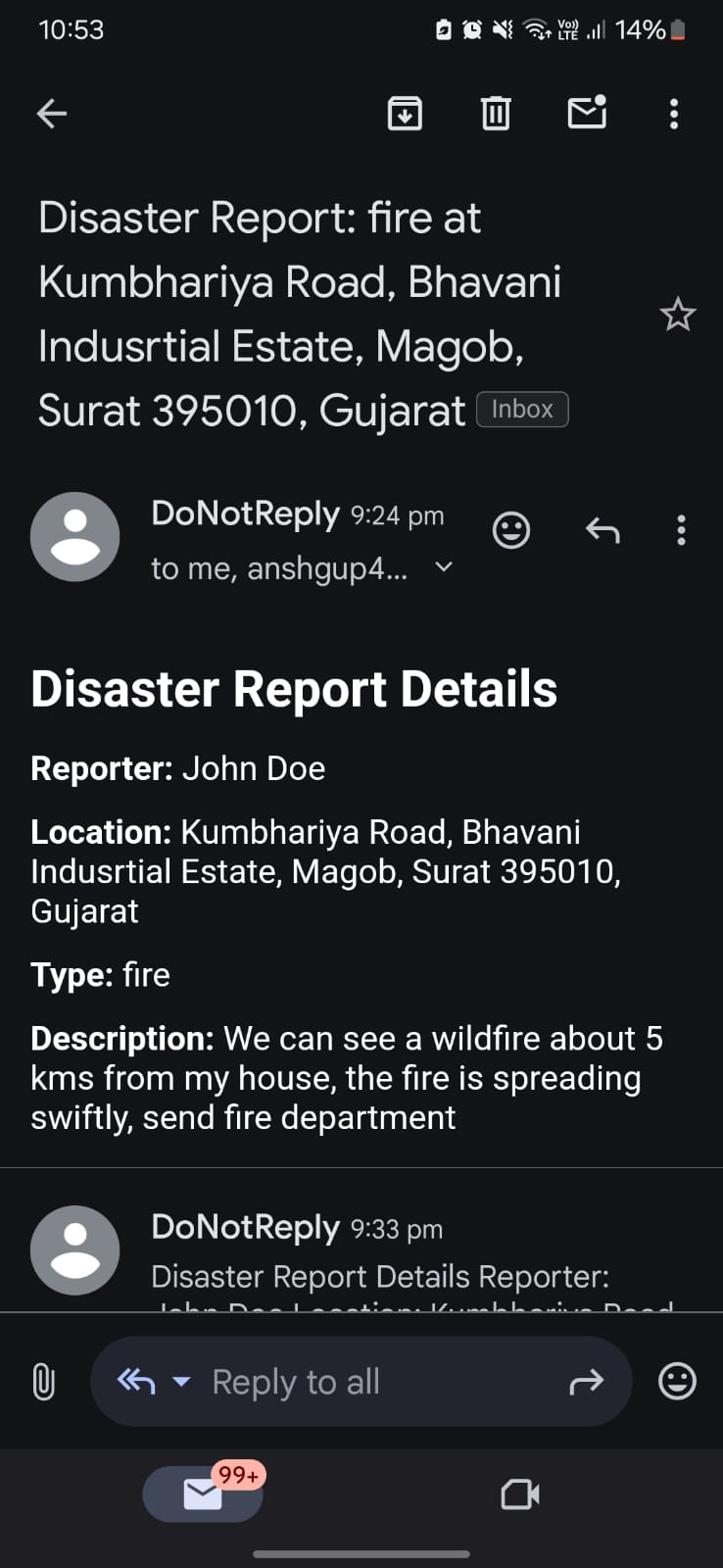
This is the email that is automatically triggered and sent to respective authorities when a report is submitted
Inspiration
Disaster management requires swift and efficient communication between affected individuals and local authorities. We aimed to leverage AI and cloud services to build an automated, real-time crisis response system that can analyze video and audio data, extract insights, and trigger emergency notifications.
What it does
CrisisConnect is an AI-powered disaster management solution that:
- Analyzes video insights using Azure AI Video Indexer to extract meaningful information.
- Stores video data securely on Azure Blob Storage and generates shareable cloud URLs.
- Uses Azure Computer Vision to generate multiple captions for images.
- Transcribes speech from audio using Azure Speech Services to provide real-time transcripts.
- Triggers email notifications via Azure Communication Email Services to alert local authorities when an incident is reported.
- Utilizes Azure Functions to automate triggers and Azure Storage Accounts to store critical information.
- Implements Azure Maps to pinpoint disaster locations.
- Uses Azure Reverse Geocoding to fetch the exact address from latitude and longitude coordinates.
How we built it
- Frontend: Built using React.js to provide an intuitive and responsive UI.
- Backend: Developed using Azure Functions for handling triggers and processing data efficiently.
- Storage: Used Azure Blob Storage and Azure Storage Accounts for storing videos, images, and structured data.
- AI & Data Processing: Integrated Azure AI Video Indexer, Azure Computer Vision, and Azure Speech Services for analyzing multimedia content.
- Notification System: Azure Communication Email Services for real-time alerts.
- Mapping & Location Services: Azure Maps and Reverse Geocoding to determine disaster locations.
Challenges we ran into
- Processing large volumes of video and image data efficiently.
- Ensuring accurate real-time transcription of audio data.
- Integrating multiple Azure services seamlessly for automated workflows.
- Handling geolocation data and reverse geocoding in a precise manner.
- Optimizing response times to ensure authorities are notified instantly.
Accomplishments that we're proud of
- Successfully integrating multiple Azure AI and cloud services into a single cohesive system.
- Automating the disaster reporting process with real-time notifications.
- Achieving high accuracy in speech-to-text conversion and video insights extraction.
- Implementing a robust location-tracking system using Azure Maps.
- Creating a scalable and efficient cloud-based solution for crisis management.
What we learned
- The power of Azure AI services in analyzing multimedia content.
- Effective ways to use cloud storage for handling large datasets.
- How to automate real-time workflows using Azure Functions.
- Optimizing geolocation services for precise disaster reporting.
- The importance of seamless integration between AI, storage, and notification services.
What's next for CrisisConnect
- Enhancing AI capabilities for even more accurate disaster detection.
- Expanding the system to support multilingual speech-to-text transcription.
- Integrating a chatbot for instant user assistance.
- Developing a mobile application for broader accessibility.
- Implementing machine learning models for predictive disaster analysis.
Built With
- azure
- express.js
- github
- github-copilot
- html
- image
- mongodb
- mongoose
- node.js
- postman
- react
- tailwind
- typescript


Log in or sign up for Devpost to join the conversation.