-
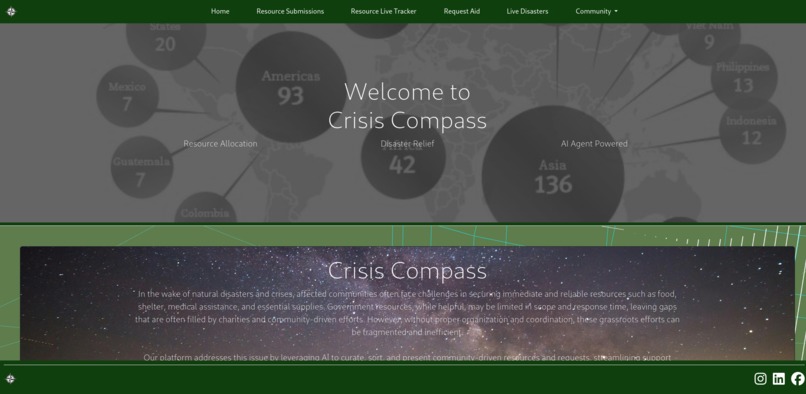
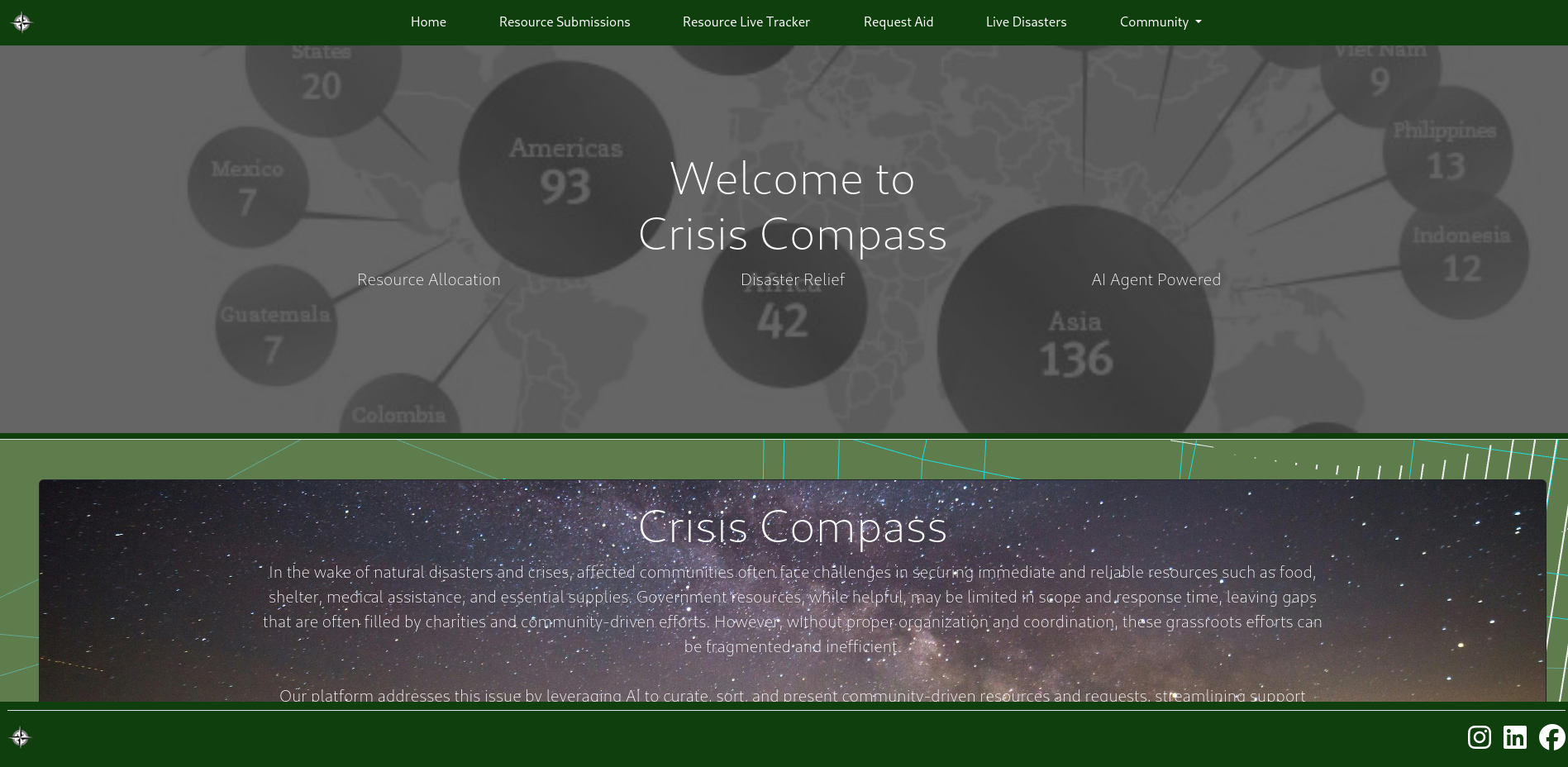
Home Page
-

Form for requesting aid
-
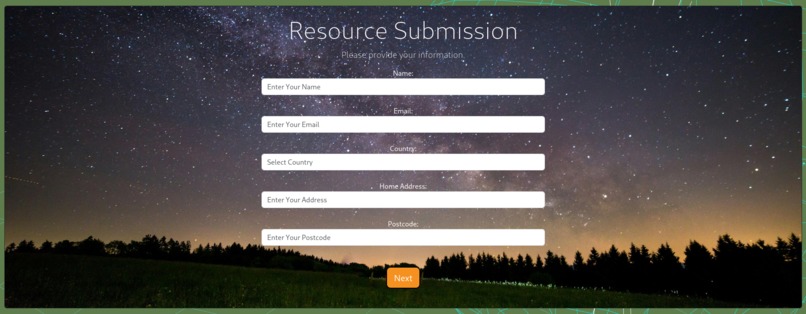
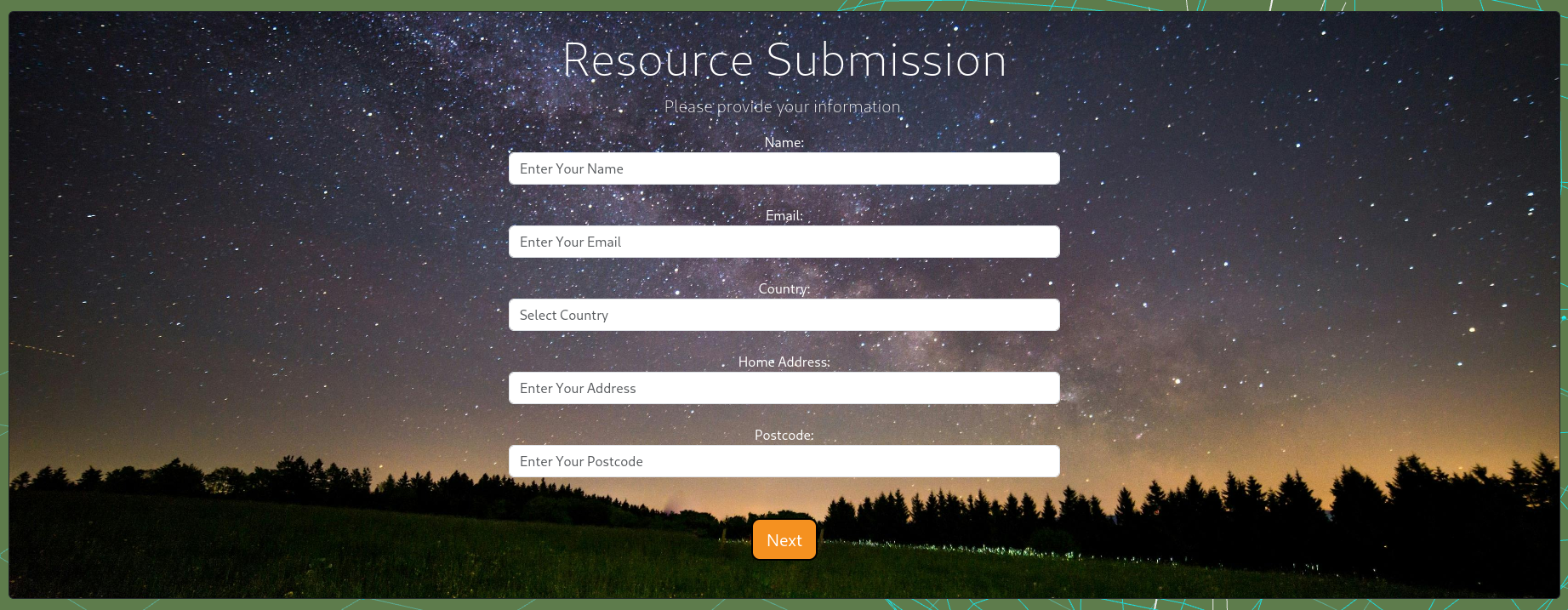
Form for volunteering resources
-
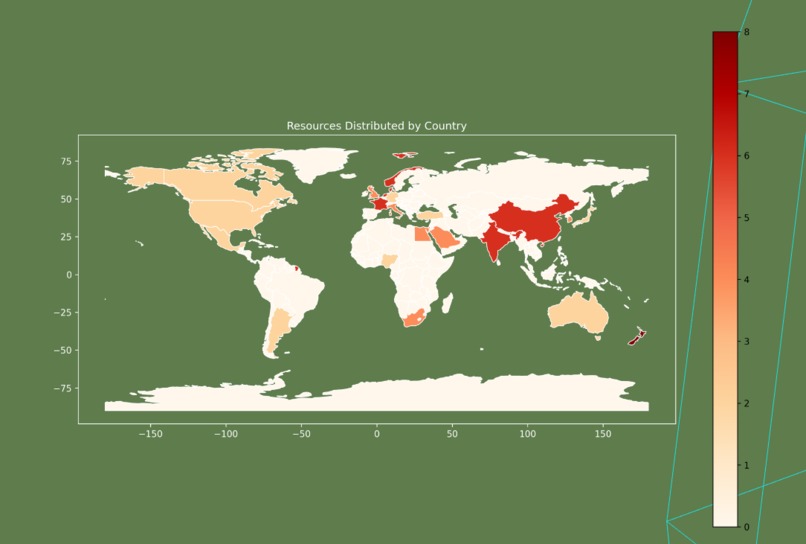
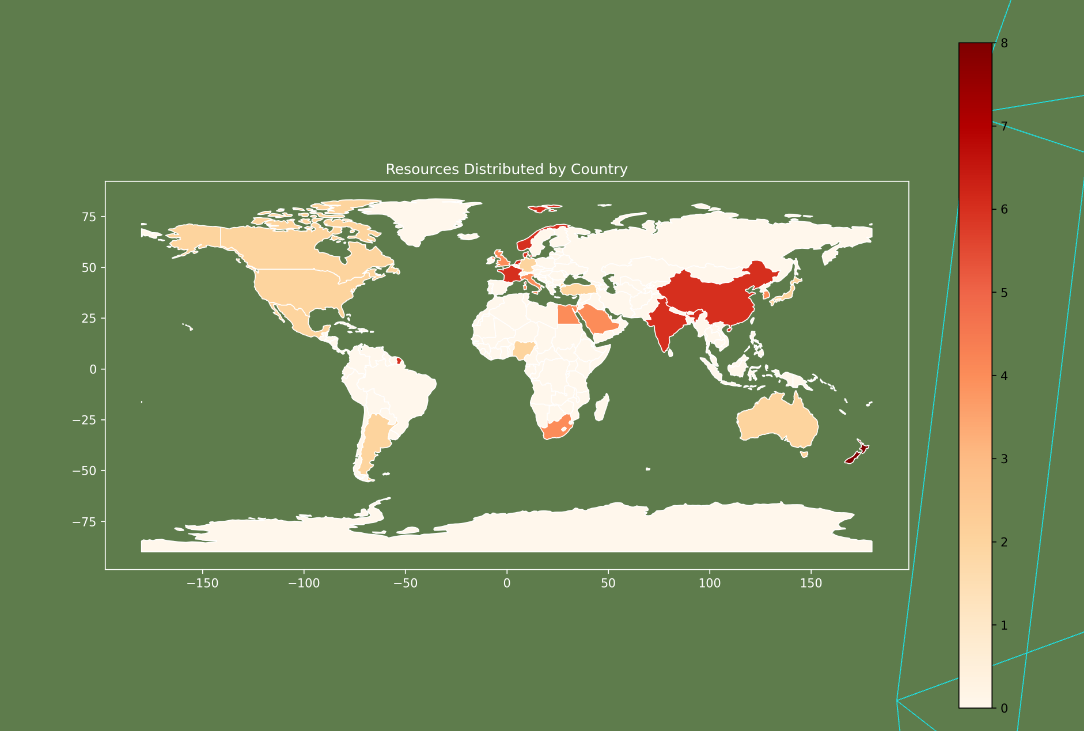
Heat map showing active countries
-
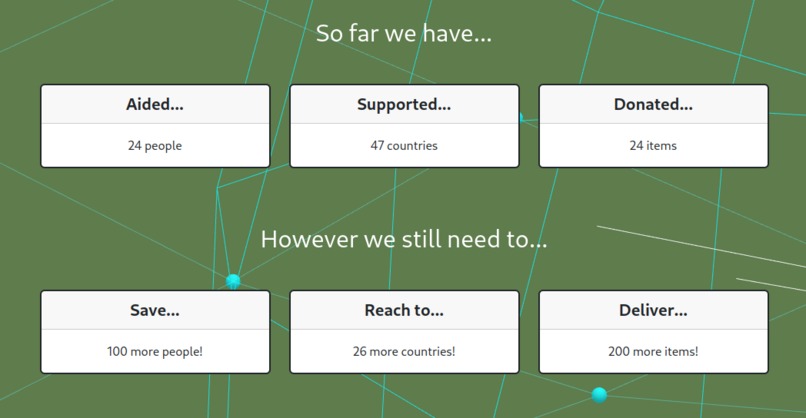
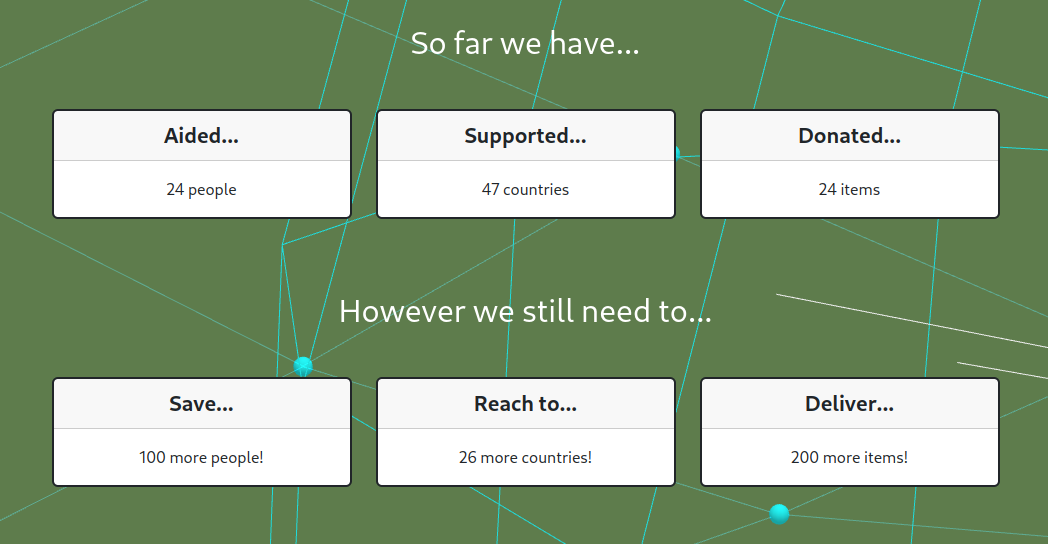
Summary of impact

Inspiration
During natural disasters and crises, communities often struggle to access urgent resources like food, shelter, medical care, and supplies. Government responses, though essential, can be constrained by scope and speed, leaving critical gaps that grassroots organizations, charities, and community volunteers often rush to fill. However, these local efforts can lack coordination, leading to overlaps and inefficiencies that slow down relief.
Our platform, Crisis Compass, harnesses the power of AI to bridge these gaps, centralizing and coordinating community-driven resources and requests to streamline aid, improve response times, and support more effective disaster management.
What it Does
Crisis Compass is designed to connect people in crisis with resources from nearby communities, local organizations, and volunteers. Affected individuals submit requests for essentials—such as food, shelter, or medical supplies—with each request tagged by location and urgency (color-coded from green to red). Simultaneously, individuals and organizations can submit resources they can offer, which the platform then categorizes and matches to requests using AI.
Additional Features
Beyond its core function of connecting those in need with resources, Crisis Compass offers a comprehensive suite of tools to enhance transparency, communication, and community engagement in disaster response:
- GPS Resource Mapping: The platform uses geolocation to match requests with nearby resources. A map centers on the user’s location, showing available resources within a defined radius, creating a clear visual of support options nearby.
- Statistics Tracker: Tracks data on resources allocated, people helped, and unmet needs, offering real-time insight into relief progress, identifying resource gaps, and aiding decision-makers in targeting additional support.
- Community Calendar: Lists upcoming relief events such as supply distributions, health camps, and volunteer activities, keeping victims and volunteers informed and connected.
- Advice Library: Provides essential guidance for preparing and managing disaster situations, curated from reputable sources to empower communities with knowledge.
- Disaster Charity Library: A list of verified charities and nonprofits, allowing users to identify trusted organizations and learn about ongoing initiatives.
- Donation Portal: A dedicated page for outside supporters to donate easily to major charities, amplifying resources available for relief efforts.
- Feedback Form: Allows users to share experiences, ensuring the platform evolves to better serve its community while building trust through continuous improvement.
How We Built It
Crisis Compass was a full stack application developed with a robust, scalable tech stack:
- Backend: Python with Flask, and SQLite for efficient data management, enabling fast access to victim, donor, and resource data.
- Frontend: HTML, CSS (Bootstrap), and JavaScript, creating a responsive, intuitive interface for seamless user interaction.
- AI Matching Agent: Fetch.ai’s uAgents enable real-time automated matching between victims and donors, making resource allocation fast and efficient.
- Mapping and Visualization: Geopandas and Matplotlib were used to develop heatmaps and geospatial visualizations of resource distribution, offering both users and responders a clear view of support density and needs.
Challenges We Faced
Building Crisis Compass brought several technical and logistical challenges:
- Data Coordination: Designing a flexible, reliable database to accommodate multiple user types (victims, donors, NGOs) and various resource types without compromising data integrity.
- Efficient Real-Time Matching: Balancing multiple factors like resource type, urgency, and location to develop a robust matching algorithm, especially given SQLite’s limitations with complex queries.
- Scalability: Structuring the backend to manage surges in traffic and data flow during crises, ensuring the system remains responsive and reliable.
- Reliable Notifications: Implementing real-time email alerts required careful SMTP integration, balancing immediate communication with server load management.
- Mapping Visualizations: Creating accurate, interactive maps required merging database data with geospatial information, especially challenging given the need for real-time updates.
- Cross-Agent Communication: Integrating multiple Fetch AI agents and managing sequential data transfers required an inventive approach, ultimately using text files to maintain continuity in data exchange.
Accomplishments We’re Proud Of
- AI-Driven Matching: Successfully implemented a system using Fetch.ai’s uAgents that automates resource matching based on location, urgency, and availability, a crucial feature for efficient resource allocation.
- User-Friendly Interface: Built an intuitive design that simplifies the request, donation, and resource tracking processes for a seamless user experience.
- Transparency and Trust: Developed a statistics tracker that provides real-time data on resource allocation and community needs, fostering trust and transparency.
- Real-Time Communication: Implemented a reliable notification system, alerting victims and donors the moment a match is made, facilitating rapid relief efforts.
Key Lessons
Crisis Compass taught us critical insights in tech development and community engagement:
- Data Structure Essentials: Proper data structure was pivotal in managing relationships across different user and resource types, underscoring the need for well-organized data in complex platforms.
- Value of Community-Led Efforts: The platform’s design highlights the power of organized grassroots efforts, which can substantially amplify impact in disaster relief.
- Scalability is Essential: Building for surge capacity taught us the importance of scalable architecture, preparing us to support high-demand scenarios.
- Rapid Learning: Our team quickly assimilated a new tech stack, integrating tools and concepts from AI to backend coordination in record time to create an impactful solution.
- Cross-Disciplinary Innovation: The project required blending skills from AI, database management, UI/UX, and real-time notifications, equipping our team with versatile, cross-functional expertise.
Next Steps for Crisis Compass
Crisis Compass has strong potential for expansion and improvement. Our future plans include:
- Multi-Language Support: Making the platform accessible to a broader, more diverse user base.
- Enhanced Matching Algorithms: Building on AI matching to incorporate additional factors such as urgency decay, travel time, and dynamic availability, for even smarter resource allocation.
- Crowdsourced Data Collection: Enabling users to report on resource availability and local conditions, improving situational awareness and decision-making.
Demo link: https://crisis-compass.containers.uwcs.co.uk/data


Log in or sign up for Devpost to join the conversation.