


Headline
Crime Mystery VR — An Interactive Detective Experience Powered by Intelligent NPCs
Inspiration
We drew our inspiration from the golden age of detective fiction — the sharp deduction of Sherlock Holmes, the meticulous reasoning of Hercule Poirot, and the layered intrigue found in Agatha Christie’s novels. Our goal was to recreate that rich Victorian tension inside a fully immersive VR environment. We wanted players to walk inside the mystery, observe details firsthand, and face a story that feels alive thanks to intelligent characters capable of reacting dynamically.
What it does
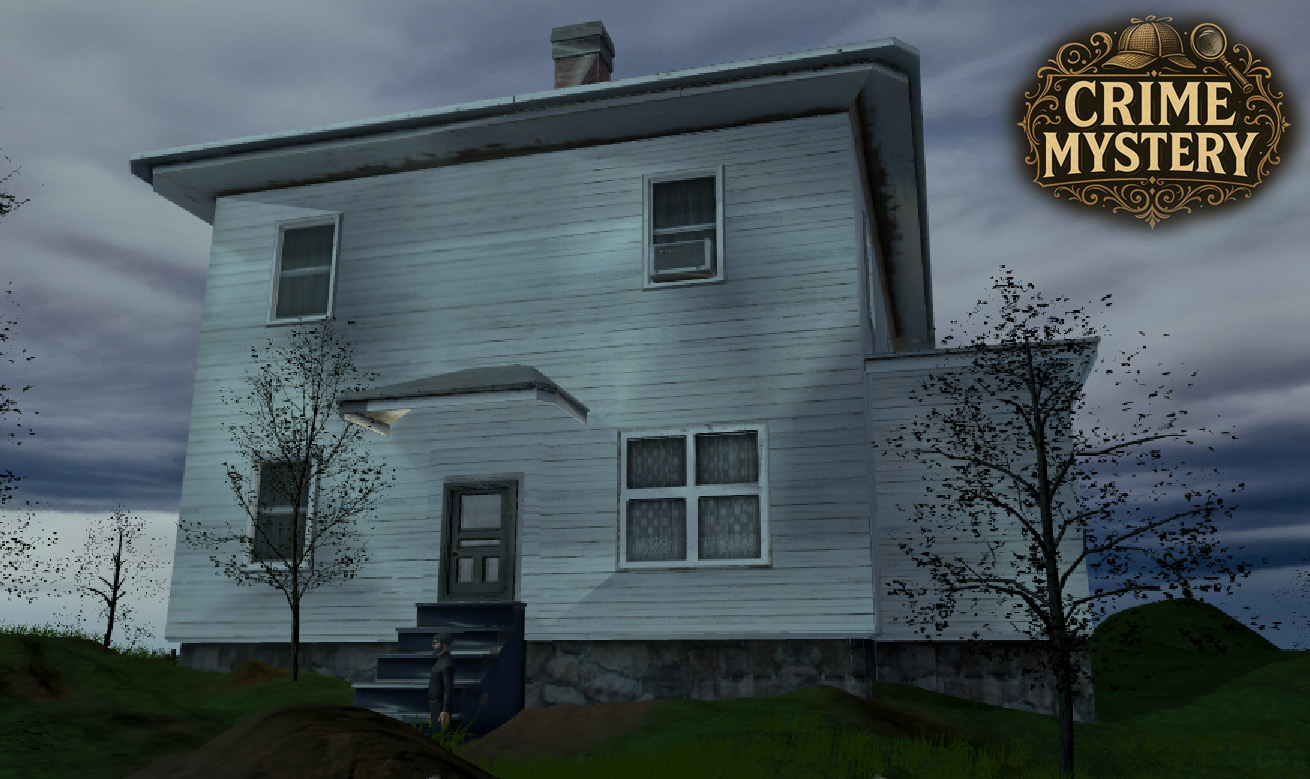
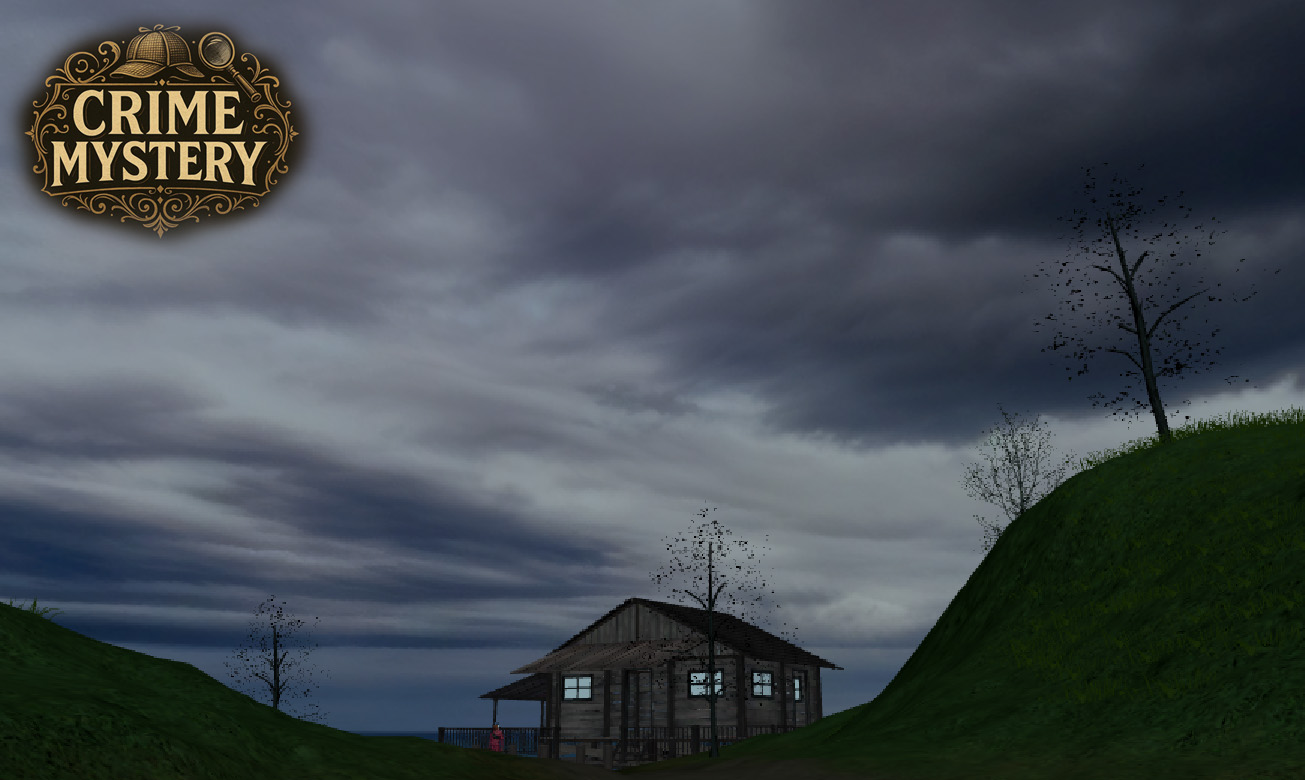
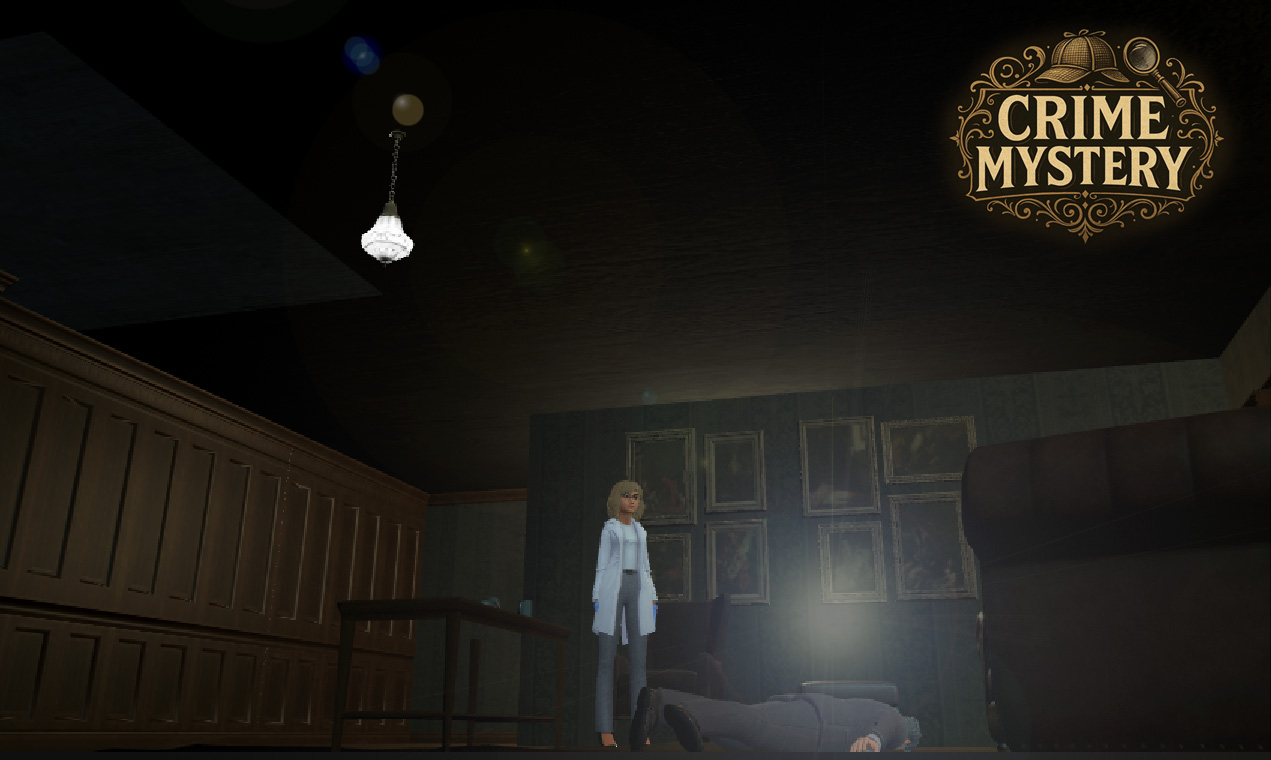
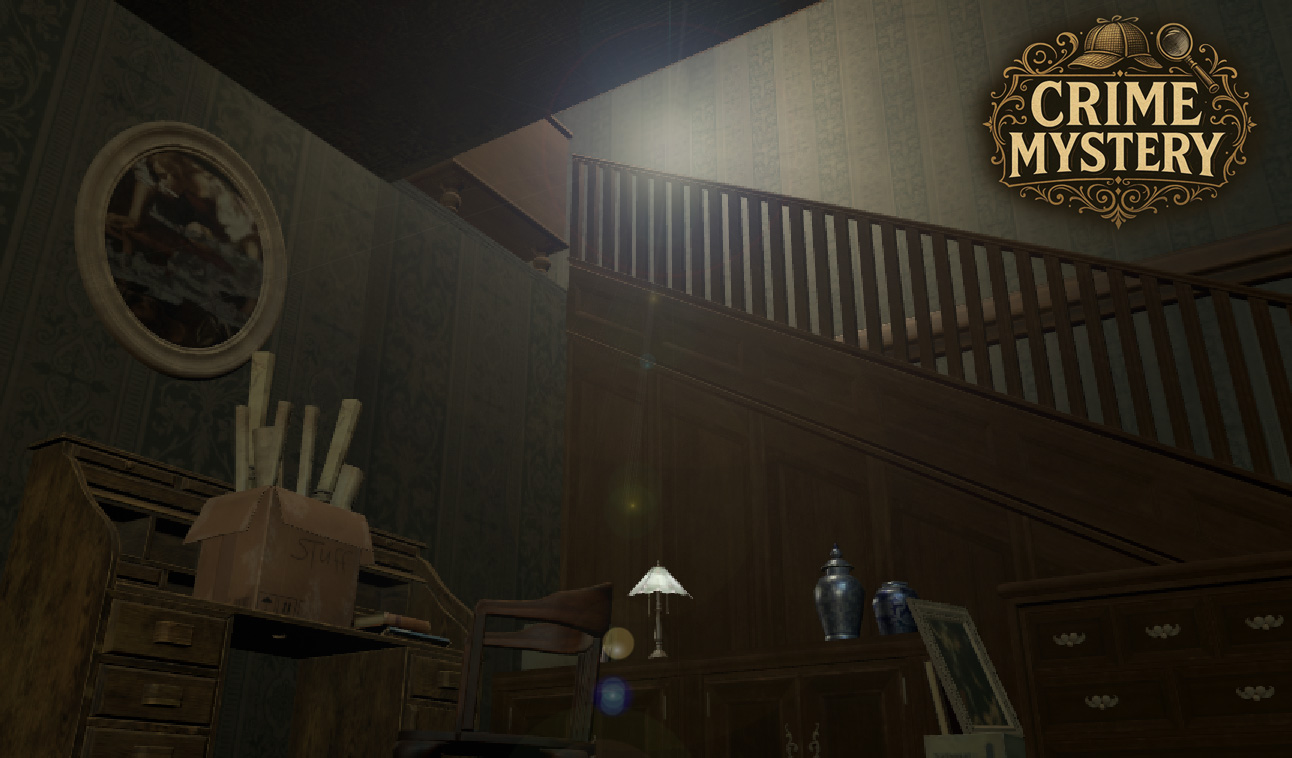
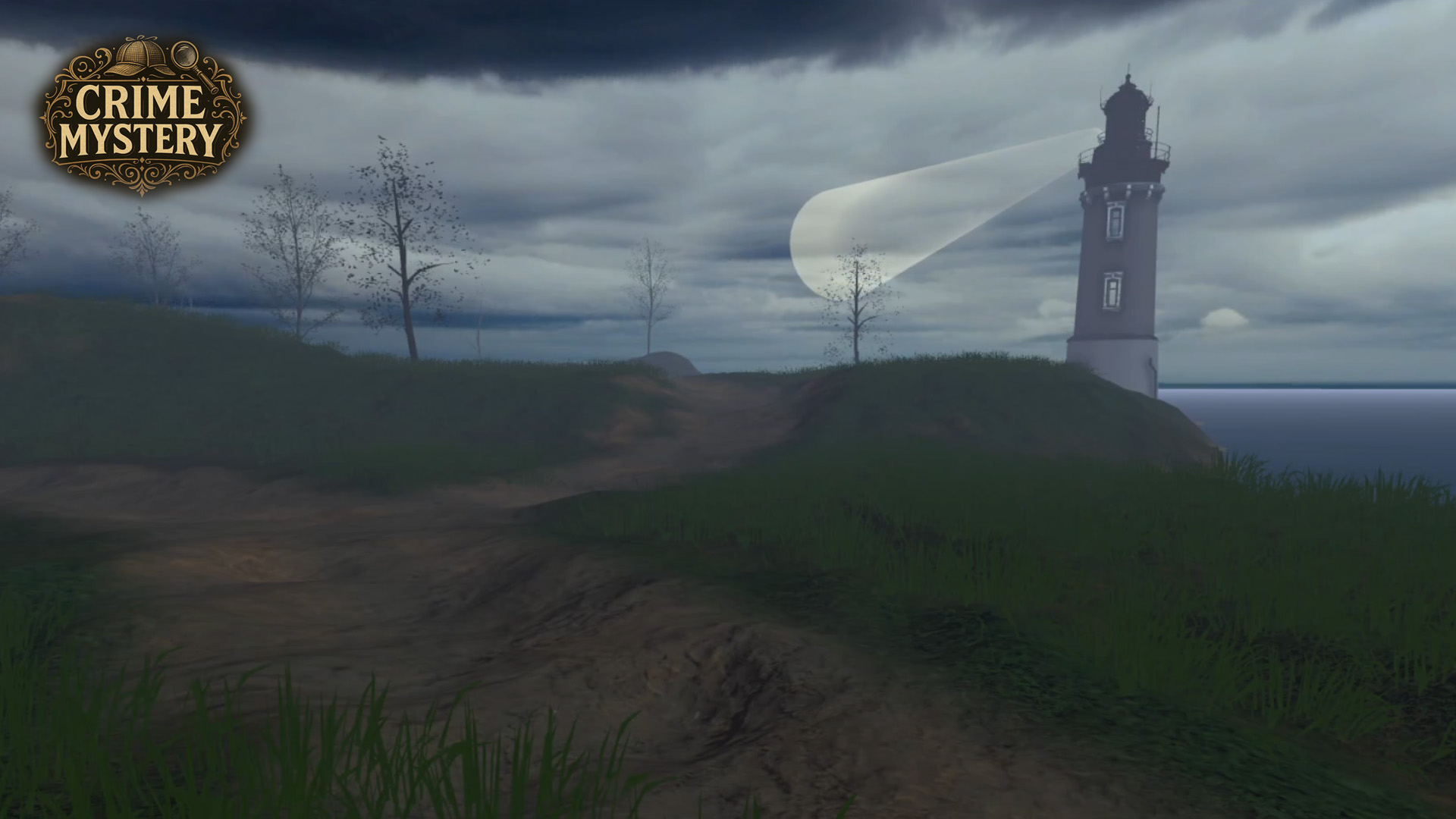
Crime Mystery VR transports players to a remote Victorian island where a wealthy landowner has been found dead under suspicious circumstances. Players explore the mansion, investigate rooms, interrogate characters, and uncover clues leading to the truth behind the victim’s hidden double life. Thanks to our custom AI-driven NPCs, characters respond to player actions, offer contextual dialogue, and evolve their behavior as the investigation progresses. The experience aims to deliver a true living whodunit in VR.
How we built it
The project was developed entirely in Unity for virtual reality, using our own intelligent NPC framework. Key components include:
- A modular VR interaction system for exploration, evidence collection, and environmental storytelling.
- Our in-house AI NPC architecture, designed to handle real-time reasoning, contextual dialogue, emotional states, and dynamic decision-making.
- Unity’s built-in lighting and rendering pipelines optimized for performance across VR targets.
- A flexible quest and clue tracking system that updates the narrative based on player actions.
Our focus was to merge traditional VR gameplay with responsive character behavior, creating an investigation that feels both structured and spontaneous.
Challenges we ran into
Building a coherent investigation inside VR with fully reactive NPCs presented several challenges:
- Designing AI behaviors that remain believable during free exploration.
- Maintaining stable VR performance while running character logic, voice interactions, and environmental systems simultaneously.
- Ensuring that clues, narrative beats, and NPC responses remain synchronized across branching paths.
Balancing immersion, comfort, and computational cost required careful optimization and iteration.
Accomplishments that we're proud of
We are proud to have created:
- A fully operational VR detective prototype with a strong sense of place and atmosphere.
- Intelligent NPCs capable of adapting their dialogue and reactions to player behavior.
- A narrative experience that feels polished, coherent, and ready to scale into a full production.
The project demonstrates how AI-driven characters can significantly deepen storytelling inside VR.
What we learned
Developing this experience reinforced our expertise in:
- Advanced Unity VR optimization techniques.
- Designing AI-driven narrative systems that remain robust in an open investigative structure.
- Building reactive gameplay flows that rely on player agency rather than pre-scripted sequences.
We also gained insights into balancing comfort, clarity, and freedom within VR storytelling.
What's next for Crime Mystery VR
We plan to expand the project in several key directions:
- Integrating large-scale conversational AI to give NPCs richer personalities, emotional nuance, and long-term memory.
- Adding cooperative multiplayer investigation modes where several players share clues, interrogate suspects together, and influence branching outcomes.
- Developing a replayable narrative system with procedural variations in clues, character motives, and endings.
Our long-term vision is to evolve Crime Mystery VR into a social, AI-enhanced investigation experience where each playthrough feels fresh, surprising, and driven by player intuition.


Log in or sign up for Devpost to join the conversation.