-
-
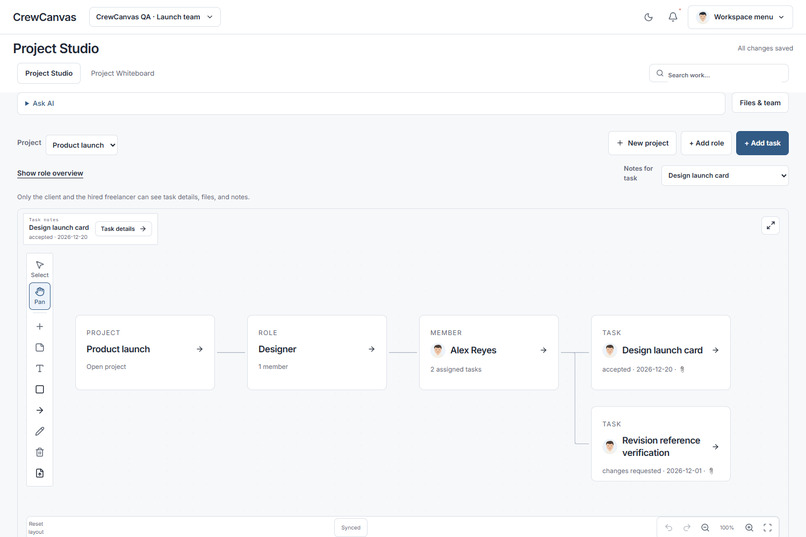
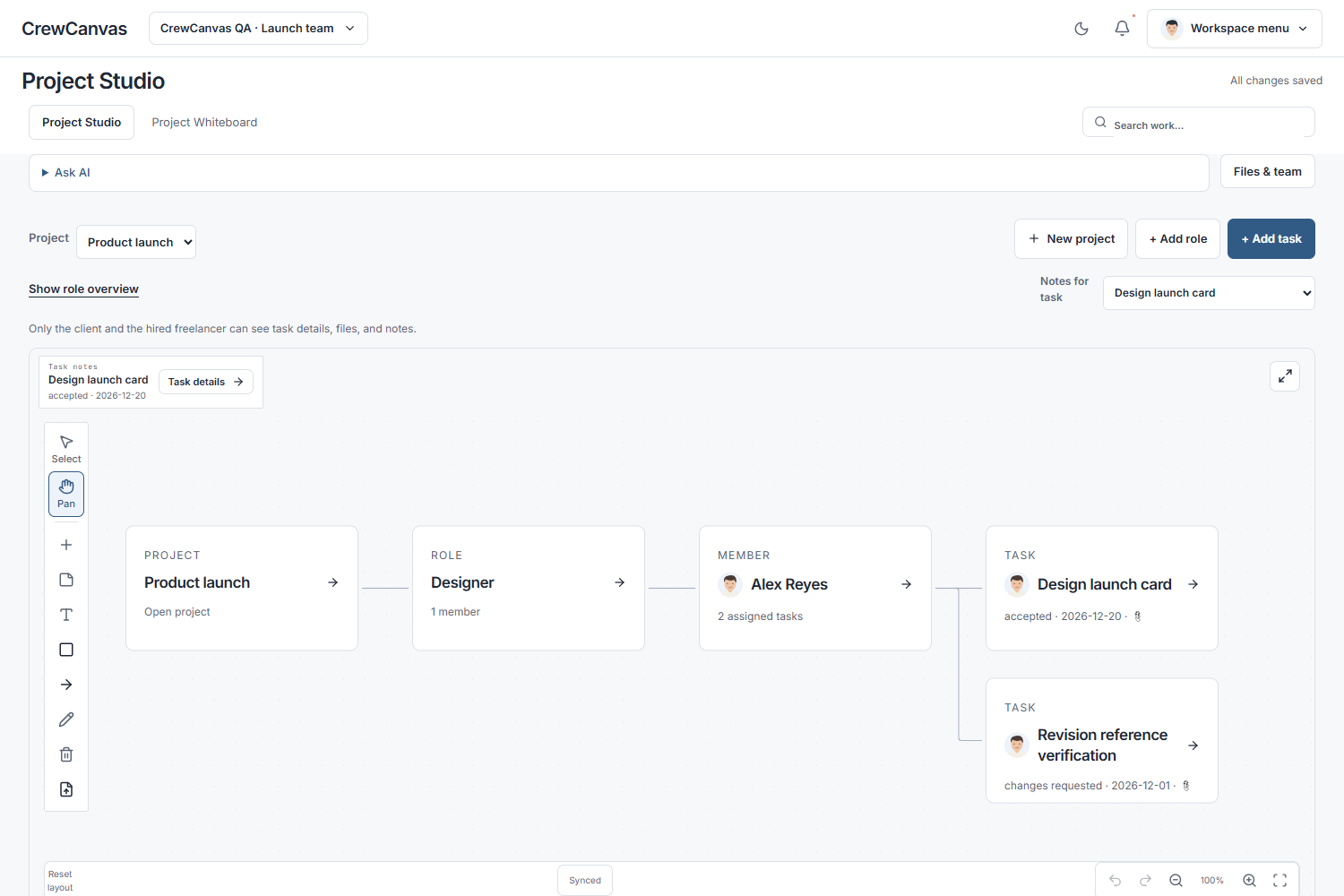
PROJECT STUDIO
-
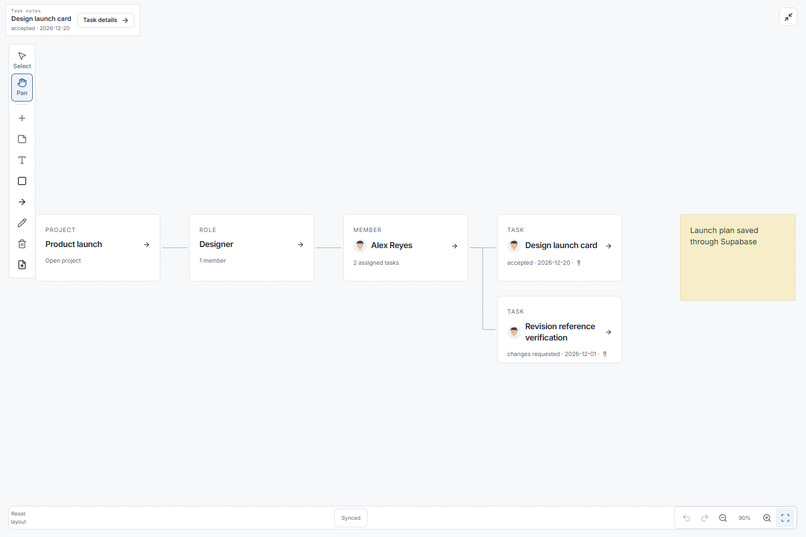
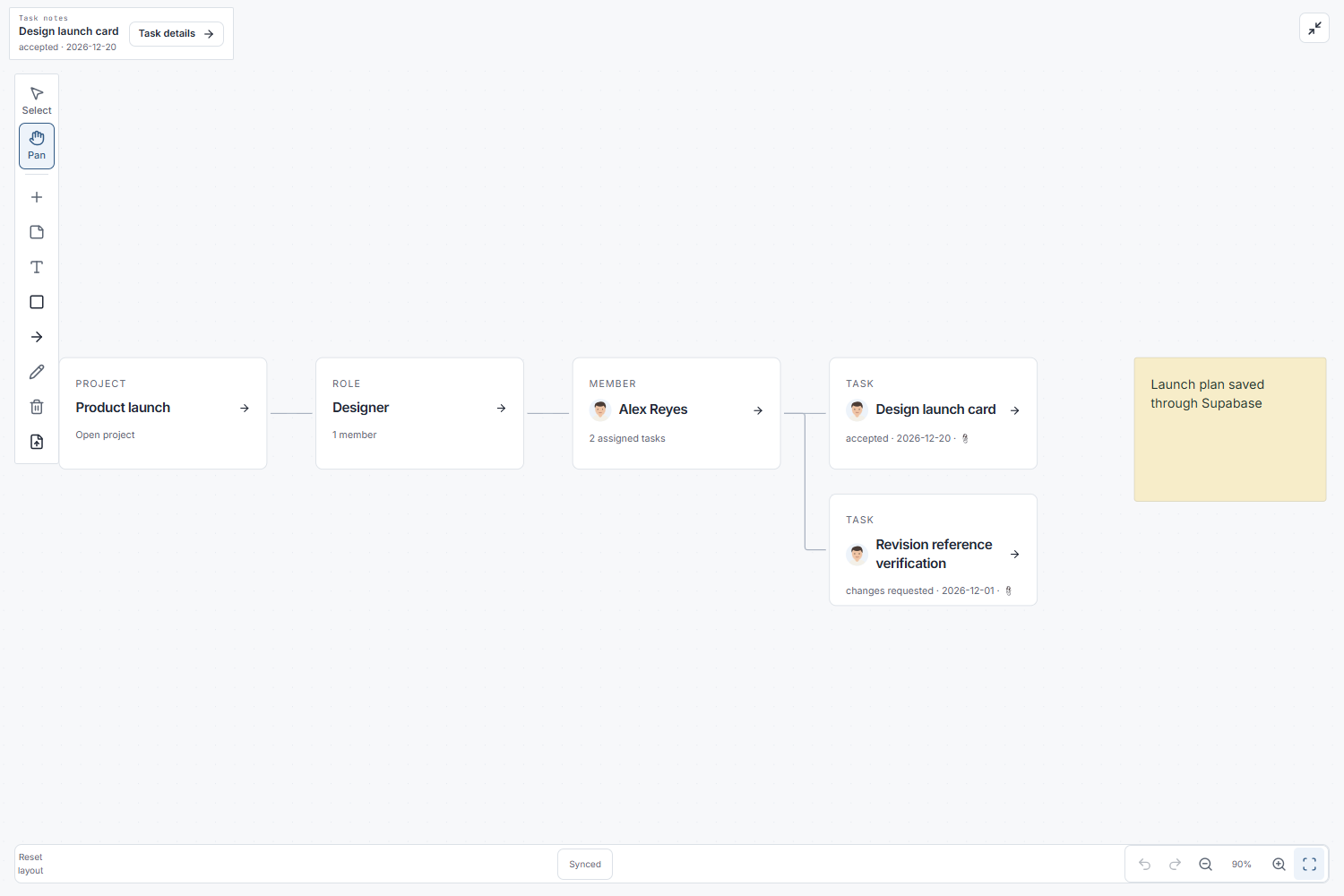
PROJECT WHITE BOARD
-
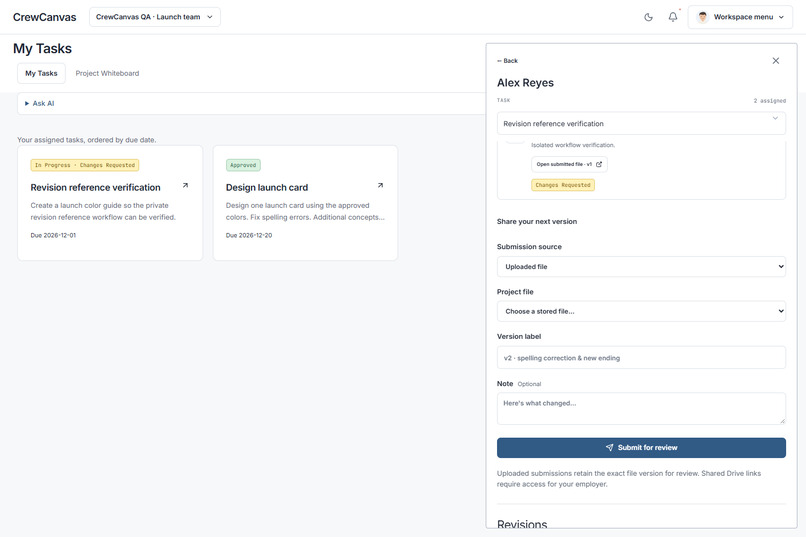
FREELANCER TASK MANAGEMENT
-
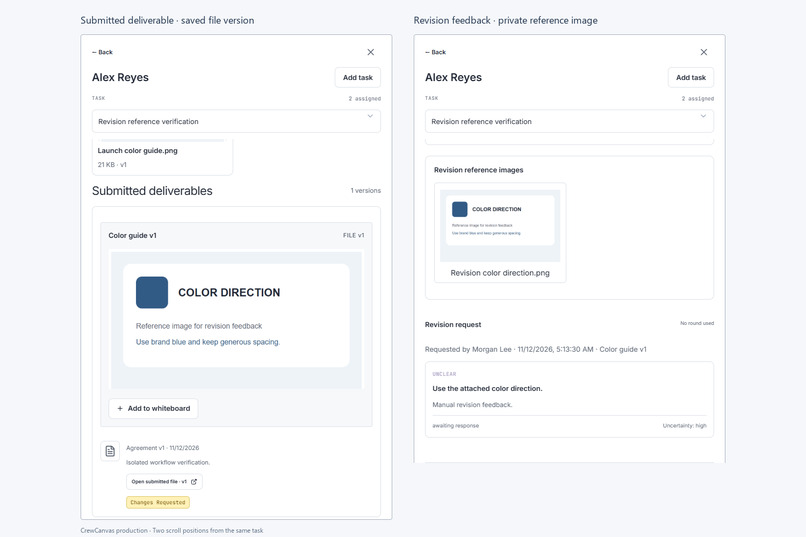
REVISIONS AND VERSIONS
-
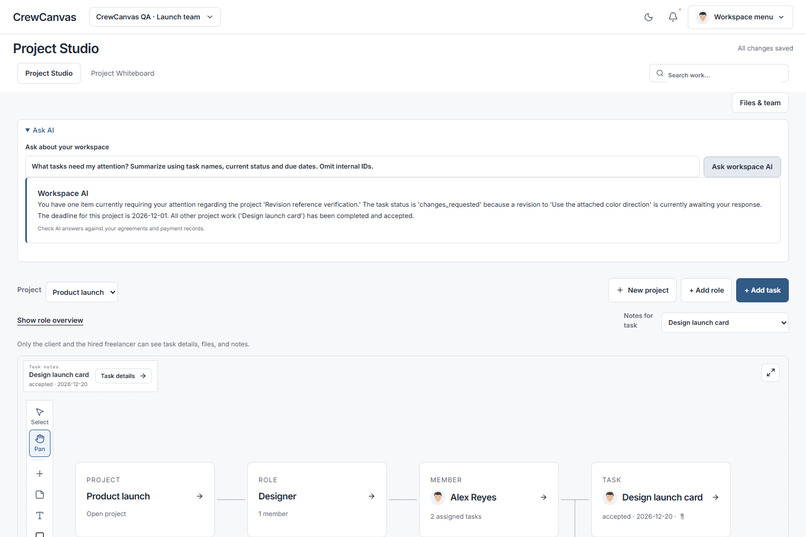
AI ASSISTANT
-
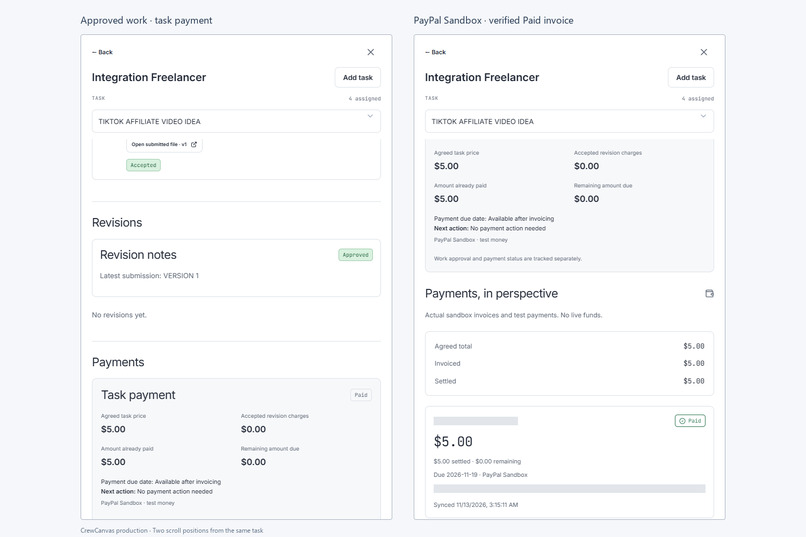
PAYPAL SANDBOX
Inspiration
Our team shares a common interest in freelancing and how technology can make work more efficient, especially for Filipino virtual assistants, freelancers, and the employers who work with them.
One of our biggest inspirations came from a real problem experienced by one of our team members. While managing multiple TikTok accounts, they found it increasingly difficult to coordinate editors, track content, manage revisions, and keep everything organized.
A single project could involve conversations across messaging apps, files stored in different places, multiple rounds of feedback, and separate payment arrangements. As more people and accounts became involved, managing everything started taking more time than the actual creative work.
That made us ask a simple question:
What if freelancers and employers could manage their entire creative workflow in one place?
That question became CrewCanvas.
We initially envisioned a platform where someone managing multiple TikTok accounts could easily see who was working on what, assign new tasks, review submitted content, request revisions, and track payments without constantly switching between different applications.
But as we developed the idea, we realized the problem extended far beyond content creation. Creative agencies, virtual assistants, designers, video editors, and other businesses face similar challenges when coordinating projects and managing remote teams.
We wanted CrewCanvas to solve those problems through a simpler, more connected workspace.
What It Does
CrewCanvas is an AI-powered collaborative workspace designed for freelancers, creative teams, agencies, and employers.
Instead of managing projects through scattered conversations and multiple applications, users can organize their work in one centralized platform.
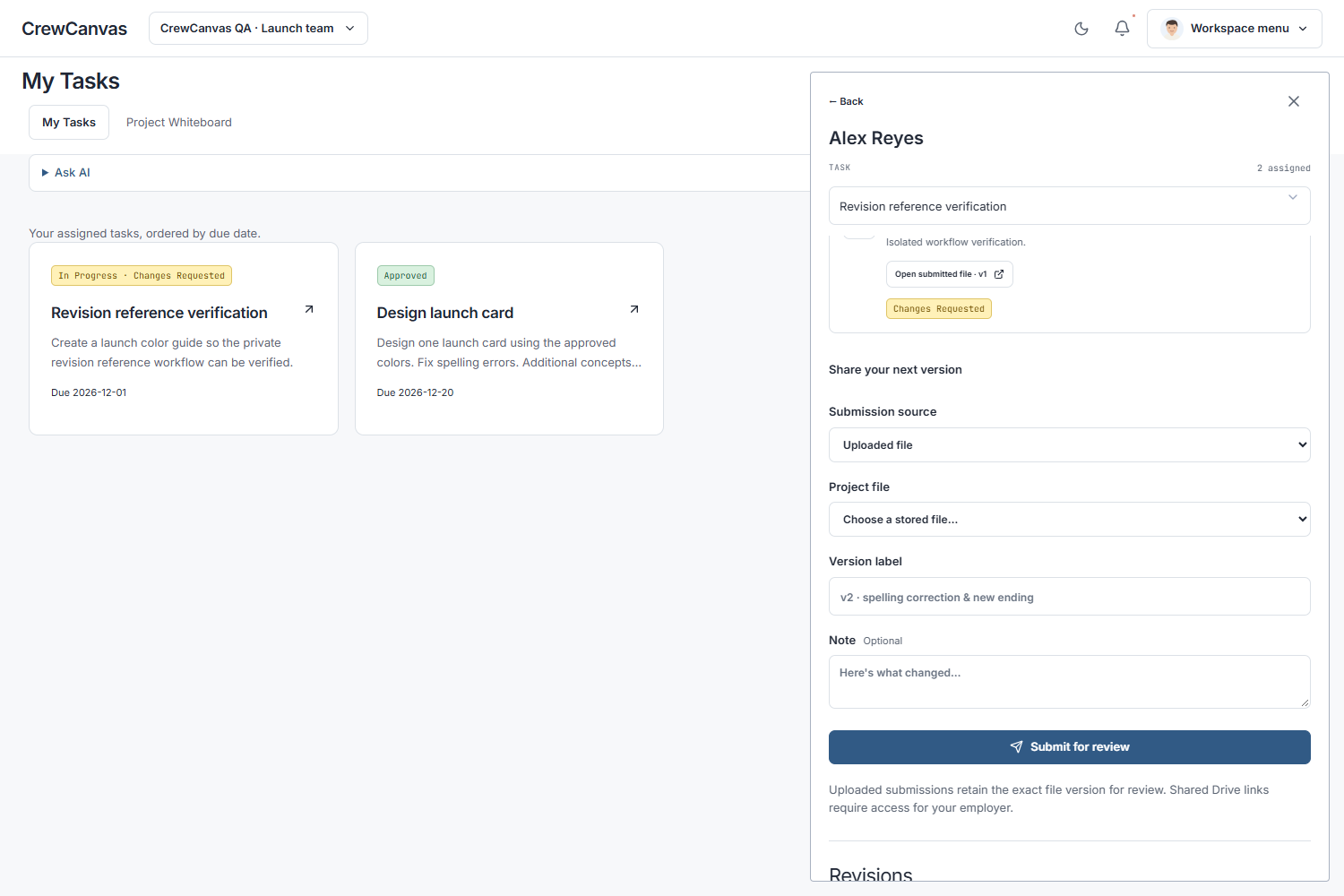
Employers and agency owners can create projects, organize members by role, assign tasks, establish deadlines and budgets, and monitor progress. Freelancers can view their assigned work, collaborate using an interactive whiteboard, upload deliverables, and respond to client feedback.
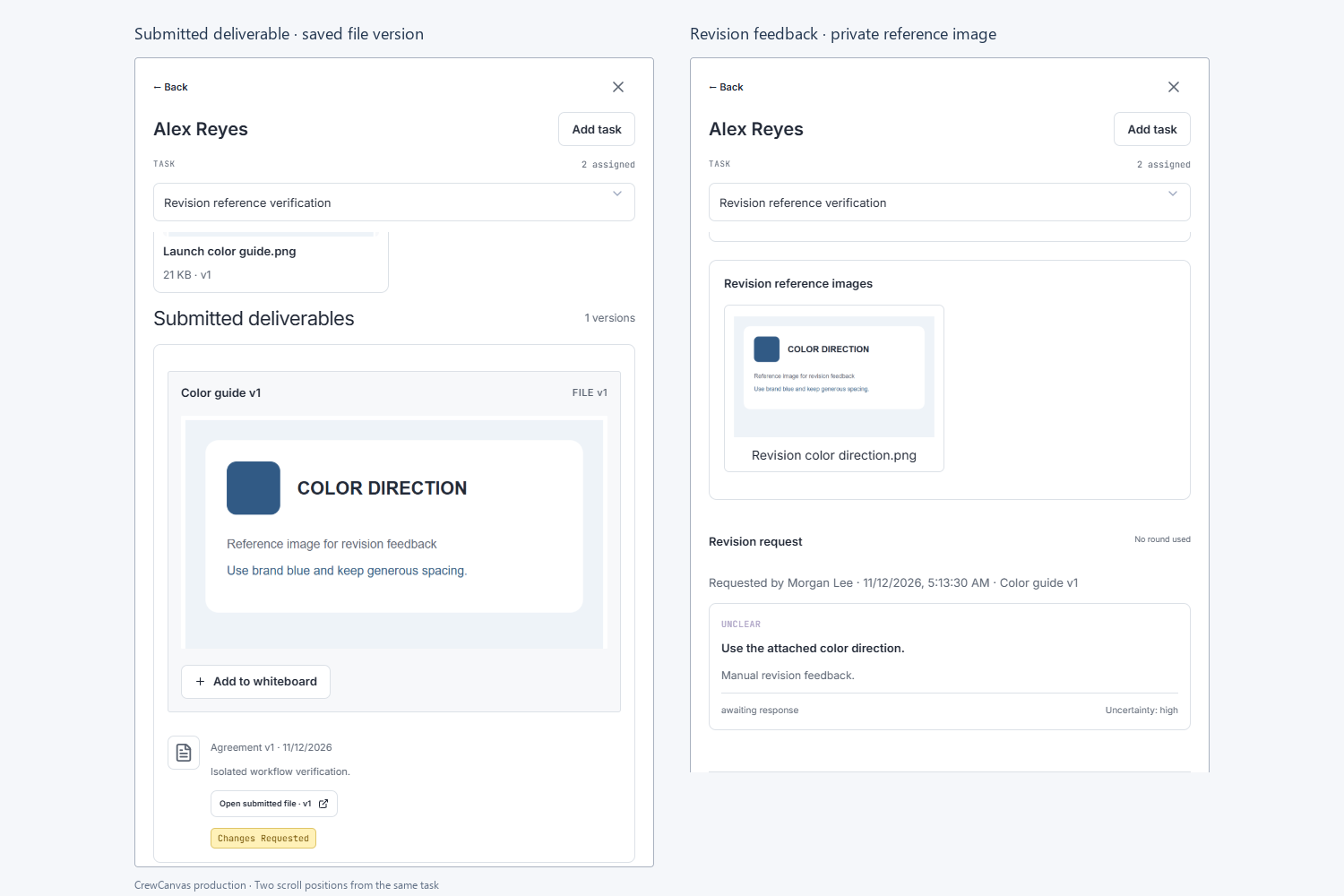
We also introduced versioned submissions and structured revision requests, allowing clients to provide feedback and visual references while keeping changes connected to the correct deliverable.
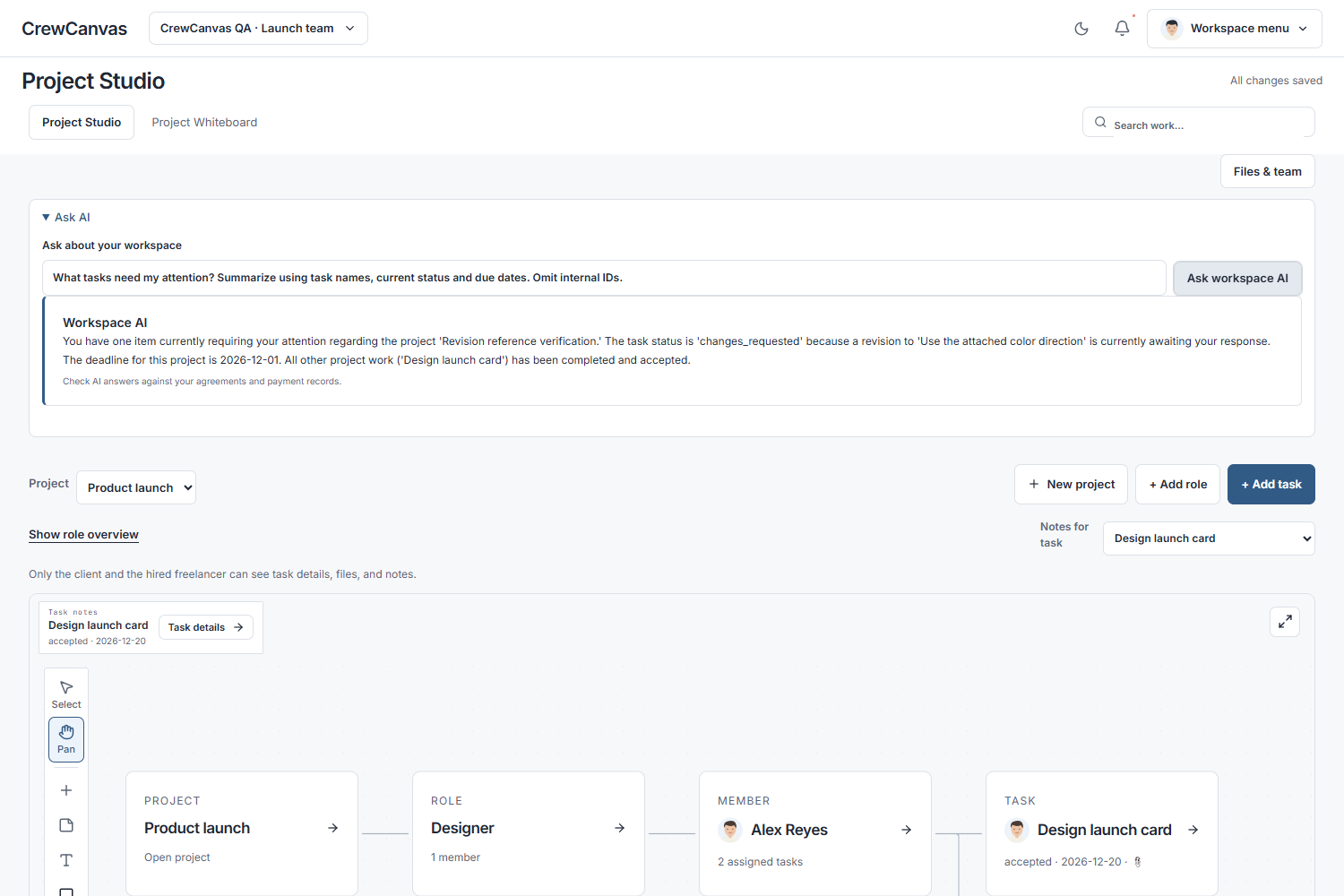
Our AI assistant helps users understand workspace activity, identify pending tasks, and get clearer insights into what needs attention.
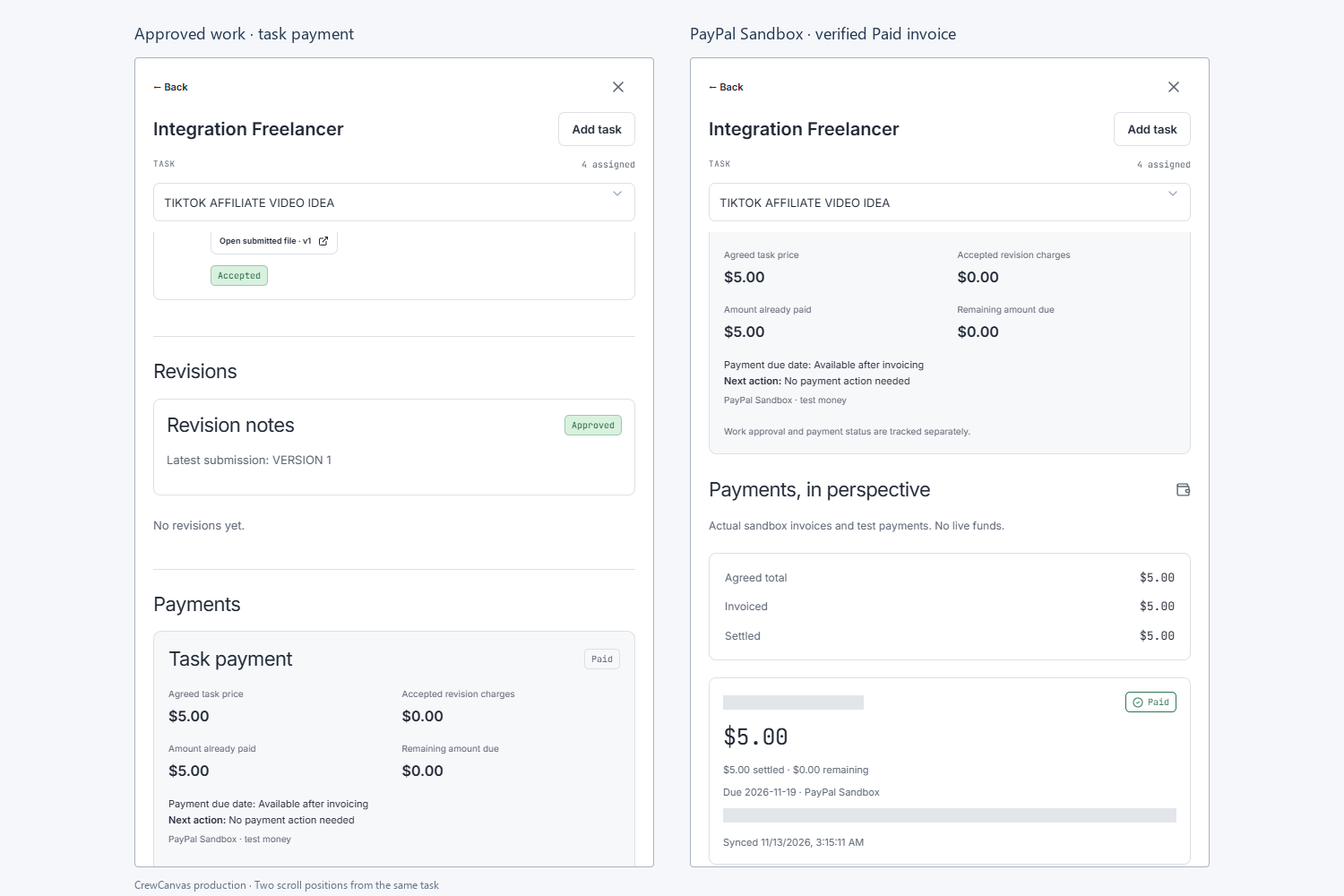
With PayPal Sandbox integration, CrewCanvas also connects approved work to invoicing and payment tracking.
Ultimately, we wanted to reduce the administrative work involved in creative projects so freelancers and businesses could spend more time doing what they do best.
How We Built It
We built CrewCanvas as a full-stack web application using React, TypeScript, and Vite for the frontend, with Supabase providing authentication, PostgreSQL database services, private file storage, and backend Edge Functions.
We used React Flow to create interactive project and whiteboard experiences where users can visualize work, organize information, and collaborate.
For AI functionality, we integrated Google Gemini to provide workspace assistance and help users understand project activity.
We also integrated PayPal's Sandbox APIs for invoicing, payment tracking, and webhook-based verification. This allowed us to test payment workflows without involving real money.
The application was deployed using Vercel, and we used automated testing to validate important workflows, permissions, and backend functionality.
Challenges We Faced
One of our biggest challenges was finding the right balance between functionality and simplicity.
Our initial versions included many features, but the interface gradually became overwhelming. We realized that building more features did not necessarily mean creating a better user experience.
Through testing and feedback from our team, we redesigned CrewCanvas to make its navigation cleaner, its project structure easier to understand, and its most important actions more accessible.
Another challenge was ensuring that freelancers could only access the tasks and files they were authorized to see, while employers retained the ability to manage their projects.
Integrating PayPal also required careful handling of invoice states, payment verification, and webhook events to ensure that work approval and actual payment were treated as separate processes.
These challenges pushed us to think beyond simply making the application work. We had to consider how real people would use it.
What We Learned
This project taught us alot about being able to be able to think about and create solutions for problems in a way that benefits businesses, agencies and other individual employers
We learned the importance of user feedback, intuitive design, secure backend development, and making complex workflows feel simple.
As a team, we also learned how important collaboration and communication are when building under a deadline, especially since this is our first hackathon experience as a team.
Most importantly, CrewCanvas helped us understand how technology and AI can support freelancers and businesses by reducing repetitive coordination work and making important information easier to access.
What's Next for CrewCanvas
We see CrewCanvas as more than a hackathon project.
Our long-term vision is to continue improving it into a practical workspace for Filipino freelancers, virtual assistants, creative agencies, and businesses managing remote teams.
We want to explore more helpful AI-powered workflows, improve collaboration and project tracking, simplify client communication, and expand the platform's payment capabilities.
Our goal is to help freelancers and businesses grow without making their workflows more complicated.
CrewCanvas — Create together. Deliver with clarity.
Built With
- deno
- google-gemini
- node.js
- paypal
- paypal-invoicing-api
- paypal-webhooks
- playwright
- postgresql
- react
- react-flow
- supabase
- supabase-edge-functions
- tailwind-css
- typescript
- vercel
- vite
- vitest


