I was inspired by classic maze-chase games like Tom and Jerry Mouse Maze and modern indie horror games that use atmosphere rather than realism to create fear. I wanted to explore how suspense, darkness, and limited visibility could make even a simple 2D maze feel intense and engaging. The idea was to mix nostalgic maze gameplay with a horror theme and modern mobile-friendly controls.
What it does
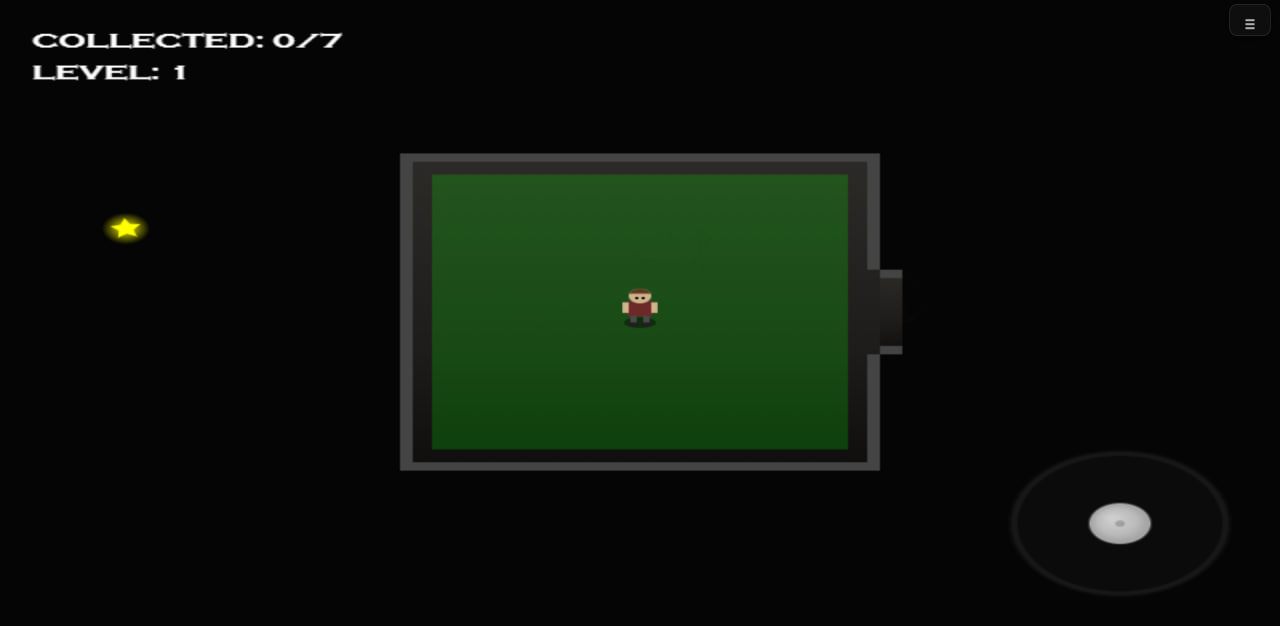
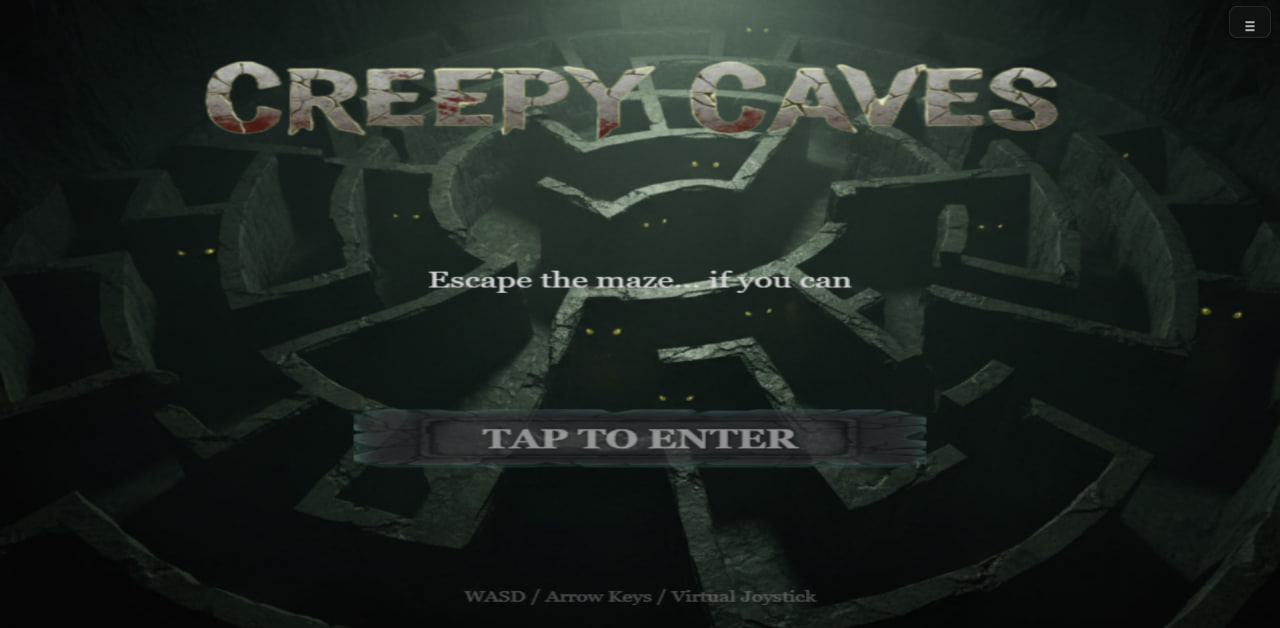
Creepy Caves is a top-down 2D horror maze game where players explore procedurally generated cave rooms, collect stars, and escape while avoiding intelligent guard-style monsters. The game features:
Room-based fog of war (unknown rooms are hidden until explored)
Progressive difficulty across 5 levels
Monsters that patrol, chase, and return like guards
Star-locked exits that require full exploration
Mobile controls including a virtual joystick and draw-to-move path system
Ambient horror sound design for immersion
Each level becomes harder by increasing monster count while keeping the maze layout unpredictable.
How I built it
The game was built using HTML5 Canvas, JavaScript, and CSS. I designed the maze generation system, collision logic, player movement, monster AI, and level progression from scratch. The game logic is fully browser-based and optimized to work on both desktop and mobile devices.
AI tools were used as development assistants to help with debugging, refining logic, and generating visual/audio assets. All gameplay systems, integration, and testing were done manually to ensure consistency and control.
Challenges I faced
One of the biggest challenges was handling collision detection in tight maze corners without the player getting stuck, while still keeping walls visually thin. Another challenge was maintaining monster persistence so they behaved like guards instead of despawning or behaving randomly.
Managing long game logic files, mobile input systems, and atmospheric effects without breaking core mechanics required careful iteration and testing. Balancing horror visuals without over-blurring or overwhelming the player was also a key challenge.
What I learned
This project taught me a lot about:
Game architecture and state management
AI behavior design using state machines
Collision systems and player movement smoothing
Designing for both desktop and mobile players
Using AI tools responsibly as productivity helpers rather than replacements
Most importantly, I learned how small design choices—like fog of war or sound timing—can drastically change how a game feels.
What’s next
In the future, I’d like to add more enemy types, puzzle mechanics, story elements, and improved animations. I also plan to turn Creepy Caves into a full Progressive Web App (PWA) and expand it with more levels and environments.
Built With
- ai-tools-were-used-as-development-assistants-for:-code-suggestions-and-debugging-game-logic-refinement-visual-asset-generation-sound-design-planning-all-final-design-decisions
- and-testing-were-done-manually.-ai-was-used-as-a-productivity-tool
- auto-generate
- gemini
- integrations


Log in or sign up for Devpost to join the conversation.