-
-

Creduchain LOGO
-
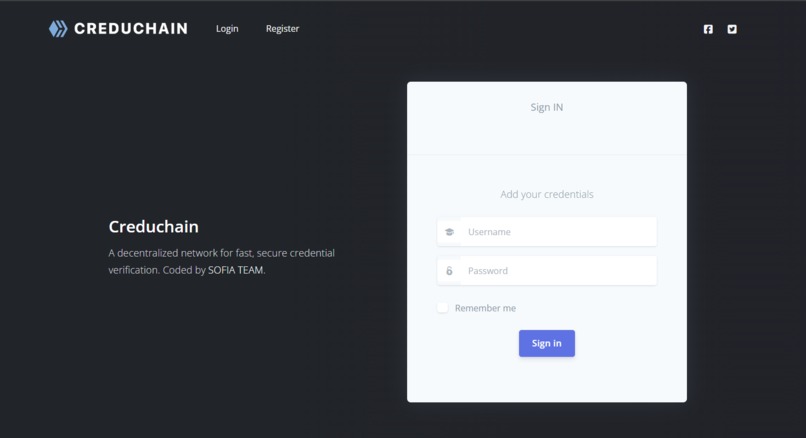
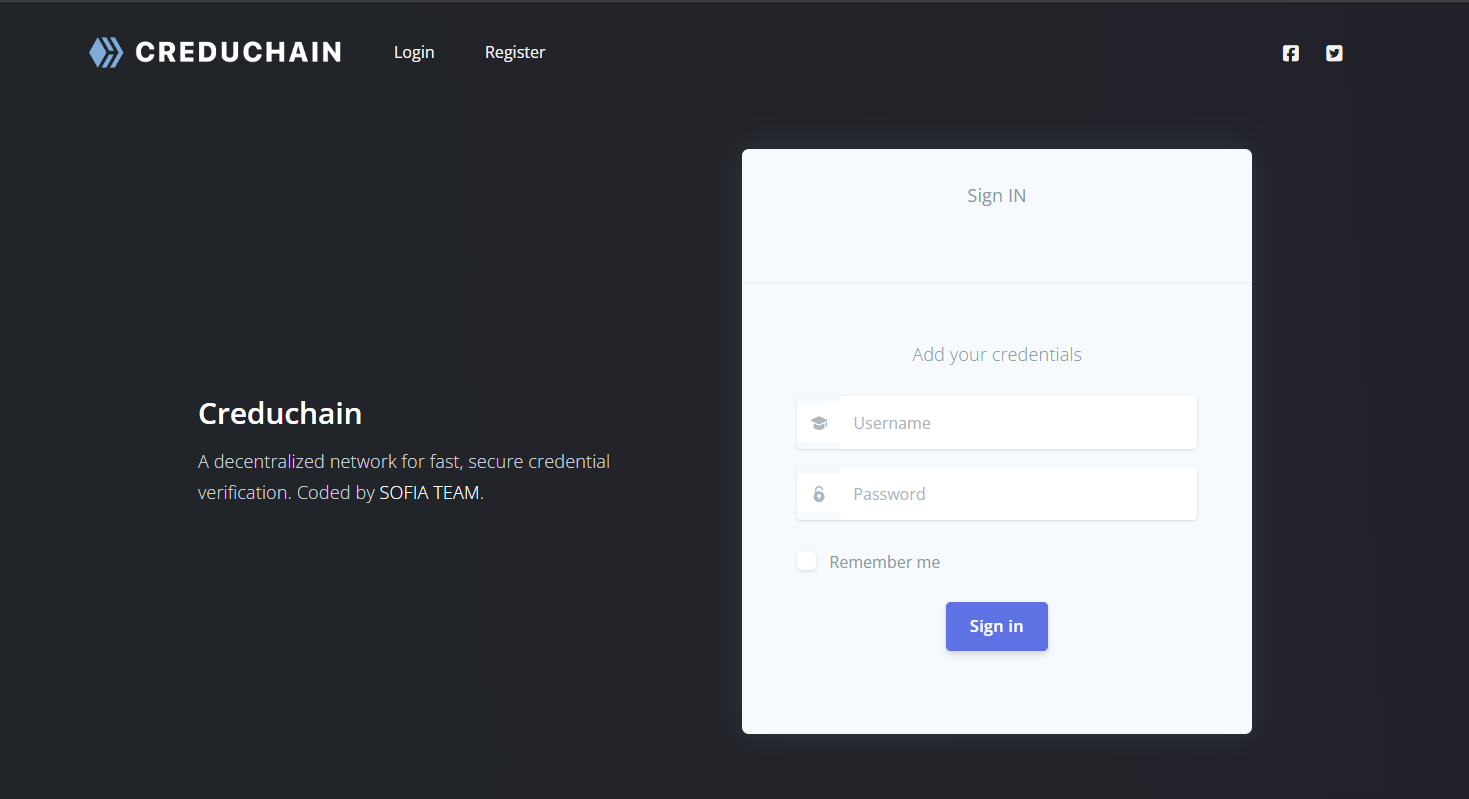
Creduchain login
-
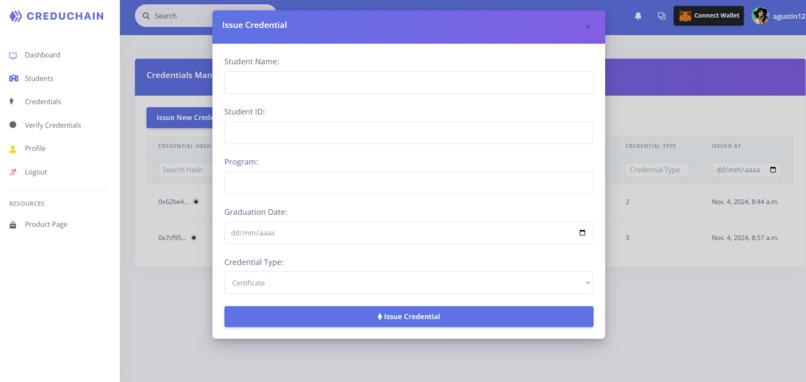
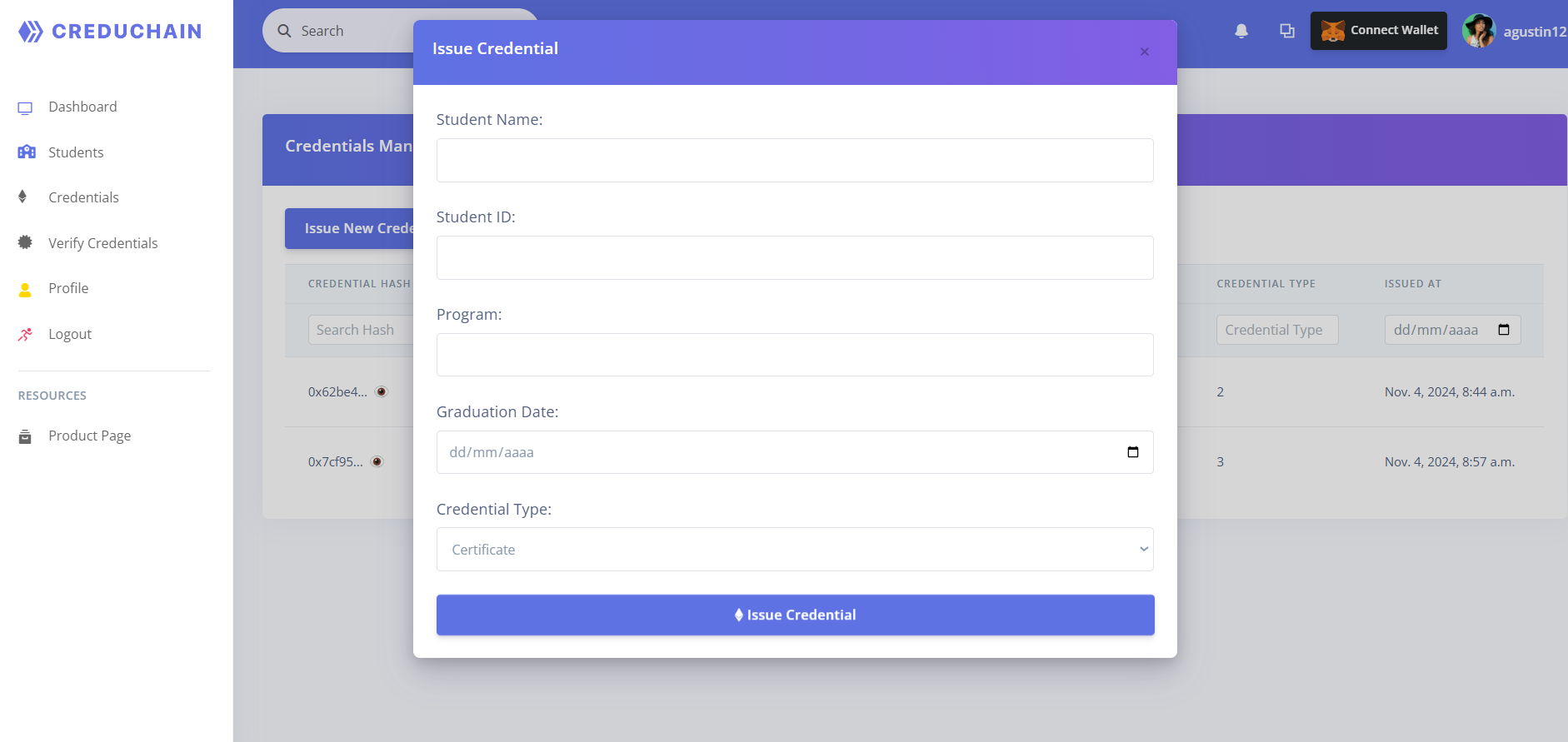
Credentials

Inspiration
The inspiration behind Creduchain stems from the need for solutions that ensure the authenticity of educational achievements and enhance students' employability in Nicaragua. This system allows educational institutions to issue verifiable credentials that can be easily accessed by employers and other users.
What it does
Creduchain facilitates the issuance, storage, and verification of digital credentials on the blockchain. Institutions can securely record students' achievements, and students have access to a platform where they can quickly and reliably demonstrate their competencies to employers.
How we built it
We developed Creduchain using the Django framework in Python to build the web application. Smart contracts, programmed in Solidity and deployed on the Scroll network, ensure data integrity on the blockchain. To facilitate interaction with the blockchain and handle credentials transparently, we use web3.js.
Educational credentials are stored in Pinata Cloud using IPFS, which ensures secure and decentralized storage. By storing only the hash of each credential on the blockchain, we optimized storage costs and maintained the privacy of student data. In addition, to standardize verification, we implemented the W3C Verifiable Credentials (VC) protocol in JSON-LD format, ensuring that issued credentials are interoperable and widely recognized.
Challenges we ran into
W3C standards integration: Implementing JSON-LD to adapt credentials to W3C standards was a technical challenge. Blockchain storage optimization: We learned how to use IPFS and Pinata Cloud to manage decentralized storage and reduce dependency on the blockchain. Interoperability and scalability: When handling verifiable credentials, it was important to ensure that the system could scale without compromising security.
Accomplishments that we're proud of
Compliance with international standards: We managed to implement the W3C standard for verifiable credentials, allowing global recognition of issued credentials.
Decentralized storage in Pinata Cloud: We successfully used IPFS and Pinata Cloud to securely store credentials, ensuring their integrity and accessibility.
First adoption of educational blockchain in Nicaragua: We designed a system that introduces blockchain in the Nicaraguan education sector with a focus on authenticity and transparency.
What we learned
W3C credential implementation: We learned how to design interoperable solutions for verifiable credentials, adapting international standards for local applications.
Decentralized storage in IPFS: We understood how to leverage decentralized storage to secure sensitive data without compromising privacy.
What's next for Creduchain
Expansion to mobile devices for students and employers to easily access their credentials.
Alliances with international educational entities, consolidating Creduchain as a standard in credential issuance and verification in Latin America.
Built With
- django
- easypanel
- javascript
- pinatacloud
- postgre
- python
- web3.js

Log in or sign up for Devpost to join the conversation.